Al Dente sits on Bogovićeva ulica, one of Zagreb's most trafficked pedestrian corridors, placing it in direct conversation with the city's evolving mid-to-upper dining tier. The address alone signals intent: this is a restaurant that competes in the same breath as the Croatian capital's more discussed tables, positioned where foot traffic and reservation culture intersect at the centre of the city's social geography.
Pearl is the En Primeur Club membership app — saves, bookings, and concierge access live there. Same editors, same standards.
- Address
- Bogovićeva ul. 5, 10000, Zagreb, Croatia
- Phone
- +385992222155
- Website
- aldentezagreb.hr
- Directions
- Get directions
 Saves & bookings on Pearl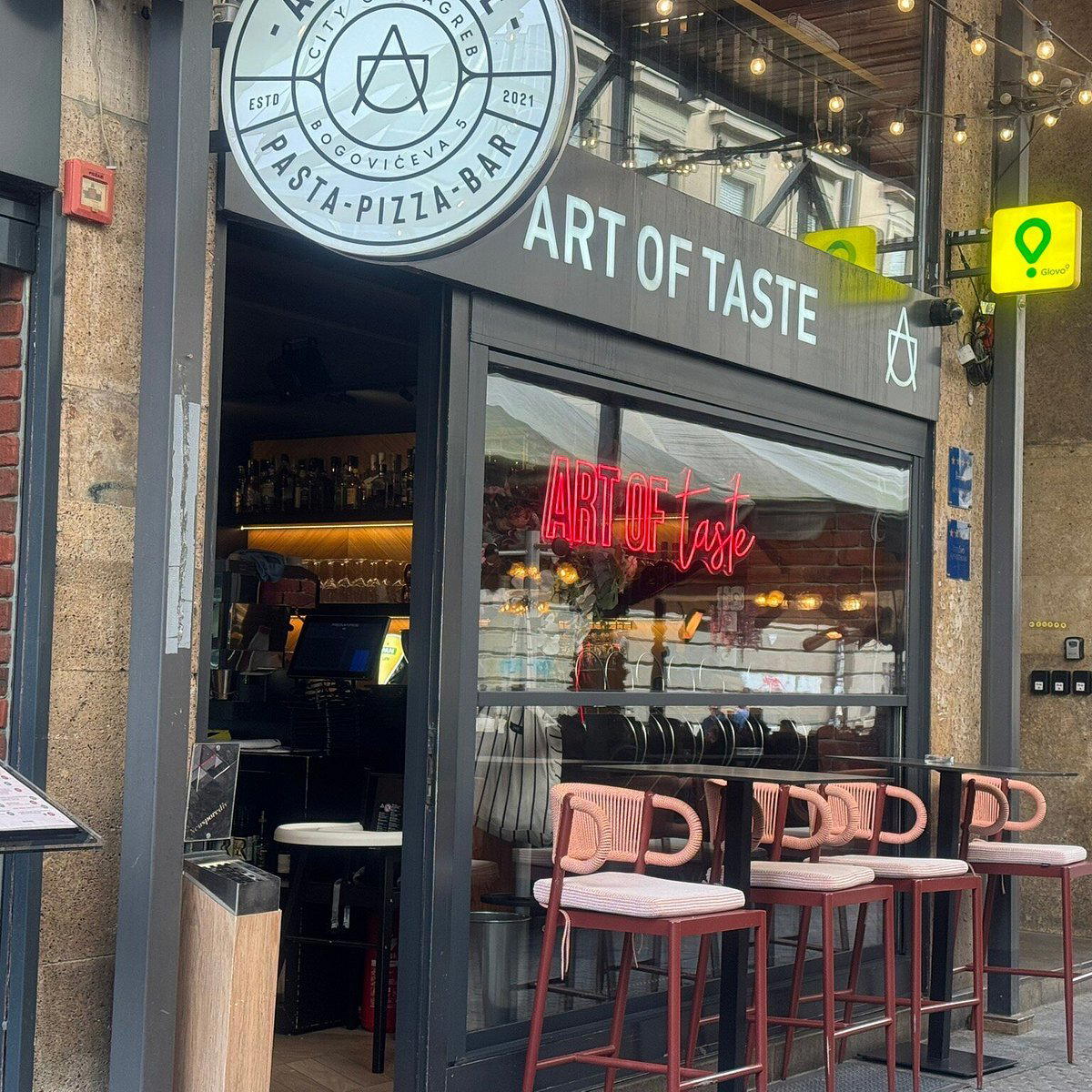
A Pedestrian Street That Defines Zagreb's Dining Axis
Bogovićeva ulica operates as a kind of barometer for Zagreb's restaurant economy. Running through the heart of Gornji Grad's lower fringe and connecting to Trg bana Jelačića, it draws a cross-section of the city at nearly every hour: office workers at lunch, tourists navigating between the cathedral and the funicular, and locals who treat the strip as a default meeting point. A restaurant address here is not incidental. It positions a venue at the intersection of accessibility and expectation, where passing trade meets deliberate reservation, and where the competition for attention is immediate and constant.
Al Dente, at Bogovićeva ul. 5, occupies exactly that territory. In a city where fine dining has historically clustered either in quiet residential pockets like Tuškanac, home to Dubravkin Put (Mediterranean Cuisine), or in the refined price brackets occupied by Noel (Modern Cuisine), a central-street address carries a different kind of mandate: to be both approachable in location and credible in execution. The tension between those two demands defines the character of the restaurants that succeed on this corridor.
Zagreb's Dining Tiers and Where the Centre Sits
Zagreb's restaurant scene has matured considerably over the past decade, developing distinct tiers that broadly reflect what you find in other Central European capitals. At the upper end, venues like Noel (Modern Cuisine) operate in the €€€€ bracket, with tasting-menu formats and modernist ambitions that align them more with Ljubljana or Vienna than with the Adriatic coastal dining tradition. In the mid-range, Croatian-inflected restaurants and Mediterranean-leaning tables form the backbone of the local scene. At the more accessible end, specialist formats like Izakaya (Japanese Contemporary) demonstrate that Zagreb diners now support internationally-oriented concepts beyond the capital's traditional comfort zone.
Central addresses on and around Bogovićeva tend to house the restaurants competing in that mid-to-upper range, venues that want to attract both local repeat customers and visitors staying in the immediate hotel belt. The geography encourages a format that can handle volume without sacrificing quality, a balance that shapes menu structure, service speed, and pricing across this strip more than in any other part of the city.
The Croatian Context: What the Capital Offers Against the Coast
Croatia's most-discussed restaurant addresses have historically been coastal: Agli Amici Rovinj in Rovinj, Pelegrini in Sibenik, Restaurant 360 in Dubrovnik, and LD Restaurant in Korčula represent the tier of Croatian dining that attracts international critical attention and Michelin scrutiny. The Adriatic coast's combination of superior seafood access, wine-growing hinterland, and summer tourism economics has given it structural advantages that Zagreb, as an inland capital, cannot replicate on the same terms.
What Zagreb offers instead is consistency across twelve months, a local customer base that dines habitually rather than seasonally, and a food culture shaped by Central European traditions alongside Croatian ones. Inland restaurants like Korak in Jastrebarsko and Boskinac in Novalja demonstrate that the country's critical recognition is spreading beyond the Dalmatian coast, and Zagreb's central restaurants increasingly compete on those terms. The reference points shift from seafood platters and terrace views to technique, sourcing, and year-round kitchen discipline.
Other Croatian tables worth knowing about include Nebo by Deni Srdoč in Rijeka, Alfred Keller in Mali Lošinj, Krug in Split, and San Rocco in Brtonigla, which together sketch a Croatian restaurant geography that extends well beyond heavily visited coastal centres.
Nearby Alternatives and How to Use the Neighbourhood
For those spending time in central Zagreb, the Bogovićeva corridor connects naturally to several other dining options worth considering alongside Al Dente. Amfora and Amélie are both in the broader city centre, offering different format and price positions that give visitors options depending on occasion and group size. The proximity of these tables means the neighbourhood functions as a genuine dining district rather than a collection of isolated destinations.
Planning Your Visit
Al Dente is located at Bogovićeva ul. 5 in central Zagreb, within comfortable walking distance of the main square and the city's principal hotel cluster. For visitors arriving by train, Zagreb's central station sits roughly 15 minutes on foot from Bogovićeva, making the address direct to reach without a taxi. The restaurant is open daily from 11 AM to 11 PM, and reservations are recommended. Given the location's foot-traffic patterns, evening reservations during peak periods are advisable rather than optional.
A Minimal comparable set
Comparable venues nearby, for context on price, style, and recognition.
| Venue | Cuisine | Price | Notes |
|---|---|---|---|
| Al DenteThis venue — the venue you are viewing | Not listed | $$$ | Not listed |
| BioMania bistro POP | Not listed | $$$ | Gornji Grad – Medveščak, Organic Plant-Based Bistro |
| Barbieri's | Not listed | $$$ | Tkalciceva, Modern Italian-Croatian Bistro |
| Korčula | Lower Town, Modern Dalmatian Seafood | $$$ | Not listed |
| Tomassino | Not listed | $$ | Zagreb City Center, Modern Italian with Croatian Influences |
| RESTORAN Maksimir | Maksimir, Traditional Croatian | $$ | Not listed |
Continue exploring
More in Zagreb
Restaurants in Zagreb
Browse all →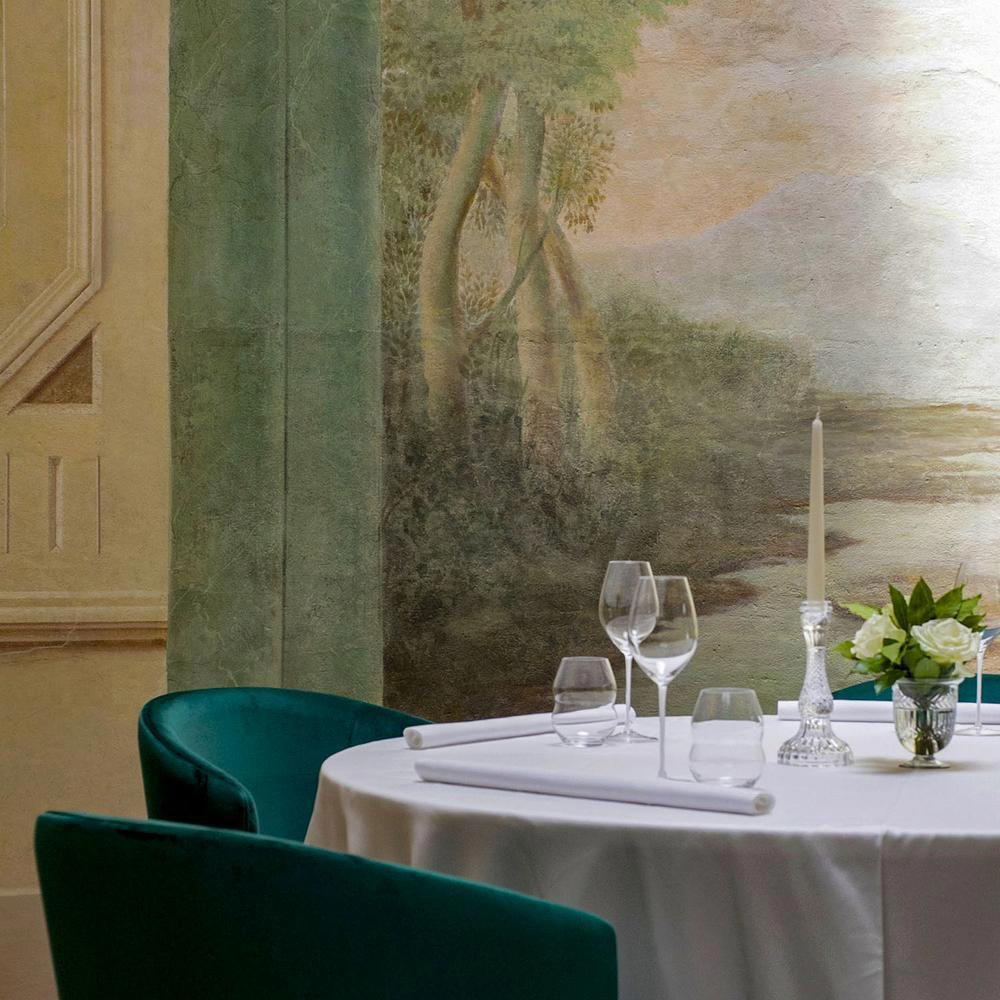
Bars in Zagreb
Browse all →
Hotels in Zagreb
Browse all →

At a Glance
- Modern
- Elegant
- Romantic
- Date Night
- Casual Hangout
- Group Dining
- Family
- Open Kitchen
- Live Music
- Beer Program
- Local Sourcing
Current opening hours
- Monday
- 11 AM–11 PM
- Tuesday
- 11 AM–11 PM
- Wednesday
- 11 AM–11 PM
- Thursday
- 11 AM–11 PM
- Friday
- 11 AM–11 PM
- Saturday
- 11 AM–11 PM
- Sunday
- 11 AM–11 PM
Hours can change for holidays and private events. Last verified .
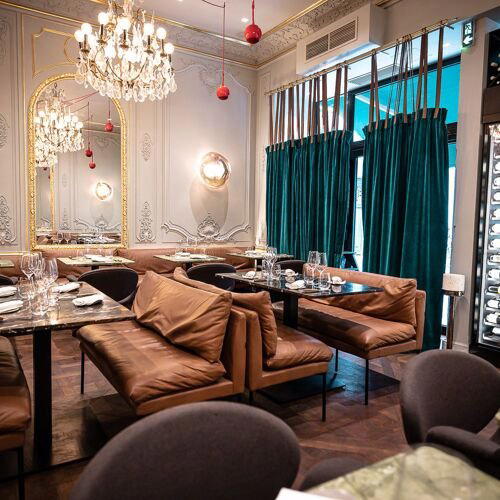
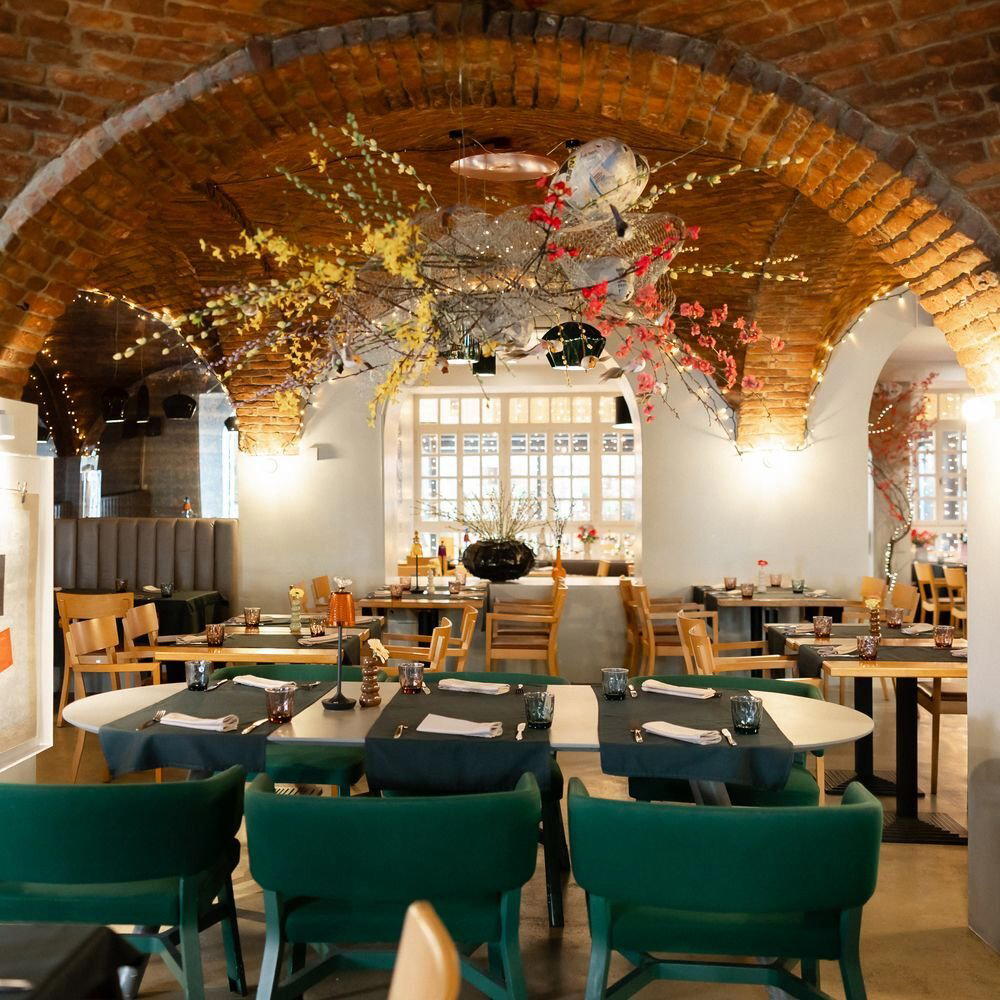
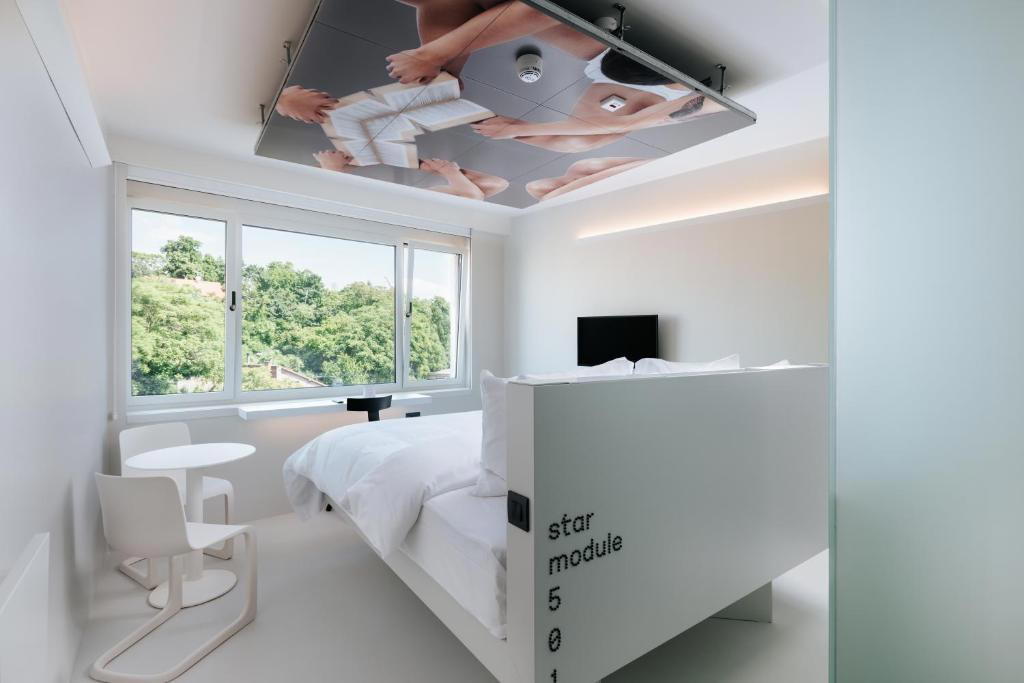
Modern design decor with pleasant ambience, combining contemporary aesthetics with warm Italian hospitality.