Trattoria
Our verdict
At Souk Madinat Jumeirah, Trattoria occupies one of Dubai's most atmospheric dining addresses, where the waterway views and low-lit warmth of the souk set the tone before you've seen a menu. The Italian trattoria format sits between casual neighbourhood dining and destination-level wine programs, making it a reference point for visitors weighing the Dubai restaurant scene's middle and upper tiers.

Pearl is the En Primeur Club membership app, where members save venues, book tables and use the concierge.

Dining at the Edge of the Waterway
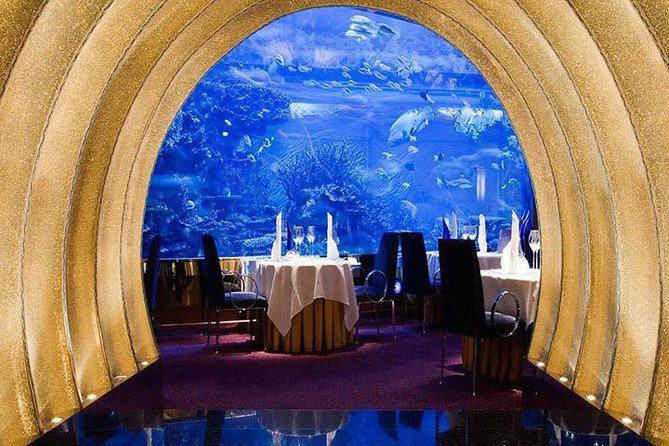
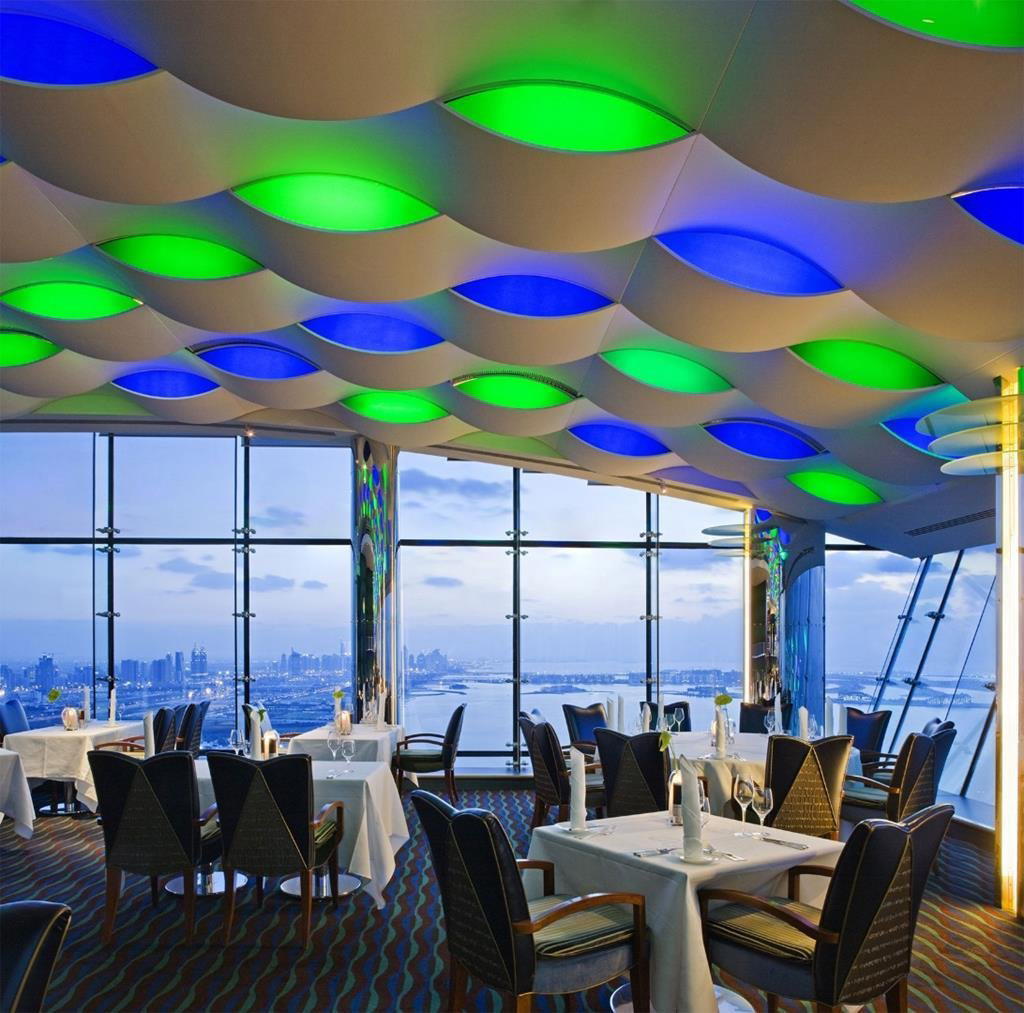
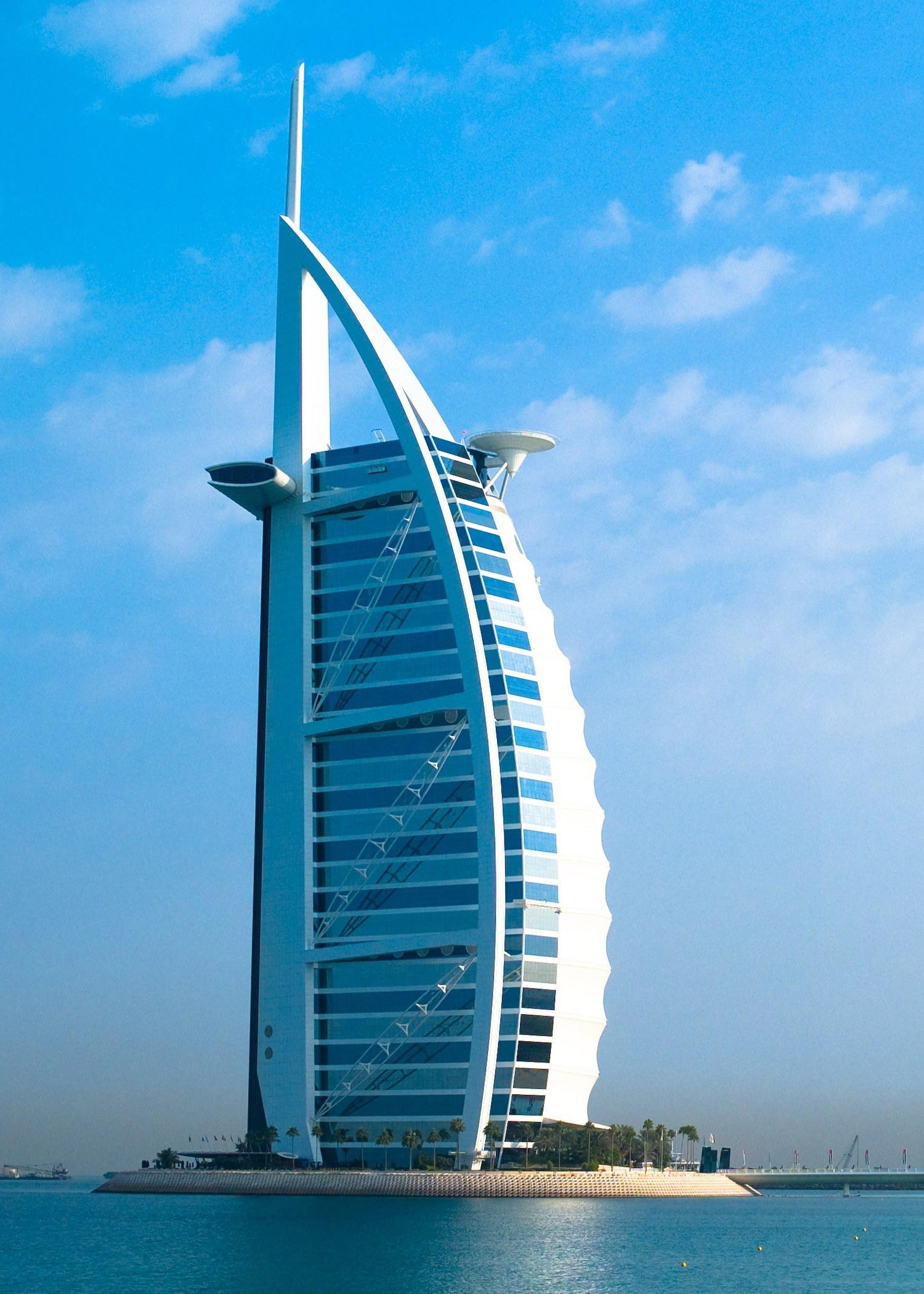
Souk Madinat Jumeirah operates as one of Dubai's more considered hospitality environments: a mid-rise replica of a traditional Arabian market built around an artificial canal, with the Burj Al Arab framed in the middle distance and the sound of water running beneath open walkways. Restaurants positioned inside it inherit a specific atmosphere that indoor venues elsewhere in the city spend considerable effort trying to manufacture. Trattoria, positioned within this address, draws on that setting from the first approach, when the ambient drop in temperature and the shift from street noise to something quieter signals a change of register.
The Italian trattoria format, when it travels to the Gulf, tends to bifurcate into two versions: the hotel all-day Italian that functions primarily as a comfort anchor for international guests, and the more specific interpretation that takes the regional character of Italian cooking seriously, treating the wine program and the pasta repertoire as the actual editorial argument. Trattoria at Souk Madinat sits within the second tradition, or at least positions itself there by address and association.
The Wine Argument at a Souk Address
Italian restaurants outside Italy live or die on the integrity of their wine lists. In a city where alcohol is permitted but heavily taxed, and where the dominant dining culture skews toward cocktail bars and brand-heavy beverage programs, a serious Italian cellar is a meaningful differentiator. The question for any trattoria format operating in Dubai is whether the wine program reads as a genuine curatorial statement or as an imported list assembled from the same regional distributors serving every Italian flag on the strip.
The traditional Italian cellar at this price tier draws from a narrow set of regions: Barolo and Barbaresco from Piedmont, Super Tuscans from Bolgheri and Montalcino, whites from Friuli and Alto Adige, and the kind of esoteric southern Italian producers that separate a sommelier's list from a procurement list. Dubai's better Italian rooms, including reference points like 8 1/2 Otto e Mezzo Bombana in Hong Kong which operates a comparable expatriate-Italian model in a high-tax alcohol environment, demonstrate that depth of curation matters as much as depth of inventory. A list of fifty Barolos reads differently than a list of ten chosen with precision and context.
For visitors comparing Italian cellars across the city, the benchmark conversation also extends globally. Rooms like Alain Ducasse at Louis XV in Monte Carlo and Alléno Paris au Pavillon Ledoyen set the standard for what cellar depth looks like when a wine program is treated as equal to the kitchen. The same standard applies, scaled appropriately, to a trattoria operating in an international hospitality hub like Dubai.
Where It Sits in the Dubai Dining Map
Dubai's restaurant scene has layered considerably over the past decade. The upper tier now includes tasting-menu rooms with internationally credentialed chefs: Trèsind Studio operates at the Indian fine dining apex, FZN by Björn Frantzén brings Scandinavian-accented modern cuisine with a Michelin-pedigreed name, and moonrise and Row on 45 represent the creative contemporary tier. Below that apex, the mid-to-upper neighbourhood layer, where trattoria formats compete, is crowded and increasingly specific in its positioning.
Souk Madinat's location on King Salman Bin Abdulaziz Al Saud Street places Trattoria in the Jumeirah coastal corridor, roughly twenty minutes from Downtown depending on traffic. For visitors staying along the Sheikh Zayed Road hotel spine, the journey involves a deliberate commitment, which tends to filter the dining room toward guests who have specifically chosen the address rather than defaulting to whichever restaurant their hotel lobby recommended. That self-selecting audience creates a different room dynamic than venues serving a captive hotel population. A parallel pattern holds in other cities: Lazy Bear in San Francisco and Atomix in New York both occupy locations requiring intentional travel, and both benefit from audiences that have already committed before arrival.
For visitors extending the Gulf Coast dining circuit beyond Dubai, Erth in Abu Dhabi represents the Emirati-focused counterpoint to international restaurant formats like Trattoria, while AL NAWAB RESTAURANT LLC in Sharjah provides a regional contrast for those mapping the wider GCC dining scene.
Planning a Visit
Souk Madinat Jumeirah is accessible by taxi from most Dubai hotel zones, with the entrance off King Salman Bin Abdulaziz Al Saud Street. The souk itself requires some orientation on first visit, as the internal walkways are designed to encourage exploration rather than direct navigation. Trattoria is positioned within the complex; arriving with a few extra minutes allows for the transition from the external heat to the cooler, more sheltered interior environment. Dubai's dining high season runs from October through April, when temperatures make the waterway-adjacent outdoor seating genuinely usable, and reservations during this window, particularly for Friday brunch periods, carry a premium on availability.
Those building a wider Dubai itinerary around serious eating should cross-reference our full Dubai restaurants guide, which maps the scene across price tiers and cuisine types. For comparable fire-forward modern cooking in the city, 11 Woodfire operates at the $$$ tier and offers a useful point of comparison for venue-hopping across a Dubai dining weekend.
Frequently asked questions
What's Trattoria's location?
Trattoria is located at Souk Madinat Jumeirah - King Salman Bin Abdulaziz Al Saud St - Dubai - United Arab Emirates, Dubai.
Is Trattoria inside Souk Madinat Jumeirah a good option for outdoor canal-side dining in Dubai?
Souk Madinat Jumeirah is one of the few dining precincts in Dubai where canal-side outdoor seating exists within a cohesive architectural setting modelled on a traditional Arabian market. Trattoria's position within the souk places it in that environment, making it a practical choice for guests prioritising an outdoor waterway setting alongside Italian food. Dubai's outdoor dining season runs most reliably from October through April, when temperatures drop to a range that makes terrace seating comfortable.
What do people recommend at Trattoria?
Trattoria sits inside Souk Madinat Jumeirah, a setting that draws guests toward its canal-facing tables as much as the food itself. Given the trattoria format, a category built on regional Italian comfort cooking rather than tasting-menu ambition, the expectation is well-executed pasta, shared antipasti, and grilled secondi. Those familiar with the address tend to recommend arriving early enough to secure a table with waterway views.
How hard is it to get a table at Trattoria?
Souk Madinat Jumeirah is one of Dubai's more consistently trafficked hospitality complexes, which means popular dinner slots at restaurants within the souk fill faster than the casual setting implies. Booking ahead, particularly on weekends or during Dubai's October-to-April high season, is the practical approach. Walk-ins are more viable at lunch on weekdays.
What's the defining dish or idea at Trattoria?
The trattoria format itself is the defining idea: a mid-register Italian dining model built on regional specificity rather than innovation. In Dubai, where many Italian restaurants pitch toward either hotel-ballroom formality or fast-casual pizza chains, a straightforward trattoria positioned inside a landmark souk complex occupies a relatively clear niche. The address at Souk Madinat Jumeirah adds a spatial context that few comparable Italian rooms in the city can replicate.
What if I have allergies at Trattoria?
Italian cooking involves several common allergens, gluten in pasta and bread, dairy in sauces and cured preparations, and tree nuts in desserts. Trattoria is located within Souk Madinat Jumeirah, a managed hospitality environment where kitchen teams are generally equipped to handle dietary queries.
Does Trattoria justify its prices?
Dubai's alcohol tax structure means any restaurant serving wine operates at a pricing baseline significantly above comparable European counterparts. At a souk address within the Madinat Jumeirah complex, one of the city's premium hospitality zones, the cover charge reflects both the setting and Dubai's wider cost of dining out. Whether the food-to-price ratio holds depends on expectations: guests who arrive treating it as a neighbourhood trattoria may find the bill surprising; those benchmarking it against other Jumeirah-area restaurants will find it consistent with the territory.
Comparable Venues
Comparable venues nearby, for context on price, style, and recognition.
| Venue | Cuisine | Price | Notes |
|---|---|---|---|
| TrattoriaThis venue (the venue you are viewing) | Authentic Tuscan Trattoria | $20–30 | Not listed |
| L'Antica Pizzeria da Michele | Authentic Neapolitan Pizza | $10–20 | Al Wasl |
| La Fabbrica Italiana - Wasl 51 | Artisan Italian Focacceria | Not listed | Jumeira |
| SALT | Beach Burgers | $20–30 | Umm Suqeim |
| Arabian Tea House Restaurant & Cafe - Al Fahidi, Dubai | Authentic Emirati | $10–20 | Al Souq Al Kabeer |
| AVLU Dubai | Greek-Turkish Aegean Cuisine | Not listed | Palm Jumeirah |