Arabian Tea House Restaurant & Cafe - Al Fahidi, Dubai
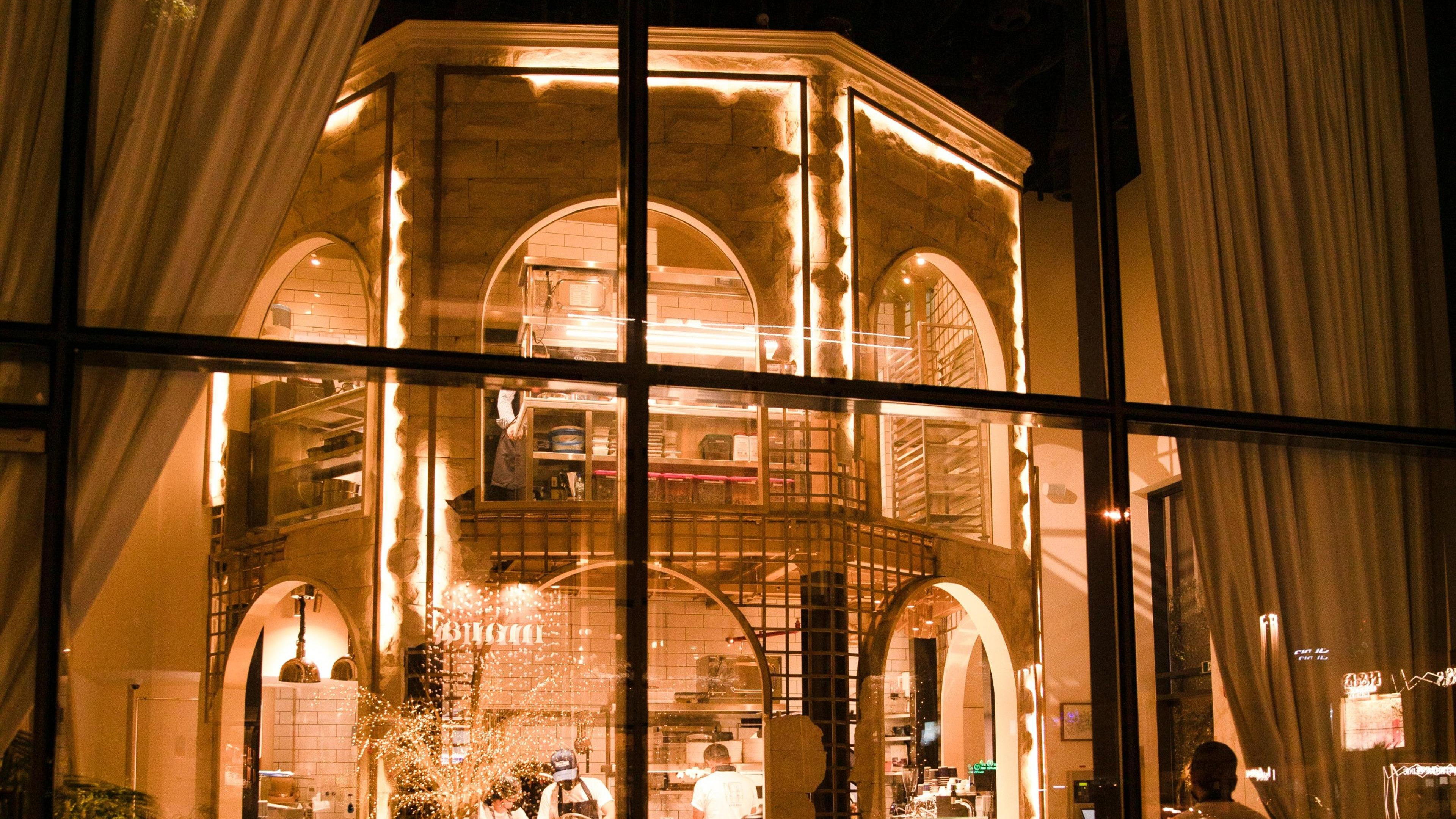
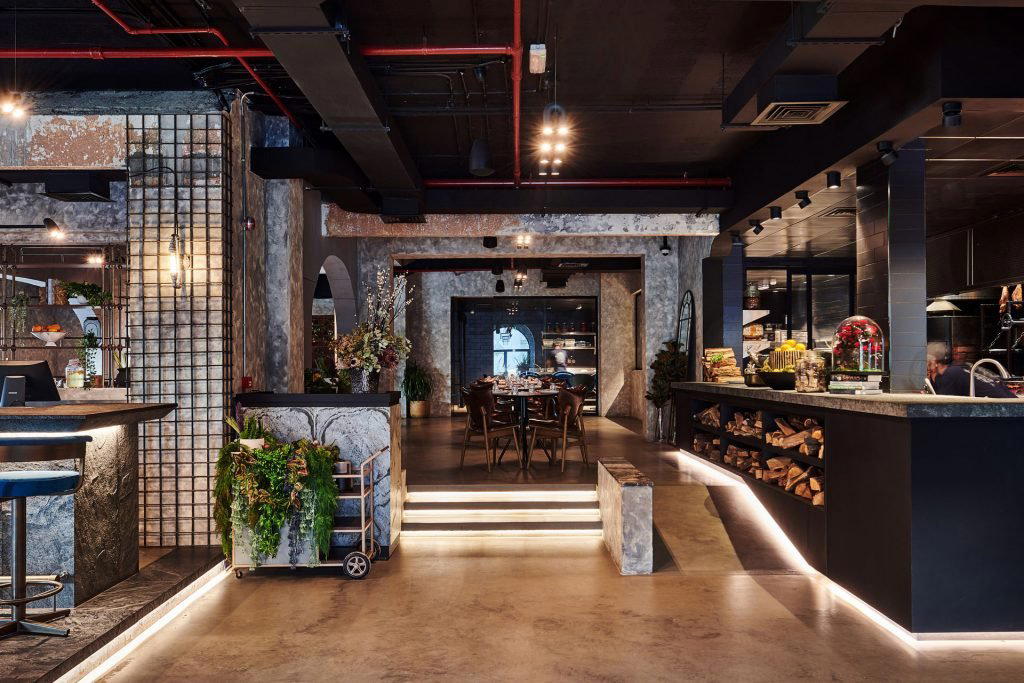
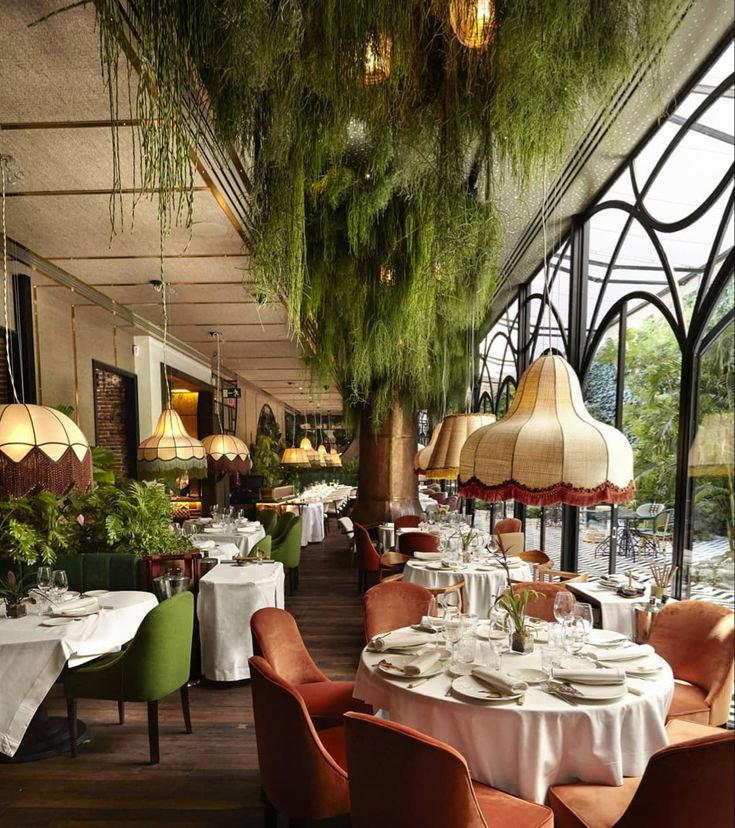
Set within Dubai's Al Fahidi Historical Neighbourhood, Arabian Tea House is among Bur Dubai's most-visited addresses for traditional Emirati and Levantine food. The courtyard setting, framed by wind towers and whitewashed walls, places it firmly inside the oldest surviving district of the city. It draws a consistent crowd of visitors and residents seeking a grounded alternative to Dubai's international dining circuit.
Pearl is the En Primeur Club membership app — saves, bookings, and concierge access live there. Same editors, same standards.
- Address
- Bastakiya Opposite Musalla Post Office - Al Fahidi St - Bur Dubai - Al Fahidi - Dubai - United Arab Emirates
- Phone
- +971 4 353 5071
- Website
- arabianteahouse.com
- Directions
- Get directions
 Saves & bookings on Pearl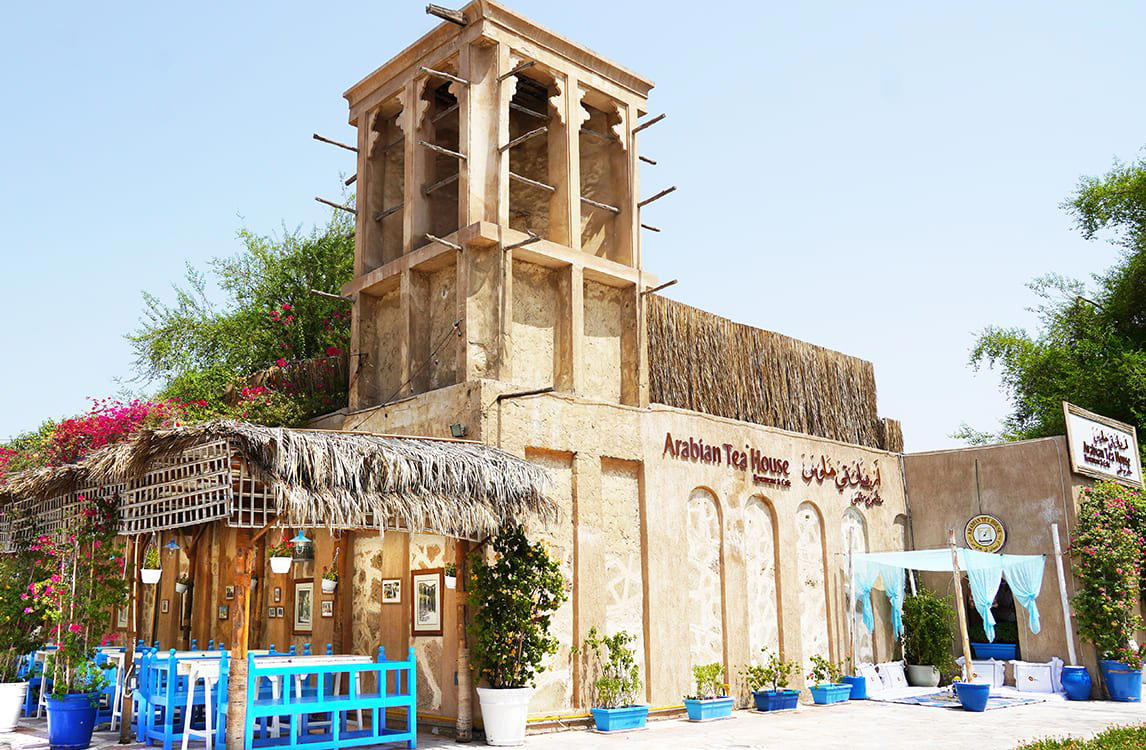
Where Old Dubai Still Has a Pulse
Al Fahidi is one of the few places in Dubai where the built environment predates the oil era. The neighbourhood's coral-and-gypsum architecture, its narrow lanes and wind towers, and the proximity of the Dubai Creek place it in a different temporal register from the glass towers a few kilometres away. Arabian Tea House sits inside this district, opposite the Musalla Post Office on Al Fahidi Street, and its courtyard setting is not a design conceit imposed on a modern structure. The surroundings are original, and the dining experience draws directly from that fact.
In a city where dining contexts range from the 122nd floor of the Burj Khalifa (home to Row on 45) to the wood-fired precision of 11 Woodfire, the Arabian Tea House occupies a category of its own: a café-restaurant format anchored in a preserved heritage zone, where the architecture does much of the curatorial work. The experience begins before you sit down, in the texture of the lane leading to the entrance and the sound of a neighbourhood that has resisted redevelopment pressure for decades.
The Cultural Weight of Emirati Hospitality
Traditional Gulf hospitality has specific rituals that predate restaurant culture entirely. The serving of Arabic coffee (qahwa), scented with cardamom and saffron, alongside dates, is not a menu flourish, it is the foundational gesture of welcome in Emirati social life, offered to guests before any discussion of food or business. A venue that situates itself inside Al Fahidi and leans into this tradition is making a cultural claim, positioning itself as a living record of practices that the rest of Dubai's dining scene largely does not attempt.
Emirati cuisine itself is less represented on Dubai's restaurant circuit than its centrality to the city's identity might suggest. The dominant dining categories in the city trend toward high-end Japanese, modern European, and creative Indian, formats well represented at addresses like Trèsind Studio, FZN by Björn Frantzén, and moonrise. The traditional Gulf kitchen, slow-cooked meats, saffron rice, harees, luqaimat, appears far less frequently at the formal restaurant tier, which makes the Arabian Tea House's positioning in Al Fahidi both culturally coherent and relatively rare within the city's overall offer.
For regional context, Erth in Abu Dhabi occupies a comparable role in the capital: a venue that frames Emirati culinary heritage at a level of seriousness and presentation that the broader market does not typically assign to traditional Gulf food. The two addresses reflect a growing curatorial impulse across the Emirates to document and serve indigenous food traditions through dedicated restaurant formats rather than leaving them to home kitchens or hotel buffets.
Al Fahidi as Dining Context
The Al Fahidi Historical Neighbourhood is managed as a protected heritage zone by Dubai Municipality, which constrains the kind of commercial development permitted within its boundaries. This has kept the area's architectural character largely intact, and it has also determined the character of businesses that operate there. Galleries, small museums, cultural centres, and a cluster of cafés and restaurants occupy restored courtyard buildings. The Arabian Tea House is among the more established food and beverage addresses in this cluster, drawing visitors who arrive via the nearby Dubai Museum, the Abra water taxi crossing at the Creek, and walking tours of the Bastakiya quarter.
The Bastakiya quarter specifically refers to the older merchant settlement within Al Fahidi, originally built by traders from the Bastak region of Iran in the late 19th century. The wind towers that define the neighbourhood's skyline were a pre-mechanical cooling system, channelling air down into interior rooms. Dining inside or adjacent to structures designed with this technology is a different experience from eating in a temperature-controlled tower restaurant. The physical environment carries historical information, and venues in the district operate within that context whether they address it explicitly or not.
What the Format Delivers
Arabian Tea House operates as both a restaurant and a café, a dual format common to traditional Middle Eastern hospitality where the distinction between a meal and an extended tea service is deliberately blurred. Courtyard seating is central to the experience, with the open-air component placing the setting's architectural qualities at the foreground rather than using them as background decoration. This format has precedent across the wider region: the traditional kahwa or chai house in Gulf cities historically served as a community gathering point as much as a place to eat, and venues that recover that function in a contemporary context are doing something with social as well as culinary significance.
Visitors planning a visit would do well to time it for late afternoon or early evening, when Al Fahidi's lanes are cooler and foot traffic from the nearby creek and museum district creates a natural rhythm to the neighbourhood. The area is accessible from central Dubai by taxi or metro (the Al Fahidi metro station places visitors within a short walk of the district), and it combines well with a broader Bur Dubai itinerary that might include the textile and spice souks across the Creek.
The Arabian Tea House does not compete with the city's Michelin-grade creative restaurants, the comparisons that matter are with other heritage-district café formats and with the small number of venues, in Dubai and across the region, attempting to serve traditional Gulf food with cultural seriousness. Seen in that frame, rather than against the general Dubai dining market, its position in Al Fahidi is not incidental. It is the point.
For those building a broader regional picture of heritage dining, AL NAWAB RESTAURANT LLC in Sharjah offers another data point on how traditional Arabic cuisine is being framed commercially across the Emirates, while internationally the curatorial approach to regional food tradition finds parallels at addressed like Atomix in New York City, HAJIME in Osaka, and Dal Pescatore in Runate, each of which anchors its identity in a specific regional culinary tradition rather than in global fine dining conventions. The broader principle, that place-rooted cuisine, served in its geographic and architectural context, carries a distinct kind of authority, applies here as much as anywhere.
Planning Your Visit
Arabian Tea House is located on Al Fahidi Street in Bur Dubai, opposite the Musalla Post Office, within the Al Fahidi Historical Neighbourhood. The Al Fahidi metro station provides direct public transport access. The venue operates as a walk-in café and restaurant; given its profile among visitors to the heritage district, arriving at off-peak hours, mid-morning or later in the afternoon on weekdays, is likely to offer a quieter experience. The dress code is casual.
A Pricing-First Comparison
Comparable venues nearby, for context on price, style, and recognition.
| Venue | Cuisine | Price | Awards | Notes |
|---|---|---|---|---|
| Arabian Tea House Restaurant & Cafe - Al Fahidi, DubaiThis venue — the venue you are viewing | Al Souq Al Kabeer, Authentic Emirati | $$ | Not listed | Not listed |
| Somewhere | Not listed | $$ | Not listed | Downtown Dubai, Modern Middle Eastern Fusion |
| Al Ustad Special Kebab | Al Hamriya, Authentic Persian Kebabs | $ | Not listed | Not listed |
| Al-Fanar | Festival City, Authentic Emirati | $$ | Michelin Plate | Not listed |
| Mythos Kouzina & Grill | Not listed | $$ | Not listed | Jumeirah Lake Towers, Authentic Greek Taverna |
| Anzeera Restaurant | Jaddaf, Turkish & Mediterranean Fusion | $$$ | Not listed | Not listed |
Continue exploring
More in Dubai
Restaurants in Dubai
Browse all →
At a Glance
- Cozy
- Historic
- Intimate
- Classic
- Casual Hangout
- Historic Building
- Courtyard
Current opening hours
- Monday
- 7 AM–11 PM
- Tuesday
- 7 AM–11 PM
- Wednesday
- 7 AM–11 PM
- Thursday
- 7 AM–11 PM
- Friday
- 7 AM–11 PM
- Saturday
- 7 AM–11 PM
- Sunday
- 7 AM–11 PM
Hours can change for holidays and private events. Last verified .
Tranquil 'white oasis' with blue-and-white Mediterranean-inspired decor, turquoise benches, lace-curtained booths, and shaded courtyard.