Sengiari sits in Teolo, a small hill town in the Euganean Hills south of Padua, in a part of the Veneto where agriculture and thermal traditions shape what ends up on the plate. The surrounding landscape of volcanic hills, small farms, and proximity to the Po plain gives this corner of Italy a distinct pantry. For travellers moving through the region, it belongs in the same conversation as other ingredient-led addresses worth seeking out.
Pearl is the En Primeur Club membership app — saves, bookings, and concierge access live there. Same editors, same standards.
- Address
- Via Pozzacale, 33, 35037 Teolo PD, Italy
- Phone
- +39499935072
- Website
- sengiari.it
- Directions
- Get directions
 Saves & bookings on Pearl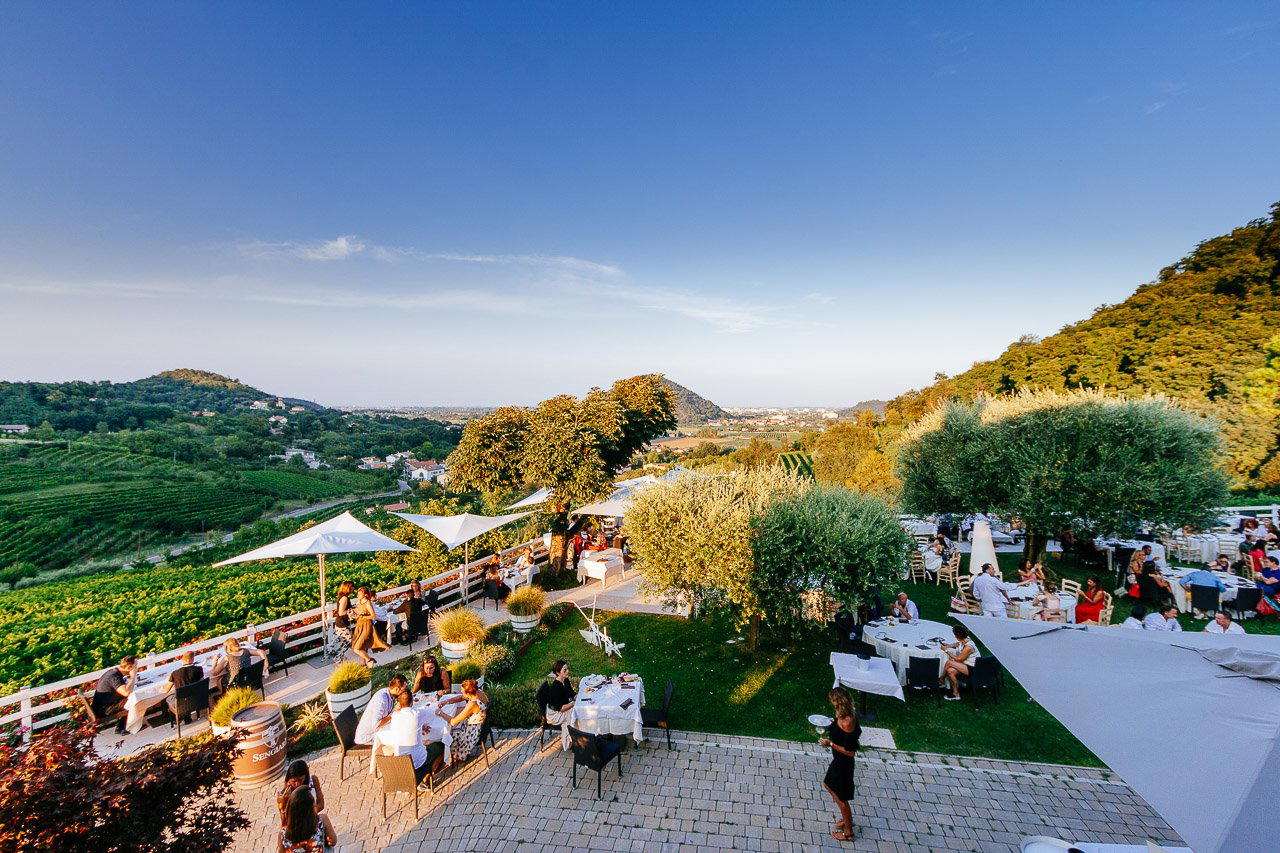
The Euganean Hills and What the Land Puts on the Table
The Colli Euganei rise abruptly from the Veneto plain south of Padua, a cluster of volcanic hills with a microclimate noticeably warmer and drier than the surrounding flatlands. The hills have been farmed continuously since Roman times, and the combination of volcanic soil, thermal springs, and a compressed growing season produces ingredients that chefs across the Veneto have relied on quietly for decades. Teolo sits near the heart of this zone, and Sengiari is at Via Pozzacale, 33 in Teolo.
Sengiari is located at that address, in Teolo proper, at an elevation where the air is cooler than Padua and the views across the hills define the physical experience of arriving. The approach through the Euganean Hills, whether from the A13 autostrada or the smaller provincial roads from Este or Battaglia Terme, is a route. You move from the geometric flatness of the Po plain into a terrain of switchbacks and dense chestnut woodland before the town opens up. The physical environment announces what this part of the Veneto has always been: a productive interior, not a showpiece coast.
Ingredient Provenance and the Veneto Interior Tradition
Italy's most discussed restaurants tend to cluster around cities with international airport access or coastline with strong tourism infrastructure. The Euganean Hills fit neither category, which means the restaurants that persist here do so by serving a local clientele with real expectations, not a transient one with lowered ones. That dynamic tends to produce cooking that is rooted in what the immediate territory can supply: the Colli Euganei DOC wine zone, which covers white and red production across volcanic terrain; the asparagus cultivation for which Battaglia Terme and the surrounding communes are known; the game and porcini that the hill forests yield seasonally; and the lamb and dairy from farms at higher elevations.
Ingredient sourcing matters most here. In cities like Milan or Florence, a restaurant can source from anywhere in Italy and frame it as a program. In a small hill town, the supply chain is shorter by necessity, and local provenance is more direct. For comparison, look at how Atelier Moessmer Norbert Niederkofler in Brunico has built its entire identity around Alpine territorial sourcing, or how Dal Pescatore in Runate draws from the Po plain's specific dairy and freshwater traditions. Sengiari occupies an analogous position in the Euganean Hills: the place and its pantry are inseparable from what ends up on the plate.
Where Sengiari Sits in the Regional Dining Hierarchy
The Veneto's dining scene is weighted toward a handful of well-documented addresses. Le Calandre in Rubano, just outside Padua, holds three Michelin stars and represents the progressive end of Veneto cuisine at international recognition level. Casa Perbellini 12 Apostoli in Verona occupies a similar tier of formal, technically demanding cooking. These are the reference points for the region's most ambitious tables. Sengiari operates in a different register entirely, at the level where local reputation, consistent sourcing, and a clear sense of place matter more than international awards infrastructure.
That register is not a consolation category. Across Italy, particularly interesting cooking happens in towns where restaurants have no incentive to perform for guides and every incentive to perform for regulars. Osteria Francescana in Modena is the famous example of a restaurant that built international recognition from a regional Italian base, but the more instructive comparison is the tier beneath that: the trattorie and ristoranti that hold territory without holding stars, and that are worth visiting precisely because they are not calibrated for the international visitor's expectations.
For travellers who have worked through the region's better-known addresses, the Euganean Hills offer a different kind of research. The thermal resort towns of Abano Terme and Montegrotto Terme bring visitors to the zone already, but most of that traffic stays within the hotel-spa complex orbit. Teolo draws a more purposeful visitor, one who has a reason to be in the hills rather than at the base of them.
Teolo in Context: What Else Is Around
Any serious visit to this part of the Veneto warrants mapping the full dining picture. Al Sasso is the other Teolo address worth knowing, operating in a complementary register to Sengiari within the same small town. Come in Corte Aurora represents the Italian contemporary approach in the same municipality. Together, these three addresses make Teolo a more layered stop than its size would suggest.
The broader regional circuit extends easily. Padua is approximately 25 kilometres north, accessible via the SP89 and connecting roads in under 40 minutes, and carries its own dining history worth building around. The Este plain to the south connects to the Po Delta, where freshwater and brackish-water ingredients define a different culinary tradition entirely. Travellers routing through the Veneto for high-end dining might anchor a longer itinerary around the region's documented stars, referencing comparisons as far as Uliassi in Senigallia for coastal contrast or Piazza Duomo in Alba for the Piedmont comparison on territory-led cooking.
Planning a Visit to Sengiari
The address at Via Pozzacale, 33 in Teolo places Sengiari within the town's residential and agricultural fabric rather than on a main commercial strip. Arriving by car is the practical approach from Padua or from the A13 autostrada, exiting toward the Euganean Hills and following the SP89 toward Teolo. The drive through the park territory of the Parco Regionale dei Colli Euganei, which surrounds the town, adds a scenic dimension that is not incidental to understanding what the restaurant is cooking with. Reservations are recommended. Seasonal timing matters in this territory: the Euganean Hills shift significantly between the asparagus months of spring, the porcini and game season of autumn, and the quieter winter period when thermal resort traffic drops and the hills take on a different character entirely.
Comparison Snapshot
Comparable venues nearby, for context on price, style, and recognition.
| Venue | Cuisine | Price | Awards | Notes |
|---|---|---|---|---|
| SengiariThis venue — the venue you are viewing | Modern Italian Agriturismo | $$ | Not listed | Not listed |
| Al Sasso | Modern Venetian Trattoria | $$$ | Not listed | Colli Euganei |
| Come in Corte Aurora | Modern Italian Fusion | $$$ | Michelin Plate | Teolo Alta |
| Nane Della Giulia | Traditional Venetian Trattoria | $$ | Not listed | near Saint Anthony Basilica |
| Giorgio & Chiara | Modern Italian Pizzeria | $$ | Not listed | Vicenza |
| Sofia | Traditional Italian Trattoria | $$ | Not listed | Ronco all'Adige |
At a Glance
- Scenic
- Rustic
- Cozy
- Date Night
- Casual Hangout
- Special Occasion
- Panoramic View
- Terrace
- Garden
- Wine Cellar
- Standalone
- Extensive Wine List
- Local Sourcing
- Mountain
- Vineyard
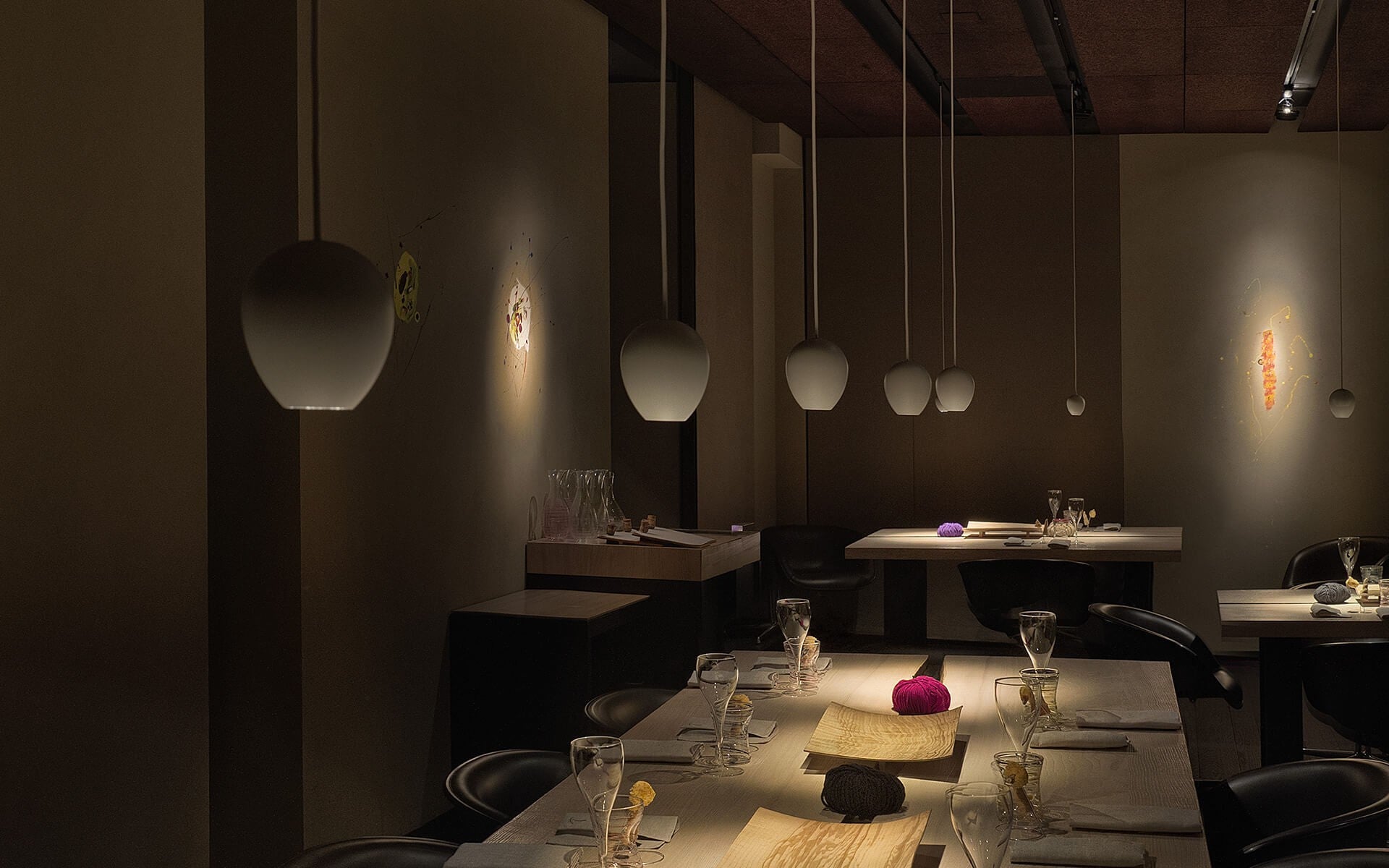
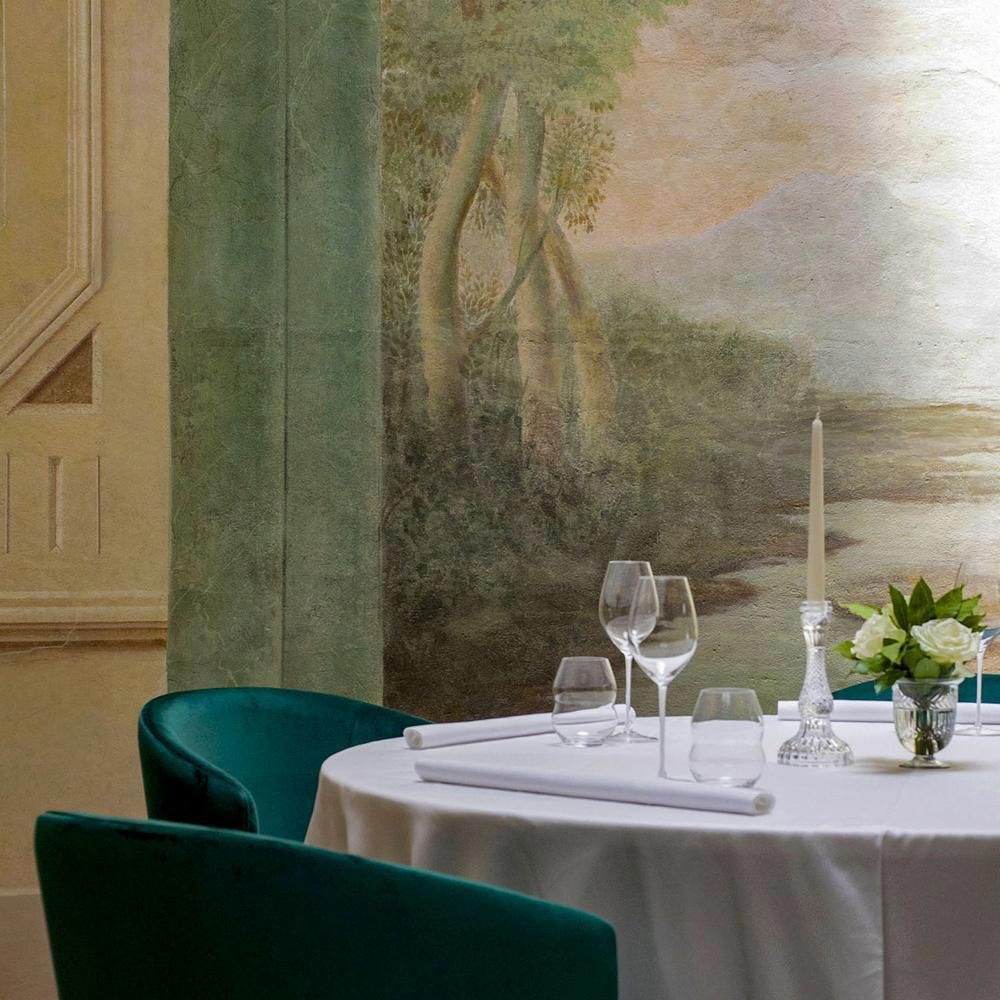
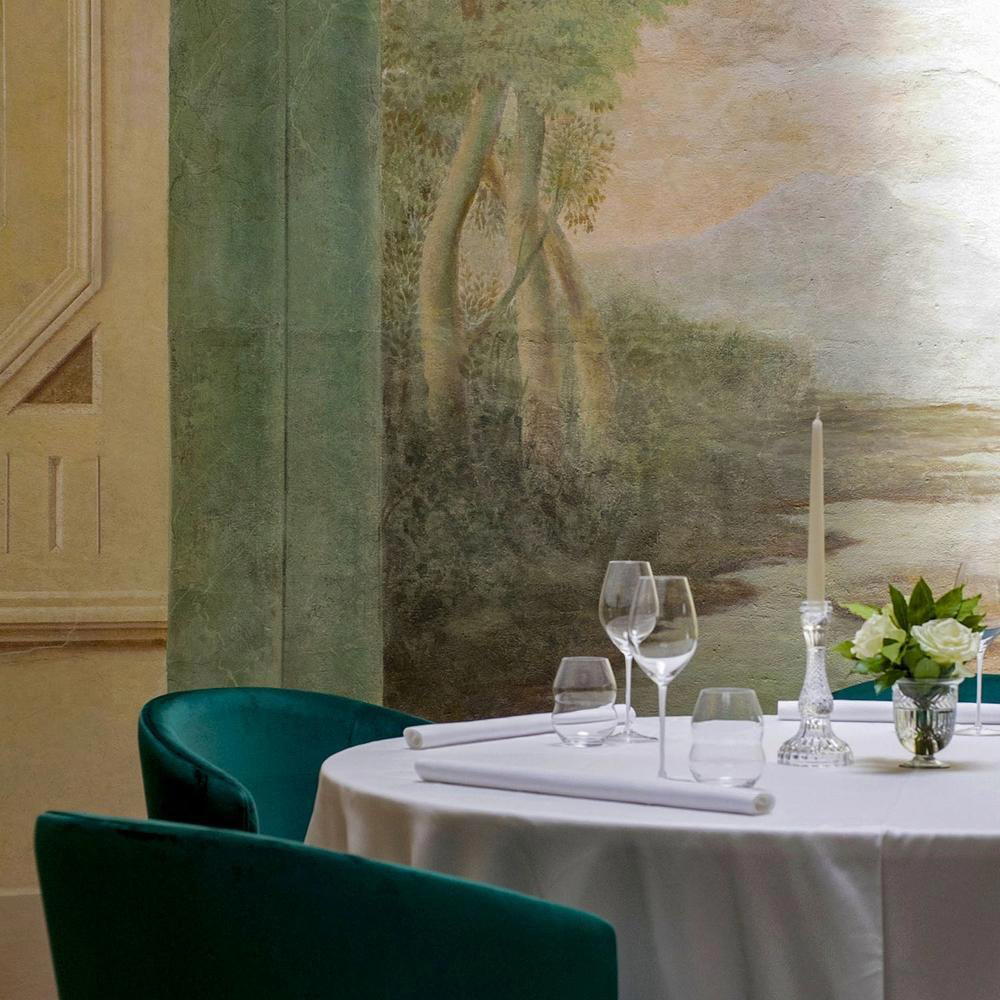
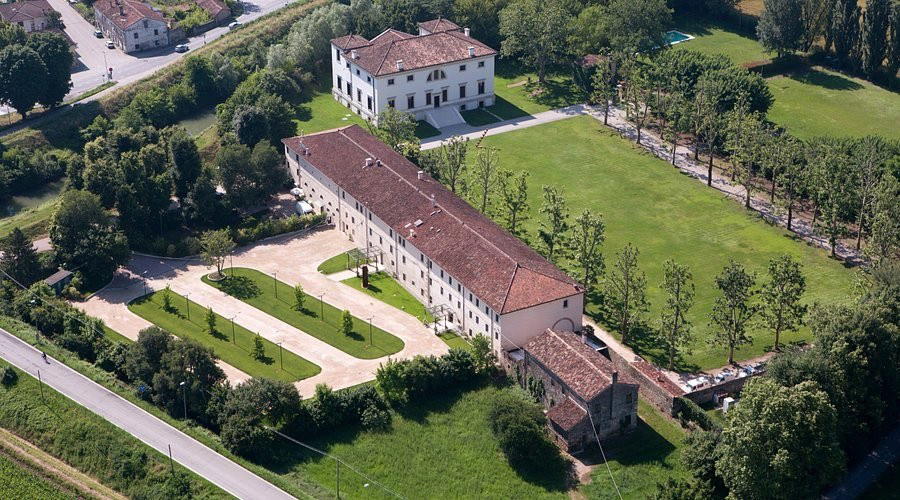
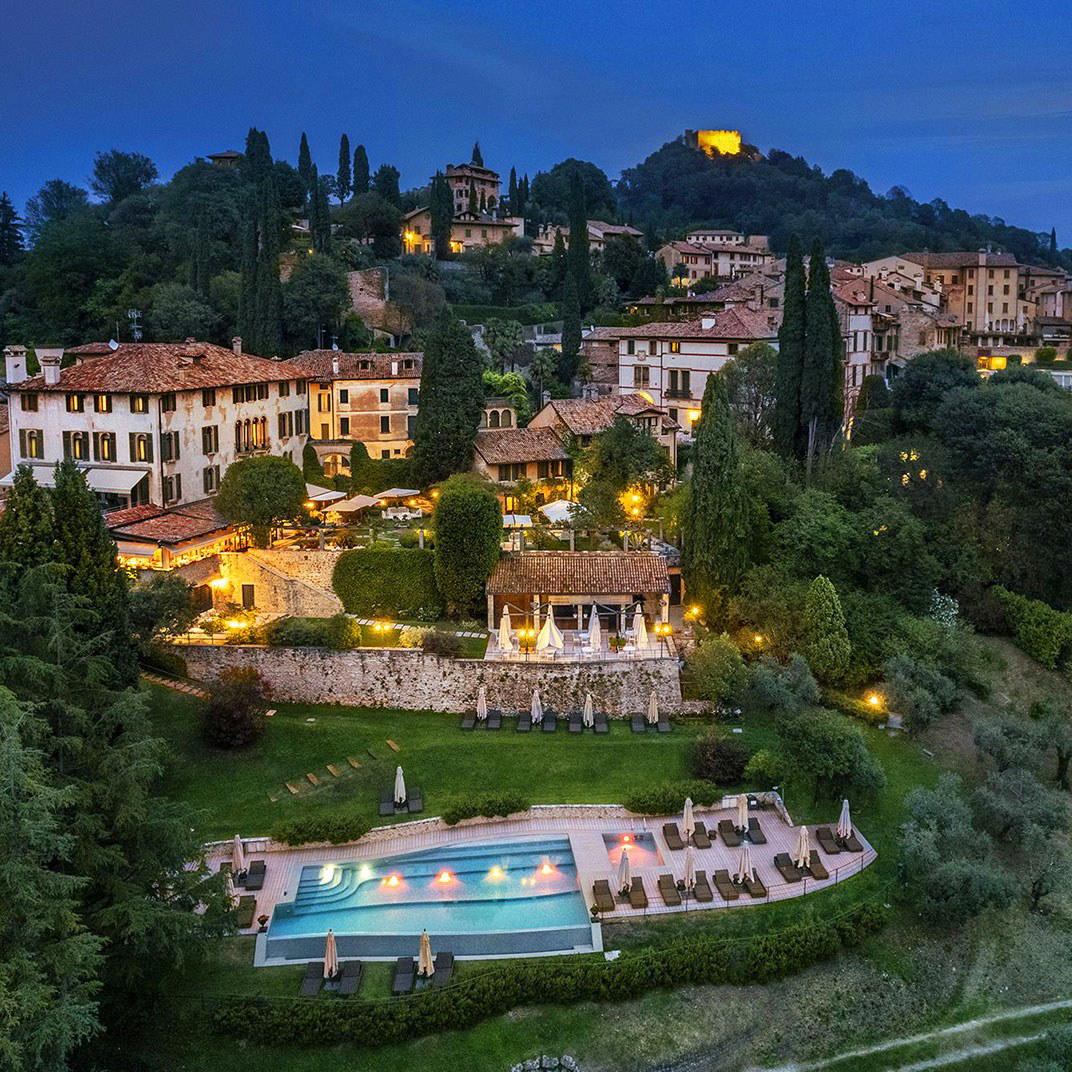
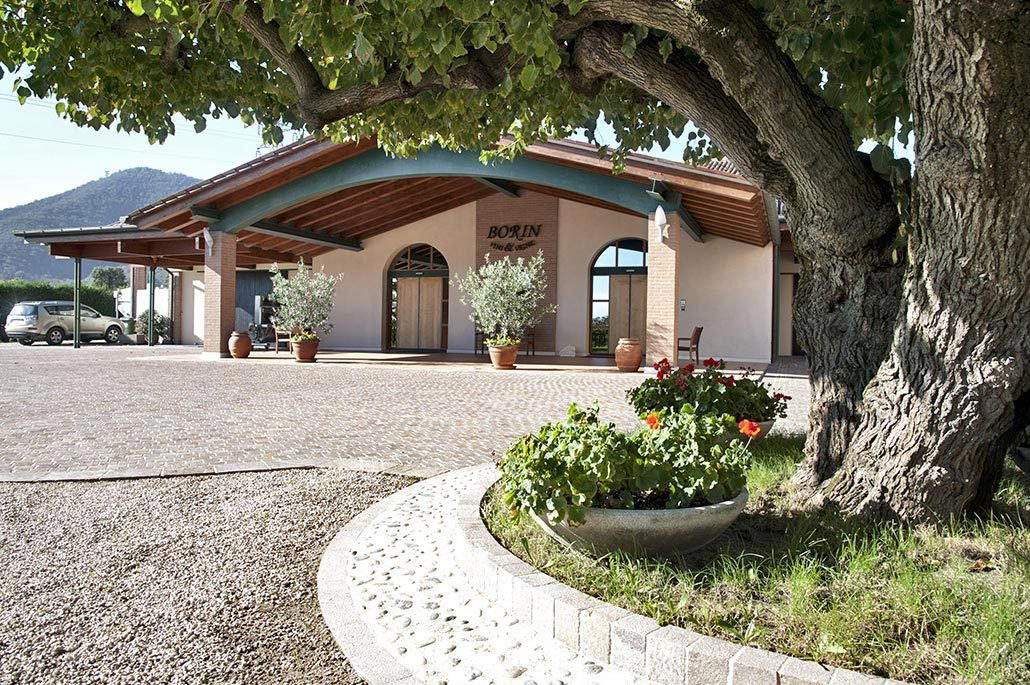
Rustic countryside agriturismo atmosphere with large windows overlooking the hills or the wine-aging barriques, plus garden and terrace spaces.