
Tabelog Bronze #479
Our verdict
Toyonaga belongs to Osaka’s serious sushi-counter tier: small, reservation-only, and shaped around the ritual of omakase rather than à la carte choice. Its Tabelog Award 2026 Bronze recognition and Sushi WEST 100 selections place it in the city’s higher-confidence sushi conversation, especially for diners weighing Osaka’s intimate counters against broader Japanese dining options.

Pearl is the En Primeur Club membership app, where members save venues, book tables and use the concierge.
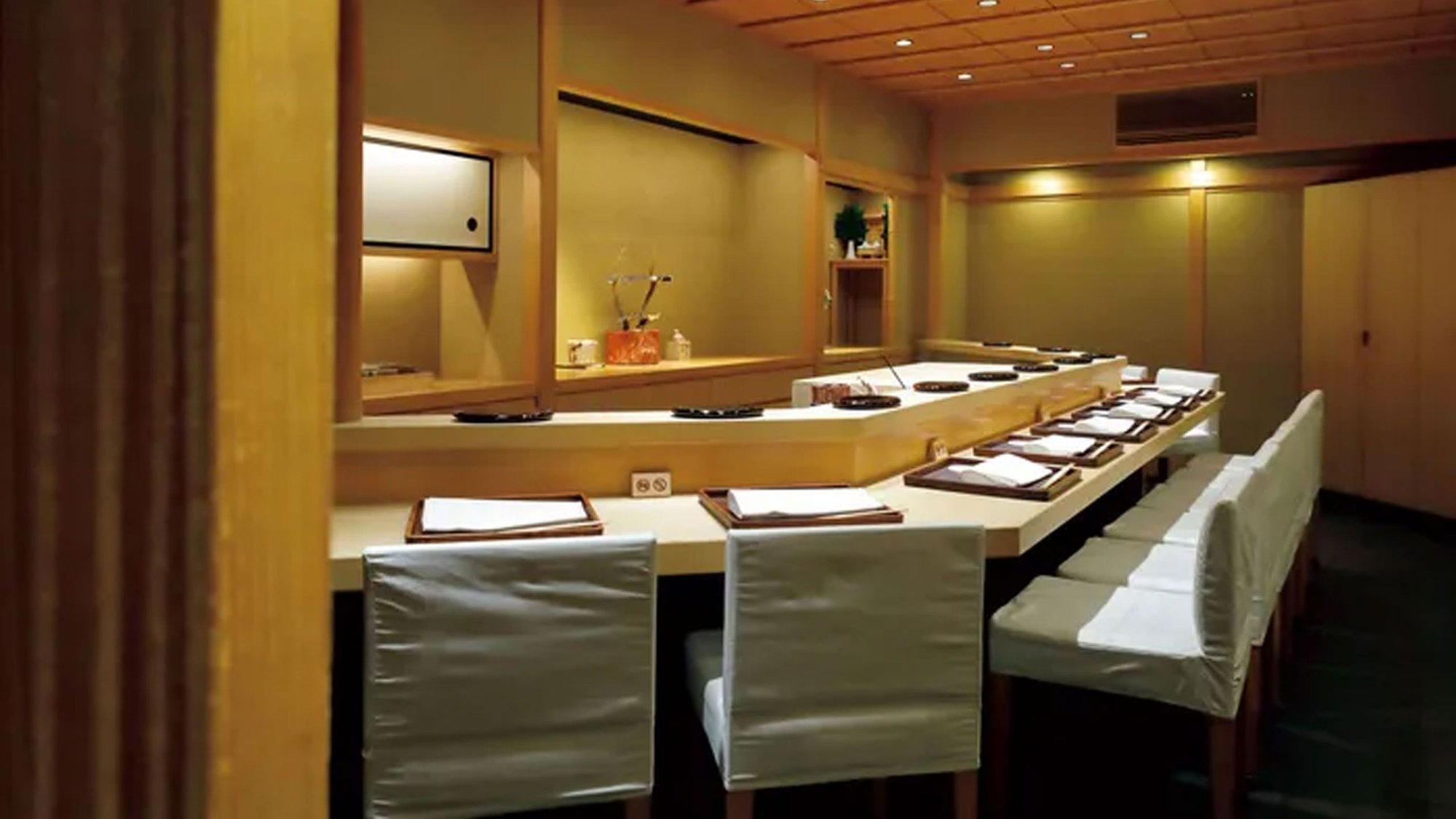
The approach to a serious Osaka sushi counter changes the rhythm of the evening before the first piece is served. Conversation drops, watches matter, and the room’s scale sets the tone: not a dining hall, not a casual stop, but a compact counter where pacing, silence, and timing become part of the meal. In Kita Ward, near the Osaka Tenmangu area, Toyonaga fits that ritual-led model rather than the louder, more elastic food culture for which Osaka is often known.
That contrast is the point. Osaka’s dining identity is frequently flattened into takoyaki, okonomiyaki, kushikatsu, and late-night appetite, but the city also has a quieter high-end register where sushi counters operate by discipline rather than spectacle. Toyonaga sits in that register, with Tabelog Award 2026 Bronze recognition and selection for Tabelog Sushi WEST 100 in 2025 and 2022. Those signals matter in Japan because Tabelog’s high-scoring sushi category is competitive and heavily scrutinized by diners who understand counter format, sourcing expectations, and service cadence.
A ten-seat sushi ritual in a city better known for appetite
The Japanese omakase counter is not simply a chef’s-choice menu; it is a system of conduct. Diners surrender sequence, portioning, and tempo, while the room asks for attention in return. A smaller counter sharpens that exchange. With 10 seats, Toyonaga belongs to the intimate end of Osaka sushi, where the meal’s success depends on pacing and concentration rather than variety for its own sake.
This is also where Osaka differs from Tokyo in useful ways. Tokyo’s high-end sushi conversation often orbits Ginza, Nihonbashi, and Akasaka, with prestige priced and coded accordingly. Osaka’s serious counters can feel less performative, but the discipline is no less exacting. The city’s better sushi rooms tend to reward diners who understand the customs: arrive on time, keep the counter uncluttered, avoid heavy perfume, and follow the tempo rather than trying to control it.
Toyonaga’s recognition places it closer to Osaka’s specialist sushi category than to the city’s general Japanese dining tier. That distinction helps with expectations. A diner comparing it with Sushitsune is comparing within sushi, but not necessarily within the same occasion or format. A diner considering Naniwaryori Yu is choosing between two Japanese traditions, sushi counter ritual versus a broader Osaka cooking idiom. Against lower-priced or more casual options such as Fukuryu En or Kokopelli Curry, the decision is less about cuisine preference than about whether the evening should be structured around a single counter experience.
What the awards say, and what they do not
A Bronze award from Tabelog in 2026 and repeat Sushi WEST 100 selection provide a useful trust signal, but they should be read correctly. They do not promise internationalized luxury, choreographed English-language hospitality, or a hotel-restaurant style of comfort. They indicate that Japanese diners have placed the counter within a serious competitive field. For travelers, that is a stronger clue than decorative adjectives: the room belongs to a category where details are judged closely and where inconsistency is punished quickly.
The absence of a broad published chef biography also keeps the editorial focus where it belongs: on the format. In sushi, lineage can matter, but it is not the only credential. Counter size, award history, reservation-only structure, and the omakase format are more useful for judging the likely experience than a romantic origin story. Here, the dining ritual is the story: a controlled sequence, a small audience, and a meal that asks the guest to participate by paying attention.
Osaka travelers often build days around range: breakfast pastries, department-store food halls, regional Japanese cooking, and late drinks. For that wider map, Our full Osaka restaurants guide gives the broader dining field, while, and Our full Osaka experiences guide help place dinner within the rest of the city. Around that frame, casual and specialist addresses serve different needs: 551 Horai (551蓬莱) for Osaka’s everyday appetite, 52CHO-ME BAKERY or.cafe for lighter pacing, and a canto (Italian) or 99 Pizza Napoletana Gourmet when the itinerary needs to step outside Japanese cuisine.
Who this counter suits
Toyonaga suits diners who want sushi as a formal evening rather than a flexible stop. The counter format rewards patience, punctuality, and comfort with a chef-led sequence. It is not the obvious choice for large groups, casual grazing, or guests who want to choose dish by dish. It is better read as a focused Osaka sushi appointment, one that belongs in an itinerary with enough space around it for the meal to set the night’s pace.
The practical decision is therefore simple. Choose this counter when the goal is a concentrated sushi ritual backed by strong local recognition. Choose elsewhere when the evening calls for noise, breadth, or spontaneity. Osaka has room for both, but confusing the two leads to poor planning. For travelers extending a Japan dining itinerary beyond Osaka, useful contrasts include [ki:] in Kyoto. 鮪と炭火焼き うお炭 秋葉原店 in Tokyo, -Grilled beef Sukiyaki- KAMAKURA TANUKIAN 鎌倉 たぬき庵 in Kamakura.know in Kumamoto, (Shoku) Vietnam in Kawasaki, and [Curry Senmon Ten] Maruyama Kyoju. in Sapporo. Outside Japan, Jōdo Saké Bar in Los Angeles and Onigiri Time in Pasadena show how Japanese food culture changes when translated into American dining formats.
Frequently asked questions
Is Toyonaga suitable for children?
Not for children who cannot eat a course meal, according to Toyonaga’s policy. The 10-seat Osaka counter is built around a fixed omakase format priced at JPY 37,000.
How would you describe the vibe at Toyonaga?
It is a reservation-only, 10-seat sushi counter in Osaka with service limited to weekday evenings. The Tabelog Bronze Award 2026 and Sushi WEST 100 selection signal a serious, no-excess dining room.
What are Toyonaga's hours?
Hours at Toyonaga: Mon, Tue, Wed, Thu, Fri 17:30 - 23:00.
Where is Toyonaga located?
Toyonaga is located in Osaka.
Cuisine Lens
Comparable venues by cuisine and price in the same metro.
| Venue | Cuisine | Price | Awards | Notes |
|---|---|---|---|---|
| ToyonagaThis venue (the venue you are viewing) | Osaka Sushi Omakase | $200–300 | Tabelog Bronze #479 | Not listed |
| Shizuku | Modern Creative Omakase Sushi | $150–200 | Tabelog Bronze #406 | Kita |
| Kizuna | Edo-style Omakase Sushi | $150–200 | Tabelog Bronze #188 | Chūō |
| Sushi Oga | Tuna-Focused Omakase Sushi | Not listed | Not listed | Sakai |
| Arata | Modern Nose Kaiseki | $150–200 | Tabelog Bronze #25 | Kita |
| mikami limited50 | Exclusive Members-Only Omakase Sushi | $300–500 | Tabelog Bronze #271 | Kita |
Recognition history
Dated appearances from independent guides and award organizations, with the underlying list record or original source where available.
Tabelog Bronze #479
Tabelog
Full recognition history (3 entries)
Tabelog Bronze
Tabelog
Tabelog 100 #25 · No. 25
Tabelog · Tabelog 100 - Sushi - WEST - 2025
Continue exploring
More in Osaka
Restaurants in Osaka
All restaurants in Osaka →


Bars in Osaka
All bars in Osaka →

Hotels in Osaka
All hotels in Osaka →


Wineries in Osaka
Browse all →
Details
- Intimate
- Elegant
- Date Night
- Special Occasion
- Chefs Counter
- Sake Program
- Omakase
- Counter Dining
- Sake
Current opening hours
- Monday
- 5:30–11 PM
- Tuesday
- 5:30–11 PM
- Wednesday
- 5:30–11 PM
- Thursday
- 5:30–11 PM
- Friday
- 5:30–11 PM
- Saturday
- 5:30–11 PM
- Sunday
- 5:30–11 PM
Hours can change for holidays and private events. Hours as of .
Cozy 10-seat counter resembling a stage with lively chef interaction and warm hospitality.