Michelin Bib Gourmand
Our verdict
Tou. Gou sits in the mid-price tier of Bruges dining, earning a 2025 Michelin Bib Gourmand for honest, grounded cooking that draws on classical French technique without ceremony. Chef Tommaso Pennestri runs a menu built around grilled tripe, snails, pork pie, and seasonal game, with occasional international inflections. A take-out delicatessen counter extends the offer beyond the dining room.

Pearl is the En Primeur Club membership app, where members save venues, book tables and use the concierge.
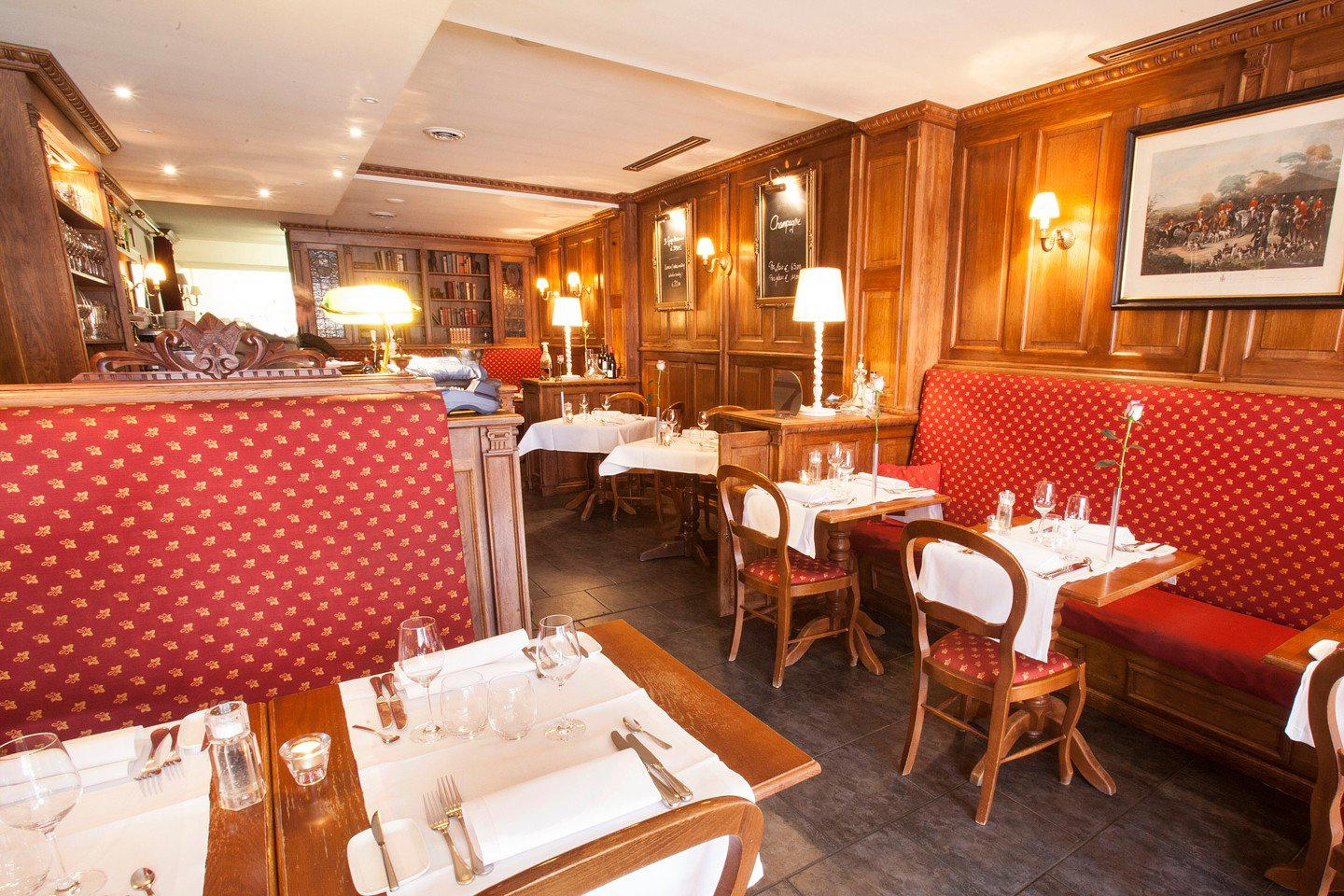
Bruges has a well-documented split between its high-end creative French tier, Michelin-starred rooms such as Mémoire and Sans Cravate, and its tourist-facing brasseries. Tou. Gou occupies a third space: the mid-price bistro with genuine technical depth, where the Bib Gourmand designation, awarded by Michelin in 2025, signals value relative to quality rather than approachability relative to ambition. In that bracket, the cooking at Tou. Gou competes on different terms from the €€€€ tables around it, and reads as a deliberate counter-position within the city's dining structure.
The Ritual of a Country Menu
The Bib Gourmand Michelin note for Tou. Gou frames the menu with a phrase worth dwelling on: "wholesome country menu." In the context of contemporary restaurant culture, that framing carries weight. The classical French bistro tradition has been under pressure from two directions simultaneously: the fine-dining end stretches techniques toward abstraction, while the casual end flattens into internationally generic comfort food. The bistro that holds its ground in the middle, tripe on the grill, snails in their shells, pork pie constructed with care, partridge paired with bitter endives in autumn, is making an argument about what a meal should feel like as much as what it should taste like.
The pacing of a menu built around these dishes follows a recognisable logic. Snails and offal require patience from the kitchen; they cannot be rushed without compromise. Partridge with endives is a pairing calibrated to a particular point in the cold season, when the slight bitterness of Belgian endive pushes back against the gaminess of the bird in a way that neither ingredient achieves alone. These are dishes that reward attention to sequence: the fatty richness of pork pie wants something sharp before it, the slower proteins of tripe want time to develop. Eating through a menu structured this way is an exercise in allowing the kitchen to set the tempo, which is precisely the dining ritual that classical French-influenced bistro cooking was built around.
Chef Tommaso Pennestri works within that tradition while, according to the Michelin record, adding what the guide describes as "the odd international twist." That framing suggests restraint in application: the base grammar remains Gallic, and the departures read as seasoning rather than structural reinvention. Among Bruges restaurants in the mid-price range, that positioning is clearer when placed beside venues such as Cantine Copine or Goesepitte 43, where the editorial identity of each kitchen points in a different direction. The West Flanders region has its own strong dining character, with restaurants such as Boury in Roeselare and Bartholomeus in Heist working at higher price points along the coast, while Willem Hiele in Oudenburg pursues a more philosophically grounded local sourcing approach. Within that regional picture, Tou. Gou's Bib Gourmand position at €€ is a specific entry point: technique visible enough to earn Michelin recognition, format accessible enough to return on a weeknight.
Gutsy Cooking in a Bib Gourmand Frame
The language Michelin uses in its Tou. Gou citation is precise: "gutsy flavours, hearty helpings, culinary proficiency." That triad describes a particular register of cooking that is harder to sustain than it appears. Gutsy flavours require confidence in seasoning and in the sourcing of ingredients with enough character to carry the dish. Hearty helpings imply an economic generosity that works against the refinement instinct of chefs trained at a high level. Culinary proficiency ties the two together: this is not rustic simplicity, it is skilled cooking that has chosen rusticity as its medium.
The farm-to-table classification aligns with that reading. In the Belgian context, farm-to-table is less a marketing posture and more a practical reality in kitchens that built their menus around seasonal availability before the terminology existed. Offal, game, and preserved preparations like pork pie are ingredients that require either immediate freshness or careful timing in the production cycle. A menu built around them signals a kitchen that is paying attention to supply chains in the old-fashioned sense: knowing where the partridge comes from and when the season opens.
For comparison within the broader Belgian fine-dining picture, the starred tier, Hof van Cleve in Kruishoutem, Zilte in Antwerp, Bozar in Brussels, operates at a different price register and with different expectations around format and service. Tou. The farm-to-table bistro format at this price point has proven more durable in Western Europe than its trendier iterations, because the cooking is anchored to seasonal reality rather than a conceptual programme. For further regional context, the farm-to-table approach at this price tier also appears in German bistro kitchens such as BOK in Münster and Clostermanns Le Gourmet in Niederkassel, where the emphasis on gutsy, honest cooking reflects a parallel tradition across the northern European bistro spectrum.
The Delicatessen Counter and How to Use It
Tou. Gou operates a take-out delicatessen alongside the restaurant. In practice, this means the kitchen's output is available outside the sit-down format, which changes the calculus for planning a visit. Bruges is a city that rewards longer stays: the canal walks, the Groeningemuseum, an afternoon at the bars on the quieter western streets. A deli counter at a Bib Gourmand kitchen means provisions for a different kind of meal, useful context for anyone building a longer trip with reference to our full Bruges hotels guide or experiences guide.
For anyone working through the city's wider restaurant offer, our full Bruges restaurants guide maps the broader picture, and the Onslow entry in that guide covers a different register of the same neighbourhood's eating.
Frequently asked questions
What awards or recognition does Tou. Gou have?
Tou. Gou has received recognition including: Michelin Bib Gourmand (2025); A single glance at the wholesome country menu, featuring rustic staples such as grilled tripe and snails, pork pie and partridge with endives, will set your tastebuds tingling. The veteran chef, a true disciple….
What should I budget for a meal at Tou. Gou?
Pricing at Tou. Gou is listed as €€.
What do people recommend at Tou. Gou?
Michelin's 2025 Bib Gourmand citation names grilled tripe, snails, pork pie, and partridge with endives as the dishes that define the kitchen's output at Tou. Gou. Chef Tommaso Pennestri anchors the menu in rustic Gallic tradition while adding the occasional international inflection. The delicatessen counter is worth noting for those who want to take the kitchen's produce home rather than eat in.
What type of food is Tou. Gou known for?
Tou.
Peers Worth Knowing
A quick peer reference to anchor this venue in its category.
| Venue | Cuisine | Price | Awards | Notes |
|---|---|---|---|---|
| Tou. GouThis venue (the venue you are viewing) | Creative French Farm-to-Table | $30–50 | Michelin Bib Gourmand | Not listed |
| Zet'Joe by Geert Van Hecke | Creative French Fine Dining | $150–200 | 1 Michelin Star | Modern European, Creative French |
| Bruut | Modern French Fine Dining | $50–100 | Michelin Plate · We're Smart World 2 Radishes | Neo-bistro, Modern Cuisine |
| Mémoire | Contemporary French-Belgian Fine Dining | $100–150 | 1 Michelin Star | Modern French |
| Sans Cravate | Creative French | $100–150 | 1 Michelin Star · Star Wine List | Not listed |
| Bar Bulot | Modern Franco-Belgian Brasserie | $50–100 | Michelin Plate | Flemish |
Recognition history
Dated appearances from independent guides and award organizations, with the underlying list record or original source where available.
Michelin Bib Gourmand
Michelin
Full recognition history (3 entries)
Michelin Bib Gourmand
Michelin
Michelin Bib Gourmand
Michelin