
Michelin Bib Gourmand
Our verdict
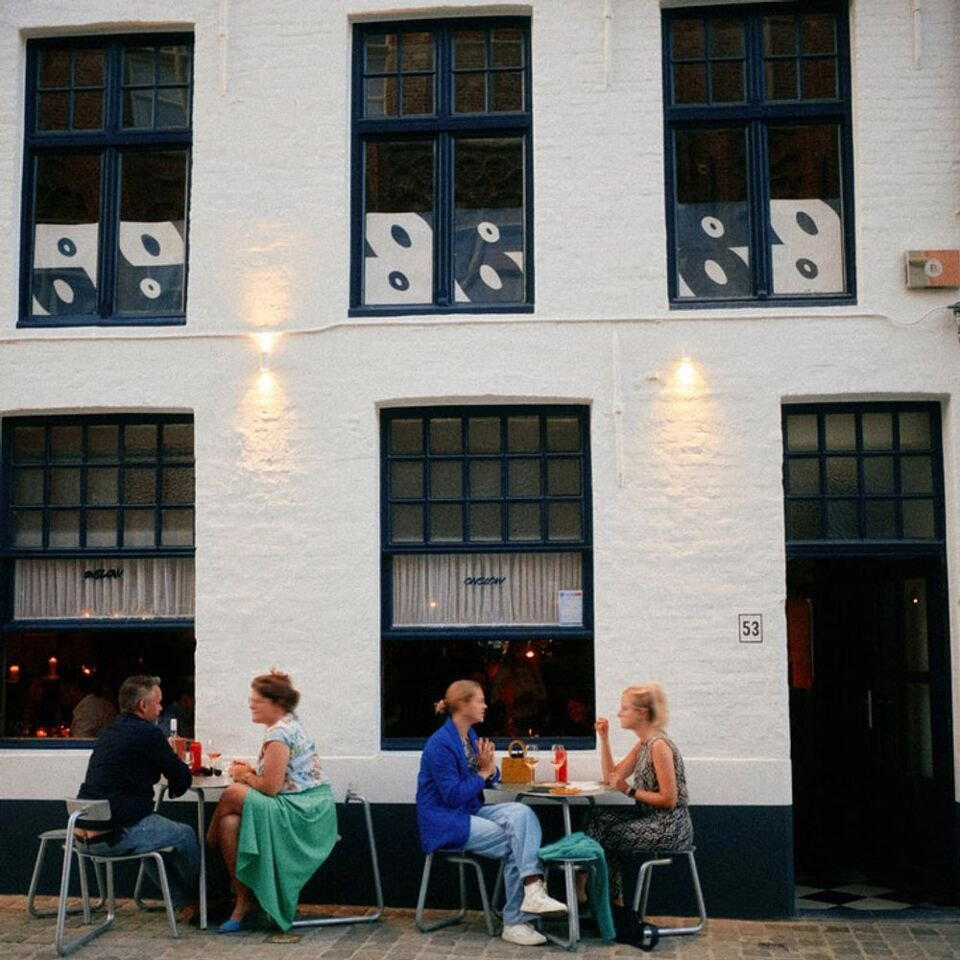
A consecutive Michelin Bib Gourmand holder for 2024 and 2025, Onslow sits on Jeruzalemstraat in Bruges and applies a farm-to-table approach at mid-range prices. Chef Glen File draws on seasonal produce to build a menu that shifts with the growing calendar rather than tourism cycles. For a city where fine dining often skews toward the formal and the expensive, Onslow's format is a calibrated counterpoint.

Pearl is the En Primeur Club membership app, where members save venues, book tables and use the concierge.
The menu
What to order
- Fried chicken
- Rigatoni
- Pissaladière
- Ceviche
A Street, a Format, a Counterargument
Jeruzalemstraat runs through one of Bruges's quieter residential quarters, away from the canal-facing terraces and the tourist-facing menus that define much of the city centre's dining. The street itself is worth the detour: the Jeruzalemkerk, a private Gothic chapel built by the Adornes family in the fifteenth century, stands a few doors down, lending the block a particular texture that most visitors never locate. In this context, Onslow reads less like a destination restaurant than a neighbourhood fixture, which is, of course, precisely the appeal. Farm-to-table dining at this price tier tends to work leading when it feels embedded rather than installed, and the address does a considerable amount of framing work before you have even looked at the menu.
What the Bib Gourmand Designation Actually Tells You
Michelin's Bib Gourmand category rewards value rather than technique alone, and two consecutive years of recognition (2024 and 2025) suggest the kitchen has maintained consistency through at least one full seasonal cycle. In a Belgian city where the starred tier, represented regionally by kitchens such as Boury in Roeselare, Hof van Cleve in Kruishoutem, and Zilte in Antwerp, operates at €€€€ price points, the Bib Gourmand tier fills a gap that matters to travellers eating two or three times a day. The designation does not imply compromise: it implies a different set of priorities, specifically that seasonal cooking and honest sourcing can coexist with pricing that does not require a full afternoon of advance justification. Onslow sits at €€, which within Bruges's dining economy places it below the creative French registers of Mémoire and Sans Cravate and closer to the bracket where a weeknight dinner remains a spontaneous proposition.
The Lunch vs. Dinner Divide
In Belgian farm-to-table restaurants at the Bib Gourmand tier, the gap between lunch and dinner service is often more pronounced than the menu format suggests. Lunch tends to draw a local professional crowd, faster, lighter, less invested in the full arc of the meal. Dinner, particularly through the autumn and winter months when Bruges empties of day-trippers, shifts the register considerably: the room slows, the cooking can take more time, and the relationship between produce and plate becomes more deliberate. At a restaurant operating under Chef Glen File's direction with a seasonal, sourcing-led approach, that seasonal evening mood is likely where the kitchen's intentions are most legible.
Bruges's tourist season peaks between April and October, and during those months the city's restaurant tables turn faster. By November, the city contracts to something closer to its actual scale, and restaurants with genuine local support rather than pure tourist dependency tend to reward visits more consistently. If the editorial question is when Onslow performs at its most coherent, the autumn-to-early-winter window, when the produce calendar shifts to root vegetables, game, and preserved ingredients, and when the dining room is less likely to be operating under peak-season pressure, is a reasonable answer.
For lunch specifically, the €€ positioning makes Onslow a logical first meal of a two-restaurant day, a format that suits the way food-focused travellers tend to organise Bruges, given the city's walkable scale. The walk from the Markt to Jeruzalemstraat takes under fifteen minutes, passing through the Adornes estate quarter, which means the approach itself functions as an afternoon's orientation into the less-visited eastern flank of the old city. Compare that to the more westward cluster around Cantine Copine or the neighbourhood feel of Goesepitte 43, and a picture of Bruges's more localised dining geography starts to take shape.
Farm-to-Table in Bruges: The Regional Context
West Flanders, the province that contains Bruges, is serious agricultural territory. The polders between the city and the coast produce vegetables, dairy, and poultry that have fed professional kitchens here for generations. This is not a region where farm-to-table is a marketing category bolted onto an existing menu: it is a description of how the supply chain actually functions for restaurants that choose to use it. The Belgian coastal kitchen, as practised at Bartholomeus in Heist and Willem Hiele in Oudenburg, draws from the same regional larder with different emphases (the sea, specifically) but the underlying logic of hyperlocal sourcing is shared. Onslow operates within that same supply logic, at an accessible price point and in an urban setting, which makes it a useful lens for understanding what the West Flemish kitchen looks like when it is not performing for a tasting-menu audience.
For comparison across the broader farm-to-table category in northern Europe, kitchens such as BOK in Münster and Clostermanns Le Gourmet in Niederkassel represent how the format plays out in the German context. The structural differences are instructive: Belgian farm-to-table tends to stay closer to classical technique than its Scandinavian-influenced German counterparts, with a greater emphasis on butter, reduction, and traditional preservation methods rather than fermentation-led innovation.
Where Onslow Fits in Bruges's Dining Map
Bruges has a tendency to funnel visitors toward a narrow band of central, well-reviewed restaurants. The city's dining scene is, in practice, deeper and more varied than that funnel implies. Tou. Gou represents a different register entirely, and the broader spread documented in our full Bruges restaurants guide makes clear that the city rewards lateral exploration. Onslow's position on Jeruzalemstraat, away from the most visited corridors, is part of its operating logic: a kitchen with Bib Gourmand recognition and a pricing model that does not depend on tourist throughput occupies a different competitive position than a terrace restaurant near the Rozenhoedkaai.
For visitors structuring a longer stay, the practical details integrate cleanly. Onslow's address at Jeruzalemstraat 53 is walkable from any hotel in the historic centre, and the price tier makes it compatible with higher-spend evenings elsewhere, perhaps a night at a property from our full Bruges hotels guide, preceded by drinks documented in our full Bruges bars guide. The city's wine culture, surveyed in our full Bruges wineries guide, and its cultural programming, listed in our full Bruges experiences guide, fill out the picture of a destination that operates at a different pace than Brussels, more contained, more repeated-visit-friendly, and increasingly served by a restaurant scene that has moved beyond its heritage-tourism baseline.
At Bozar in Brussels, the farm-to-table impulse meets an institutional cultural setting. At Onslow, it meets a residential Bruges street and a price bracket that keeps the decision low-friction. Those are different arguments for the same underlying approach, and both are worth making.
Planning Your Visit
Onslow is located at Jeruzalemstraat 53, 8000 Brugge. Given the Bib Gourmand recognition and the accessible price tier, booking ahead is advisable, particularly for dinner during the shoulder season when tables are fewer and demand from locals is more concentrated.
What's the signature dish at Onslow?
The Michelin Bib Gourmand recognition, held across 2024 and 2025, points toward consistent seasonal cooking under Chef Glen File rather than a single repeatable dish. The West Flemish produce calendar, game and root vegetables in autumn, coastal and dairy products through spring, gives a reasonable indication of what the kitchen's priorities will look like at any given time of year. For current menu details, contacting the venue directly or checking closer to your travel dates is the reliable approach.
Frequently asked questions
Does Onslow have a Michelin star or similar recognition?
Onslow has received recognition including: Michelin Bib Gourmand (2025); Michelin Bib Gourmand (2024).
What's the signature dish at Onslow?
Chef Glen File works with West Flanders seasonal produce, meaning the menu rotates with supply rather than anchoring to a fixed showpiece. Two consecutive Bib Gourmand awards (2024 and 2025) suggest consistent output across the board rather than a single marquee plate driving the recognition.
Same-City Peers
| Venue | Cuisine | Price | Awards | Notes |
|---|---|---|---|---|
| OnslowThis venue (the venue you are viewing) | Modern Fusion Small Plates | $30–50 | Michelin Bib Gourmand | Not listed |
| Zet'Joe by Geert Van Hecke | Creative French Fine Dining | $150–200 | 1 Michelin Star | Modern European, Creative French |
| Bruut | Modern French Fine Dining | $50–100 | Michelin Plate · We're Smart World 2 Radishes | Neo-bistro, Modern Cuisine |
| Mémoire | Contemporary French-Belgian Fine Dining | $100–150 | 1 Michelin Star | Modern French |
| Sans Cravate | Creative French | $100–150 | 1 Michelin Star · Star Wine List | Not listed |
| Bar Bulot | Modern Franco-Belgian Brasserie | $50–100 | Michelin Plate | Flemish |
Recognition history
Dated appearances from independent guides and award organizations, with the underlying list record or original source where available.
Michelin Bib Gourmand
Michelin
Full recognition history (2 entries)
Michelin Bib Gourmand
Michelin
Continue exploring
More in Bruges
Restaurants in Bruges
All restaurants in Bruges →
Bars in Bruges
All bars in Bruges →
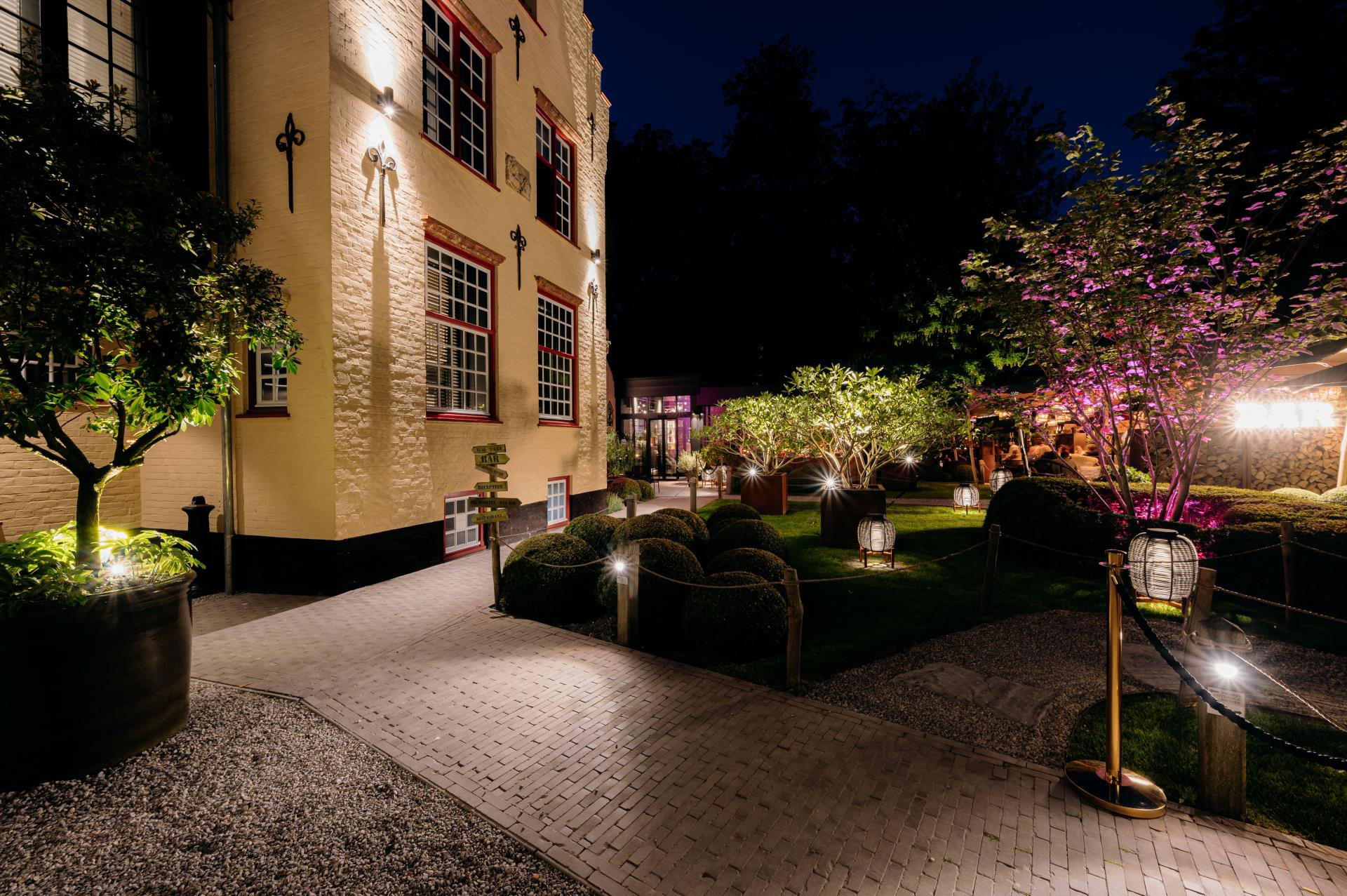
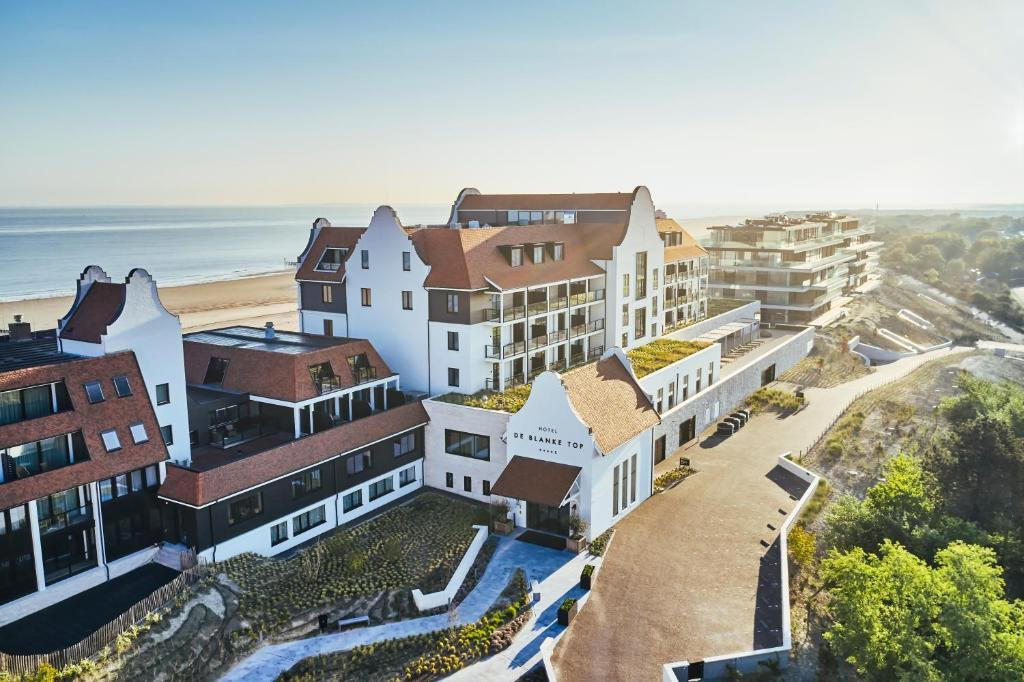
Hotels in Bruges
All hotels in Bruges →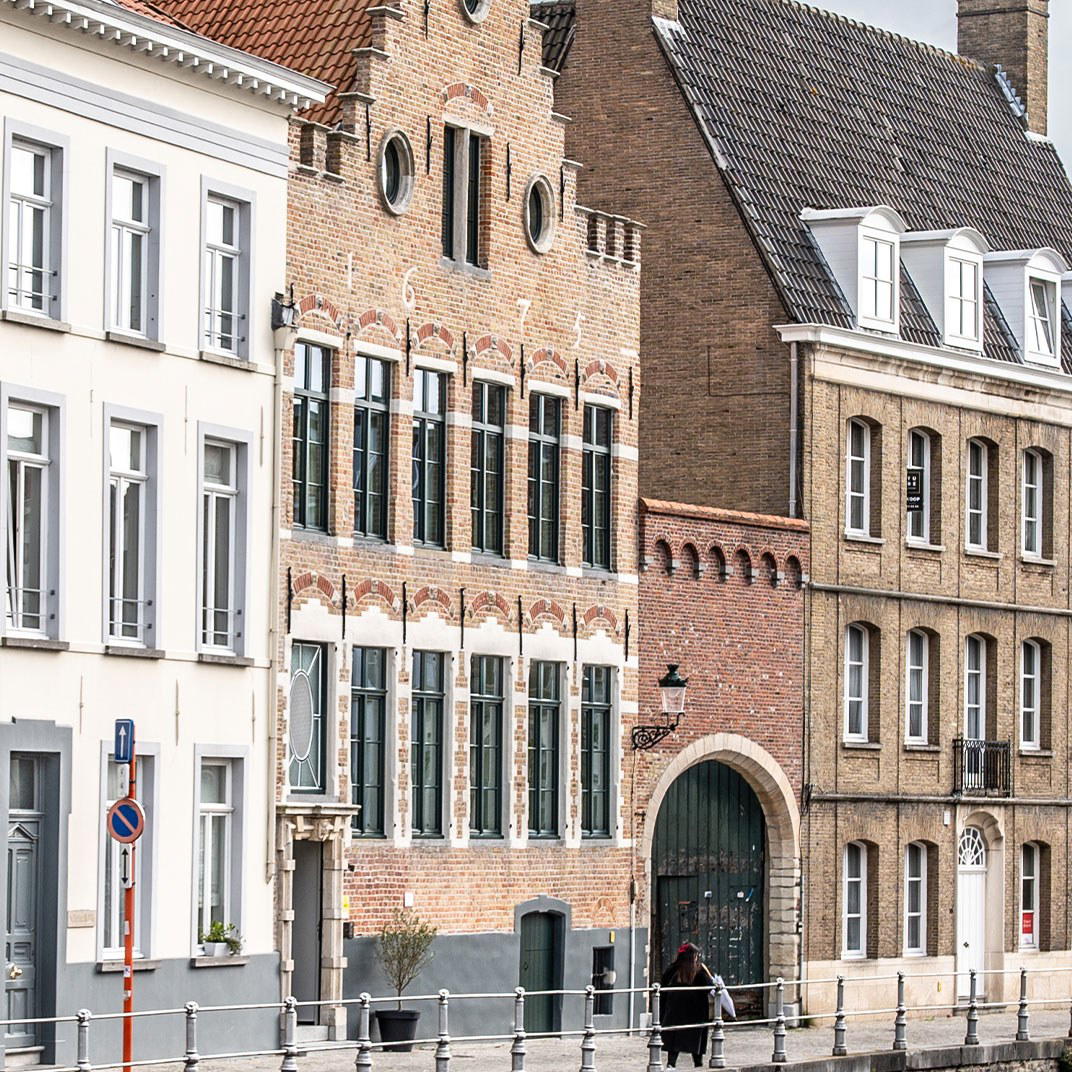
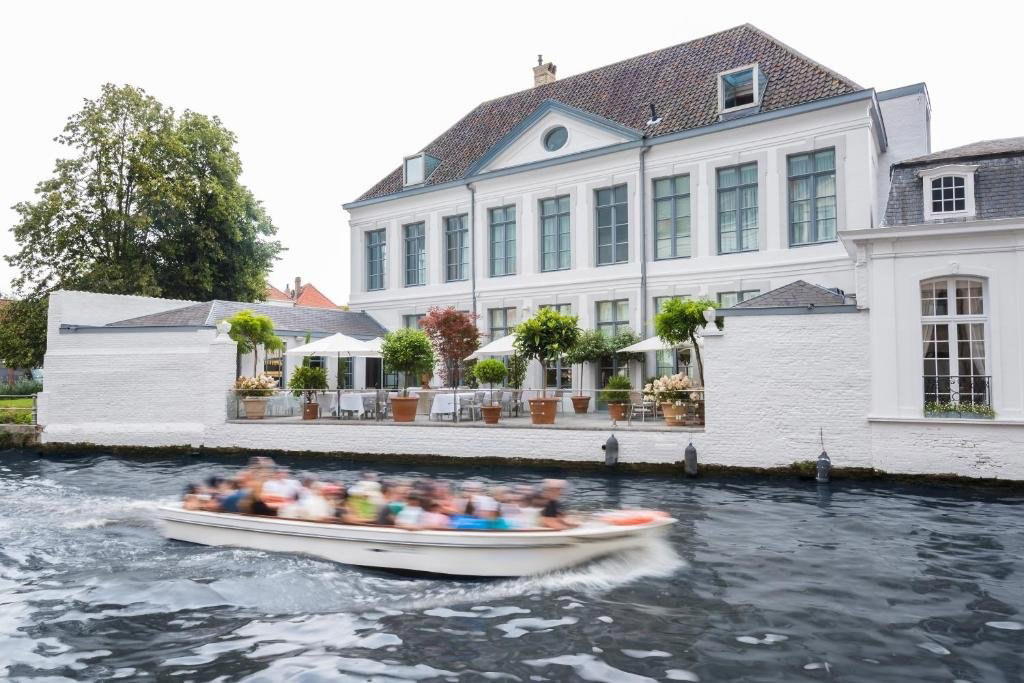
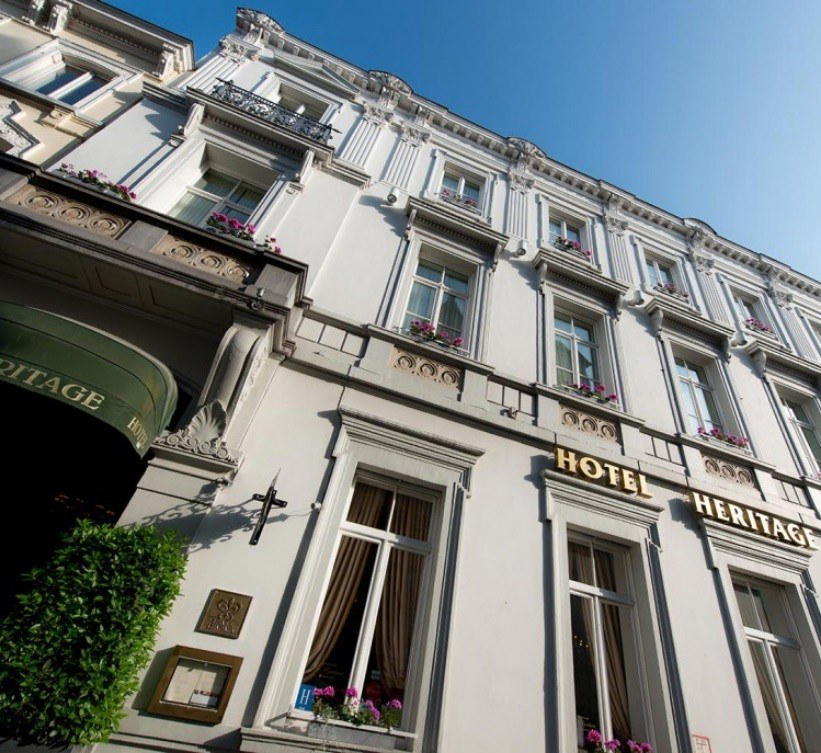
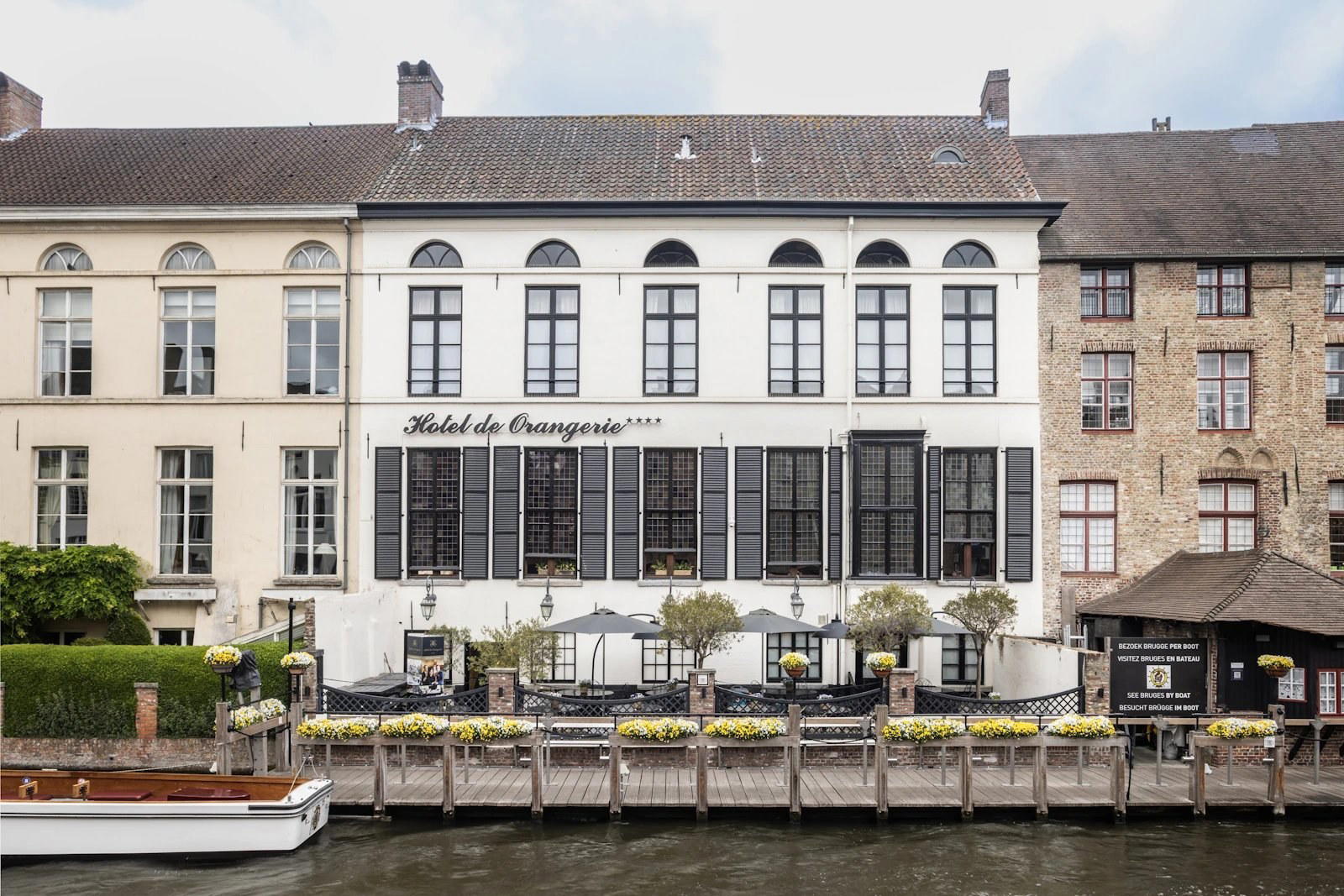
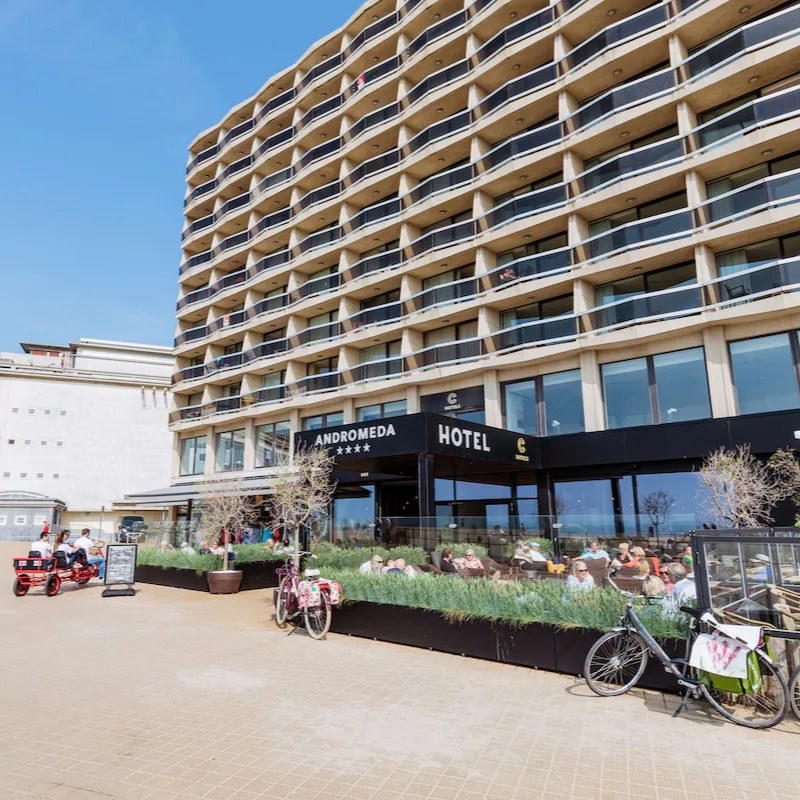
Wineries in Bruges
Browse all →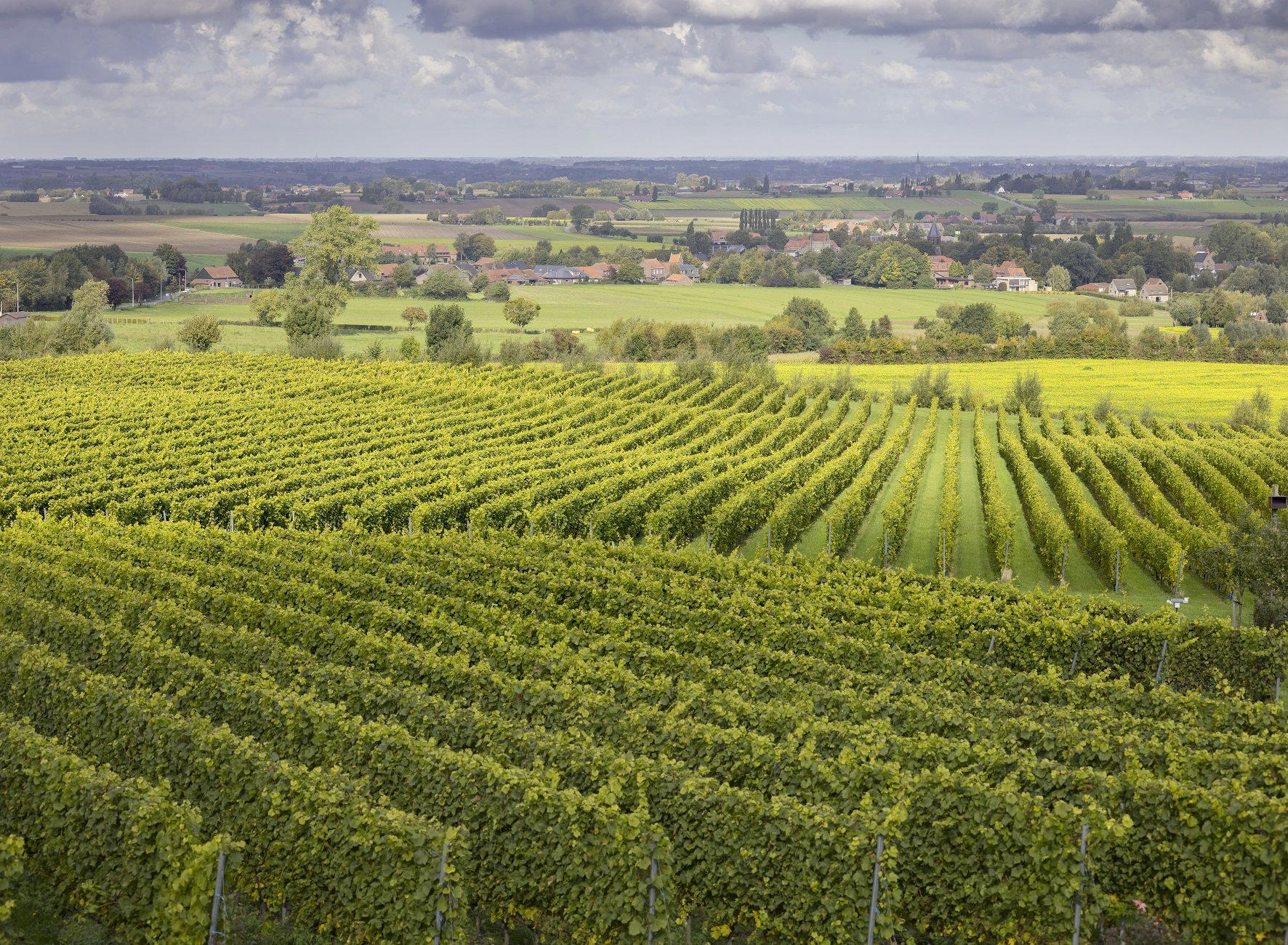
Details
- Cozy
- Intimate
- Trendy
- Date Night
- Casual Hangout
- Group Dining
- Terrace
- Natural Wine
- Farm To Table
- Local Sourcing
- Small Plates
- A La Carte
- Natural Wine
- Vegetarian Friendly
- Gluten Free Options
Current opening hours
- Monday
- 5:30–11:30 PM
- Tuesday
- 5:30–11:30 PM
- Wednesday
- 5:30–11:30 PM
- Thursday
- 12–2 PM, 5:30–11:30 PM
- Friday
- 12–2 PM, 5:30–11:30 PM
- Saturday
- 12–2 PM, 5:30–11:30 PM
- Sunday
- Closed
Hours can change for holidays and private events. Hours as of .
Casual cozy atmosphere with vintage vibes, checkerboard tiles, and a terrace evoking Mediterranean charm; amiably rowdy yet relaxed.