Toshokan

Michelin Plate
Our verdict
Toshokan holds back-to-back Michelin Plate recognition in 2024 and 2025, placing it among Austin's small tier of Japanese counter restaurants drawing national scrutiny. Located on East 4th Street, the sushi-focused room operates at the $$$$price level, where a multi-course progression defines the experience. For a city still building its high-end Japanese dining credentials, it represents a meaningful reference point.

Pearl is the En Primeur Club membership app, where members save venues, book tables and use the concierge.

The menu
What to order
- Torched bone marrow nigiri
- Hokkaido scallop with Peruvian salsa verde
- Chocolate wheel s'mores raclette
The Counter on East 4th
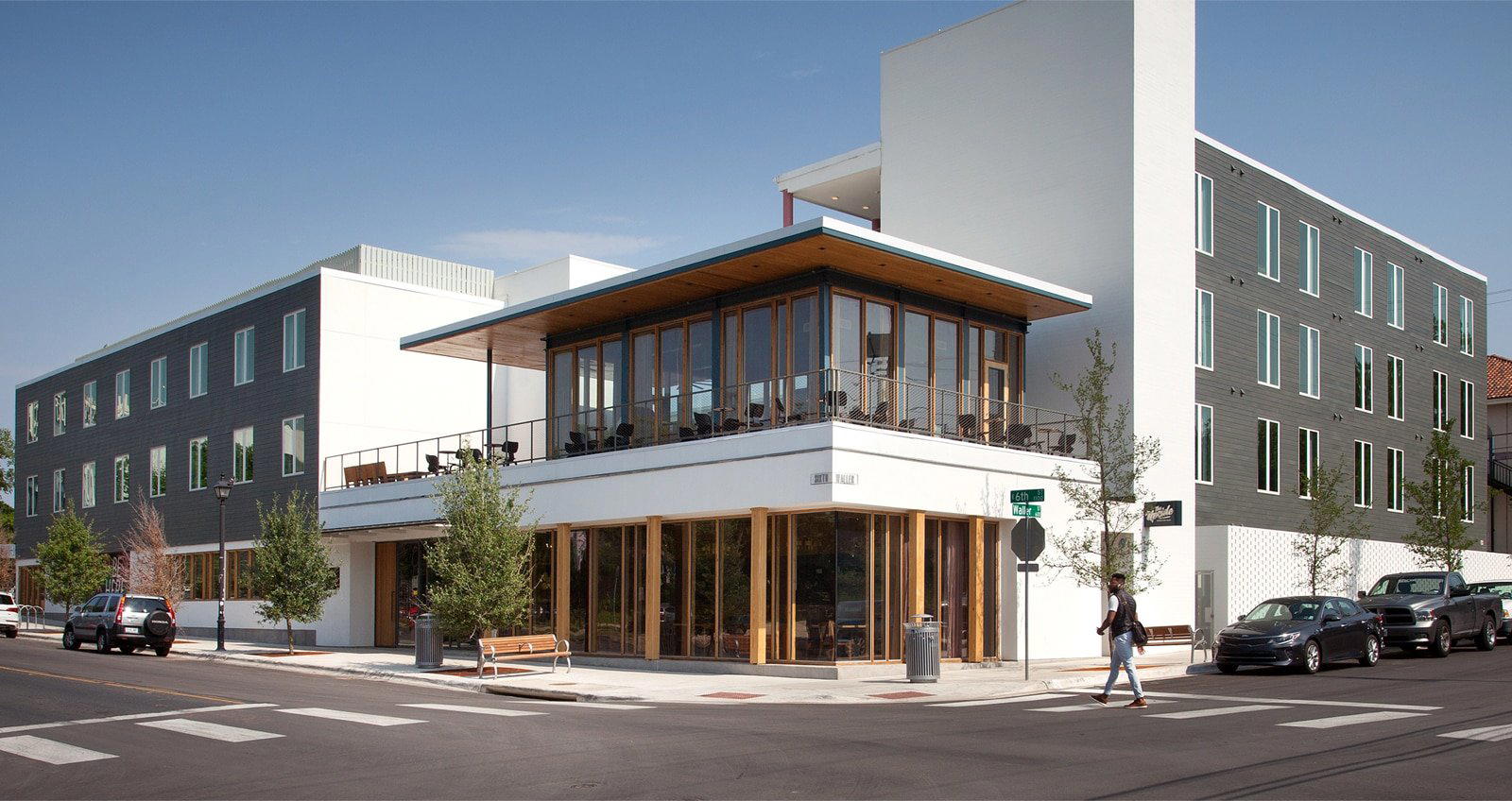
East 4th Street has shifted considerably over the past decade, moving from an auto-repair corridor into one of Austin's more compositionally interesting dining streets. The address at 807 E 4th St places Toshokan in that current, where warehouse bones and considered interiors coexist. Walking into a sushi counter of this caliber in this part of town carries a particular charge: the neighborhood still carries industrial memory, and the contrast between what's outside and what unfolds at the bar sharpens the focus on the meal itself.
That physical tension is not incidental. Austin's high-end Japanese dining scene is still in the process of establishing its own identity, distinct from the coastal templates it inevitably references. In cities like Tokyo, a counter like this would sit inside a longer lineage of neighborhood expectation. In Austin, it operates closer to a statement of intent, that the city's dining ambitions extend beyond barbecue and live-fire New American. For comparison, Otoko and Craft Omakase occupy adjacent space in this conversation, each approaching the omakase format from a different angle.
What a Michelin Plate Means Here
Toshokan carries Michelin Plate recognition in both 2024 and 2025, two consecutive years of inclusion in the guide's Texas edition. The Plate designation signals that Michelin inspectors found the cooking worthy of attention without (yet) assigning a star rating. In cities with longer Michelin histories, the Plate tier is crowded and sometimes dismissed. In Austin, which received its first Michelin guide coverage only recently, consecutive Plate recognition carries more weight: it places Toshokan inside the small set of Austin restaurants that international inspectors have flagged twice, suggesting consistency rather than a single strong night.
Austin's $$$$ sushi counter operates in a different competitive frame than the city's celebrated barbecue spots or its mid-tier izakaya options like Kemuri Tatsu-ya. The relevant comparisons reach further: nationally, Michelin-recognized sushi rooms at this price point compete for a traveler's attention against rooms in San Francisco, New York, and Chicago. When EP Club maps premium dining across the US, Toshokan appears alongside operations like Lazy Bear in San Francisco and Alinea in Chicago as evidence that fine dining ambition has spread well beyond the coasts. Internationally, the craft tradition Toshokan draws from connects to counters like Harutaka in Tokyo and Sushi Shikon in Hong Kong, where the omakase counter is an established high-stakes format.
The Architecture of the Meal
At a sushi counter in the $$$$ tier with Michelin recognition, the meal structure does significant work. The omakase format, chef-directed, sequenced, without a printed menu of choices, turns the dining experience into a progression with its own internal logic. Early courses typically establish the register: lighter preparations, often cold, that orient the palate before heavier, warmer courses introduce different textures and intensities.
This sequencing is where the craft of high-end sushi diverges most sharply from casual Japanese dining. A well-constructed omakase uses temperature, fat content, and texture as pacing tools, building toward and then stepping back from richness in deliberate cycles. The counter format enforces attention: there is no ambient noise to compete with, and the physical proximity to the preparation focuses the diner on the mechanics of what is being made. What distinguishes a Michelin-flagged counter from one that hasn't received that recognition is usually legible in this construction, the coherence of the arc, not just the quality of individual pieces.
For Austin diners accustomed to the format, Toshokan sits at the serious end of the local register. For visitors arriving from cities with denser sushi counter scenes, the relevant question is how the progression holds up against the reference points they carry. Consecutive Michelin Plate recognition suggests it holds up well enough to warrant repeat inspector visits.
Austin's Broader Fine Dining Context
Understanding where Toshokan sits requires a brief account of what surrounds it. Austin's fine dining scene is broad enough now to hold multiple $$$$ formats operating simultaneously without obvious overlap. Hestia works live-fire New American; Barley Swine runs a tasting menu through a contemporary American lens. The barbecue tradition, represented at the serious end by operations like InterStellar BBQ, operates in a different price bracket but draws comparable devotion from traveling food writers.
Within that spread, the Japanese counter format occupies a specific niche: high price point, small capacity, format discipline, and a dependence on sourcing and technique over theater. Toshokan's position in this niche is reinforced by its address, East Austin rather than downtown, which suggests a deliberate orientation toward the neighborhood dining culture that has developed east of I-35 rather than the more conventional fine dining geography of the city center.
For travelers building a broader Austin itinerary, the full picture across dining, drinking, lodging, and experiences is available through our full Austin restaurants guide, our full Austin bars guide, our full Austin hotels guide, our full Austin wineries guide, and our full Austin experiences guide.
Planning a Visit
Toshokan is located at 807 E 4th St, Austin, TX 78702, in the East Austin corridor that has become one of the city's more active dining zones. The $$$$ price designation means this is a committed reservation, appropriate for an occasion where the meal is the evening rather than part of a longer itinerary. Specific booking method, current hours, and reservation availability are best confirmed directly with the venue, as those details were not available at the time of publication.
Frequently asked questions
What's the vibe at Toshokan?
What's the must-try dish at Toshokan?
Cuisine Lens
Comparable options at a glance, pulled from our tracked venues.
| Venue | Cuisine | Price | Awards | Notes |
|---|---|---|---|---|
| ToshokanThis venue (the venue you are viewing) | Modern Omakase Sushi | $200–300 | Michelin Plate | Not listed |
| Barley Swine | Modern American Fine Dining | $100–150 | 1 Michelin Star · James Beard Award Semi Finalist | New American, Contemporary |
| la Barbecue | Texas Barbecue | $50–100 | 1 Michelin Star · James Beard Award Semi Finalist | Barbecue |
| Olamaie | Modern Southern | $100–150 | 1 Michelin Star | Southern |
| Jeffrey's | Modern American Steakhouse | $150–200 | Michelin Plate · Wine Spectator Best of Award of Excellence | French - Steakhouuse, Contemporary |
| Kemuri Tatsu-ya | Japanese-Texas BBQ Izakaya | $50–100 | Michelin Bib Gourmand | Izakaya |
Recognition history
Dated appearances from independent guides and award organizations, with the underlying list record or original source where available.
Michelin Plate
Michelin
Full recognition history (2 entries)
Michelin Plate
Michelin
Continue exploring
More in Austin
Restaurants in Austin
All restaurants in Austin →
Bars in Austin
All bars in Austin →
Details
- Intimate
- Trendy
- Whimsical
- Date Night
- Special Occasion
- Chefs Counter
- Sake Program
- Omakase
- Counter Dining
- Sake
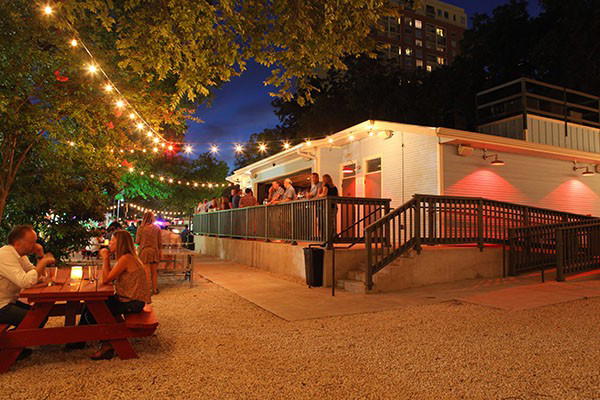
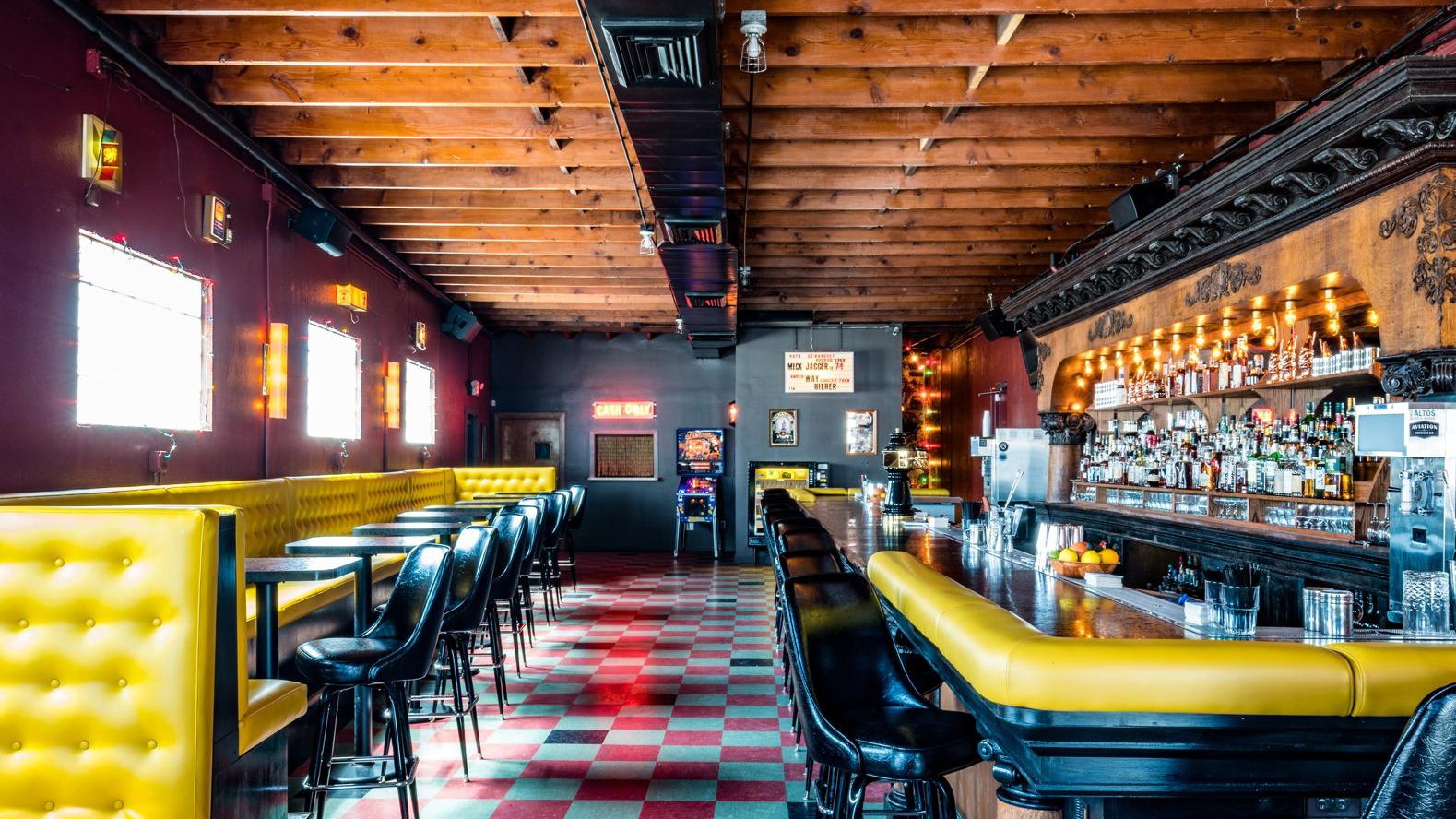
Whimsical secret room with Japanese toys, whiskey bottles, Taylor Swift memorabilia, and hip hop soundtrack, creating a fun, intimate, and playful atmosphere.