Otoko

Our verdict
Otoko brings omakase sushi to South Congress with a format that sits at the intersection of Edomae discipline and American creative confidence. Ranked among Opinionated About Dining's Top Restaurants in North America in both 2024 and 2025, the restaurant operates Tuesday through Saturday from 5 to 11 pm. It is one of Austin's most recognised Japanese counters and a reference point for the city's serious dining scene.

Pearl is the En Primeur Club membership app, where members save venues, book tables and use the concierge.
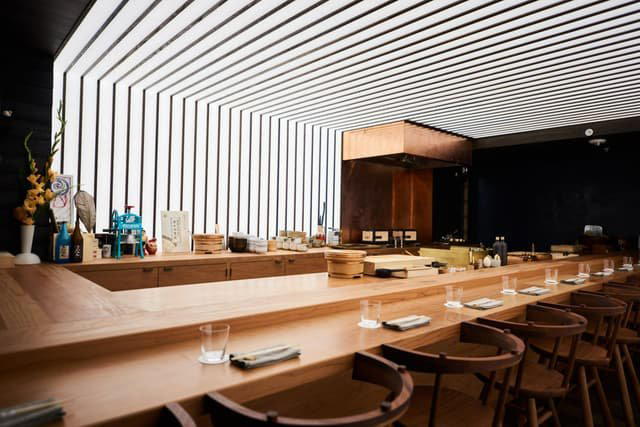
Where South Congress Meets the Counter
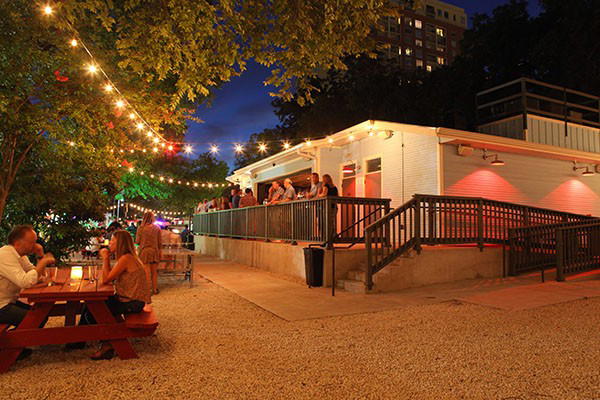
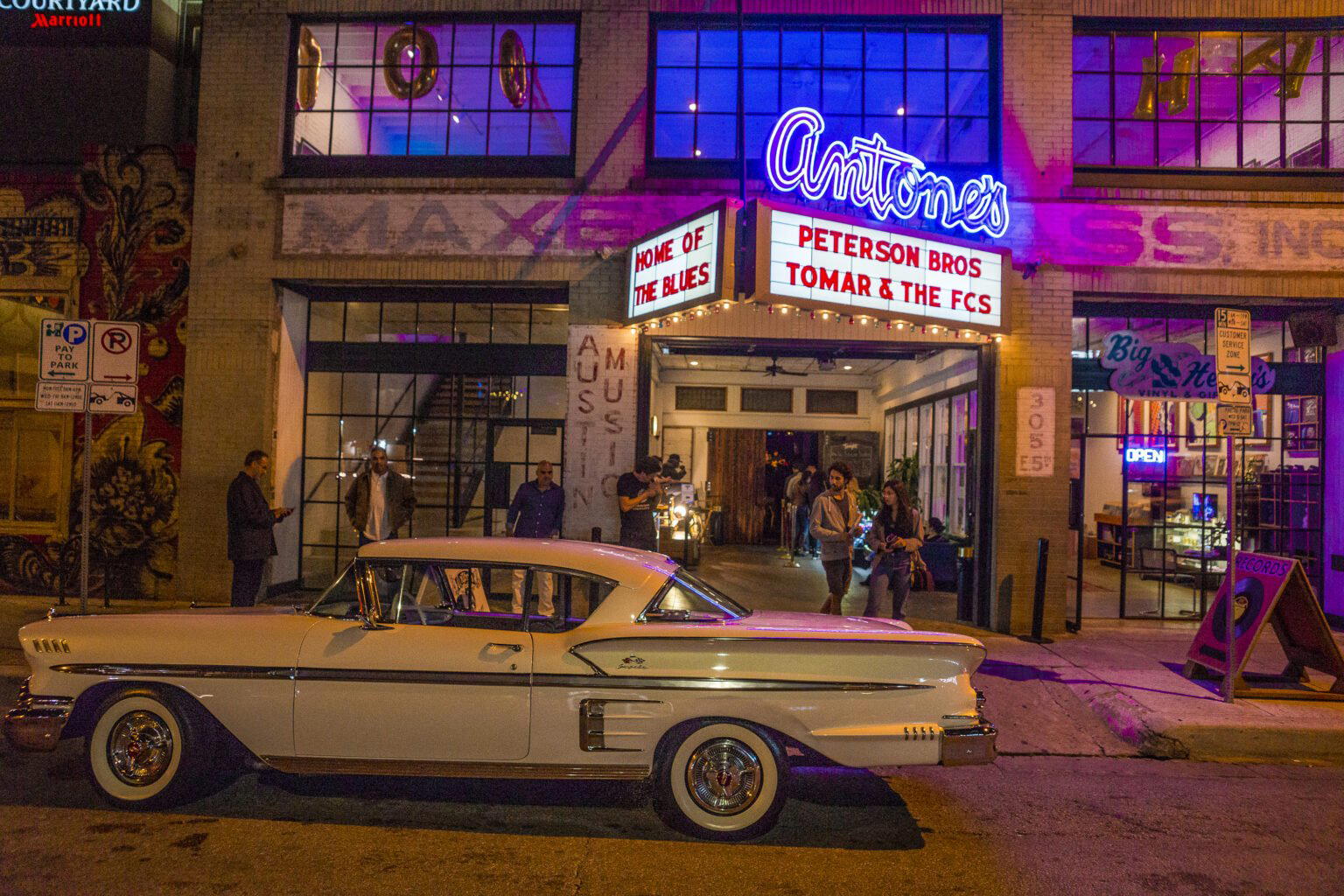
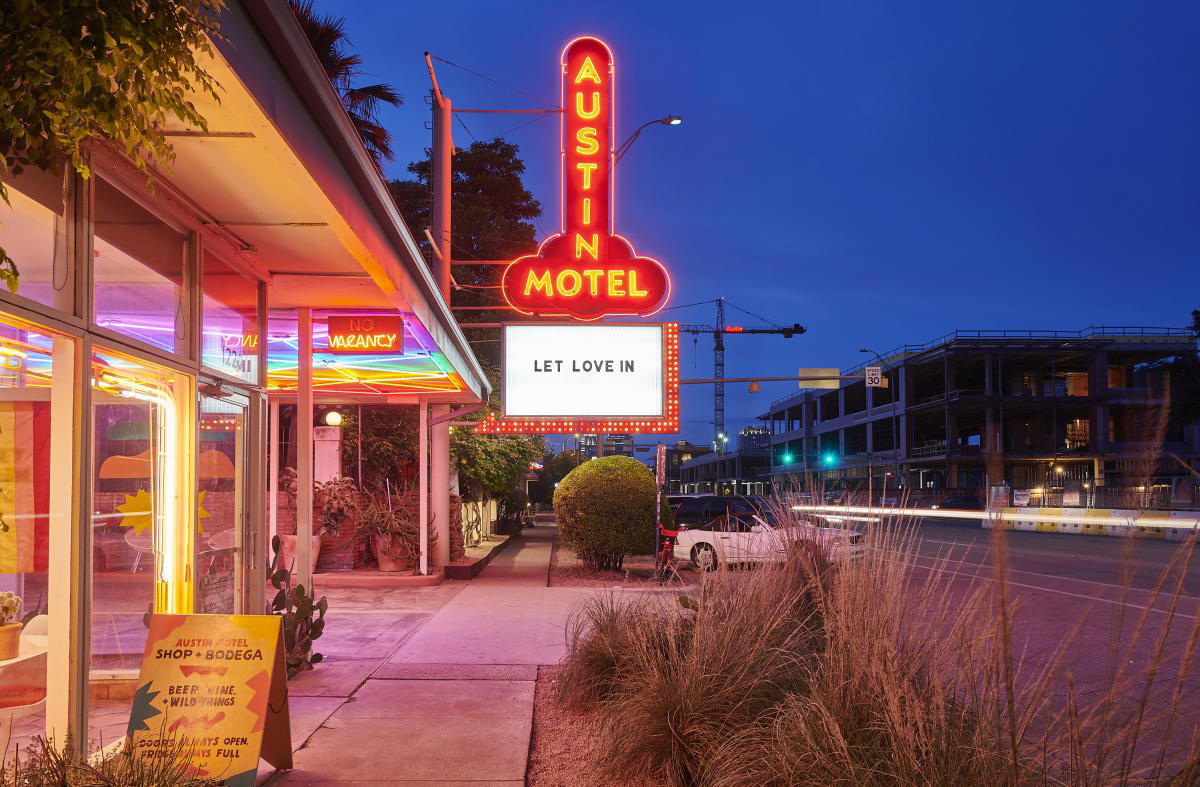
South Congress Avenue runs through one of Austin's most character-dense corridors, a stretch where vintage shops, music bars, and serious restaurants share the same few blocks. The address at 1603 S Congress places Otoko inside that tension rather than above it, which says something about Austin's dining culture at this price tier: the city does not segregate its fine dining into a separate, sanitised district. Arriving here, you feel the street before you feel the restaurant, and that context shapes the experience. The shift from the avenue's ambient noise to the focused quiet of a counter-format sushi room is sharper for it.
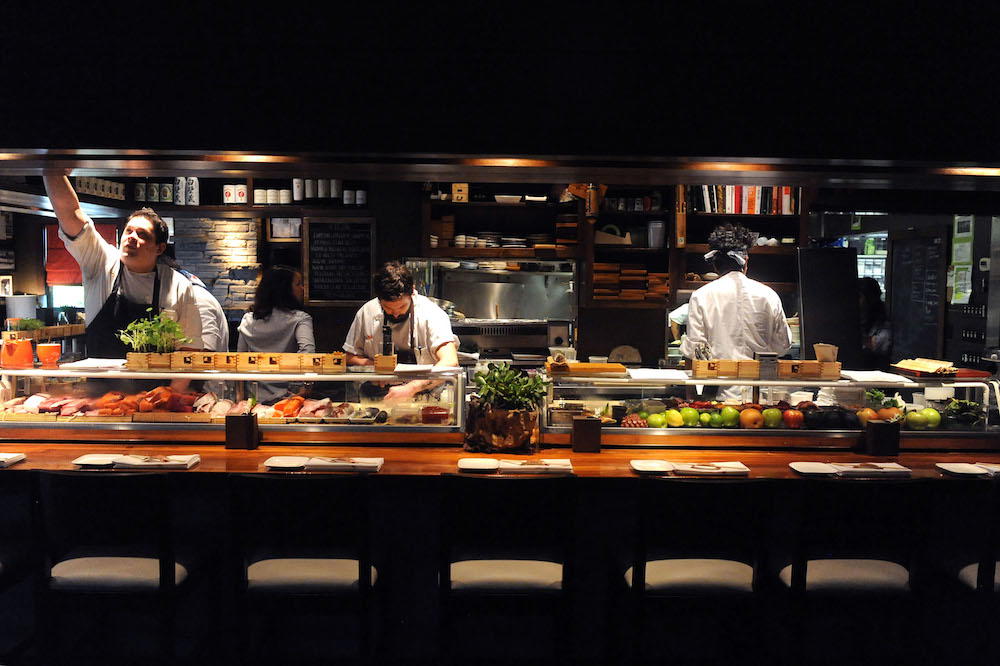
Counter dining in this format asks something of the guest that a conventional table-service restaurant does not. The room is the menu, the pacing is set by the kitchen, and the distance between the cook and the diner is measured in inches rather than tables. Austin has seen that format grow from novelty to expectation among the city's serious diners, and Otoko has been a reference point inside that shift.
Edomae Tradition, Texas Latitude
The Edomae style that defines Tokyo's leading omakase counters is built on discipline: vinegared rice at a precise temperature, fish aged and prepared according to technique accumulated over generations, a menu architecture where each piece arrives in a sequence calibrated by weight, fat content, and flavour intensity. It is one of the most codified formats in world cuisine, and its migration to American cities has produced a spectrum of results. Some transplants treat Edomae as a strict orthodoxy; others use it as a point of departure for local ingredients and looser creative choices.
Otoko, under Chef Yoshi Okai, operates in the space between those poles. The Edomae framework is present in the counter format, the sequenced omakase structure, and the craft attention given to rice and fish preparation. But Austin's creative dining culture and its distance from Tokyo's supply chains and orthodoxies create room for a different set of decisions than you would find at a Ginza counter. That tension between inherited discipline and local possibility is precisely what makes mid-tier American omakase interesting as a category, and why Otoko has drawn sustained recognition beyond the city's own dining community. For a comparison point on what strict Tokyo-lineage omakase looks like at the highest level, Harutaka in Tokyo and Sushi Shikon in Hong Kong represent the more orthodox end of that spectrum.
Recognition and Peer Context
Opinionated About Dining, one of the more data-driven and critic-weighted restaurant ranking systems in North America, placed Otoko at number 548 on its Leading Restaurants in North America list in 2024, then moved it up to number 486 in 2025. That upward movement matters: OAD rankings are compiled from critic submissions rather than sponsored nominations, which means the shift reflects growing attention from professional diners rather than a marketing push. Ranking in the top 500 across the entire North American continent places Otoko in a competitive set that includes the continent's most recognised tasting-menu restaurants.
Le Bernardin in New York City, Alinea in Chicago, The French Laundry in Napa, and Lazy Bear in San Francisco all operate within that broader recognition tier. For Otoko to rank alongside them, from a South Congress address in a city better known internationally for barbecue and live music, is a meaningful signal about the seriousness of Austin's upper dining bracket.
Within Austin itself, the comparison set is instructive. Craft Omakase represents the city's other serious Japanese counter option. At the broader high-end tasting-menu tier, Barley Swine and Hestia operate in a similar commitment-to-craft register but through American idioms. For Japanese in a more casual register, Toshokan and InterStellar BBQ represent different expressions of Austin's food culture. Otoko's specific niche, the focused sushi counter at serious-dining price and ambition, is a distinct one in this city.
The Format and What It Demands
Omakase is a format that removes the optionality most diners are accustomed to. There is no menu to review, no substitution negotiation, no mid-meal pivot. The chef sequences the meal and the guest moves through it. That structure is also its value: the experience is designed as a whole rather than assembled from individual choices.
The counter itself is the room. The proximity between diner and chef that defines the format means conversation is part of the experience, the kind of low-key explanation of technique and ingredient sourcing that transforms a sequence of courses into something closer to a lesson. That is particularly relevant at a counter positioned between two different culinary traditions, where the reasoning behind each decision carries meaning.
Planning Your Visit
Otoko operates Tuesday through Saturday, opening at 5 pm and running service until 11 pm, with Sunday and Monday closed. The South Congress address at 1603 S Congress Ave, Austin, TX 78704 places it in a walkable section of the corridor, accessible from several of the neighbourhood's hotels. Given the omakase format and the recognition the restaurant has accumulated, advance booking is advisable. For those planning a broader Austin trip around serious dining, our full Austin restaurants guide covers the city's range, and our guides to Austin hotels, bars, wineries, and experiences cover the surrounding picture. For context on what the omakase format looks like at comparable commitment in other American cities, Single Thread Farm in Healdsburg and Emeril's in New Orleans represent related points on the American fine-dining spectrum.
Frequently asked questions
What do people recommend at Otoko?
Because Otoko operates as an omakase counter, the menu is set by the kitchen rather than chosen by the diner. Chef Yoshi Okai sequences each service according to available fish and seasonal variables, which means individual dish recommendations from previous visits may not map directly to your own. The format is the recommendation.
How would you describe the vibe at Otoko?
Focused without being severe. The counter setting in a South Congress building creates an odd and productive contrast: the avenue outside is animated and eclectic, while inside the room is calibrated and quiet. Austin's dining culture tends toward warmth rather than formality, and that shows in how the counter operates. The OAD ranking places it firmly in the serious-dining tier, but the city's broader character keeps it from feeling like a performance of seriousness. Guests at the $$$$ tier should expect a room built around attention, not spectacle.
Does Otoko work for a family meal?
The omakase format is a committed one: a fixed sequence, a shared pace, and no menu alternatives. That structure works well for adults who are engaged with the experience, but it is not well suited to groups with children or guests who are unfamiliar with or uninterested in counter-format dining. At Austin's upper dining tier, the experience is designed around participation. Families looking for a more flexible South Congress option would be better served by one of the neighbourhood's table-service restaurants.
What It’s Closest To
| Venue | Cuisine | Price | Awards | Notes |
|---|---|---|---|---|
| OtokoThis venue (the venue you are viewing) | Modern Japanese Omakase | $200–300 | Not listed | Not listed |
| Barley Swine | Modern American Fine Dining | $100–150 | 1 Michelin Star · James Beard Award Semi Finalist | New American, Contemporary |
| la Barbecue | Texas Barbecue | $50–100 | 1 Michelin Star · James Beard Award Semi Finalist | Barbecue |
| Olamaie | Modern Southern | $100–150 | 1 Michelin Star | Southern |
| Jeffrey's | Modern American Steakhouse | $150–200 | Michelin Plate · Wine Spectator Best of Award of Excellence | Not listed |
| Kemuri Tatsu-ya | Japanese-Texas BBQ Izakaya | $50–100 | Michelin Bib Gourmand | Not listed |
Recognition history
Dated appearances from independent guides and award organizations, with the underlying list record or original source where available.
Opinionated About Dining Top Restaurants in North America Recommended
Opinionated About Dining
Full recognition history (3 entries)
Opinionated About Dining Top Restaurants in North America Ranked #486
Opinionated About Dining
Opinionated About Dining Top Restaurants in North America Ranked #548
Opinionated About Dining
Continue exploring
More in Austin
Restaurants in Austin
All restaurants in Austin →
Bars in Austin
All bars in Austin →
Details
- Intimate
- Modern
- Sophisticated
- Trendy
- Date Night
- Special Occasion
- Chefs Counter
- Open Kitchen
- Sake Program
- Craft Cocktails
- Omakase
- Tasting Menu
- Counter Dining
- Sake Program
- Craft Cocktails
Current opening hours
- Monday
- Closed
- Tuesday
- Closed
- Wednesday
- 5–11 PM
- Thursday
- 5–11 PM
- Friday
- 5–11 PM
- Saturday
- 5–11 PM
- Sunday
- Closed
Hours can change for holidays and private events. Hours as of .
Futuristic, Stanley Kubrick-like design with rock 'n roll energy, blaring music, and a lively yet intimate atmosphere.