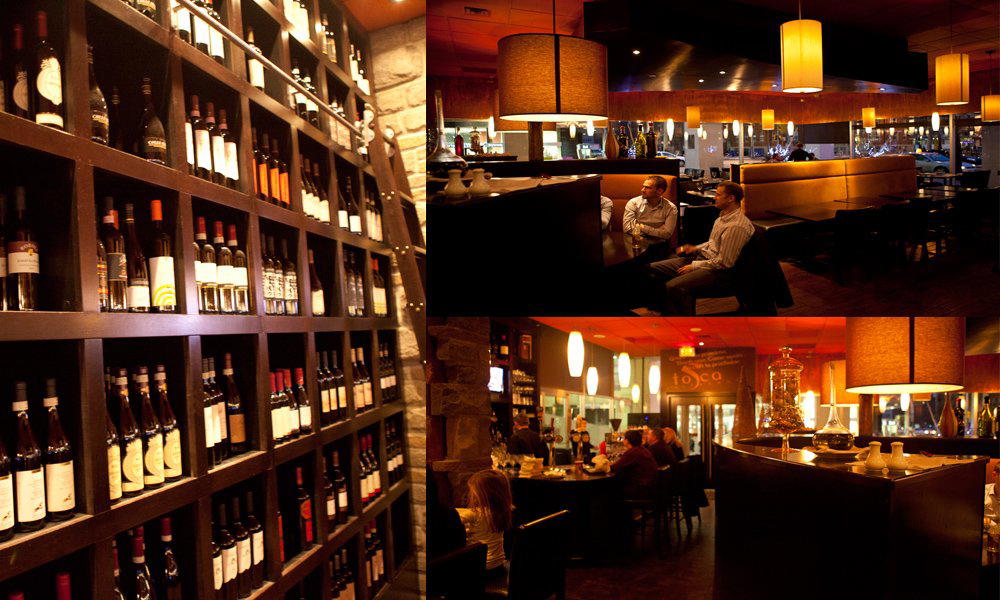
On O'Connor Street in Ottawa's downtown core, Tosca Ristorante occupies the kind of Italian dining position that few Canadian capital cities sustain well: a neighbourhood anchor with enough history to carry a reputation across decades of shifting tastes. Positioned against Ottawa's more experimental tables, it represents the case for continuity in a city that has recently tilted hard toward progressive Canadian cooking.
- Address
- 144 O'Connor St, Ottawa, ON K2P 2G7, Canada
- Phone
- +16135653933
- Website
- tosca-ristorante.ca
- Directions
- Get directions
O’Connor Street and the Long Game of Italian Dining in Ottawa
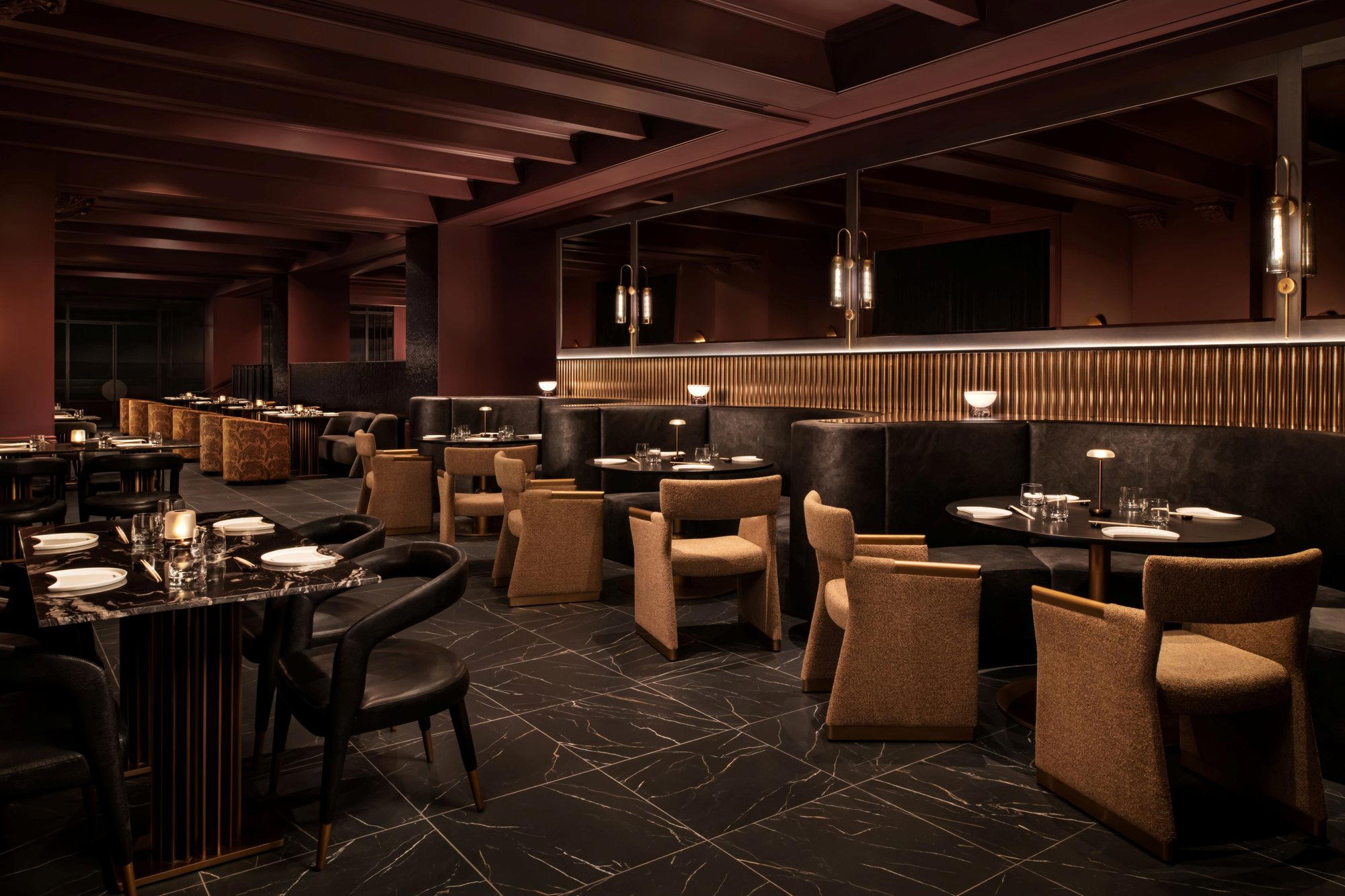
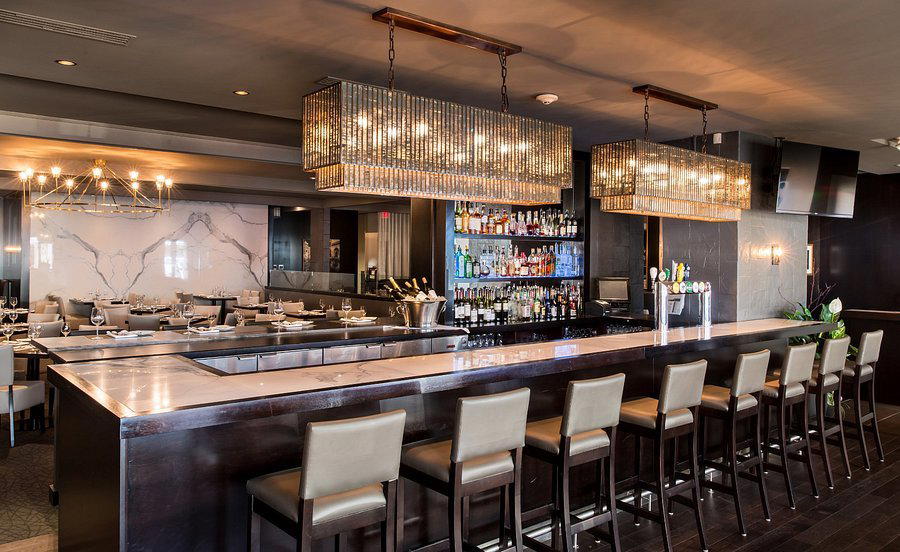
There is a particular quality to an Italian restaurant that has outlasted multiple waves of dining fashion. You notice it at the door: something in the weight of the room, the way the lighting has been calibrated not for Instagram but for conversation, the sense that the space was arranged by people who expected to still be here in twenty years. Tosca Ristorante at 144 O’Connor Street carries that quality. Ottawa’s downtown core has absorbed a significant amount of reinvention over the past decade, with progressive tasting-menu formats and chef-driven concepts claiming an increasing share of the city’s fine-dining attention. Tosca has watched that shift from a position of relative stability, which is itself an editorial statement.
Italian restaurants in Canadian cities have followed a familiar arc: red-sauce populism in the 1980s and 1990s, a regional-Italian correction in the 2000s, and then the emergence of a smaller, more considered tier that takes its cues from the trattorias and osterie of northern Italy rather than from any generic idea of “Italian-American.” The upper end of Ottawa’s Italian dining category is not large. For a city of its size and administrative weight, Ottawa has historically underinvested in the kind of kitchen-serious Italian table that cities like Toronto and Montreal take for granted. That context matters when placing Tosca on the map.
How Ottawa’s Dining Scene Frames the Room
Ottawa’s fine-dining tier has become more competitive and more internationally referenced in recent years. Tables like Absinthe and Alice have pushed the city toward a more experimental register, while Aiana Restaurant represents the newer wave of contemporary Canadian cooking that draws on global technique without anchoring itself to a single tradition. Against that backdrop, a sustained Italian address occupies a different kind of value: it is a counterweight to novelty, a place where the category itself, rather than the chef’s personal statement, is the organizing principle.
The comparison set for Tosca is not Atelier or the progressive Canadian tables. It sits closer to the tradition that Al’s Steakhouse represents on the steakhouse side: an established address where repeat clientele and a legible format matter more than menu reinvention. That is not a criticism. In cities where every new opening announces itself as a departure from what came before, the restaurants that hold their position across decades perform a function that is underrated by critics and overvalued by regulars.
The Evolution Question: Staying Power vs. Reinvention
Italian dining institutions in Canadian cities face a specific dilemma that other cuisine categories avoid. The cuisine has a deep enough canon that a kitchen can operate entirely within received tradition and still produce food worth eating. But the same depth of canon means that kitchens can also use “tradition” as cover for stagnation. The restaurants that navigate this leading tend to make quiet, incremental adjustments: a more serious wine list, a tighter pasta programme, a shift in sourcing toward Canadian producers where the ingredient genuinely benefits. They do not announce reinventions. They simply get better in ways that regulars notice over time.
That pattern of quiet evolution, rather than dramatic pivots, defines the better Italian addresses across Canada. Jérôme Ferrer - Europea in Montreal has maintained relevance through sustained kitchen discipline rather than concept overhaul. Alo in Toronto took the opposite route, building a French-influenced tasting format that accumulated Michelin recognition. Tanière³ in Quebec City has made its case through hyperlocal ingredient sourcing. Each model is coherent. The question for a long-standing Italian table is which version of evolution it has chosen and whether the current iteration of the room reflects that choice.
For visitors arriving from outside Ottawa’s dining conversation, useful orientation points exist across Canada’s restaurant tier. AnnaLena in Vancouver, Restaurant Pearl Morissette in Lincoln, and Eigensinn Farm in Singhampton each represent a different model of how serious Canadian kitchens have positioned themselves over the past decade. Internationally, the reference points extend to rooms like Le Bernardin in New York City and Atomix in New York City, which have built sustained reputations through format discipline rather than novelty cycles. Tosca’s longevity on O’Connor Street places it in that broader conversation about what staying power looks like in practice.
Where Tosca Sits in the Neighbourhood
The O’Connor Street address places Tosca in Ottawa’s downtown professional corridor, within easy reach of the Parliamentary precinct and the city’s financial district. That geography shapes the room in predictable ways: lunch and dinner crowds lean toward business dining, and the format tends toward the kind of reliability that repeat bookings require. Neighbourhood Italian addresses in this position tend to develop a clientele that values consistency over discovery, and the kitchen learns to read that room accordingly.
Ottawa’s dining geography has diversified over the past decade, with the Glebe, Hintonburg, and Centretown each developing distinct dining characters. A La Istanbul Turkish Cuisine and Aiana Restaurant reflect that diversification. A central downtown Italian address, by contrast, sits at the established core of the city’s dining map, which brings both advantages in visibility and pressure to remain legible to a broad audience rather than a specialist one. For a fuller view of how Ottawa’s restaurant scene has developed, the EP Club Ottawa restaurants guide provides category-level context across the city’s key dining neighbourhoods.
The Canadian dining comparison set also extends beyond Italian to tradition-anchored rooms like Aux Anciens Canadiens in Quebec, which has built an identity around heritage Quebec cuisine, or The Pine in Creemore and Narval in Rimouski, which have pursued regional specificity in smaller markets. Each of these addresses demonstrates that longevity in Canadian dining does not require constant format reinvention; it requires a clear answer to what the room is for.
Planning a Visit
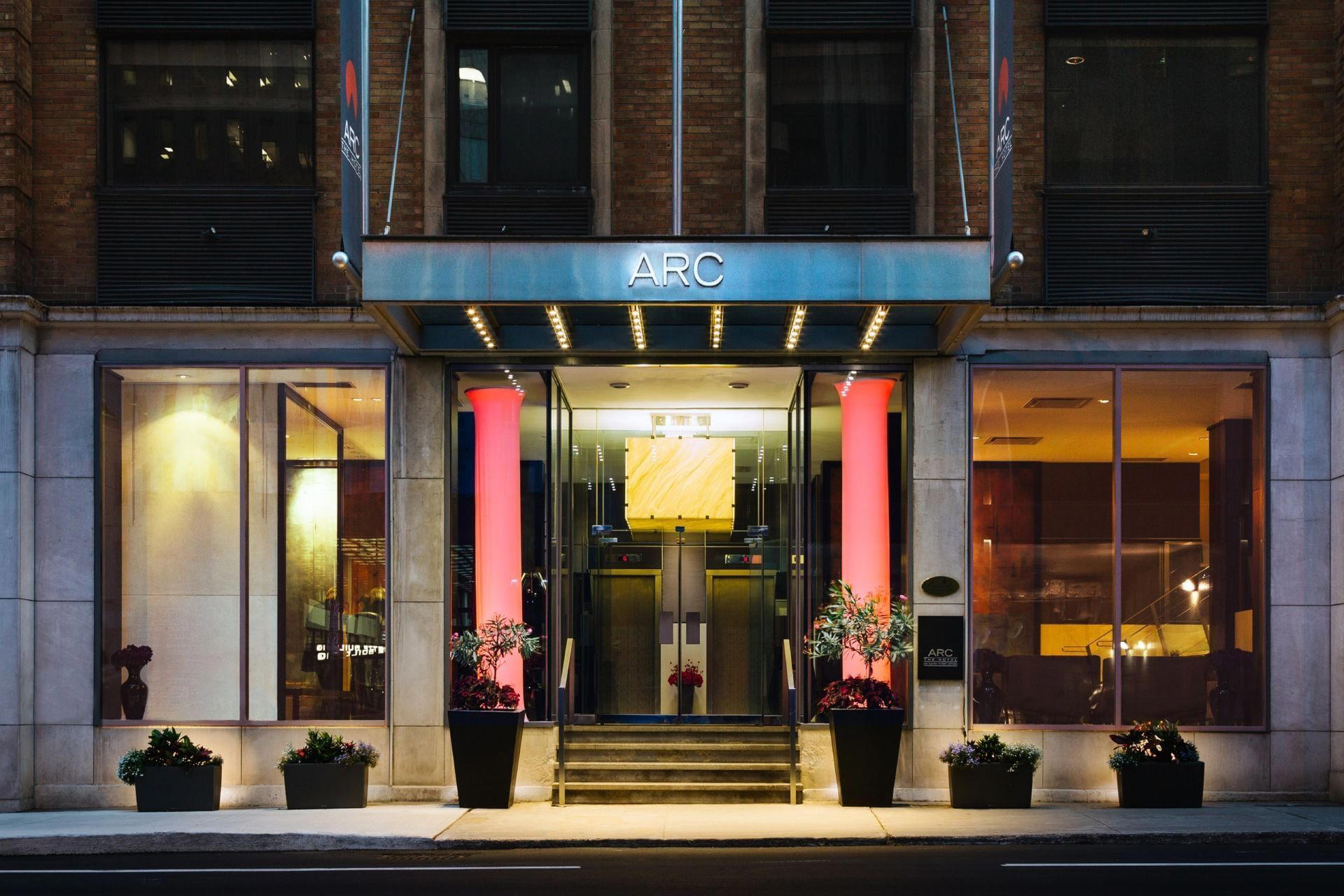
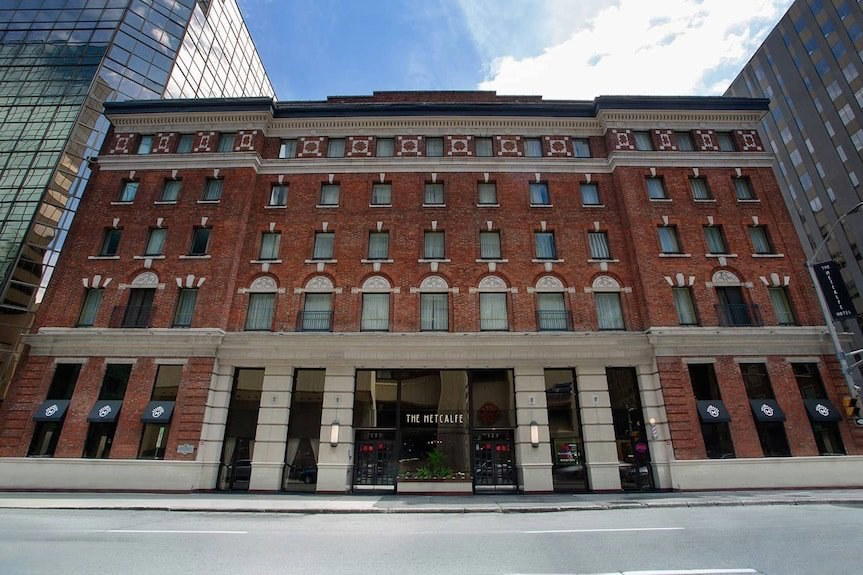
Tosca Ristorante is located at 144 O’Connor Street in Ottawa’s downtown core, within walking distance of major hotels in the Centretown and Parliamentary districts. For current hours, booking availability, and menu details, contacting the restaurant directly or checking current listings is advisable, as operational details shift seasonally. Ottawa’s downtown restaurants tend to fill quickly on weekday evenings when Parliament is in session, so advance planning pays off regardless of which address you are targeting.

At a Glance
- Elegant
- Sophisticated
- Modern
- Cozy
- Date Night
- Business Dinner
- Celebration
- Family
- Private Dining
- Extensive Wine List
Current opening hours
- Monday
- Closed
- Tuesday
- 11:30 AM–10 PM
- Wednesday
- 11:30 AM–10 PM
- Thursday
- 11:30 AM–10 PM
- Friday
- 11:30 AM–10 PM
- Saturday
- 4:30–10 PM
- Sunday
- 4:30–10 PM
Hours can change for holidays and private events. Last verified .
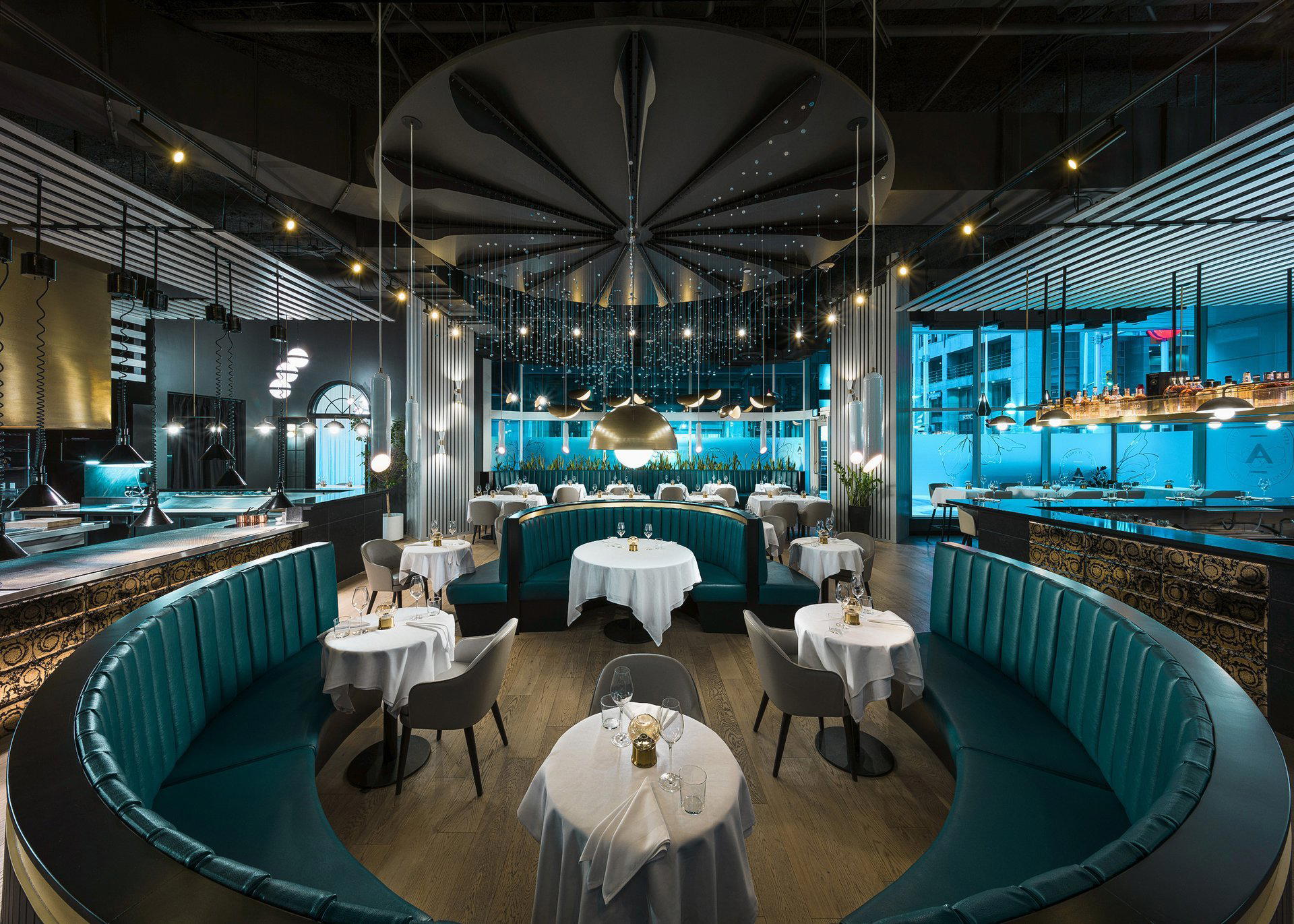
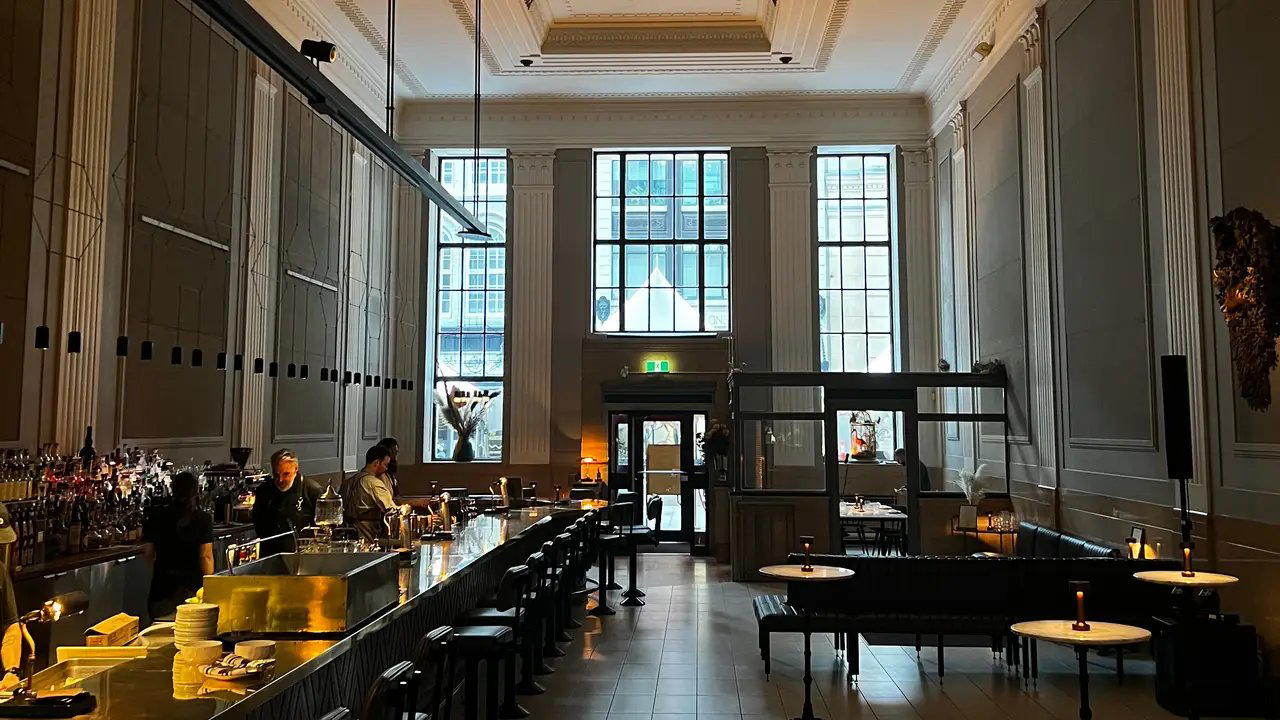
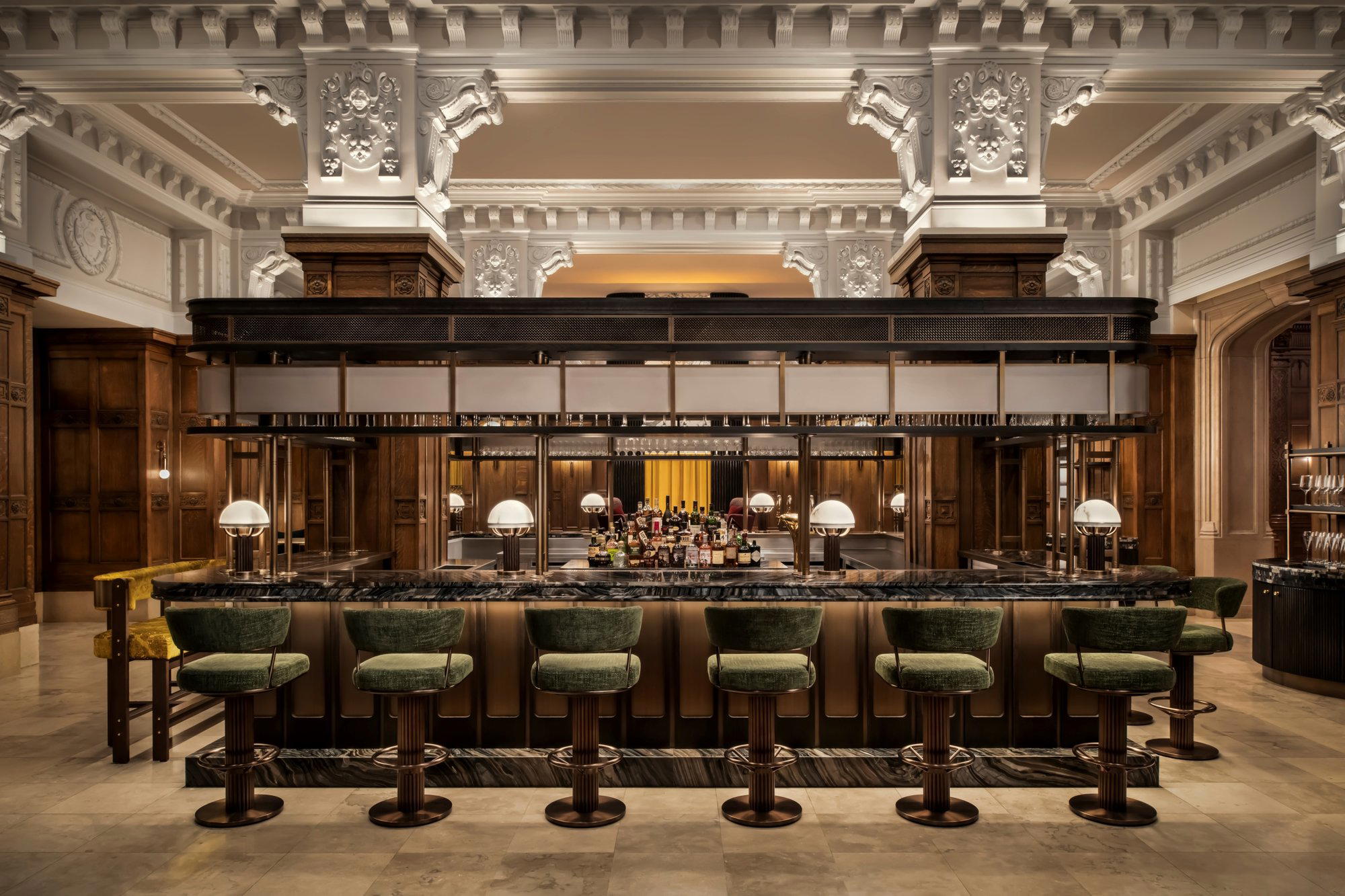
Modern, bright, beautifully decorated with a warm, chic atmosphere and seasonal outdoor patio.
Know Before You Go
- Getting there
- 144 O'Connor St, Ottawa, ON K2P 2G7, Canada