Our verdict
Ember occupies a address on Clarence Street in Ottawa's ByWard Market, placing it at the centre of the city's most concentrated dining corridor. The room draws on fire-forward cooking traditions common to Canadian kitchens that prize local sourcing and seasonal restraint. For visitors working through Ottawa's mid-to-upper dining tier, it sits alongside neighbours like Absinthe and Aiana Restaurant as a marker of how the Market has matured.

Pearl is the En Primeur Club membership app, where members save venues, book tables and use the concierge.
The menu
What to order
- Braised Beef Cheek Pizza
- Spicy N'duja Rigatoni
- Half-Roasted Chicken
- Smoky Eggplant Dip
- Dirty Dill Martini
Clarence Street and the ByWard Market Dining Corridor
Ottawa's ByWard Market has been the city's most active dining district for decades, but the specific block around Clarence Street has sharpened considerably in the last ten years. What was once a tourist-facing strip of pubs and patio bars now holds a denser concentration of chef-driven rooms operating at a noticeably higher register. Ember, at 192 Clarence St.
That positioning matters because ByWard Market addresses carry a particular kind of foot traffic: a mix of government workers at lunch, out-of-town visitors using the Market as a geographic anchor, and locals who treat the corridor as a reliable circuit for mid-week dinners. Restaurants that survive and build a following on Clarence Street tend to do so by holding a consistent culinary position rather than chasing seasonal trends. The neighbourhood rewards repetition and reliability in a way that newer, more isolated Ottawa dining pockets do not.
The name itself signals intent. Fire-based cooking, whether through live-flame grills, wood-burning ovens, or ember-roasting techniques, has become a defining thread in ambitious Canadian kitchens over the past decade. From Eigensinn Farm in Singhampton to Tanière³ in Quebec City, the use of heat as a primary flavour-building tool has moved from novelty to a recognisable culinary language. A restaurant named Ember in this climate is making an implicit claim about its kitchen philosophy before a guest crosses the threshold.
The ByWard Market as Context, Not Just Address
Understanding what Ember offers requires understanding what ByWard Market has become for Ottawa's dining culture. The Market is not a neighbourhood in the residential sense; it functions more like a district with distinct dining sub-zones. The southern end, closer to Rideau Street, still operates at a casual, accessible register. The Clarence Street corridor, by contrast, has attracted kitchens that are self-consciously ambitious, rooms where the food is the point rather than the backdrop. Absinthe and Aiana Restaurant operate in this same band, as does Alice, which has built a following on a focused, seasonal approach.
What the Market provides that isolated Ottawa restaurants do not is a built-in comparison set. Diners in ByWard can walk from one room to another and develop an intuitive sense of where each restaurant sits in the hierarchy. That competitive proximity tends to enforce a certain discipline: kitchens that do not maintain their standard lose regulars to neighbours within the same ten-minute walk. For Ember, the Clarence Street address is both an asset and a pressure point.
At a national scale, Canadian fine-casual dining has been working through a distinctive shift. The model that once defined ambition, long tasting menus, elaborate tableside theatre, formal service ratios, has given ground to a more direct format: focused menus, open kitchens, and a sharper emphasis on the quality of primary ingredients rather than the complexity of technique applied to them. Alo in Toronto and AnnaLena in Vancouver represent different points on that spectrum. Ottawa's better kitchens have been absorbing the same influence, and a fire-led concept fits naturally into that current.
Fire Cooking and the Canadian Kitchen Tradition
The ember and live-fire approach is not a trend imported wholesale from Buenos Aires or Copenhagen, though both cities have been cited as reference points. In the Canadian context, it connects to something older: cooking over open heat in landscapes where wood is abundant and seasons are extreme. The technique translates well to the kind of ingredient-first menus that have become the dominant grammar for ambitious Canadian restaurants. Proteins and root vegetables cooked over live fire require sourcing quality rather than masking it, which is why the format tends to align with local and regional procurement.
Across eastern Canada, restaurants operating in this register have increasingly distinguished themselves through producer relationships rather than technique complexity. Narval in Rimouski and Restaurant Pearl Morissette in Lincoln represent versions of this commitment at different scales and in different culinary idioms. The underlying logic is consistent: the kitchen's credibility rests on what it sources as much as on what it does with those ingredients. A restaurant named for ember cooking implicitly accepts that standard.
Ottawa's proximity to the Ottawa Valley and the broader Quebec agricultural corridor gives restaurants in the city access to a serious supply network. Beef, game, root vegetables, heritage grains, and a short but productive growing season all feed into what local kitchens can credibly put on a menu. Al's Steakhouse has long anchored the beef-focused end of Ottawa's mid-to-upper dining range, while newer rooms have been extending that local sourcing ethos into a broader seasonal frame. Ember's positioning on Clarence Street places it inside that conversation.
Planning a Visit: What to Know Before You Go
Booking practices for ByWard Market restaurants vary considerably. The corridor's better rooms, particularly those with smaller seat counts, can book several weeks ahead on weekend evenings, while weekday tables at the same venues are often accessible on shorter notice. For first-time visitors to Ottawa using the Market as a dining base, pairing an Ember reservation with a walk through the neighbourhood before or after service is worth considering; the architecture and the scale of ByWard, compact and walkable in a way that larger Canadian cities are not, makes the area function as its own experience rather than just a transit point to a table.
Ottawa also positions well as a stop on broader eastern Canada itineraries that include Montreal and Quebec City. Visitors who have eaten at Jérôme Ferrer - Europea in Montreal or at comparably ambitious rooms will find Ottawa's Clarence Street corridor operating at a related register, with a more compact physical scale and a dining culture that is still building its national profile. For the full picture of where Ember sits in Ottawa's dining options, the EP Club Ottawa restaurants guide maps the city's key rooms by neighbourhood and price tier.
For international reference points, the live-fire approach Ember signals through its name connects to a tradition that restaurants like Le Bernardin in New York City and Lazy Bear in San Francisco approach from different angles, each using elemental technique as a form of editorial restraint. Within Canada, the comparison set also includes neighbourhood-rooted rooms like The Pine in Creemore and Ottawa's own Alice, both of which have built their identity on a similarly focused, ingredient-led framework. The ByWard Market's draw also extends to venues like A La Istanbul Turkish Cuisine, which adds a different culinary register to the corridor's range. Ottawa's dining scene also reaches beyond its central core, with Atelier operating at the progressive Canadian end of the spectrum as the city's most technically demanding kitchen and a useful point of comparison for assessing where Ember fits in the local hierarchy.
Frequently asked questions
What do regulars order at Ember?
How hard is it to get a table at Ember?
What do critics highlight about Ember?
Is Ember in Ottawa suitable for a business dinner or a more casual evening out?
Cost and Credentials
| Venue | Cuisine | Price | Awards | Notes |
|---|---|---|---|---|
| EmberThis venue (the venue you are viewing) | Globally Inspired Live-Fire Fusion | $50–100 | Not listed | Not listed |
| Atelier | Modernist Fusion Tasting Menu | $200–300 | Canada's 100 Best Restaurants #54 · The Best Chef One Knife | Progressive Canadian |
| ARLO | Modern Canadian Wine Bar | $50–100 | Canada's 100 Best Restaurants #77 | Not listed |
| Gitanes | Modern French Bistro | $100–150 | Star Wine List | Not listed |
| PERCH | Modern Tasting Menu | $150–200 | Canada's 100 Best Restaurants #95 | Not listed |
| RIVIERA | New Canadian with Mediterranean Influences | Not listed | Canada's 100 Best Restaurants #88 | Not listed |


Continue exploring
More in Ottawa
Restaurants in Ottawa
All restaurants in Ottawa →
Bars in Ottawa
All bars in Ottawa →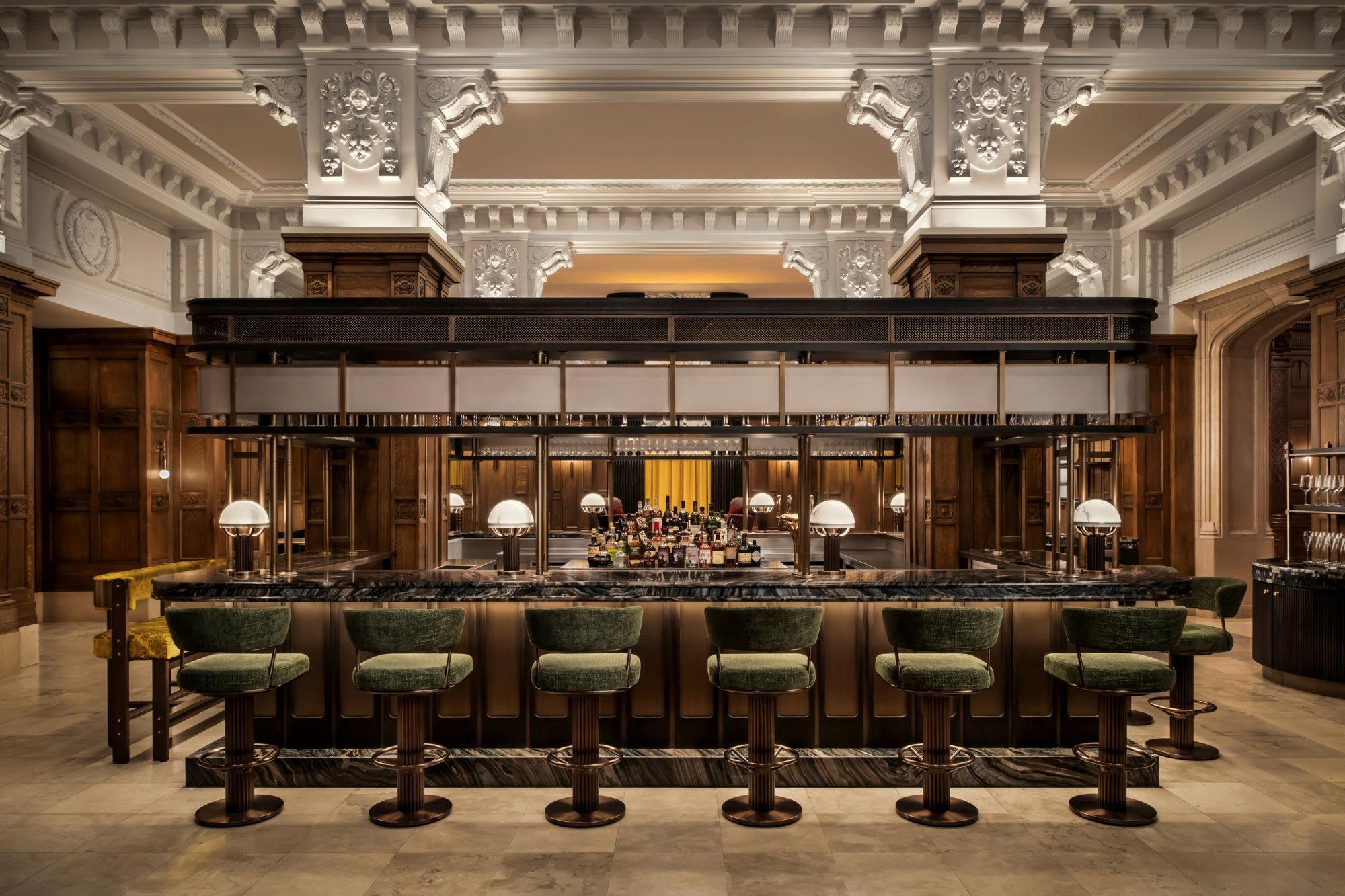



Details
- Romantic
- Modern
- Elegant
- Lively
- Trendy
- Date Night
- Special Occasion
- Group Dining
- After Work
- Celebration
- Open Kitchen
- Live Music
- Design Destination
- Standalone
- Craft Cocktails
- Extensive Wine List
- Beer Program
- A La Carte
- Small Plates
- Craft Cocktails
- Wine
- Beer
- Vegetarian Friendly
Current opening hours
- Monday
- 5–11 PM
- Tuesday
- 5–11 PM
- Wednesday
- 5–11 PM
- Thursday
- 5–11 PM
- Friday
- 5 PM–2 AM
- Saturday
- 12 PM–2 AM
- Sunday
- 12–11 PM
Hours can change for holidays and private events. Hours as of .
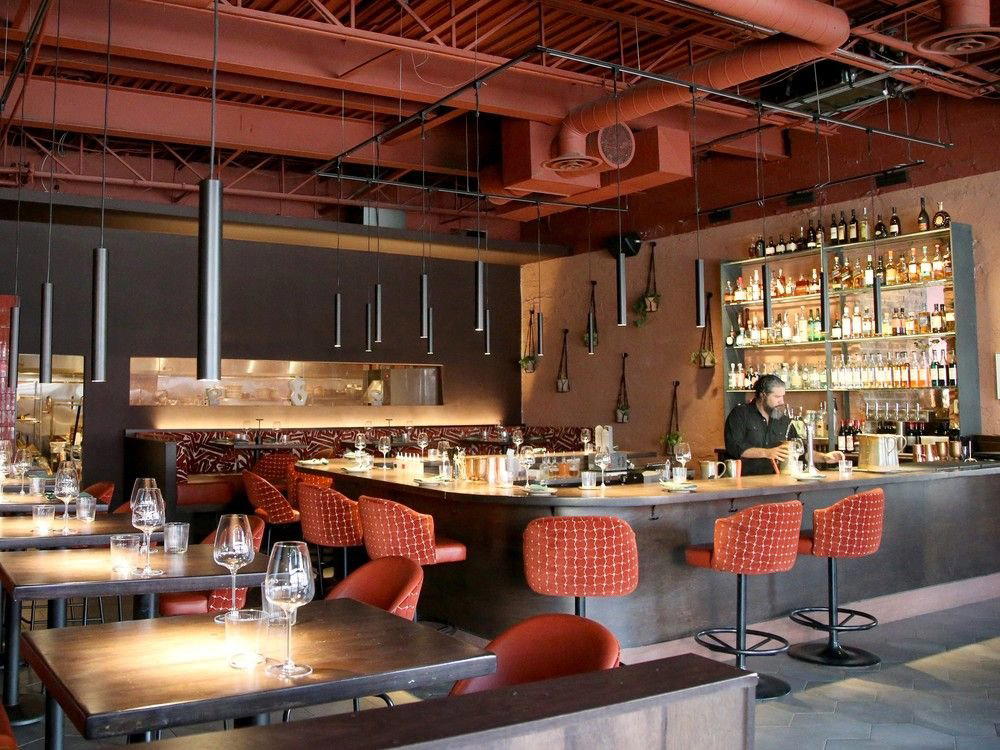
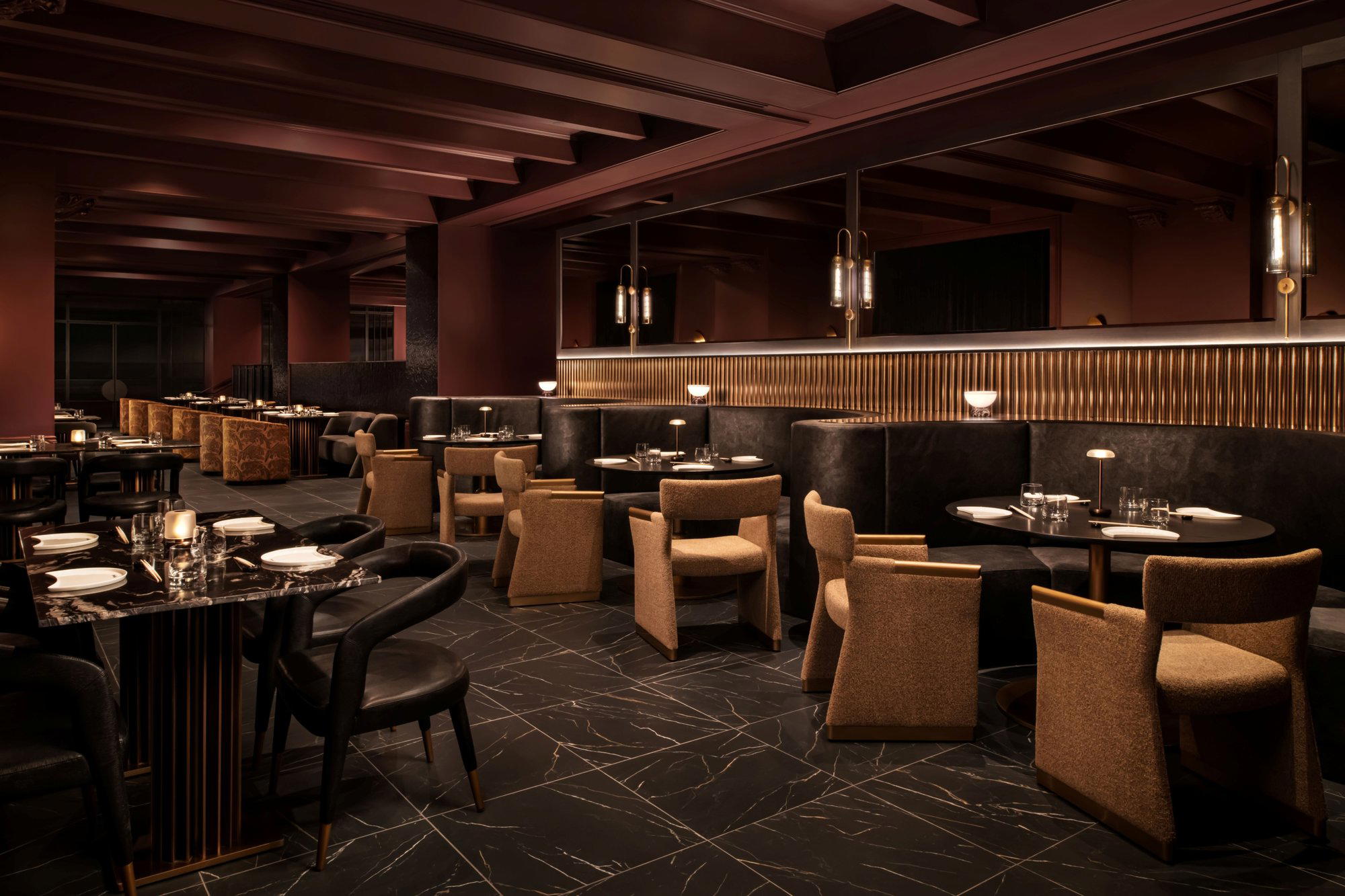
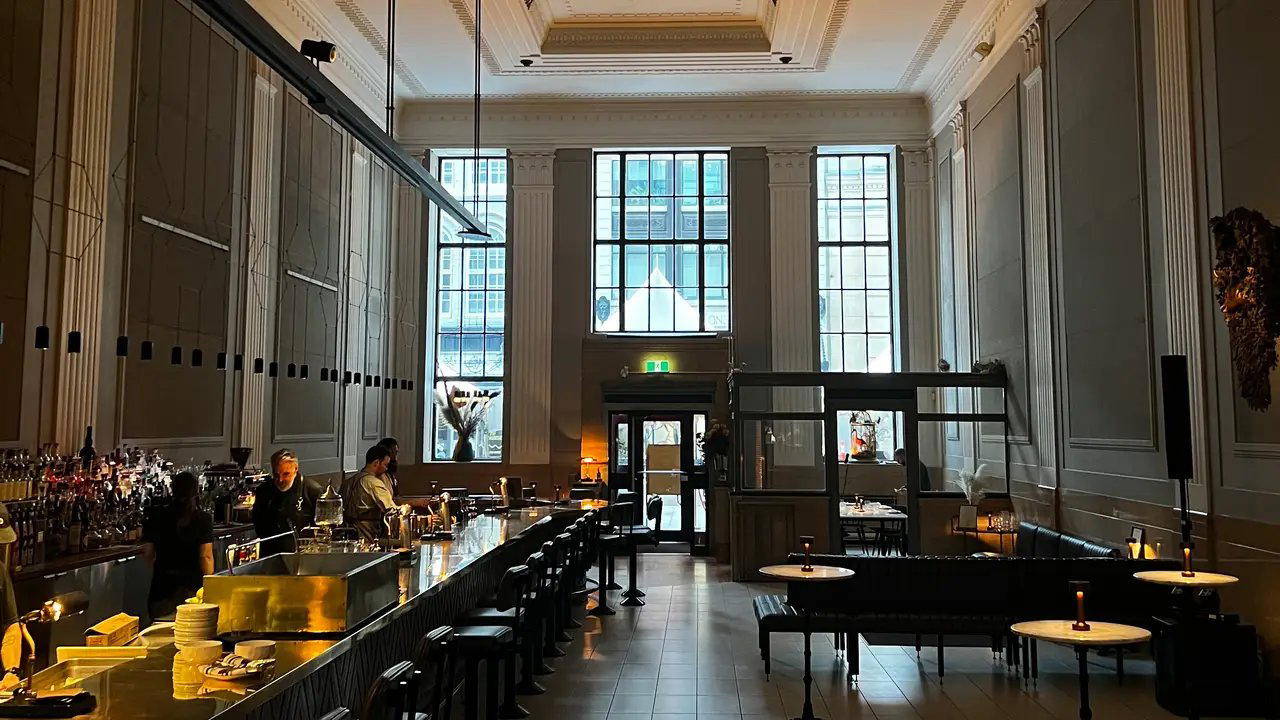
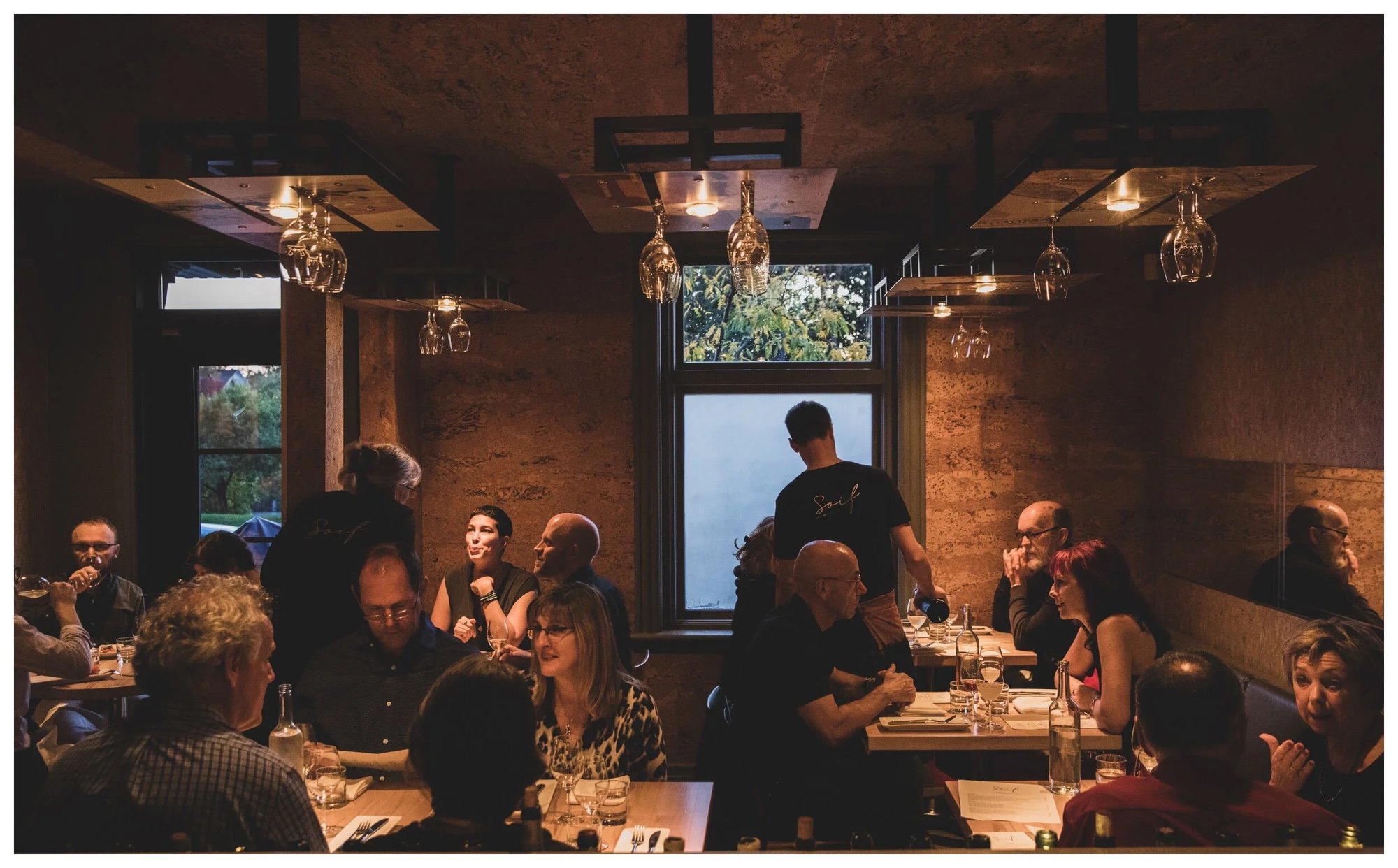
Warm tones, expressive patterns, and absorbing glow create a sophisticated yet inviting atmosphere that subtly conjures fire's essence without overwhelming the space; enhanced by live music performances.