
LaLa Curry gives Hamamatsu a compact Sri Lankan curry counter with national recognition rather than big-city polish. Its Tabelog 100 Asian cuisine / Ethnic cuisine EAST 2024 selection places a seven-seat curry shop in the same conversation as destination ethnic-cuisine specialists across eastern Japan, with sourcing credibility tied to a Sri Lankan curry manufacturer that built its audience before opening a restaurant.
Pearl is the En Primeur Club membership app — saves, bookings, and concierge access live there. Same editors, same standards.
- Address
- 312-16 Sakanamachi, Chuo Ward, Hamamatsu, Shizuoka 430-0932, Japan
- Phone
- +81 53-458-6688
- Website
- lalacurry.com
 Saves & bookings on Pearl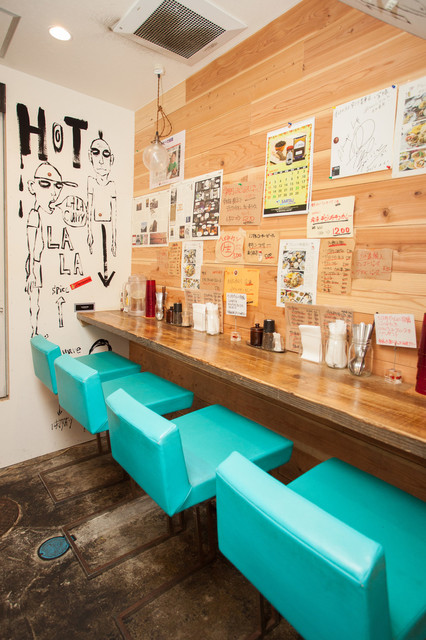
Sakanamachi’s back-street dining rhythm is more practical than theatrical: narrow shopfronts, short lunch windows, and counters built for regulars rather than ceremony. In that setting, LaLa Curry reads as part of a wider Japanese curry evolution, where the category has moved beyond roux-heavy comfort plates into regional South Asian styles, spice-company spin-offs, and small specialist rooms with serious followings.
Hamamatsu is better known to many travellers for eel, gyoza, and music-industry heritage than for Sri Lankan curry. That makes this address useful as a gauge of how far Japan’s curry culture has widened outside Tokyo and Osaka. The city’s dining map includes higher-spend local fixtures such as Unagi Ryori Atsumi, Shukou Yuzen Jinen, and Tenkin, while smaller-format counters operate in a different lane: low-capacity, quick-turn, ingredient-led, and less dependent on ceremony.
Sri Lankan curry through a manufacturer's lens
The important context is not novelty; it is supply chain. LaLa Curry is the first brick-and-mortar restaurant from a Sri Lankan curry specialist manufacturer whose products have regularly ranked first in Rakuten Market’s curry rankings. That origin matters because spice-driven cooking depends on procurement, blending, and consistency before it ever reaches the plate. In Japan, where curry often means standardized sweetness and thickness, a manufacturer-backed Sri Lankan curry counter signals a different logic: less about chef mythology, more about the discipline of spice sourcing and repeatable preparation.
Sri Lankan curry in Japan occupies a narrower lane than Indian, Nepalese, or Japanese-style curry. Its appeal often comes from contrast: rice as a base, multiple curry components, sharper aromatics, coconut-led richness in some preparations, and condiments that can shift heat, acidity, and texture across a single meal. The cuisine rewards a compact format because variety can come from composition rather than a long menu. At a seven-seat counter, the format pushes attention toward what is in the bowl or on the plate, not toward room design or service choreography.
The Tabelog 100 - Asian cuisine / Ethnic cuisine - EAST - 2024 selection gives the restaurant a useful external marker. Tabelog’s Hyakumeiten lists are not Michelin stars, but they carry weight in Japan because they surface category specialists across regions rather than only expensive tasting-menu rooms. For a Sri Lankan curry counter in Hamamatsu, that recognition places the venue within a competitive field of ethnic-cuisine shops across eastern Japan, a category where repeat local demand and focused execution matter more than luxury signals.
Hamamatsu's curry counter against the city's heavier dining traditions
Hamamatsu’s better-known food identity leans toward dishes with strong local memory: eel over rice, gyoza with its cabbage-heavy profile, and izakaya cooking built around commuters and after-work groups. Sri Lankan curry does not replace those traditions; it gives the city another lunch grammar. The meal is quicker, more spice-driven, and less tied to the expense of a long evening. That distinction is why the counter format feels relevant. It offers a way to eat with precision in a city where destination dining can otherwise mean a bigger bill, a longer sitting, or a more formal room.
Compared with Hamamatsu peers in the supplied set, LaLa Curry sits in a leaner category. Unagi Ryori Atsumi and Tenkin operate around established Japanese comfort and local dining rituals; Shukou Yuzen Jinen occupies a higher-spend bracket; 焼き鳥幸羽(こはね) and 彩席かわかみ suggest the city’s appetite for focused Japanese formats. The curry counter belongs to a separate competitive set: specialist, compact, and category-specific. That is the useful reader decision. This is not where to stage a long celebratory dinner. It is where a Hamamatsu itinerary can make room for a sharper, lower-friction meal with recognized category credibility.
There is also a broader national pattern at work. Across Japan, small ethnic-cuisine specialists have become stronger alternatives to hotel dining rooms and generalized casual restaurants. The strongest of them are not trying to translate everything for first-timers; they rely on a tight format, sourcing consistency, and a customer base that understands repetition as a virtue. The restaurant’s manufacturer background gives that pattern a concrete base. The restaurant is an outlet for a curry system already tested beyond the dining room, which changes how to read its authority.
How to place it in a Hamamatsu itinerary
The sensible use case is a focused curry stop rather than a lingering meal. The counter scale and take-out availability point to a restaurant built for decisiveness, not extended grazing. Visitors comparing restaurant options across Hamamatsu should treat it as a specialist category pick alongside the city’s eel and Japanese dining rooms. It earns attention because the format is narrow and recognized, not because it tries to cover every mood.
For broader planning, Our full Hamamatsu restaurants guide places the city’s dining options in one view, while Our full Hamamatsu hotels guide, Our full Hamamatsu bars guide, Our full Hamamatsu wineries guide, and Our full Hamamatsu experiences guide help frame the rest of the trip. Nearby and category-adjacent restaurant research can also include Abondance, Binshan Li, Fukumitsu, Honkaku Teuchi Moriya Toukyou ten, and Kibori.
Travellers building a wider Japan food map can compare the curry-specialist logic with [Curry Senmon Ten] Maruyama Kyoju. in Sapporo, or broaden the casual-specialist thread through (Shoku) Vietnam in Kawasaki.cafe in Osaka.know in Kumamoto, -Grilled beef Sukiyaki- KAMAKURA TANUKIAN 鎌倉 たぬき庵 in Kamakura, and. 鮪と炭火焼き うお炭 秋葉原店 in Tokyo. Outside Japan, Jōdo Saké Bar in Los Angeles and Onigiri Time in Pasadena show how focused Japanese and Asian formats travel when the proposition is tight rather than inflated.
Comparison Snapshot
Comparable venues by cuisine and price in the same metro.
| Venue | Cuisine | Price | Notes |
|---|---|---|---|
| LaLa CurryThis venue — the venue you are viewing | Sri Lankan & Japanese-style curry | $ | Not listed |
| Liebling | Cake Shop / Patisserie | $ | Kita-ku |
| Abondance | Dining | Not listed | Hamamatsu |
| Unagi Ryori Atsumi | Traditional Unagi (eel) Restaurant | $$ | Chuo-ku |
| Torihama | Traditional Japanese Chicken Specialty | $$ | Naka-ku |
| Kibori | Hamamatsu gyoza & ramen shop | $ | Chuo Ward (Takatsuka area) |
Recognition history
Dated appearances from independent guides and award organizations, with the underlying list record or original source where available.
Tabelog 100 #53 · No. 53
Tabelog · Tabelog 100 - Asian cuisine / Ethnic cuisine - EAST - 2024
Continue exploring
More in Hamamatsu
Restaurants in Hamamatsu
Browse all →
Hotels in Hamamatsu
Browse all →
At a Glance
- Cozy
- Solo
- Casual Hangout
- After Work
- Standalone
Current opening hours
- Monday
- 11 AM–2 PM
- Tuesday
- 11 AM–2 PM
- Wednesday
- 11 AM–2 PM
- Thursday
- 11 AM–2 PM
- Friday
- 11 AM–2 PM
- Saturday
- 11 AM–2 PM
- Sunday
- 11 AM–2:30 PM
Hours can change for holidays and private events. Last verified .
An intimate 7-seat counter with a simple, casual setup, likely bright and functional rather than decorative, creating a cozy, neighborhood-curry-shop feel where guests eat quickly and comfortably.