
Tabelog 100 #16
Our verdict
Tori Ichi belongs to Osaka’s serious chicken-cuisine tier rather than its snack-driven tourist circuit. The Higashishinsaibashi address, Tabelog 100 Chicken Cuisine 2025 selection, compact 25-seat room and JPY 8,000–9,999 dinner band point to a focused evening format built around poultry, sake and shochu rather than broad izakaya sprawl.

Pearl is the En Primeur Club membership app, where members save venues, book tables and use the concierge.
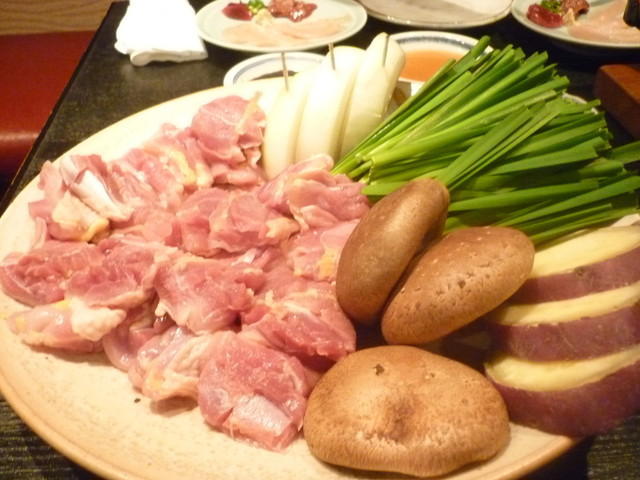
The menu
What to order
- Jidori yakitori course
- Charcoal‑grilled Shamo chicken
- Assorted chicken sashimi
Osaka changes after dark: shutters half-down, side streets tighter, the city’s appetite moving from daytime grazing to more deliberate dinners with fixed habits. Here, chicken dishes are more than the simple shorthand often used abroad. They can define a full evening category, with focused cooking, preparation and kitchen logic built around poultry in several registers.
Tori Ichi belongs to that Osaka tradition, closer to a specialist chicken-dishes venue than a general-purpose stop. Its selection for Tabelog 100 Chicken Cuisine 2025 matters because it is category-specific recognition inside Japan’s own review culture, not imported prestige. Its Tabelog score, 3.69, signals local consensus while the listed dinner band keeps the room below many more formal luxury counters.
Osaka chicken cuisine is moving from casual habit to specialist category
Osaka has always been good at democratic eating, but serious dining here is not limited to high-cost sushi, beef or tempura. Chicken restaurants occupy a useful middle band: more deliberate than casual drinking rooms, less formal than dégustation rooms, and often more revealing of local rhythm than trophy dining. The format rewards repetition. Regulars learn which timing suits the room, which orders fit the evening, and when supply-driven pacing may shape the meal.
That evolution is visible in classification and awards. A Tabelog 100 list devoted to chicken cuisine separates poultry specialists from catch-all Japanese restaurants. Tori Ichi’s 2025 selection places it among restaurants judged on depth within that category, not broad luxury signals. For travellers expecting only takoyaki, okonomiyaki and beef, the lesson is sharper: Osaka’s dining identity also includes narrow, adult rooms where craft is measured by consistency rather than spectacle.
The price band reinforces that role. Dinner at JPY 8,000–9,999 is not a snack stop, but remains below many staged counters. Tempura Ando can serve as a more formal comparison, while Gyoza no Danchan Mikuni Tei Yahatasuji ten sits in a more casual Osaka lane. Tori Ichi lands between those ideas, useful for diners wanting a concentrated evening without turning dinner into a luxury set-piece.
A focused format changes how the meal behaves
The restaurant’s category is part of the argument. Tori Ichi reads as a focused Osaka specialist rather than a sprawling, all-purpose dining choice. That changes the experience: guests should expect a meal shaped by the restaurant’s chicken-dishes category, rhythm and preparation rather than by the endless-choice logic of a broad menu.
That format rewards planning. A known specialist has little slack, especially when recognised within a category rather than stumbled upon. The safest approach is to confirm directly before going, particularly around timing and availability. In a restaurant built around supply and preparation, late timing can carry more risk than at a broad-menu restaurant.
The evening frame is traditional rather than spectacle-led. The point is not a showy international pairing language, but a grounded Osaka dinner in which chicken dishes carry the evening. Payment and booking details should be checked directly before visiting, because smaller specialist restaurants in Japan do not always operate like international hotel restaurants.
Comfort expectations matter as much as policy. Smaller specialist venues in Japan can feel different from fully internationalized dining rooms, and travellers should confirm current house rules before booking. Smoke-sensitive diners, groups and guests with accessibility needs should treat those questions as part of the planning process, not a footnote.
Where it fits in a sharper Osaka itinerary
Tori Ichi makes most sense on an Osaka itinerary built around categories rather than checklists. Pairing it only with street eating would flatten the contrast; placing it after casual lunches and other Osaka dining clarifies its role. The city can move through snacks and varied restaurants without losing its local grammar. A chicken-dishes specialist adds another register: narrow, evening-minded, category-led and less exportable than the dishes tourists already know.
The location also matters in broad terms. This is Osaka, not a generic hotel-lobby version of the city. The restaurant belongs in a city itinerary where dinner can be planned deliberately rather than treated as an afterthought. Transport, timing and confirmation are part of making the evening work cleanly.
The absence of broad English-language infrastructure, where applicable, shifts the burden to direct confirmation, especially for dietary restrictions, group size and timing. That is normal in Japan’s smaller specialist restaurants, but travellers should not assume a frictionless digital booking path. The listed phone number is +81-6-6212-0023. For non-Japanese speakers, a hotel concierge can mean the difference between a clean booking and a confused call.
For a broader Osaka plan, place this dinner beside category-led research rather than a single famous-name chase. Use Our full Osaka restaurants guide for the city’s dining spread, then build the rest through Our full Osaka hotels guide, Our full Osaka bars guide, Our full Osaka wineries guide and Our full Osaka experiences guide. National context helps too: Japan’s regional dining is highly specific, and unnamed specialist rooms in other cities can show how much nuance is lost when formats are translated too broadly. Even overseas Japanese-adjacent references can miss that context when Japanese dining categories are treated as one general idea.
The editorial call is simple: choose Tori Ichi for a focused Osaka chicken-dishes dinner, not for spectacle or a frictionless international booking path. Its appeal lies in the city’s ability to treat a narrow category seriously while keeping the experience deliberate and locally grounded. That is often where Osaka is more persuasive than polished.
Frequently asked questions
What price level is Tori Ichi?
Pricing at Tori Ichi is listed as JPY 8,000 - JPY 9,999.
Where is Tori Ichi in Osaka?
Tori Ichi is located in Osaka.
What do critics highlight about Tori Ichi?
The clearest signal is the Tabelog 100 Chicken Cuisine 2025 selection, which places Tori Ichi within a recognised chicken-dishes category. Its Tabelog score is listed as 3.69.
How does Tori Ichi handle allergies?
The public record lists a phone number, +81-6-6212-0023, so allergy questions are best handled directly before dining. With chicken dishes as the listed category and no further policy details provided, calling ahead is the practical approach. Check the venue's official channels for the latest details.
Would Tori Ichi be comfortable with kids?
Tori Ichi is an Osaka chicken-dishes specialist priced at JPY 8,000–9,999, which frames it more as a planned dinner than a casual drop-in. Families should confirm current seating, timing and house rules directly before booking.
Side-by-Side Snapshot
Comparable venues at the same tier for side-by-side context.
| Venue | Cuisine | Price | Awards | Notes |
|---|---|---|---|---|
| Tori IchiThis venue (the venue you are viewing) | Traditional Osaka Yakitori & Chicken Dishes | $50–100 | Tabelog 100 #16 | Not listed |
| Sumiya | Intimate Sushi Omakase Counter | $100–150 | Tabelog 100 #23 | Chūō |
| Unagiya Unagi | Traditional Kansai-style unagi (eel) counter | $30–50 | Tabelog 100 #31 | Yodogawa |
| Yakiniku Kappa Kajioka | Traditional Yakiniku (Japanese BBQ) | $50–100 | Tabelog 100 #27 | Toyonaka |
| Torisho Ishii Hina | Modern Yakitori Omakase | $100–150 | Not listed | Minami-Azabu |
| Tonkatsu Koshirou | Omakase Tonkatsu Counter | $50–100 | Tabelog 100 #35 | Chūō |
Recognition history
Dated appearances from independent guides and award organizations, with the underlying list record or original source where available.
Tabelog 100 #16 · No. 16
Tabelog · Tabelog 100 - Chicken cuisine - 2025
Continue exploring
More in Osaka
Restaurants in Osaka
All restaurants in Osaka →



Bars in Osaka
All bars in Osaka →



Hotels in Osaka
All hotels in Osaka →



Wineries in Osaka
Browse all →
Details
- Cozy
- Lively
- Intimate
- Classic
- After Work
- Casual Hangout
- Group Dining
- Solo
- Date Night
- Special Occasion
- Chefs Counter
- Standalone
- Sake Program
- A La Carte
- Counter Dining
- Set Menu
- Sake
- Shochu
Current opening hours
- Monday
- 5:30–10:30 PM
- Tuesday
- 5:30–10:30 PM
- Wednesday
- 5:30–10:30 PM
- Thursday
- 5:30–10:30 PM
- Friday
- 5:30–10:30 PM
- Saturday
- 5:30–10:30 PM
- Sunday
- Closed
Hours can change for holidays and private events. Hours as of .
Small, cozy yakitori shop with a charcoal grill–centered counter, tatami rooms with sunken seating, and a lively, smoke‑tinged atmosphere that feels like a classic Osaka neighborhood favorite.