
Tabelog 100 #47
Our verdict
Tonshou gives Fukuyama a serious tonkatsu address rather than a casual cutlet stop, with Tabelog 100 Tonkatsu selections in 2022, 2024, and 2026. The appeal is in category discipline: pork cutlet as a focused craft, priced within everyday Japanese dining rather than ceremony-heavy tasting-menu territory.

Pearl is the En Primeur Club membership app — saves, bookings, and concierge access live there. Same editors, same standards.
- Address
- 広島県福山市南蔵王町2丁目25-33
- Phone
- +81849827520
- Website
- tabelog.com
- Directions
- Get directions
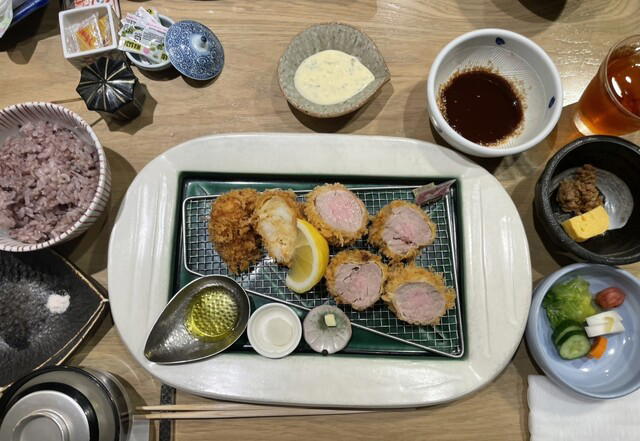
Approaching a serious tonkatsu counter in regional Japan, the first signal is not theatre. It is compression: a room built around timing, oil, rice, cabbage, and the short life of a fried cutlet once it leaves the fryer. Fukuyama’s dining culture has room for refined cooking, family-run set-meal houses, and late-evening izakaya meals, but tonkatsu occupies a different register. It is democratic food with a technical ceiling, and Tonshou sits in the narrow band where a familiar lunch format becomes worth planning around.
That distinction matters in Fukuyama because this is not a city where every serious meal announces itself through luxury cues. The more useful reading is by category. A pork cutlet specialist competes on sourcing choices, cut selection, frying control, and consistency across service, not on elaborate plating. Selection for Tabelog 100 Tonkatsu in 2026 places the restaurant inside a national conversation about the form, where independent specialists can stand out from flashier rooms simply by handling one dish type with discipline.
Pork, frying, and the quiet hierarchy of tonkatsu
Tonkatsu looks simple until it is judged against its peers. The difference between a routine cutlet and a destination-level one is rarely a single flourish. It comes from the thickness of the pork, the management of fat, the crumb’s relationship to the meat, and the kitchen’s confidence in pulling the cutlet before it dries out. In Japan, tonkatsu has developed into a specialist genre with its own expectations: rice must support rather than distract, cabbage resets the palate, and sauces or condiments should not rescue poor frying.
The sourcing angle is central because pork is the dish’s structure, not a garnish. Regional tonkatsu houses often build reputations through cut quality and reliable supply rather than celebrity chefs. That is why a national tonkatsu selection carries weight here. It signals that the restaurant is being read against other pork-cutlet specialists, not against the general restaurant field. For travelers used to chasing sushi counters or tempura bars, this is a reminder that Japan’s craft hierarchy extends deep into everyday categories.
Fukuyama’s broader restaurant scene makes that point clearer. Hira no Ya occupies a lower-priced local register, while Le Miroir points to a more European mode of dining. Other Fukuyama dining rooms help fill out the city’s casual and refined spectrum. Against that field, Tonshou’s case is not breadth. It is a focused argument for pork cutlet as a meal worth ranking, repeating, and comparing across prefectures.
Fukuyama rewards specialists over spectacle
Fukuyama does not have the density of Tokyo or Osaka, so a category specialist with national recognition carries extra weight. In larger cities, a serious tonkatsu meal can be one stop among many. Here, it becomes a sharper editorial choice: spend the meal on a single craft and judge the kitchen by whether it extracts enough character from pork, breading, heat, and pace. That kind of restraint suits a city where many stronger meals happen without international hotel dining rooms or English-first presentation.
The restaurant’s category reinforces the point. Tonshou is listed for tonkatsu, which keeps attention on a Japanese casual format rather than a hushed tasting-counter model. Its appeal is practical as well as culinary: this is the kind of meal that can function as part of an ordinary day in Fukuyama while still rewarding close attention. Those details do not define the cooking, but they shape how the restaurant fits into a city itinerary.
There is also a useful price signal. Tonshou’s listed budget is Dinner: JPY 2,000 - JPY 2,999; Lunch: JPY 1,000 - JPY 1,999, making it comparatively accessible beside Fukuyama’s higher-spend formats, including steak-focused and kaiseki-leaning rooms. That does not make it casual in ambition. It means the value judgment is severe: the diner is paying for execution in a narrow lane. A cutlet specialist cannot hide behind courses, wine pairings, or a long narrative. The meal rises or falls on repetition, sourcing, and fryer discipline.
How to read it inside a Fukuyama itinerary
For a food-focused route through the city, Tonshou works as the grounded anchor rather than the celebratory finale. Pair it with broader local research through Our full Fukuyama restaurants guide, then build the rest of the stay through Our full Fukuyama hotels guide, Our full Fukuyama bars guide, Our full Fukuyama wineries guide, and Our full Fukuyama experiences guide. The smarter comparison is not with luxury tasting menus, but with other single-category Japanese specialists where one ingredient family carries the whole meal.
That same lens travels well beyond Fukuyama. Across Japan and farther afield, focused cooking formats make the same broader point: narrow formats can be serious when the ingredient logic is clear.
The editorial call is simple. Choose Tonshou when the meal brief is not variety but focus. Fukuyama has broader tables and more formal rooms, but this is the city’s argument for tonkatsu as craft: pork at the center, technique under pressure, and recognition from a national category list rather than decorative acclaim.
Frequently asked questions
Is Tonshou a family-friendly restaurant?
Tonshou is a tonkatsu restaurant in Fukuyama. For family visits, check directly with the restaurant for current seating and service details.
What's the vibe at Tonshou?
The mood is practical and focused on tonkatsu rather than ceremony. Expect a specialist category restaurant in Fukuyama with Tabelog 100 Tonkatsu recognition in 2026.
How much does it cost to eat at Tonshou?
Tonshou’s listed budget is Dinner: JPY 2,000 - JPY 2,999; Lunch: JPY 1,000 - JPY 1,999.
What's the address for Tonshou?
Fukuyama.
What's the best way to book Tonshou?
For booking, contact Tonshou directly or confirm the latest reservation options before visiting.
Comparable Spots, Quickly
Comparable venues by cuisine and price in the same metro.
| Venue | Cuisine | Price | Awards | Notes |
|---|---|---|---|---|
| TonshouThis venue — the venue you are viewing | Specialist Tonkatsu (Pork Cutlet) | $30–50 | Tabelog 100 #47 | Not listed |
| Mingei Chadokoro Fukatsuya | Traditional Japanese Tea House | $1–10 | Not listed | Fukuyama City |
| Jiyuken | Japanese Izakaya with Western Fusion | Not listed | Not listed | Motomachi |
| お好み焼き ちょっとよんない | Hiroshima-Style Okonomiyaki | $10–20 | Not listed | 鞆町鞆 |
| Steak Kaiseki Miyako Kasuga | Teppanyaki Steak Kaiseki in Garden Villa | $150–200 | Tabelog 100 #45 | Kasugacho / Kasuga-cho |
| Tori Tsune | Yakitori | Not listed | Tabelog 100 #38 | Mikadocho |
Recognition history
Dated appearances from independent guides and award organizations, with the underlying list record or original source where available.
Tabelog 100 #47 · No. 47
Tabelog · Tabelog 100 - Tonkatsu - 2026





Details
- Cozy
- Lively
- Classic
- Solo
- Group Dining
- Casual Hangout
- Family
- Special Occasion
- Standalone
- Chefs Counter
- Sake Program
- A La Carte
- Set Menu
- Counter Dining
- Sake
- Shochu
- Beer
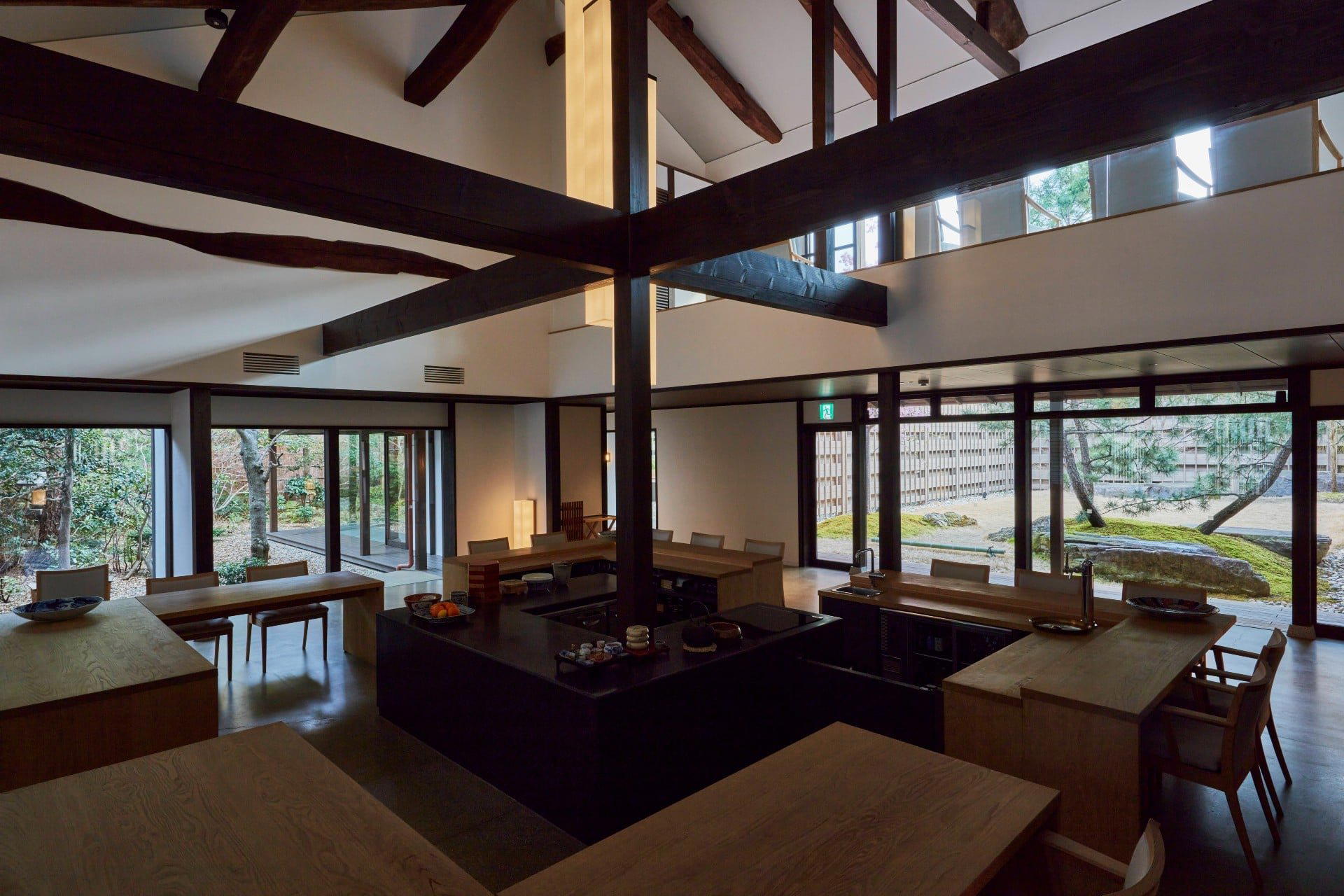
Casual, cozy tonkatsu counter and sunken seating with a classic feel; the space is compact and non-smoking, usually busy with reserved diners and walk-ins, creating a lively but comfortable atmosphere suited to serious tonkatsu fans.