
Tonko gives Usuki’s dining scene a compact, local counterpoint to the coastal city’s better-known seafood and fugu traditions: Chinese cooking in a house-restaurant setting, recognized in Tabelog’s Chinese WEST 100 for 2026 and 2023. The appeal is not spectacle but scale, with a small room, private-room options, Japanese drinks, and pricing that keeps it grounded in everyday regional dining.
Pearl is the En Primeur Club membership app — saves, bookings, and concierge access live there. Same editors, same standards.
- Address
- 大分県臼杵市戸室1135-1
- Phone
- +81972628662
- Website
- tabelog.com
 Saves & bookings on Pearl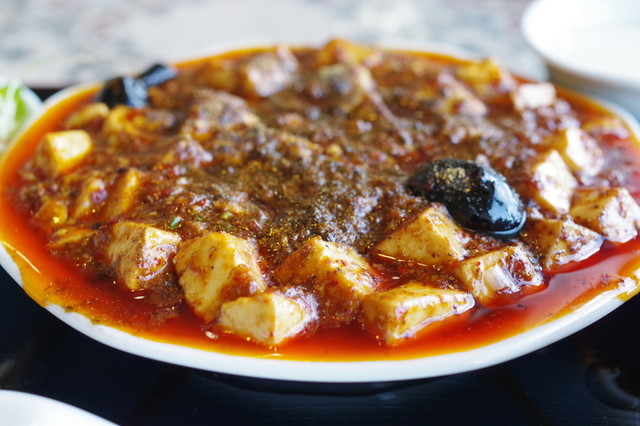
Approaching a house restaurant in Tomuro, the mood is closer to a neighborhood meal than a destination dining room. That matters in Usuki, a city better known to travelers for stone Buddhas, soy sauce, miso, fugu, and the quiet rhythms of Oita’s coast than for Chinese cooking. Tonko sits in that less obvious lane: compact, residential, and shaped by the way regional Japan often absorbs Chinese technique into local, lunch-friendly dining rather than grand banquet culture.
Chinese food in Japan is never a single category. In larger cities it can mean polished hotel Cantonese, Sichuan spice counters, gyoza shops, or old-school chuka dining rooms built around rice, noodles, and set meals. In smaller cities, the format often becomes more intimate and practical, tied to regulars, private gatherings, and the ingredients that move through the region. Usuki’s coastal position and Oita’s agricultural hinterland give that category a different center of gravity from Tokyo or Osaka: the cooking is judged less by theatrics and more by how comfortably it fits local appetite, pace, and price.
Chinese cooking in Usuki, read through a local Oita lens
The ingredient story here is broader than a named supplier list. Usuki sits in a part of Oita where seafood, fermented seasonings, citrus, and shochu culture shape the table even when the cuisine is not formally Japanese. That context changes how Chinese restaurants are received. Heavy luxury cues have less pull than balance, portion logic, and dishes that work for repeat visits with friends. Tonko’s selection for Tabelog’s Chinese WEST 100 in 2026, with earlier recognition in 2023, places it in a western-Japan field where regional restaurants compete against far larger urban markets. That is the useful signal: a small Usuki address is being assessed inside a category that extends well beyond the city.
Usuki’s restaurant map is narrow enough that category contrast matters. Yamadaya represents the city’s better-known high-ceremony side, tied to the area’s established fugu reputation. Tonko operates in a different register, where Chinese cooking becomes the lens for a more casual local meal. Readers planning across the city should use Our full Usuki restaurants guide for that contrast, then widen the trip with Our full Usuki hotels guide, Our full Usuki bars guide, Our full Usuki wineries guide, and Our full Usuki experiences guide. In a small city, the stronger itinerary is usually built by matching meal style to the day’s rhythm rather than chasing only formal acclaim.
A small-room format, not a big-city Chinese banquet
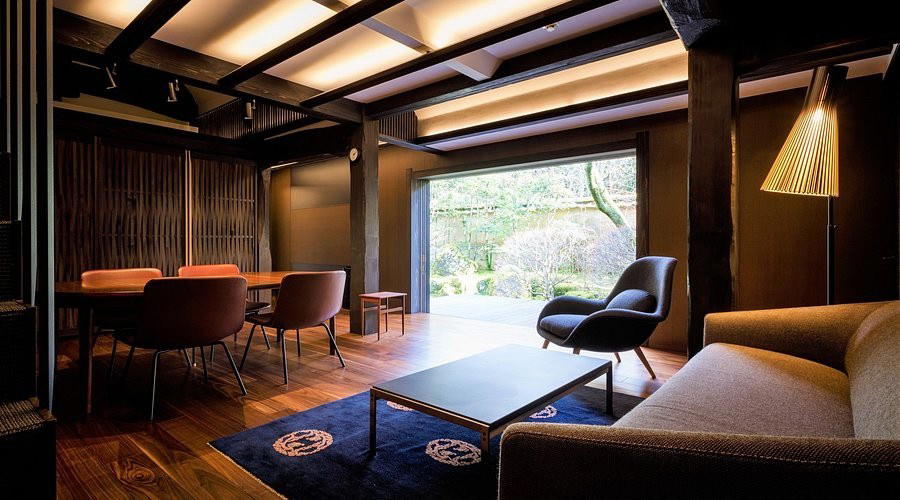
The room’s scale defines the experience. Twelve table seats, semi-private rooms, tatami space, and private-use flexibility point to a restaurant calibrated for groups who want privacy without the stiffness of a hotel dining room. That format suits Usuki. The city rewards slower meals and small-party planning; it is not a place where every worthwhile table needs to perform luxury through glassware, uniforms, and tasting-menu choreography.
The drinks signal the same regional grounding. Sake and shochu are listed rather than an imported wine program, which makes sense in Oita, where shochu sits naturally beside food across a wide range of cuisines. BYO drinks and take-out broaden the format further. These details suggest a restaurant that functions as part of local life rather than as a closed performance for travelers. For visitors, that is the distinction to understand: the value lies in seeing how Chinese cooking has been absorbed into an Oita dining pattern, not in expecting a metropolitan fine-dining script.
Tonko’s Tabelog score of 3.64 gives another useful calibration point. On Japanese review platforms, especially outside the largest cities, scores in that band can indicate steady local approval and category recognition without implying a luxury bracket. The Chinese WEST 100 selection carries more editorial weight than the number alone because it places the restaurant within a curated regional list. Together, the signals describe a serious small-city address with accessible pricing and a room built for repeat use.
How to fit Tonko into a wider Japan dining itinerary
For travelers moving through Japan by cuisine type, Tonko is a reminder that regional dining depth often appears away from the obvious capital-city categories. A Kamakura beef meal such as -Grilled beef Sukiyaki- KAMAKURA TANUKIAN 鎌倉 たぬき庵 in Kamakura, a Tokyo seafood-and-charcoal format like . 鮪と炭火焼き うお炭 秋葉原店 in Tokyo, or an Osaka café stop such as .cafe in Osaka all speak to a different Japanese habit of specialization. The Usuki version is quieter: a Chinese category restaurant embedded in a coastal Oita town.
That comparison is useful beyond Kyushu..know in Kumamoto, (Shoku) Vietnam in Kawasaki, [Curry Senmon Ten] Maruyama Kyoju. in Sapporo, and [ki:] in Kyoto each show how imported or adapted cuisines are localized through neighborhood demand. The same applies to meat-focused casual dining at #肉といえば松田 奈良本店 in Kashihara, burger culture at 1/3 HAMBURGER FACTORY in Kanazawa, and compact urban formats such as 1000 in Yokohama. Even outside Japan, the pattern is visible in Japanese-adjacent drinking and casual food rooms like Jōdo Saké Bar in Los Angeles and Onigiri Time in Pasadena: cuisine travels, then settles into local habits.
The editorial read is clear. Tonko is not the restaurant to frame as a grand detour on its own; it is the kind of address that makes Usuki more legible after the temples, coastline, and fugu narrative. It adds a Chinese chapter to a city usually read through Japanese regional tradition. For travelers who care about how food cultures land in smaller places, that is the reason to pay attention.
A Quick Peer Check
Comparable venues by cuisine and price in the same metro.
| Venue | Cuisine | Price | Notes |
|---|---|---|---|
| TonkoThis venue — the venue you are viewing | Cozy Chinese house‑restaurant | $$ | Not listed |
| Yamadaya | Traditional Fugu (Pufferfish) Fine Dining | $$$$ | Minatomachi-Hondori |
| Nanxiang Steamed Bun Restaurant (南翔饅頭店) | Shanghai Xiaolongbao | $$ | Roppongi |
| 中華ダイニング 金龍酒家 | Authentic Sichuan Chinese | $$ | 秋田駅前 |
| シャンリー | 本格中華 | $$ | 新栄東 |
| Karin | Northeastern Chinese Dumpling House | $$ | Motomachi |
Recognition history
Dated appearances from independent guides and award organizations, with the underlying list record or original source where available.
Tabelog 100 #47 · No. 47
Tabelog · Tabelog 100 - Chinese cuisine - WEST - 2026
Continue exploring
More in Usuki
Restaurants in Usuki
Browse all →


At a Glance
- Cozy
- Intimate
- Classic
- Group Dining
- Casual Hangout
- Family
- Celebration
- Private Event
- Solo
- Private Dining
- Standalone
- Sake Program
- Beer Program
- Corkage Allowed
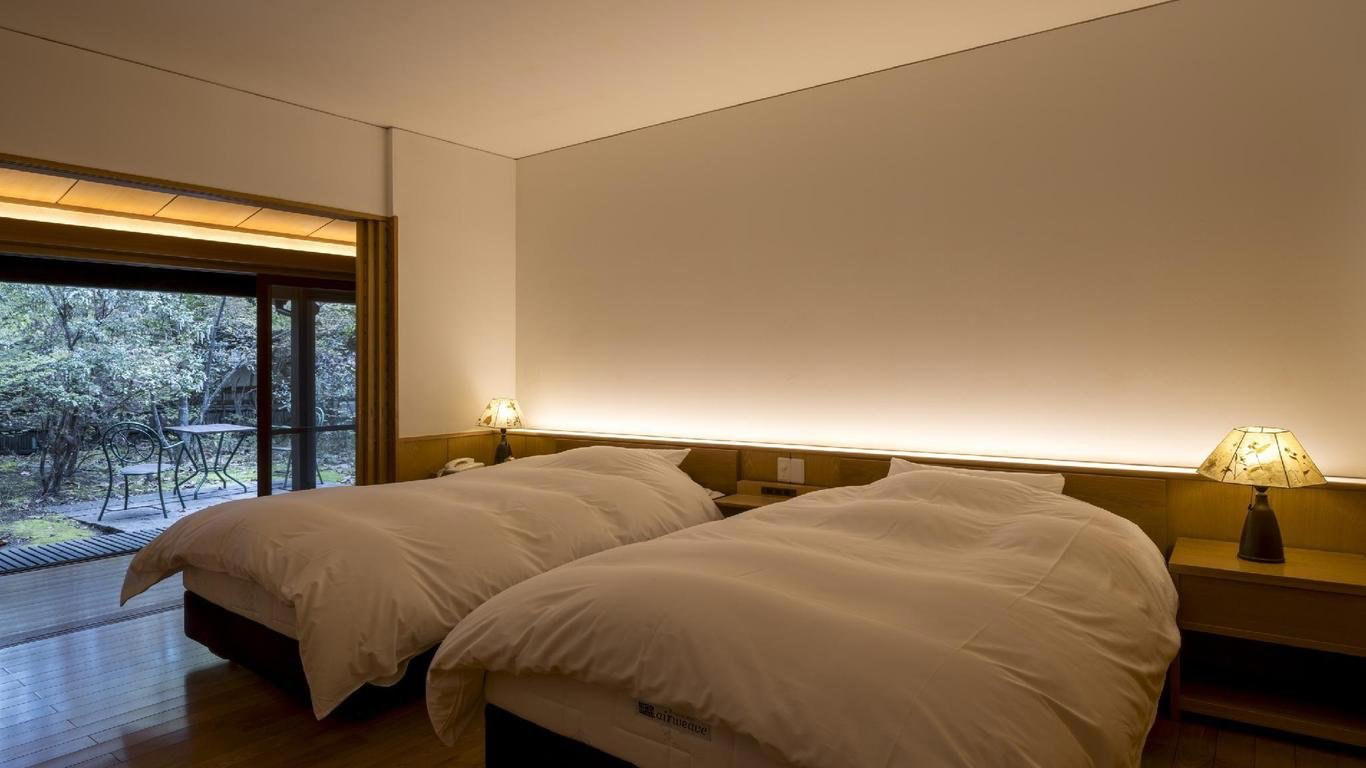
A cozy, house‑style Chinese restaurant with a relaxing tatami room and only a handful of table seats, creating an intimate, classic atmosphere suited to leisurely meals with friends or small groups.