Our verdict
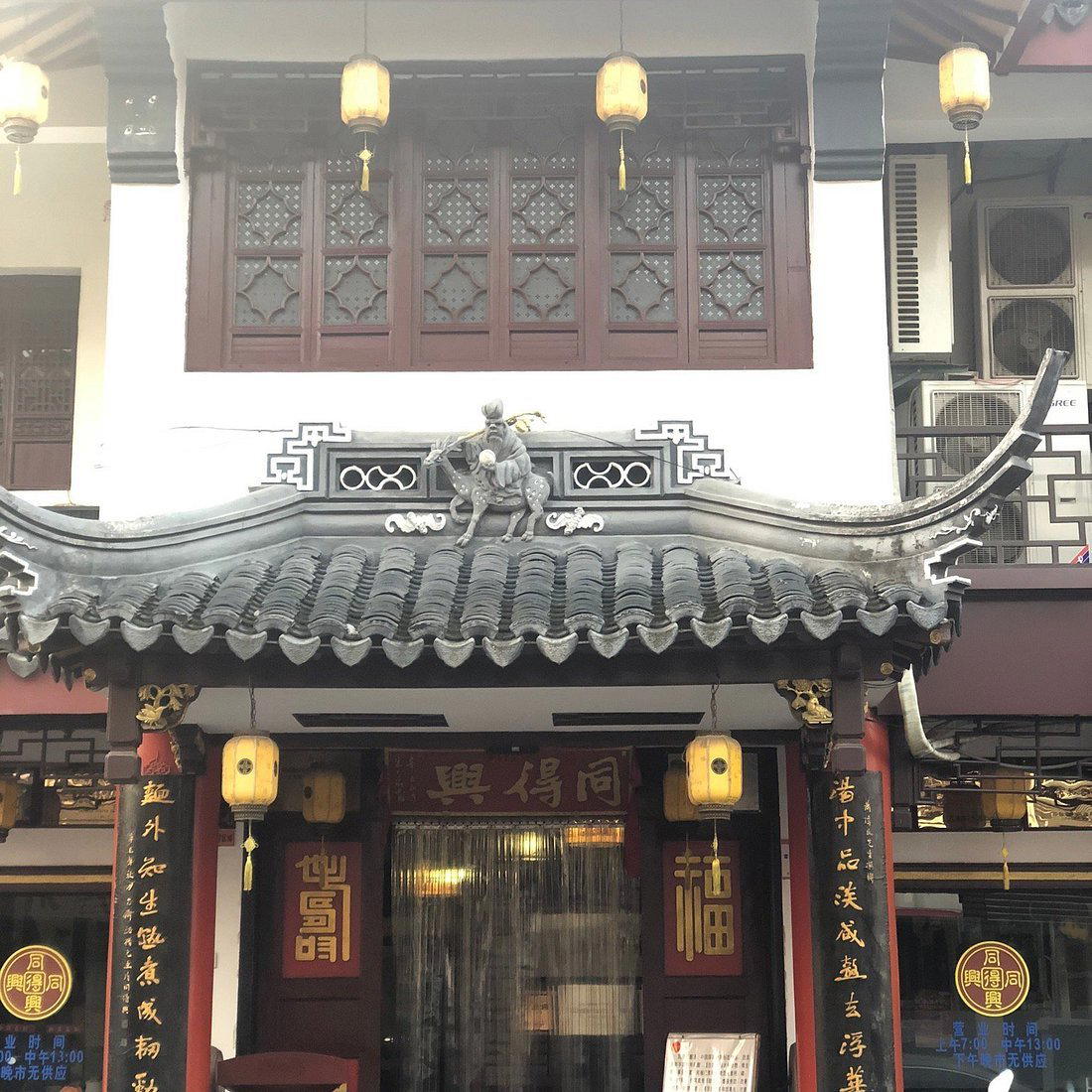
Tongdexing occupies a narrow lane in Suzhou's Gusu District, where the rhythms of Suzhou cuisine, restrained seasoning, carefully sequenced courses, produce sourced from the region's waterway markets, play out in a setting that feels shaped by the neighbourhood rather than imposed upon it. For visitors tracing the serious end of Jiangsu cooking, this address on Jiayufang repays attention.

Pearl is the En Primeur Club membership app, where members save venues, book tables and use the concierge.
The menu
What to order
- Fengzhen-style Pork Noodles
- Stewed Meat Noodles with White Soup
- Suzhou Style Smoked Fish
A Lane, a Table, a Way of Eating
Suzhou's dining culture has always been legible through its address book. The old city's canal-side lanes, hutong-like passages in Gusu District that predate the ring roads by centuries, concentrate a particular kind of restaurant: places that earn their reputation through the meal itself rather than through hotel lobbies or glossy fit-outs. Jiayufang, the narrow street where Tongdexing sits, belongs to that tradition. Arriving here, the pedestrian scale of the lane does most of the atmospheric work before you step through the door. The built environment around 6 Jiayufang is compact and unhurried, and the pace it sets is not incidental to the dining that follows.
That relationship between setting and meal pacing is central to understanding what Suzhou cuisine asks of a diner. Huaiyang and broader Jiangsu cooking traditions prize sequencing over abundance. A well-constructed Suzhou meal does not deliver everything at once; it moves through cold starters, then braised and steamed preparations, building toward richer proteins and finishing with something delicate. The rhythm is closer to a Japanese kaiseki in its structural logic than to the banquet-style abundance associated with Cantonese or Sichuan dining. Understanding that rhythm is the starting point for any serious engagement with a restaurant like Tongdexing.
Where Tongdexing Sits in Suzhou's Dining Order
Suzhou's Jiangsu cuisine tier runs from accessible neighbourhood houses through to white-tablecloth operations with regional recognition. At the accessible end, a bowl of noodles at a neighbourhood shop like Yu Mian Tang represents the daily vernacular. Moving up, Bai Sheng Ren Jia (Wuzhong) occupies the mid-range Jiangsu cuisine bracket at a ¥¥ price point. Dingshan·Jiangyan (Xiangcheng) steps into ¥¥¥ territory, where ingredients and technique receive more deliberate attention. At the top of the local tier, Pingjiangsong operates at ¥¥¥¥, positioning itself among Suzhou's most considered dining rooms. Tongdexing sits within this ecosystem, in a district that has historically supported serious civilian cooking rather than prestige hotel dining.
For context on how Jiangsu cooking performs in cities with more international dining infrastructure, it is worth noting that addresses like Xin Rong Ji (Xinyuan South Road) in Beijing and Xin Rong Ji in Chengdu have carried the Jiangsu tradition into competitive multi-cuisine markets and maintained recognition. In Shanghai, the calibration of Jiangnan cooking across formats, from the historically rooted to the contemporary, is visible at addresses like 102 House in Shanghai. What these comparisons illustrate is that Jiangsu cuisine, when applied with discipline, holds its own in markets far outside its origin province. Tongdexing operates from within that origin province, which carries its own form of authority.
The Customs of the Table
The dining ritual in serious Suzhou cooking has specific conventions that a first-time visitor benefits from knowing before they arrive. Cold dishes, often featuring seasonal river produce, vinegar-dressed vegetables, or cold cuts of soy-braised protein, open the meal and function as palate primers rather than fillers. Ordering them alongside rather than before a main sequence misses their structural role. The braising tradition, hong shao preparations and the slow-simmered red-cooked pork that has defined Suzhou and Shanghai domestic cooking for generations, typically appears in the middle of a meal, not at its end. Sweet inflections, which are a genuine characteristic of Suzhou seasoning compared to the saltier profiles of northern Jiangsu, run through multiple courses rather than being confined to dessert.
In the broader Jiangsu context, this approach to sequencing connects Suzhou's civilian cooking tradition to a more formal lineage. Shang Palace in Yangzhou represents Huaiyang refinement at a hotel-anchored level, where classical structure is preserved with ceremony. Dai Yuet Heen in Nanjing and Ban Ting Jia Yan (Suzhou Industrial Park) each represent different points on the formality spectrum. The civilian, lane-based version of this tradition, represented by addresses in Gusu District, is less ceremonial but no less structurally considered. The meal still obeys its own internal logic; the setting simply asks less of its guests in terms of dress code and pacing signals.
Contrasts from outside Jiangsu help sharpen the picture. At Chef Tam's Seasons in Macau or Imperial Treasure Fine Chinese Cuisine in Guangzhou, the service choreography is more explicit: courses arrive with explanation, pacing is managed by front-of-house staff, and the ritual is performed for the guest. In a Gusu District lane restaurant, the ritual is more assumed. Guests who arrive with some working knowledge of Jiangsu sequencing will find the meal lands better than for those who treat it as a casual order-and-eat format.
Reading the Neighbourhood
Gusu District is the historical core of Suzhou, and its lane network contains a density of older restaurants and tea houses that is not replicated in the newer districts to the east. The Suzhou Industrial Park, where some newer dining operations have concentrated, trades the neighbourhood grain of Gusu for a more contemporary urban format. Ban Lan (Huqiu) in the Huqiu area represents a different flavour tradition entirely, bringing Fujian cooking into Suzhou's market at a ¥¥¥ price point. The culinary geography of the city is more varied than it might appear from outside, and Jiayufang sits in what remains the most historically anchored part of it.
For visitors building a broader Jiangnan itinerary, the neighbouring city of Hangzhou offers a comparable tradition in a different register: Ru Yuan in Hangzhou operates within the same broad cultural zone. Further afield, the approach to regional Chinese cooking at the most structured level can be studied at addresses like Fleurs Et Festin in Xiamen or Jiangnan Wok·Rong in Fuzhou, where different regional traditions intersect with contemporary presentation. The EP Club full Suzhou restaurants guide maps the city's dining options across cuisine type and price tier for those planning a more comprehensive visit.
Planning a Visit
Tongdexing is located at 6 Jiayufang in Gusu District, Suzhou. The address sits within the old city, accessible by taxi or on foot from the main canal-side tourist areas. For a restaurant in a working lane of this character, arriving at a reasonable hour rather than at peak dinner rush, roughly 7pm onwards on weekends, is advisable. Booking ahead, where possible through a hotel concierge or a platform that handles Chinese restaurant reservations, is the sensible approach for a weekend dinner. Weekday lunches in this type of Suzhou address tend to be more accessible without prior arrangement, and lunch is, in any case, a legitimate way to eat Suzhou cuisine: many of the same preparations appear on midday menus, and the lighter natural light of a canal-district dining room at noon suits the delicate colour palette of Jiangsu plating.
Frequently asked questions
What's Tongdexing's location?
Tongdexing is located at 6 Jiayufang, Gusu District, Suzhou, Jiangsu, China, 215005, Suzhou.
What makes Tongdexing a useful base for exploring Suzhou's historic Jiangsu food scene?
Tongdexing's address at 6 Jiayufang places it inside Gusu District, the old city zone where Suzhou's canal lane network and its oldest food culture overlap most directly. The surrounding lanes contain a density of tea houses and long-running restaurants that newer commercial districts in Suzhou do not replicate. Eating at an established Gusu address like this one provides context for Jiangsu cuisine that a hotel restaurant or shopping-mall operator cannot.
What should I order at Tongdexing?
Tongdexing sits within the Jiangsu cuisine tradition of Suzhou, which is defined by delicate sweetness, precise braising, and cold-dish openers. At a Gusu District restaurant of this type, cold preparations typically arrive first, followed by braised proteins and seasonal vegetables. Ask staff about the day's cold dish selection, as these vary and often reflect market availability more directly than the hot courses.
What's the best way to book Tongdexing?
No phone number or website is currently listed for Tongdexing at 6 Jiayufang, Gusu District. For older Suzhou lane restaurants, the most reliable approach is to arrive in person during off-peak hours to confirm capacity and reserve a table directly. Taxi drivers in Suzhou's old city are generally familiar with established houses in the Jiayufang lane area and can assist with navigation.
What has Tongdexing built its reputation on?
The address in Gusu District, Suzhou's historical core, places Tongdexing within a lane network that has sustained neighbourhood restaurants and tea houses across generations. In Suzhou, longevity at a canal-adjacent address in the old city is itself a credential, these lanes do not sustain dining operations that fail to meet local standards. The restaurant represents the accessible, community-rooted tier of Suzhou's Jiangsu cuisine hierarchy.
Can Tongdexing adjust for dietary needs?
Traditional Jiangsu cooking in Suzhou relies heavily on freshwater fish, pork preparations, and poultry, with seasonal vegetables playing a supporting role. Strictly plant-based requests can be workable given the vegetable-forward elements in Su cuisine, but the kitchen's repertoire is built around meat and fish. Communicating requirements clearly before or at arrival, ideally in Mandarin, gives the best outcome at a neighbourhood-scale restaurant like this one.
Is Tongdexing worth the price?
No pricing data is currently confirmed for Tongdexing, so a direct comparison to Suzhou's mid-tier or white-tablecloth Jiangsu operations cannot be made responsibly. Within Gusu District's lane dining context, established neighbourhood houses typically offer lower price points than recognised regional restaurants, making them among the more accessible ways to eat seriously in Suzhou. The value question depends on your frame of reference, local regulars or regional cuisine research.
Cuisine and Recognition
Comparable venues nearby, for context on price, style, and recognition.
| Venue | Cuisine | Price | Awards | Notes |
|---|---|---|---|---|
| TongdexingThis venue (the venue you are viewing) | Traditional Suzhou Noodles | $10–20 | Not listed | Not listed |
| Lingyan Shanfang Restaurant | Traditional Suzhou Cuisine | Not listed | Black Pearl 1 Diamond | Mudu |
| CHAI 8 HOUSE | Jiangzhe fine dining with Jinji Lake views | Not listed | Black Pearl 1 Diamond | Suzhou Industrial Park / Ligongdi |
| Jiangnan Delicacy | Authentic Jiangnan Cuisine | $20–30 | Black Pearl 1 Diamond | Suzhou Industrial Park |
| 新聚丰菜馆 | Suzhou Dumpling House | Not listed | Not listed | Suzhou |
| Ban Lan (Huqiu) | Modern Fujian | Not listed | Michelin Plate | Huqiu |
Continue exploring
More in Suzhou
Details
- Classic
- Cozy
- Casual Hangout
- Family
- Historic Building
- Street Scene
- A La Carte
- Vegetarian Friendly
Current opening hours
- Monday
- 10:30 AM–2 PM, 5–9 PM
- Tuesday
- 10:30 AM–2 PM, 5–9 PM
- Wednesday
- 10:30 AM–2 PM, 5–9 PM
- Thursday
- 10:30 AM–2 PM, 5–9 PM
- Friday
- 10:30 AM–2 PM, 5–9 PM
- Saturday
- 10:30 AM–2 PM, 5–9 PM
- Sunday
- 10:30 AM–2 PM, 5–9 PM
Hours can change for holidays and private events. Hours as of .
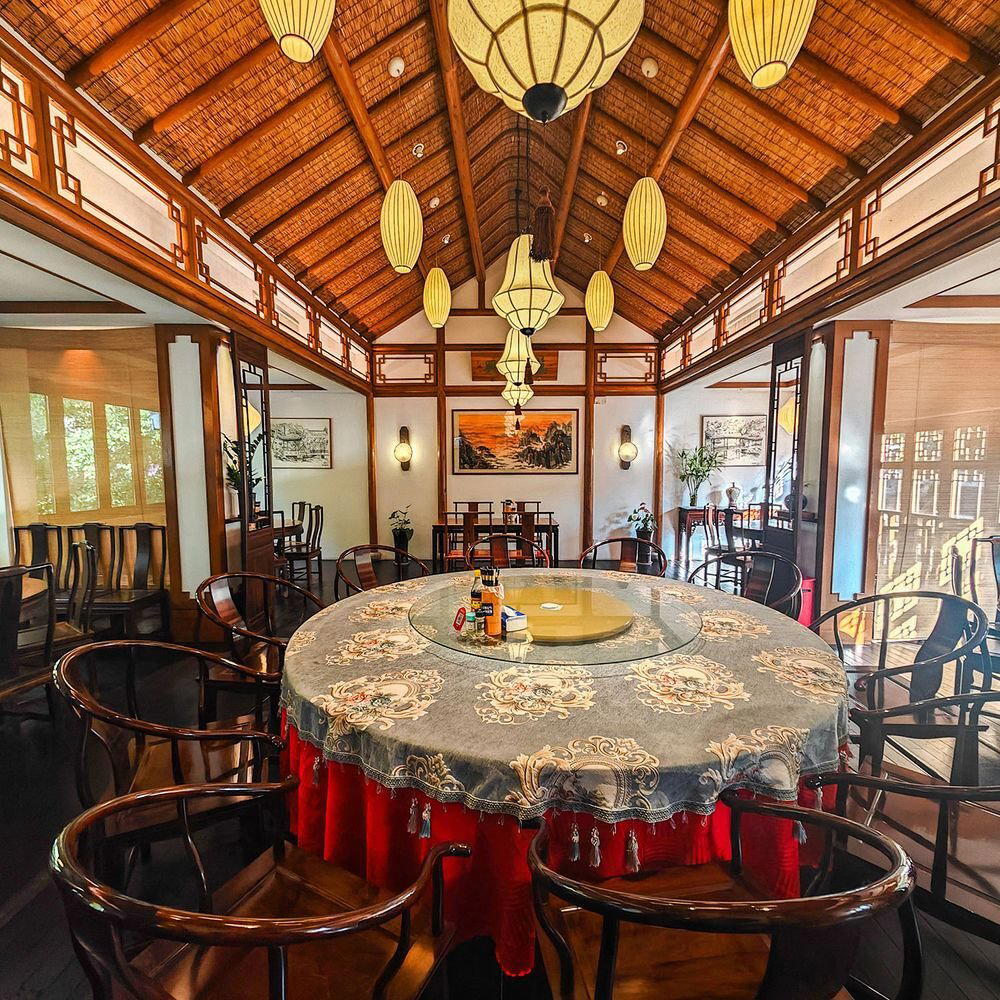
Antique Jiangnan architecture with red columns, tiled roofs, lanterns, and traditional Chinese woodwork decor evoking classic Suzhou style.