Our verdict
Located on Taijian Lane in Suzhou's historic canal district, 新荣丰餐馆 sits within a neighbourhood where Suzhou cuisine's ingredient-led traditions run deepest. The restaurant draws on the region's long-standing network of seasonal produce, freshwater fish, and local cultivation, placing it in the tier of Suzhou dining where provenance, not presentation, anchors the menu.

Pearl is the En Primeur Club membership app, where members save venues, book tables and use the concierge.
The menu
What to order
- Egg dumplings
Taijian Lane and the Ingredient Logic of Suzhou Cooking
Suzhou's old city carries its culinary identity in its waterways. The canal network that threads through the historic district has, for centuries, determined what cooks could source and when. Freshwater hairy crab from Yangcheng Lake, mandarin fish from the rivers around Taihu, seasonal river greens arriving at dawn markets, the produce calendar in this part of Jiangsu is specific enough that restaurants either align with it or lose credibility among local diners who know exactly what month each ingredient peaks. 新荣丰餐馆 sits at 9 Taijian Lane, in Canglang District, which places it close to the southern end of Suzhou's preserved canal city, a part of town that operates at a different register from the commercial tourist corridors near Guanqian Street.
That address matters for understanding what the restaurant's regular clientele expects. Canglang is where older residential patterns of Suzhou life persist alongside garden culture, the Canglang Pavilion, one of the city's oldest classical gardens, is a short walk away. Dining in this district tends to reward seasonal awareness over novelty, and the restaurants that hold local loyalty here do so through consistency with a known produce cycle rather than through menu reinvention.
The Ingredient Logic of Suzhou Cuisine
Suzhou cuisine sits within the broader Su cuisine tradition, one of the eight recognised schools of Chinese cooking, and its distinguishing feature has always been sourcing specificity. Where Cantonese cooking prizes technique applied to live ingredients, and Sichuan cuisine builds complexity through spice architecture, Su cuisine frames quality through what the land and water deliver at a given moment. The technique exists largely to protect and foreground those ingredients rather than to transform them.
In practice, this means a kitchen operating under Su cuisine principles will source from a defined geographic radius and adjust the menu in response to what is available, not the other way around. Autumn in Suzhou means hairy crab dominates, the Yangcheng Lake harvest runs roughly from early October through November, and restaurants in this tier time their calendars accordingly. Spring brings river shrimp and bamboo shoots from the hills west of the city. Summer introduces the brackish-water eel preparations and the lotus-based dishes that draw on the region's extensive lake cultivation. A restaurant on Taijian Lane, embedded in the residential city rather than the commercial strip, is well-positioned to operate on that local supply logic.
Across Jiangsu, this sourcing-first approach defines how the better establishments differentiate themselves from mid-market competitors. Pingjiangsong in Suzhou operates at the top of the Jiangsu cuisine price tier and frames its kitchen through a similar seasonal discipline. Dingshan·Jiangyan in Xiangcheng takes a comparable approach at a mid-tier price point, building its menu around defined regional sourcing. Bai Sheng Ren Jia in Wuzhong extends the same logic into family-format dining. What links this cohort is the refusal to substitute standardised supply-chain ingredients for seasonal and local produce, even when that means a shorter or less predictable menu.
Where 新荣丰餐馆 Sits in Suzhou's Dining Spread
Suzhou's restaurant spread across the old city has a layered structure. Below that sits a mid-tier of venues such as Dingshan·Jiangyan at ¥¥¥, which attract local families and visiting diners who want the cuisine without the full ceremony. Further down, neighbourhood restaurants in the residential districts serve daily Suzhou cooking to a clientele that values reliability and seasonal alignment over formal presentation.
The Taijian Lane address and the Canglang residential setting suggest a neighbourhood orientation rather than a formal fine-dining one, but that inference should not substitute for verified pricing information. Diners planning a visit should confirm costs directly before booking.
For context on how ingredient-led Chinese cooking operates at different price points and cities, Fu He Hui in Shanghai demonstrates how seasonal and plant-forward sourcing can anchor a high-end format. Ru Yuan in Hangzhou applies comparable sourcing rigour to a Hangzhou cuisine context. Further afield, Xin Rong Ji on Xinyuan South Road in Beijing and Xin Rong Ji in Chengdu show how Eastern Chinese ingredient logic travels when replicated in different cities. Shang Palace in Yangzhou offers a point of comparison for the formal end of Jiangsu cuisine just north of Suzhou.
For other Suzhou options operating within the Jiangsu cuisine tradition, Ban Ting Jia Yan in the Suzhou Industrial Park and Ban Lan in Huqiu extend the city's table across different districts and cuisine styles. The full Suzhou restaurants guide maps the broader dining spread across old city, new districts, and the lake area.
Planning a Visit
Taijian Lane sits within Canglang District in the southern part of Suzhou's historic city. The lane itself is a quiet residential address, not a commercial food street, which means arrival on foot from the surrounding canal area is direct. For visitors combining this stop with the surrounding area, the Canglang Pavilion garden is within walking distance and the southern canal belt offers a coherent afternoon itinerary at a pace that suits this part of the city.
Frequently asked questions
Would 新荣丰餐馆 be comfortable with kids?
Taijian Lane is a quiet residential lane in Canglang District, which sets a relaxed, unhurried tone that tends to suit families. The neighbourhood character, low foot traffic, no commercial bustle, makes it less stressful than dining in Suzhou's tourist-heavy zones.
What part of town is æ°è丰èé¦ in?
æ°è丰èé¦ is located at 9 Taijian Ln, 太çå¼æ²§æµªåº Suzhou, Jiangsu, China, 215005, Suzhou.
What's the vibe at 新荣丰餐馆?
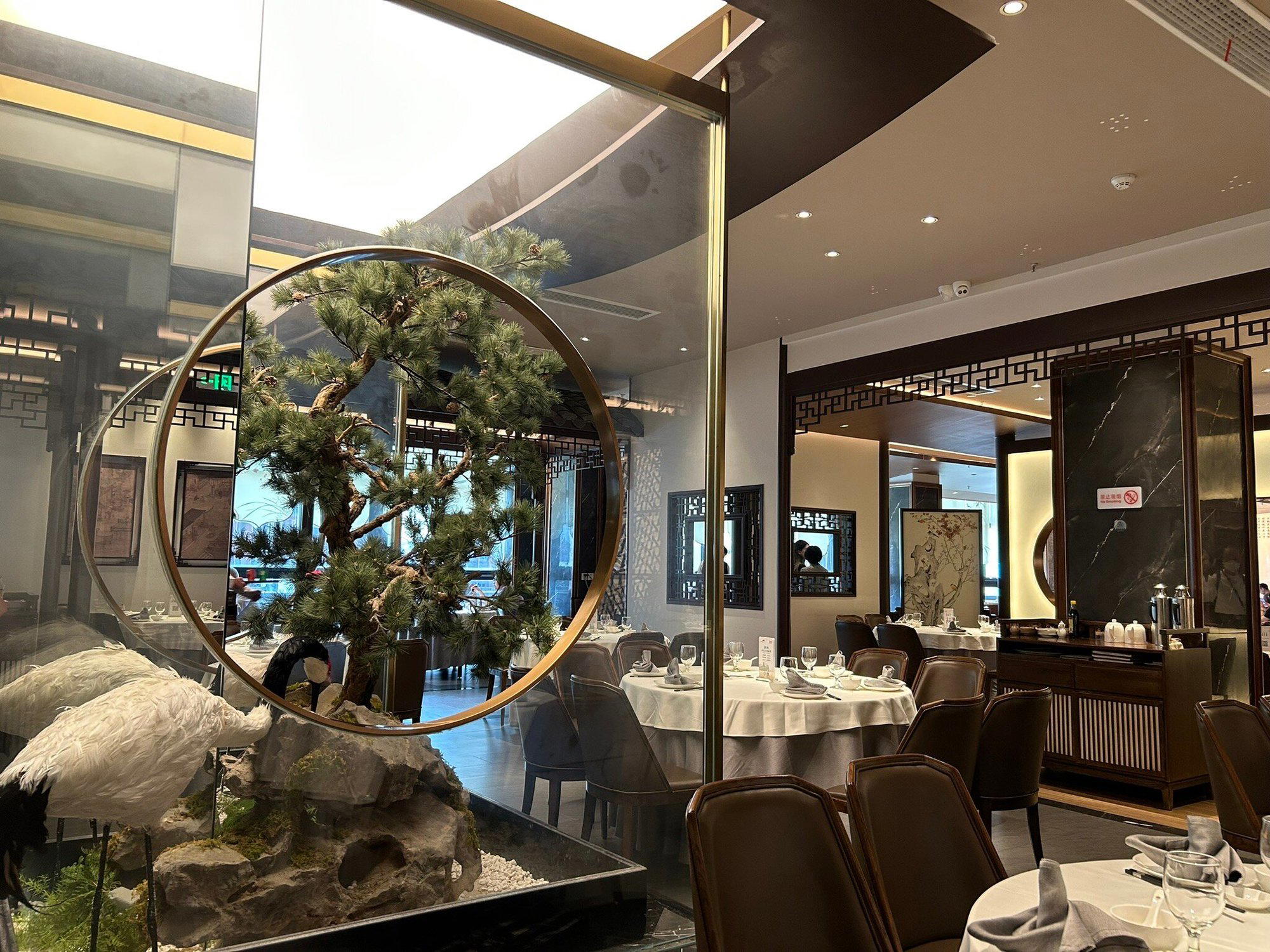
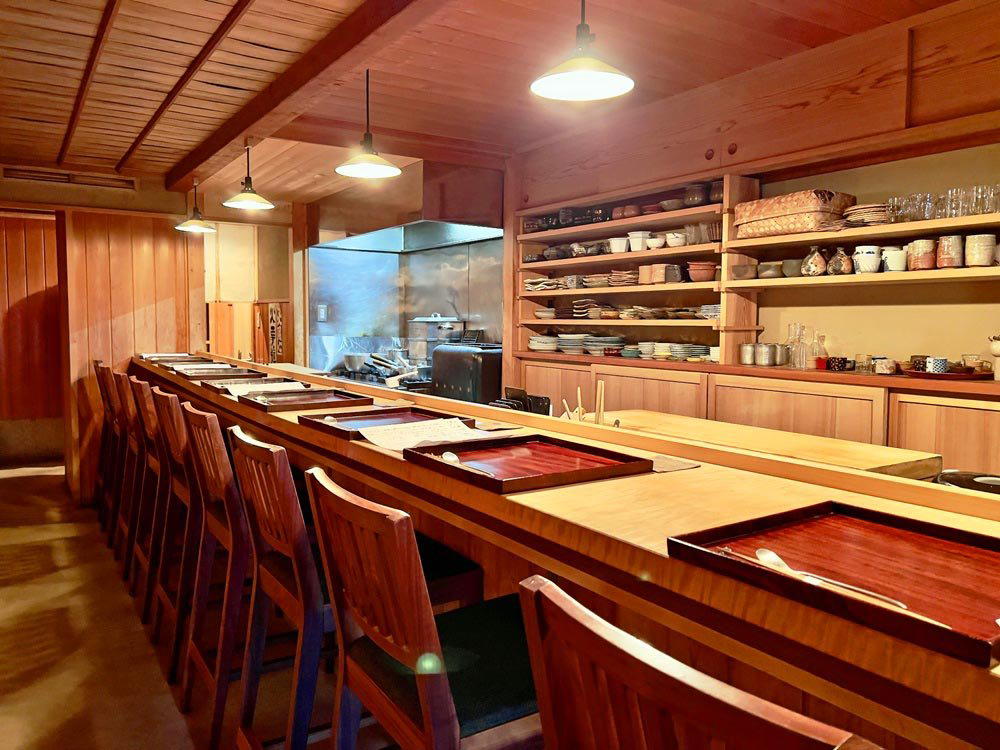
The address on Taijian Lane, a quiet residential lane inside Suzhou's historic Canglang District, shapes the atmosphere more than any interior design decision could. This is a neighbourhood setting, not a destination dining room, expect the low-key cadence of a local house rather than a formal restaurant. Suzhou's old city dining at this level tends to prioritise the cooking over ceremony.
What do regulars order at 新荣丰餐馆?
However, Suzhou cuisine within the Su cooking tradition is anchored by freshwater fish and shellfish from the canal network, seasonal vegetables, and a restrained use of sugar that distinguishes it from neighbouring Shanghainese cooking. Regulars at old-city Suzhou houses of this type typically orient their orders around whatever the kitchen is sourcing locally that week.
In Context: Similar Options
| Venue | Cuisine | Price | Awards | Notes |
|---|---|---|---|---|
| æ°è丰èé¦This venue (the venue you are viewing) | Suzhou Dumpling House | Not listed | Not listed | Not listed |
| Yu Mian Tang | Suzhou Heritage Noodles | $20–30 | Michelin Bib Gourmand | Noodles |
| Pingjiangsong | Modern Suzhou Cuisine | Not listed | 1 Michelin Star | Jiangsu Cuisine |
| Dingshan·Jiangyan (Xiangcheng) | Modern Jiangsu Cuisine | Not listed | 1 Michelin Star | Jiangsu Cuisine |
| Su Mian Fang | Suzhou-style Noodles | Not listed | Michelin Plate | Noodles |
| Chai Court | Cantonese | Not listed | Michelin Plate | Not listed |
Continue exploring
More in Suzhou

Details
- Family
- Celebration
- Historic Building
- Beer Program
- Local Sourcing
- A La Carte
- Vegetarian Friendly
Classic and festive atmosphere focused on family reunion dining.