
Black Pearl 1 Diamond
Our verdict
Set at the foot of Lingyan Mountain in Suzhou's Mudu District, Lingyan Shanfang Restaurant earned a Black Pearl 1 Diamond in 2025, placing it inside the city's emerging tier of destination dining beyond the historic centre. The setting alone, mountain-adjacent, removed from the tourist circuits, signals a different kind of ambition than Suzhou's more central fine-dining addresses.

Pearl is the En Primeur Club membership app, where members save venues, book tables and use the concierge.
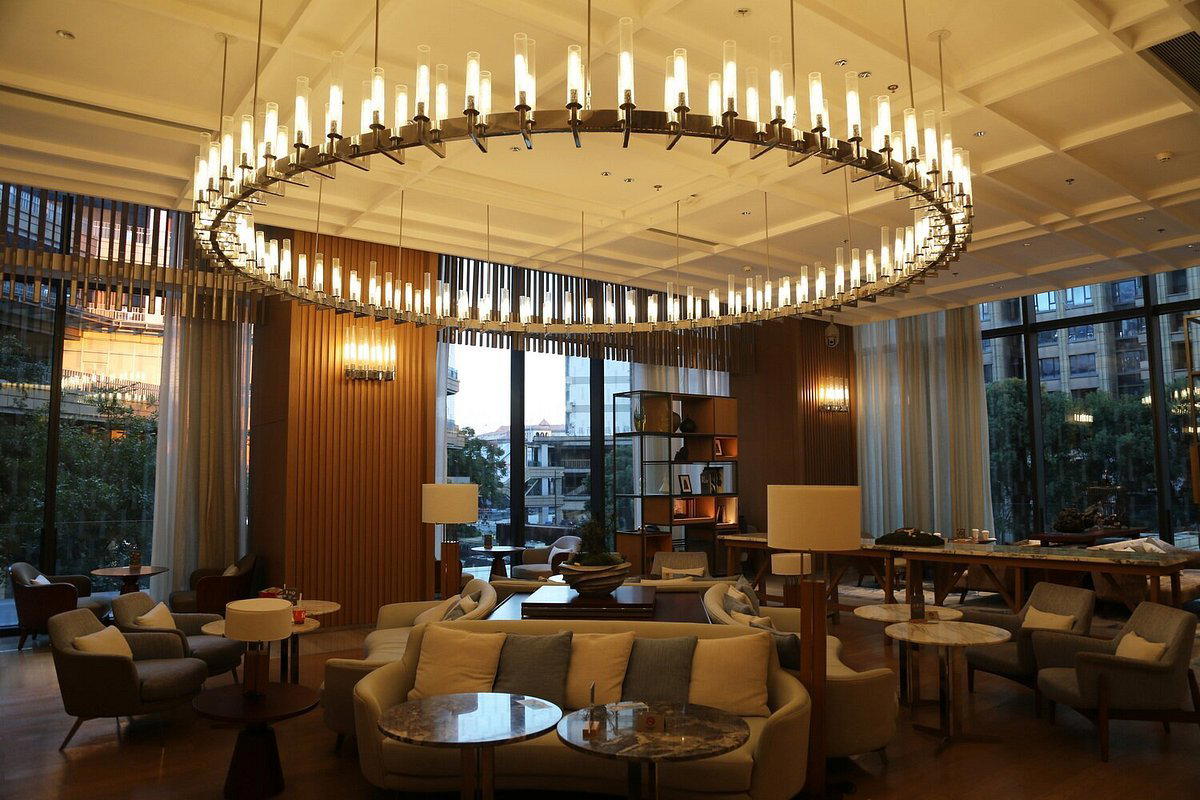
The menu
What to order
- Claypot rice with braised pork
- Seasonal bamboo shoots
- Temple-style vegetarian dishes
Where Suzhou's Dining Scene Reaches the Mountain
Approach Lingyan Shanfang from the direction of Mudu town and the shift in register is immediate. The Mudu District sits southwest of Suzhou's old city, at the base of Lingyan Mountain, a site with Buddhist temple history stretching back over a thousand years. Restaurants in this part of the city have historically served pilgrims and day-trippers rather than fine-dining seekers, which makes the trajectory of Lingyan Shanfang's recent recognition all the more telling about how Suzhou's premium dining geography has begun to expand outward.
A Shifting Tier in Suzhou's Restaurant Scene
Suzhou's serious restaurant scene has spent most of the past decade concentrated around the old city canals and the Suzhou Industrial Park, where development money and hotel investment created clusters of refined dining. The emergence of a Black Pearl 1 Diamond recognition for a Mudu-based address in 2025 signals something different: the city's culinary ambitions are no longer anchored solely to those zones. Black Pearl, operated by Meituan and now in its seventh year, has become the most closely watched Chinese restaurant recognition system for mainland dining, and a 1 Diamond award carries meaningful weight in conversations about where a restaurant sits relative to its peers. Lingyan Shanfang's 2025 inclusion places it in the same credentialing tier as a number of Suzhou addresses that diners and critics track seriously.
To understand what that means in competitive terms, it helps to map the Suzhou field. Pingjiangsong operates at the ¥¥¥¥ price tier with a focus on Jiangsu cuisine, representing the upper bracket of what the city offers in that tradition. Dingshan·Jiangyan (Xiangcheng) occupies the ¥¥¥ band, while Bai Sheng Ren Jia (Wuzhong), also in Wuzhong District, sits at ¥¥, a more accessible entry point into the same regional tradition. Lingyan Shanfang, without published pricing in current circulation, earns its positioning through the award signal rather than a transparent price ladder, which suggests it is drawing guests on the strength of experience rather than accessibility.
The Mudu Setting and What It Changes
Mudu is one of the oldest water towns in the Yangtze Delta region, predating Suzhou's modern expansion by centuries. Its canal network, whitewashed walls, and proximity to Lingyan Mountain give it a texture that the more commercially developed parts of the city have largely lost. Restaurants that situate themselves here are making a deliberate bet: the journey is part of the proposition. Guests coming from central Suzhou or arriving via Suzhou's high-speed rail connections will spend additional transit time reaching Mudu, and that friction tends to filter for intent. The dining room at Lingyan Shanfang sits within a setting that frames the meal as something distinct from a city-centre restaurant visit, aligning it more with the destination-property model seen in mountain and garden dining formats across Zhejiang and Fujian.
This positioning has parallels elsewhere in Chinese fine dining. Ru Yuan in Hangzhou operates in a similar register, where the physical environment carries weight as part of the overall offer. The contrast with urban-format peers like 102 House in Shanghai is instructive: city-centre restaurants trade on access and density, while mountain-adjacent venues like Lingyan Shanfang trade on removal and atmosphere. Both are legitimate strategies; they serve different moments and different travel intentions.
Jiangsu Cuisine and Its Demands on a Kitchen
Suzhou sits at the heart of Huaiyang and Suzhou-style cooking, the two streams that together form much of what is called Su cuisine or Jiangsu cuisine in formal classification. This tradition is among the most technically exacting in Chinese cooking: precise knife work, controlled braising times, an emphasis on freshness over bold spicing, and a careful management of sweetness that marks Suzhou cooking apart from its Jiangsu neighbours. The seasonal calendar matters enormously here, spring brings hairy crab preparations and fresh bamboo, summer shifts toward lighter cold dishes and freshwater fish, autumn returns to river crab and slow-braised pork formats.
A restaurant earning Black Pearl recognition in this tradition is being assessed against that standard. The award does not simply reward presentation or setting; it reflects a kitchen that can hold its own within one of China's most codified and scrutinised culinary inheritances. For context, Xin Rong Ji (Xinyuan South Road) in Beijing and Xin Rong Ji in Chengdu have built national reputations on a similar premise of regional precision taken seriously at scale. Lingyan Shanfang works within a smaller geographic footprint, but the credentialing logic is comparable.
How the Recognition Has Shifted the Conversation
The 2025 Black Pearl award represents a meaningful inflection point for what Lingyan Shanfang signals to the broader dining conversation. Before formal recognition, restaurants in secondary city districts tend to attract local regulars and occasional visitors from the core city. After inclusion in a national recognition list, the guest profile expands: food-focused travellers from Shanghai, roughly an hour away by high-speed rail, build Suzhou day-trips or overnight visits around specific dining destinations. Ban Ting Jia Yan in the Suzhou Industrial Park and Ban Lan (Huqiu) in Fujian cuisine have each benefited from this kind of cross-city traffic. Lingyan Shanfang, now carrying formal credentials, becomes part of that itinerary-building conversation.
That expansion of audience also changes the booking dynamic. Visitors planning around the autumn crab season or Lingyan Mountain's spring temple visits would be well-advised to confirm availability well in advance.
Planning a Visit
Lingyan Shanfang sits in the Mudu District of Wuzhong, adjacent to Lingyan Mountain, accessible from central Suzhou by taxi or rideshare, with the journey adding to the sense of occasion rather than detracting from it. The mountain's temple grounds are a logical pairing for an afternoon visit before an evening meal, and the surrounding water-town architecture of Mudu provides a different view of the region's heritage than the heavily trafficked Pingjiang Road area. For visitors building a broader Suzhou programme, our full Suzhou restaurants guide covers the range of options across price tiers and cuisines, and our Suzhou hotels guide maps the accommodation options relative to the city's dining districts. Those interested in the city's drinking culture or evening programming can consult our Suzhou bars guide, wineries guide, and experiences guide for complementary programming.
For reference on how Chinese fine dining at a comparable level presents outside the Jiangsu region, Chef Tam's Seasons in Macau and Imperial Treasure Fine Chinese Cuisine in Guangzhou offer useful points of comparison in terms of how classical Chinese culinary traditions translate into formal dining formats. Internationally, the precision and restraint that defines Suzhou-style cooking has conceptual parallels in what Le Bernardin in New York City does with French seafood, or what Atomix in New York City achieves through Korean culinary rigour, the idea that a deeply rooted regional tradition, executed without concession, can sustain a restaurant at the highest level of formal dining.
Frequently asked questions
Where is Lingyan Shanfang Restaurant located?
Lingyan Shanfang Restaurant is located at Lingyan Shanfang, Mudu District, Wuzhong District, Suzhou, Jiangsu, China (near Lingyan Mountain), Suzhou.
What awards or recognition does Lingyan Shanfang Restaurant have?
Lingyan Shanfang Restaurant has received recognition including: Black Pearl 1 Diamond (2025).
What dish is Lingyan Shanfang Restaurant famous for?
No single signature dish is on public record for Lingyan Shanfang. The restaurant operates within the Suzhou-style cooking tradition, a regional school defined by precise knife work, light seasoning, and seasonal freshwater ingredients, and its 2025 Black Pearl 1 Diamond recognition places it among the city's more serious practitioners of that canon.
How hard is it to get a table at Lingyan Shanfang Restaurant?
No booking platform or reservation system is publicly documented, so contacting the restaurant directly is the practical starting point. The 2025 Black Pearl 1 Diamond award has raised its profile considerably, and demand at comparably recognised Suzhou addresses tends to tighten within months of that kind of recognition, planning ahead is advisable.
What's the signature at Lingyan Shanfang Restaurant?
The defining characteristic on record is the combination of its Mudu District position adjacent to Lingyan Mountain and its 2025 Black Pearl 1 Diamond standing, a pairing that sets it apart from Suzhou's canal-district restaurant cluster. Within Jiangsu cuisine circles, that mountain-edge setting alongside formal critical recognition is an unusual combination for the region.
Nearby-ish Comparables
Comparable venues nearby, for context on price, style, and recognition.
| Venue | Cuisine | Price | Awards | Notes |
|---|---|---|---|---|
| Lingyan Shanfang RestaurantThis venue (the venue you are viewing) | Traditional Suzhou Cuisine | Not listed | Black Pearl 1 Diamond | Not listed |
| 新聚丰菜馆 | Suzhou Dumpling House | Not listed | Not listed | Suzhou |
| åå·´çç | Live Seafood by Humble Administrator's Garden | $50–100 | Not listed | Humble Administrator's Garden area |
| Jiangnan Delicacy | Authentic Jiangnan Cuisine | $20–30 | Black Pearl 1 Diamond | Suzhou Industrial Park |
| Hua Chi 88 | Authentic Suzhou Jiangsu Cuisine | Not listed | Michelin Plate · Black Pearl 1 Diamond | Suzhou Industrial Park |
| Ban Lan (Huqiu) | Modern Fujian | Not listed | Michelin Plate | Huqiu |
Recognition history
Dated appearances from independent guides and award organizations, with the underlying list record or original source where available.
Black Pearl 1 Diamond
Black Pearl
Full recognition history (2 entries)
Black Pearl 1 Diamond
Black Pearl
Continue exploring
More in Suzhou
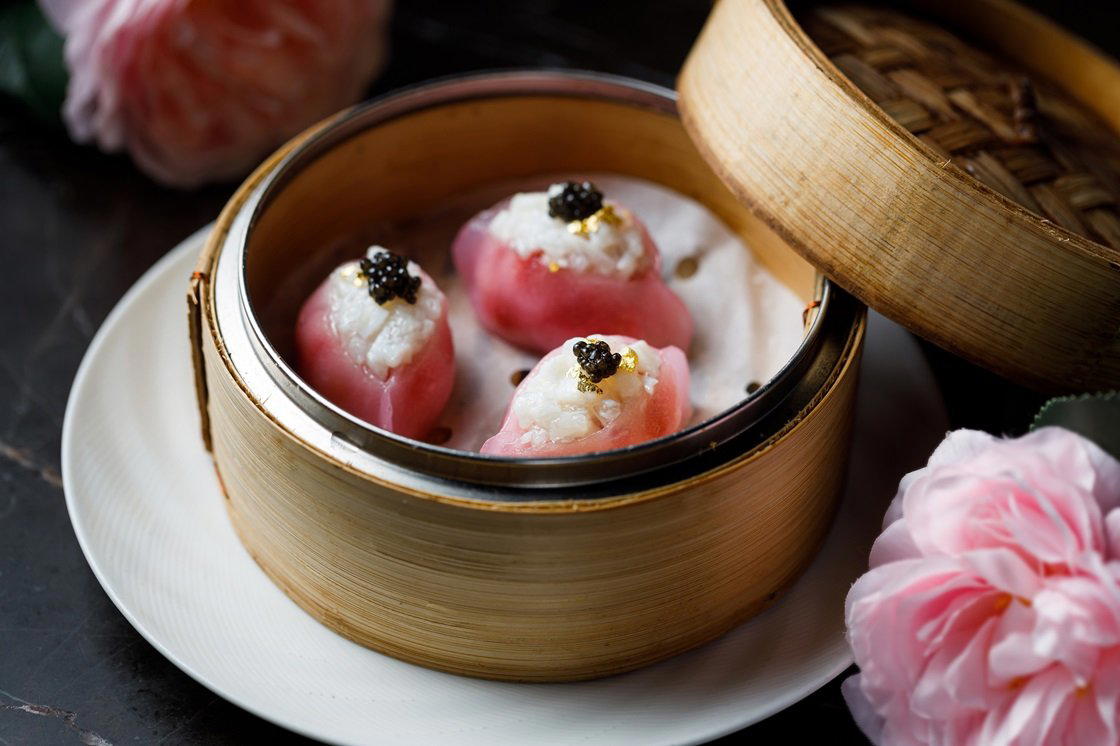
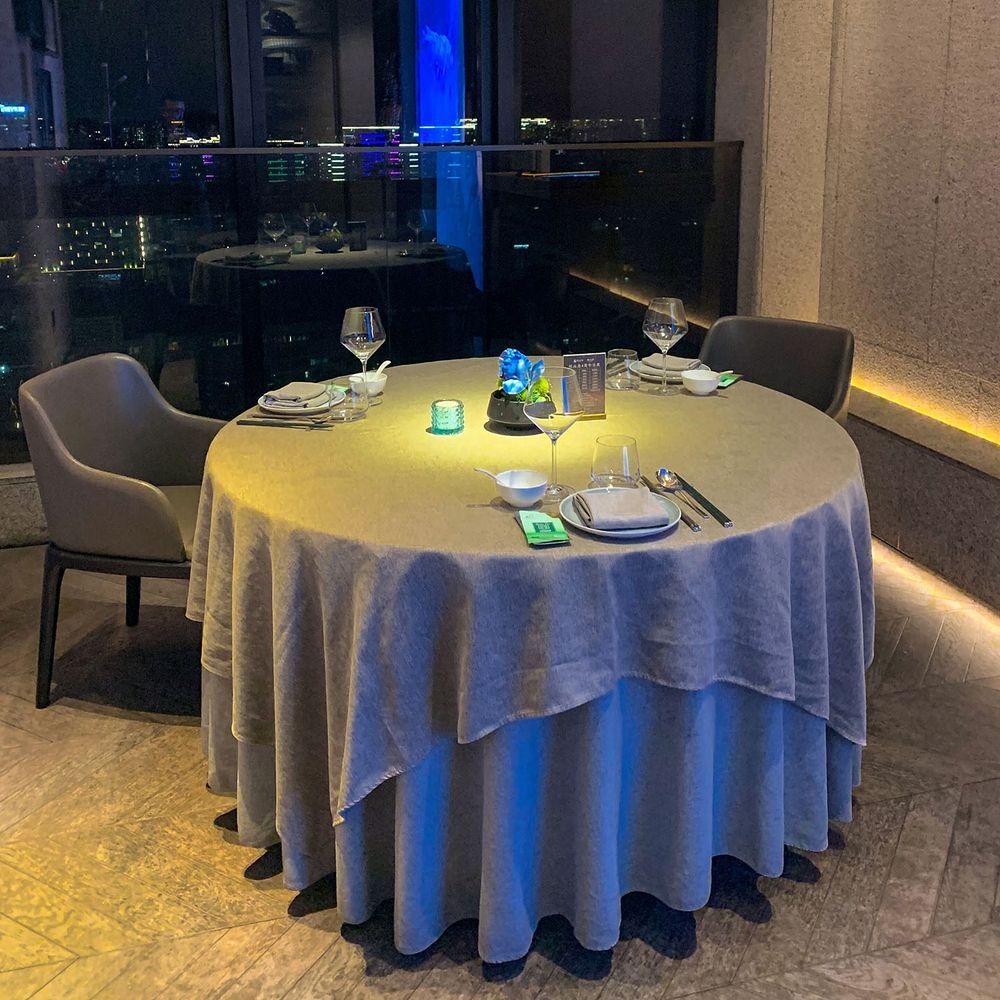
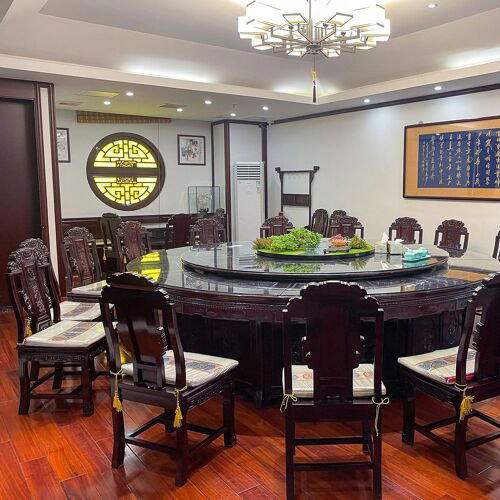
Details
- Quiet
- Cozy
- Elegant
- Classic
- Family
- Group Dining
- Special Occasion
- Garden
- Sake Program
- Local Sourcing
- Mountain
- Garden
- A La Carte
- Vegetarian Friendly
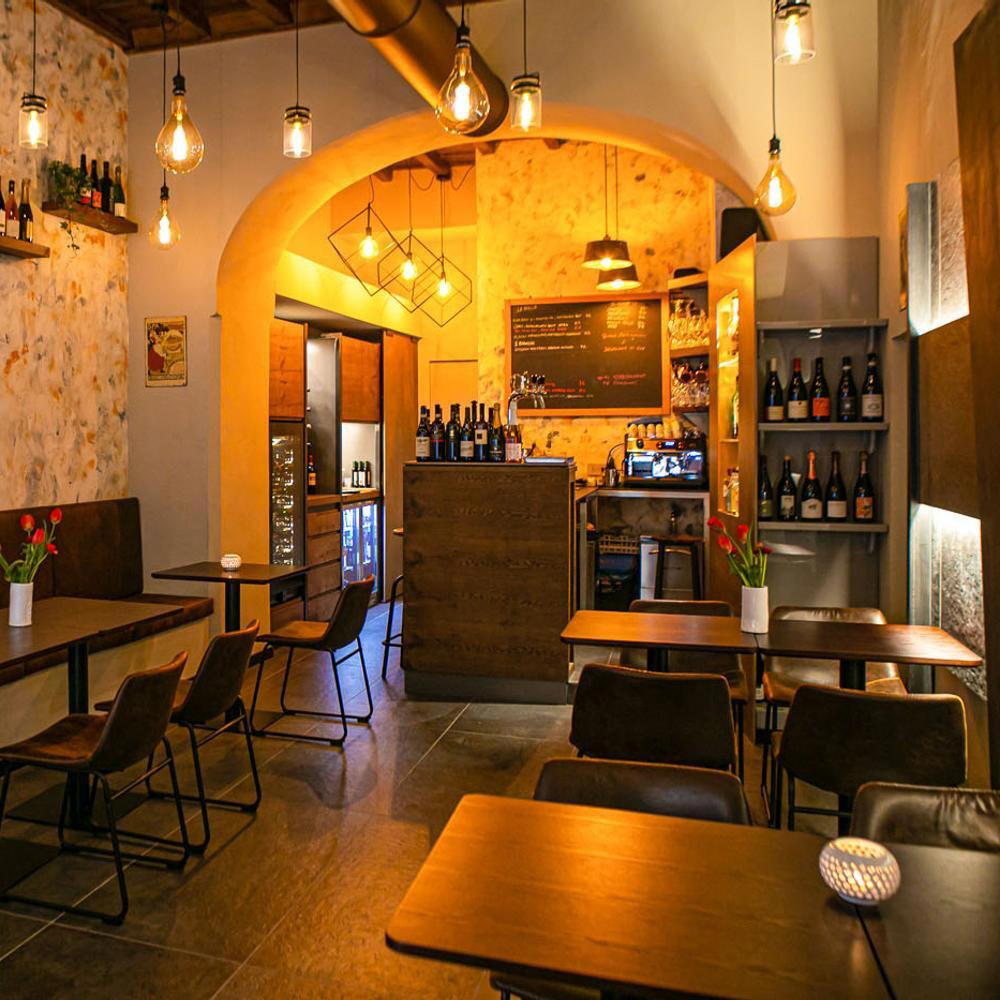
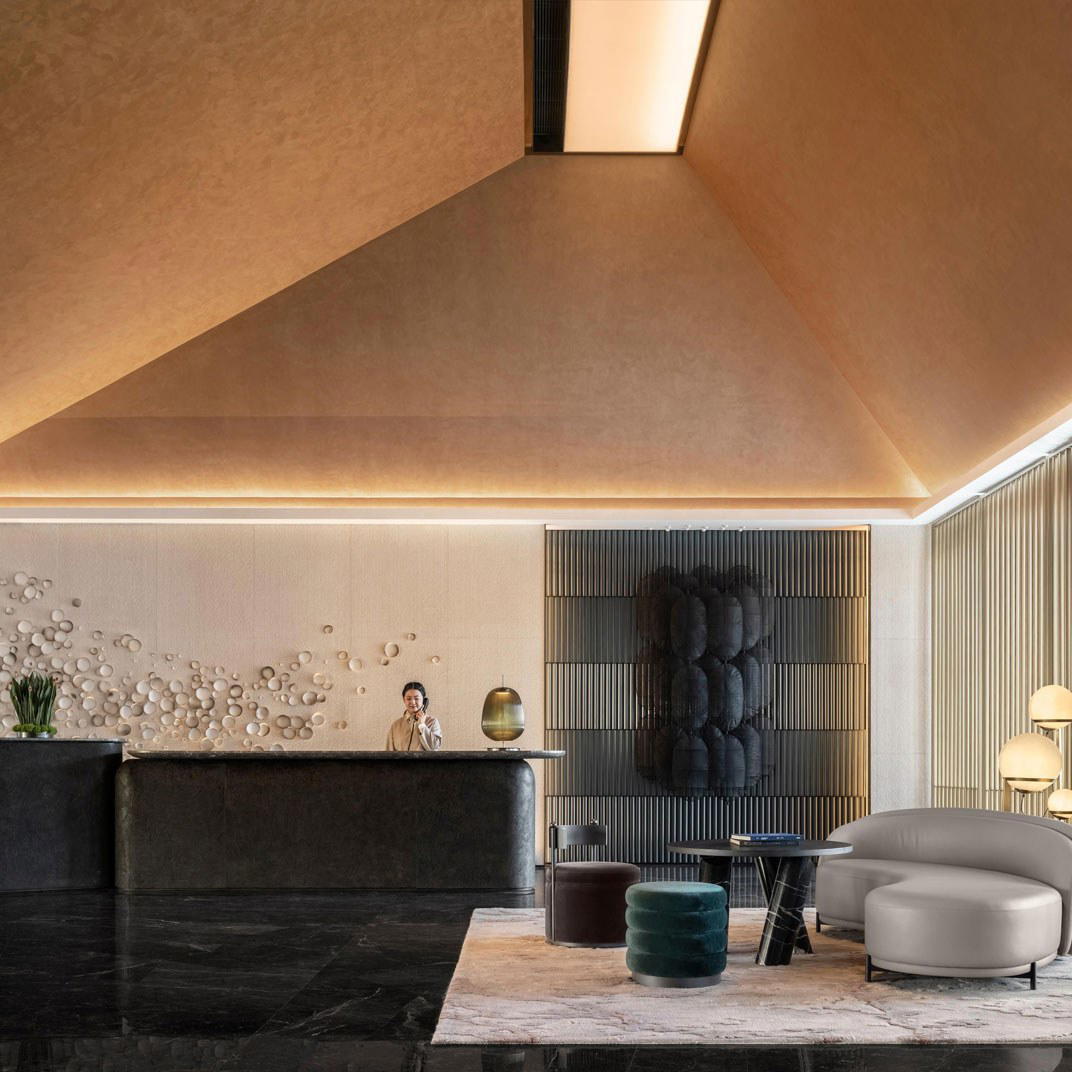
Calm and grounded with traditional Chinese elements, natural materials, wooden tables, and restrained decor echoing the surrounding landscape.