Ton Ton
Situated at 675 Ponce De Leon Ave NE in Atlanta's Ponce City Market corridor, Ton Ton occupies a stretch of the city where independent operators have increasingly defined the dining conversation. Against a field of tasting-menu flagships and ambitious New American programs, Ton Ton represents a different register, one worth understanding in the context of Atlanta's evolving restaurant culture.
- Address
- 675 Ponce De Leon Ave NE, Atlanta, GA 30308
- Phone
- +14048833507
- Website
- tontonramen.com
- Directions
- Get directions

Ponce De Leon and the Shape of Atlanta's Independent Scene
The block of Ponce De Leon Avenue running through Atlanta's Old Fourth Ward and into Midtown has become one of the more telling stretches of the city's restaurant culture. Where a decade ago the corridor leaned heavily on legacy operations and national chains occupying adaptive-reuse shells, the past several years have brought a denser cluster of independent concepts, places defined less by a parent company's playbook and more by the specific decisions of whoever holds the lease. Ton Ton is a restaurant in Atlanta serving Japanese Ramen & Yakitori at 675 Ponce De Leon Ave NE. Ton Ton, at 675 Ponce De Leon Ave NE, sits inside that shift.
The first is the tasting-menu tier: operations like Lazy Betty and Bacchanalia that have built reputations over years of sustained critical attention, often with Michelin consideration as the implicit benchmark. The second lane is smaller, less formal, and harder to categorize, venues that operate without the infrastructure of a destination-dining institution but attract a local following built on consistency and a clear point of view.
The Ponce Corridor as Context
Ponce De Leon Avenue's current character owes something to Ponce City Market's gravitational pull on foot traffic, but particularly interesting operators in the area are not inside the market itself. They are on the street, in storefronts and repurposed buildings that predate the market's renovation and carry a different kind of energy. This is a corridor where Atlanta's sustainability-minded operators have found traction, partly because the neighborhood draws a demographic that asks questions about sourcing, and partly because the density of foot traffic makes a certain kind of transparency commercially viable.
Across American cities, the restaurants that have most seriously committed to ethical sourcing and waste reduction in recent years have tended not to be the highest-profile tasting rooms. Operations like Blue Hill at Stone Barns in Tarrytown or Single Thread Farm in Healdsburg have made farm provenance a central part of their editorial identity, but those are destination properties with the infrastructure to support it. The more common pattern is smaller urban operators quietly building supplier relationships and adjusting menus around what those relationships produce, a less legible story but often a more durable one.
Sustainability as Operational Logic, Not Marketing Position
The sustainability conversation in American restaurants has matured past the point where listing a farm on a menu constitutes a meaningful commitment. What separates operators with genuine environmental programs from those performing the aesthetic is usually visible in operational decisions: what happens to trim and secondary cuts, how frequently the menu moves in response to what suppliers actually have, whether the kitchen has reduced single-use packaging in its back-of-house workflow. These are unglamorous questions, but they are the ones that distinguish a restaurant serious about its footprint from one that has added a locally-sourced callout to the bottom of a static menu.
Atlanta's food scene has a number of operators working seriously in this space. Hayakawa in the Japanese segment has drawn attention for its precision and sourcing rigor. Mujō operates at the high end of the omakase format with similar discipline around ingredient selection. At the New American tier, Atlas represents the kind of formal, ingredient-forward program that uses provenance as a structural element of the menu. The Ponce corridor sits in a slightly different register from all of these, more neighborhood-facing and less oriented toward destination dining.
What the Broader Field Suggests
Nationally, the restaurants that have built particularly durable reputations around ethical sourcing have typically done so by making it an operational constraint rather than an identity claim. Providence in Los Angeles has used its seafood sourcing as a structural discipline. Addison in San Diego has built a farm-to-table program that informs the menu at the tasting level. Even The French Laundry in Napa, operating at a completely different price point, has made its kitchen garden a genuine source of ingredients rather than a photogenic backdrop. The common thread is that sustainability functions as a constraint that shapes decisions, not a story added after the fact.
Smaller urban operators on corridors like Ponce De Leon tend to demonstrate this through menu frequency and supplier specificity. When a restaurant changes its menu weekly because its primary vegetable supplier's harvest dictated the change, that is a different posture from one that updates seasonally with produce sourced from a regional broadline distributor. The former requires more operational flexibility and a kitchen team comfortable with improvisation; the latter is easier to staff and market but represents a shallower commitment.
Peer Context and Practical Positioning
Atlanta's upper tier of independent dining has consolidate around a handful of formats. The multi-course tasting menu, often prix-fixe at a single price point, dominates the conversation at the level where Michelin and James Beard recognition circulates. Below that tier, the city's most interesting operators tend to run shorter menus with more flexibility, pricing that allows for repeat visits rather than special-occasion positioning, and a relationship with their neighborhood that the tasting-room format structurally discourages. Ton Ton's address places it in this second category, on a corridor where the strongest operators have built local followings before worrying about destination traffic.
For readers considering the Ponce stretch alongside Atlanta's more decorated options, the comparison set is less about direct competition and more about what kind of dining experience the visit is meant to produce. Lazy Betty or Bacchanalia answer a different question than a neighborhood operator on Ponce De Leon. The former are occasions; the latter are parts of a neighborhood's regular rhythm. Both matter.
Peer Comparison: Ponce Corridor vs. Atlanta's Tasting-Menu Tier
| Venue | Format | Price Tier | Booking Lead Time | Sustainability Signal |
|---|---|---|---|---|
| Ton Ton | Neighborhood dining | Not confirmed | Not confirmed | Address-consistent with sourcing-focused operators |
| Lazy Betty | Tasting menu | $$$$ | Weeks in advance | Ingredient-forward, seasonal |
| Bacchanalia | New American, tasting | $$$$ | Weeks in advance | Established farm relationships |
| Atlas | Modern European, formal | $$$$ | Weeks in advance | Provenance-led menu |
Planning a Visit
The restaurant is closed. The address at 675 Ponce De Leon Ave NE places it within easy reach of the Old Fourth Ward and Midtown.
Compact Comparison
Comparable venues nearby, for context on price, style, and recognition.
| Venue | Cuisine | Price | Notes |
|---|---|---|---|
| Ton TonThis venue — the venue you are viewing | Not listed | $$ | Not listed |
| Starfish | Not listed | $$ | Peachtree Memorial, Japanese Sushi & Sake Bar |
| Sushi Itto | Toco Hills, Japanese Sushi | $$ | Not listed |
| Ela | Not listed | $$ | Virginia-Highland, Modern Pan-Mediterranean |
| Holeman and Finch | Midtown, Modern American Gastropub | $$ | Not listed |
| Porfirios | Midtown, Authentic Mexican | $$ | Not listed |



At a Glance
- Modern
- Trendy
- Casual Hangout
- After Work
- Open Kitchen
- Sake Program
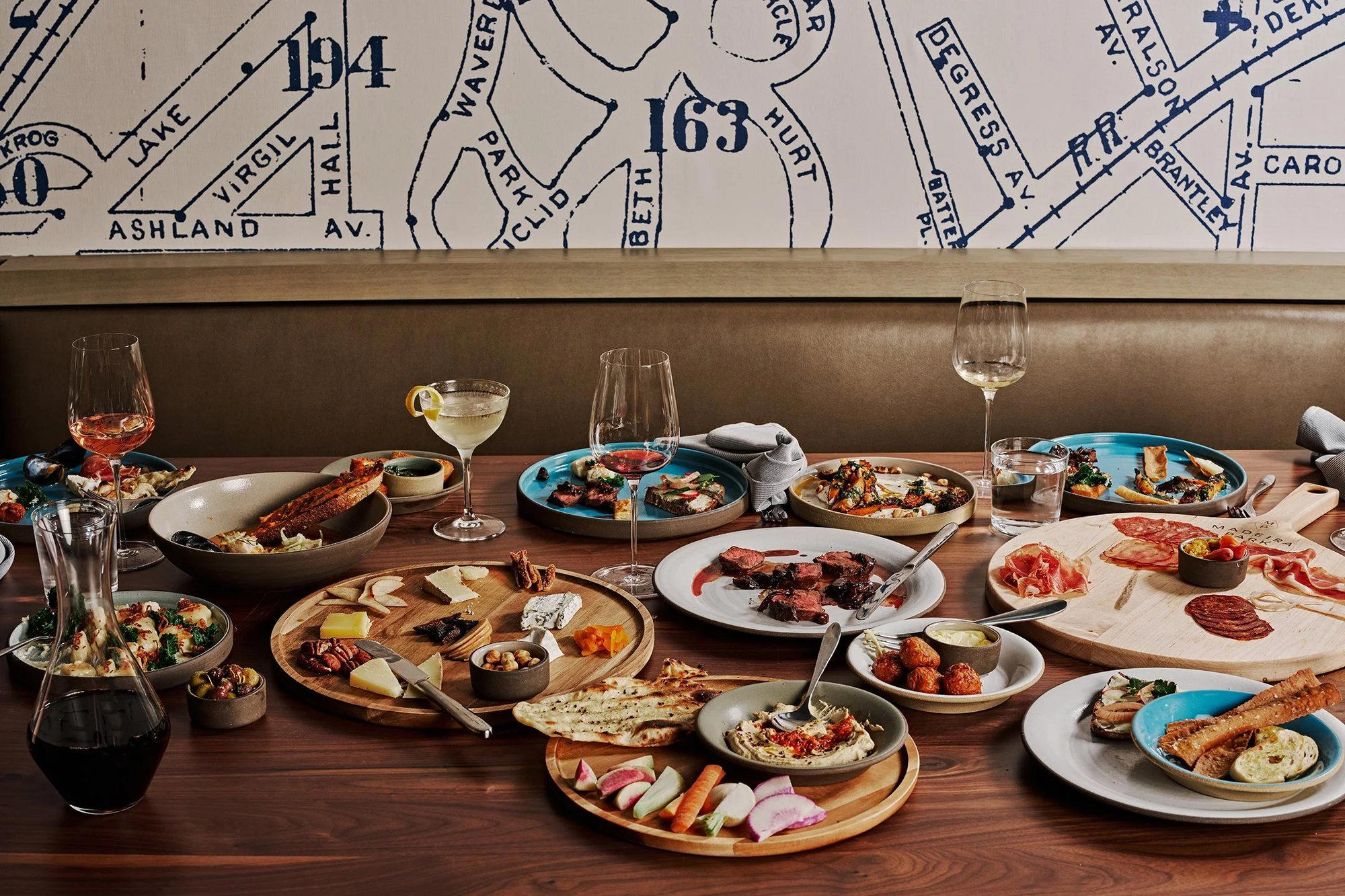
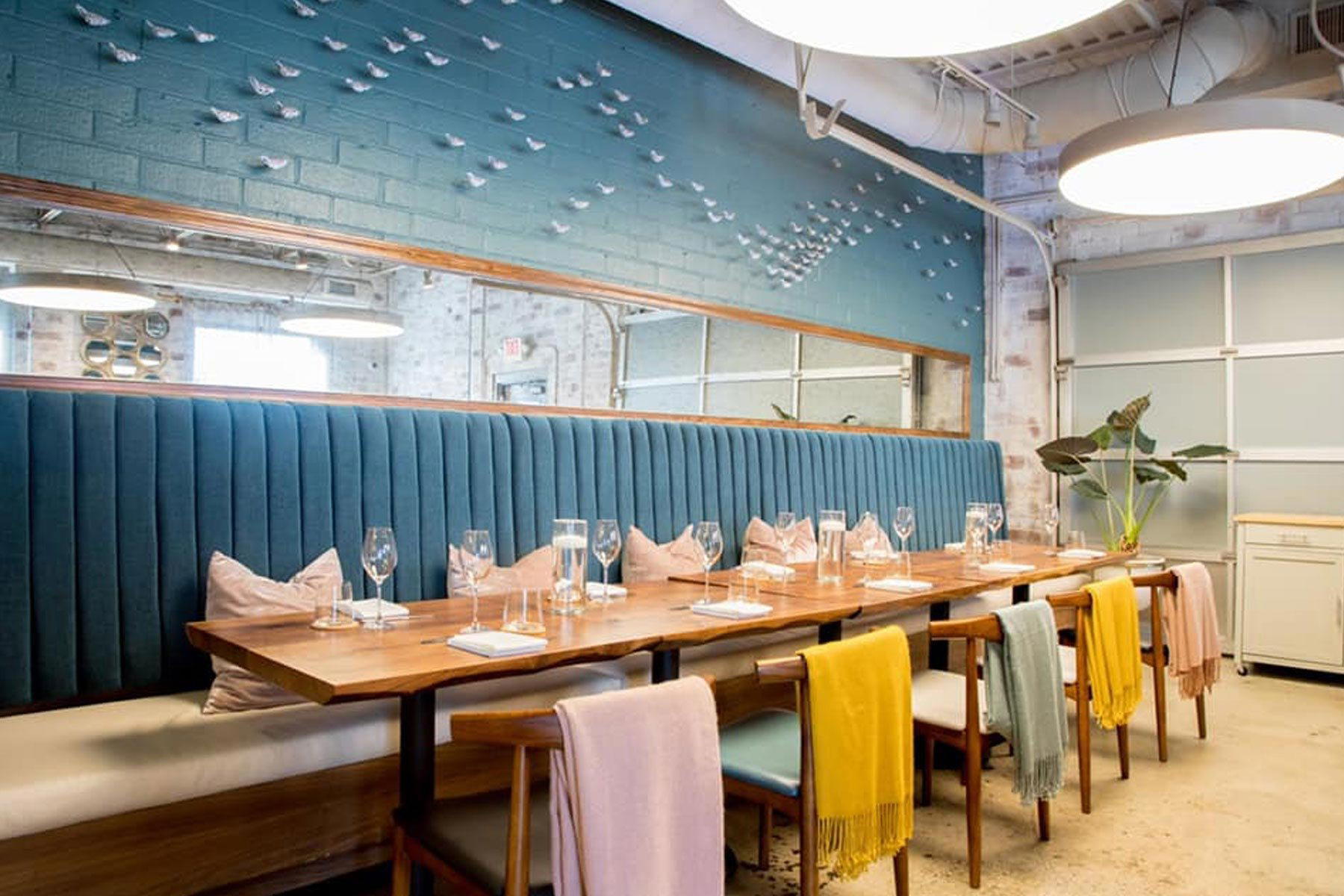
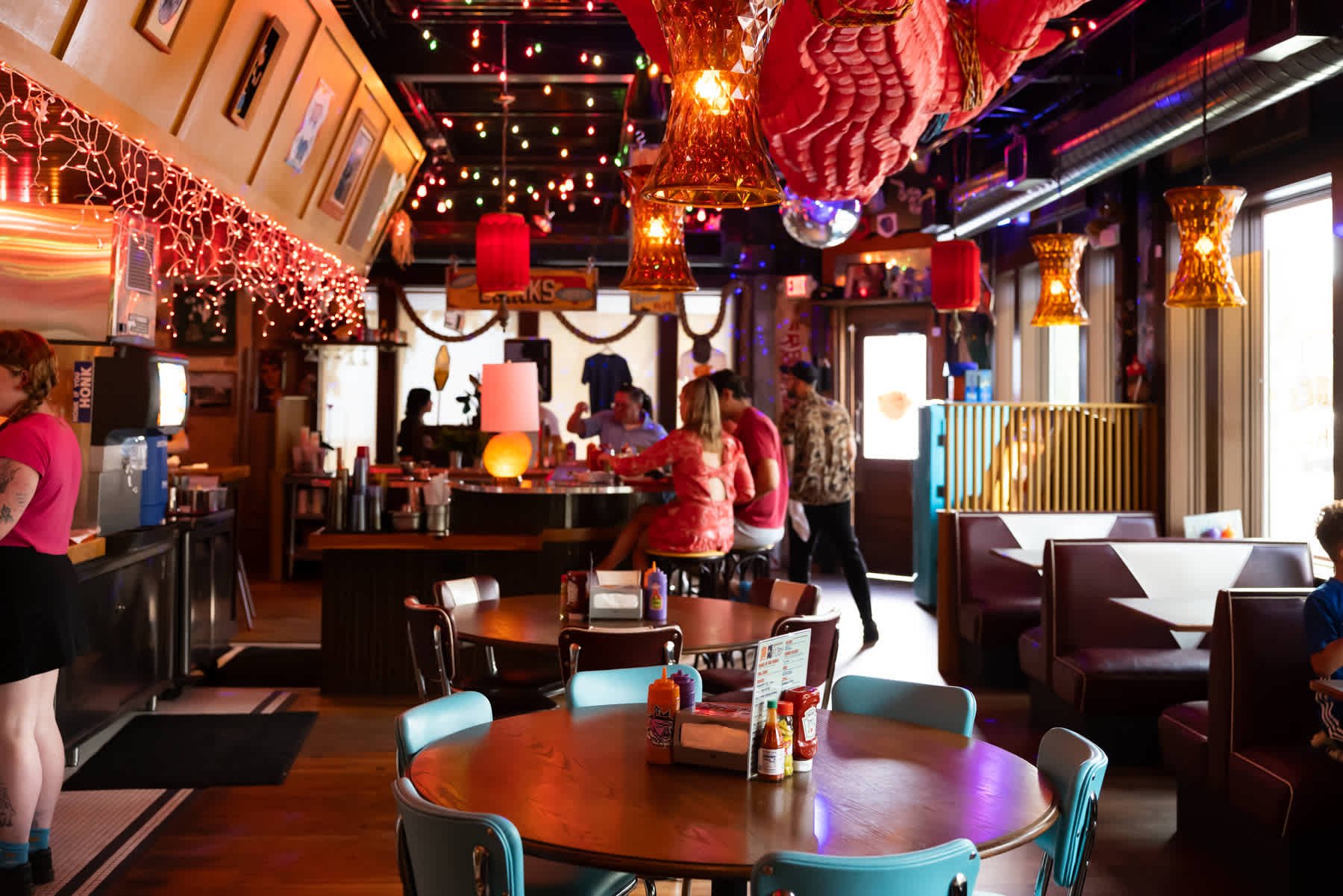
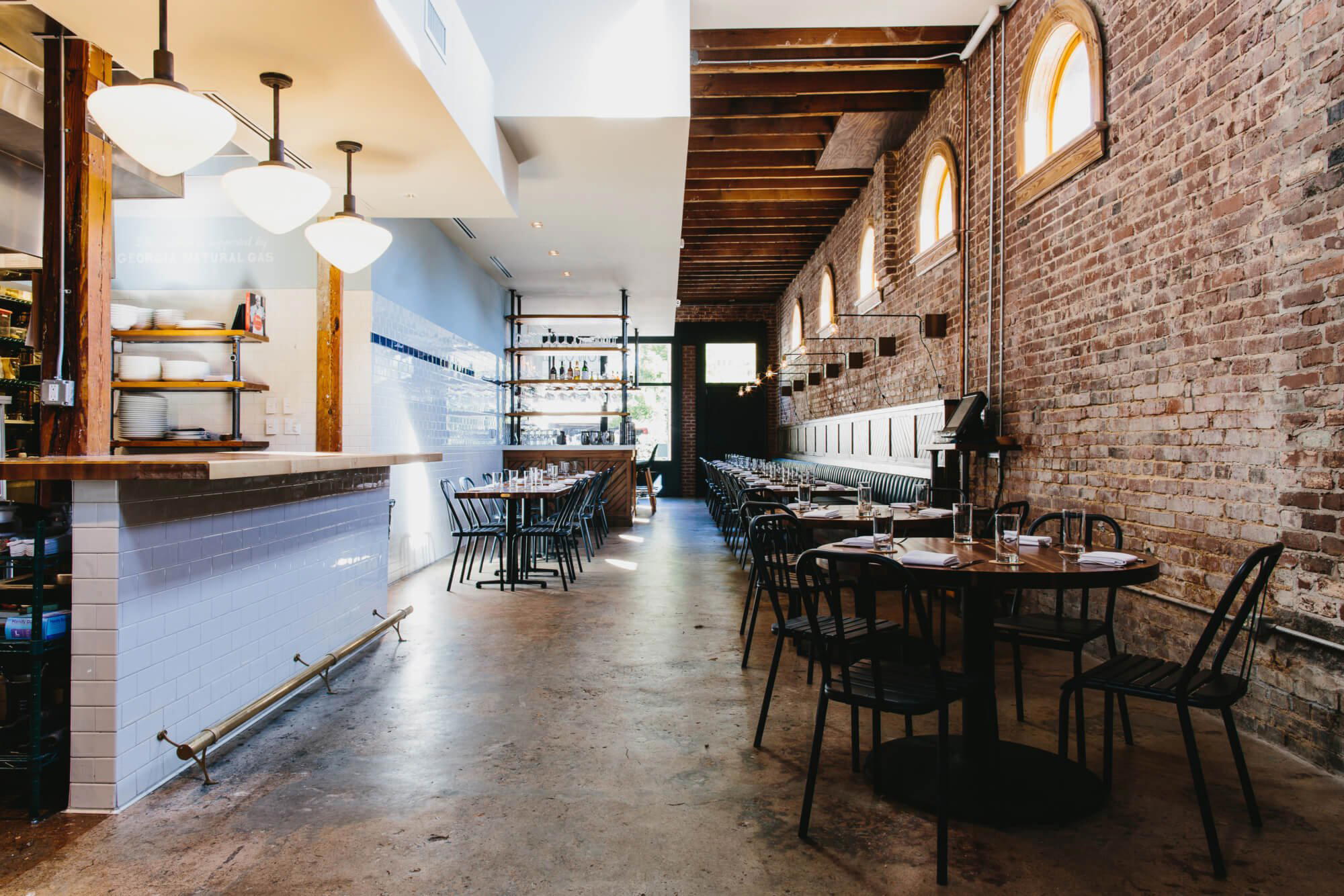
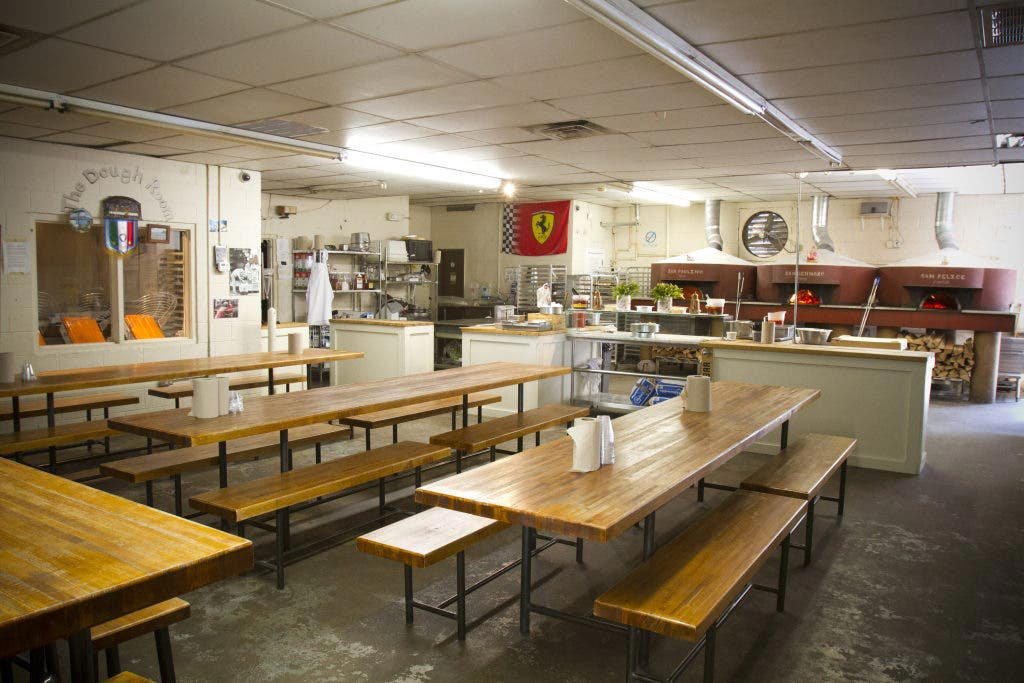
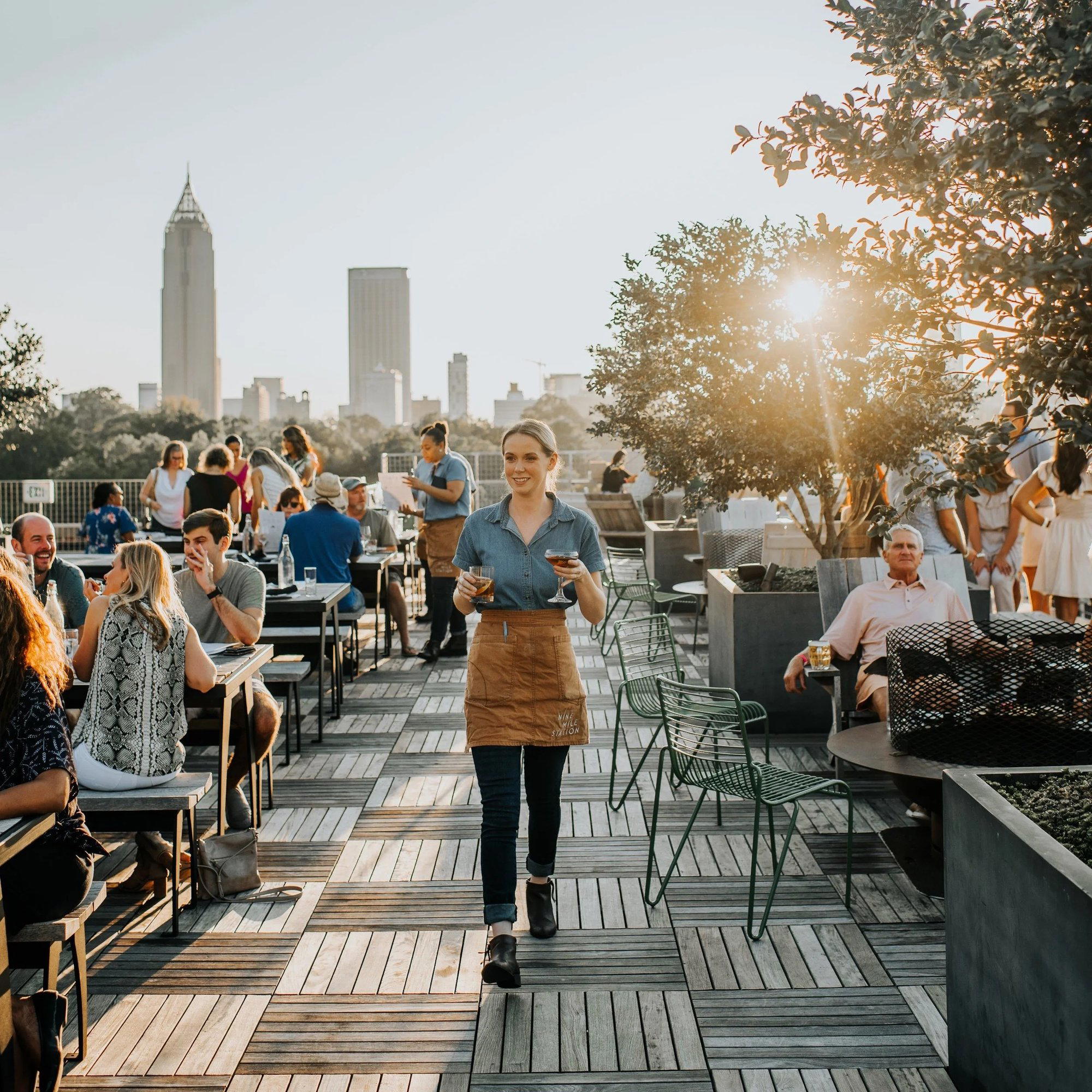
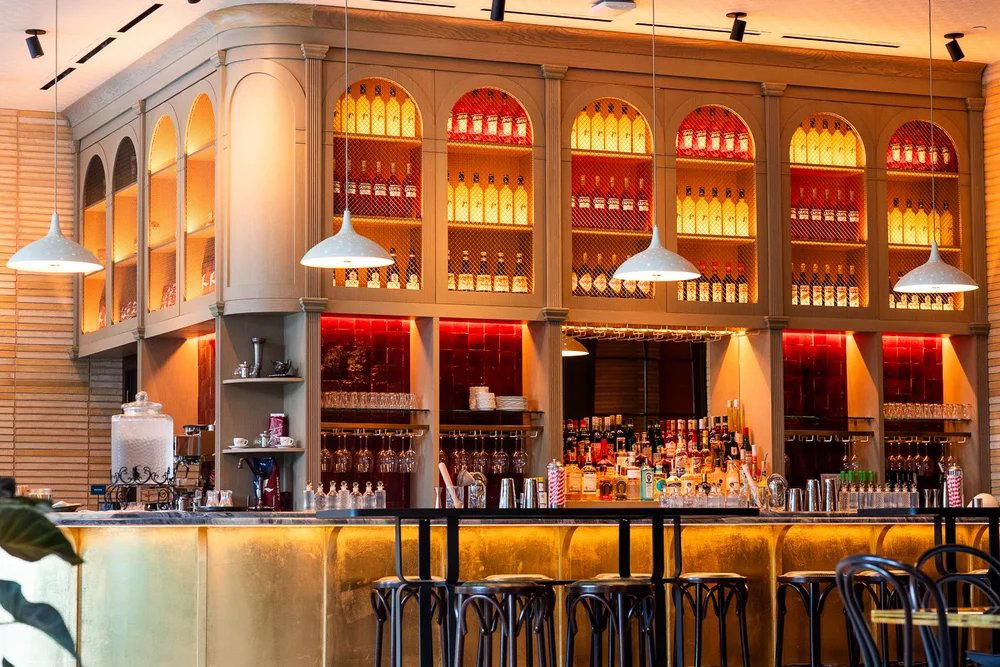
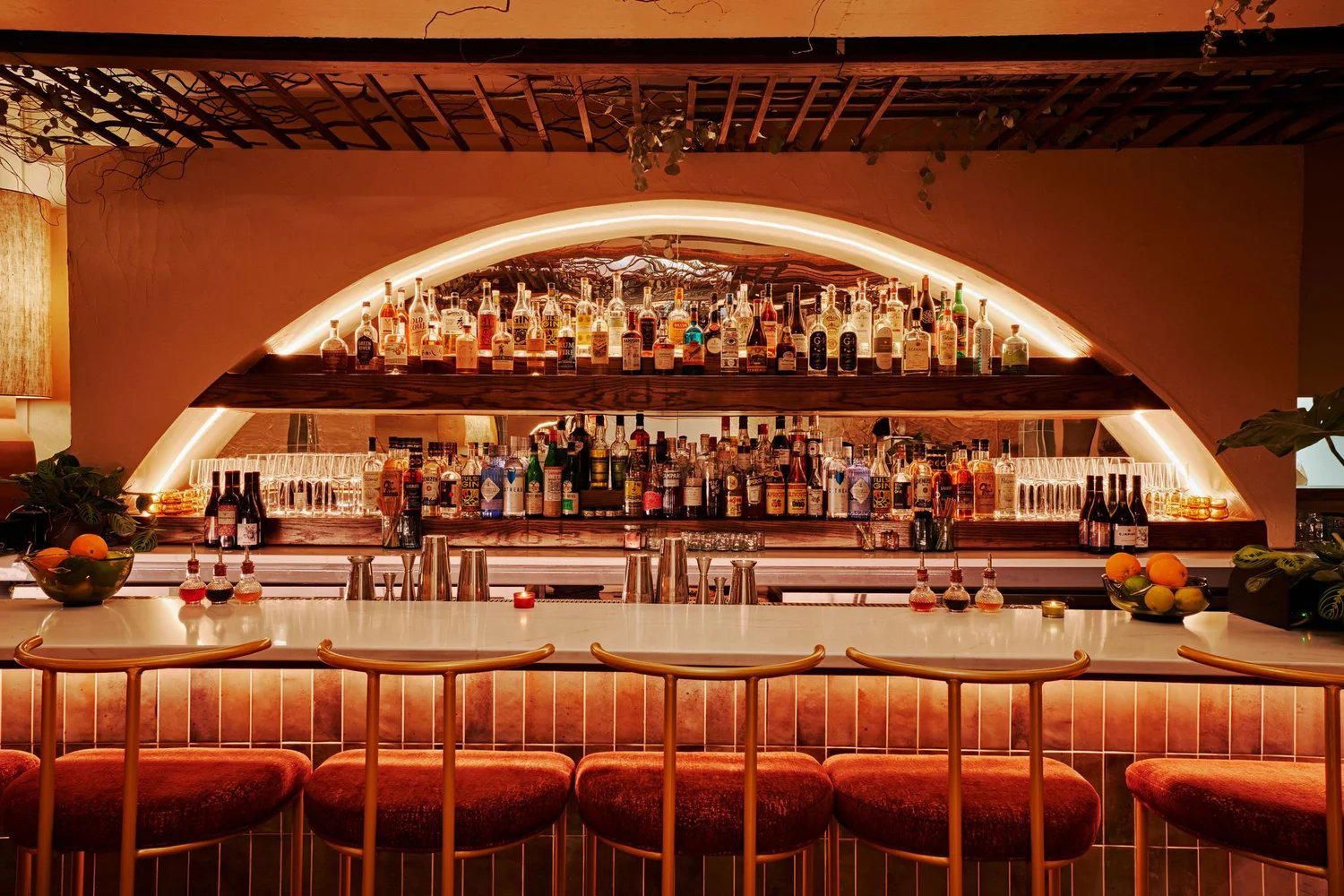
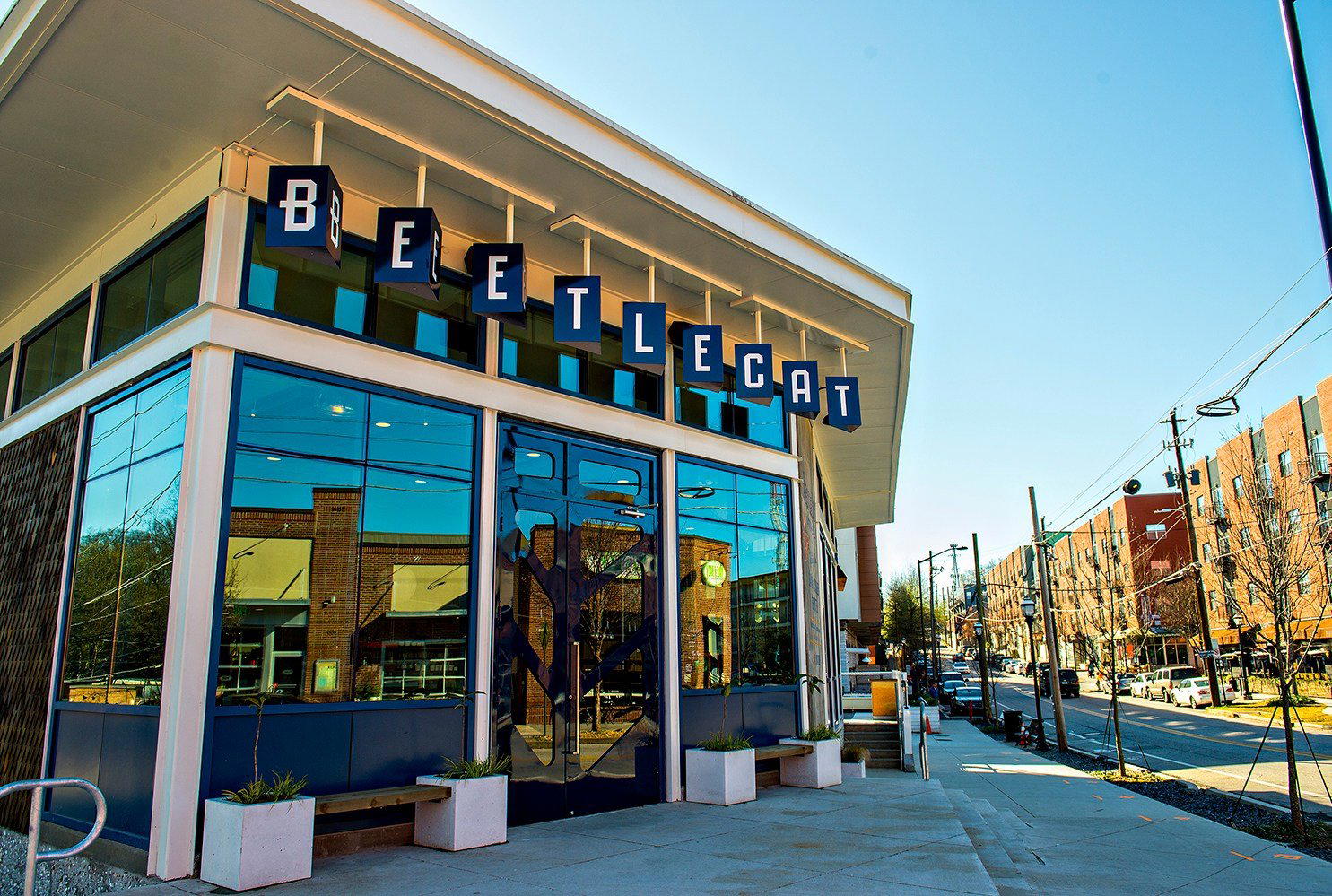
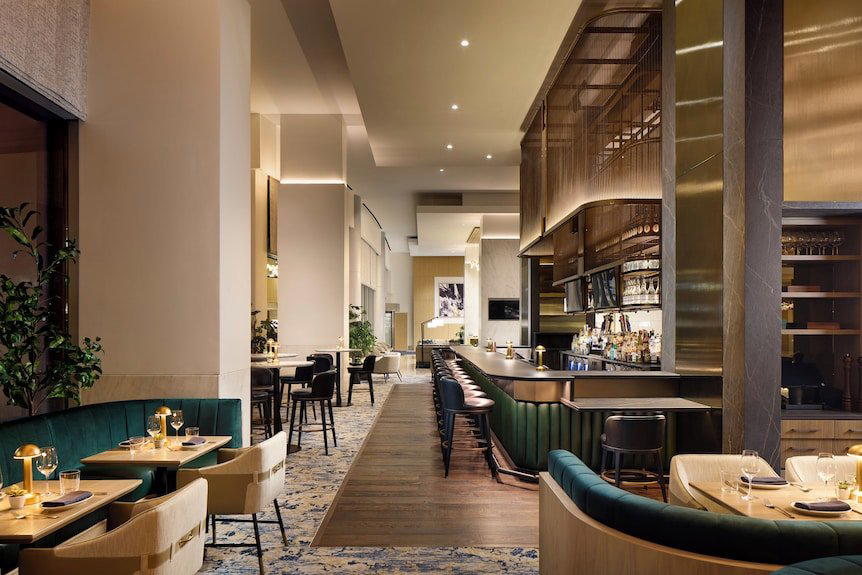
Modern mid-century Japanese design featuring natural wood elements for a warm atmosphere.