Starfish
On Peachtree Road in Buckhead, Starfish occupies a corner of Atlanta's seafood dining scene where the gap between lunch and dinner service tells its own story. Positioned alongside the city's fine-dining corridor, it draws comparisons to the serious fish-focused restaurants that have defined coastal American cuisine, while operating on its own terms within one of Atlanta's most competitive dining stretches.
Pearl is the En Primeur Club membership app — saves, bookings, and concierge access live there. Same editors, same standards.
- Address
- 2255 Peachtree Rd F, Atlanta, GA 30309
- Phone
- +14043500799
- Website
- order.store
- Directions
- Get directions
 Saves & bookings on Pearl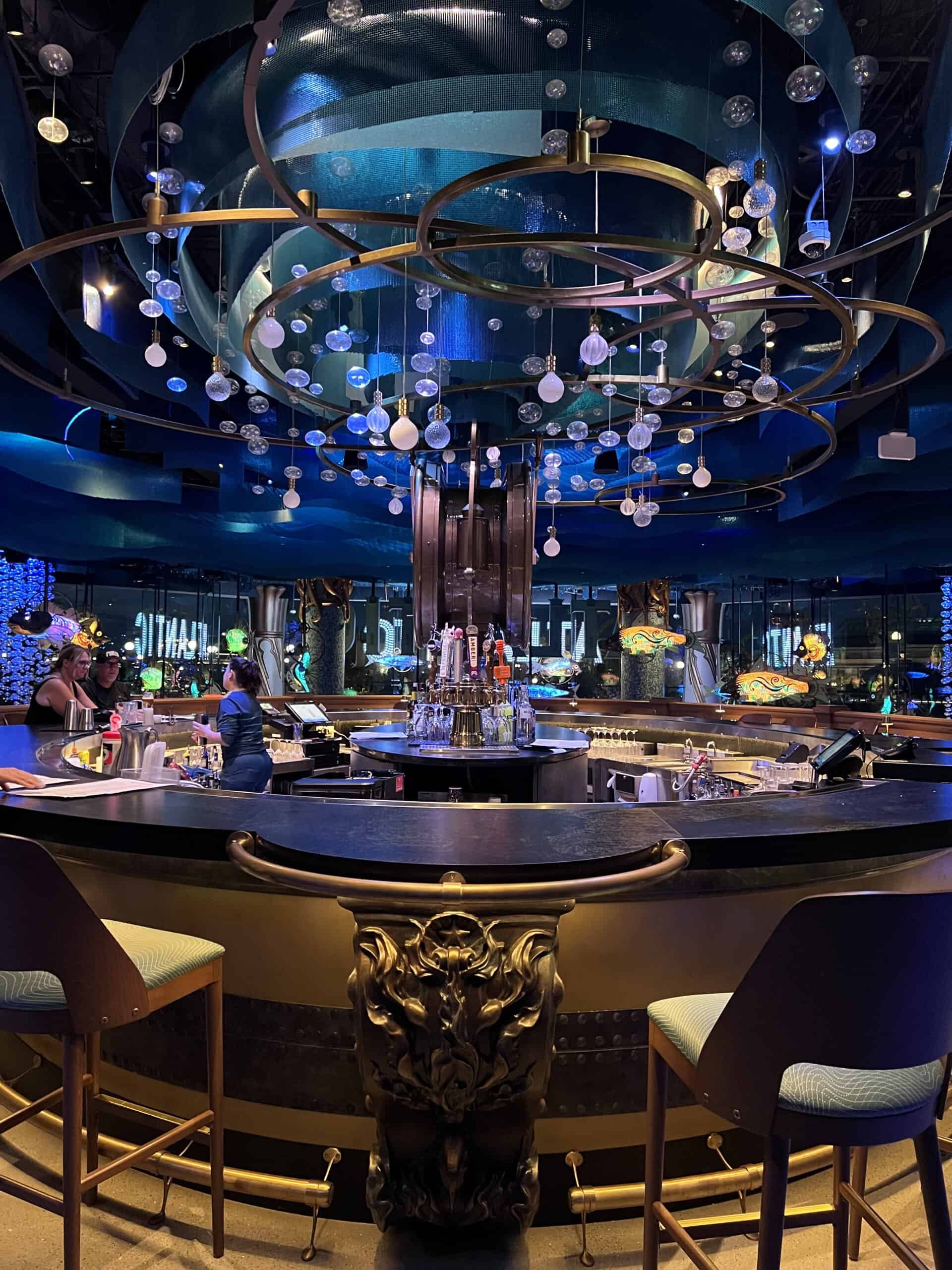
Peachtree Road and the Weight of the Address
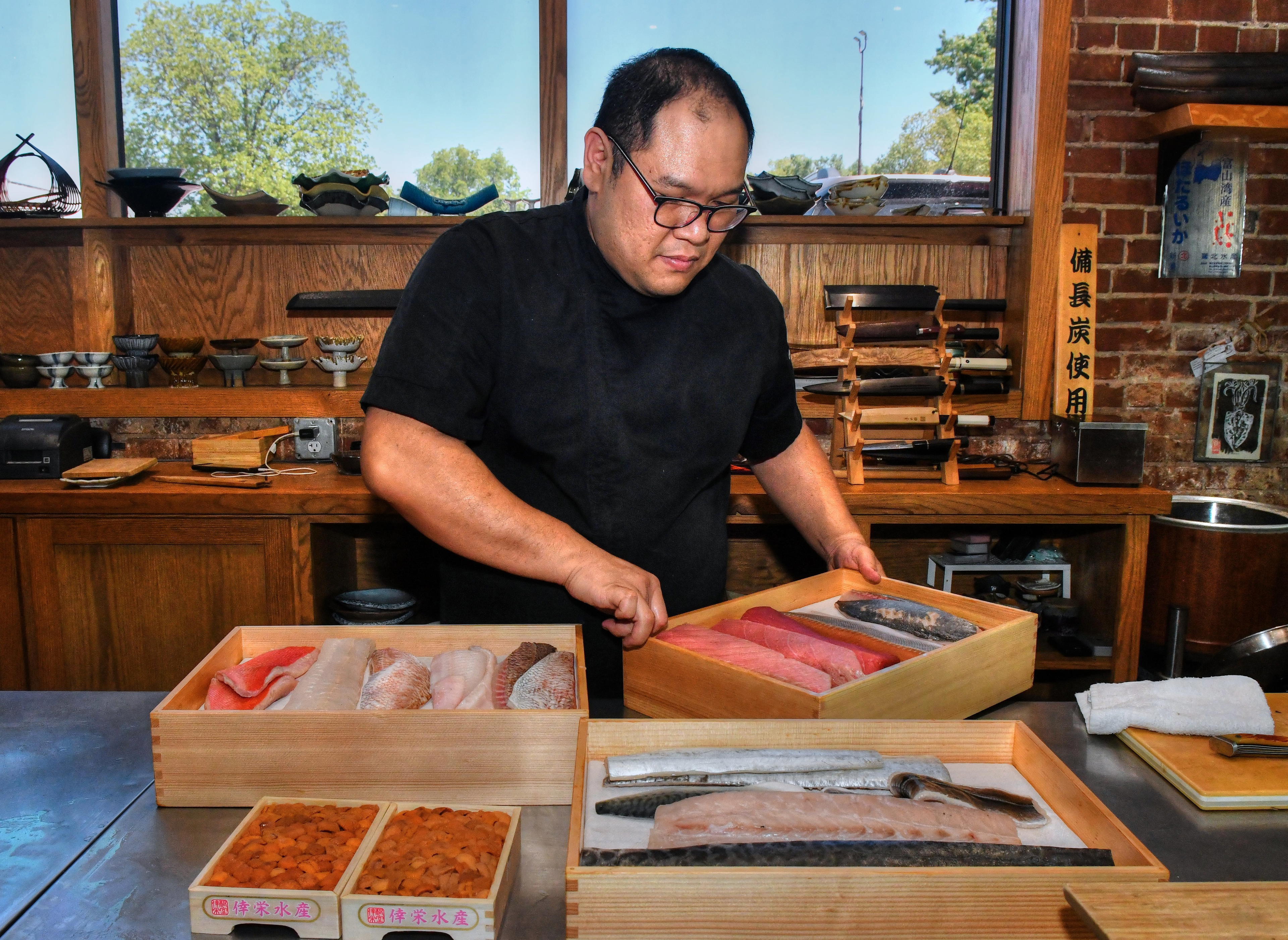
Buckhead's dining corridor along Peachtree Road carries a particular kind of pressure. This is the stretch where Atlanta's fine-dining expectations are highest, where the comparison set includes Bacchanalia and Atlas, and where a restaurant's positioning in the room tells you almost as much as what arrives at the table. Starfish is a Japanese Sushi & Sake Bar at 2255 Peachtree Rd F, Atlanta, GA 30309, with. The address alone signals a certain intent: this is not a neighborhood convenience but a deliberate choice of competitive terrain.
Seafood-focused restaurants in American cities have long operated in a distinct register from their land-based counterparts. The category carries the expectation of technical precision, supply-chain discipline, and a menu architecture that shifts with availability rather than month. In Atlanta, a landlocked city roughly five hours from the Gulf and seven from the Atlantic, that expectation carries extra weight. Getting fish right here requires more logistical rigor than it does in coastal markets, and the restaurants that do it well tend to earn a disproportionate share of local loyalty.
The Lunch and Dinner Divide
Among the questions worth asking about any serious restaurant is how different the two services actually are. The lunch-versus-dinner divide is one of the more reliable ways to take a restaurant's temperature. At the summit end of American dining, from Le Bernardin in New York City to The French Laundry in Napa, lunch has historically offered either a compressed version of the full experience at a marginally lower price point, or a genuinely distinct proposition that suits a different kind of diner. The same logic applies further down the formality spectrum.
For a seafood restaurant on a high-traffic urban corridor, the daytime service tends to attract a different constituency: business lunchers, neighborhood regulars, visitors working through a short itinerary. The evening service draws people who have planned around the meal. Those two audiences make different demands, and the kitchen's response to that shift, whether through a tiered menu, adjusted pacing, or a different room energy, is often where a restaurant's character becomes most legible. At Starfish, the structural logic of that divide still applies and remains relevant to how a first visit might be timed.
As a general principle across American seafood dining at this level, lunch tends to represent the more accessible entry point, both in terms of wait times and price-to-dish ratio, while dinner consolidates the fuller expression of what the kitchen is capable of. Visitors to Atlanta with limited nights who want to sample across the city's range, including stops at Lazy Betty or Hayakawa, often find that a weekday lunch at a Buckhead destination like Starfish fits the schedule more efficiently than stacking reservations on consecutive evenings.
Atlanta's Fish-Forward Tier
The broader context for a restaurant like Starfish is Atlanta's gradual maturation as a serious dining city. Over the past decade, the city has moved from being defined primarily by its barbecue and Southern comfort traditions toward a more diversified fine-dining scene. That shift brought serious Japanese fish work, as seen at Mujō, alongside contemporary American formats that take sourcing as a primary editorial statement. Fish-focused American restaurants occupy their own niche within that expansion, one that sits closer to the Providence in Los Angeles or Addison in San Diego end of the spectrum than to the modernist tasting-menu format represented by Alinea in Chicago.
In national terms, the restaurants that have defined serious seafood dining in American cities share certain characteristics: tight seasonal menus, sourcing transparency, and a kitchen approach that treats the fish as the point rather than the vehicle. That framework, applied in Atlanta, puts a premium on relationships with Gulf suppliers and on the kind of daily adjustment that coastal restaurants manage more easily. Whether Starfish operates at that level of supply-chain discipline is something a current visit would confirm, but the address and competitive positioning suggest an aspiration in that direction.
The broader American seafood dining scene, from Blue Hill at Stone Barns in Tarrytown to Single Thread Farm in Healdsburg, has increasingly framed fish as an extension of agricultural and ecological thinking rather than simply a protein category. That shift in framing has filtered into mid-tier and upper-tier seafood dining across American cities, including Atlanta, even where the execution remains more classically structured than at those destination properties.
Where Starfish Sits in the Atlanta Conversation
Atlanta's $$$$ dining tier, which includes restaurants like Lazy Betty and long-standing fixtures such as Bacchanalia, has developed a recognizable character: technically accomplished cooking, room aesthetics that lean toward understated sophistication, and service that takes the guest experience seriously without the formality of older fine-dining conventions. A Peachtree Road seafood restaurant operating at that level slots into a competitive set where the comparison is less about price and more about what the kitchen is saying with the ingredients in front of it.
For visitors cross-referencing Atlanta against other American dining cities, the useful comparisons are with seafood-forward destinations like Emeril's in New Orleans or The Inn at Little Washington in Washington, where the fish program sits within a broader American fine-dining context rather than specializing narrowly. That positioning tends to appeal to diners who want serious seafood without committing to a format that makes fish the only subject of the evening.
Know Before You Go
- Address: 2255 Peachtree Rd F, Atlanta, GA 30309
- Neighbourhood: Buckhead, along Atlanta's primary fine-dining corridor
- Booking: Reservations are recommended
- Timing note: Monday through Friday, Starfish is open 3 to 10 PM; Saturday and Sunday, 4 to 10 PM
- Peer context: Sits on the same stretch as Atlanta's most competitive fine-dining addresses; plan adjacent reservations accordingly
The Quick Read
Comparable venues nearby, for context on price, style, and recognition.
| Venue | Cuisine | Price | Notes |
|---|---|---|---|
| StarfishThis venue — the venue you are viewing | Not listed | $$ | Not listed |
| Nakato | Not listed | $$$ | Cheshire Bridge, Authentic Japanese Teppanyaki & Sushi |
| Carolyn's Gourmet Cafe | Not listed | $$ | Midtown, American Sandwiches & Breakfast Cafe |
| The Big Ketch Buckhead | Buckhead, Coastal Seafood | $$ | Not listed |
| Ishin | Midtown, Modern Japanese Omakase | $$$$ | Not listed |
| Kale Me Crazy | Inman Park, Organic Superfood Café | $$ | Not listed |

At a Glance
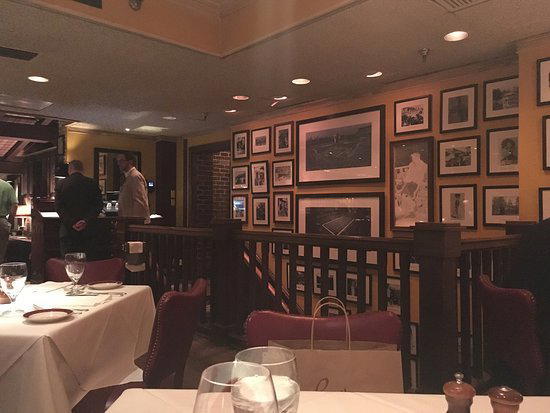
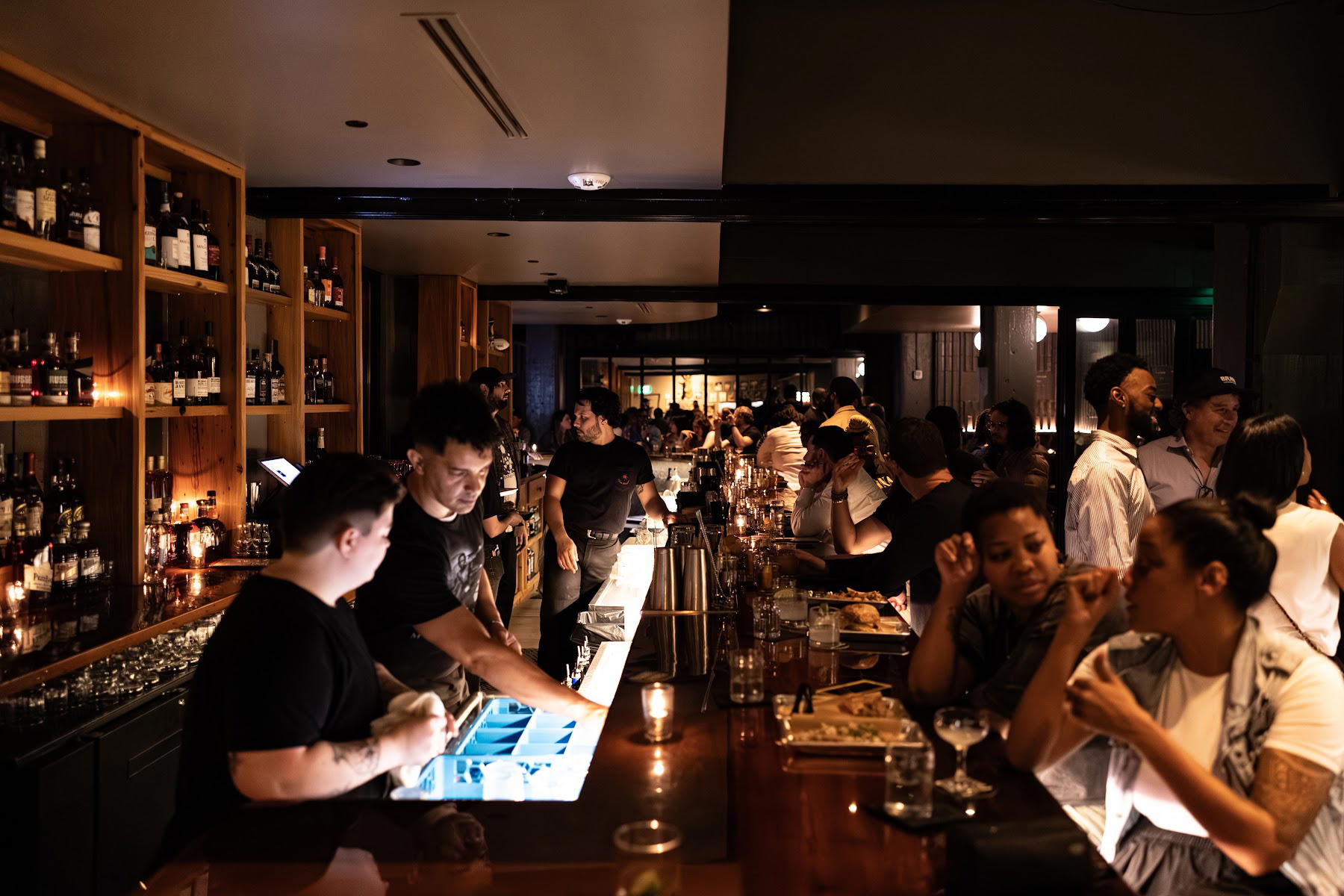
- Romantic
- Intimate
- Cozy
- Date Night
- Extensive Wine List
Current opening hours
- Monday
- 3–10 PM
- Tuesday
- 3–10 PM
- Wednesday
- 3–10 PM
- Thursday
- 3–10 PM
- Friday
- 3–10 PM
- Saturday
- 4–10 PM
- Sunday
- 4–10 PM
Hours can change for holidays and private events. Last verified .
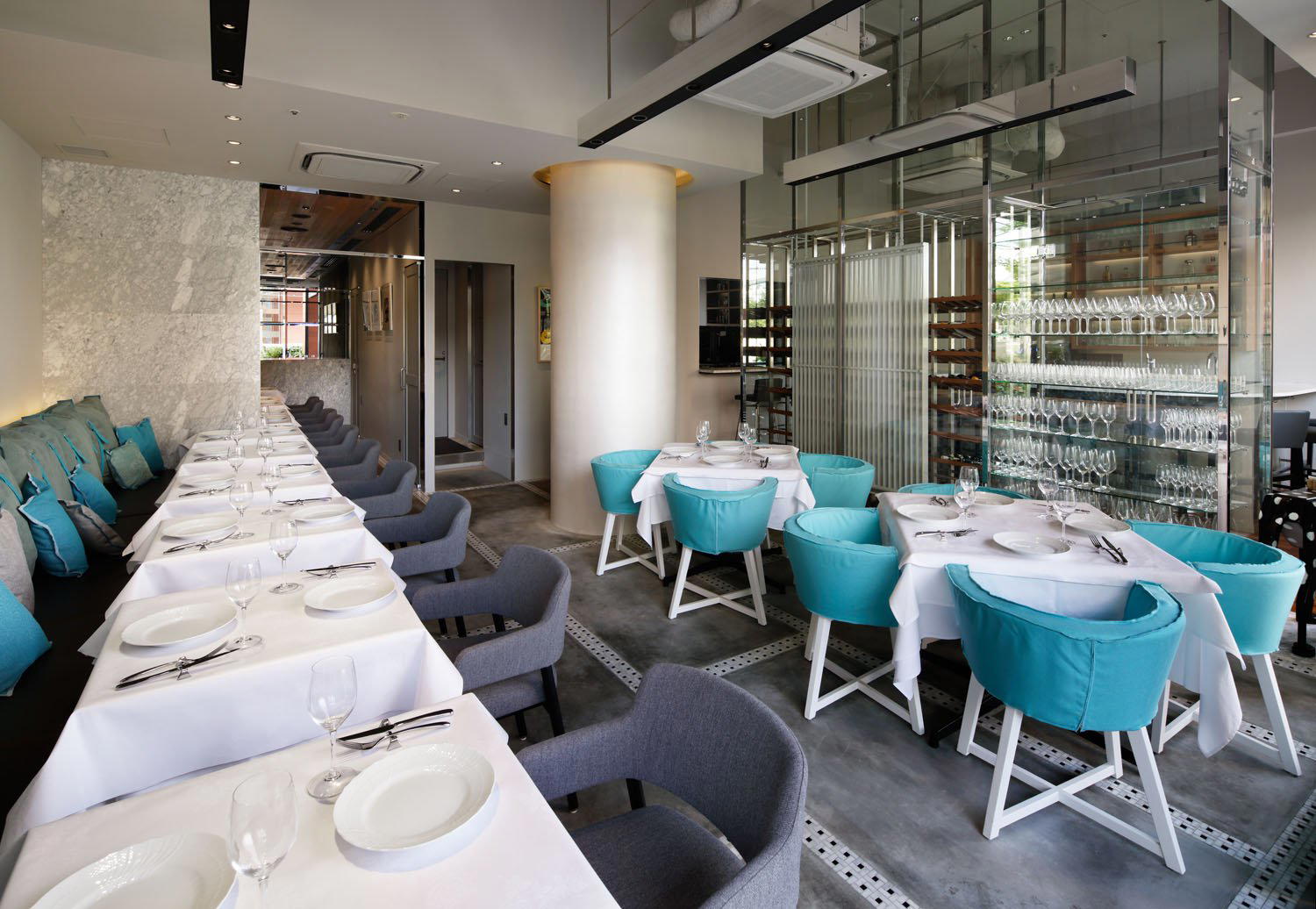
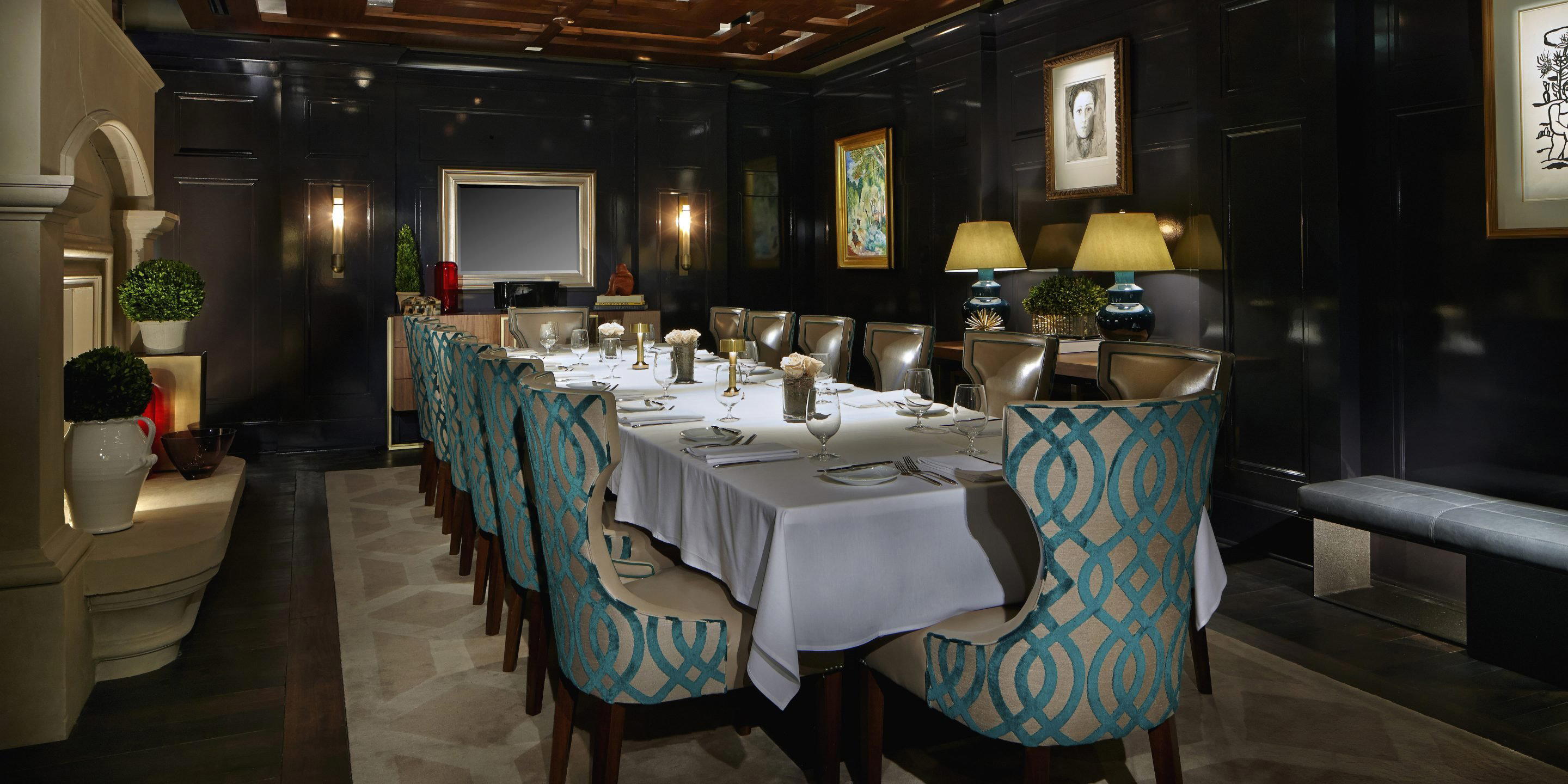
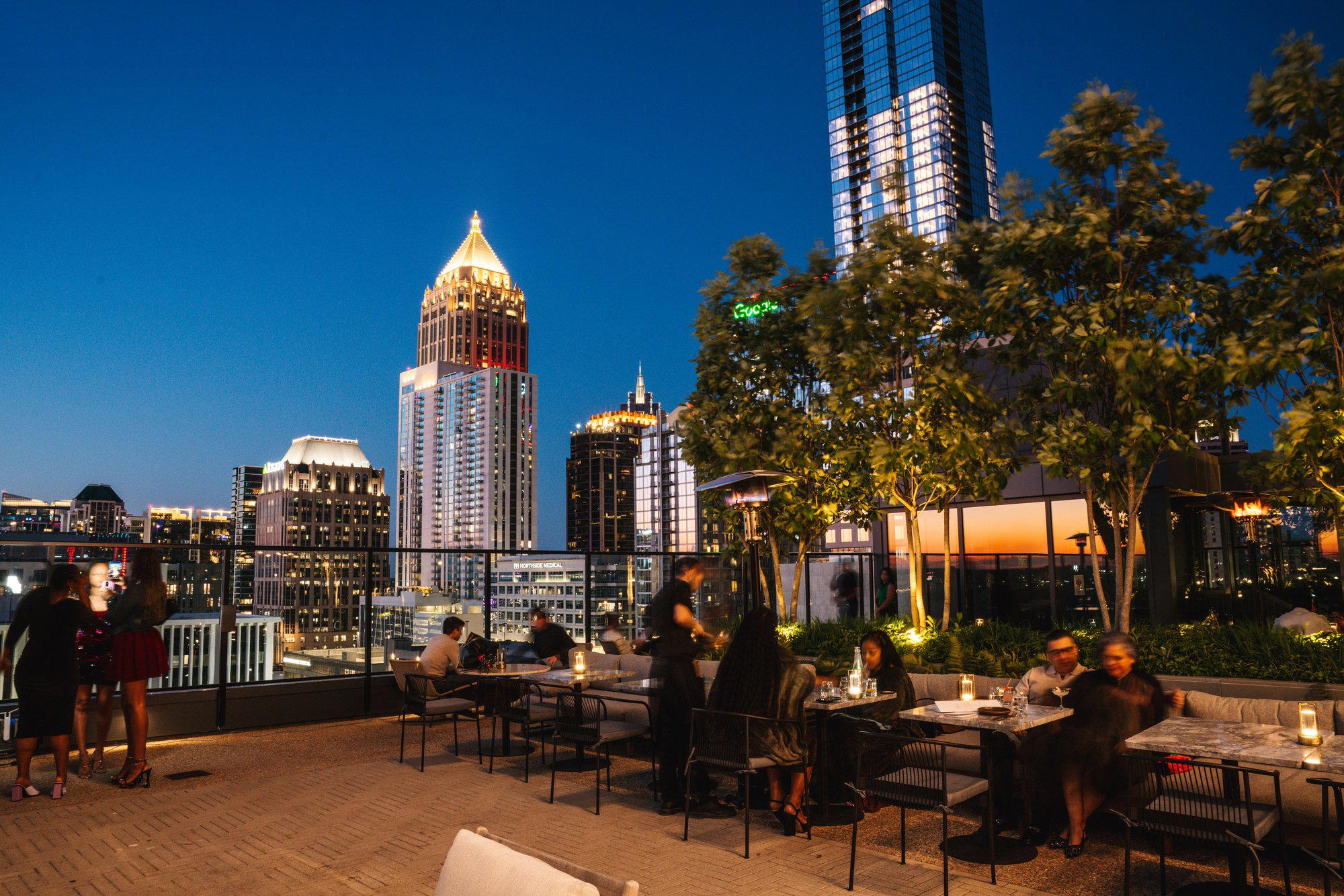
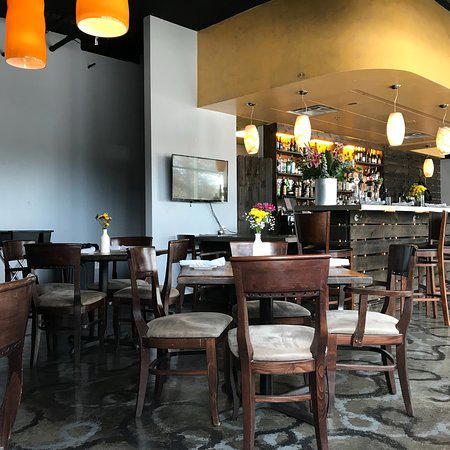
Dim lighting with candles creating a romantic and intimate atmosphere conducive to conversation.