Holeman and Finch

Holeman and Finch occupies a specific register in Atlanta's after-dark dining scene: a bar-forward room where the food program carries the same weight as the drinks list. Located in Buckhead's Colony Square area, it draws a loyal crowd that returns not for occasion dining but for the kind of low-key expertise that only frequent visitors learn to exploit. The regulars here know what to ask for, and the gap between their experience and a first-timer's is considerable.
Pearl is the En Primeur Club membership app — saves, bookings, and concierge access live there. Same editors, same standards.
- Address
- 1201 Peachtree St NE Building 400, Suite #160, Atlanta, GA 30361
- Phone
- +1 404 948 1175
- Website
- holeman-finch.com
- Directions
- Get directions
 Saves & bookings on Pearl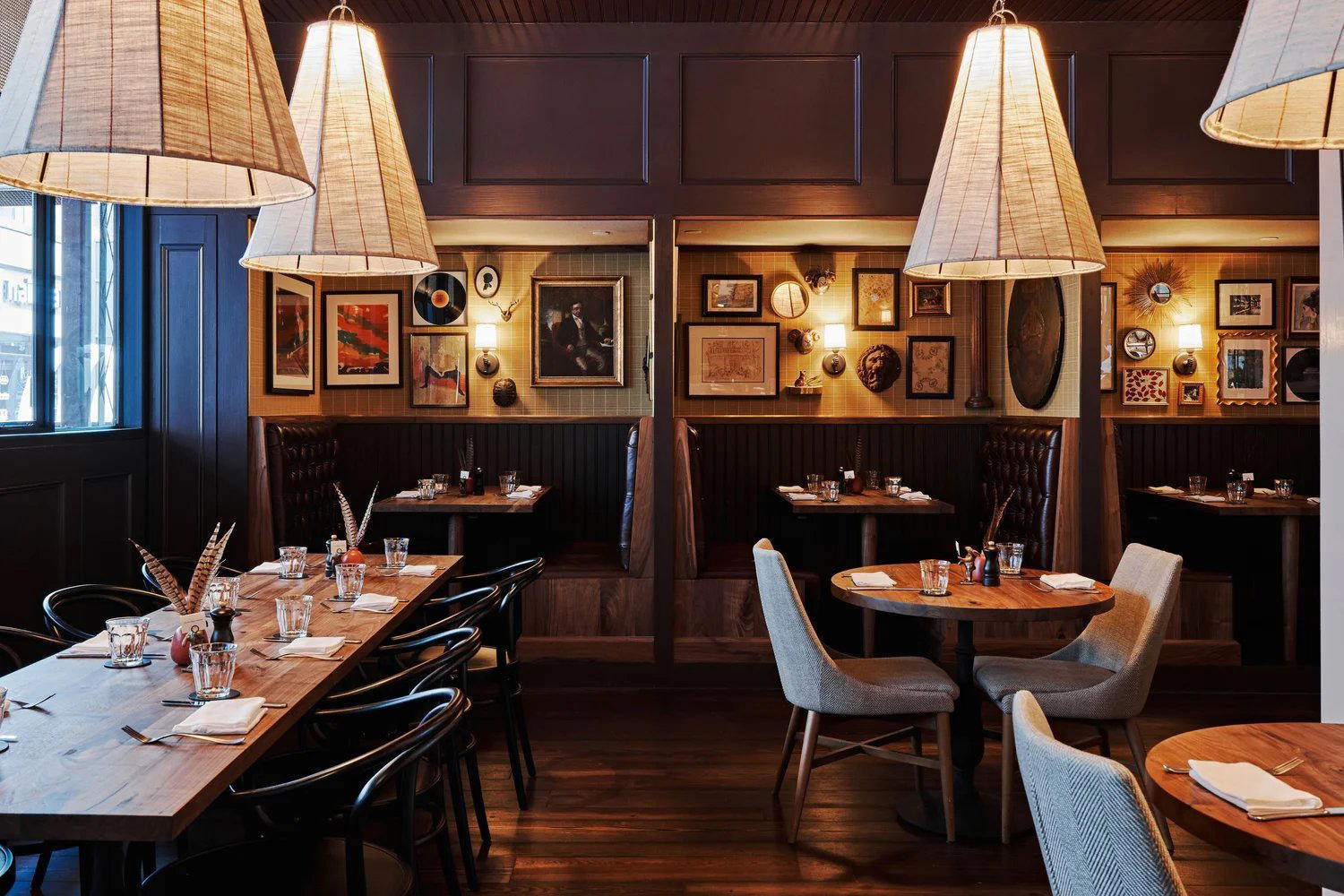
The Room Before the Menu
Atlanta's Buckhead corridor has cycled through formats over the years, from white-tablecloth expense-account rooms to cocktail-forward concepts trying to shed the neighborhood's reputation for surface glamour. Holeman and Finch, at 1201 Peachtree Street NE in Colony Square, sits in neither extreme. The room reads as a bar that takes its food seriously, or a restaurant that refuses to announce itself as one. That ambiguity is deliberate, and for the subset of Atlanta diners who have figured it out, it is precisely the point.
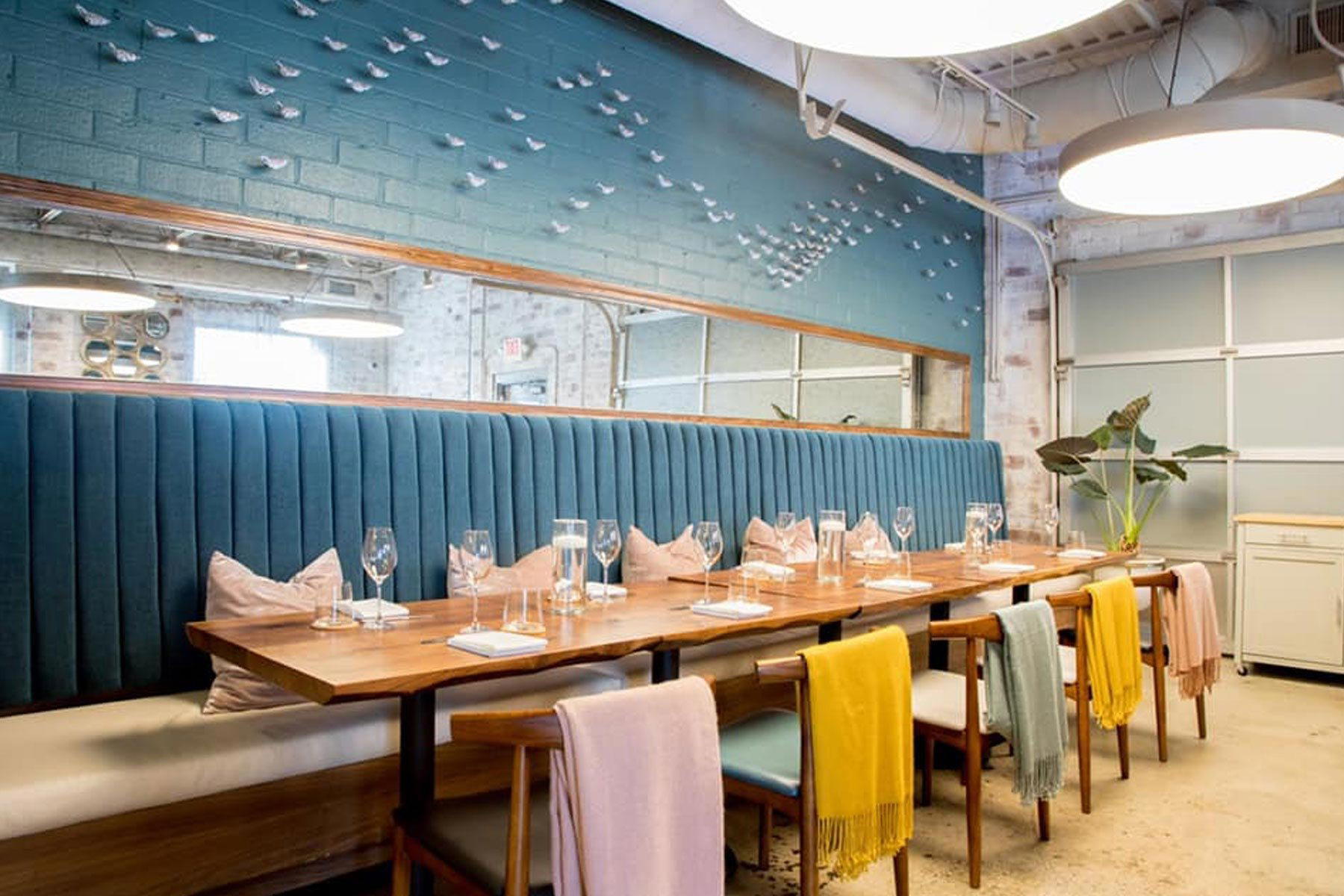
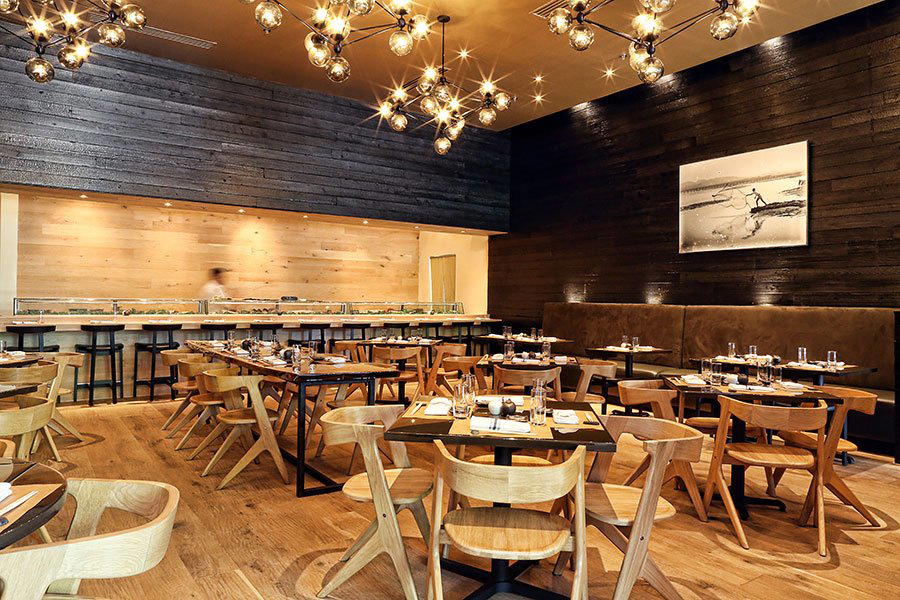
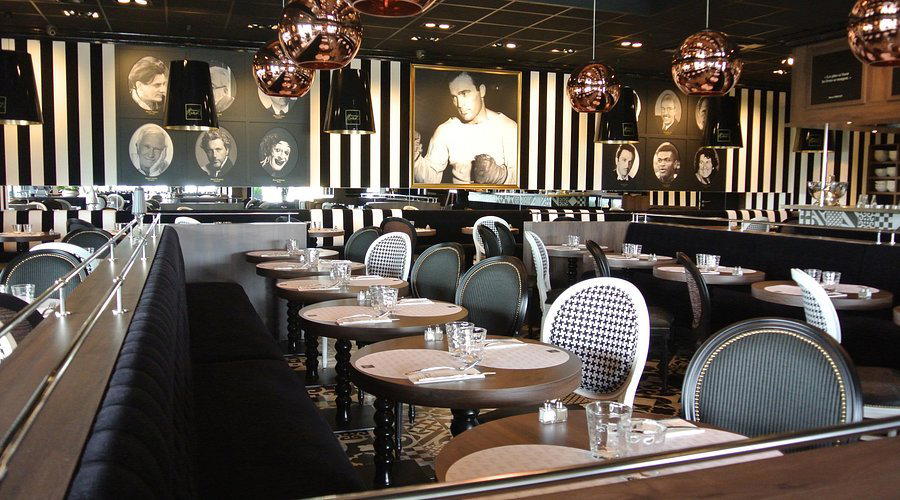
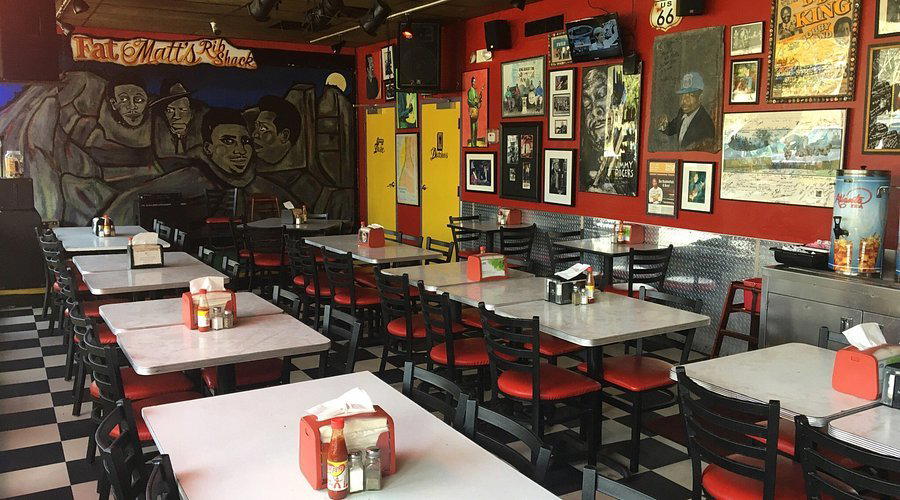
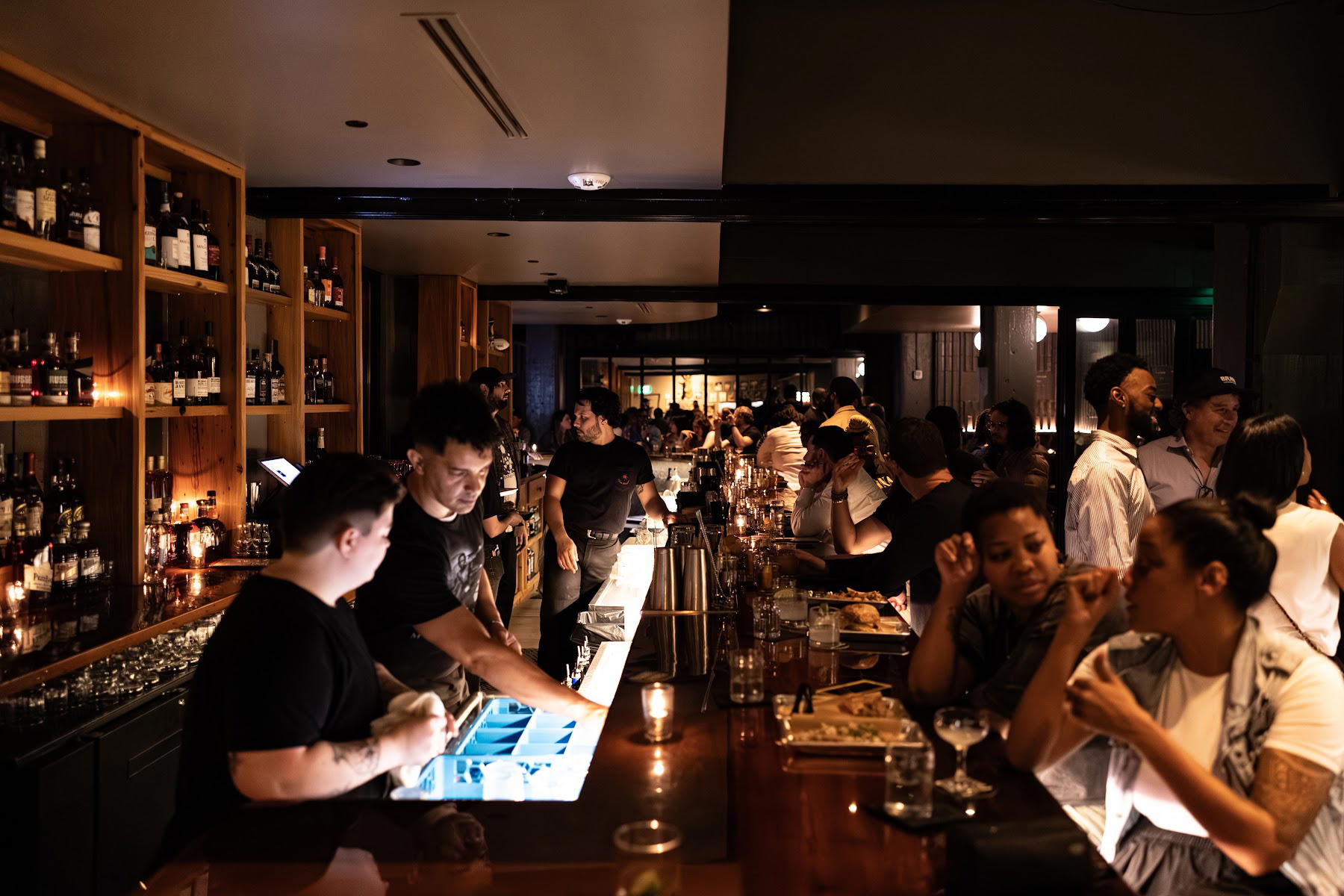
The physical environment signals that you are not in an occasion-dining room. The lighting is low enough to flatten the distinction between a Tuesday and a Saturday. The noise level tracks the bar rather than the dining room. First-time visitors sometimes misjudge the place as primarily a drinking destination with food on the side. Regulars know the ratio is closer to equal, and that the drinks list and the kitchen operate at matched levels of attention. That framing shapes everything about how the experience unfolds.
What Keeps the Regulars Coming Back
In Atlanta's fine-casual tier, where venues like Lazy Betty and Bacchanalia occupy the more formal end of ambitious cooking, Holeman and Finch has always operated in a register that resists that kind of ceremony. The venue's reputation was built on a food program that felt closer to a well-edited gastropub than a tasting-menu restaurant, and the clientele it attracted reflects that: people who want serious cooking without the weight of formal service structure.
What loyal guests return for, specifically, is the sense that the kitchen is working at its own pace rather than for an audience. Holeman and Finch made its name in Atlanta partly through a burger that became locally discussed well before that format gained the critical attention it now receives nationally. The pattern of a technically skilled kitchen applying craft to an accessible format, rather than reserving that craft for high-ceremony dishes, is one that has proven durable. It maps onto a broader shift in American dining, visible in venues from Lazy Bear in San Francisco to Smyth in Chicago, where interesting food does not always arrive in particularly formal rooms.
For the regulars at Holeman and Finch, the unwritten menu is a shorter list of things that do not change: the drinks program, the charcuterie and cured programs, and the kitchen's comfort with animal proteins handled in ways that most Atlanta restaurants do not attempt. Return visits tend to anchor around those fixed points, with the rest of the order rotating by season and availability.
Atlanta's Bar-Restaurant Hybrid and Where This Fits
Atlanta's dining scene has matured considerably over the past decade, with venues like Atlas, Hayakawa, and Mujō establishing the city in a national conversation about serious cooking. That tier is where Atlanta now gets its attention. But the bar-restaurant hybrid format, which the restaurant has occupied from early in its run, operates at a different frequency: it rewards the kind of repeat engagement that destination dining does not.
That format has analogues elsewhere in American dining. At the high end, venues like Le Bernardin in New York City or The French Laundry in Napa define the formal end of the spectrum. Providence in Los Angeles, Addison in San Diego, and Blue Hill at Stone Barns in Tarrytown occupy similarly ceremonial positions. The restaurant is not in competition with those rooms. Its comparable set is closer to the kind of American venue, think Emeril's in New Orleans or Single Thread Farm in Healdsburg, where the ambition is real but the format is designed to be entered without occasion. At the international reference level, that sensibility connects to places like Atelier Moessmer Norbert Niederkofler in Brunico and Atomix in New York City, where format and ambition are calibrated against each other with some care.
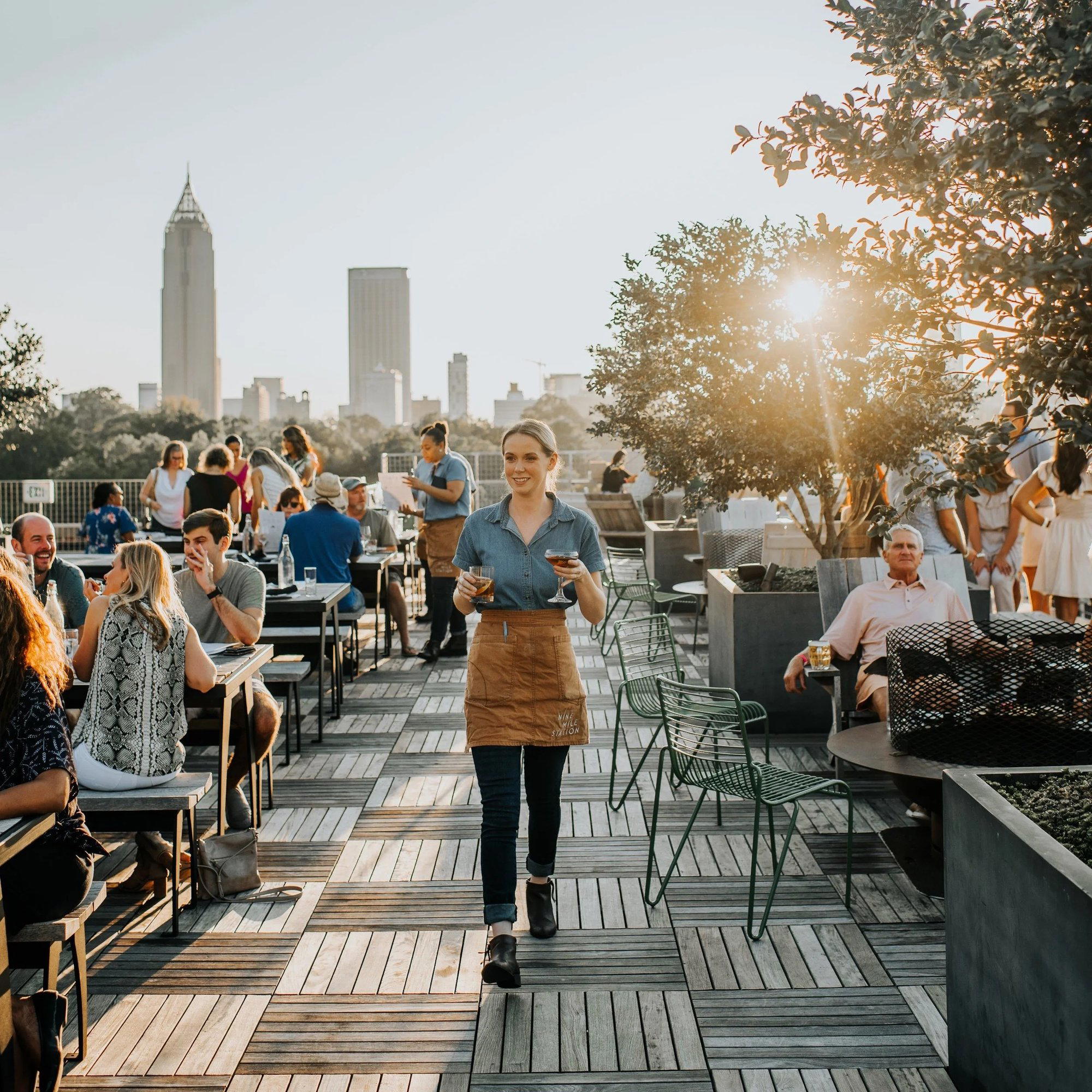
Within Atlanta specifically, the Colony Square location places the restaurant in a part of Buckhead that has been redeveloped toward a mixed-use model, drawing foot traffic from office workers, hotel guests, and residents rather than purely destination diners. That geography shapes the room's rhythm: weekday evenings run at a different pace than weekends, and the bar seats absorb both a quick post-work drink and a longer multi-course progression with equal comfort.
Planning a Visit
The restaurant rewards repeat visits over single high-stakes evenings. For a first visit, arriving at the bar rather than waiting for a table gives a faster read on the drinks program and an earlier look at what the kitchen is running. The Colony Square address is accessible from central Atlanta, and the mixed-use development means parking is easier than in some other Buckhead blocks. Booking ahead is sensible for weekend evenings, when the room fills from a combination of regulars and visitors drawn by the venue's longstanding reputation. Walk-ins at the bar are more consistently viable on weekdays.
The restaurant represents a more relaxed end of the American dining spectrum, where the absence of ceremony is the design choice rather than an oversight. Visitors arriving for a formal tasting experience will find something less structured, while those coming to eat and drink well in a room that does not require occasion will find the experience calibrated for them.
Frequently Asked Questions
- What's the overall feel of the restaurant?
The room functions as a bar-restaurant hybrid with the noise level and lighting of a serious drinking establishment and the kitchen depth of a food-focused concept. In Atlanta's dining context, it sits in the tier below ceremony-heavy rooms like Bacchanalia but operates at a higher level of culinary attention than most bar programs in the city. There are no awards on the wall demanding that you take the place seriously; the regulars' presence makes the case instead. - What's the leading thing to order at the restaurant?
The restaurant built part of its Atlanta reputation on its burger, which became a reference point in the city's food conversation before craft burgers became a mainstream critical category. The charcuterie and cured meat programs are also core to what the kitchen does well. Beyond those anchors, the menu rotates enough that return visits surface different options; asking bar staff what the kitchen has been running recently is a reliable approach. - Do I need a reservation for the restaurant?
For weekend evenings, a reservation is advisable. The room draws a regular crowd, and walk-in availability on busy nights is unpredictable. Weekday visits are more forgiving, and bar seats are generally accessible without advance booking regardless of the night. The Colony Square location can fill earlier than some comparable Atlanta venues. - What do critics highlight about the restaurant?
Critical attention has historically focused on the kitchen's willingness to apply serious technique to accessible formats rather than reserving it for high-concept dishes. The burger is one cited example, but the broader point is about a kitchen that works at a consistent level across the menu rather than concentrating effort in one showpiece area. That consistency, across cuisine and drinks program, is what places the venue in Atlanta's conversation about serious cooking even without the ceremony of its highest-profile peers. - How does the restaurant fit into the history of Atlanta's food scene?
The restaurant is one of the venues that helped establish Atlanta's bar-forward food program as a legitimate culinary category rather than a secondary offering. Its early reputation for technically serious cooking delivered in a low-formality format predates the broader national conversation about that model, which gives it a reference-point status in the city's dining history that newer venues in the same format do not have. For Atlanta diners tracking how the city's food culture developed over the past fifteen years, it occupies a specific chapter.
Where It Fits
Comparable venues nearby, for context on price, style, and recognition.
| Venue | Cuisine | Price | Notes |
|---|---|---|---|
| Holeman and FinchThis venue — the venue you are viewing | Modern American Gastropub | $$ | Not listed |
| Broad Street BBQ | Texas-influenced American barbecue with craft cocktails | $$ | South Downtown |
| f2o Fresh to Order | Fast Fine American | $$ | Buckhead |
| MetroFresh | Farm-to-Table Café | $$ | Midtown |
| R. Thomas Deluxe Grill | California-Style Organic Burgers & Healthy Casual | $$ | Brookwood |
| Kilwin's | Chocolates & Ice Cream | $$ | Atlantic Station |
Recognition history
Dated appearances from independent guides and award organizations, with the underlying list record or original source where available.
Wine Spectator Award of Excellence
Wine Spectator
At a Glance
- Lively
- Rustic
- Industrial
- Well Known
- Casual Hangout
- After Work
- Group Dining
- Open Kitchen
- Craft Cocktails
- Beer Program
- Corkage Allowed
- Farm To Table
- Local Sourcing
Current opening hours
- Monday
- 11 AM–10 PM
- Tuesday
- 11 AM–10 PM
- Wednesday
- 11 AM–10 PM
- Thursday
- 11 AM–11 PM
- Friday
- 11 AM–11 PM
- Saturday
- 11 AM–11 PM
- Sunday
- 11 AM–9 PM
Hours can change for holidays and private events. Last verified .
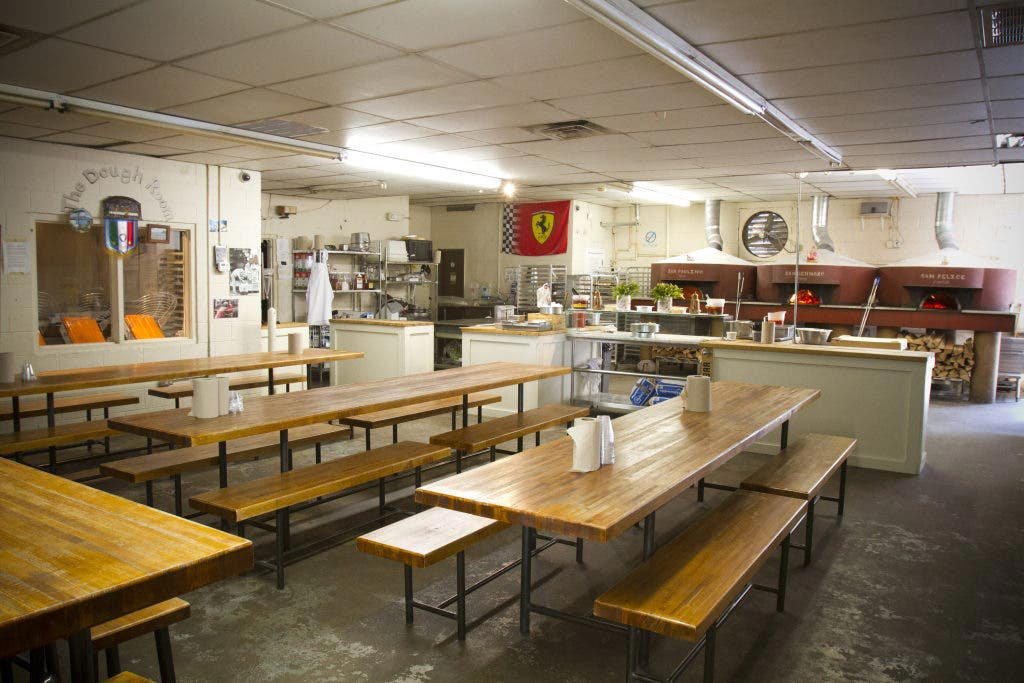
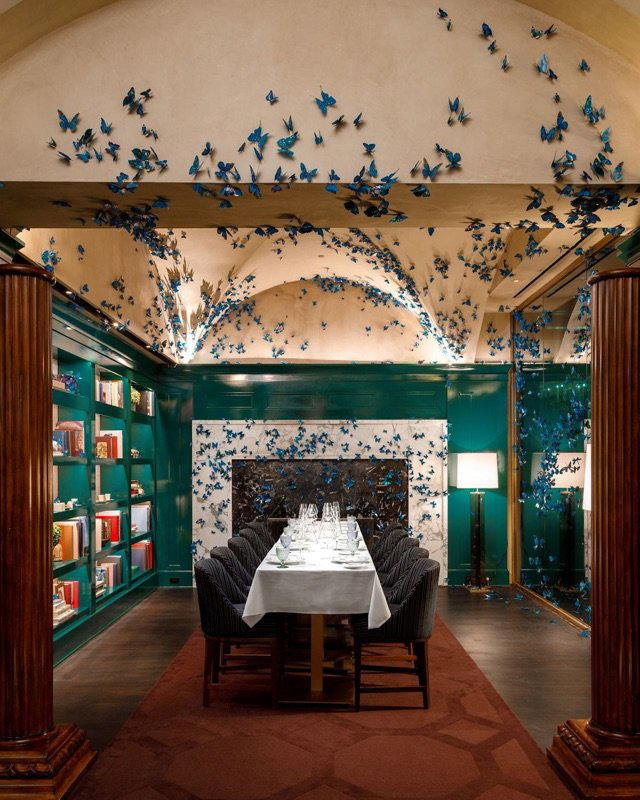
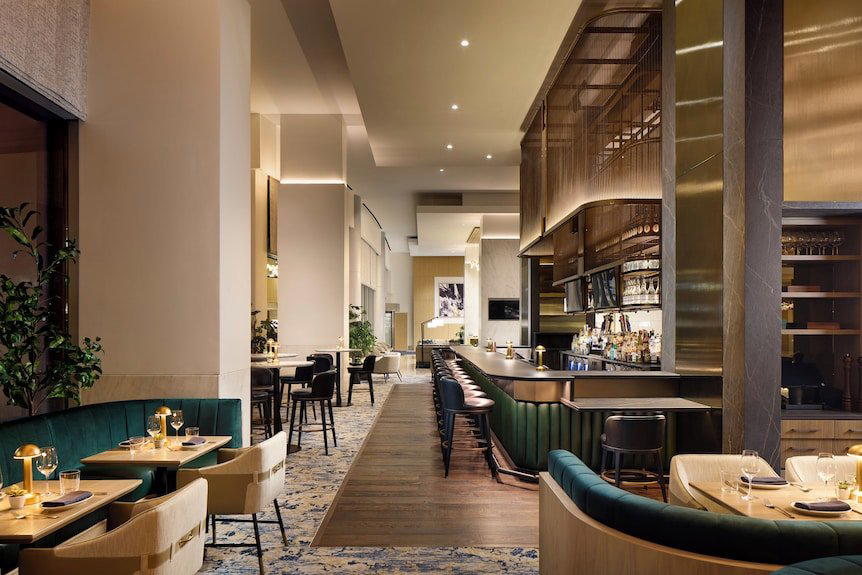
Industrial-chic with patchwork hammered and patinated metal walls, communal seating packed tightly, open kitchen with hanging hams, and illuminated glass panels displaying house-cured pork and pickled vegetables.