Warsaw's ramen scene occupies a small but serious niche, and Yatta Ramen on Bartoszewicza addresses it with a focused menu built around broth discipline rather than broad Asian fusion. Located in the Śródmieście district, it draws a loyal weeknight crowd that returns for consistency rather than novelty. For a city where Japanese food has historically meant sushi, a dedicated ramen counter represents a distinct category choice.
Pearl is the En Primeur Club membership app — saves, bookings, and concierge access live there. Same editors, same standards.
- Address
- Juliana Bartoszewicza 3/30, 00-337 Warszawa, Poland
- Phone
- +48 696 085 886
- Website
- facebook.com
- Directions
- Get directions
 Saves & bookings on Pearl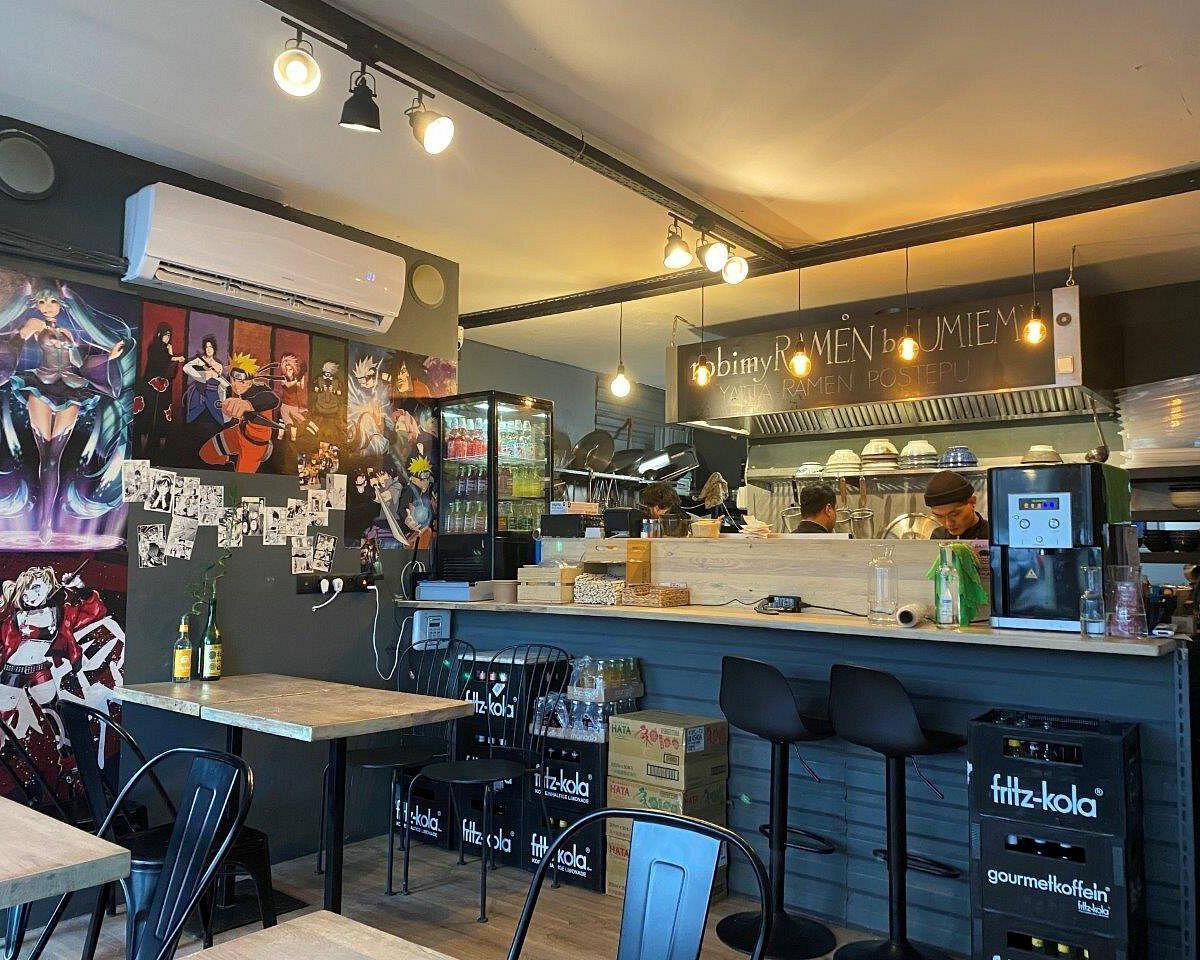
A Bowl as a Position Statement
Warsaw's restaurant culture has spent the last decade sorting itself into tiers with increasing precision. At the higher end, places like Rozbrat 20 and NUTA have staked claims in modern European and creative Polish territory. At the more accessible end, a different kind of seriousness has emerged: restaurants that do one thing, do it with discipline, and build their entire identity around that constraint. Ramen sits squarely in that second tradition. It is a format where the menu architecture is not a list of options so much as a declaration of culinary priorities, and Yatta Ramen, on Juliana Bartoszewicza in the Śródmieście district, is readable in exactly those terms.
That positioning matters for a ramen shop. The format rewards proximity and repetition: regulars who can drop in on a Tuesday, not visitors assembling a single itinerary. Warsaw's dining culture has grown sophisticated enough to support that kind of loyalty, particularly around Asian formats that have moved beyond novelty status.
How the Menu Speaks
In ramen, menu structure tells you almost everything about a kitchen's philosophy before a bowl arrives. A long menu, ten or fifteen variations, usually signals a kitchen hedging toward crowd appeal. A tight menu of three or four broths, each defined by a specific stock and fat layer, signals a kitchen that has made choices and is willing to be judged by them. The narrower the menu, the more each bowl has to carry.
This is the context in which ramen shops in cities like Tokyo, New York, and increasingly European capitals have built their reputations. At places like Atomix in New York City, the Korean tasting menu's restraint is itself an argument about what fine dining can be. Ramen operates on a different price point but with analogous logic: the decision to limit the menu is a form of editorial confidence.
Warsaw's Japanese food history has been dominated by sushi. For most of the 2000s and early 2010s, that meant conveyor-belt formats and approximations of omakase. A dedicated ramen counter represents a different category claim entirely, one built on broth time rather than knife skill, on fermentation and fat rather than the freshness theatre of raw fish. It sits in a different competitive conversation from the city's sushi operations and from the creative Polish dining that venues like alewino and hub.praga represent.
Where It Sits in Warsaw's Dining Map
Warsaw has developed a layered restaurant ecosystem in a compressed timeframe. The city's food scene is younger than Kraków's, where Bottiglieria 1881 has built a long-form fine dining reputation, and more economically driven than Gdańsk's coastal identity, which supports venues like Arco by Paco Pérez and Hashi Sushi. Warsaw competes on volume and ambition, which means the mid-market is crowded and the specialist formats have to work harder to hold attention.
Ramen shops occupy an interesting position in that map. They are not cheap in the way street food is cheap, but they are well below the price tier of places like Baken. They serve a function that the city's more formal dining does not: fast, focused, restorative eating built around a single technical tradition. In a city where winters are long and the lunch hour is short, that is not a trivial offer. Poland's regional cities, from Muga in Poznań to Kwestia Czasu in Białystok, have developed their own distinct dining personalities, but Warsaw is the city most likely to absorb and sustain imported formats like ramen at scale.
The Ramen Tradition and What It Demands
Ramen is a format that punishes shortcuts invisibly. A tonkotsu broth that has not been cooked long enough looks correct but lacks the collagen density that gives it body. A tare that is under-seasoned cannot be fixed at the table. The noodle texture is a function of alkalinity and hydration ratios that have to be calibrated in advance. None of this is visible to the diner in the way that a poorly seared piece of protein is visible. What registers instead is a bowl that feels complete or one that feels thin, and regulars at serious ramen shops develop clear opinions about which is which.
This is the tradition that Japanese ramen culture has spent decades refining, and that tradition now has enough of a foothold in European capitals that informed diners arrive with calibrated expectations. Warsaw is further along that curve than cities like Olsztyn, where Cudne Manowce works a different register, but has not yet reached the saturation of London or Amsterdam. That gap is actually useful for a ramen shop: there is appetite without overcrowding, and the format still carries a degree of specificity that draws people in by genuine interest rather than habit.
Venues like Hattori Hanzo in Czestochowa and Górnik in Kraków show that Japanese and creative food formats have found audiences across Poland's cities, not just in the capital. The country's dining culture is more cosmopolitan than its regional reputation sometimes suggests, and Warsaw is where that cosmopolitanism concentrates most densely.
Planning Your Visit
Yatta Ramen is located at Juliana Bartoszewicza 3/30, 00-337 Warszawa, in the Śródmieście district of central Warsaw. Walk-in friendly service makes spontaneous visits easy. Arrival at off-peak hours, particularly early lunch or mid-afternoon where service hours permit, reduces wait time at busier periods. Comparable venues in Warsaw's mid-market category tend to fill quickly on weekend evenings.
Cuisine and Credentials
Comparable venues nearby, for context on price, style, and recognition.
| Venue | Cuisine | Price | Notes |
|---|---|---|---|
| Yatta RamenThis venue — the venue you are viewing | Authentic Japanese Ramen | $$ | Not listed |
| Veganda | Vegan Fusion | $$ | Ujazdow |
| Eden | Creative Vegan Fusion | $$ | Saska Kępa |
| SHOKU | Japanese Fusion | $$$ | Mirow |
| Ósma Kolonia | Vegetarian Bistro with Local Ingredients | $$ | Żoliborz |
| Baken | Artisanal Bakery & Breakfast | $$ | Srodmiescie |
At a Glance
- Cozy
- Trendy
- Casual Hangout
- Solo
- Open Kitchen
- Sake Program
Current opening hours
- Monday
- 12–8 PM
- Tuesday
- 12–8 PM
- Wednesday
- 12–8 PM
- Thursday
- 12–8 PM
- Friday
- 12–8 PM
- Saturday
- 12–9 PM
- Sunday
- 12–8 PM
Hours can change for holidays and private events. Last verified .
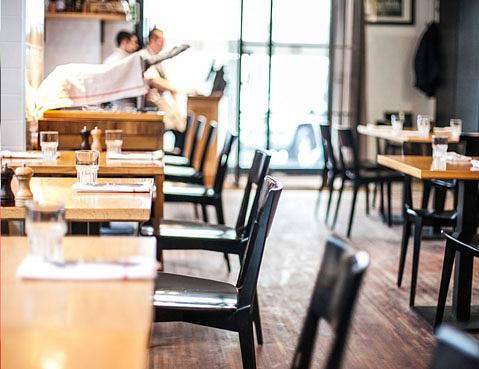
Cozy and cramped with Japanese posters, playful cartoon art, neon accents, and an open kitchen view creating an energetic, youthful hole-in-the-wall atmosphere.