Warsaw's plant-based ramen scene has a modest but committed outpost at Finlandzka 12a in the Praga district. Vegan Ramen Shop positions itself against a city dining scene dominated by Modern Polish and European menus, offering a focused format where the bowl is the architecture of the meal rather than a side note. For those tracking Warsaw's quieter culinary currents, it earns attention on that basis alone.
Pearl is the En Primeur Club membership app — saves, bookings, and concierge access live there. Same editors, same standards.
- Address
- Finlandzka 12 a, 03-903 Warszawa, Poland
- Phone
- +48791732584
- Website
- veganramenshop.pl
- Directions
- Get directions
 Saves & bookings on Pearl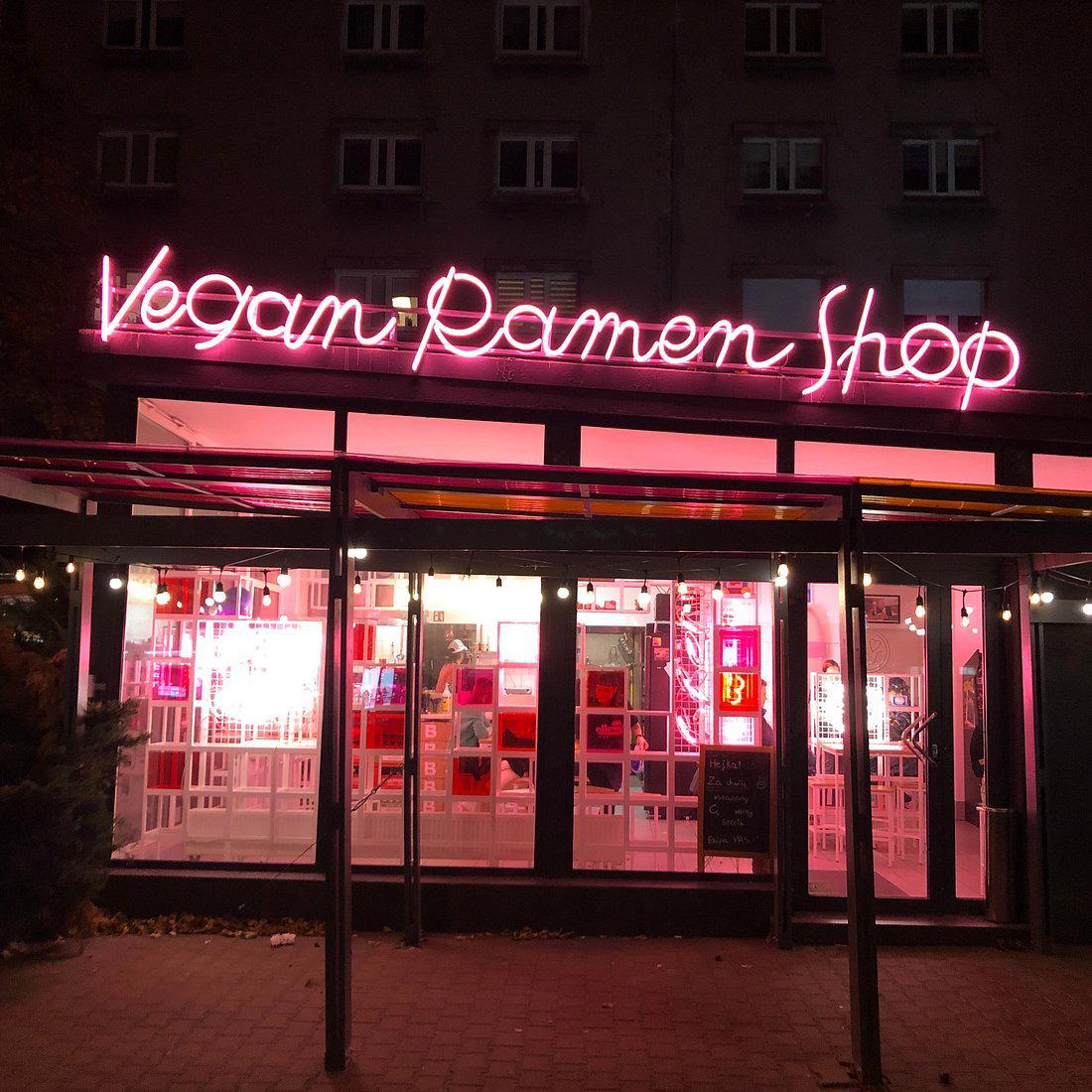
Ramen Without Dashi: How Warsaw's Praga District Hosts a Plant-Based Counter
Warsaw's dining identity has long been anchored in pork fat, fermented dairy, and the slow braises of traditional Polish cooking. The city's more ambitious restaurants, places like Rozbrat 20 and NUTA, work largely within that inheritance, refining it through modern technique rather than departing from it. Against that backdrop, a vegan ramen shop in Praga reads less like a trend play and more like a genuine outlier: a format rooted in Japanese broth tradition, stripped of its animal-fat base and rebuilt from the ground up using plant sources.
That rebuild is the central editorial fact about vegan ramen as a category. Conventional tonkotsu or shoyu broths derive their depth from pork bones, chicken carcasses, or dashi built on katsuobushi. Remove those, and the broth problem becomes structural, you are not simply substituting one ingredient for another, you are reconstructing the entire flavour architecture. The better plant-based ramen operations in Europe approach this through long-cooked kombu stocks, charred vegetable bases, fermented pastes, and mushroom concentrates that push glutamate levels high enough to approximate the savouriness of a bone broth.
The Praga Address and What It Signals
Finlandzka 12a places the shop on the east bank of the Vistula, in Praga, the part of Warsaw that survived World War II relatively intact and has spent the last decade absorbing creative businesses, independent restaurants, and the kind of low-rent, high-energy food culture that characterises early-stage neighbourhood shifts. The contrast with central Warsaw is architectural and social: pre-war tenement buildings rather than reconstructed facades, a rougher street grain, and a dining scene that trends toward the independent rather than the institutional.
Praga's food identity is not monolithic. hub.praga represents the neighbourhood's more ambitious, modern-cuisine end, while the area also supports casual formats operating at considerably lower price points. A vegan ramen shop fits the latter cohort more naturally, a focused, single-format operation where low overhead supports competitive pricing and the cooking challenge is depth rather than luxury.
A Meal Structured Around the Bowl
Ramen eating, when done with care, has a sequential logic that distinguishes it from most European one-dish formats. The experience is designed to move through distinct phases: the first sips of broth before the noodles are fully integrated, the mid-bowl moment when fat and seasoning have emulsified into the liquid, and the final concentrated pull at the bottom where the tare, the seasoning base, has settled. Toppings are not decorative; they are calibrated interruptions in that progression. A marinated mushroom brings an acidic break. A soft-set egg equivalent (in a plant-based context, often a silken tofu preparation or a cured beet component) adds a textural counterpoint. Noodles, in a proper bowl, are cooked to a precise firmness and served immediately, they continue cooking in hot broth, so timing is a function of the kitchen's rhythm, not the diner's pace.
This structure makes ramen one of the more technically demanding casual formats to execute well, and it is worth approaching a plant-based version with that framework in mind. The measure of quality is not whether the bowl tastes exactly like a pork-based original, it does not, and should not try to, but whether it achieves its own coherent arc from first broth sip to last noodle strand.
Poland's broader plant-based restaurant scene has grown steadily since the late 2010s, with Warsaw leading that shift. The country's per-capita meat consumption remains among the higher figures in the EU, but urban dining in Warsaw increasingly reflects a younger demographic pulling toward lighter, more globally-referenced formats. Ramen specifically has followed the trajectory seen in Berlin, London, and Amsterdam: first as a novelty format, then as a competitive category with clear quality differentiation between operators. Warsaw is at an earlier stage of that maturation than those cities, which means the standards ceiling is still being set.
Positioning Against Warsaw's Wider Dining Scene
To understand where a vegan ramen shop sits in Warsaw's food economy, it helps to sketch the price and format tiers around it. At the leading, tasting-menu operations like NUTA and hub.praga operate in the €€€ bracket with multi-course formats and wine pairings. A step below, venues like alewino offer a more accessible Modern Polish experience at €€. Casual, single-format spots, of which a ramen shop is a clear example, occupy the practical lower end of that spectrum, where the transaction is faster, the focus narrower, and the value proposition rests on the quality of one core product.
That positioning is not a limitation. Particularly technically precise food in any city comes from operators who have drilled a single format rather than spread their ambition across a long menu. The ramen category rewards that discipline. For comparison, Poland has other strong Japanese-influenced spots in cities like Gdańsk, see Hashi Sushi in Gdańsk, as well as curious regional outliers like Hattori Hanzo in Częstochowa, which suggests Japanese food has seeded across Poland more broadly than its restaurant concentration in major cities might imply.
Further afield in Poland's dining circuit, the award-recognised end is anchored by places like Bottiglieria 1881 in Kraków and Arco by Paco Pérez in Gdańsk, which operate in entirely different comparable venues. The restaurant is not in competition with those formats and makes no pretence of being so, its comparable set is the casual plant-based and Japanese-adjacent operations that are slowly building credibility in Warsaw's east bank neighbourhoods.
Planning Your Visit
The shop is located at Finlandzka 12a in the Praga-Południe area of Warsaw. The shop is walk-in friendly and open daily from 12 to 9 PM. Walk-in format is the default, and arriving early in a service window is wise. Baken and hub.praga are both within the broader Praga orbit and provide solid alternatives if the timing does not work out.
At a Glance
Comparable venues nearby, for context on price, style, and recognition.
| Venue | Cuisine | Price |
|---|---|---|
| Vegan Ramen ShopThis venue — the venue you are viewing | Not listed | $$ |
| Yatta Ramen | Srodmiescie, Authentic Japanese Ramen | $$ |
| Tomo Sushi | Ujazdow, Traditional Japanese Sushi | $$ |
| Youmiko Vegan Sushi | Muranów, Vegan Japanese Sushi | $$$ |
| Eden | Saska Kępa, Creative Vegan Fusion | $$ |
| Eter | Ujazdow, Vegan Bakery & Specialty Coffee | $$ |
At a Glance
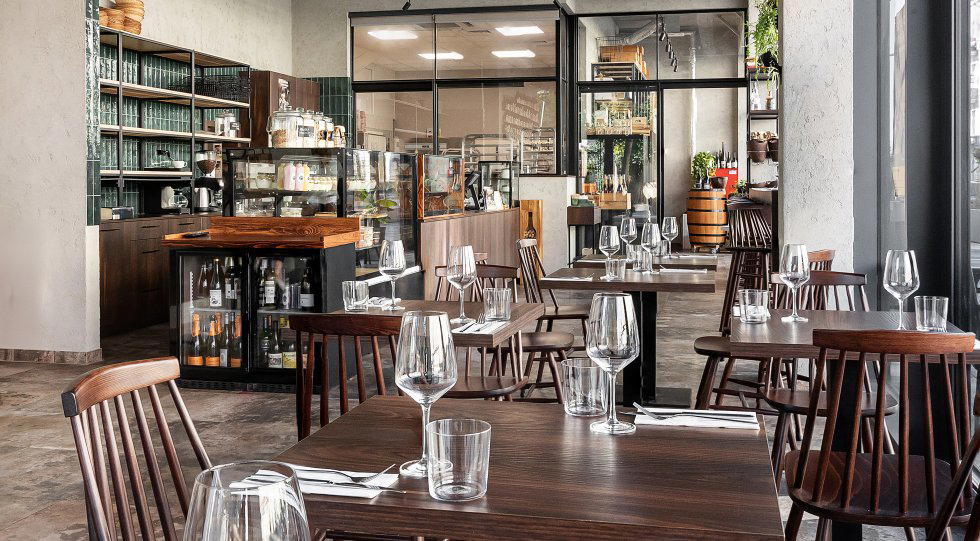
- Modern
- Minimalist
- Trendy
- Cozy
- Industrial
- Casual Hangout
- Solo
- Design Destination
- Open Kitchen
- Standalone
- Organic
Current opening hours
- Monday
- 12–9 PM
- Tuesday
- 12–9 PM
- Wednesday
- 12–9 PM
- Thursday
- 12–9 PM
- Friday
- 12–9 PM
- Saturday
- 12–9 PM
- Sunday
- 12–9 PM
Hours can change for holidays and private events. Last verified .
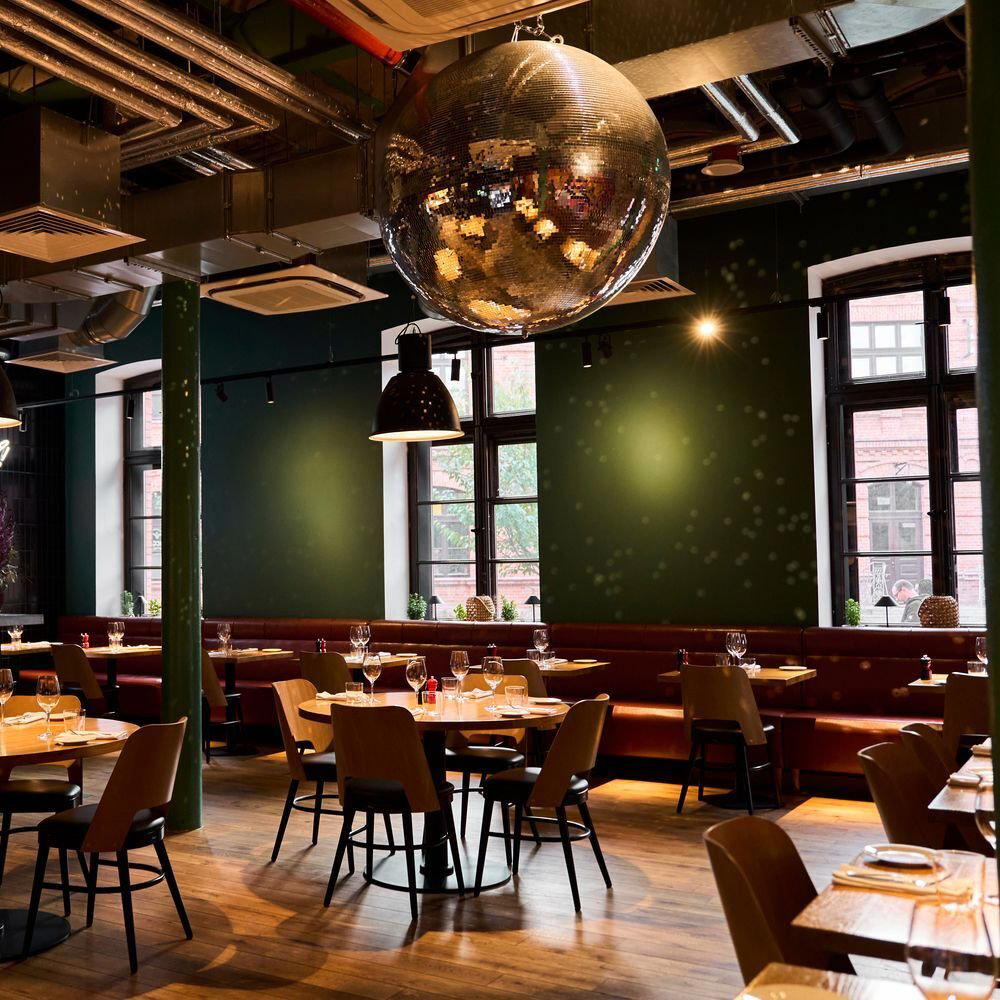
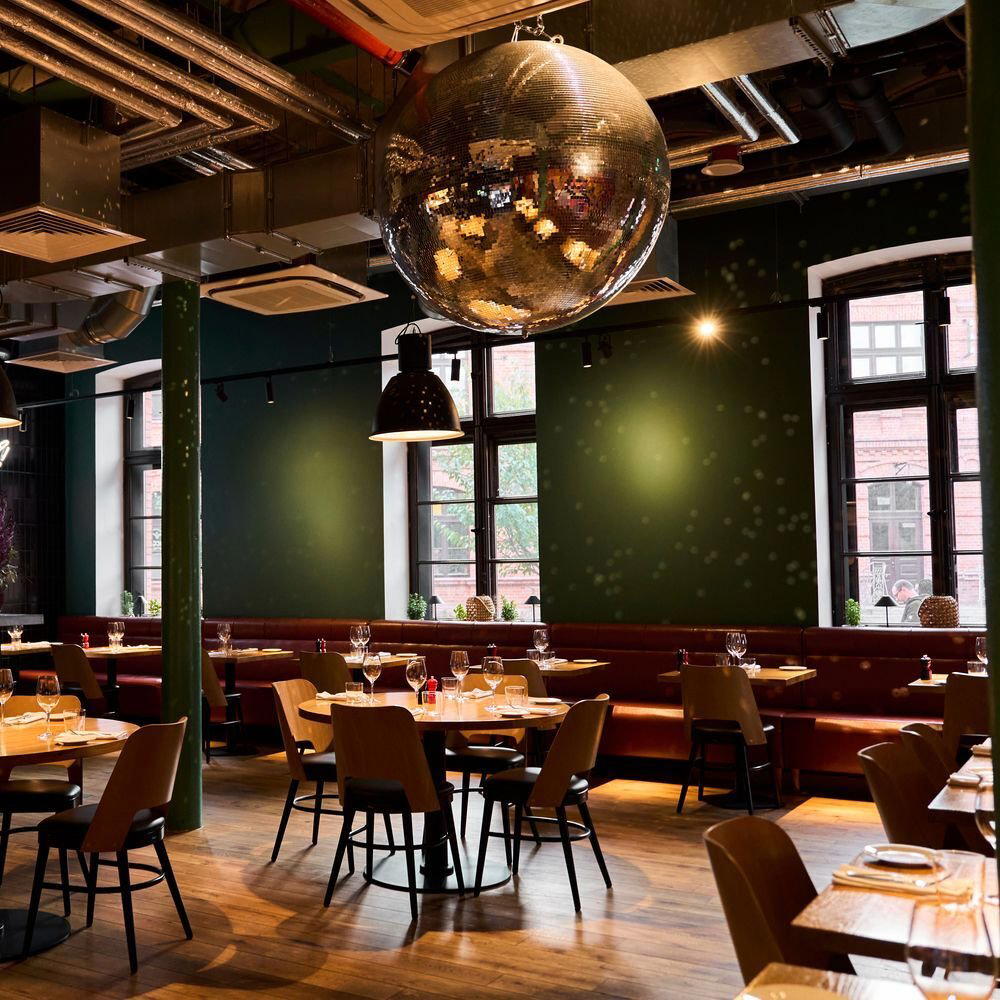
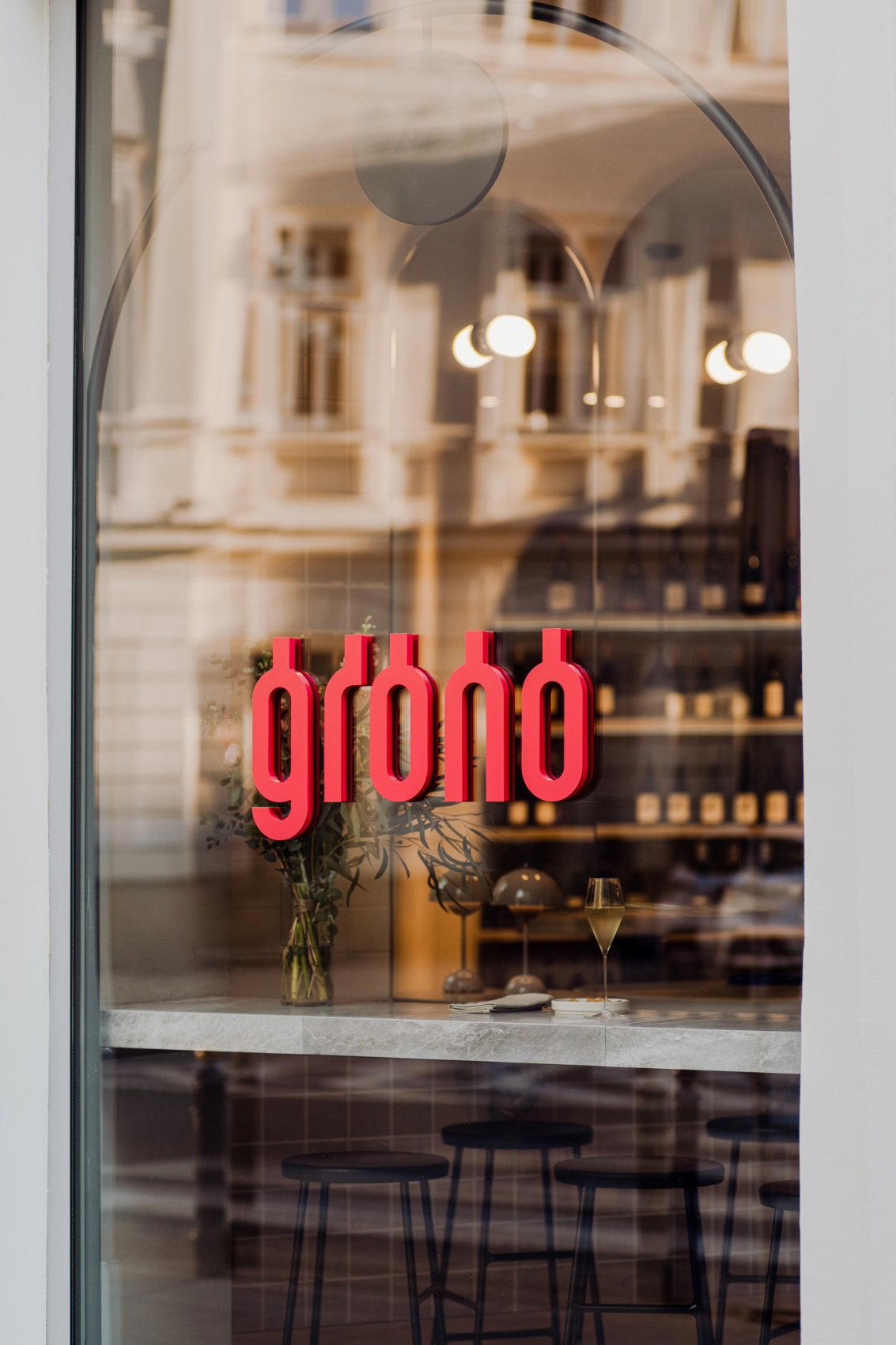
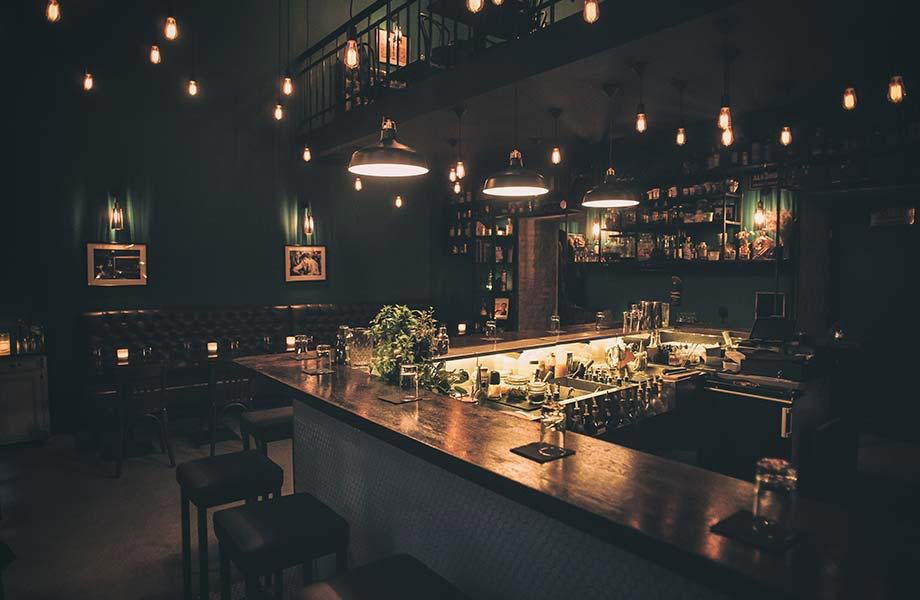
Minimalist industrial aesthetic with floating shelves for dining, inspired by an abstract bamboo forest, featuring a chill soundtrack and Tokyo-inspired vibes.