On Clarence Street in Ottawa's ByWard Market, TOMO Restaurant occupies a stretch of the neighbourhood where Japanese and Canadian dining traditions have long overlapped. The address places it within easy reach of the market's produce stalls and the broader Lowertown dining corridor, making it a reference point for anyone mapping Ottawa's Japanese restaurant options alongside peers like Atelier and ARLO.
Pearl is the En Primeur Club membership app — saves, bookings, and concierge access live there. Same editors, same standards.
- Address
- 109 Clarence St., Ottawa, ON K1N 5P5, Canada
- Phone
- +16132410990
- Website
- tomorestaurant.ca
- Directions
- Get directions
 Saves & bookings on Pearl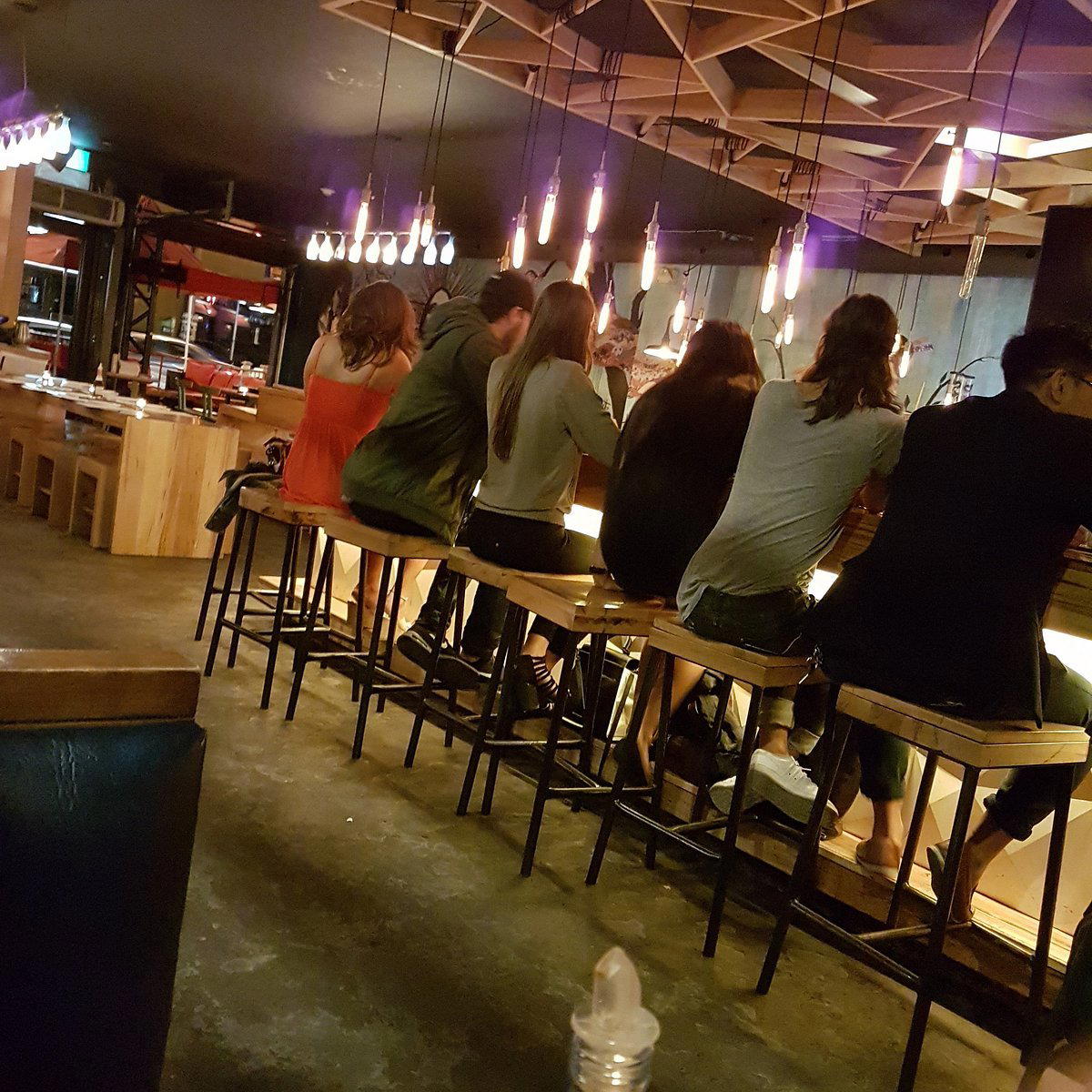
Clarence Street and the Case for Considered Japanese Dining in Ottawa
ByWard Market has always operated on two registers simultaneously: the tourist-facing surface of souvenir shops and patio brunches, and a quieter, more deliberate dining layer that requires some navigation to locate. TOMO Restaurant, at 109 Clarence Street, sits on the latter register. The address is one of the older commercial strips in the neighbourhood, a few minutes' walk from the Rideau River and the central market building, in a block where independent restaurants have consistently held ground against the churn that affects most market-adjacent dining districts in Canadian cities.
That stability matters when thinking about what a Japanese restaurant in this particular context is doing. Ottawa's Japanese dining scene is smaller than Toronto's or Vancouver's, with fewer layers of price segmentation and less competitive pressure on format. The result, across the city, is that Japanese restaurants here tend to consolidate multiple service styles under one roof rather than committing narrowly to omakase, ramen, or izakaya formats the way comparable venues in larger Canadian cities increasingly do. TOMO fits into that pattern, operating in a neighbourhood where generalism is a practical response to a dining public that skews toward occasional rather than habitual Japanese dining.
Sustainability as a Structural Question, Not a Marketing Posture
Across Canada's better independent restaurants, the shift toward ethical sourcing and reduced waste has moved from point of differentiation to baseline expectation. Venues like Restaurant Pearl Morissette in Lincoln and The Pine in Creemore have built procurement models around regional producers and seasonal availability in ways that now read as structural commitments rather than seasonal gestures. Further north, Narval in Rimouski has made local marine sourcing central to its identity. For a Japanese restaurant in Ottawa, the equivalent question is how much of the menu's protein and produce can reasonably come from Canadian sources without distorting the cuisine's technical foundations.
That tension is worth taking seriously. Japanese cooking at any level of seriousness depends on specific ingredients, many of which have no meaningful Canadian substitute: certain soy varieties, mirin, dashi components, and some fish species. The restaurants that handle this most credibly are those that acknowledge the distinction between where adaptation is possible and where it would undermine the dish. In Ottawa specifically, the proximity to the Ottawa Valley's agricultural output and the St. Lawrence's fisheries gives any restaurant here a reasonable procurement base for seasonal vegetables and some freshwater fish, if it chooses to draw on them. Whether TOMO has built sourcing relationships of that kind is not documented in available records, but the broader pattern across Ottawa's independent Japanese operators suggests the opportunity exists and is increasingly being taken up.
Waste reduction in Japanese cooking carries its own logic, one that is native to the cuisine rather than imported from sustainability discourse. The tradition of using whole fish, of turning trim into dashi and bones into stock, of treating every part of a vegetable as a potential element in a dish, is older than any contemporary environmental framework. Restaurants that understand this find that ethical sourcing and waste minimisation are not additions to Japanese cooking but expressions of it. That framing is more useful for a diner trying to evaluate a Japanese restaurant's environmental seriousness than any certification or label.
Where TOMO Sits in Ottawa's Broader Dining Constellation
Ottawa's independent restaurant map has been reshaped over the past several years, with a cluster of more ambitious operators establishing a reference tier that includes venues like Atelier, which runs a tasting-menu format that prices against Montreal and Toronto peers, and a broader group of neighbourhood-oriented places that serve the city's substantial professional and diplomatic population. The ByWard Market corridor specifically has seen turnover at the mid-market level, with some long-running addresses closing and newer openings taking their place.
For a diner orienting themselves in this environment, useful comparisons exist across EP Club's Ottawa coverage. Absinthe and Alice represent the French-influenced progressive end of the local spectrum; Aiana Restaurant operates in a contemporary format with a different regional focus; Al's Steakhouse anchors the classic North American end; and A La Istanbul Turkish Cuisine serves a Middle Eastern tradition that has grown steadily in Ottawa given the city's diplomatic community. TOMO occupies the Japanese segment of this spread, in a city where that segment is less internally differentiated than in Vancouver or Toronto.
Nationally, the reference tier for Japanese-influenced cooking includes venues with credentials that set a clear benchmark. Atomix in New York City and Le Bernardin in New York City represent what rigorous technique applied to Asian and seafood-focused menus can produce at the highest level of recognition. Within Canada, Alo in Toronto and AnnaLena in Vancouver show how Canadian cities have developed fine dining identities that draw on global technique while sourcing locally. Tanière³ in Quebec City and Jérôme Ferrer - Europea in Montreal anchor Quebec's contribution to that conversation. Eigensinn Farm in Singhampton, operating at the farm-to-table end with a format that removes almost all distance between source and plate, is perhaps the most extreme expression of the sourcing ethos that more urban restaurants approximate. Aux Anciens Canadiens in Quebec and Barra Fion in Burlington round out a cross-country reference set that illustrates how varied the approaches to Canadian dining identity have become.
For the full picture of where Japanese dining fits in Ottawa's current restaurant offering, EP Club's full Ottawa restaurants guide provides context across neighbourhoods and price tiers.
Planning a Visit
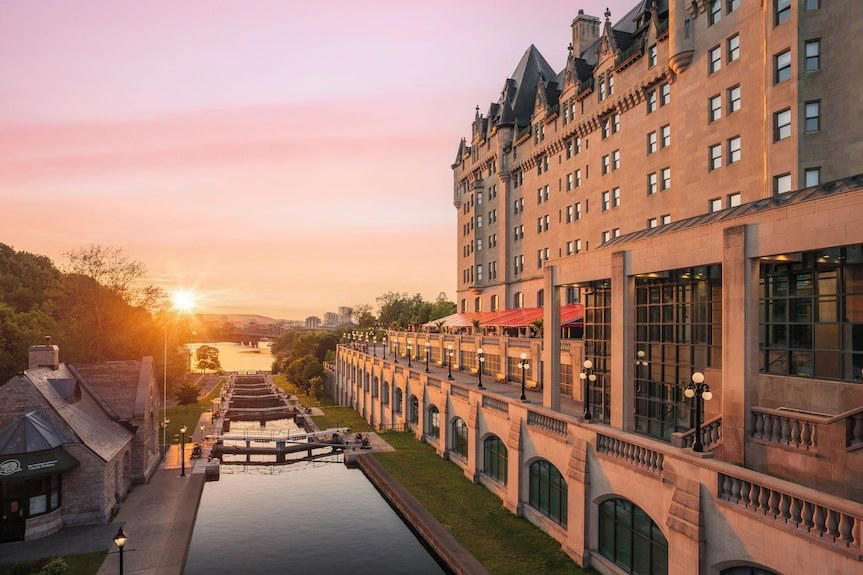
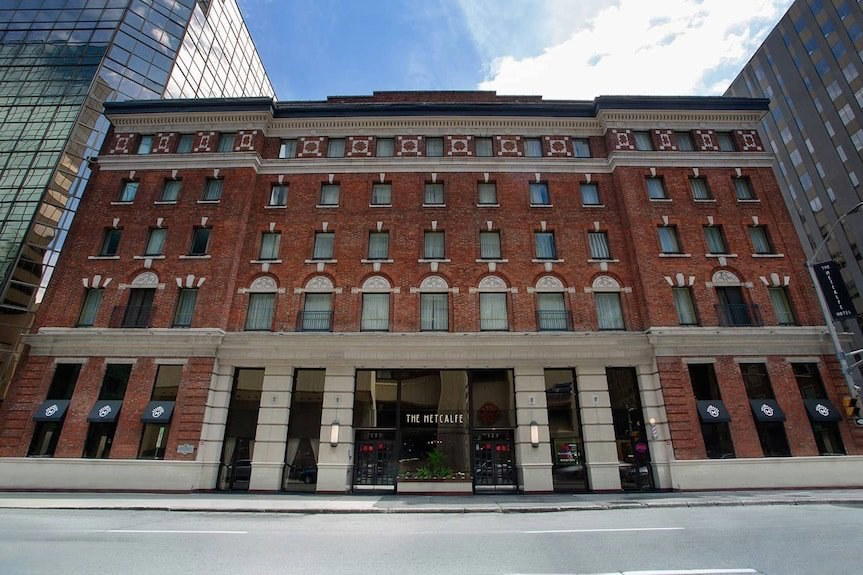
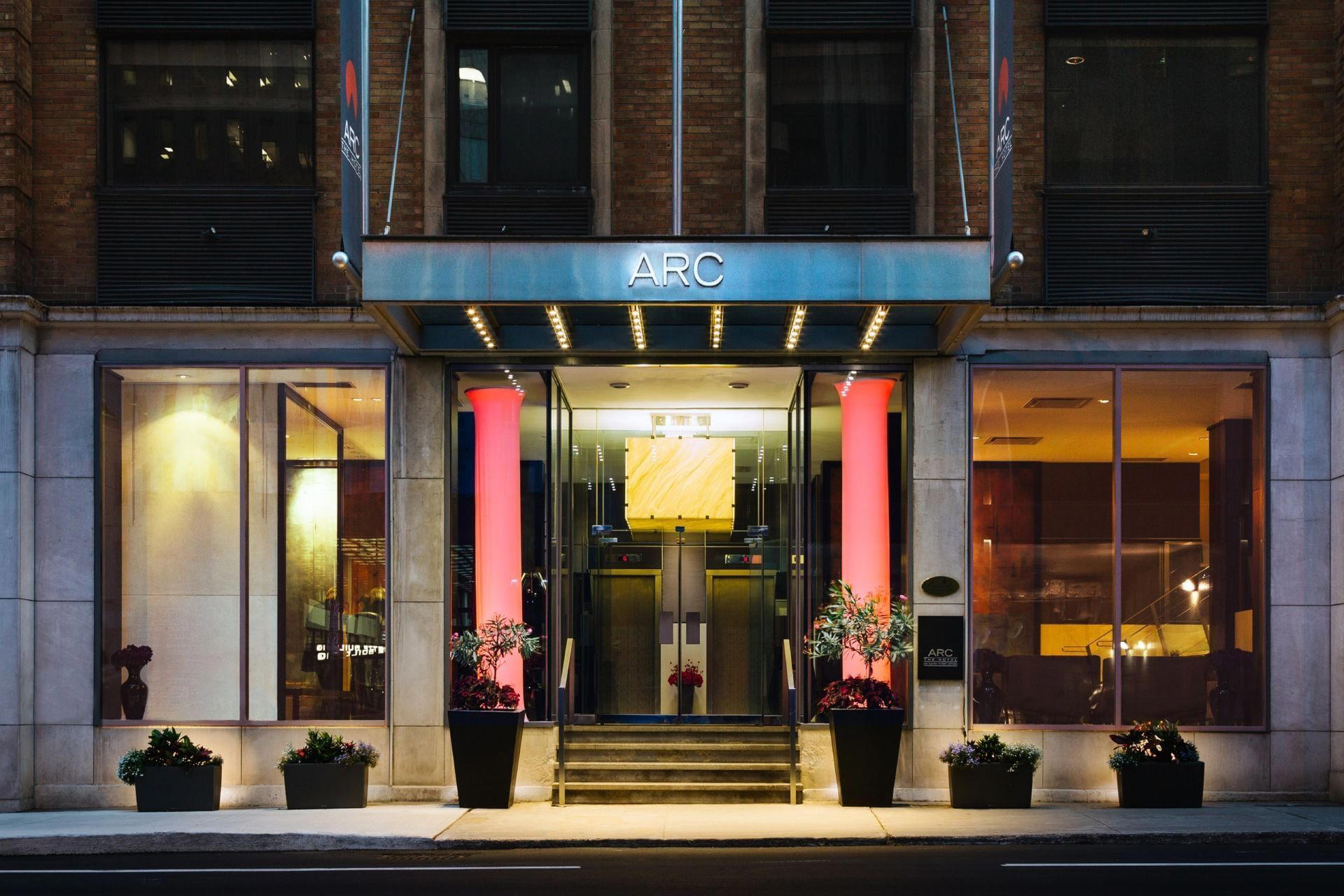
TOMO Restaurant is at 109 Clarence Street in ByWard Market, a neighbourhood that is accessible by foot from the Rideau Centre and by OC Transpo routes serving the downtown core. The Clarence Street block is walkable from several of Ottawa's central hotels. Booking policies, current hours, and pricing are not documented in available records at time of writing; contacting the restaurant directly before visiting is the practical approach, particularly for weekend evenings when ByWard Market dining traffic is at its peak. The neighbourhood is most active from late spring through early autumn, when market activity and outdoor dining along Clarence and York Streets create a different atmosphere than the quieter winter service that characterises the same addresses from November through March.

At a Glance
- Elegant
- Modern
- Sophisticated
- Date Night
- Special Occasion
- Celebration
- Chefs Counter
- Open Kitchen
- Sake Program
- Craft Cocktails
- Local Sourcing
Current opening hours
- Monday
- 5–11 PM
- Tuesday
- 5–11 PM
- Wednesday
- Closed
- Thursday
- 5–11 PM
- Friday
- 5 PM–2 AM
- Saturday
- 5 PM–2 AM
- Sunday
- 5–11 PM
Hours can change for holidays and private events. Last verified .
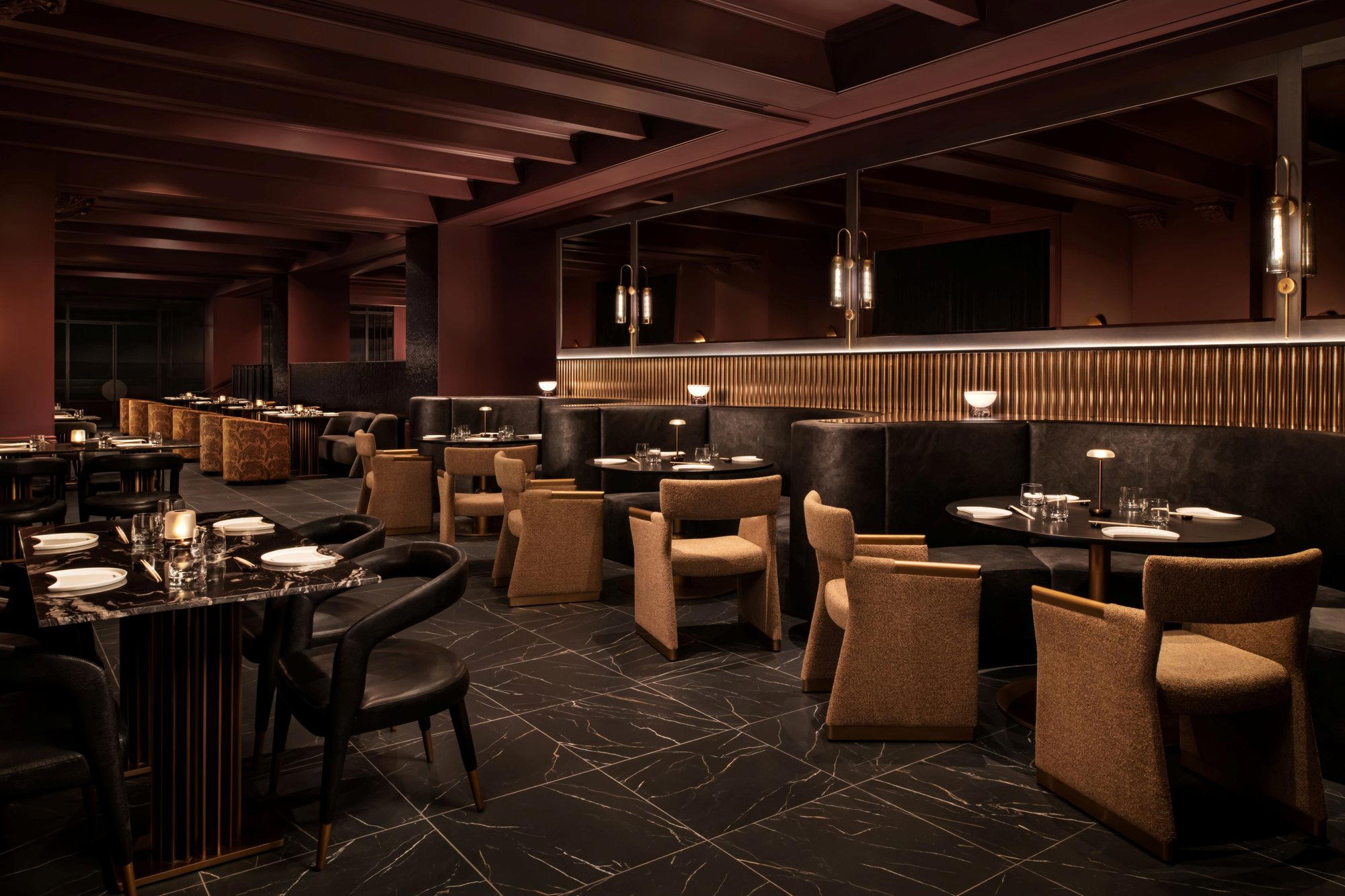
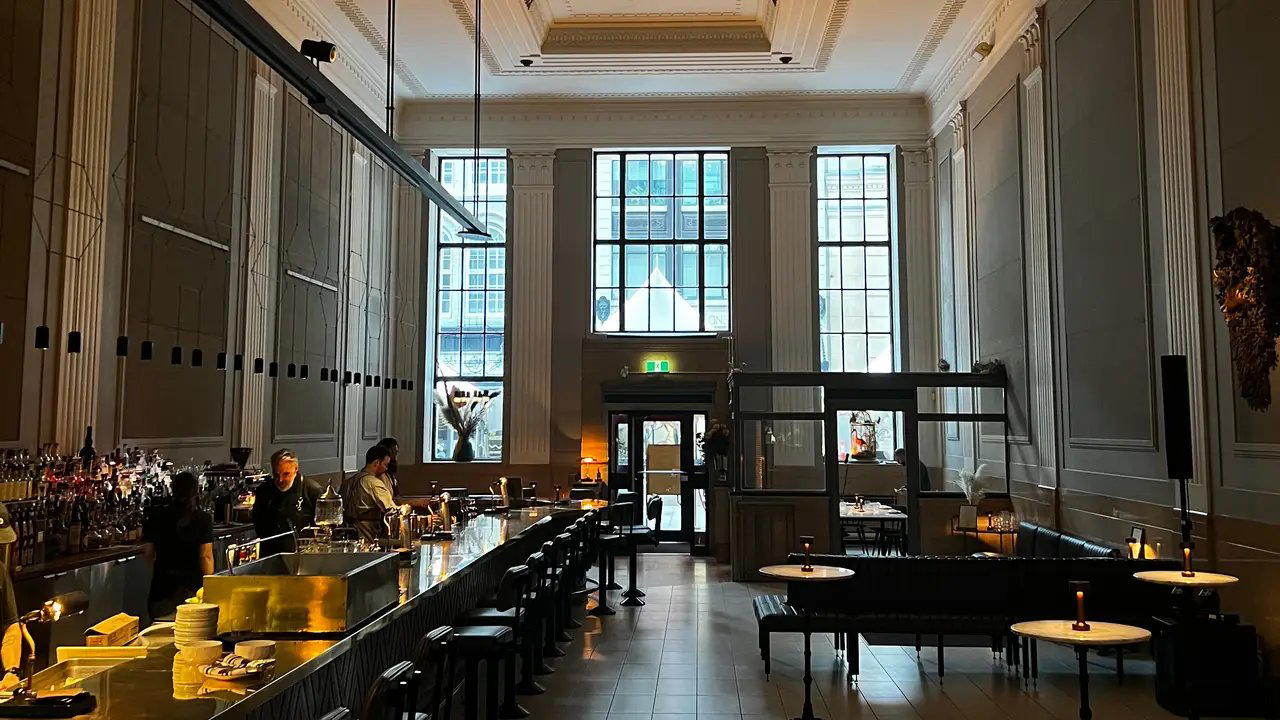
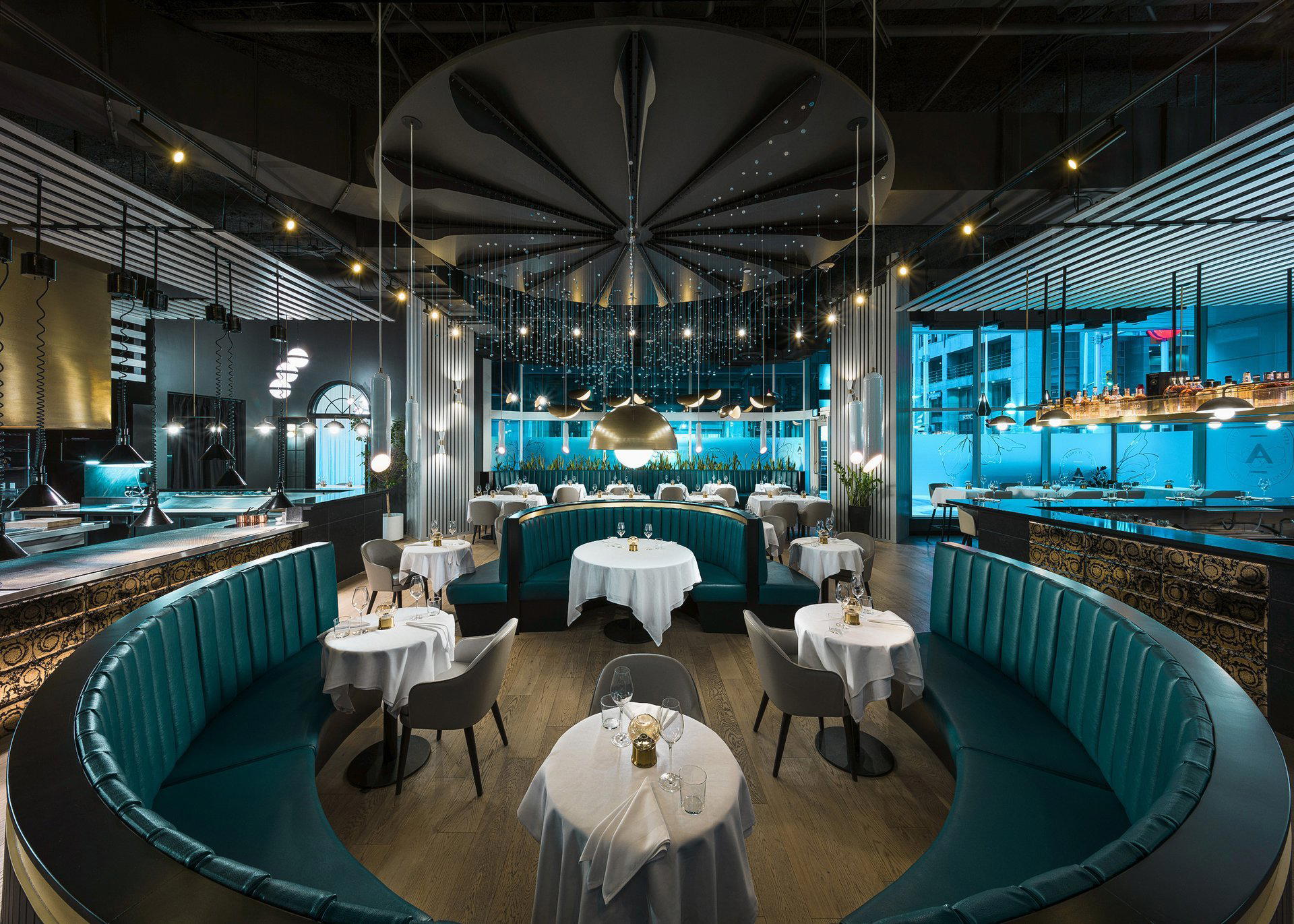
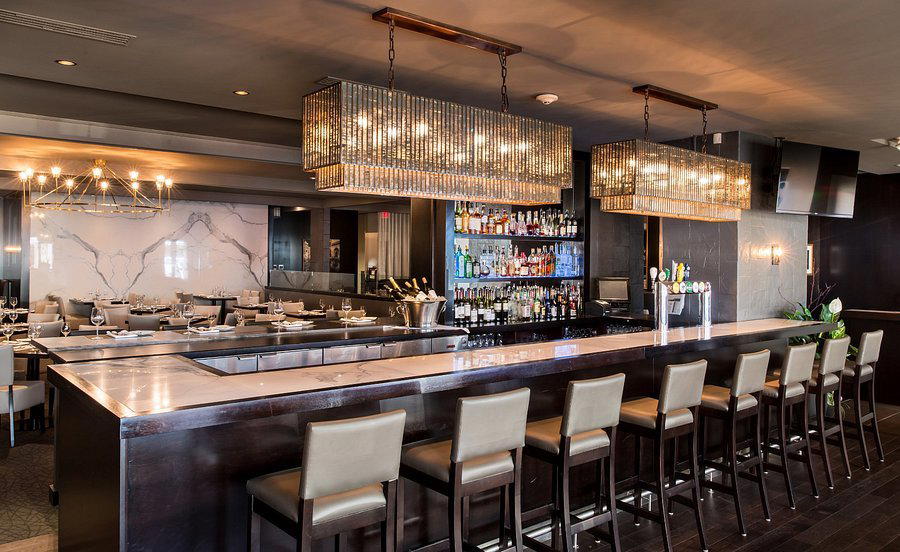
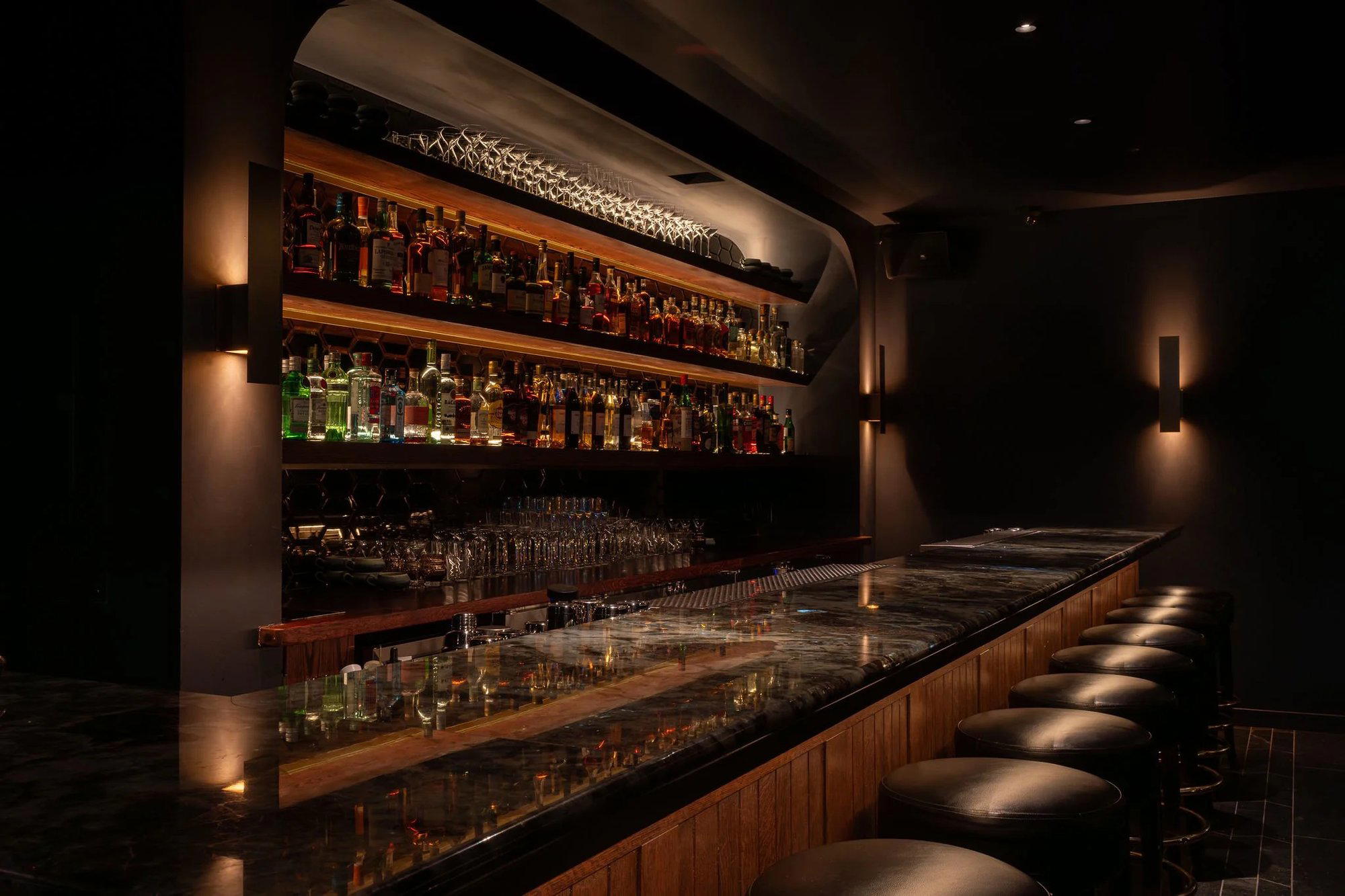
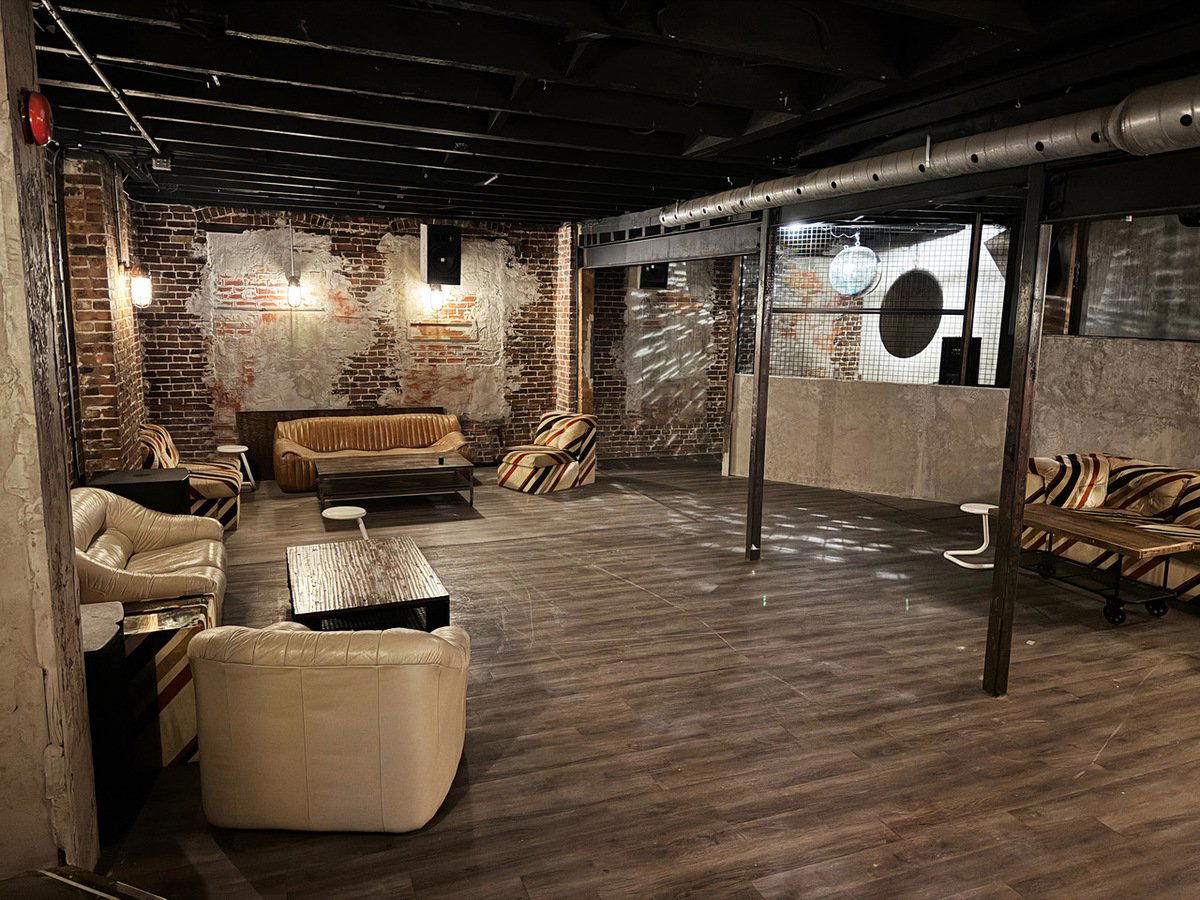
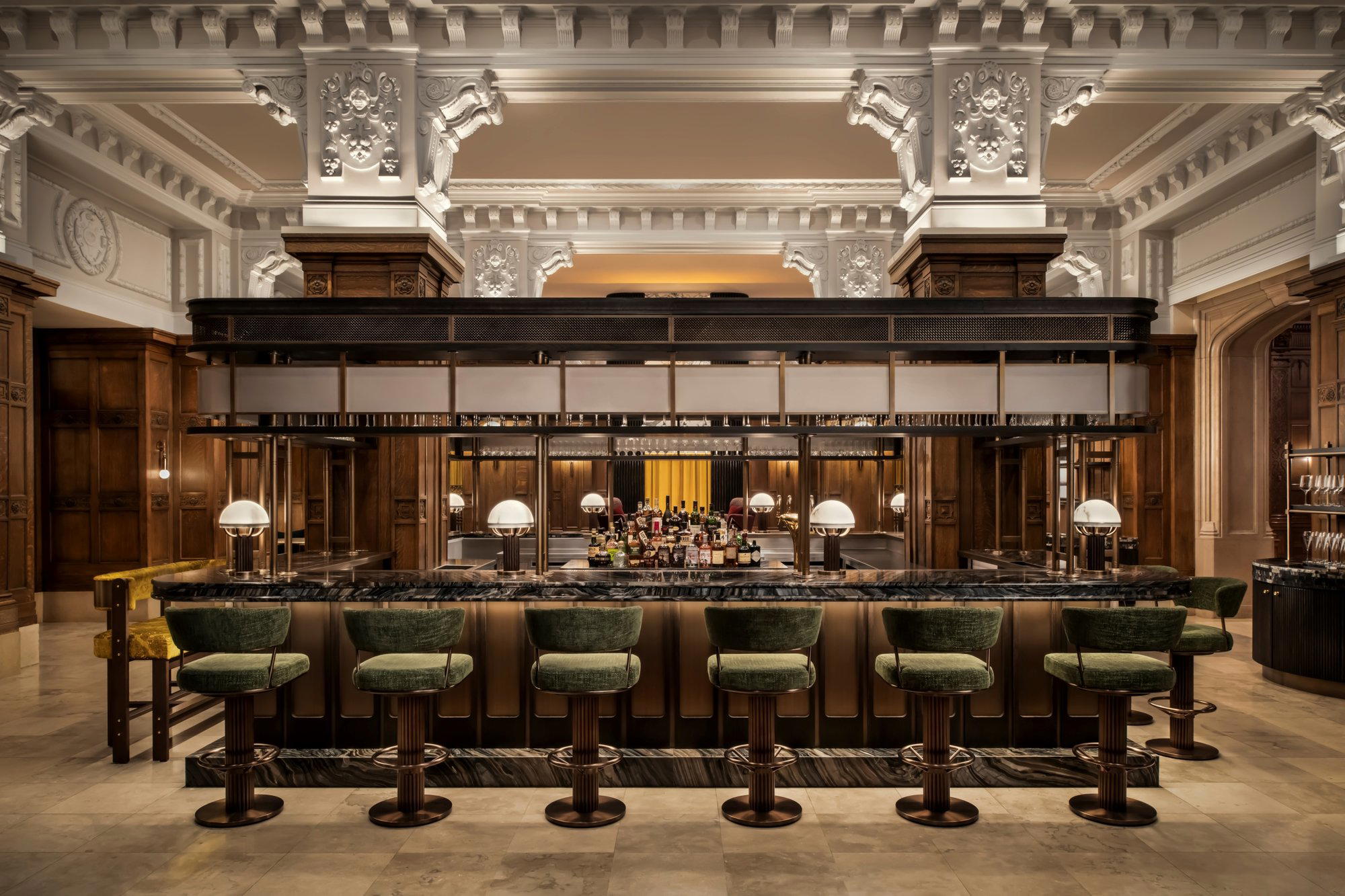
Modern and refined atmosphere with a refreshed interior design, creating an upscale yet welcoming environment for polished Japanese dining.
Know Before You Go
- Getting there
- 109 Clarence St., Ottawa, ON K1N 5P5, Canada