Toga
Where Smoke and Salt Set the Tempo Walk into a Houston izakaya late on a weekday and the rhythm announces itself before the food arrives: the hiss of skewers hitting the grill, the low ceiling of conversation, the particular way charcoal smoke...
 Discover on Pearl
Pearl is the En Primeur Club membership app — saves, bookings, and concierge access live there. Same editors, same standards.
- Address
- 2800 Kirby Dr b 130, Houston, TX 77098
- Phone
- (713) 677-0775
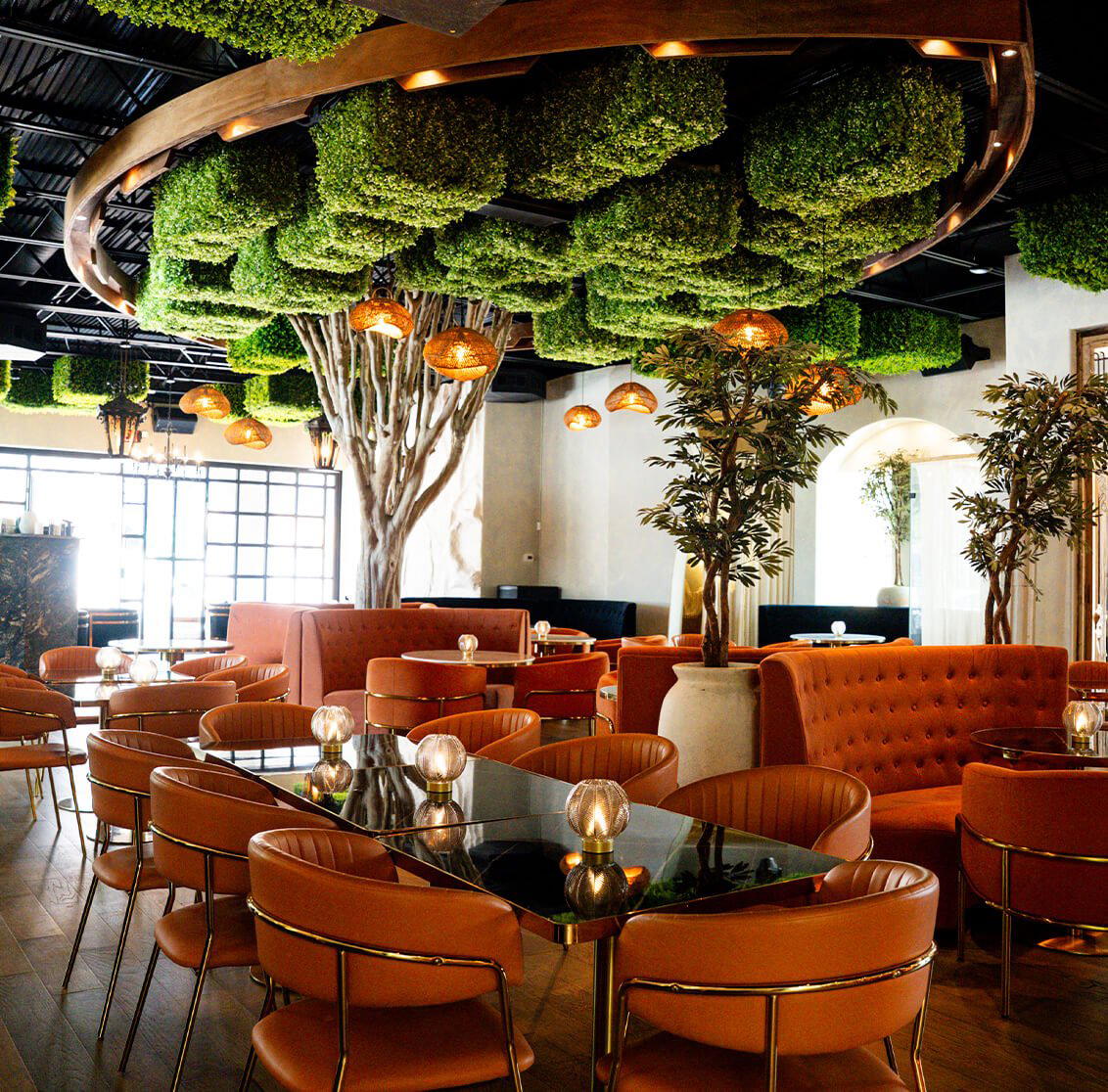
Where Smoke and Salt Set the Tempo
Walk into a Houston izakaya late on a weekday and the rhythm announces itself before the food arrives: the hiss of skewers hitting the grill, the low ceiling of conversation, the particular way charcoal smoke threads through a room and settles into clothing you won't mind smelling on the drive home. Toga is a yakitori-driven izakaya in Houston. It is a yakitori-anchored bar restaurant of the kind that Houston's Japanese dining scene has been quietly building toward over the past decade, and it arrives at a moment when the city's appetite for precise, grill-focused Japanese formats has outgrown the sushi-only imagination most diners brought to it.
At the high end, omakase counters command attention and reservation lead times that rival any coastal city. Below that, a middle register of izakaya and ramen houses operates with more informality but no less craft. Toga sits in this middle-to-upper band, where the cooking is structured around the grill and the evening is designed to be assembled in courses rather than consumed in a single sweep.
The Architecture of an Izakaya Evening
The izakaya format resists linear description because it is not linear by design. In Japan, the form evolved as a drinking establishment where food arrived in waves, ordered as appetite and conversation demanded, with no expectation of a set endpoint. Houston has adapted this loosely: some izakaya here tighten the format into something closer to a structured small-plates progression, while others preserve the drift-and-order openness of the original. Understanding which approach a room takes shapes how a diner should arrive, mentally as much as physically.
At Toga, the kitchen's yakitori and grilled items function as the structural spine of a meal that can be read as a progression even when ordered a la carte. The logic runs roughly as follows: lighter preparations early, fattier cuts and more intense flavors in the middle, with the session tapering into rice dishes or noodles that serve the same closing function as a Western starch course. Grilled chicken skewers, which in a disciplined yakitori kitchen are differentiated by cut, seasoning (tare versus shio), and grill temperature, provide the recurring thread. A well-run yakitori sequence teaches a diner something about the bird: that the thigh and the breast cook differently, that cartilage and skin reward patience, that a well-charged binchotan grill produces a char with almost no acrid quality.
This is the tradition Toga participates in, and it is one that Houston's dining public is increasingly equipped to read. The city's food culture has undergone a documented shift over the past fifteen years, moving from a steak-and-Tex-Mex center of gravity toward a genuinely international range that includes Korean, Vietnamese, and Japanese formats at serious levels of execution. Comparing Toga to the city's wider Japanese tier is instructive: the omakase model, represented locally by counters operating at the $$$$ price point, makes a different demand on the diner (passivity, trust, ceremony). Toga's izakaya format asks for participation, for ordering decisions, for the willingness to overorder and share, which is a different but equally valid engagement with Japanese food culture.
How the Evening Builds
Start with something acidic and low-alcohol, a highball or a beer, alongside the first skewers. Yakitori served shio (salt only) at the opening of a meal allows the ingredient to register clearly before tare's caramelized sweetness begins to accumulate. Move through chicken cuts toward fattier options; at most yakitori counters the progression from breast to thigh to skin to cartilage follows an internal logic the kitchen has already worked out. Vegetable skewers, particularly those benefiting from char, work well in the middle of a sequence rather than as an afterthought. Rice or a small noodle dish, ordered toward the end, functions as ballast and allows the session to close without the abrupt halt of a check arriving too soon.
Houston's izakaya scene is still young enough that not every room executes this arc with equal confidence, but the format's popularity is sufficiently established that diners arriving with some understanding of the progression will be rewarded. BCN Taste & Tradition and Le Jardinier Houston fill out the European-influenced segment, while Tatemó shows what a focused, masa-driven Mexican kitchen looks like in the same city. Toga operates in a different register than any of these, but it is part of the same story: Houston assembling a dining scene with genuine range.
Placing Toga in the Broader Yakitori Conversation
Yakitori as a serious culinary format has a longer track record in American cities with established Japanese communities: Los Angeles, New York, San Francisco. Venues like The French Laundry in Napa, Providence in Los Angeles, Single Thread Farm in Healdsburg, Blue Hill at Stone Barns in Tarrytown, Addison in San Diego, The Inn at Little Washington, and Le Bernardin in New York City each demonstrate, in their respective formats, that American diners are willing to commit fully to a kitchen's vision when it is clearly articulated. The izakaya format asks for a different kind of trust, one that is distributed across the table rather than placed entirely in the chef's hands, but the underlying proposition is similar: arrive with attention and the kitchen will reward it. For Houston specifically, Emeril's in New Orleans and 8½ Otto e Mezzo Bombana in Hong Kong illustrate how regional scenes build identities through a combination of imported technique and local character, which is precisely what Houston's current Japanese dining moment is working through.
Planning Your Visit
Specific booking details, hours, and pricing for Toga are best confirmed directly or through current listings, as these details are subject to change and were not verified at time of publication.
| Venue | Format | Price Tier | Booking Approach |
|---|---|---|---|
| Toga | Izakaya / Yakitori | Not confirmed | Verify directly |
| March | Venetian tasting menu | $$$$ | Advance reservation advised |
| Musaafer | Indian, full service | $$$$ | Advance reservation advised |
| Nancy's Hustle | New American, casual | $$ | Walk-in friendly |
| Theodore Rex | New American, contemporary | $$$ | Reservation recommended |
Cuisine-First Comparison
Comparable venues nearby, for context on price, style, and recognition.
| Venue | Cuisine | Price | Awards | Notes |
|---|---|---|---|---|
| TogaThis venue — the venue you are viewing | Yakitori-Driven Izakaya | $$$ | , | |
| Uptown Sushi | Japanese Fusion Sushi | $$$ | , | Afton Oaks |
| Sushi On Post Oak | Modern Japanese Sushi | $$$ | , | Galleria |
| Kuu | Modern Japanese Sushi | $$$$ | , | Hennessey |
| Sushi Masa Westheimer | Japanese Sushi Fusion | $$ | , | Woodlake |
| Toga | Yakitori Izakaya | $$ | , | River Oaks |
Continue exploring
More in Houston
Restaurants in Houston
Browse all →
Bars in Houston
Browse all →
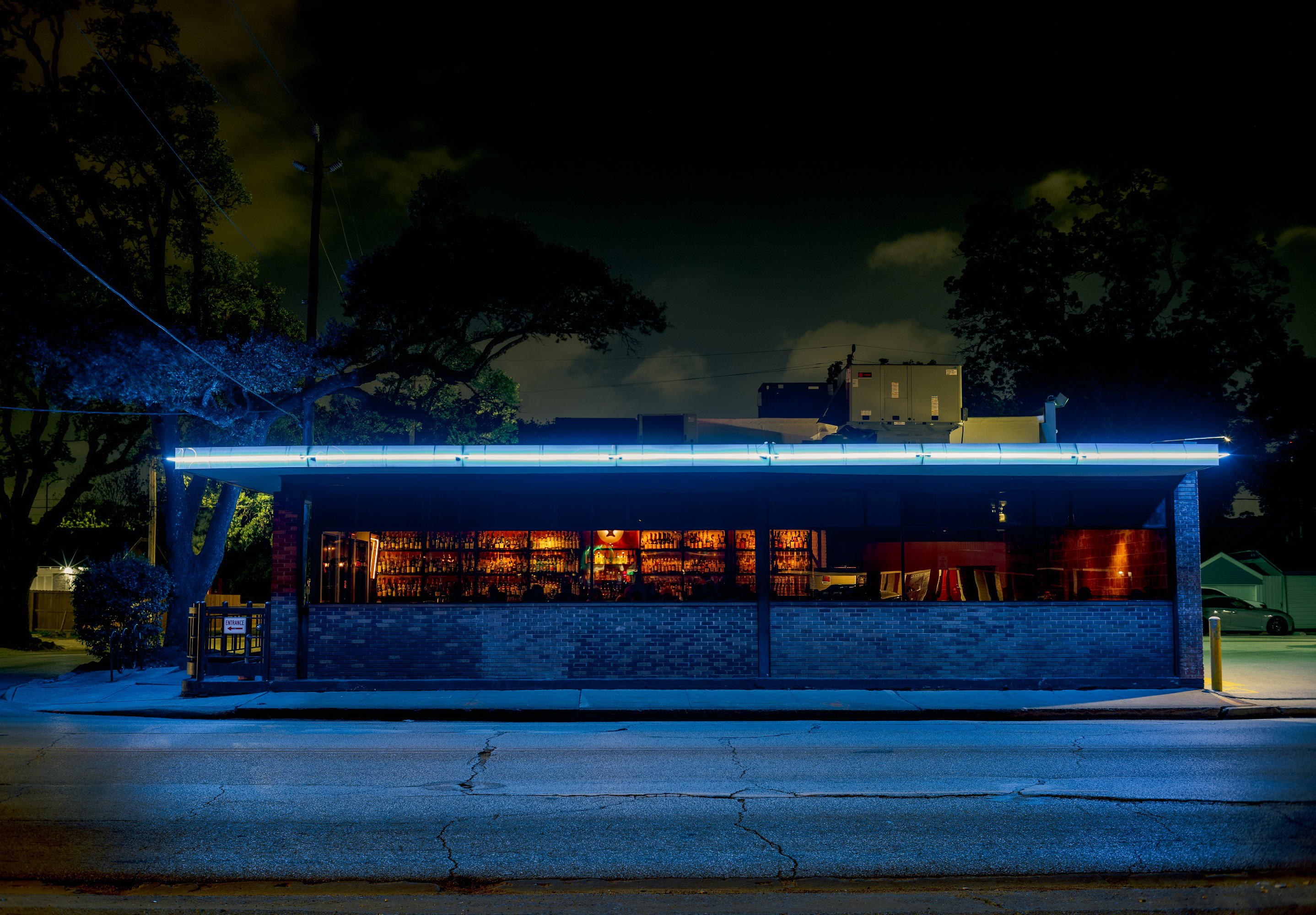
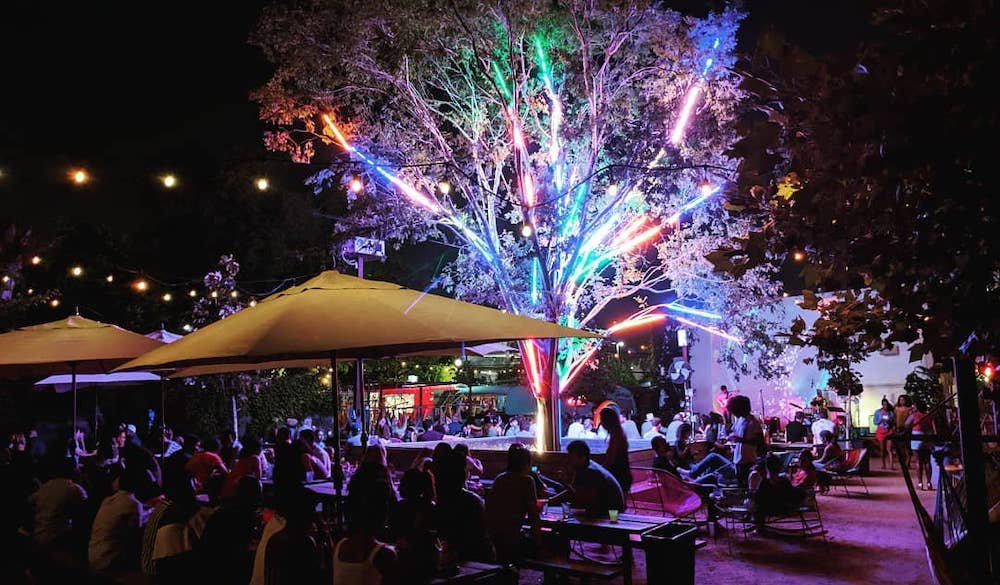
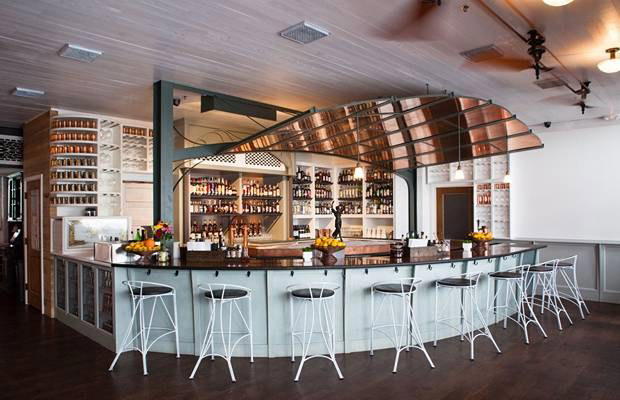
Hotels in Houston
Browse all →
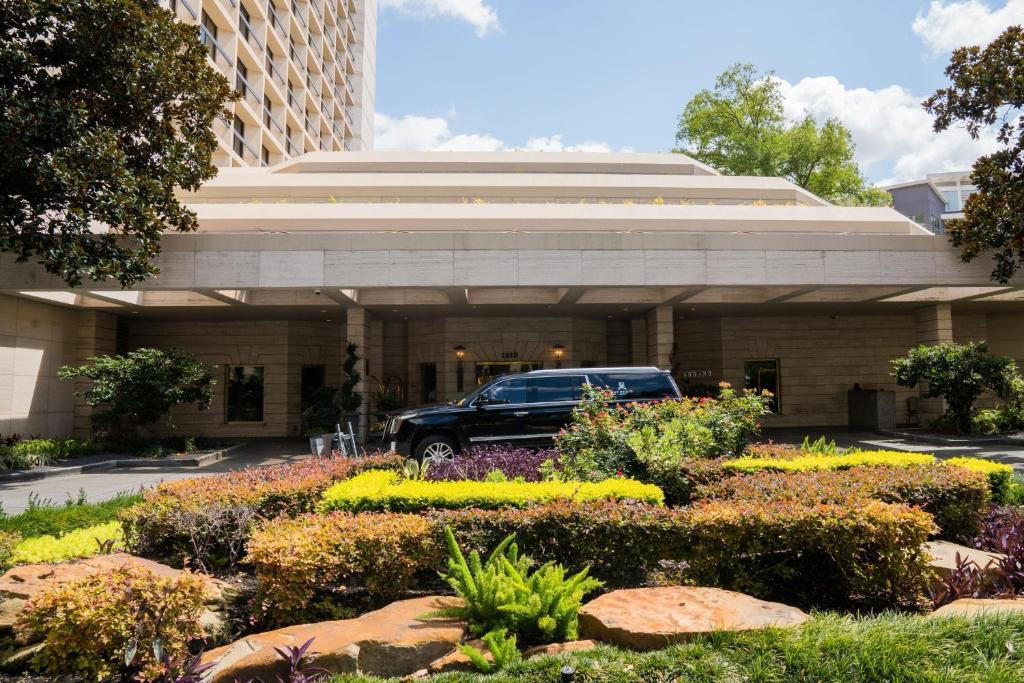

At a Glance
- Trendy
- Modern
- Lively
- Minimalist
- Casual Hangout
- Group Dining
- After Work
- Open Kitchen
- Sake Program
- Craft Cocktails
Relaxed and convivial atmosphere with Japanese minimalism, wabi-sabi philosophy, and a lively central bar.