Uptown Sushi
Uptown Sushi occupies a distinct position in Houston's Japanese dining scene, sitting inside the Uptown Park retail corridor at 1131-14 Uptown Park Blvd. The restaurant draws a steady crowd from the Galleria-adjacent professional and residential base, operating in a price tier and format that places it alongside Houston's more established sushi counters. Reservations are advisable, particularly on weekend evenings.
Pearl is the En Primeur Club membership app — saves, bookings, and concierge access live there. Same editors, same standards.
- Address
- 1131-14 Uptown Park Blvd, Houston, TX 77056
- Phone
- +17138711200
- Website
- uptown-sushi.com
- Directions
- Get directions
 Saves & bookings on Pearl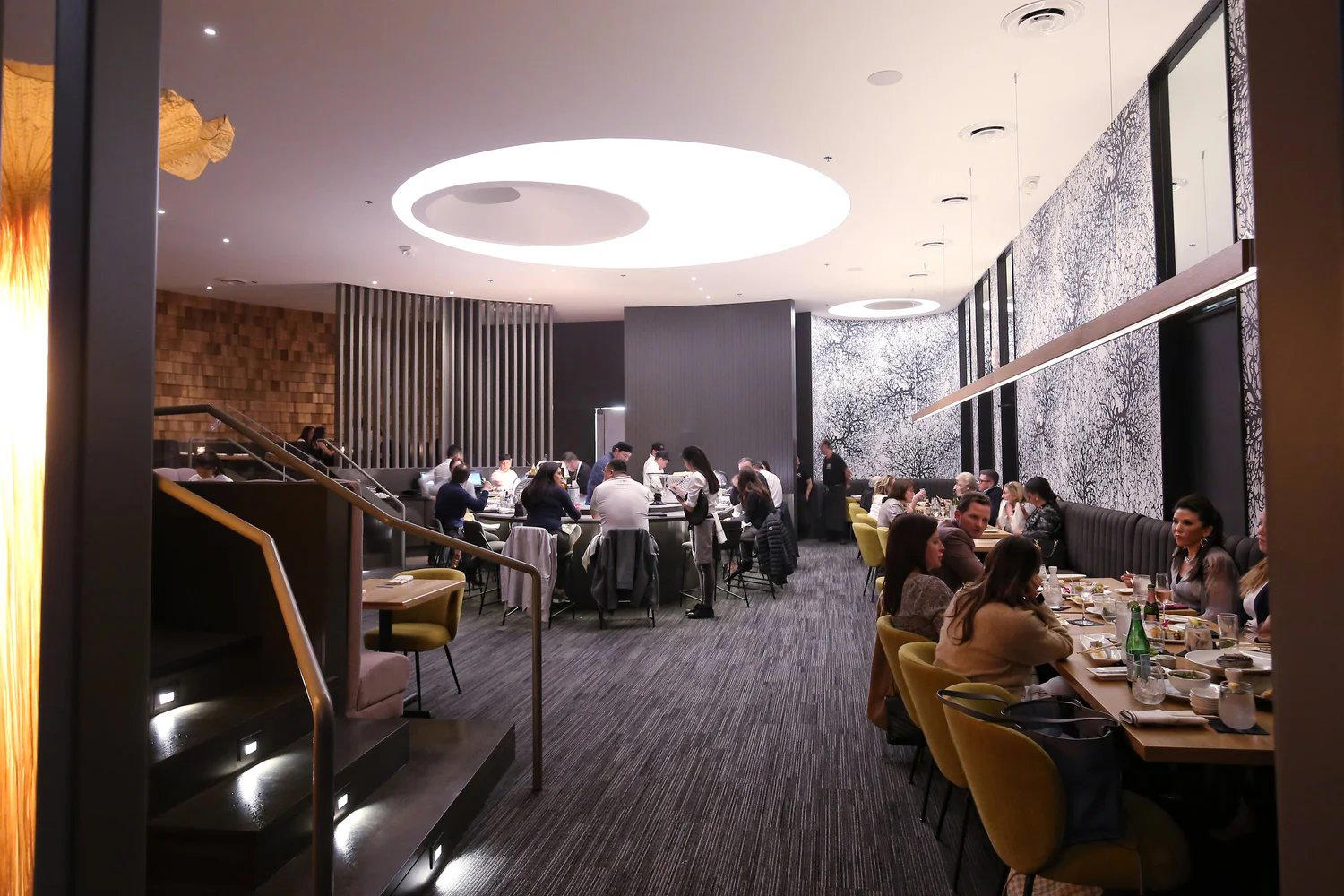
The Ritual of the Counter: How Houston Orders Its Sushi
In American cities where sushi culture has matured past the California-roll era, a particular dining logic has taken hold. The meal is no longer primarily about individual pieces ordered at will; it is about sequence, pacing, and the negotiation between kitchen and guest over what arrives next and when. Houston has followed this national arc, and the Uptown corridor — the stretch of retail and dining anchored around the Galleria — now contains several operations that take that sequenced approach seriously. Uptown Sushi, at 1131-14 Uptown Park Blvd, sits inside that broader shift, drawing from a neighbourhood demographic that expects more than a truncated à la carte experience.
The location matters for understanding the room. Uptown Park is a low-rise open-air retail development that sits just north of the Galleria's mass-market energy without being absorbed by it. The guests who land here tend to arrive with a clearer sense of what they want: a deliberate meal, not a fast transaction. That expectation shapes the pace of service more than any written policy could. Sushi rituals in Japan developed partly from the physical constraint of the counter, where a chef could read each guest's appetite and timing. That counter logic, attentive, unhurried, calibrated to the individual, has translated unevenly to the American market, where square footage pressures and turnover expectations often collapse the ritual into something closer to fine-casual. The better Houston counters resist that compression.
Sushi in the Galleria Corridor: What the Neighbourhood Demands
Houston's broader Japanese dining scene is more layered than its national reputation suggests. The city's large and long-established Japanese-American community, combined with decades of international corporate presence driven by the energy industry, has created a clientele that can support serious Japanese restaurant formats. The Uptown and River Oaks corridor specifically concentrates a demographic willing to spend at the upper end of the casual-to-fine spectrum.
For context, March, Houston's Venetian-influenced tasting counter, and Musaafer, the Galleria-adjacent Indian tasting menu, both operate at the $$$$ price level and have earned sustained recognition for multi-course, paced formats. Tatemó runs a masa-focused tasting experience that demands similar guest commitment. The common thread across these operations is that they ask the diner to surrender some control over the meal's direction in exchange for a more considered arc from start to finish. Sushi, at its most serious, operates by the same logic.
The Grammar of a Sushi Meal
Understanding what separates a deliberate sushi experience from a routine one requires understanding the underlying grammar of the meal. In traditional omakase formats, the chef controls not just what is served but the temperature, the rice-to-fish ratio on each piece, and the interval between courses. Nigiri arrives as a unit, rice pressed to a specific firmness, fish at a temperature that reflects how long it rested outside refrigeration. The guest's job is to eat it promptly and completely. Dipping nigiri in soy, particularly on the fish side, is the kind of intervention that traditionalists regard as disrupting the chef's calibration, because the seasoning has typically already been applied.
These conventions exist across the high-end sushi world from Tokyo's Ginza counters to the American rooms that trained under Japanese lineage. Atomix in New York applies a comparable attention to sequence and ritual in its Korean tasting format; 8½ Otto e Mezzo Bombana in Hong Kong shows how counter discipline can transfer across culinary traditions. The point is not that every sushi restaurant in Houston operates at that level of protocol, but that the underlying philosophy of the counter meal, where timing and sequence carry meaning, is the relevant frame for assessing any serious sushi operation.
Placing Uptown Sushi in Houston's Competitive Set
Houston has a documented appetite for high-commitment dining. The city that supports BCN Taste and Tradition for Spanish-format multi-course meals and Le Jardinier Houston for French vegetable-forward tasting menus is a city whose dining public has developed real fluency with format and pacing. That fluency extends to Japanese cuisine, where the Houston market now sustains several operations attempting counter-style or omakase-adjacent experiences.
Nationally, the benchmark operations in this category, The French Laundry in Napa, Providence in Los Angeles, Le Bernardin in New York, demonstrate that American diners will commit to paced, sequenced formats when the kitchen earns that trust. Sushi counters in American cities operate inside the same compact: the guest grants patience, the kitchen delivers precision. Single Thread Farm in Healdsburg and Blue Hill at Stone Barns extend that contract into agricultural sourcing. The point of comparison is not price parity but format logic: the willingness of American fine-dining guests to accept that the kitchen knows more than the menu about what should arrive next.
How Uptown Sushi Sits Against Its Nearest Peers
| Venue | Format | Price Tier | Neighbourhood |
|---|---|---|---|
| Uptown Sushi | Sushi | Not confirmed | Uptown Park |
| Hidden Omakase | Sushi / Omakase | $$$$ | Houston |
| March | Venetian tasting | $$$$ | River Oaks |
| Musaafer | Indian tasting | $$$$ | Galleria |
| Theodore Rex | New American | $$$ | Houston |
Planning Your Visit
Uptown Sushi is at 1131-14 Uptown Park Blvd, Houston, TX 77056, inside the Uptown Park retail development. Weekend evenings in the Galleria corridor fill quickly across the price spectrum, and sushi counters with limited seating are typically the first to close for reservations. Arriving without a booking on a Friday or Saturday carries meaningful risk.
For a wider view of where Uptown Sushi sits in Houston's broader dining picture, see our full Houston restaurants guide, which covers the city's range from Uptown to Montrose and beyond.
Continue exploring
More in Houston
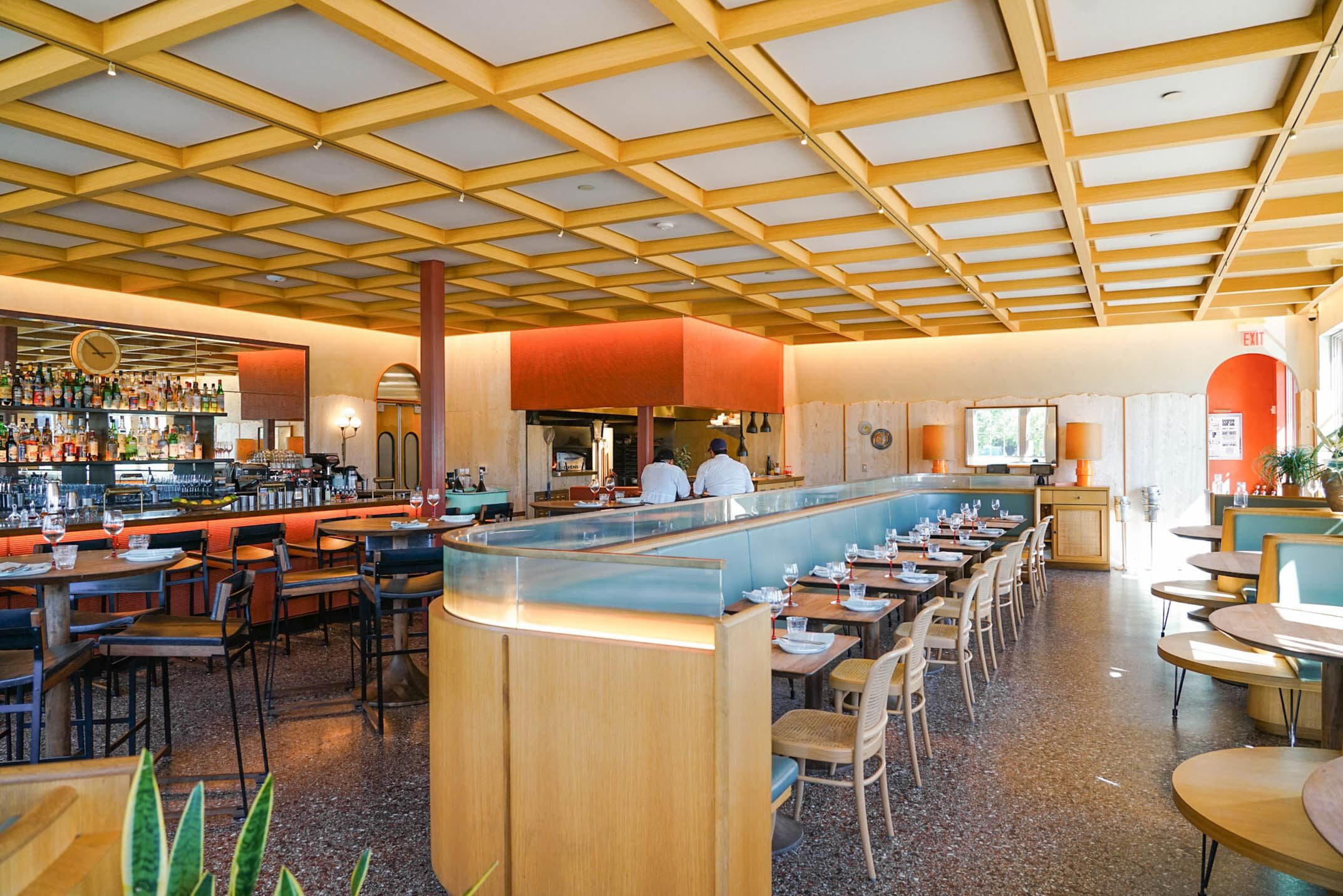
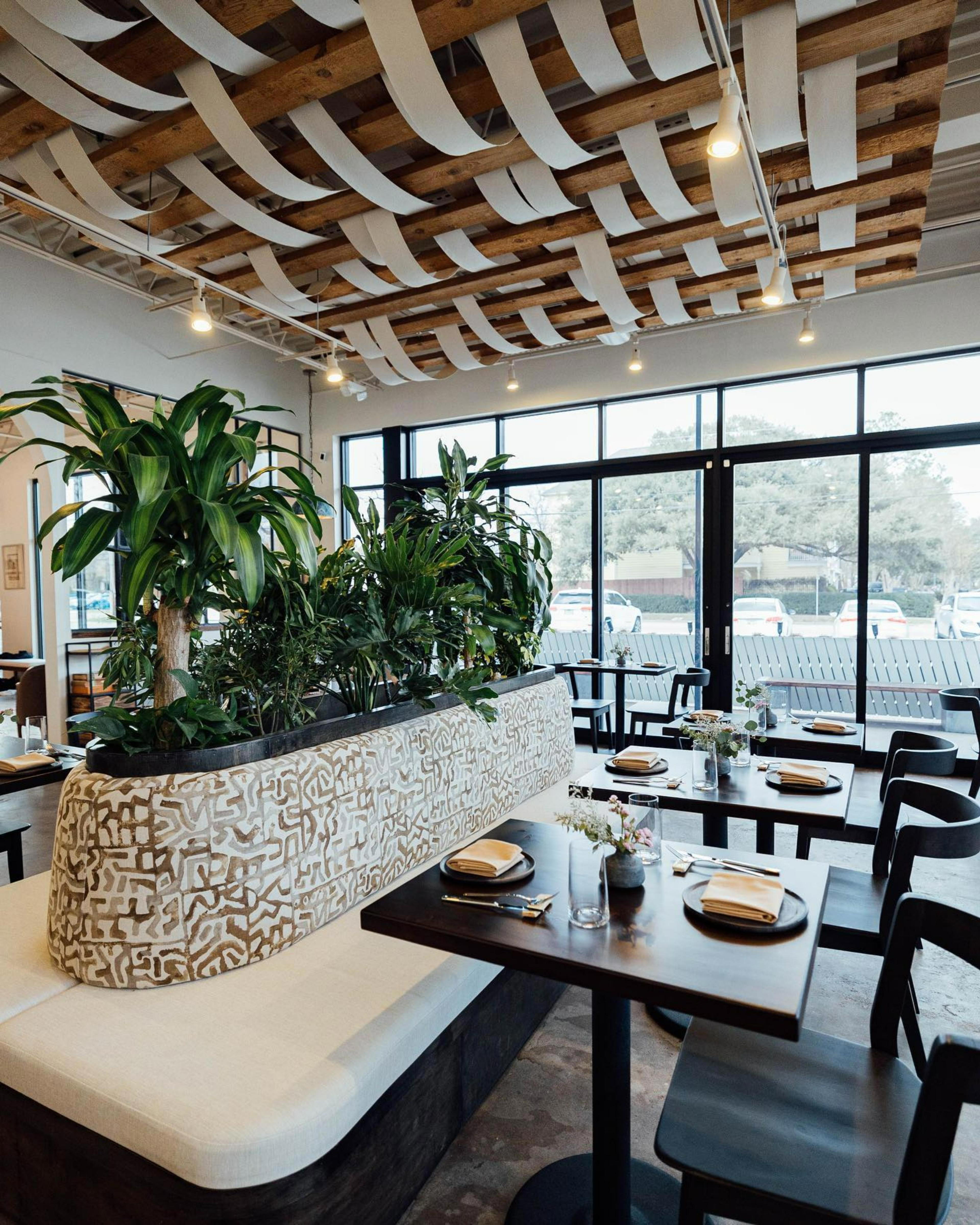
Restaurants in Houston
Browse all →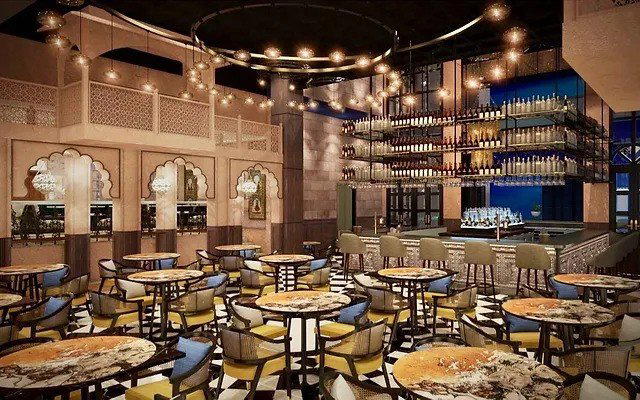
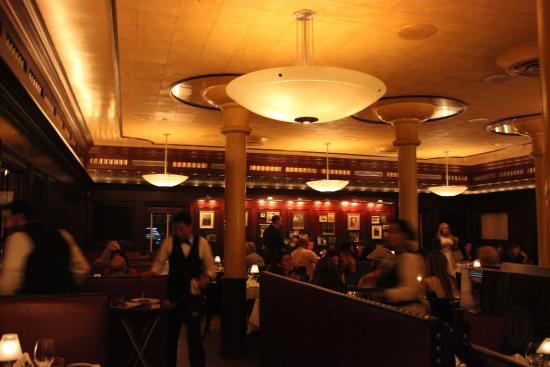
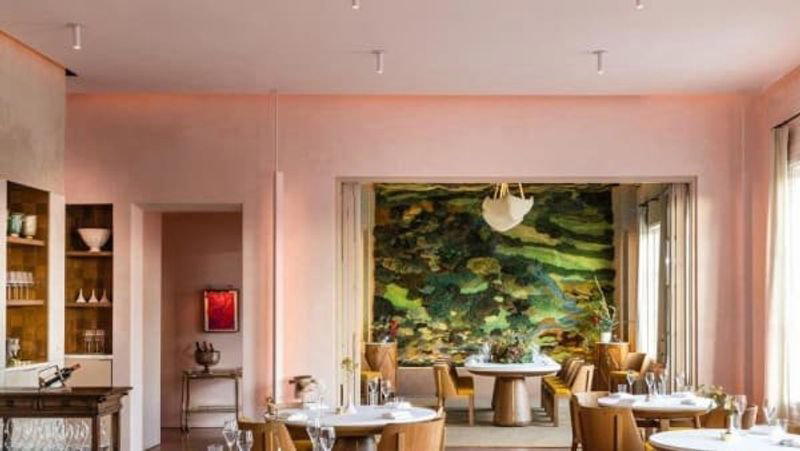
Bars in Houston
Browse all →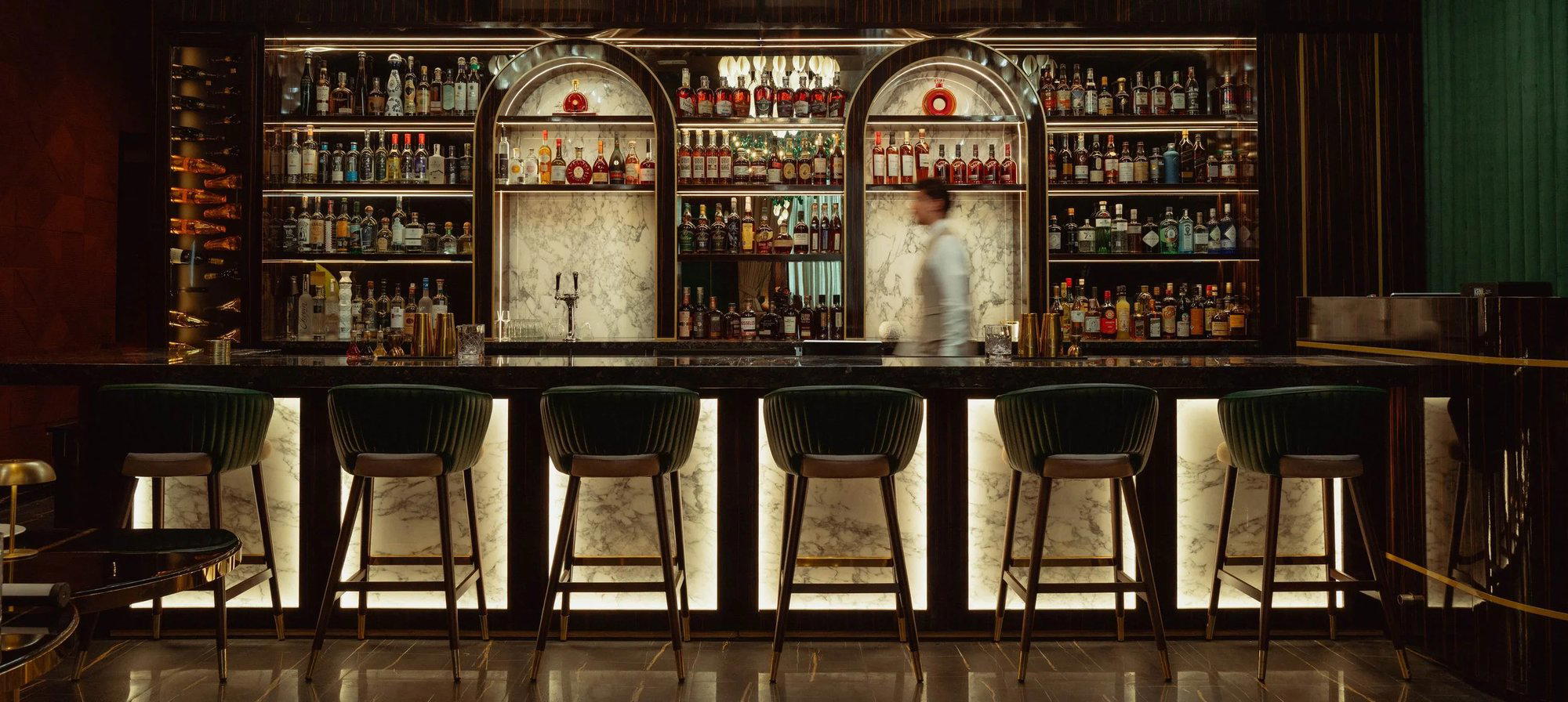
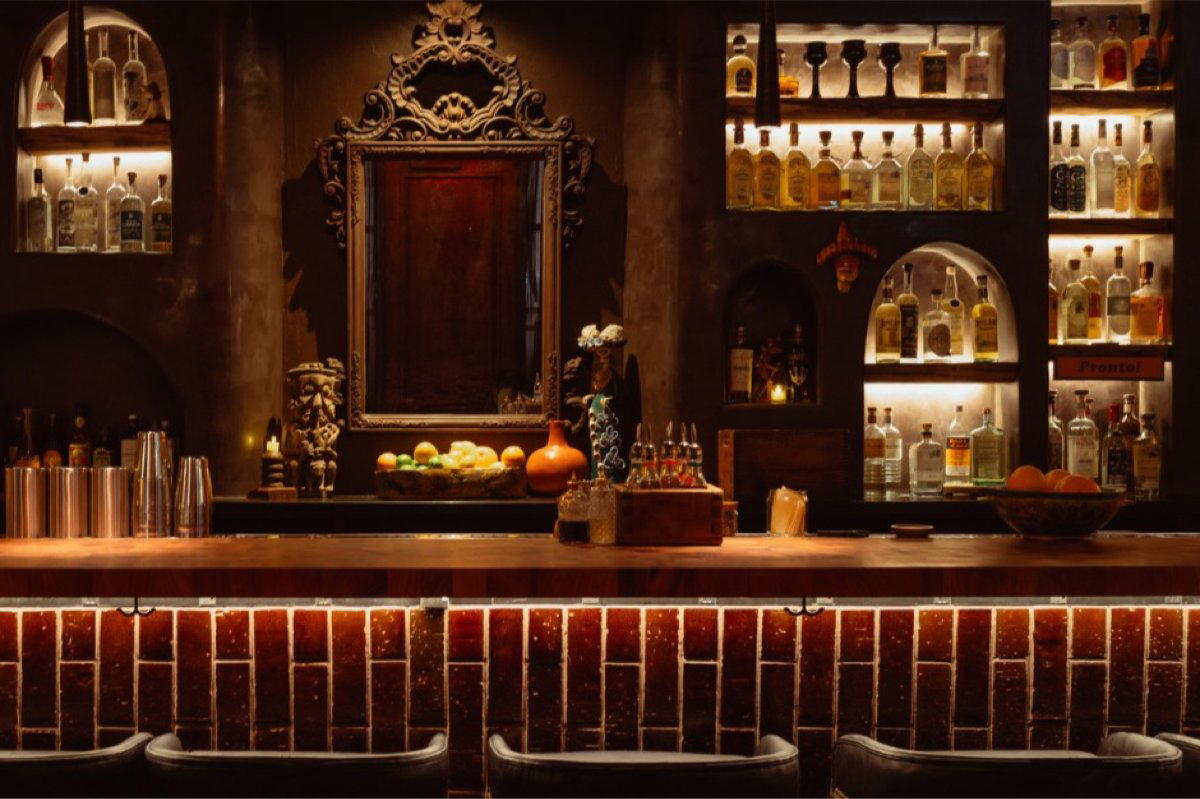
Hotels in Houston
Browse all →
At a Glance
- Elegant
- Modern
- Sophisticated
- Trendy
- Date Night
- Business Dinner
- Late Night
- Open Kitchen
- Sake Program
Current opening hours
- Monday
- 11 AM–10 PM
- Tuesday
- 11 AM–10 PM
- Wednesday
- 11 AM–10 PM
- Thursday
- 11 AM–11 PM
- Friday
- 11 AM–11 PM
- Saturday
- 12–11 PM
- Sunday
- 5–10 PM
Hours can change for holidays and private events. Last verified .
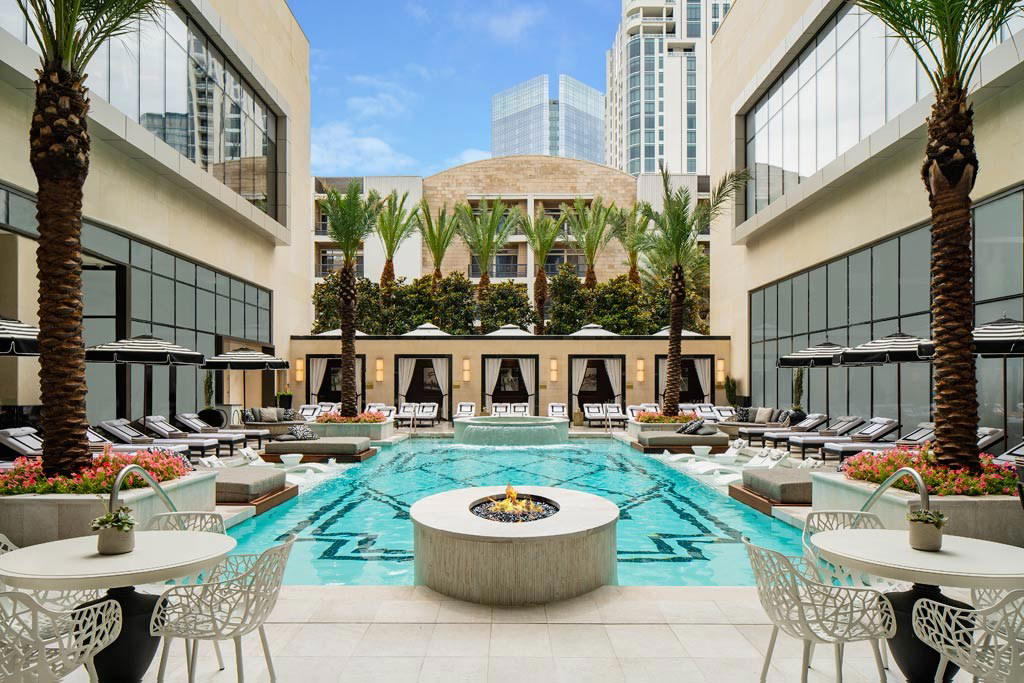
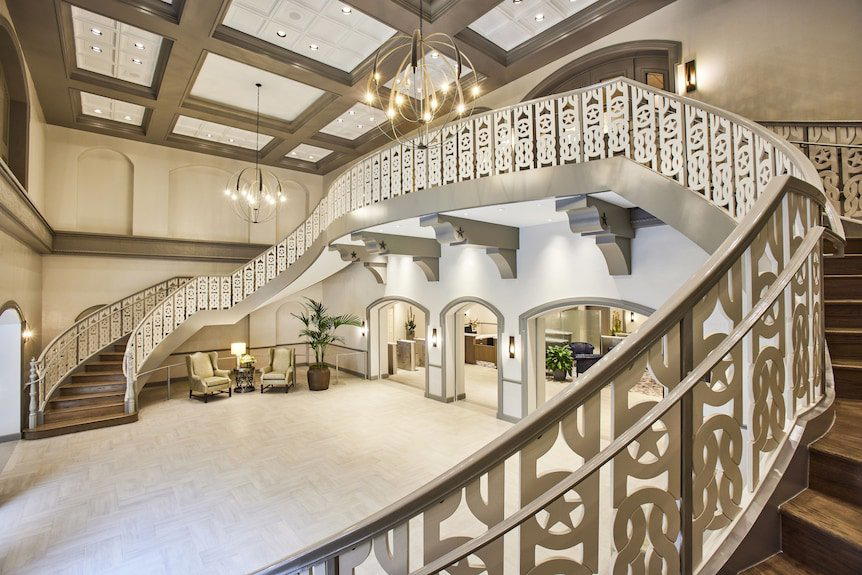
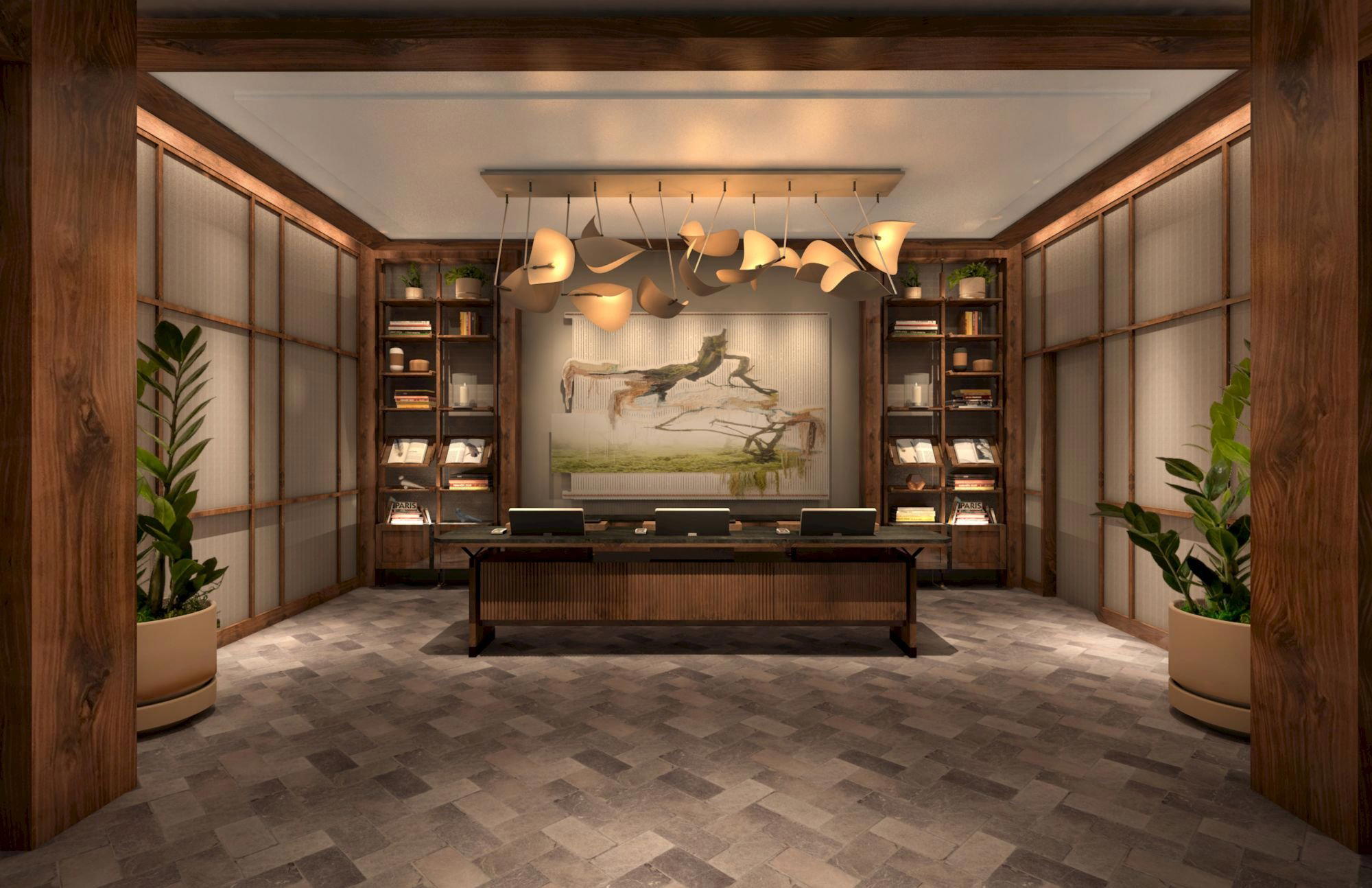
Chic and elegant modern decor with good lighting, relaxing atmosphere, and aquatic accents; some note it can be cold from AC.
Know Before You Go
- Getting there
- 1131-14 Uptown Park Blvd, Houston, TX 77056