Hotel Saint Augustine


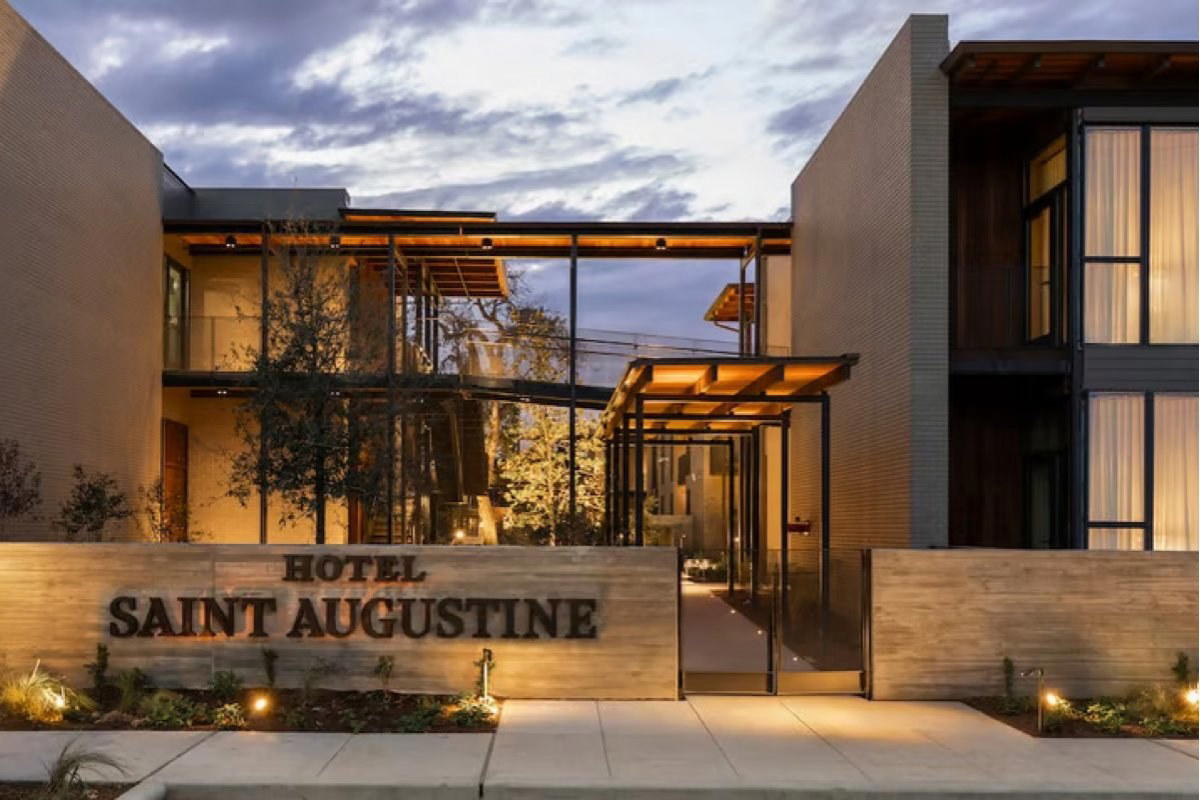
Spread across five buildings in Montrose's leafy streets, Hotel Saint Augustine brings a strong design point of view to one of Houston's most culturally layered neighbourhoods. Burled walnut, red lacquer, Calacatta Viola marble, and vintage finds mix across 71 rooms, with some offering screened porches set among the trees. Rates from $327 per night place it in the mid-to-upper independent tier for the city.
 Discover on Pearl
Pearl is the En Primeur Club membership app — saves, bookings, and concierge access live there. Same editors, same standards.
- Address
- 4110 Loretto Dr, Houston, TX 77006
- Phone
- +1 832-844-0057
- Website
- hyatt.com
Montrose and the Architecture of Houston's Independent Hotel Scene
Houston's hotel market has long been dominated by a familiar split: full-service towers clustered around downtown and Uptown, and a thinner spread of smaller properties serving the city's residential neighbourhoods. Montrose sits apart from both of those gravitational pulls. The district's walkable, arts-inflected streets have made it a natural home for the kind of design-led independent property that doesn't compete on scale or brand recognition. Hotel Saint Augustine is a 4-star hotel in Houston's Montrose, with 1 Michelin Key and rates from $252 per night. Hotel Saint Augustine, at 4110 Loretto Drive, occupies that position with some conviction.
The property spreads across five buildings, which immediately signals something about how it was assembled: this is not a ground-up hotel that arrived with a single architectural statement, but a place that evolved from existing structures and accumulated a point of view across them. That approach is increasingly common among the properties that have found traction in neighbourhood-scale hospitality, from Troutbeck in Amenia to Hotel Bel-Air in Los Angeles. The format rewards guests who want a place that reads like a building with a past rather than a brand standard.
Materials, Eras, and the Design Logic of the Property
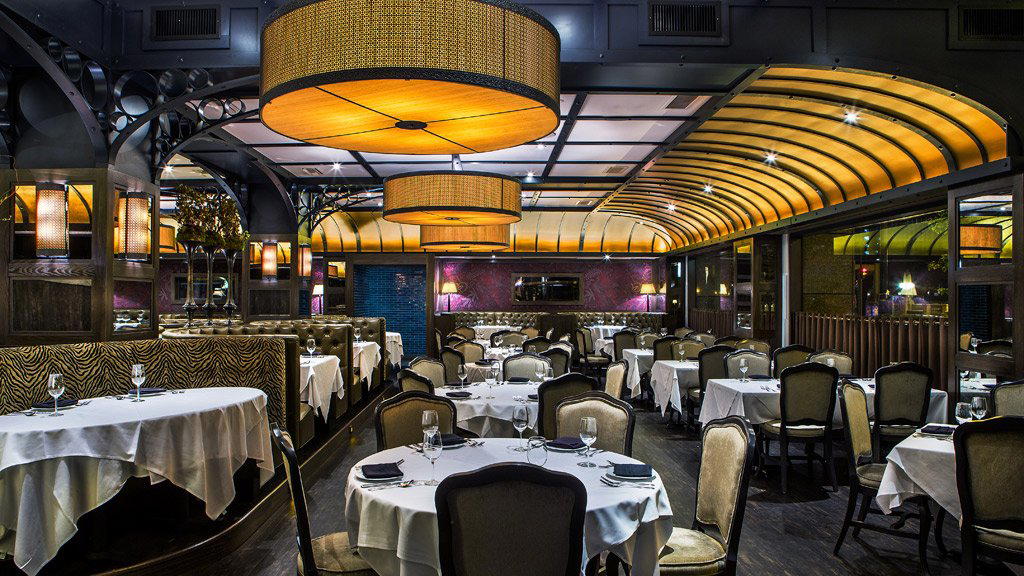
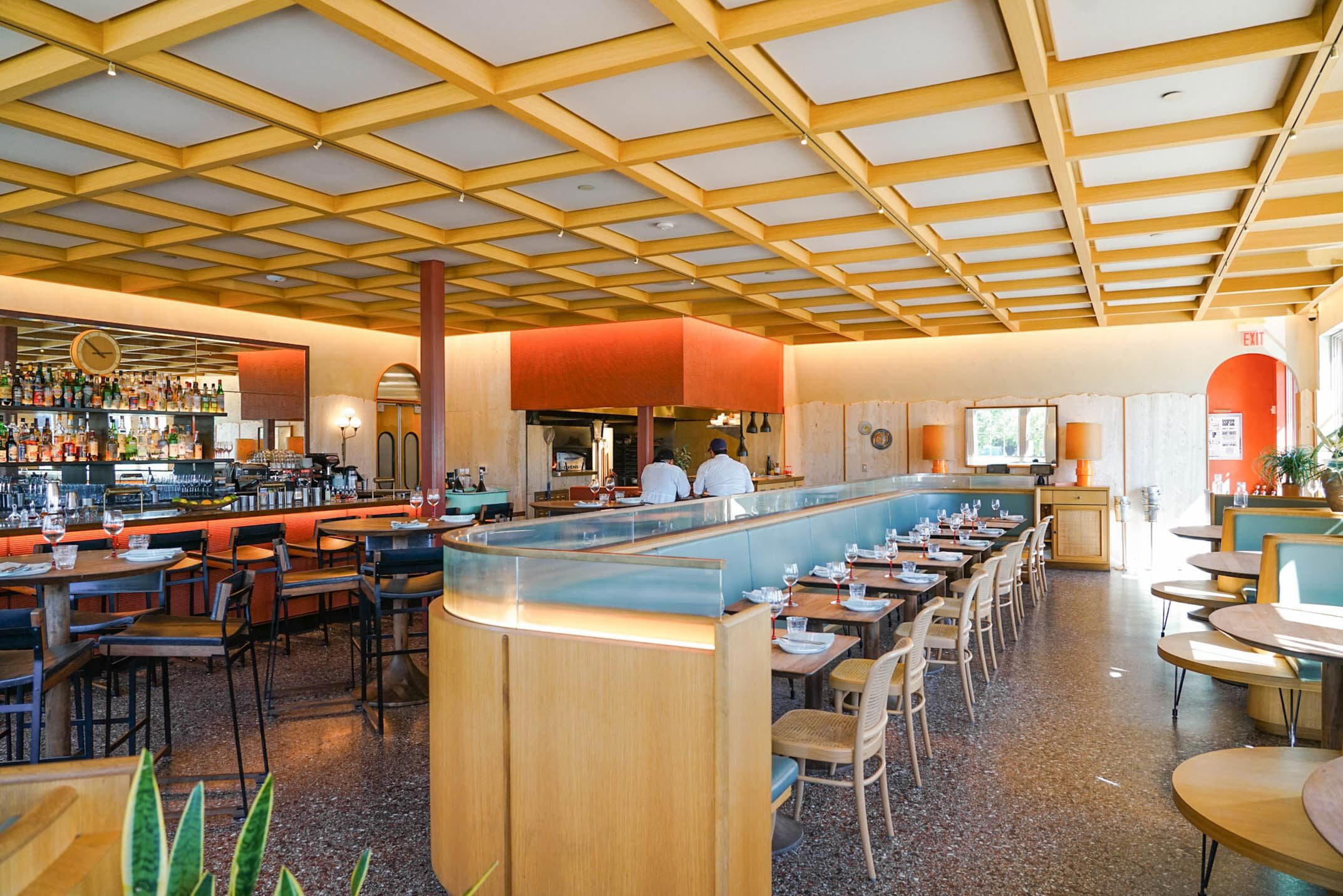
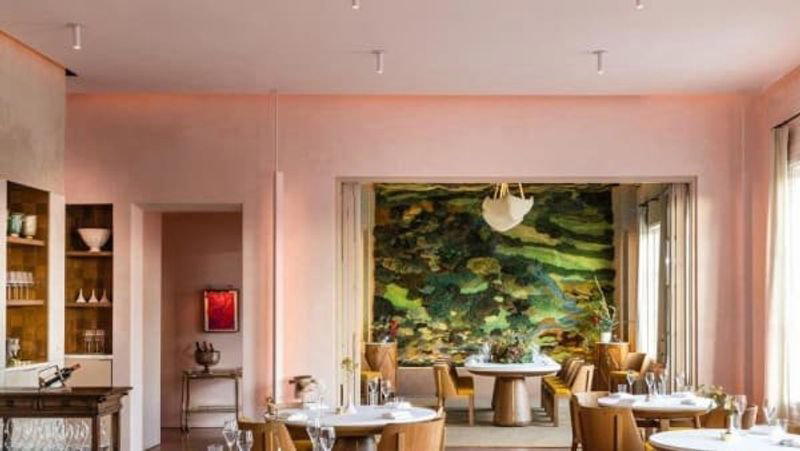
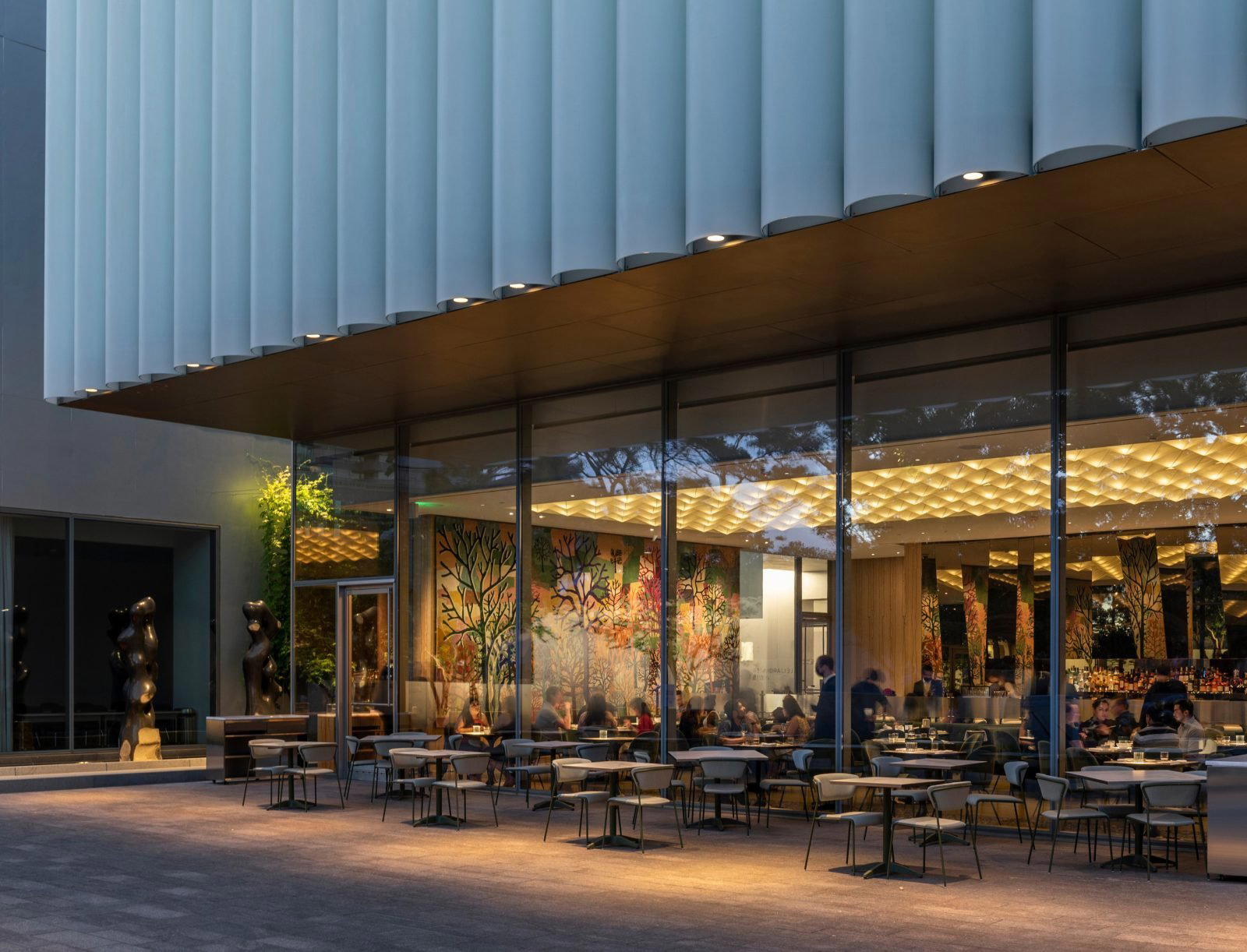
The interior language at Hotel Saint Augustine is deliberately layered. Burled walnut, red lacquer, and Calacatta Viola marble appear alongside sculptural furniture and vintage finds, a combination that resists easy period classification. It reads closer to a collected interior than a designed one, which takes considerably more editorial control to execute convincingly. The public spaces carry the richest material density; guest rooms offer a quieter counterpoint, with some featuring screened porches that open onto the tree canopy along Loretto Drive.
That tension between the richness of shared space and the relative restraint of private rooms is a deliberate compositional choice. It encourages guests into the courtyards, the restaurant, and the common areas rather than retreating entirely to their rooms. The courtyard pool anchors the social geography of the property and provides the kind of outdoor transition space that Montrose's climate makes possible for a meaningful portion of the year. Spring and autumn, when Houston's humidity drops into something more agreeable, are the periods when that courtyard dynamic is most rewarding.
At 71 rooms, the property sits in a size tier that allows for staffing ratios that larger full-service hotels struggle to match. For comparison, properties like Hotel ZaZa Museum District and Hotel ZaZa Memorial City operate at similar neighbourhood-scale ambitions but with distinct visual identities that skew louder. Saint Augustine's palette is more controlled.
Montrose as Context: Why Location Matters Here
Montrose is one of the few Houston neighbourhoods where a hotel's street address functions as a credible editorial signal on its own. The district has built a density of independent restaurants, galleries, and bars that gives it a cultural coherence unusual in a city whose geography tends toward dispersal. Staying in Montrose means that the texture of the neighbourhood is accessible on foot, rather than requiring the car-dependent logistics that govern much of Houston's hospitality geography.
For visitors whose itinerary runs through the Houston Museum of Natural Science, the Menil Collection, or the Houston Museum of Fine Arts, the positioning makes practical sense. The city's major museum cluster sits at the southern edge of Montrose, close enough that a morning visit does not require planning the return logistics. For dining, the neighbourhood's independent restaurant scene is among the more concentrated in the city, and EP Club's full Houston restaurants guide covers the options in more detail.
Guests who require the amenities and ballroom infrastructure of properties like Four Seasons Hotel Houston or The Post Oak Hotel at Uptown Houston will find Saint Augustine operates at a different register entirely. It does not position itself against those properties; the guest profiles barely overlap.
Rate Position and How to Think About Value Here
Rates from $327 per night place Hotel Saint Augustine in the upper-mid tier for independent Houston hotels, above the city's functional business hotels and below the rates commanded by Hotel Granduca Houston or the branded luxury towers downtown. That bracket tends to attract guests for whom design and neighbourhood matter more than points programmes or concierge depth.
Saint Augustine's pricing reflects both its market and a deliberate positioning that keeps it accessible to a broader Montrose-visiting audience rather than targeting only the best of the leisure travel segment.
Planning Details
The property is located at 4110 Loretto Drive in Montrose, Houston, TX 77006. With 71 rooms across five buildings, including a restaurant and courtyard pool, it functions as a full stay rather than a room-only proposition. Rates begin at $252 per night. For visitors weighing it against other design-led Houston options, Hotel Derek and Hotel ICON, Autograph Collection offer different design orientations at overlapping price points. Heights Hotel Daphne serves a similar design-conscious audience from a different neighbourhood anchor.
Peers Worth Knowing
Comparable venues nearby, for context on price, style, and recognition.
| Venue | Cuisine | Price | Notes |
|---|---|---|---|
| Hotel Saint AugustineThis venue — the venue you are viewing | luxury boutique with museum-inspired design | $$$$ | |
| Hotel ZaZa Museum District | Boutique hotel with unique concept suites and pool villas | $$$$ | Museum District |
| Four Seasons Hotel Houston | Contemporary luxury urban resort with residential-style private residences; blends modern sophistication with warm Texas hospitality and bold design elements. | $$$$ | Downtown |
| Hotel Granduca Houston | Italian villa-inspired all-suite luxury boutique | $$$$ | Afton Oaks |
| The St. Regis Houston | Luxury palace hotel with traditional design elements and modern amenities; Texas-inspired touches including leather and snakeskin patterns in rooms. | $$$$ | Afton Oaks |
| Houston Grand Hotel - River Oaks | Timeless elegance meets modern sophistication in Houston's Uptown district. | $$$$ | Afton Oaks |
Continue exploring
More in Houston
Hotels in Houston
Browse all →
Bars in Houston
Browse all →
Restaurants in Houston
Browse all →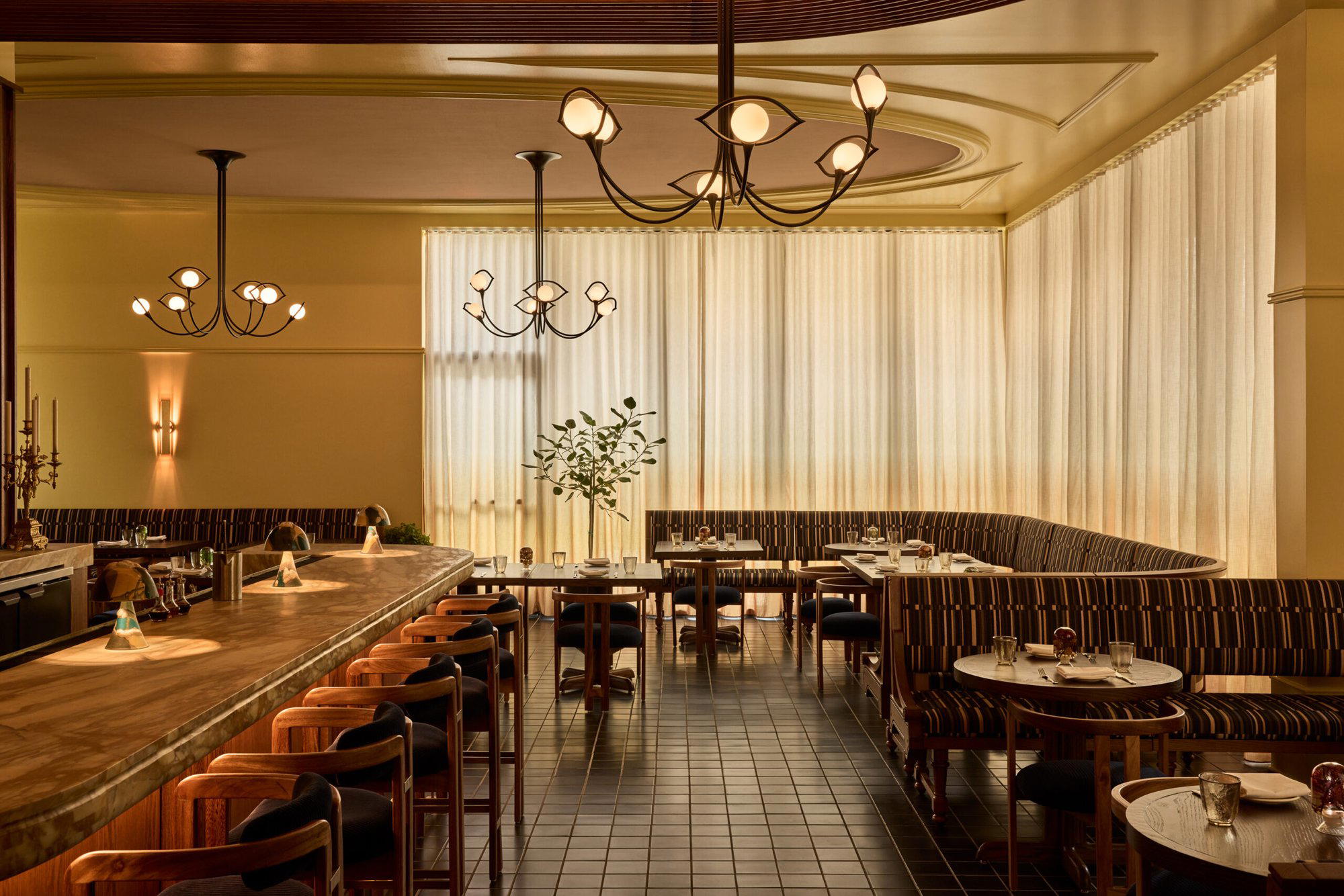
At a Glance
- Elegant
- Modern
- Intimate
- Sophisticated
- Romantic Getaway
- Anniversary
- Weekend Escape
- Historic Building
- Design Destination
- Terrace
- Wifi
- Pool
- Spa
- Fitness Center
- Room Service
- Concierge
- Valet Parking
Charming and serene with beautiful architecture, lush gardens, and an inviting, peaceful atmosphere.