Toga
Houston's izakaya scene has expanded well beyond novelty, and Toga sits within that casual Japanese drinking-and-eating tradition where the beverage program carries as much weight as the kitchen. Expect the kind of relaxed, order-as-you-go format that defines the genre at its most honest — small plates, sake, shochu, and a room that rewards staying longer than you planned.
- Address
- Houston, United States
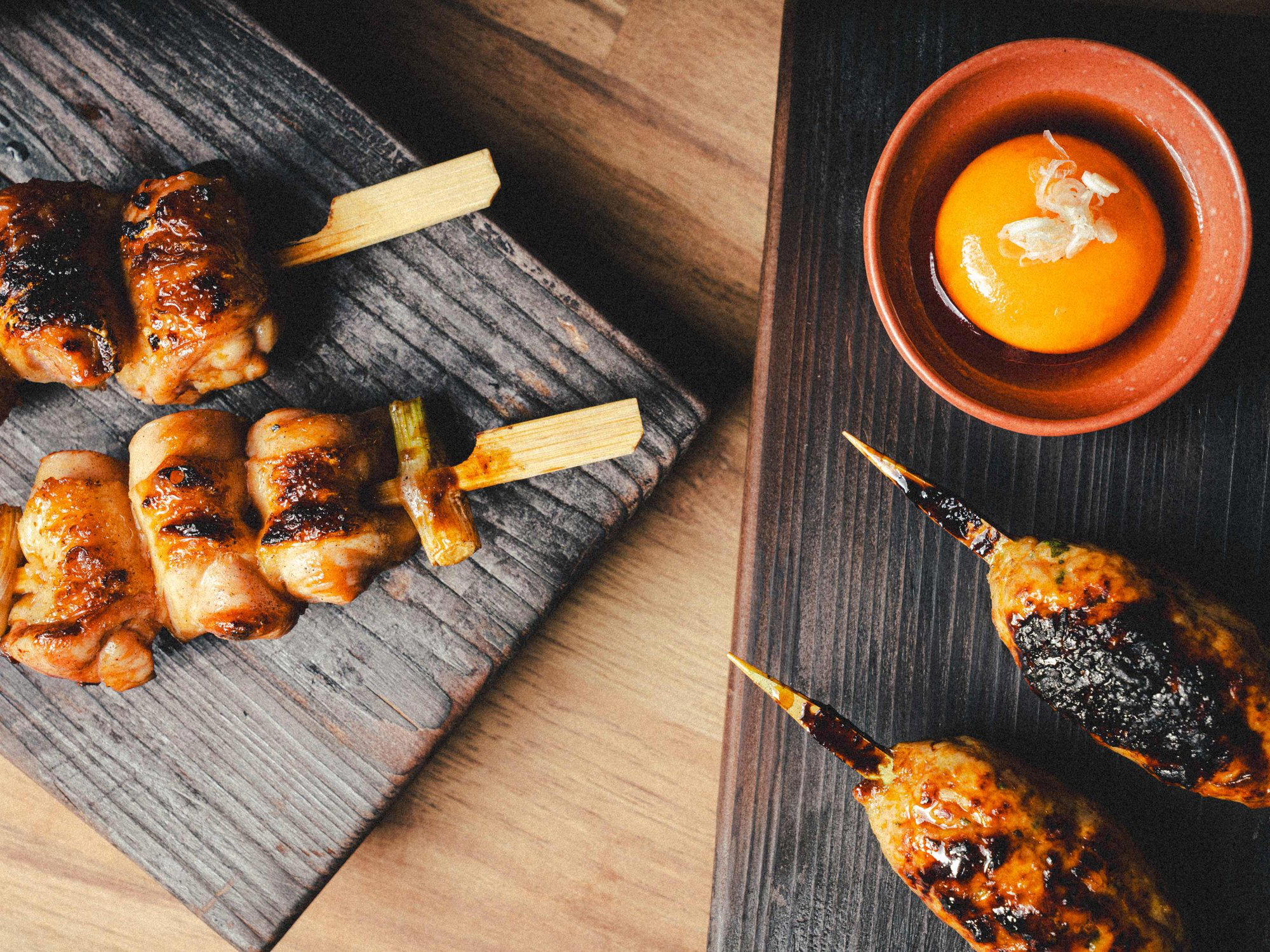
Izakaya in Houston: The Drinking-First Tradition
Japanese izakaya culture is built on a logic that most Western dining resists: the drinks come first, and the food follows them. Where a tasting menu restaurant sequences courses toward a conclusion, an izakaya accumulates — small plates arriving in no fixed order, sake poured before anyone has decided what they're eating, the evening shaped more by conversation and rounds than by a kitchen's ambitions. Houston has developed a genuine appetite for this format, and Toga operates within that tradition. The city's broader Japanese dining scene now covers a wide range, from high-commitment omakase counters with months-long wait lists to the kind of low-pressure, high-frequency spots that locals return to on a Tuesday. Toga belongs to the latter category — casual izakaya, where the measure of success is not the ceremony but the ease.
Where Sake Fits Into This Kind of Room
The editorial angle that matters most in evaluating any izakaya is not the kitchen, it's how the beverage program holds together. In Japan, sake selection at an izakaya functions as a form of local identity: the house pours reflect the owner's regional loyalties, supplier relationships, and willingness to push past the commodity labels that dominate the export market. The better izakaya in American cities have taken that logic seriously, building sake lists that move beyond the generic junmai or the fruity daiginjo that sells easily, toward the broader range of rice, water, and koji that the category actually contains.
Shochu occupies a parallel space. In the izakaya context, it is typically served mizuwari (with cold water) or on the rocks, and its role is functional as much as aesthetic, it is lower in alcohol than sake, better suited to long sessions, and pairs more forgivingly with fried or heavily seasoned food. A thoughtful izakaya will carry both iimo (sweet potato) and mugi (barley) varieties, since each brings a different weight to the table. The degree to which Toga pursues depth in this area is the clearest signal of where it positions itself within Houston's Japanese casual tier.
Japanese whisky and beer also operate within the izakaya beverage framework, though they function more as anchors than as the program's distinguishing features. Draft Japanese lager is as much a structural element of the format as the small plates themselves, the cold glass arriving before the first dish is part of the rhythm that defines the experience.
The Food as Beverage Architecture
In the izakaya model, food and drink are not two separate considerations. The kitchen's job is partly to give the beverage program somewhere to go. Dishes built around char, salt, and fat, yakitori, karaage, grilled fish collar, edamame, create specific demands on the drink pairing: the saline minerality of a good junmai ginjo cuts through fried chicken in a way that a crisp lager also does, but differently. The conversation between the two is the point of the format.
This matters in the context of Houston because the city's dining culture already understands the integration of food and drink at the level of tradition. Tex-Mex, barbecue, and Vietnamese cooking all carry that assumption, the drink is part of the meal, not a separate consideration tagged on by a sommelier. An izakaya translates naturally into this context, and Houston diners tend to engage with the format on its own terms rather than approaching it as an exotic novelty. That cultural comfort is part of why Japanese casual dining has established real roots here, distinct from cities where izakaya remains a trend-driven format. For more on where Houston dining sits across its full range, see our full Houston restaurants guide.
Houston's Casual Japanese Tier in Context
The competitive set for a casual izakaya in Houston is defined less by cuisine type than by price point and format. At the top of the market, March and Musaafer represent the high-investment, high-ceremony end of Houston dining, the kind of rooms where the evening is an occasion by design. Further down the register, Nancy's Hustle and Theodore Rex hold the new American casual space at $$ and $$$ respectively. Toga operates in the casual-to-mid tier characteristic of the izakaya format, where the value is in frequency and flexibility rather than in architectural meals. That is not a compromise, it is the format's inherent strength.
Across the broader American dining scene, Japanese casual formats have found particular traction in cities with food cultures that reward unpretentious technical cooking. Lazy Bear in San Francisco and Atomix in New York sit at the formal end of the Japanese-influenced spectrum; the izakaya occupies the opposite end of the same cultural arc. BCN Taste and Tradition and Tatemó illustrate how Houston's broader appetite for culturally grounded, non-generic cooking plays out across other traditions in the city. The izakaya sits comfortably in that same sensibility.
The Atmosphere of the Format
Izakaya rooms are defined by noise, proximity, and pace. The lighting tends toward warm and low; the tables are small enough to create the sense that the people at the next seat are part of the same session. The format rewards groups of three or four who share plates and work through the drinks list across two or three hours, but it also accommodates solo diners at a bar counter in a way that a larger restaurant format does not. The counter position is often the leading seat: you see the kitchen, the drinks are closer, and the pacing adjusts naturally to a single person's rhythm.
In the context of Houston's dining culture, that kind of spatial informality connects to a broader pattern, the city's better casual restaurants are typically high in energy and low in ceremony, and the service model at a good izakaya matches that expectation. You are not guided through the evening; you build it yourself, plate by plate and pour by pour.
Planning Your Visit
Toga fits within Houston's casual izakaya format, which means bookings are generally more accessible than at the city's formal Japanese counters, though weekend evenings at well-regarded spots in this tier tend to fill earlier than the walk-in crowd expects. Arriving before the main dinner rush, or sitting at the bar if tables are occupied, is the standard approach. For drinking-oriented evenings, the izakaya format is well-suited to early starts that extend rather than late arrivals that compress. Houston's bar and drinks scene runs parallel to its restaurant culture; our full Houston bars guide covers where to continue an evening after the kitchen closes. If you are building a wider Houston itinerary, our Houston hotels guide, wineries guide, and experiences guide cover the broader picture. Internationally, the izakaya format sits within a continuum of Japanese dining that ranges from the French-influenced precision of Le Bernardin-tier restaurants to neighborhood-driven casual rooms; Le Jardinier Houston offers a useful point of contrast in terms of formal French-influenced cooking within the same city. For occasion dining at the other end of the register, The French Laundry, Alinea, and Alain Ducasse at Louis XV represent the formal ceiling of the category; Single Thread Farm and Emeril's in New Orleans offer further regional context for American dining at the high end.
A Quick Peer Check
| Venue | Cuisine | Price | Awards |
|---|---|---|---|
| Toga (izakaya)This venue — the venue you are viewing | Casual izakaya (Japanese) | This venue | Not listed |
| March | Venetian | $$$$ | Michelin 1 Star |
| Musaafer | Indian | $$$$ | Michelin 1 Star |
| Nancy's Hustle | New American, Contemporary | $$ | New American, Contemporary, $$ |
| Hidden Omakase | Sushi | $$$$ | Sushi, $$$$ |
| Theodore Rex | New American, Contemporary | $$$ | New American, Contemporary, $$$ |
Continue exploring
More in Houston
Restaurants in Houston
Browse all →
Bars in Houston
Browse all →
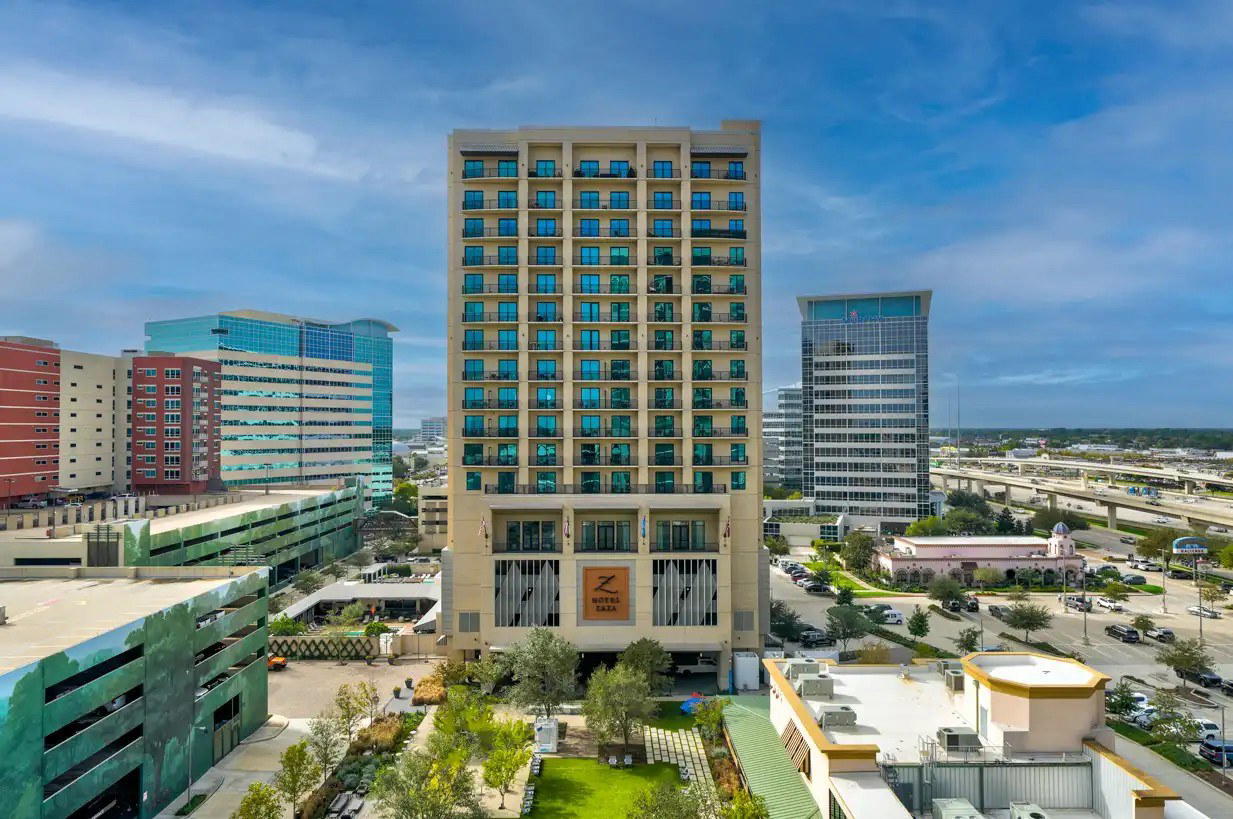
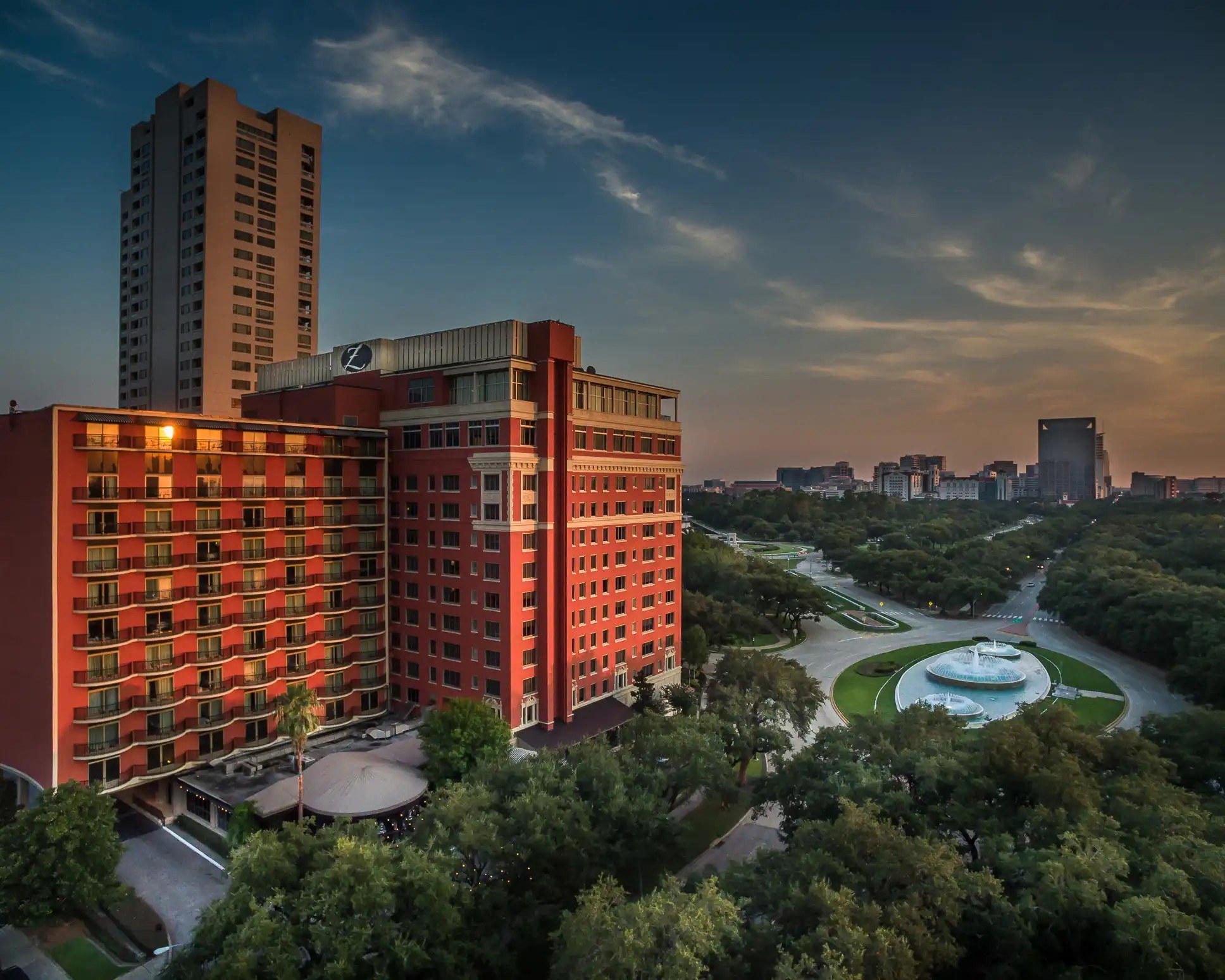
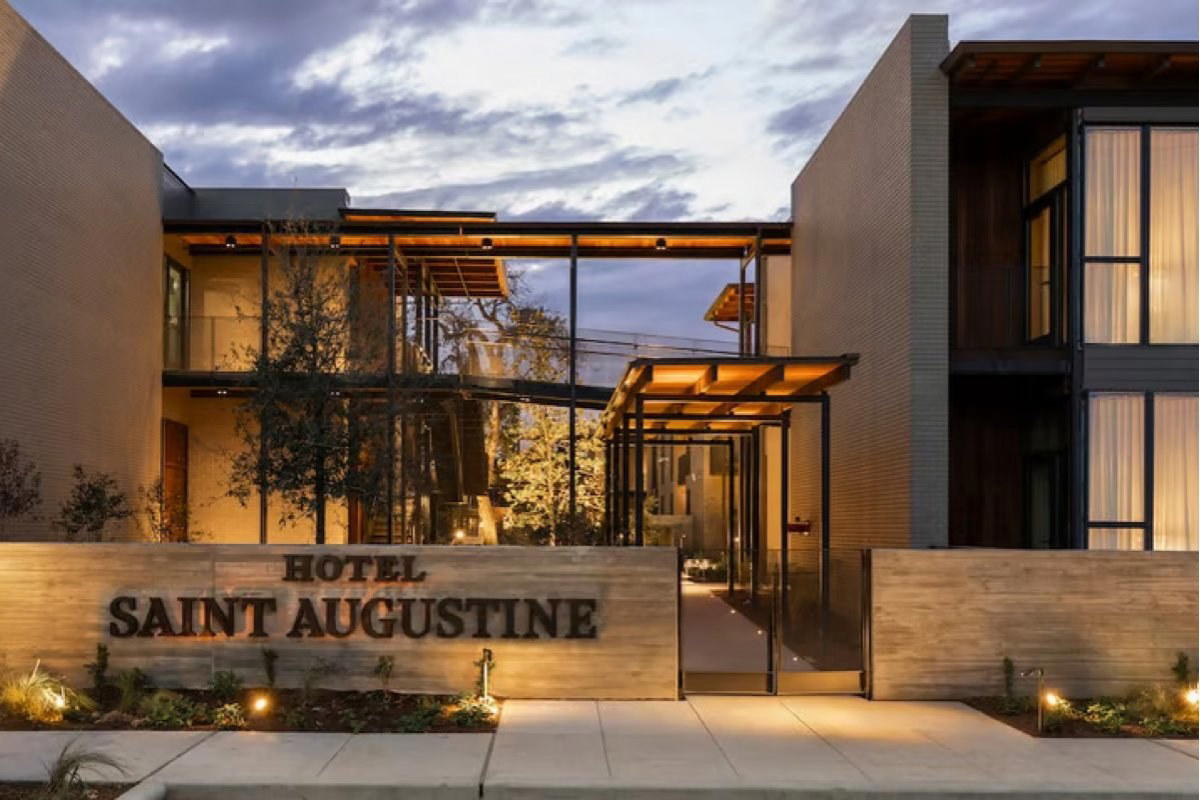
Hotels in Houston
Browse all →
Wineries in Houston
Browse all →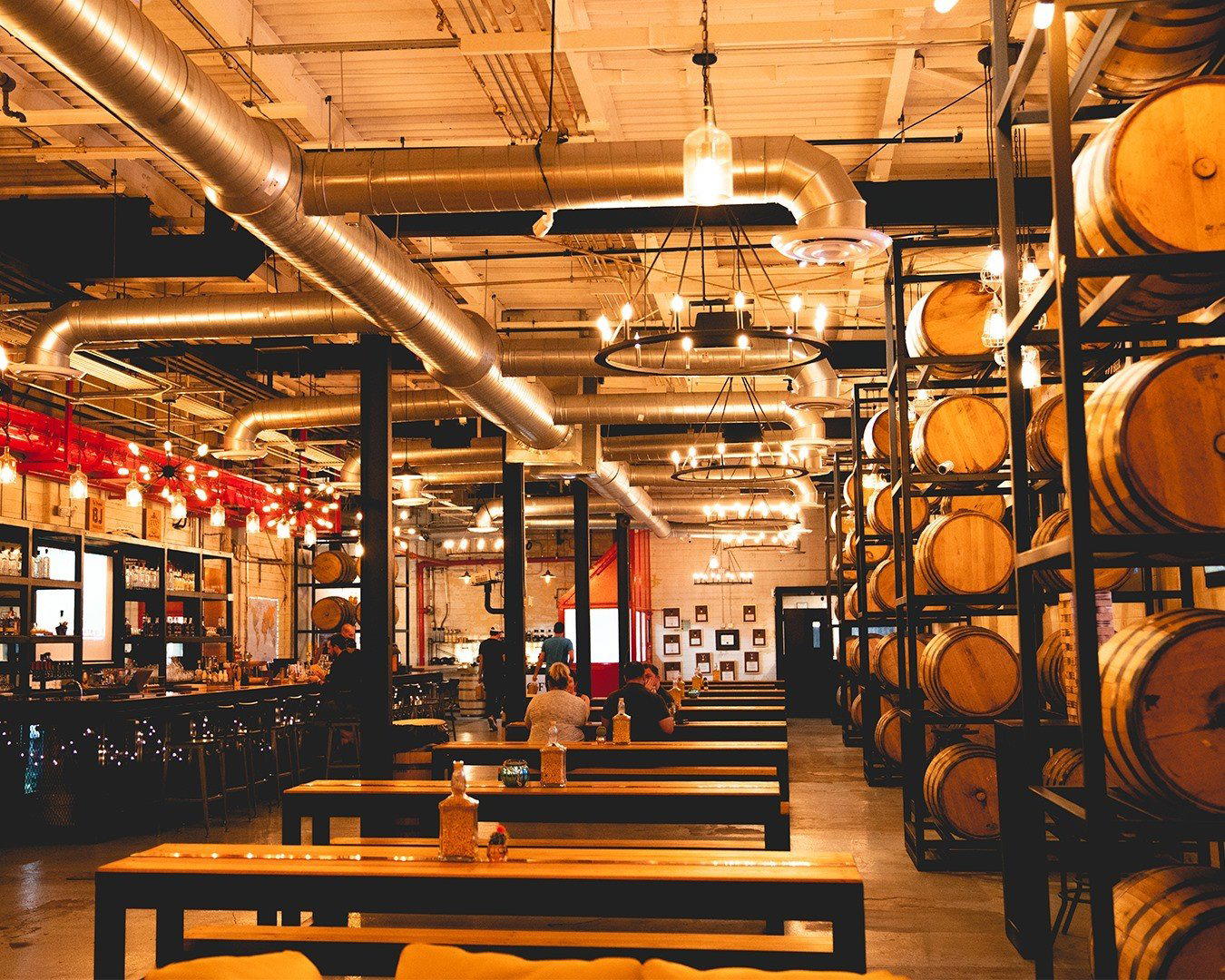
At a Glance
- Trendy
- Lively
- Modern
- Date Night
- Group Dining
- Casual Hangout
- Open Kitchen
- Sake Program
Energetic izakaya atmosphere with focus on grilling and shareable dishes.