Kuu
On the western edge of Houston's Memorial corridor, Kuu occupies a specific tier of Japanese dining that the city's restaurant scene has been quietly building toward for years. The address at 947 Gessner Rd places it well outside the downtown concentration of fine dining, a positioning that tells you something about where serious Japanese cooking has taken root in Houston.
Pearl is the En Primeur Club membership app — saves, bookings, and concierge access live there. Same editors, same standards.
- Address
- 947 Gessner Rd, Houston, TX 77024
- Phone
- +17134611688
- Website
- kuurestaurant.com
- Directions
- Get directions
 Saves & bookings on Pearl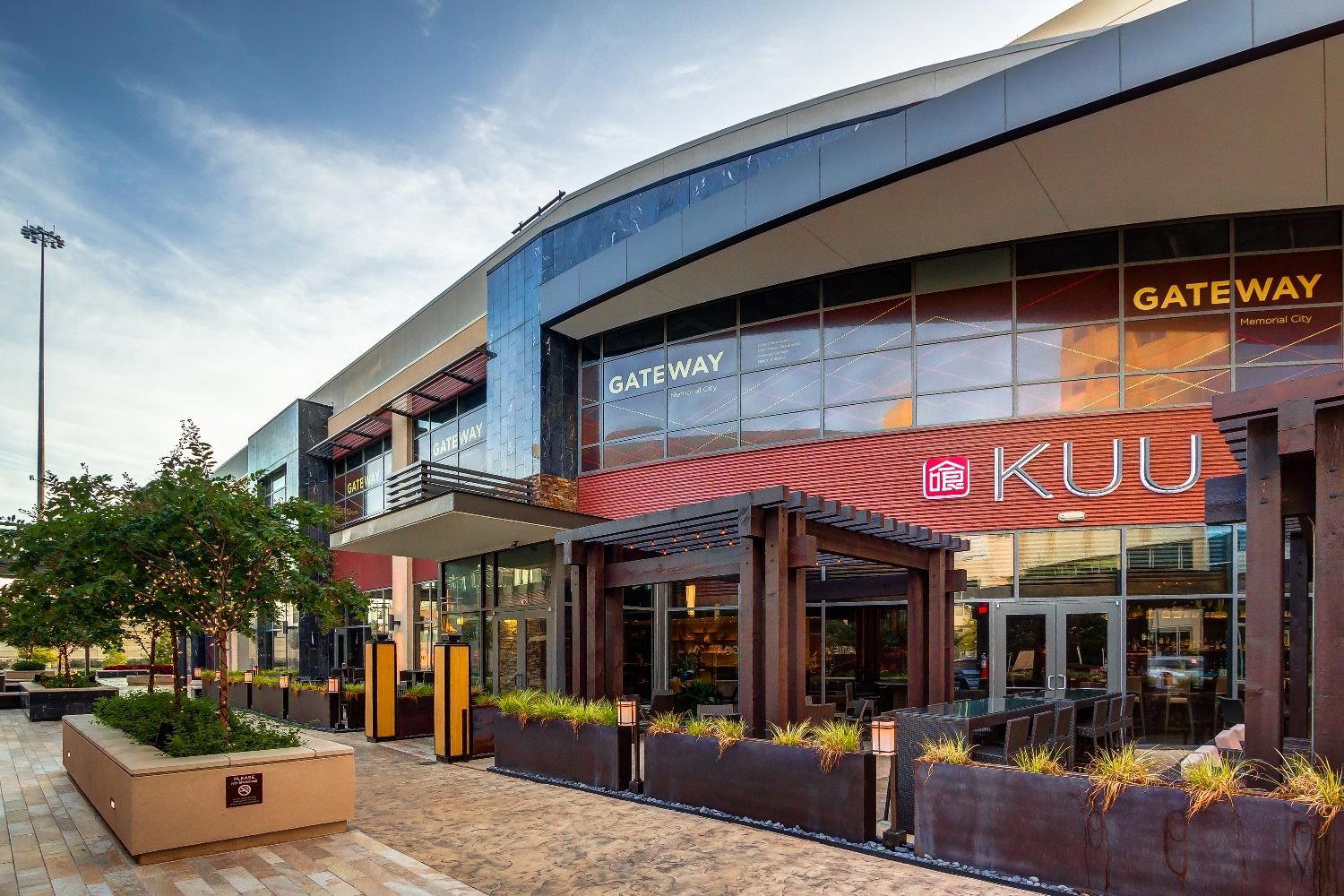
Where Houston's Japanese Dining Scene Has Landed
The Memorial and Gessner corridor is not where Houston's food press tends to look first. That attention usually flows inward, toward Midtown, Montrose, or the Theater District, where restaurants like March and Musaafer have anchored the city's fine-dining conversation at the $$$$ tier. Kuu, at 947 Gessner Rd, sits at a remove from that cluster. That geographic fact is worth examining, because some of Houston's most committed specialist restaurants have always operated this way: positioned in neighborhoods where lease economics allow a tighter focus on the plate and less pressure to perform for a walk-in crowd.
Japanese dining in Houston has followed a pattern visible across American cities with large and established Japanese-American communities: a long middle tier of dependable neighborhood sushi bars, followed by a sharper bifurcation in the last decade between casual fast-format Japanese and serious omakase or chef-driven rooms. Kuu occupies a point inside that second category, a restaurant that asks something of the guest in terms of engagement.
The Case for Ethical Sourcing in Japanese Cooking
Japanese cuisine has a structural relationship with sourcing that differs from most Western fine-dining traditions. The omakase format, where it applies, is built around the idea that the chef sequences the meal in response to what the market delivered that morning. This is not a philosophical flourish; it is an operational discipline. A kitchen running that model cannot afford to work with inconsistent or ethically compromised supply chains, because the product is the argument. There is nowhere to hide an inferior piece of fish behind a sauce.
American Japanese restaurants at the serious end of the market have been navigating the tension between traditional Japanese sourcing and the demands of a contemporary dining public that increasingly asks where fish comes from and how it was caught. Restaurants like Atomix in New York, which applies similar sourcing discipline to Korean fine dining, and Blue Hill at Stone Barns in Tarrytown, which has built its entire identity around provenance-first thinking, represent the direction in which American fine dining has been moving. Japanese specialist restaurants at the serious tier are not exempt from that expectation.
The broader American movement toward waste reduction and ethical fishing has reshaped how premium Japanese restaurants source and communicate about their product. Venues such as Providence in Los Angeles have demonstrated that serious Japanese-influenced seafood cooking can carry Michelin recognition while also building explicit sustainability commitments into their sourcing programs. That precedent matters for the tier of dining Kuu represents.
Houston's Fine-Dining comparable set
To place Kuu accurately, it helps to map the Houston restaurants that occupy adjacent tiers. The $$$$ end of the market includes March, which works a Venetian and broader Mediterranean framework, and Musaafer, which applies serious technique to Indian regional cooking. At the $$$ level, Tatemó has established masa-focused Mexican cooking as a credible fine-dining proposition. BCN Taste and Tradition holds the Spanish end of the European tradition, while Le Jardinier Houston represents the vegetable-forward French approach in the city.
Japanese cuisine at the serious tier carries its own set of expectations: seasonal sensitivity, protein quality (particularly seafood), rice technique if sushi is involved, and the kind of restrained presentation that reads as confidence rather than minimalism for its own sake. The question for any Japanese restaurant in this tier is whether it meets those expectations with the same rigor that, say, Single Thread Farm in Healdsburg or The French Laundry in Napa brings to their respective frameworks.
At the national level, the standard-bearing Japanese and Japanese-influenced rooms include Le Bernardin in New York for French-Japanese seafood discipline, and Alinea in Chicago for technique-first thinking. The point of that comparison is not equivalence but context: the market has established what rigorous sourcing-led cooking looks like, and Houston guests who eat at those rooms bring those expectations back with them.
Planning Your Visit
Kuu is located at 947 Gessner Rd, Houston, TX 77024. The Gessner and Memorial area is primarily accessible by car; the site sits within the western residential-commercial corridor that feeds into the Energy Corridor. Visitors coming from Midtown or Montrose should allow 20 to 30 minutes depending on traffic conditions, which in Houston can vary sharply during evening service hours.
The broader Houston Japanese dining market operates a mix of reservation-required omakase formats and walk-in-friendly counter seating; where Kuu sits in that spectrum is worth confirming in advance.
| Venue | Cuisine | Price Tier | Format |
|---|---|---|---|
| Kuu | Japanese | Verify directly | Verify directly |
| March | Venetian | $$$$ | Tasting menu |
| Musaafer | Indian | $$$$ | Chef-driven |
| Theodore Rex | New American | $$$ | A la carte / tasting |
| Nancy's Hustle | New American | $$ | A la carte |
Comparable Japanese fine-dining programs at the national level worth cross-referencing include Lazy Bear in San Francisco for the communal tasting format, Addison in San Diego for California-inflected fine dining, and The Inn at Little Washington for the East Coast tradition of destination dining. For Asian fine dining at the international reference tier, 8 1/2 Otto e Mezzo Bombana in Hong Kong and Emeril's in New Orleans each illustrate how strong regional identity can anchor a serious dining room. Atomix remains the clearest American example of how Japanese and Korean fine dining can carry both critical recognition and sourcing integrity simultaneously.
Just the Basics
Comparable venues nearby, for context on price, style, and recognition.
| Venue | Cuisine | Price |
|---|---|---|
| KuuThis venue — the venue you are viewing | Hennessey, Modern Japanese Sushi | $$$$ |
| Nobu Houston | Galleria, Japanese Peruvian Fusion | $$$$ |
| Hachi | Galleria, Fine Dining Omakase Sushi | $$$$ |
| Azumi | Galleria, Modern Japanese Sushi | $$$$ |
| Sushi On Post Oak | Galleria, Modern Japanese Sushi | $$$ |
| Sushi Masa Westheimer | Woodlake, Japanese Sushi Fusion | $$ |
Continue exploring
More in Houston
Restaurants in Houston
Browse all →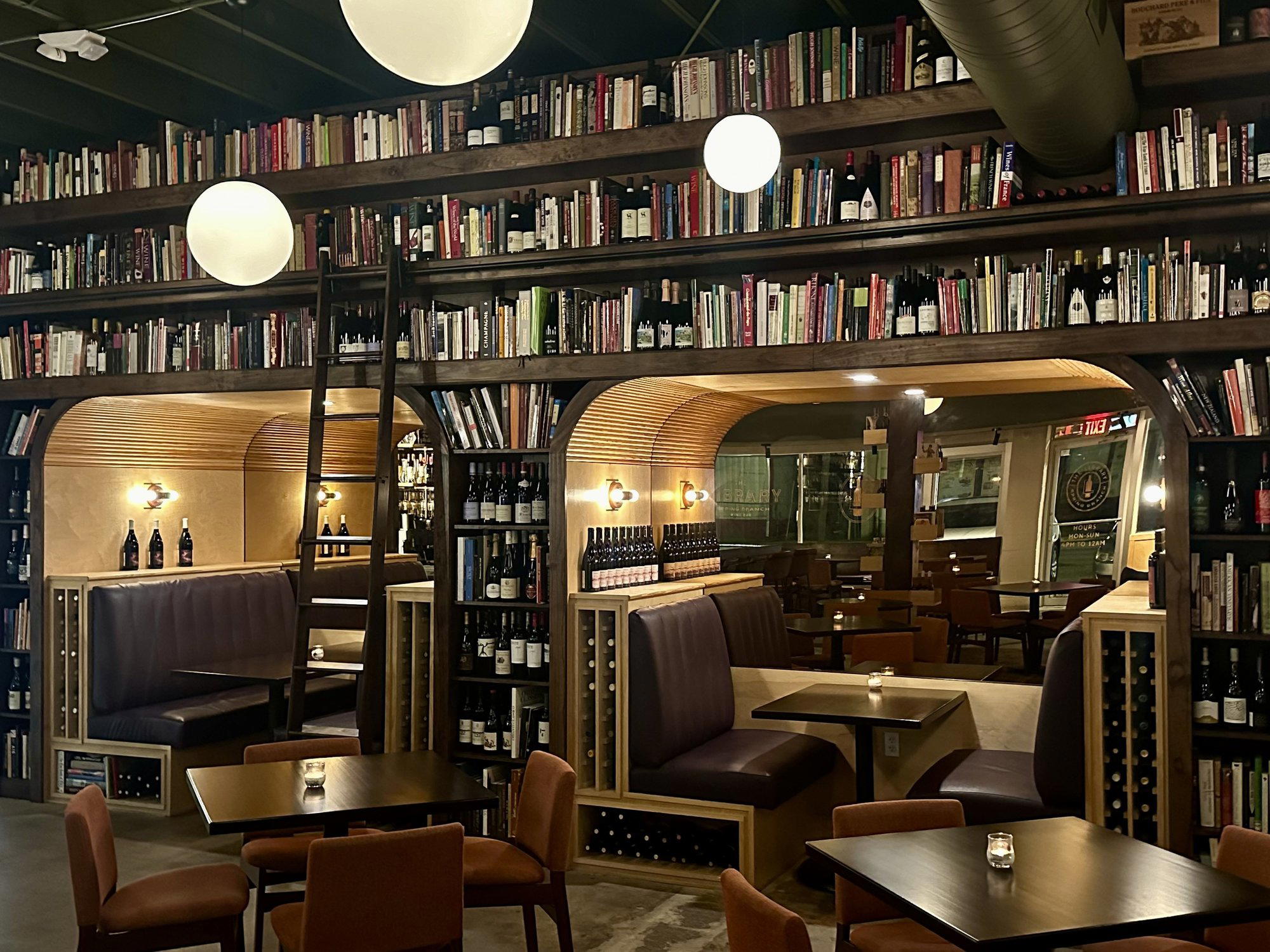
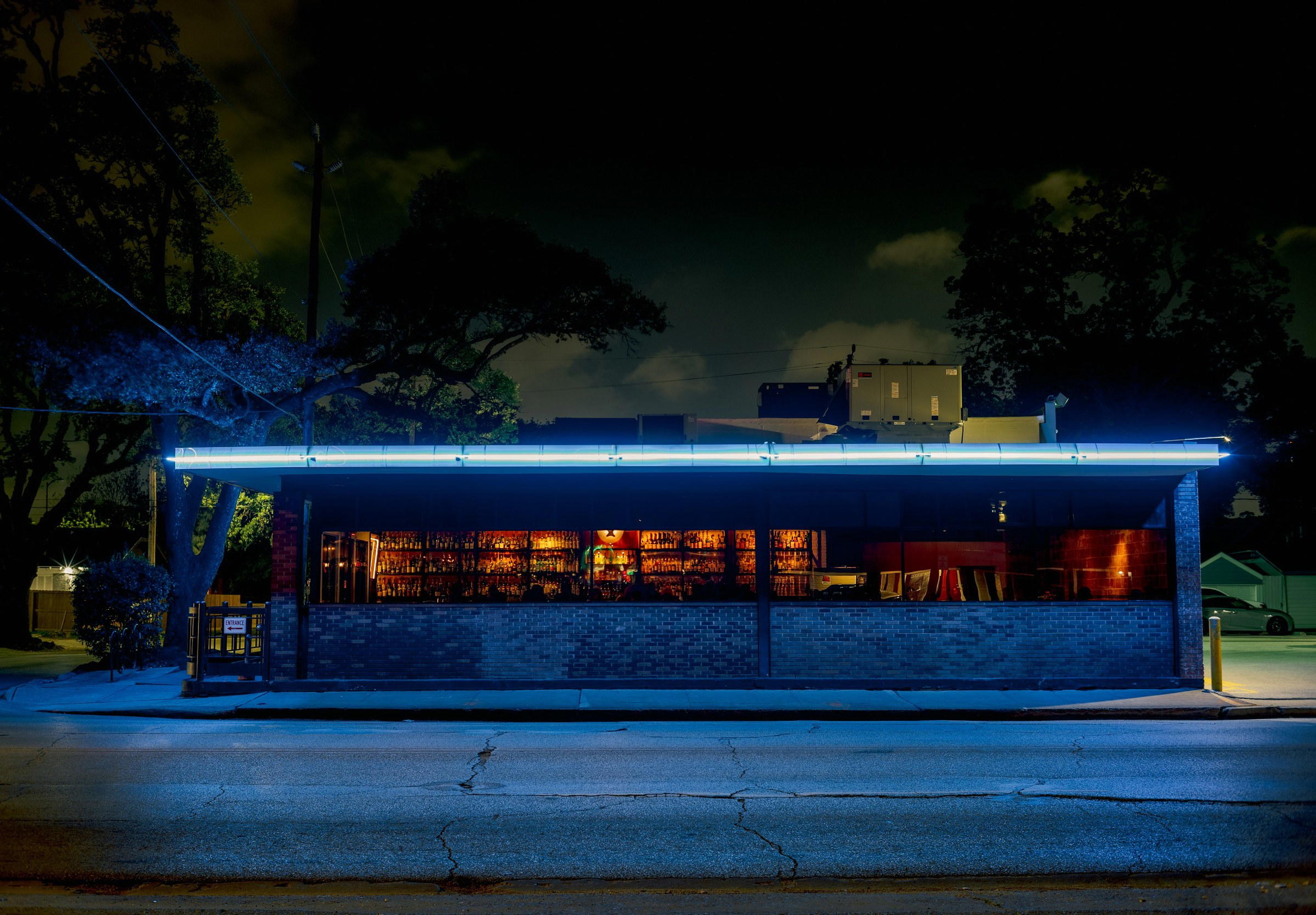
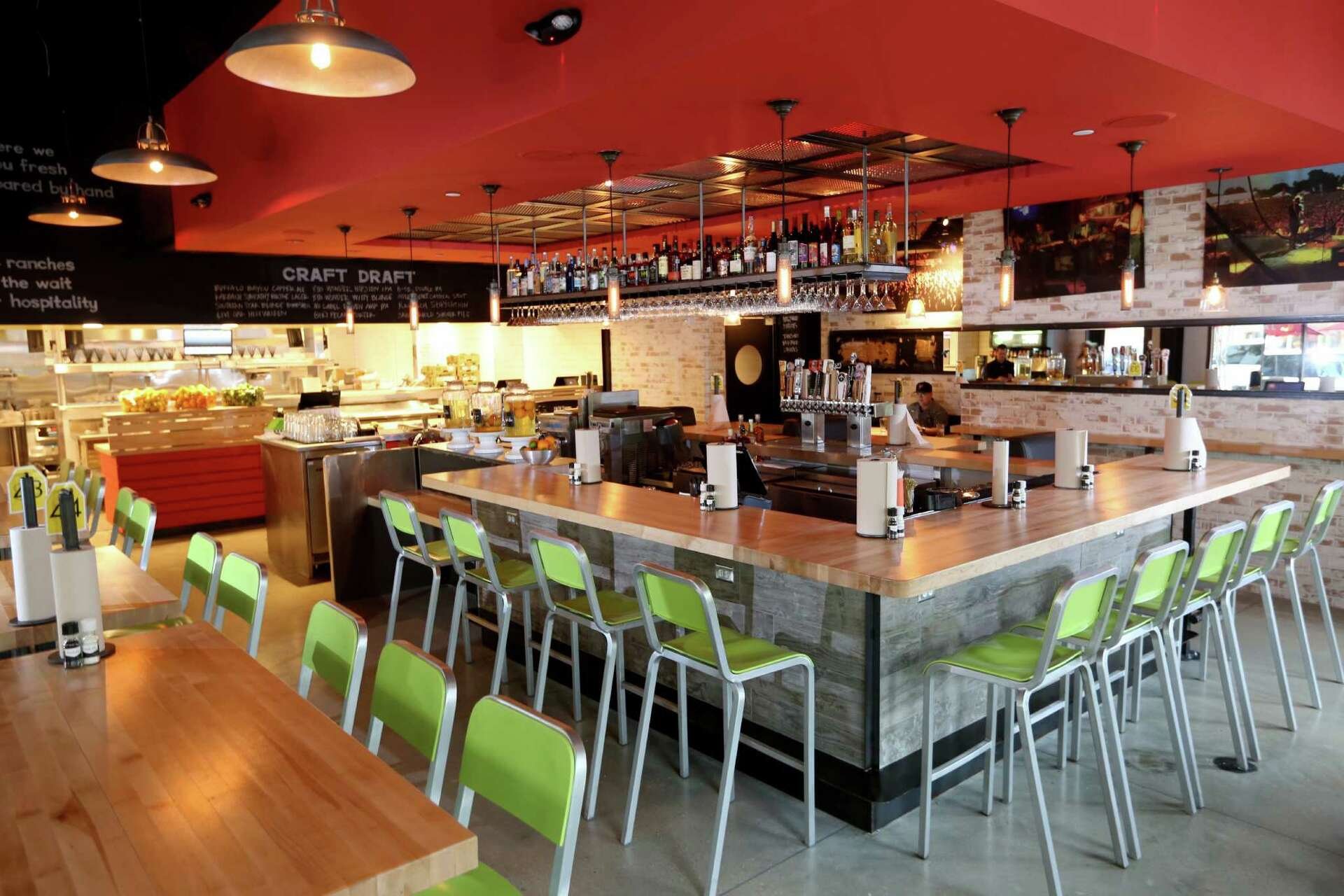
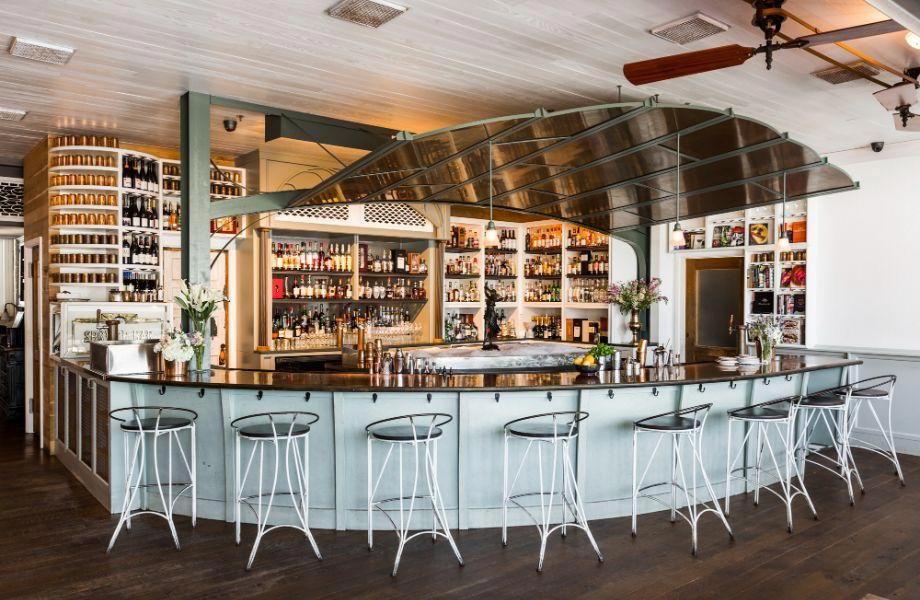
Bars in Houston
Browse all →
Hotels in Houston
Browse all →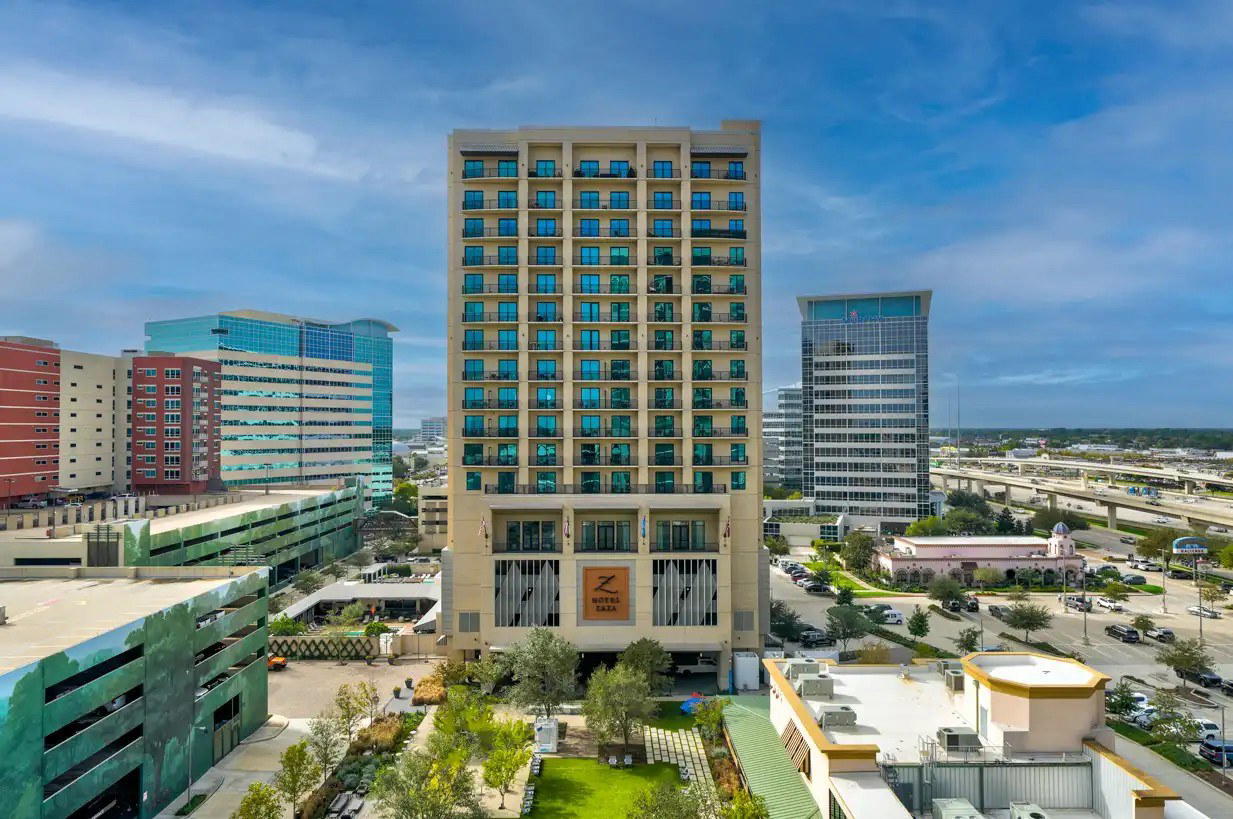
At a Glance
- Modern
- Elegant
- Sophisticated
- Date Night
- Business Dinner
- Special Occasion
- Open Kitchen
- Design Destination
- Sake Program
- Extensive Wine List
Current opening hours
- Monday
- 11 AM–10 PM
- Tuesday
- 11 AM–10 PM
- Wednesday
- 11 AM–10 PM
- Thursday
- 11 AM–10 PM
- Friday
- 11 AM–11 PM
- Saturday
- 4:30–11 PM
- Sunday
- 12–9 PM
Hours can change for holidays and private events. Last verified .
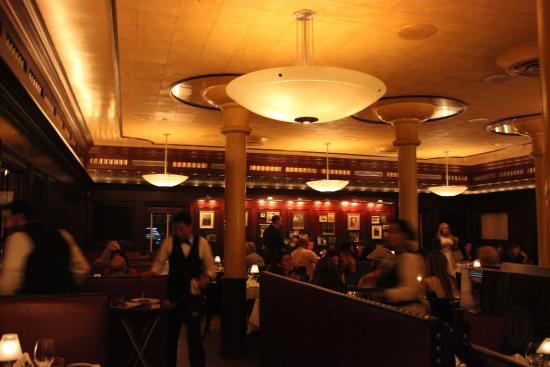
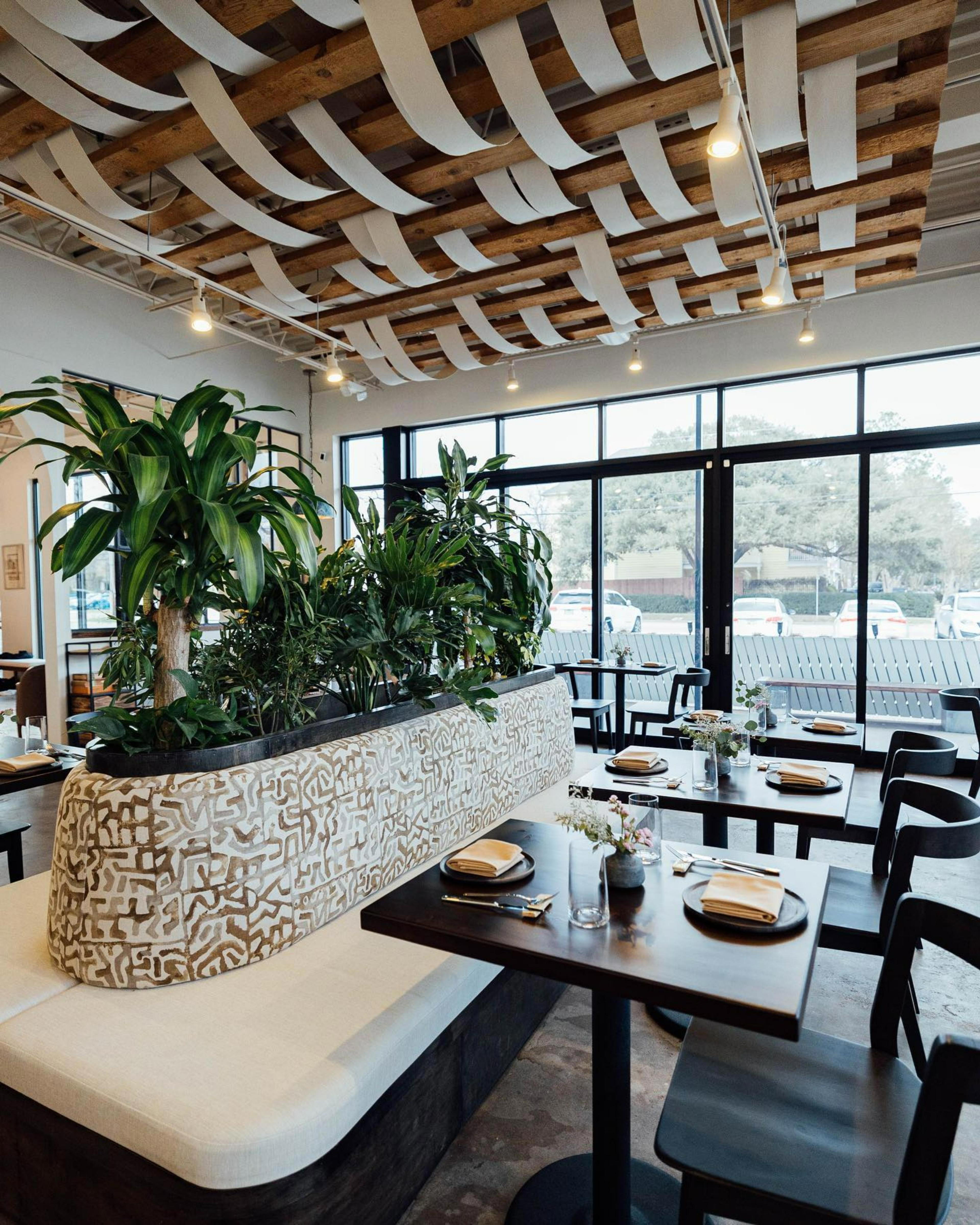
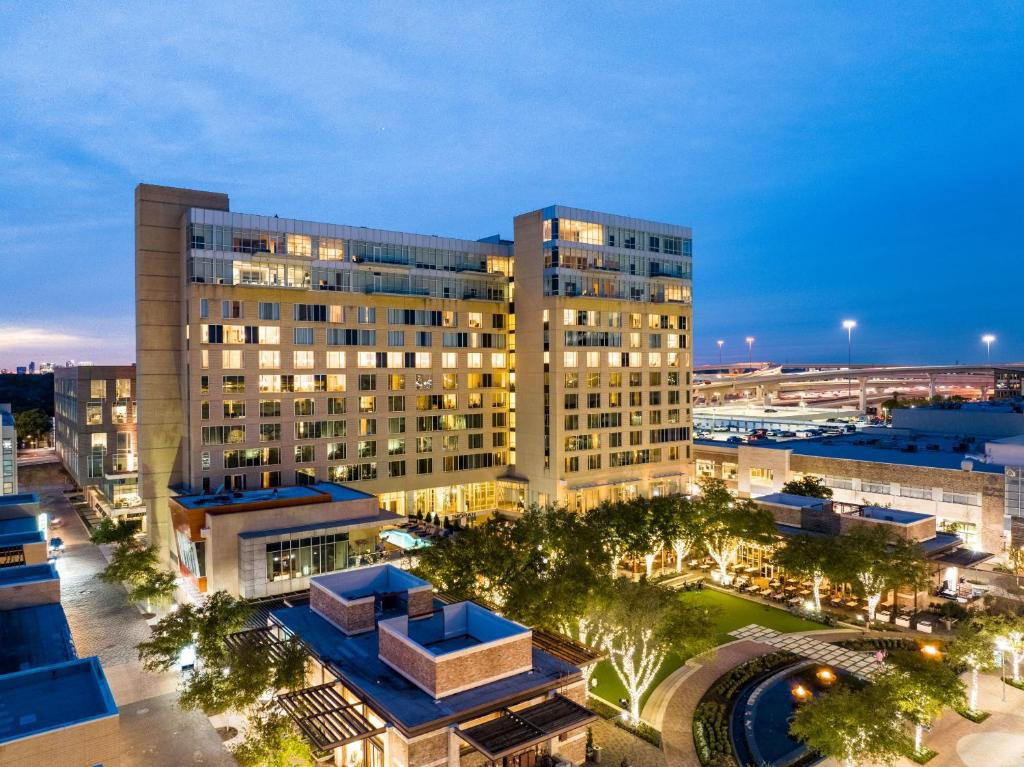
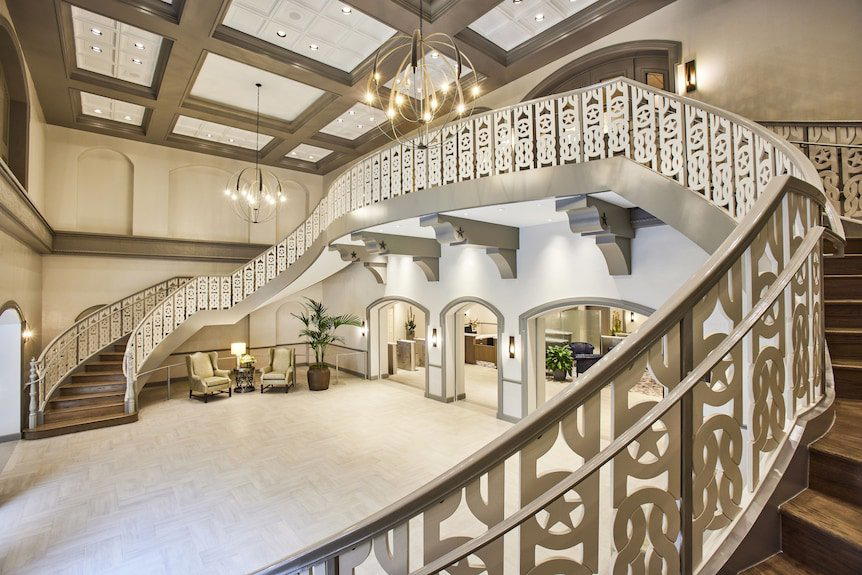
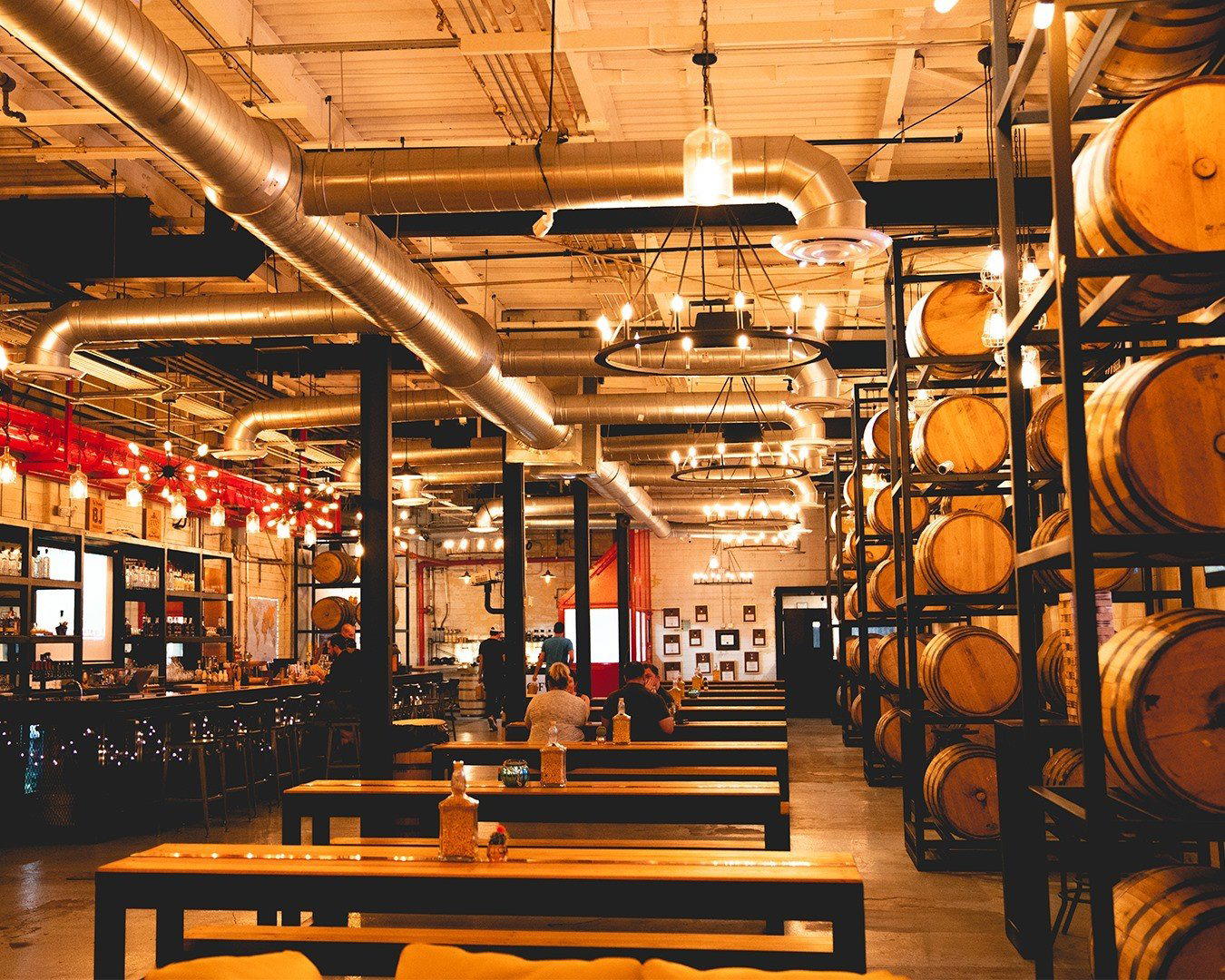
Chic and sleek interior with professional service and an upscale atmosphere.