Tobalá
.png)
Tobalá brings precise, ingredient-driven Mexican cooking to Riverdale in the Bronx, where house-made blue and yellow corn tortillas, complex mole preparations, and Oaxacan pottery set the tone for a dining room that reads more like a serious taqueria than a neighbourhood afterthought. With a 4.5 Google rating across 329 reviews, it has established itself as one of the more considered Mexican tables in the outer boroughs.
 Discover on Pearl
Pearl is the En Primeur Club membership app — saves, bookings, and concierge access live there. Same editors, same standards.
- Address
- 3732 Riverdale Ave, Bronx, NY 10463
- Phone
- (347) 427-6889
- Website
- tobalanyc.com
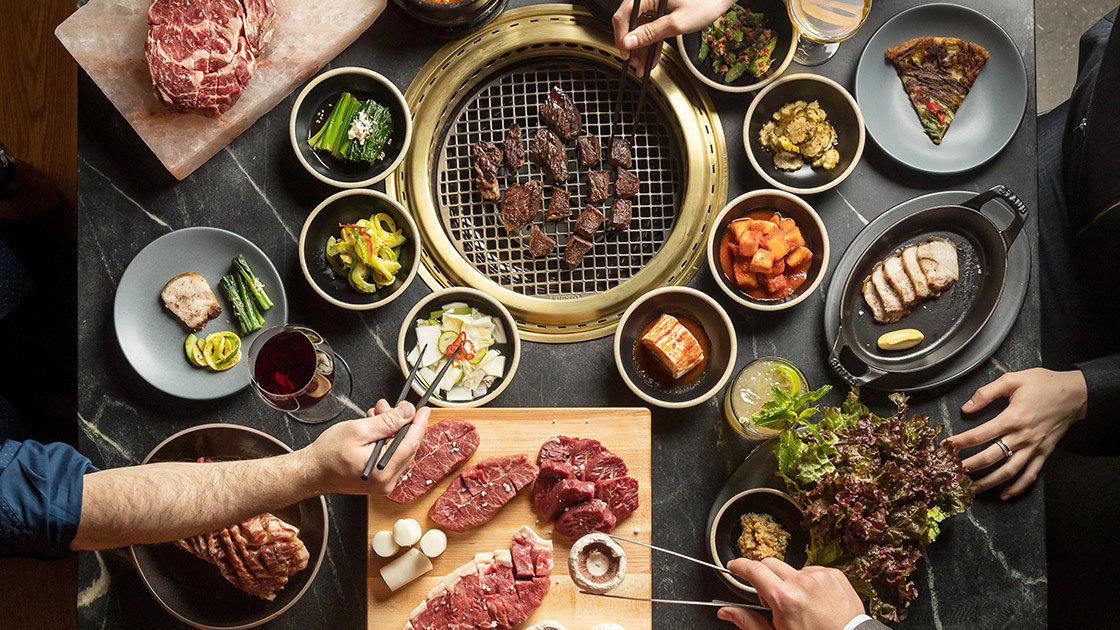
Where the Bronx Meets Oaxacan Tradition
The outer boroughs of New York have long sustained Mexican cooking that the Manhattan restaurant press routinely undercovered. The Bronx in particular carries decades of Mexican community presence along its commercial corridors, and the restaurants that have grown from that base operate on different terms than the polished taco concepts of the Lower East Side or the Michelin-chasing mod-Mexican of downtown. Tobalá, at 3732 Riverdale Ave, Bronx, is a restaurant serving Oaxacan Mexican food with a 4.5 Google rating and a smart casual dress code.
The timing of Tobalá's emergence matters. It arrived as New York's Mexican dining tier was splitting more visibly between two modes: the high-concept, corn-forward tasting menus of places like Oxomoco, which brought live-fire Oaxacan-inflected cooking to Greenpoint, and the more relaxed but technically grounded mid-range tables that were asking whether seriousness about Mexican food required a $200 cover charge. Tobalá answers firmly on the side of accessibility, priced at the $$$ tier, while refusing to compromise on the sourcing and preparation that make the difference between tortillas that hold and tortillas that fall apart.
The Ingredient Logic Behind the Menu
Across the broader conversation about sustainability in restaurant kitchens, the tortilla station has become something of a litmus test. Making tortillas to order from blue and yellow corn is not simply a gesture toward authenticity; it is a supply chain and labour commitment that most restaurants avoid because it requires sourcing quality masa, maintaining the skill to produce consistent results service after service, and absorbing the cost of doing it properly. At Tobalá, that commitment is visible from the first course: blue and yellow corn tortillas arrive folded in a napkin, still hot, served alongside a spicy salsa verde and a smoky salsa de chile de árbol. The contrast between the two salsas is as instructive as it is practical, demonstrating that chile heat can be built from smoke or from brightness, and that both belong on the table simultaneously.
The ethical sourcing argument for heritage corn varieties runs deeper than flavour. Blue corn (maíz azul) and yellow heirloom varieties represent agricultural biodiversity that industrial corn agriculture has steadily displaced across Mexico. Restaurants that commit to these varieties, particularly those outside Mexico, participate in a small but real economic loop that supports traditional milpa farming systems. This is the kind of sourcing choice that carries environmental weight.
The lamb barbacoa taco extends this logic. Barbacoa as a preparation, specifically the slow-cooked, wrapped-and-steamed method traditional in Oaxacan and central Mexican cooking, is inherently a low-waste technique: the whole animal or cut is cooked over extended time, collagen and fat rendering into the meat rather than being discarded, the resulting liquid used for consommé or sauce. The version at Tobalá, piled high on two blue corn tortillas, reflects that preparation's characteristic succulence. Lamb is a less common barbacoa base than goat or beef cheek, and its use suggests a kitchen thinking about sourcing options rather than defaulting to the most familiar ingredient.
Mole as a Form of Concentrated Craft
No ingredient better tests a kitchen's commitment to labour-intensive, waste-conscious cooking than mole. The enmolada de pato at Tobalá sits at the intersection of several traditions: duck (pato) prepared to work within the earthy complexity of a mole negro, then finished with red onion rings, white sesame seeds, thin-sliced calabacitas, and shaved serrano. Mole negro, the variety most associated with Oaxaca, typically incorporates charred chilhuacle negro or mulato chiles, chocolate, and a long list of secondary spices that build over hours of cooking. The fruit notes and creeping burn described here are consistent with a mole negro made with care rather than shortcuts.
For context on what that represents in New York's Mexican dining scene: Alta Calidad and Atla both work in the space where Mexican technique meets New York dining expectations, and ABC Cocina has long occupied the upscale-accessible end of the same spectrum. What differentiates Tobalá is geography: it is making this food in the Bronx, at Riverdale Ave, where the comparable set is defined by community Mexican restaurants rather than a Manhattan competitive tier. That positioning places it in a distinct category, and the 4.5-star rating across 329 Google reviews suggests it is performing well within it.
The Room and What It Signals
Interior design in mid-range Mexican restaurants in New York tends toward two directions: the maximalist folk-art explosion or the stripped-back taqueria aesthetic. Tobalá moves in a third direction, one that is becoming more common at the serious end of Mexican dining outside Mexico, referencing modernity while staying grounded in material culture. The minimal palette is interrupted by clay masks and Oaxacan pottery at every table, objects that function as more than decoration. Oaxacan pottery traditions, including the distinctive black clay (barro negro) work of San Bartolo Coyotepec, represent craft lineages that restaurants aligned with Oaxacan cuisine increasingly reference as a form of cultural positioning.
This matters for sustainability in the broader sense of the word: not just environmental, but cultural. The same kitchen philosophy that chooses heritage corn over commodity masa, and slow-cooked barbacoa over fast protein options, tends to extend to how the room is designed and what objects are placed within it. The Oaxacan pottery on Tobalá's tables is not incidental to the food being served; it is part of the same argument about where this cooking comes from and what it is worth preserving.
Tobalá in the Broader New York Mexican Picture
New York's serious Mexican dining now spans multiple price tiers and borough geographies. Birria Landia represents the street-level end of the quality spectrum, where a single preparation done precisely beats a broad menu done carelessly. At the other extreme, Pujol in Mexico City sets the international reference point for what refined Mexican cooking can look like in a fine-dining frame. Tobalá occupies neither extreme, but it sits in the part of the spectrum where daily craft decisions, the tortillas made to order, the mole built over time, the sourcing of heritage corn, accumulate into a coherent culinary position.
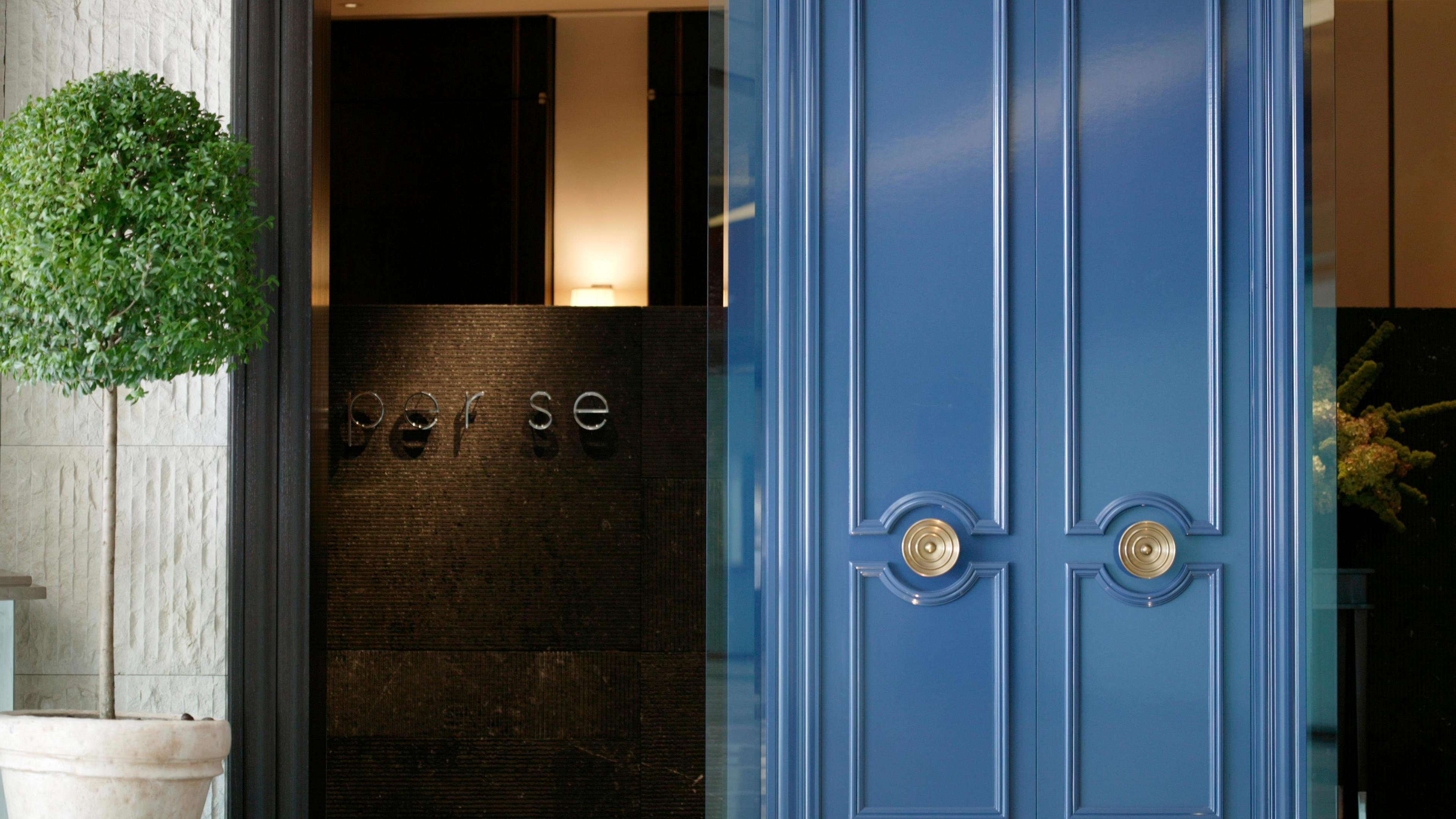
For readers building a broader picture of where serious cooking is happening in the United States, it is worth noting that the restaurants doing the most interesting work with Mexican regional traditions are not always in the cities or neighbourhoods with the most press coverage. Alma Fonda Fina in Denver represents a similar dynamic in a different city. Tobalá represents it in the Bronx. The comparison venues most often cited in New York's fine-dining conversation, Le Bernardin, Atomix, Masa, Per Se, Eleven Madison Park, operate in a completely different register. But the criteria that make those rooms worth visiting, sourcing rigour, technical precision, a legible culinary point of view, also apply at Tobalá, priced and positioned for a different audience.
For comparable cooking in other cities, Lazy Bear in San Francisco, Alinea in Chicago, The French Laundry in Napa, Single Thread Farm in Healdsburg, Providence in Los Angeles, and Emeril's in New Orleans each represent how regional culinary identity translates into a specific dining room proposition.
Quick reference: Tobalá, 3732 Riverdale Ave, Bronx, NY 10463. Price range: $$$. Google rating: 4.5 (367 reviews). Reservations are recommended.
Comparable Spots, Quickly
Comparable venues nearby, for context on price, style, and recognition.
| Venue | Cuisine | Price | Awards | Notes |
|---|---|---|---|---|
| Tobalá | Oaxacan Mexican | $$$ | Michelin Plate | Riverdale-Spuyten Duyvil |
| ABC Cocina | Modern Mexican-Latin | $$$ | Midtown South-Flatiron-Union Square | |
| Comal | Modern Mexican | $$$ | Michelin Plate | Lower East Side |
| Covacha | Modern Jalisco Mexican | $$$ | Bib Gourmand | Upper West Side (Central) |
| Sinigual | Contemporary Mexican | $$$ | , | Murray Hill-Kips Bay |
| Seis Vecinos | Central American Fusion | $$ | Michelin Plate | Longwood |
Continue exploring
More in New York City
Restaurants in New York City
Browse all →
Bars in New York City
Browse all →
Hotels in New York City
Browse all →




At a Glance
- Cozy
- Modern
- Elegant
- Trendy
- Date Night
- Group Dining
- Family
- Brunch
- Open Kitchen
- Craft Cocktails
Pleasant palo santo-scented space with skylights creating a dreamy, upscale yet welcoming modern Mexican atmosphere.