China Star sits on Van Wesenbekestraat in Antwerp's Eilandje-adjacent north, a stretch where Chinese restaurants have served the city's port-connected communities for decades. The address places it squarely within a neighbourhood that has long supported a working Chinese dining culture distinct from the fine-dining circuit further south. For visitors tracing Antwerp's broader Asian food scene, it represents one thread in that longer story.
Pearl is the En Primeur Club membership app — saves, bookings, and concierge access live there. Same editors, same standards.
- Address
- Van Wesenbekestraat 31/33, 2060 Antwerpen, Belgium
- Phone
- +3232273077
- Website
- china-star.be
- Directions
- Get directions
 Saves & bookings on Pearl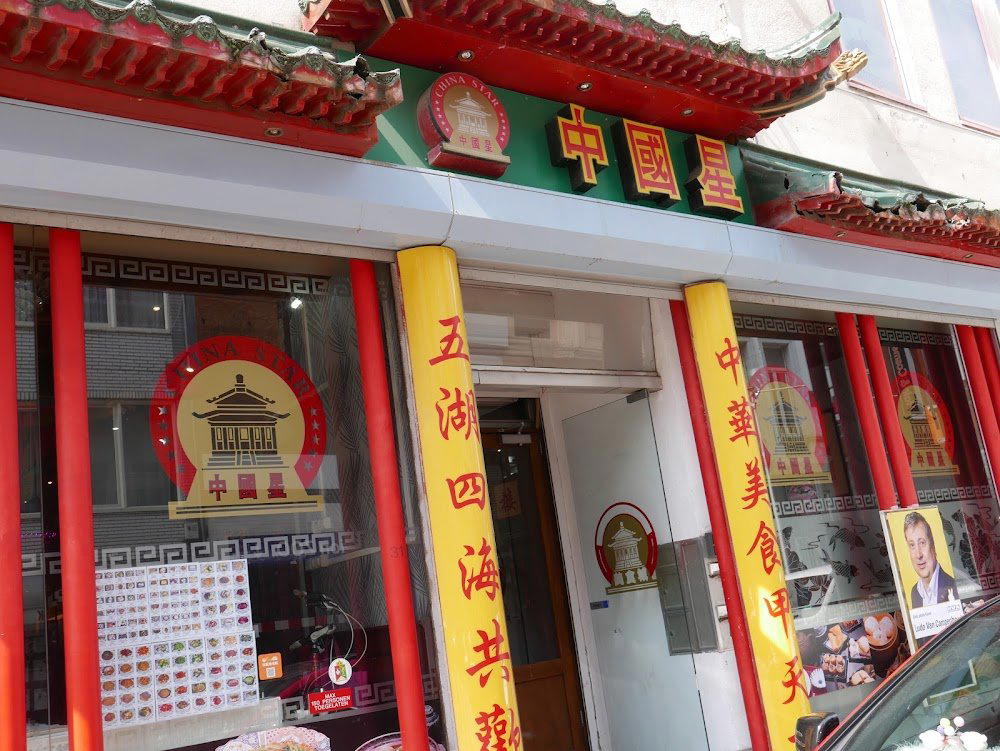
Van Wesenbekestraat and the Geography of Chinese Dining in Antwerp
Chinese restaurants along this corridor have been part of that fabric for generations, emerging from the same waves of migration that gave Antwerp one of Belgium's more established Chinese communities. The address is not the tourist-facing downtown strip; it is closer to the working texture of the city, which tells you something about the dining culture operating here before you step inside.
Antwerp's Chinese restaurant scene occupies a different register from the city's celebrated fine-dining tier. Where venues like Zilte and Hertog Jan at Botanic anchor the internationally recognised end of the city's table, and where 't Fornuis and Bistrot du Nord represent classically rooted European cooking, the Chinese restaurants of the northern districts exist in a parallel economy of regulars, communal meals, and dishes calibrated for a community that knows what it wants. China Star belongs to that category.
The Cultural Weight Behind the Menu
Chinese restaurant cooking in European port cities rarely maps cleanly onto any single regional tradition from mainland China. What developed in Antwerp, Ghent, Brussels, and Rotterdam across the mid-to-late twentieth century was a practical synthesis: Cantonese techniques adapted to local supply chains, menus expanded to include dishes familiar to Belgian palates, and a kitchen logic that prioritised throughput and accessibility over the kind of single-origin regional purity that has become fashionable in more recent years.
That synthesis is not a dilution. It is its own tradition, and understanding it requires recognising that Chinese restaurant culture in Belgium was never primarily about exporting Chinese gastronomy to European diners. It was about community sustenance, economic survival, and the gradual negotiation between what cooks knew how to make and what the surrounding city was willing to eat. The restaurants that emerged from that negotiation, including the ones still operating on streets like Van Wesenbekestraat, carry that history in their menus whether or not it is articulated anywhere on the wall.
For comparison, the more recent wave of Japanese dining in Antwerp, represented by venues like DIM Dining, has arrived with a different posture: ingredient-forward, premium-priced, and positioned explicitly within an international fine-dining conversation. The older Chinese restaurants of the north operate without that framing, which is part of what makes them culturally distinct.
Antwerp's Broader Dining Architecture
To situate China Star accurately, it helps to map the wider structure of dining in Antwerp. The city's internationally recognised restaurants occupy a small, high-cost tier at the leading. Belgium's broader fine-dining circuit extends outward to houses like Boury in Roeselare, Hof van Cleve in Kruishoutem, Willem Hiele in Oudenburg, and Vrijmoed in Gent, each operating in its own regional register. Below that tier sits a much larger and less documented layer of neighbourhood restaurants that form the actual daily dining life of Belgian cities.
China Star occupies a position in that underdocumented middle. It is not in the same conversation as the Michelin-tracked houses. It is not trading on tasting menus or wine pairings. What it offers is participation in a specific urban food tradition that predates most of Antwerp's current dining reputation and that continues largely independent of it. That independence is worth acknowledging rather than apologising for.
For readers accustomed to tracking the kind of destination dining represented by Bozar Restaurant in Brussels or internationally by Le Bernardin in New York City, the register here is entirely different. The value proposition is not prestige or technical ambition. It is access to a neighbourhood institution embedded in a specific community's relationship with food.
What to Know Before You Go
The address is Van Wesenbekestraat 31/33, 2060 Antwerpen. Reservations are recommended. That profile is common among long-established neighbourhood Chinese restaurants in Belgian cities, many of which operate primarily through walk-in traffic and community word-of-mouth rather than online reservation systems. Visitors planning a meal here should consider booking ahead.
The northern district location places the restaurant away from the pedestrianised centre, closer to the port-adjacent streets that have historically supported immigrant-owned businesses. Public transport from Antwerp Centraal reaches the area within fifteen minutes by tram. For visitors building a broader Antwerp itinerary, the full Antwerp restaurants guide maps the city's dining by neighbourhood and price tier, which is useful context for positioning this kind of restaurant against the wider field.
The Argument for Going
The case for visiting the restaurant is not built on awards or critical recognition. It rests on a different kind of evidence: longevity, community embeddedness, and the fact that a restaurant serving a specific neighbourhood for an extended period has been judged, repeatedly, by the people most qualified to judge it. That is a different trust signal from a Michelin star, but it is not a lesser one.
Belgium's Chinese restaurant culture produced venues that have fed generations of families, workers, and students without requiring external validation. Recognising that tradition as a legitimate object of serious attention, rather than a backdrop to the fine-dining circuit, is part of what a complete account of Antwerp's food culture requires. For readers who want to move between the city's different dining registers, understanding this layer is as relevant as knowing which tasting menu to book.
DIM Dining for the premium Asian end of the market, or consult the broader Belgian circuit through venues like La Durée in Izegem, Cuchara in Lommel, Ralf Berendsen in Neerharen, d'Eugénie à Emilie in Baudour, Le Chalet de la Forêt in Uccle, or Lazy Bear in San Francisco for a sense of how community-embedded dining formats work at the premium end of a different market entirely.
Side-by-Side Snapshot
Comparable venues nearby, for context on price, style, and recognition.
| Venue | Cuisine | Price | Notes |
|---|---|---|---|
| China StarThis venue — the venue you are viewing | Chinese Dim Sum | $$ | Not listed |
| Fong Mei | Authentic Cantonese Dim Sum | $$ | Chinatown |
| IN CHOC by Tom Coosemans | Artisanal Belgian Chocolatier | $$ | Eilandje |
| El Gato Gordo | Authentic Mexican Taqueria | $$ | city center |
| Kalura | Authentic Sicilian Pizza | $$ | student district |
| Tango | Seasonal Small Plates & Cocktails | $$ | Sint-Paulusplaats |

At a Glance
- Lively
- Group Dining
- Family
Current opening hours
- Monday
- 12–9:30 PM
- Tuesday
- 12–9:30 PM
- Wednesday
- 12–9:30 PM
- Thursday
- Closed
- Friday
- 12–9:30 PM
- Saturday
- 12–9:30 PM
- Sunday
- 12–9:30 PM
Hours can change for holidays and private events. Last verified .
Busy, authentic dim sum hall atmosphere with efficient service.