On Dageraadplaats, one of Antwerp's most animated neighbourhood squares, Pici draws on the Italian tradition of hand-rolled pasta to anchor a menu built around ingredient provenance. The format sits closer to a convivial neighbourhood trattoria than a formal dining room, which makes it a practical contrast to the city's denser fine-dining tier, and a reliable reference point for pasta-focused cooking in the Flemish port city.
Pearl is the En Primeur Club membership app — saves, bookings, and concierge access live there. Same editors, same standards.
- Address
- Dageraadplaats 13, 2018 Antwerpen, Belgium
- Phone
- +3238282880
- Website
- pastapici.be
- Directions
- Get directions
 Saves & bookings on Pearl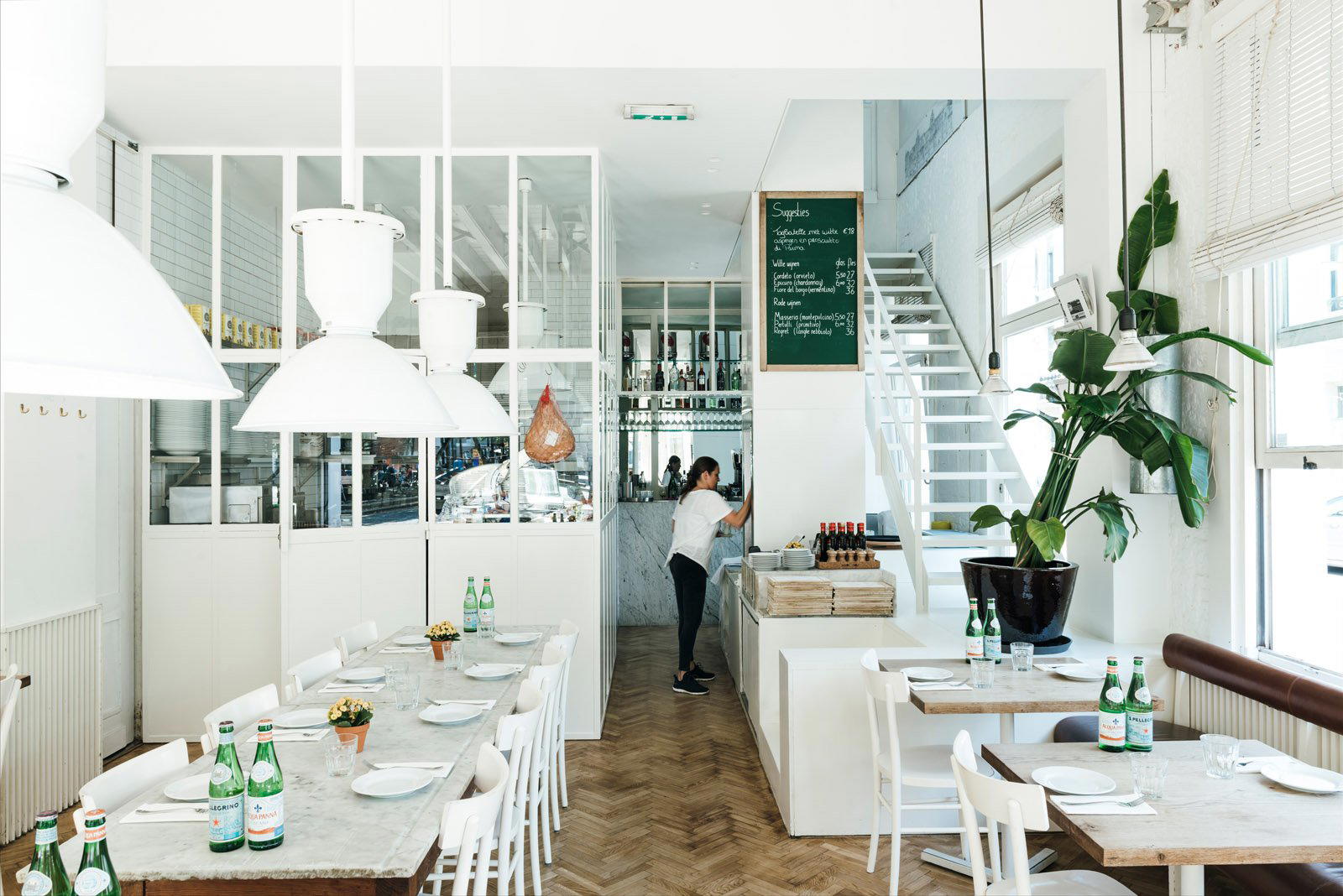
Dageraadplaats and the Neighbourhood That Frames It
Pici is a casual Italian restaurant in Antwerp, Belgium, serving fresh pasta at a mid-range price point. It is the kind of address where the regulars outnumber the tourists, and where the room tends to read as lived-in rather than designed for effect. Pici, at number 13 on the square, occupies exactly that register.
The broader Antwerp restaurant market has bifurcated over recent years into high-investment creative tasting-menu houses, Zilte at the MAS and Hertog Jan at Botanic operating at the summit of that tier, and a more accessible, ingredient-led middle ground where pasta-focused restaurants have found a consistent audience. Pici belongs to the latter, and the name itself signals the kitchen's reference point: pici is the hand-rolled, thick Tuscan pasta from the Siena area, a form that requires time and physical technique rather than precision machinery, and that is almost always defined by what it carries rather than by complexity of construction.
What Pasta-Forward Cooking Means for Sourcing
Italian pasta-led restaurants outside Italy occupy an interesting position in terms of ingredient sourcing. Strong examples among them resolve the tension between Italian tradition and northern European geography in one of two ways: either they import Italian base ingredients with documentary rigour, or they adapt the form to local and seasonal produce, letting the pasta act as a vehicle for what is close at hand. Both approaches have credible precedents. In Belgium specifically, the proximity to quality producers in Flanders and the availability of strong artisan networks makes the second approach more defensible here than it would be in, say, a mid-size American city with a limited regional food culture.
Pici as a dish form is well suited to the ingredient-sourcing angle: the pasta itself is typically made from soft wheat flour and water, occasionally egg, and the quality differential comes from the flour and the process rather than from exotic inputs. The sauce or condiment on leading is where sourcing choices become visible on the plate. Whether a kitchen pulls from Italian DOP products, Belgian seasonal vegetables, or North Sea seafood signals where its sourcing priorities actually lie. At a neighbourhood-scale operation like Pici on Dageraadplaats, those choices tend to be driven by supplier relationships and what is available at realistic price points, rather than by a single imported philosophy.
Within Antwerp's pasta-conscious dining population, this matters: the city has enough Italian food culture awareness, partly a product of its history as a trading port, partly a function of Belgian urbanites who travel regularly to Italy, that diners notice when flour is underdeveloped or pasta is overcooked. The expectation level at a restaurant that takes the name of a specific pasta form is higher than it would be at a generic Italian kitchen.
Where Pici Sits in the Antwerp Dining Order
Antwerp's mid-range dining tier has become more competitive in the past five years. 't Fornuis maintains its long-standing position as the reference point for classic Flemish-European cooking at the summit of the accessible tier, while newcomers in the Japanese and Asian-led space, DIM Dining among them, have drawn a portion of the audience that might previously have defaulted to Italian formats. Bistrot du Nord holds the French traditional position further north in the city.
The Italian pasta category in Antwerp is less crowded at the quality end than the French or Flemish segments, which gives a focused pasta operation like Pici a relatively clear competitive lane. The challenge is that pasta-focused restaurants are judged with less tolerance for technical inconsistency than broader Italian kitchens, because the format makes the cooking visible. There is nowhere to hide when the menu is built around three or four pasta preparations and their accompanying elements.
For context within Belgium's wider restaurant map, the country's most decorated kitchens operate at some remove from the Pici format: Hof van Cleve in Kruishoutem, Boury in Roeselare, Willem Hiele in Oudenburg, and Bartholomeus in Heist all represent the high-investment, tasting-menu tier that defines Belgium's international dining reputation. Closer to Antwerp's urban format but still distinct, Castor in Beveren and d'Eugénie à Emilie in Baudour sit in the creative European register. De Jonkman in Sint-Kruis and L'air du temps in Liernu operate in the refined countryside mode. None of these compete directly with a neighbourhood pasta restaurant on a Antwerp square, but they establish the calibration point for Belgian dining ambition more broadly.
In the international frame, the European pasta canon has reference kitchens at different scales. Le Bernardin in New York and Atomix in the same city show what deep ingredient sourcing looks like at the highest investment tier; closer in format and geography, Bozar Restaurant in Brussels represents the Belgian urban fine-dining mode. Pici operates at a more accessible price point, which suits the Dageraadplaats setting.
Planning a Visit
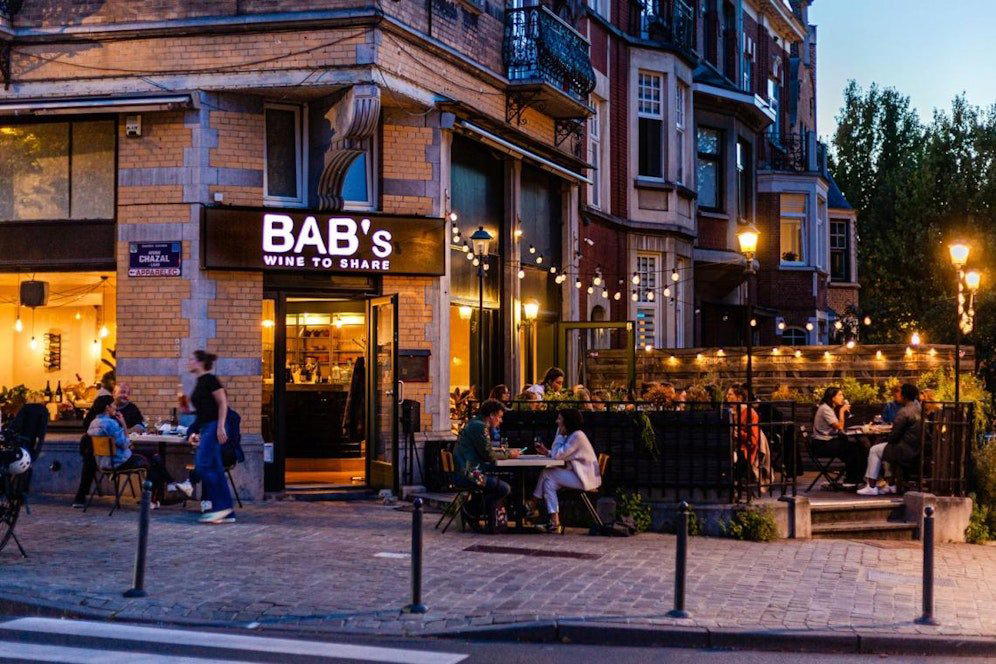
Pici is located at Dageraadplaats 13 in Antwerp's 2018 district. The square itself is a local landmark in the Zurenborg neighbourhood, recognisable by its open layout and surrounding terrace restaurants.
Questions Visitors Ask
- Does Pici work for a family meal?
- In Antwerp's mid-range pasta category, a neighbourhood square address like Pici is generally a more practical family option than the city's tasting-menu tier, and prices at this type of operation typically support it, though confirming current menu format and seating before arrival is sensible.
- Is Pici better for a quiet night or a lively one?
- Dageraadplaats is one of Antwerp's more social neighbourhood squares, and restaurants on it tend to reflect that energy rather than resist it. Relative to the city's formal dining rooms, the kind that hold awards and operate at the €€€€ tier, Pici is firmly on the convivial side of the ledger. It is not the address for a hushed, occasion-paced dinner.
- What is the signature dish at Pici?
- The restaurant takes its name from the hand-rolled Tuscan pasta form, which points clearly toward where the kitchen focuses its attention. Pici as a dish, thick, rope-like, made without egg in its most traditional iteration, is the format the kitchen is built around, and it is the preparation to anchor any visit to. Specific sauce combinations and seasonal accompaniments are not held in public sources, so checking the current menu directly is the practical step.
- Is Pici connected to a broader Italian pasta movement in Belgium?
- The growth of handmade-pasta restaurants in Belgian cities reflects a shift in mid-range dining toward format specificity and ingredient transparency, a pattern visible in Brussels and Ghent as well as Antwerp. Pici sits in that current as a neighbourhood operator.
Recognition Snapshot
Comparable venues nearby, for context on price, style, and recognition.
| Venue | Cuisine | Price | Notes |
|---|---|---|---|
| PiciThis venue — the venue you are viewing | Fresh Italian Pasta | $$ | Not listed |
| Confetti's Kosher Italian Restaurant | Kosher Italian | $$ | Diamond District |
| Instroom x Seppe Nobels | Seasonal Vegetable-Forward Belgian | $$ | Linkeroever |
| Takumi | Authentic Japanese Ramen | $$ | City Center |
| Licoli | Neapolitan Pizza | $$ | Berchem |
| Finch | Asian Fusion | $$ | Zuid |
At a Glance
- Cozy
- Modern
- Intimate
- Casual Hangout
- Family
- Open Kitchen
- Terrace
- Organic
- Local Sourcing
- Street Scene
Current opening hours
- Monday
- 12–2 PM, 5:30–9 PM
- Tuesday
- 12–2 PM, 5:30–9 PM
- Wednesday
- 12–2 PM, 5:30–9 PM
- Thursday
- 12–2 PM, 5:30–9 PM
- Friday
- 12–2 PM, 5:30–9:30 PM
- Saturday
- 5:30–9:30 PM
- Sunday
- 12:30–9 PM
Hours can change for holidays and private events. Last verified .
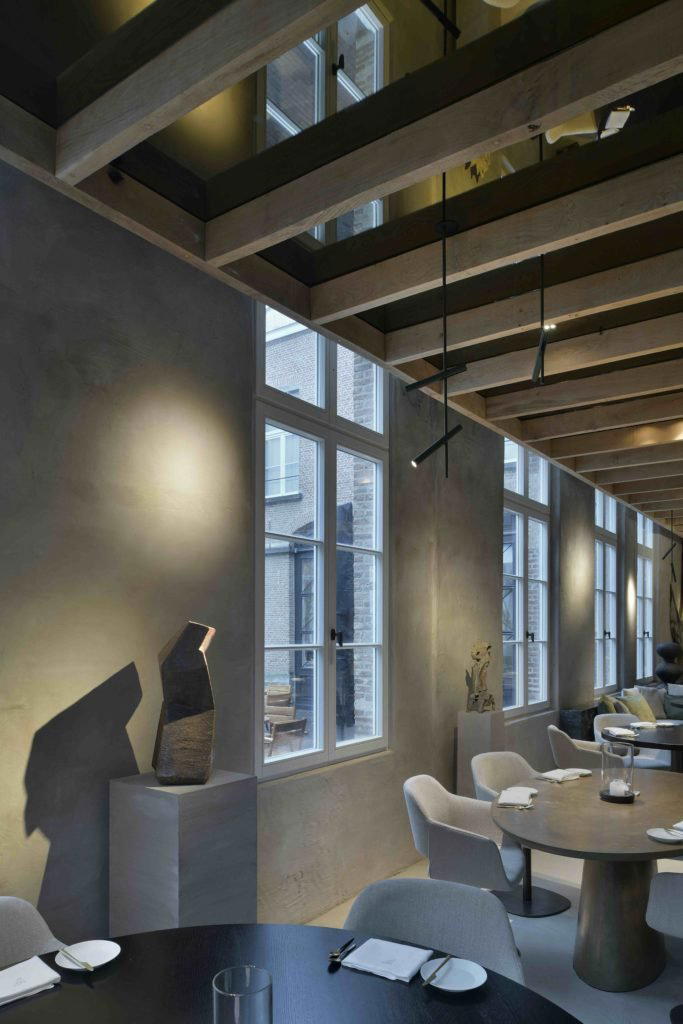
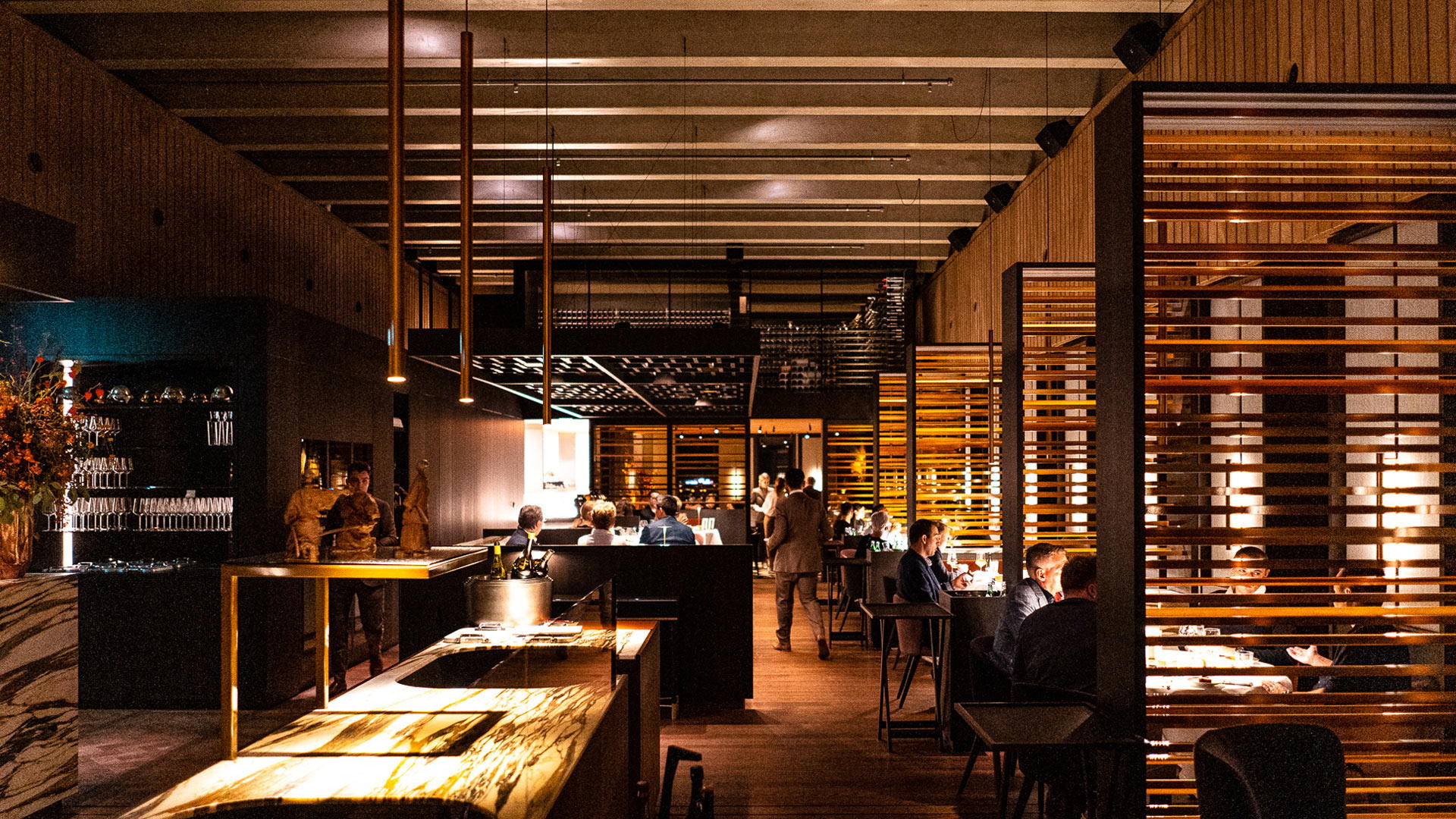
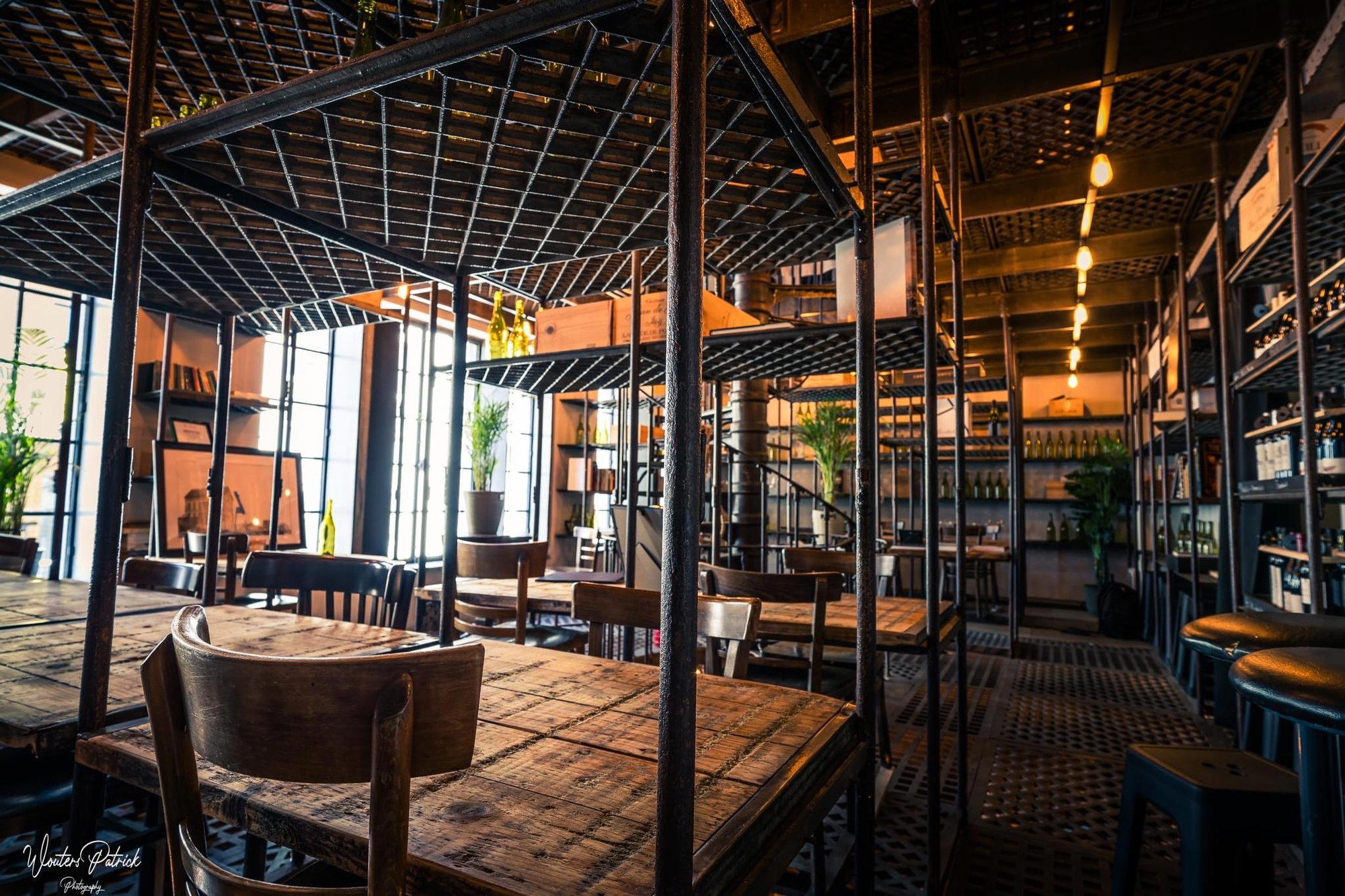
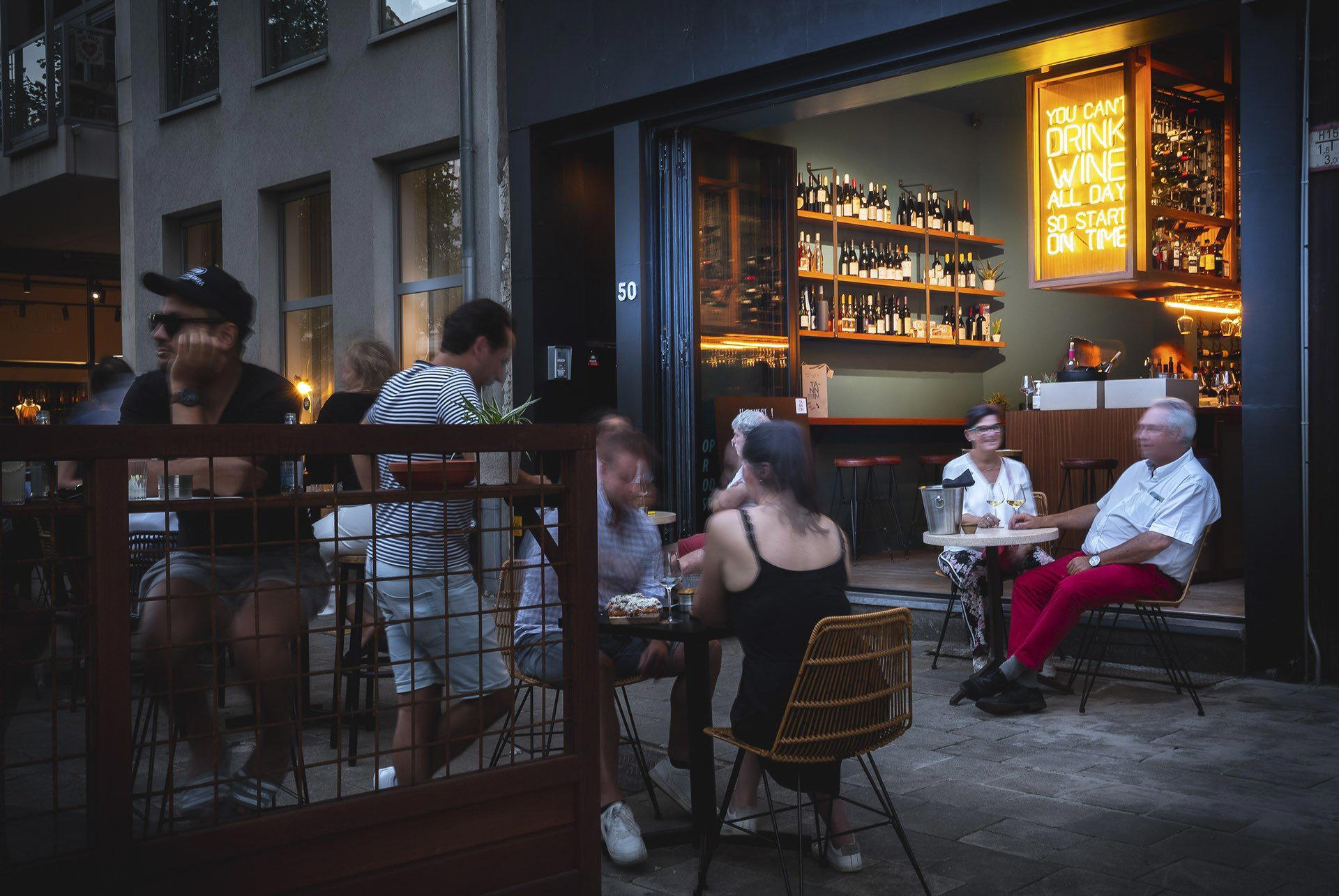
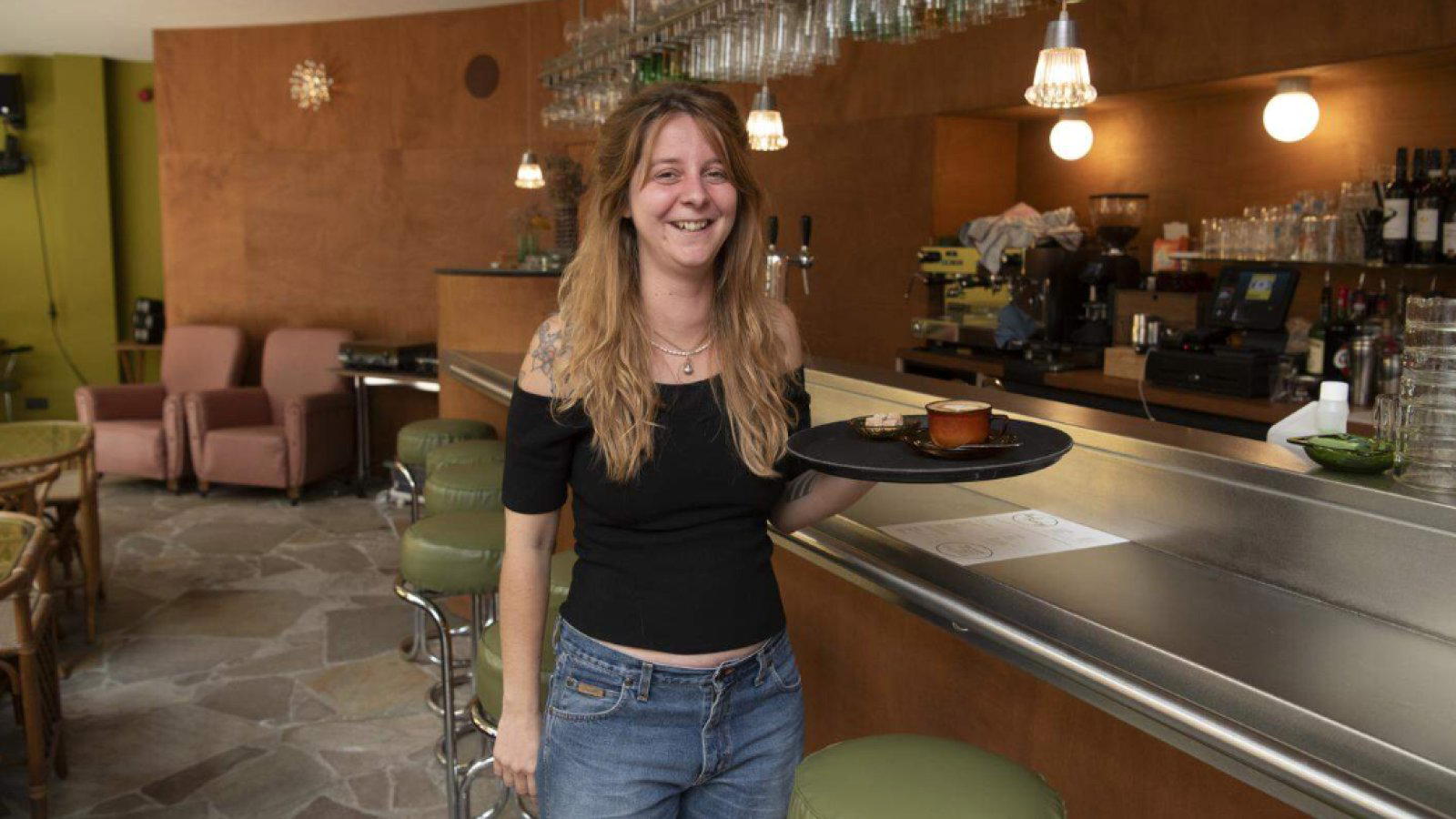
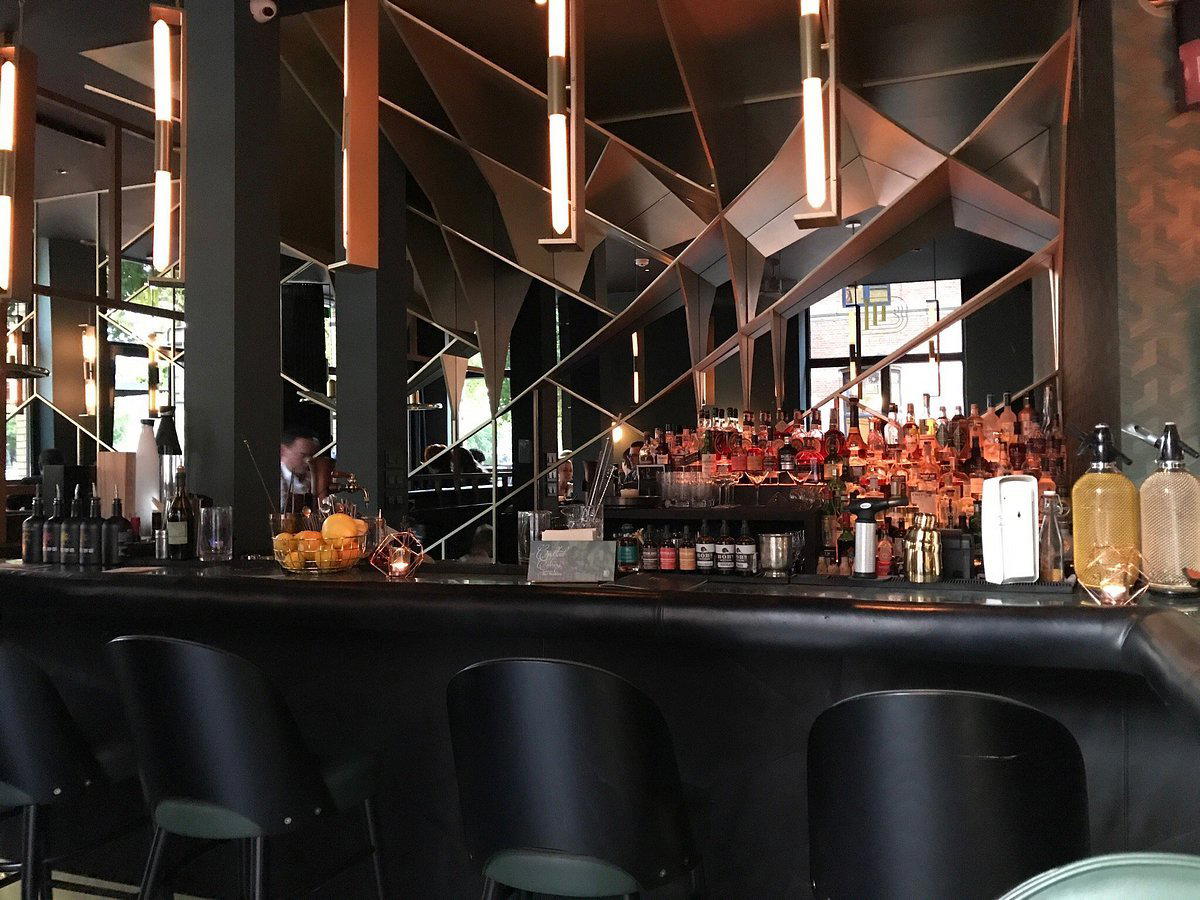
Cozy and minimal Scandinavian-style interior with pleasant terrace seating on the square.