
White Guide Baltic Restaurants - Recommended
Our verdict
Tikupoiss operates out of Imavere village in central Estonia, where the surrounding agricultural land and forest set the immediate context for whatever reaches the table. Rural Estonian dining at this scale tends to draw on what grows and is raised nearby, placing it in a different conversation from Tallinn's polished dining rooms. For visitors crossing the Järvamaa countryside, it represents a point of contact with how provincial Estonian hospitality actually functions.

Pearl is the En Primeur Club membership app, where members save venues, book tables and use the concierge.
This is a different argument from the farm-to-table branding that has become a fixture of upmarket city menus. Nearby farms supply what is in season; preservation techniques, fermentation, smoking, pickling, extend availability across the long northern winter. The flavour profile that results is distinct from what you encounter at Kohvik in Viljandi or at the more tourist-facing establishments along the western coast. It is less curated, more contingent on the actual agricultural calendar. The months that bracket that window, and winter itself, have historically demanded a different approach: preserved and stored ingredients, game from the surrounding forests, and dairy in forms that keep. Tallinn concentrates the award-seeking, internationally oriented establishments; provincial towns and villages operate on a different register entirely, one where the comparison set is not Michelin-starred peers but the practical needs of local communities, passing travellers, and the occasional visitor making a deliberate detour.
Within that provincial tier, there is further variation. Towns like Viljandi have developed a small but genuine café and restaurant culture, visible at spots such as Kohvik and reflected in the town's broader creative identity. Across the country, you find this pattern repeated: Kuur in Vihtra, Ilmaveere in Obinitsa, and Kalana ÄÄR in Kalana each represent a version of this rural hospitality model, shaped by their respective landscapes and local traditions.
The coastal and island dining context adds another layer of comparison. Establishments like Wana Kala Kõrts in Neeme and KABE Beach in Kaberneeme draw on proximity to the sea and the Baltic fishing tradition, which gives them a sourcing identity quite different from what is possible inland.
For reference points further afield in how local sourcing can define a restaurant's identity at the highest level of execution, Le Bernardin in New York City demonstrates what happens when ingredient sourcing becomes the organising principle of an entire kitchen; Atomix, also in New York, shows how regional culinary tradition can be recontextualised for a contemporary audience. The village sits in Järvamaa, roughly equidistant between Paide and Viljandi, and is most practically reached by car. Public transport connections to settlements this small are limited, and the surrounding road network, while navigable, requires a degree of route-planning that urban visitors may not be accustomed to.
Because no current booking information, hours, or contact details are available in verified sources, visiting Tikupoiss requires direct local inquiry.enprimeurclub. Nearby reference points include Everest Thai/Nepalese Restaurant in Pärnu, Valgeranna Veinitall in Audru, and Kolm. Restoran in Võru for those building a multi-stop itinerary through the region.
Frequently asked questions
Does Tikupoiss work for a family meal?
Tikupoiss is located in Imavere village, Järvamaa, which positions it as a destination for local and passing visitors rather than a polished urban venue. Rural Estonian dining spots in this region tend toward relaxed, unfussy settings that suit mixed-age groups. That said, no specific family facilities or menus are documented so contacting them directly before visiting is advisable.
What's the vibe at Tikupoiss?
Imavere is a small village in central Estonia, and Tikupoiss reflects that geography: this is provincial dining, not a capital-style operation chasing awards or international press. Expect an atmosphere shaped by the surrounding Järvamaa countryside rather than by trend cycles. The address on Paiaristi puts it firmly in local-community territory.
Is Tikupoiss worth the detour if I'm travelling between Tallinn and southern Estonia?
Imavere sits in Järvamaa, roughly along the corridor connecting Tallinn to the country's southern regions, which makes Tikupoiss a plausible stop rather than a dedicated pilgrimage. Rural dining in this part of Estonia operates outside the capital's fine-dining circuit, offering a different register entirely.
What should I eat at Tikupoiss?
No menu is currently documented for Tikupoiss. Rural Estonian venues in Järvamaa have historically drawn on tightly local sourcing, game, dairy, root vegetables, and preserved goods, shaped by the agricultural character of central Estonia rather than by imported culinary frameworks. Confirming the current offering directly with the venue is the only reliable route.
What's the address for Tikupoiss?
Tikupoiss is located at Paiaristi, Imavere küla, 72401, Estonia, Imavere.
Comparable Venues
Comparable venues nearby, for context on price, style, and recognition.
| Venue | Cuisine | Price | Awards | Notes |
|---|---|---|---|---|
| TikupoissThis venue (the venue you are viewing) | Estonian-European Roadside | $10–20 | White Guide Baltic Restaurants - Recommended | Not listed |
| Pastoraat | Modern European Cafe | Not listed | White Guide Baltic Restaurants - Fine Level | Old Town |
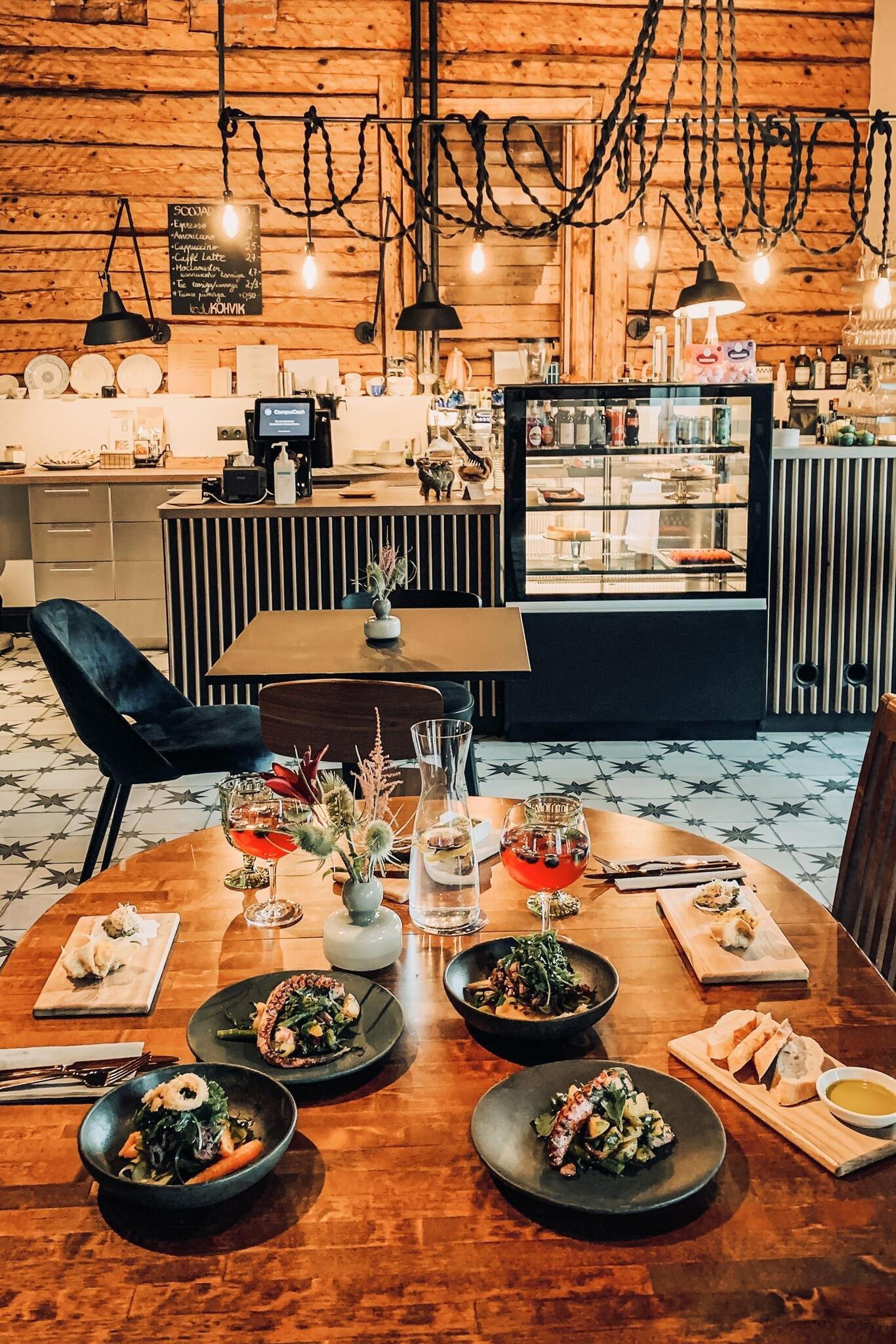
| koduKOHVIK | Estonian Café with Local Flavors | Not listed | Not listed | Viljandi city centre |
| Restaurant Ormisson | Modern European with Estonian influences | Not listed | Not listed | Viljandi center |
| Cafe Truffe | Modern European Cafe | Not listed | Not listed | Old Town |
| Ciao Bella | Neapolitan Pizza | $10–20 | Not listed | Rakvere |
Recognition history
Dated appearances from independent guides and award organizations, with the underlying list record or original source where available.
White Guide Baltic Restaurants - Recommended
White Guide
Continue exploring
More in Imavere
Details
- Modern
- Cozy
- Rustic
- Family
- Casual Hangout
- Local Sourcing
- A La Carte
- Vegan Options
Current opening hours
- Monday
- 9 AM–9 PM
- Tuesday
- 9 AM–9 PM
- Wednesday
- 9 AM–9 PM
- Thursday
- 9 AM–9 PM
- Friday
- 9 AM–9 PM
- Saturday
- 9 AM–9 PM
- Sunday
- 9 AM–9 PM
Hours can change for holidays and private events. Hours as of .
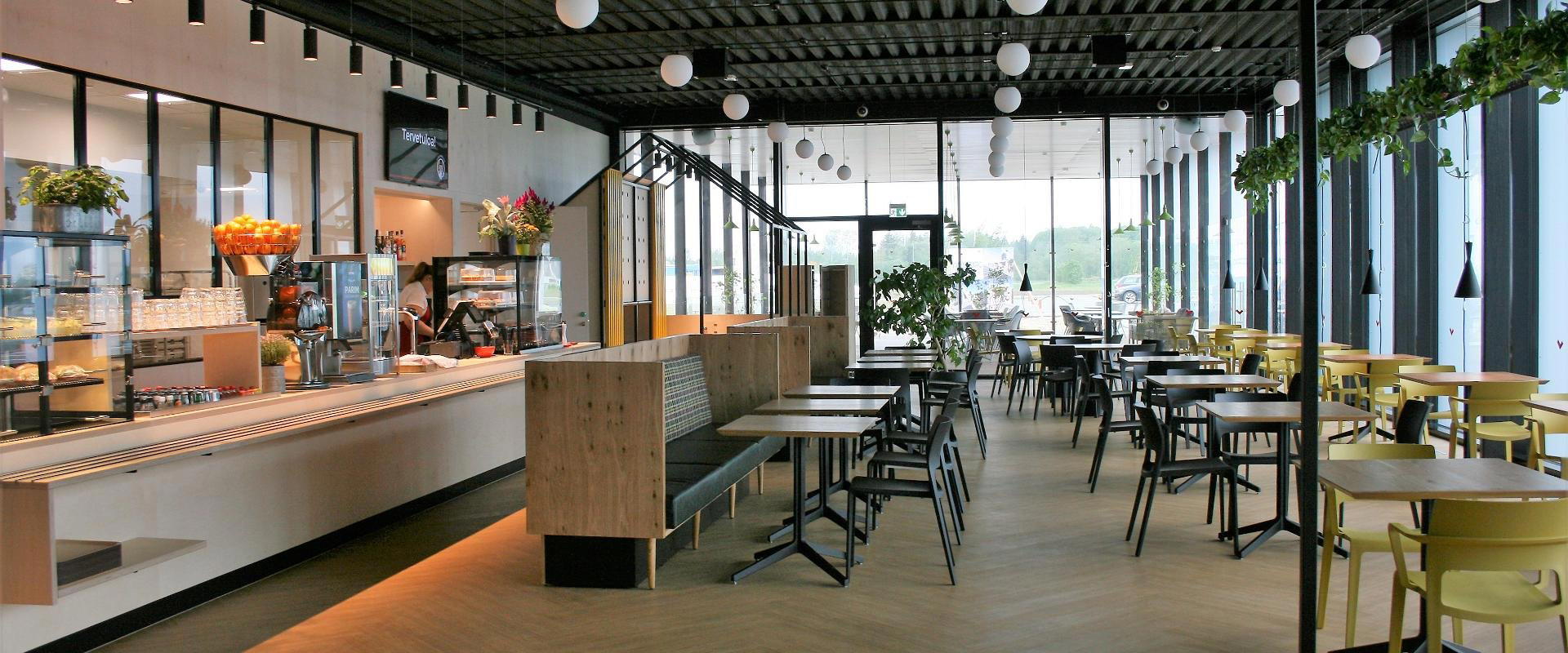
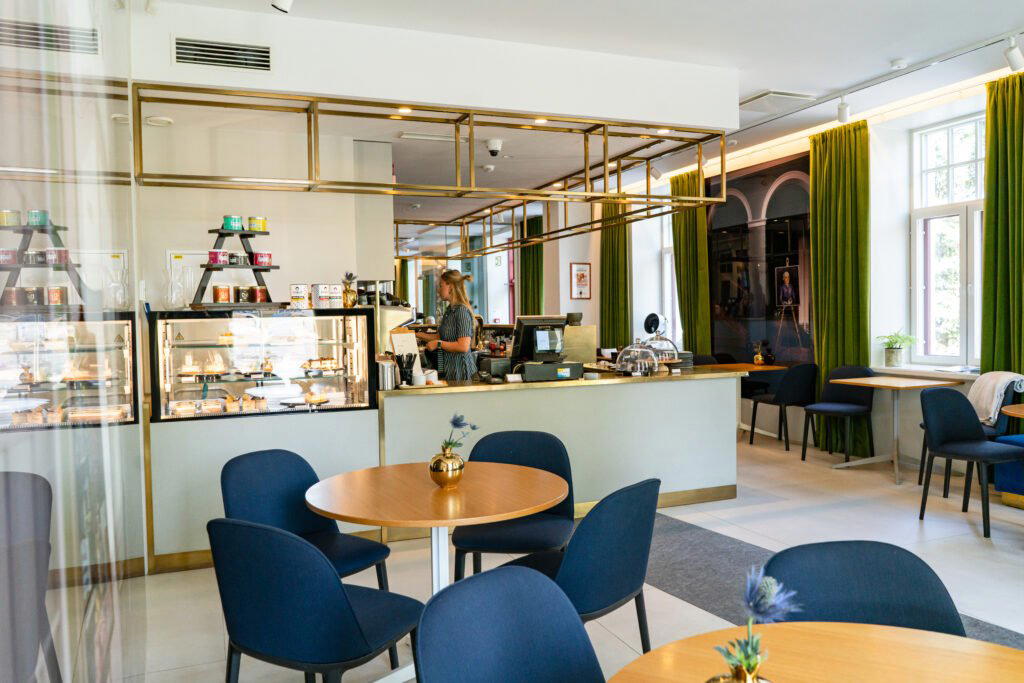
Spacious, light, cool Nordic-minimalist dining room with Mulgimaa-inspired interior.