Our verdict
koduKOHVIK sits at Tartu tn 1 in central Viljandi, placing it within the small cluster of cafés and dining rooms that give this Estonian cultural town its unhurried, locally grounded character. The name itself signals the format: 'kodu' means home in Estonian, and the kohvik tradition, the café-as-living-room that runs through Estonian social life, is the governing idea here. For visitors moving between Viljandi's better-known dining options, it offers a point of contrast worth factoring into any planning.

Pearl is the En Primeur Club membership app, where members save venues, book tables and use the concierge.
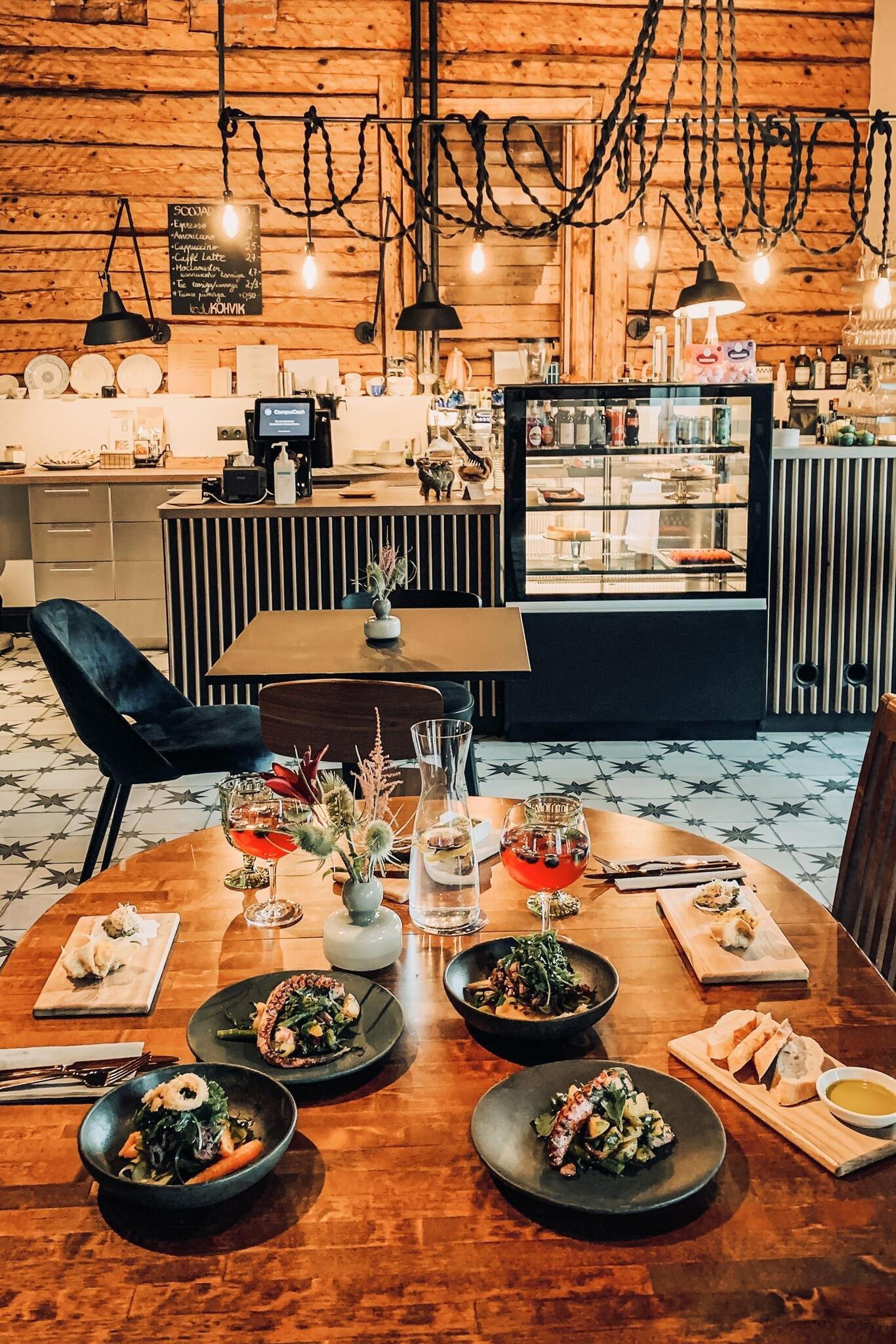
The menu
What to order
- Miljonärikook
- Kodujuustutort murakamoosiga
The Kohvik Tradition and What It Means in Viljandi
In Estonian towns of Viljandi's size, the kohvik occupies a specific cultural position that has no direct equivalent in English. It is not a café in the Western European sense, not a coffee bar, and not a restaurant with shortened ambitions. The kohvik is closer to a domestic extension of public life: a room where people linger, where coffee arrives without ceremony, and where the food, if there is food, follows the same logic of familiarity over spectacle. The name koduKOHVIK makes this explicit. 'Kodu' translates simply as home, and the doubling of register in the name, lowercase intimacy meeting uppercase category, suggests a place that is conscious of the tradition it is operating within.
Viljandi itself reinforces this context. The town sits in south-central Estonia, roughly two hours by road from Tallinn, and it carries a cultural weight disproportionate to its population. It is home to the Viljandi Folk Music Festival, one of the most attended cultural events in Estonia, and its Old Town and lake-facing streets have made it a destination for Estonians seeking something quieter than Tartu or the capital. The dining scene here is not large, but it is coherent: a handful of places doing specific things with local awareness. koduKOHVIK at Tartu tn 1 sits at what is effectively the town's address of arrival, a location that places it in immediate proximity to the pedestrian flow of central Viljandi.
Where koduKOHVIK Sits in the Local Dining Pattern
Viljandi's restaurant and café cluster is small enough that position within it matters. The town's more formal dining options include Fellin, which operates in the traditional cuisine tier at a €€ price point, and Restoran Schloss, which occupies a different register. Restaurant Ormisson and Kohvik round out the central options. Within this set, the kohvik format is its own tier: lower on formality, higher on frequency of local use, and governed by a different set of expectations around pacing and purpose.
The kohvik as a format has proven more durable in Estonian towns than equivalent informal café categories in other Northern European countries. Part of this comes from the Soviet-era normalisation of the kohvik as a public gathering space, and part from the Estonian tendency to treat coffee culture as social infrastructure rather than lifestyle signalling. In a town like Viljandi, where the visitor economy is real but not dominant, a kohvik succeeds or fails on how well it serves the people who live there, not on how it photographs.
For visitors whose reference point is the fine dining tier in the Estonian capital, places like 180° by Matthias Diether in Tallinn, the kohvik register will feel deliberately scaled back. That is the point. The kohvik is not an entry-level version of a restaurant; it is a different thing entirely, shaped by different social needs.
The Cultural Logic of the 'Kodu' Frame
The decision to prefix 'kodu' to the category name is not arbitrary. Estonian café culture has, in larger cities, split between the international-facing specialty coffee format and the older, more rooted kohvik model. In Tallinn, this split is visible block by block. In Viljandi, the international-facing model has less presence, which means the kohvik retains its social centrality rather than becoming a nostalgic category. koduKOHVIK's naming positions it explicitly on the side of rootedness: this is a place framing itself through domesticity and continuity rather than trend.
That framing carries implications for what to expect. The kohvik tradition in Estonia runs toward homestyle food where food is offered at all, toward coffee served without performance, and toward a pace that accommodates long conversations and open-ended afternoons. It is a format that makes more sense when understood against Estonia's short summers and the social premium placed on indoor warmth and unhurried time. Visitors arriving from destinations with more compressed café cultures, or from higher-intensity dining cities elsewhere in Europe, will need to adjust their frame of reference accordingly.
For a broader picture of how koduKOHVIK fits into Viljandi's overall dining and café pattern, the full Viljandi restaurants guide maps the complete set of options across formats and price points.
Practical Context for Planning a Visit
koduKOHVIK's address at Tartu tn 1 places it in central Viljandi, accessible on foot from the Old Town and within easy reach of the lake area. Visitors driving from Tallinn should account for the roughly two-hour journey south on the Via Baltica corridor and plan Viljandi as a half-day or full-day stop rather than a quick detour. The town is also reachable by train from Tallinn, though the schedule requires advance checking. For those building a wider Estonian itinerary, Viljandi pairs logically with a stop in Pärnu to the west, where Everest Thai/Nepalese Restaurant represents a different end of the regional dining spectrum, or with Võru to the southeast, where Kolm. Restoran operates in a comparable small-town context.
The kohvik format in Estonia typically operates on a walk-in basis without reservations, and pricing in this category runs below the formal restaurant tier. Visitors should verify current hours directly before visiting, particularly outside the summer folk festival season when Viljandi's footfall is highest and operating hours across the town's venues tend to extend.
For those mapping a longer route through Estonia's less-covered dining geography, the country's regional café and restaurant scene extends to places like Kohvik Kaar in Narva in the northeast, Franzia in Narva-Jõesuu, and coastal options including KABE Beach in Kaberneeme and Wana Kala Kõrts in Neeme. Further afield, Valgeranna Veinitall in Audru and Kuur in Vihtra represent the rural dining tier. In Tartu, Eva Sushi sits in a different category entirely, and Burger Bros in Rakvere maps the casual end of the spectrum in the north. For a sense of scale contrast with internationally recognised fine dining, Le Bernardin in New York City and Atomix in New York City represent the opposite end of the formality spectrum.
Frequently asked questions
What part of town is koduKOHVIK in?
koduKOHVIK is located at Tartu tn 1, Viljandi, 71004 Viljandi maakond, Estonia, Viljandi.
How does koduKOHVIK differ from other places to eat in Viljandi?
Viljandi's dining options are few enough that category matters: the town has formal restaurant options such as Fellin, but koduKOHVIK occupies the kohvik tier, a distinctly Estonian form that sits between a café and a canteen in function. The 'kodu' framing signals a deliberately local, everyday register rather than a tourist-facing or event-driven one. For visitors staying near the Old Town at Tartu tn 1, that makes it a reference point for how Viljandi residents actually eat and drink day-to-day.
What should I order at koduKOHVIK?
In Viljandi's kohvik tradition, that typically means pastries, open sandwiches, and seasonal daily plates rather than an à la carte restaurant menu. Arriving with an appetite for simple, locally grounded food is the right frame.
What's the best way to book koduKOHVIK?
No phone number or website is currently listed for koduKOHVIK. The venue sits at Tartu tn 1 in central Viljandi, making it walkable from the Old Town, so arriving in person is the most reliable approach. For groups or time-sensitive visits, checking local Estonian directories or the venue's social media presence is worth doing ahead of travel.
What's the signature at koduKOHVIK?
The signature here is structural rather than dish-specific: the 'kodu' prefix in the name explicitly frames this as a home-style kohvik, distinguishing it from the international-facing café formats that have spread through Tallinn and Tartu. In Viljandi's compact dining scene, that positioning places koduKOHVIK closer to a neighbourhood daily than to a specialty coffee bar or restaurant. The coffee and the unhurried pace are the point.
Cost Snapshot
Comparable venues nearby, for context on price, style, and recognition.
| Venue | Cuisine | Price | Awards | Notes |
|---|---|---|---|---|
| koduKOHVIKThis venue (the venue you are viewing) | Estonian Café with Local Flavors | Not listed | Not listed | Not listed |
| Restaurant Ormisson | Modern European with Estonian influences | Not listed | Not listed | Viljandi center, Modern European with Estonian influences |
| Fellin | European Café-Bistro | Not listed | Michelin Bib Gourmand · White Guide Baltic Restaurants - Fine Level | Viljandi Old Town, European Café-Bistro |
| Kohvik | European Bistro with Local Estonian Flavors | Not listed | Not listed | Old Town, European Bistro with Local Estonian Flavors |
| Restoran Schloss | Modern Estonian Fine Dining | $30–50 | Not listed | Viljandi linn, Modern Estonian Fine Dining |
| Tikupoiss | Estonian-European Roadside | $10–20 | White Guide Baltic Restaurants - Recommended | Imavere, Estonian-European Roadside |
Continue exploring
More in Viljandi
Details
- Cozy
- Rustic
- Industrial
- Casual Hangout
- Brunch
- Historic Building
- Garden
- Local Sourcing
- Garden
- A La Carte
- Vegetarian Friendly
Current opening hours
- Monday
- 9 AM–4 PM
- Tuesday
- 9 AM–10 PM
- Wednesday
- 9 AM–10 PM
- Thursday
- 9 AM–10 PM
- Friday
- 9 AM–11 PM
- Saturday
- 10 AM–11 PM
- Sunday
- 10 AM–4 PM
Hours can change for holidays and private events. Hours as of .
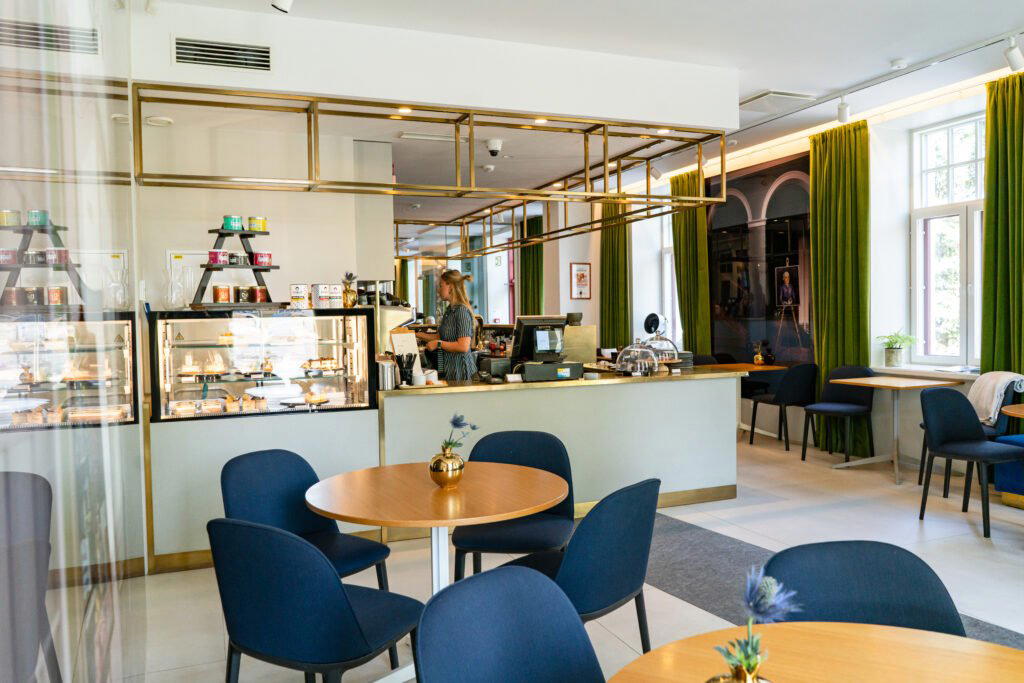
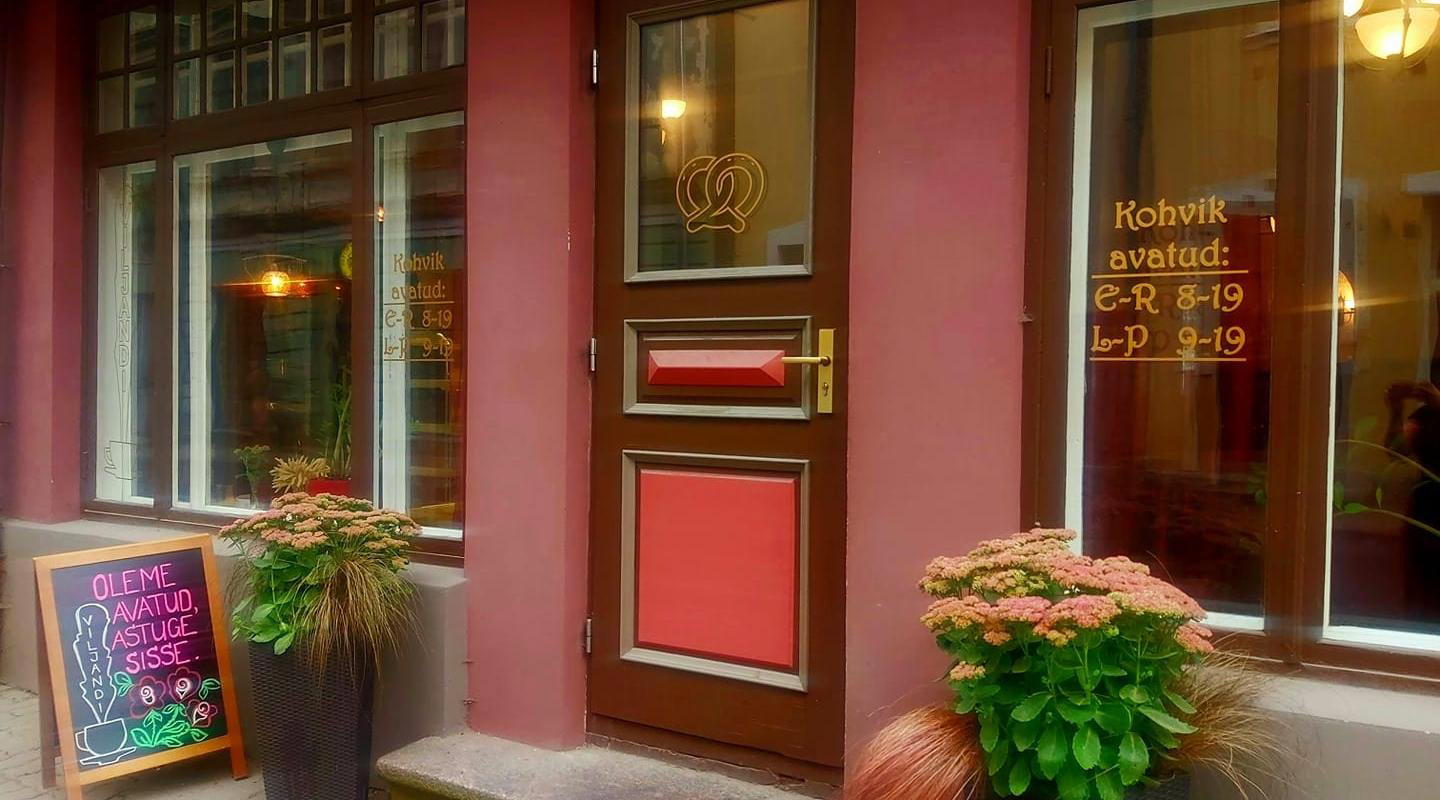
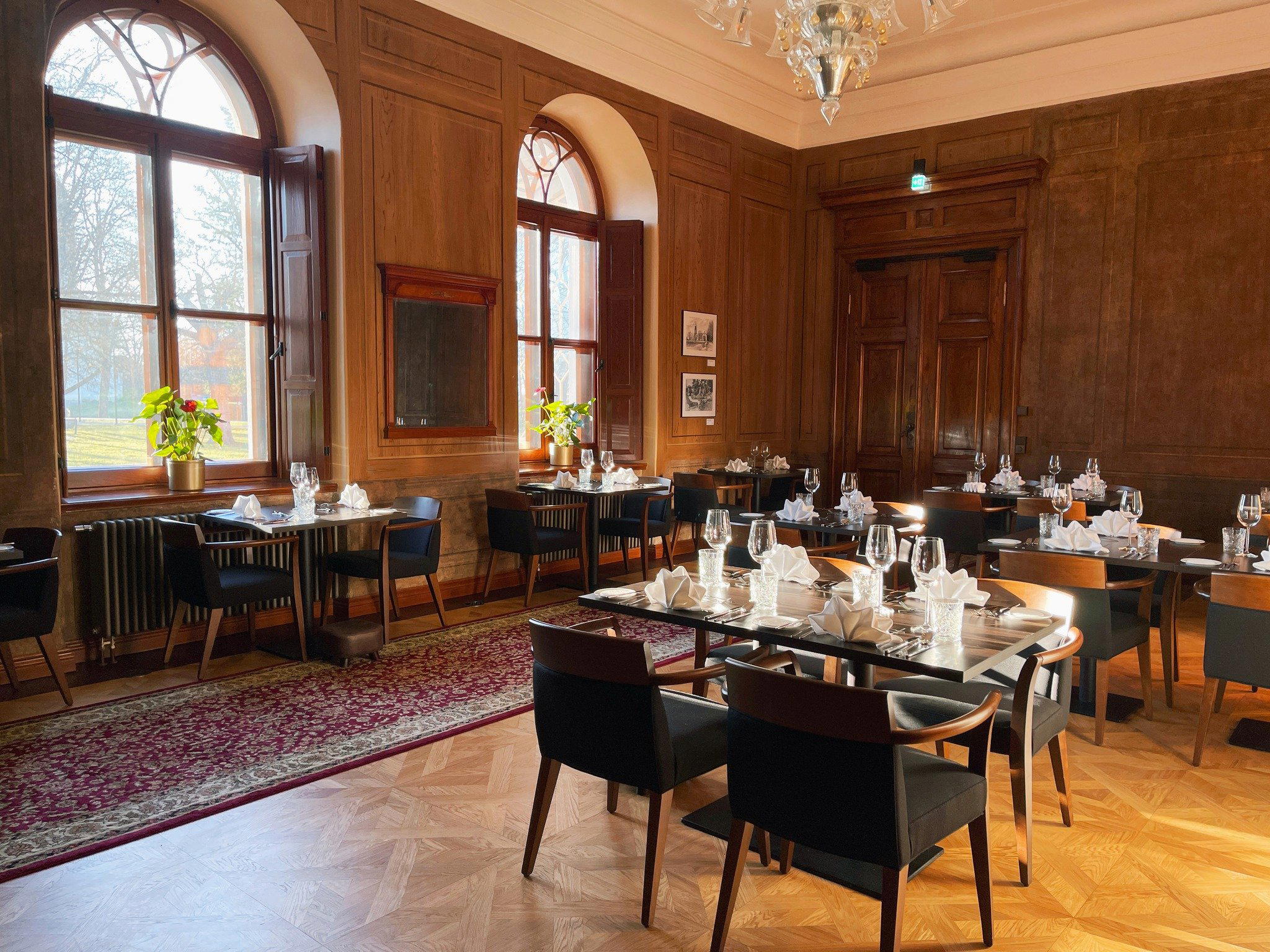
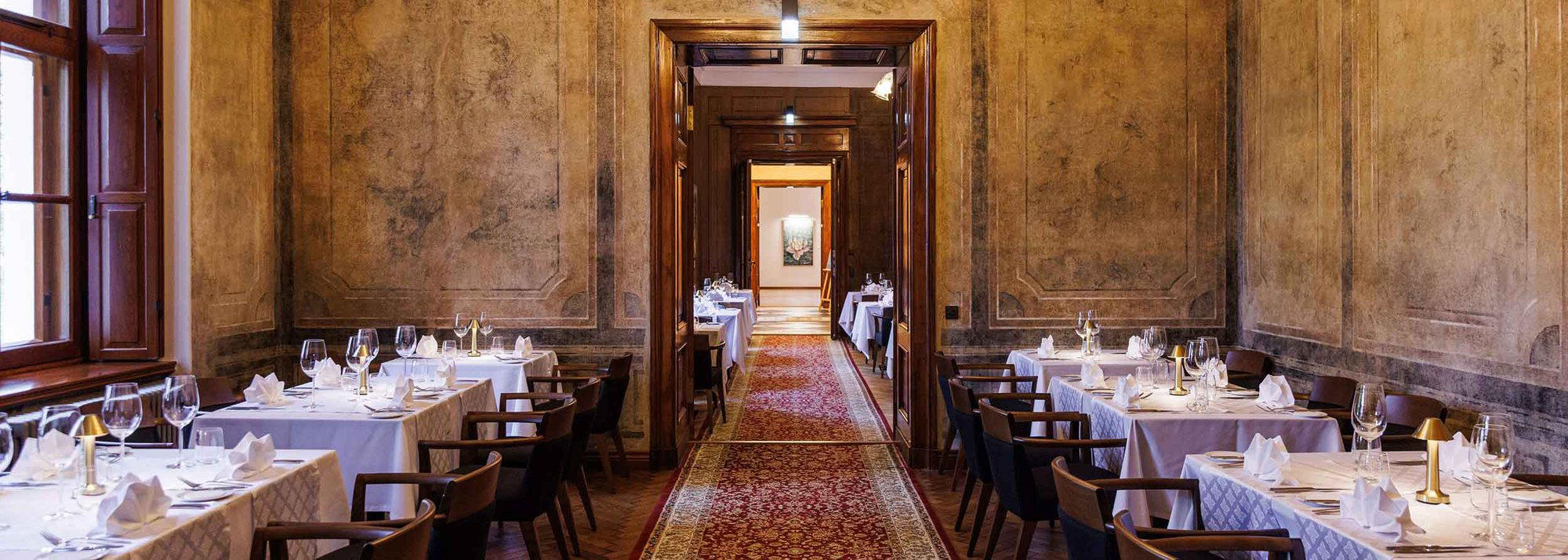
Cozy atmosphere with striking red brick, wooden beams, star-patterned tiled floors, big Persian rugs, heaps of green plants, and relaxing music.