
White Guide Baltic Restaurants - Fine Level
Our verdict
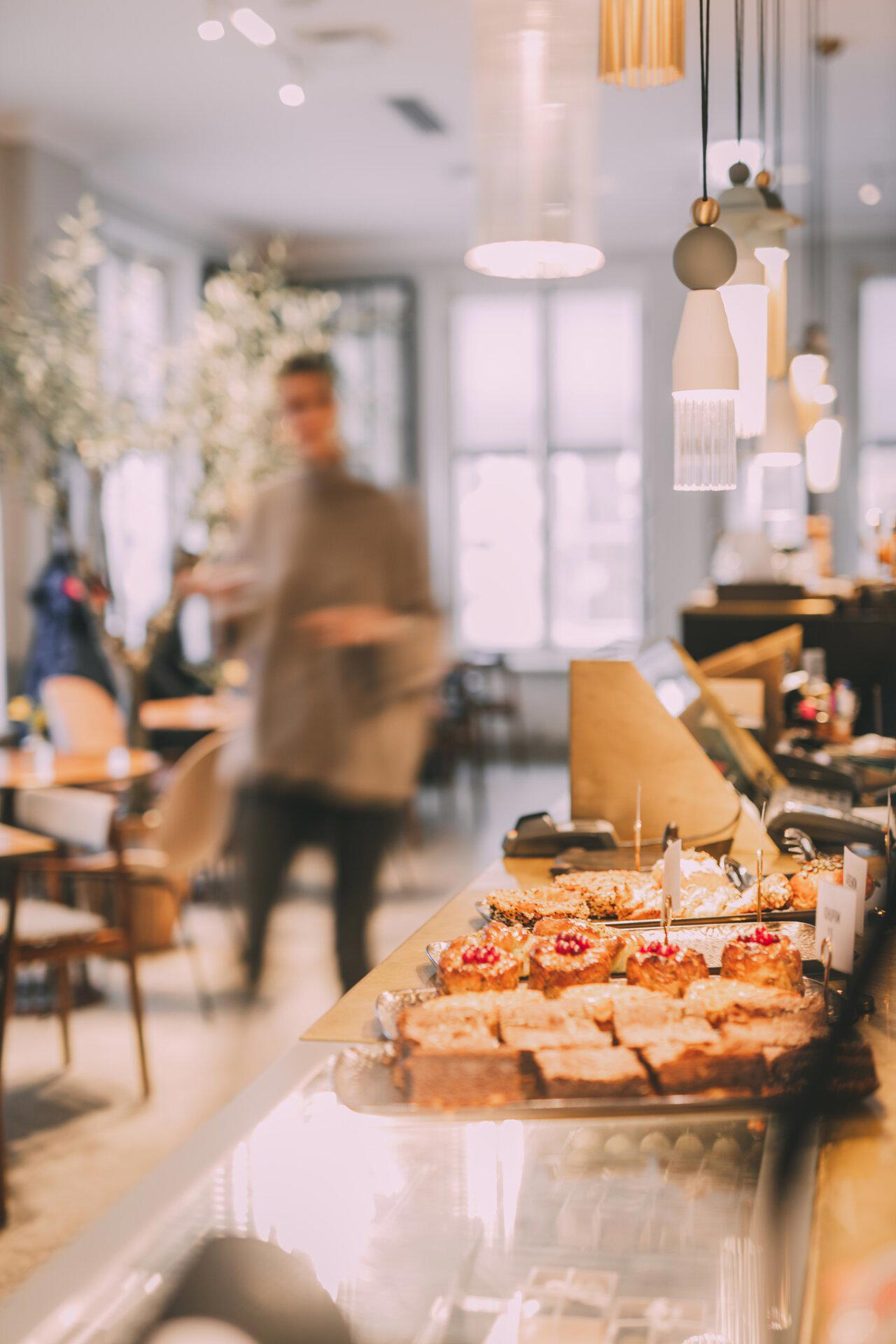
Pastoraat occupies a historic address on Kuninga Street in Pärnu, Estonia's coastal summer capital. Set within Pärnu's compact old-town corridor, the restaurant draws from the town's tradition of unhurried, season-driven dining that defines the Baltic resort experience. For context on how it sits within the city's wider dining scene, see our full Pärnu guide.

Pearl is the En Primeur Club membership app, where members save venues, book tables and use the concierge.
Pärnu's Dining Character and Where Pastoraat Fits
Estonia's coastal resort towns have developed a dining culture that operates on a different rhythm from Tallinn. In Pärnu, the summer capital, restaurants tend to function as extensions of the town's slow-paced, spa-and-shore lifestyle rather than as destination dining in the metropolitan sense. The city's restaurant scene clusters along and around Kuninga Street, the main artery through the old-town grid, where a mix of heritage buildings and converted merchant houses provide the architectural backdrop for a range of dining registers, from casual beach-adjacent cafés to more composed, sit-down rooms. Pastoraat, at Kuninga tn 30, sits within that corridor, placing it at the centre of Pärnu's most walkable dining stretch.
This positioning matters because Pärnu's restaurant scene is not large by European resort standards. The city attracts Finnish and Scandinavian visitors alongside domestic Estonian holidaymakers, and the dining supply has grown to reflect those audiences: a preference for honest, ingredient-forward cooking over elaborate tasting formats, and a general inclination toward rooms that feel settled rather than performance-driven. Venues in the Kuninga Street zone compete less on spectacle and more on consistency and atmosphere, which sets a particular benchmark for any address operating there.
The Cultural Roots of Estonian Coastal Cooking
To understand what an address like Pastoraat likely draws from, it helps to consider what Estonian coastal cuisine actually means as a culinary tradition. The Baltic coast has always produced a larder defined by restraint and seasonality: rye, cured fish, foraged greens, root vegetables, and dairy products that reflect a short growing season and a long pickling tradition. This is not a cuisine of abundance in the Mediterranean sense. It is a cuisine of precision, where the gap between a well-executed smoked eel and a poorly sourced one is immediately apparent.
Pärnu's specific coastal position adds a layer of influence that distinguishes it from landlocked Estonian towns. Access to the Gulf of Riga fisheries, proximity to forested hinterlands supplying mushrooms and berries, and a historical connection to summer visitors from across the Baltic region have all shaped what local kitchens consider worth serving. The leading rooms in Pärnu, whether in the old-town or along the beach promenade, tend to anchor their menus to this geography rather than importing culinary frameworks from elsewhere. In that context, an address on Kuninga Street carries an implicit obligation to the local larder.
For a sense of how other Estonian towns approach their regional cooking traditions, Kohvik in Viljandi offers an interesting parallel, while Kolm. Restoran in Võru shows how southern Estonia's slightly different larder informs a comparable commitment to local sourcing.
Pärnu's Competitive Set and Peer Context
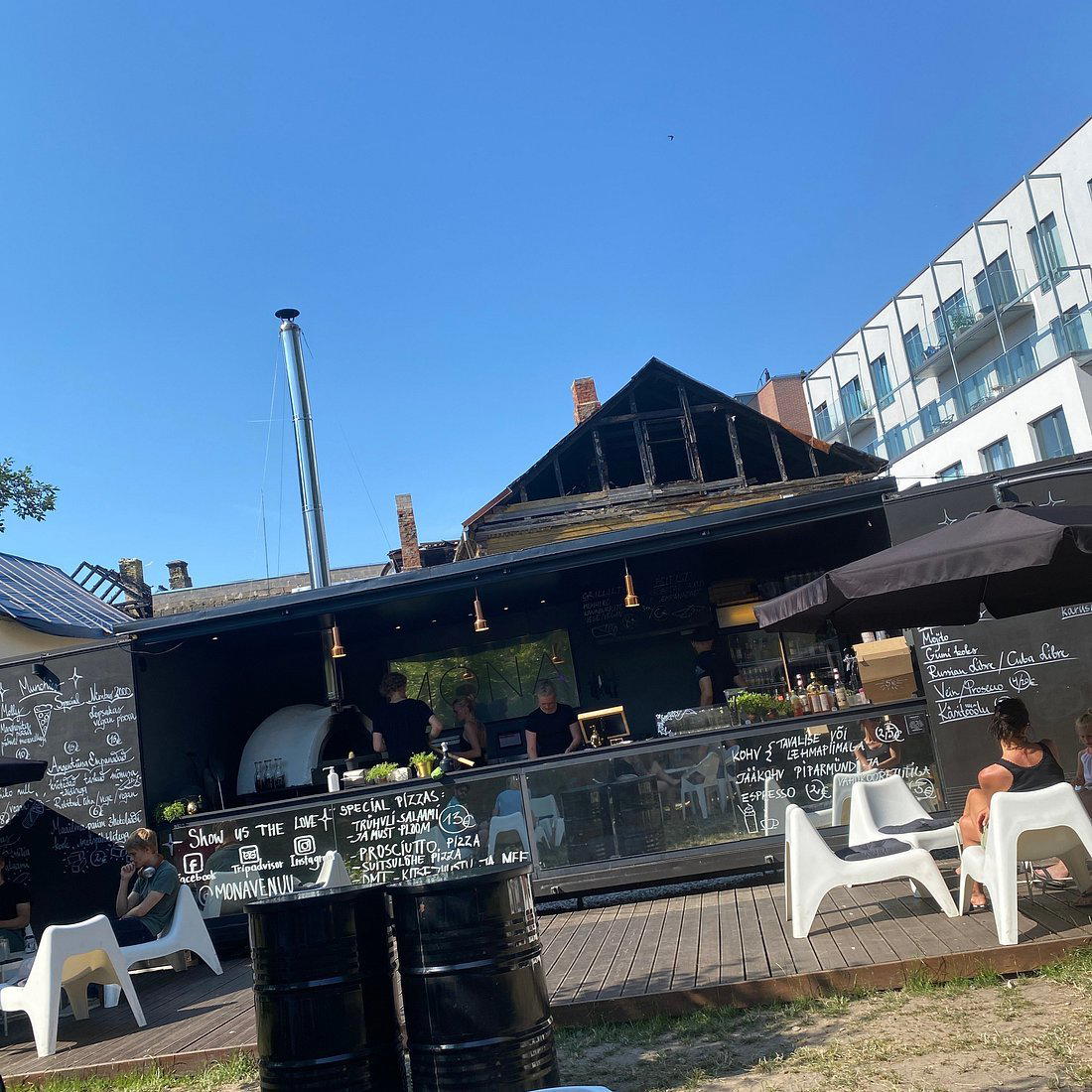
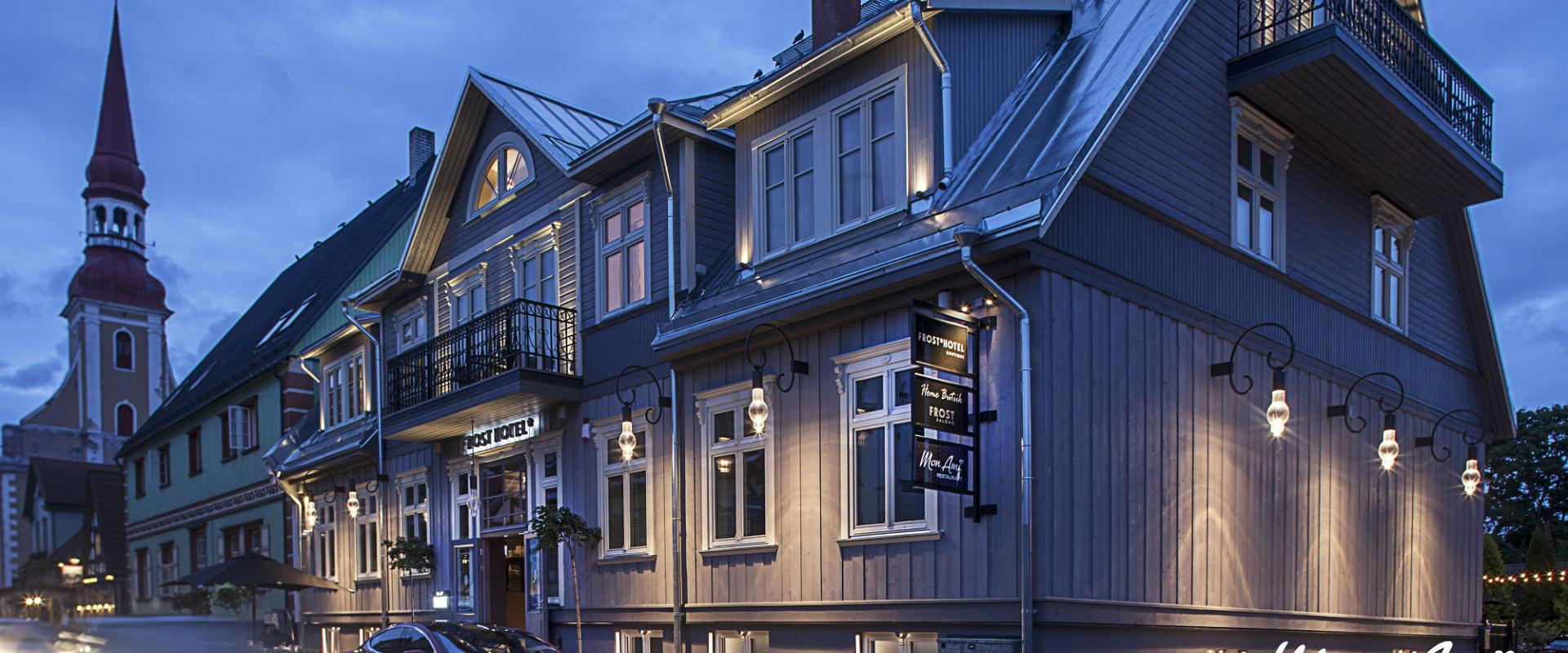
Within Pärnu itself, Pastoraat shares its immediate competitive tier with several well-regarded addresses. Kastrul and Mon Ami both operate in the mid-to-upper bracket of Pärnu dining, offering more composed menus in rooms that draw on the town's heritage building stock. Kaks Pulka and Mona Venüü represent a slightly more casual register, where the emphasis falls on accessibility and atmosphere over technical ambition. Meanwhile, Everest Thai/Nepalese Restaurant sits in a separate category altogether, serving a different culinary tradition to a different audience within the same city.
Pastoraat's Kuninga Street address places it in the more composed end of that spectrum. The street's foot traffic and heritage character attract visitors who are making deliberate dining choices rather than stopping opportunistically, which tends to reward rooms that have developed a clear identity over time.
For a broader view of how Pärnu's dining scene fits within Estonia's wider restaurant geography, see our full Pärnu restaurants guide. Those comparing Pärnu to Estonia's more developed urban dining scenes can look at 180° by Matthias Diether in Tallinn for the most technically ambitious end of the national spectrum.
Planning a Visit: Practical Considerations
Pärnu operates as a seasonal city. The summer months, June through August, represent peak capacity across the town's restaurants, accommodation, and beach infrastructure, and the dining scene contracts significantly outside that window. Visitors planning to eat at the better Kuninga Street addresses during July and August should expect competition for tables; arriving without a reservation during peak weekends is a risk. Shoulder-season visits in May or September offer a quieter version of the town, with many kitchens still operating but at reduced tempo.
Getting to Pärnu from Tallinn takes roughly two hours by bus on the regular Lux Express or Ecolines services, making it a feasible day trip for Tallinn-based visitors. Those arriving from the direction of Riga will find Pärnu roughly equidistant between the two capitals along the Via Baltica, which gives the town a natural function as a stop rather than a destination for some international travellers. For visitors extending their time along the Estonian coast, Franzia in Narva-Jõesuu represents another coastal dining option worth considering at the opposite end of the country, while Valgeranna Veinitall in Audru sits just outside Pärnu itself and offers a winery-adjacent experience within easy reach.
For those exploring Estonia's coastal and seaside dining more broadly, KABE Beach in Kaberneeme, Wana Kala Kõrts in Neeme, and Kuur in Vihtra collectively map the range of approaches Estonian kitchens take to their coastal larder. At the opposite end of the international dining register, Le Bernardin in New York City and Atomix in New York City illustrate how fish-forward and tasting-menu formats operate at the most technically ambitious global level. Closer to home, Kohvik Kaar in Narva and Eva Sushi in Tartu show how Estonia's other cities approach their own dining identities.
Frequently asked questions
What part of town is Pastoraat in?
Pastoraat is located at Kuninga tn 30, Pärnu, 80014 Pärnu maakond, Estonia, Parnu.
What kind of setting does Pastoraat occupy on Kuninga tn 30, and how does the location shape the dining experience?
Pastoraat sits on Kuninga tn 30 in central Pärnu, a city whose low-rise wooden architecture and Baltic shoreline define the atmosphere of its older streets. Kuninga (meaning King's Street) runs through one of Pärnu's more historically layered districts, positioning the restaurant within walking distance of the town's spa hotels and beach promenade. That geography is not incidental in a city where the dining calendar compresses into a short, intense summer season. Visitors planning around Pärnu's peak months should factor the address's centrality into their itinerary.
Is Pastoraat reservation-only?
Pärnu restaurants at this address tier routinely fill during the June–August peak season, when the town's population swells with summer visitors. Contacting the venue directly before arrival is advisable, particularly on weekends.
Can Pastoraat handle vegetarian requests?
Estonian coastal cuisine historically leans toward fish, dairy, and grain-based dishes, which tend to accommodate vegetarian diners more readily than meat-centric traditions. Confirming specific dietary options with the restaurant before your visit is the safest approach.
Budget Reality Check
Comparable venues nearby, for context on price, style, and recognition.
| Venue | Cuisine | Price | Awards | Notes |
|---|---|---|---|---|
| PastoraatThis venue (the venue you are viewing) | Modern European Cafe | Not listed | White Guide Baltic Restaurants - Fine Level | Not listed |
| Mon Ami | Contemporary European Fine Dining | $30–50 | White Guide Baltic Restaurants - Fine Level | city center, Contemporary European Fine Dining |
| Mack Bar-B-Que Beachclub | American BBQ Beach Club | $20–30 | Not listed | Beach Area, American BBQ Beach Club |
| Rööm | Italian, European, Scandinavian | $20–30 | Not listed | Pärnu kesklinna südames, Italian, European, Scandinavian |
| Mona Venüü | Wood-fired Pizza & Street Food | $10–20 | Not listed | Not listed |
| Kaks Pulka | Japanese Sushi Café | $10–20 | Not listed | rannarajoonis, Japanese Sushi Café |
Recognition history
Dated appearances from independent guides and award organizations, with the underlying list record or original source where available.
White Guide Baltic Restaurants - Fine Level
White Guide
Continue exploring
More in Parnu
Restaurants in Parnu
All restaurants in Parnu →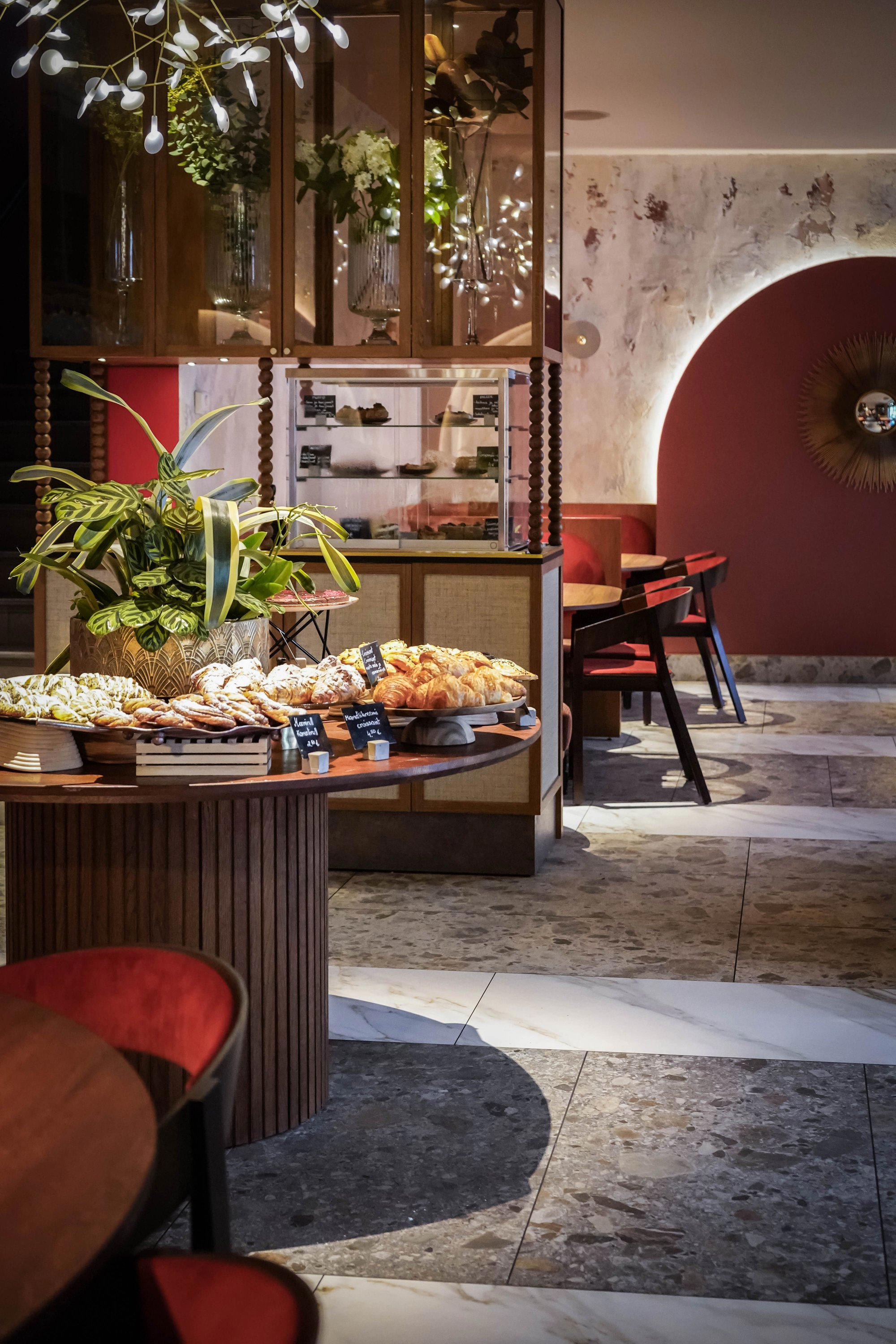
Hotels in Parnu
All hotels in Parnu →
Details
- Cozy
- Minimalist
- Modern
- Brunch
- Casual Hangout
- Historic Building
- Craft Cocktails
- Local Sourcing
- A La Carte
- Vegetarian Friendly
- Vegan Options
Current opening hours
- Monday
- 7:30 AM–3 PM
- Tuesday
- 7:30 AM–3 PM
- Wednesday
- 7:30 AM–3 PM
- Thursday
- 7:30 AM–3 PM
- Friday
- 7:30 AM–9 PM
- Saturday
- 7:30 AM–9 PM
- Sunday
- 7:30 AM–3 PM
Hours can change for holidays and private events. Hours as of .
Cozy, calm vibe with warm, welcoming minimalist interior in a historic setting.