Tigerlily
Our verdict
On Shattuck Avenue in Berkeley's Gourmet Ghetto, Tigerlily occupies a stretch of the city where the relationship between food and its origins has always been taken seriously. The address places it alongside neighbors whose sourcing credentials are part of their identity, and that broader neighborhood ethic — ethical supply chains, minimal waste, local producer relationships — frames how Tigerlily fits into the scene.

Pearl is the En Primeur Club membership app — saves, bookings, and concierge access live there. Same editors, same standards.
- Address
- 1513 Shattuck Ave., Berkeley, CA 94709
- Phone
- (510) 540-7900
- Hours
- Mon–Sat 5–9:30 PMSun 5–9 PM
- Website
- tigerlily-berkeley.com
- Directions
- Get directions
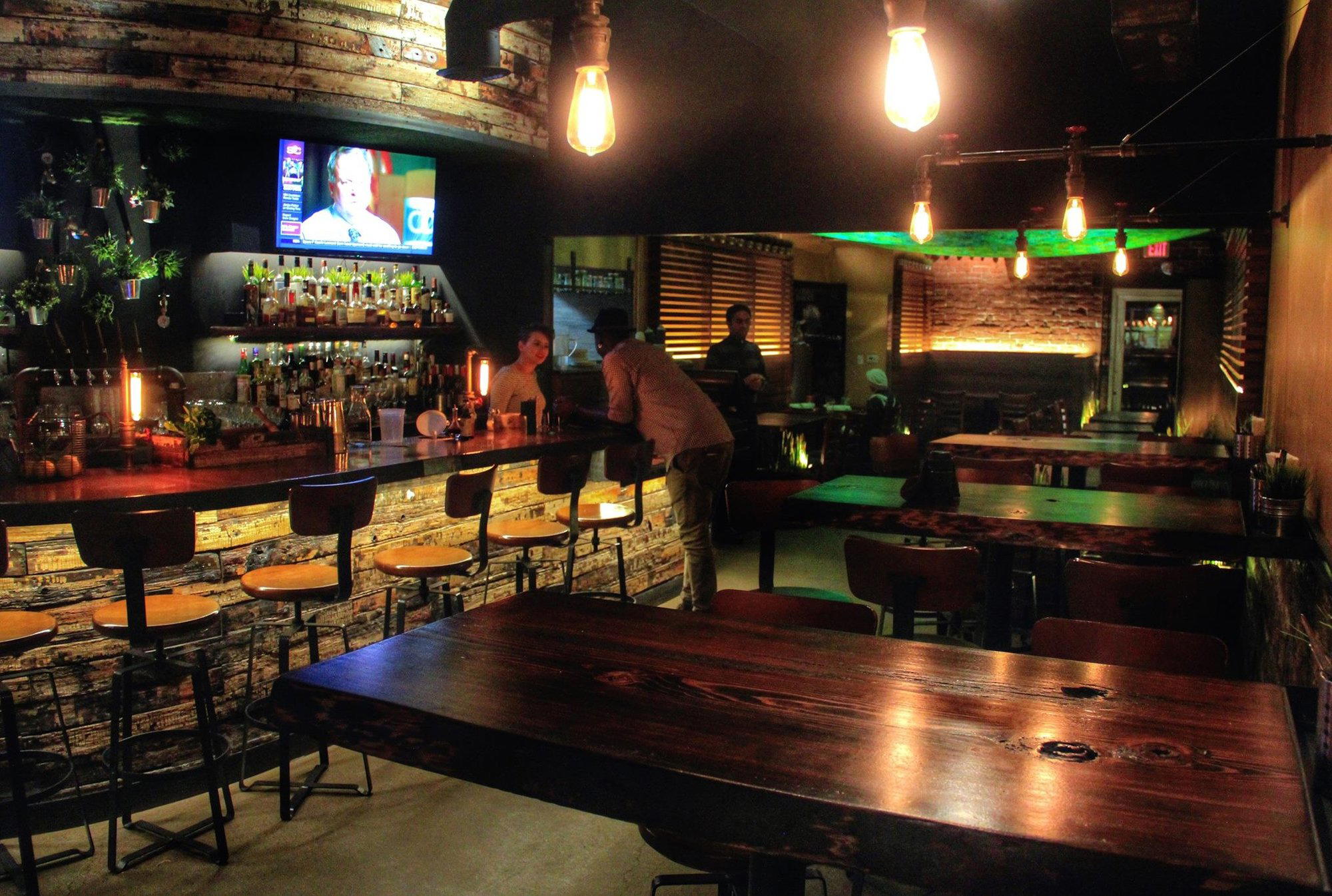
The menu
What to order
- Chicken Tikka Masala
- Fried Chicken
- Veg Samosa
Shattuck Avenue and the Ethics of What Gets Served
Berkeley's Gourmet Ghetto has never been a passive backdrop for restaurants. The stretch of Shattuck Avenue running north from University Avenue carries a specific kind of institutional weight in American food culture: this is where Alice Waters codified the idea that sourcing is not a marketing addendum but the central act of cooking. Decades later, that argument has become mainstream in San Francisco's tasting-menu circuit and in farm-to-table branding from coast to coast — but on Shattuck, it remains structural. Venues here are measured against a living standard. Tigerlily, at 1513 Shattuck Ave. sits inside that tradition whether it claims the lineage or not.
That context matters when reading any restaurant on this corridor. The neighborhood's dining character is defined less by cuisine type and more by a shared orientation toward the supply chain. You find it at 900 Grayson, where the menu pivots with what producers deliver, and in the masa-forward work at Cafe Bolita, where nixtamalization practices — tetelas, tamales, quesadillas built from scratch-processed corn, represent a commitment to craft that sits outside the convenience economy entirely. Tigerlily operates in this same atmosphere of considered production.
Sustainability as Structure, Not Marketing
Across American fine dining, sustainability has split into two recognizable camps. The first is performative: seasonal language on menus, a named farm in the sourcing credit, a composting program mentioned in the press kit. The second is structural: sourcing decisions that shape the menu rather than decorate it, waste-reduction protocols embedded in prep rather than announced at the table, and supplier relationships that predate the Instagram era. The most credible examples of the latter, Blue Hill at Stone Barns in Tarrytown, Single Thread Farm in Healdsburg, treat the farm not as a supplier but as a co-author of the menu. Berkeley restaurants have historically leaned toward that structural end of the spectrum, partly because the local producer infrastructure around the Bay Area supports it, and partly because the diners on Shattuck Avenue have been asking harder questions for longer than most markets.
Within that frame, Tigerlily is positioned on a block where sustainable practice is not a differentiator but a baseline expectation. That raises the editorial threshold: a restaurant here cannot claim environmental consciousness simply by sourcing locally. The relevant question is how deeply those values are embedded in the day-to-day operation, in waste hierarchies, in water use, in the calculus of what gets put on a plate and what gets repurposed into something else. Compared to high-production sustainability flagships like The French Laundry in Napa or Providence in Los Angeles, which operate certified green programs at substantial scale, neighborhood restaurants like Tigerlily typically demonstrate their commitments through operational choices made daily rather than through formal certification structures.
Understanding where Tigerlily sits requires a brief account of its immediate competitive field. Shattuck Avenue's upper stretch concentrates a range of independent restaurants whose shared trait is a rejection of the corporate hospitality template. Agrodolce works the Southern Italian register; Ajanta has held its ground in regional Indian cuisine long enough to become a reference point for the category in the East Bay; AKEMI occupies the Japanese end of the spectrum; Angeline's Louisiana Kitchen brings Gulf South cooking to a city that has absorbed it well. This is not a neighborhood of trend-chasing concepts. It is a neighborhood of dug-in independents, most of which have been refining a specific point of view for years.
The address signals independence, specificity, and a likely orientation toward the values that define the block.
Berkeley in a Wider Dining Frame
Putting Berkeley's independent restaurant scene against the national fine dining conversation reveals something useful. The prestige tier in American restaurants, Le Bernardin in New York City, Alinea in Chicago, Atomix in New York City, Addison in San Diego, The Inn at Little Washington, operates with formal structure, large teams, and significant capital behind each plate. Berkeley's Shattuck corridor occupies a completely different register: lower overhead, tighter menus, direct producer relationships, and a dining room culture that prizes authenticity of practice over theatricality of presentation. Venues like Lazy Bear in San Francisco bridge those worlds to some extent, but Berkeley tends to stay on the independent, community-embedded side of that divide. Even operations with Gulf South roots like Emeril's in New Orleans or technically ambitious programs like 8 1/2 Otto e Mezzo Bombana in Hong Kong signal a kind of ambition that Shattuck Avenue restaurants typically redirect toward sourcing depth rather than production scale.
That redirection is the point. Berkeley restaurants at this address level tend to compete on integrity of ingredients and consistency of practice rather than on spectacle. Whether Tigerlily fits that pattern completely, or carves a different niche within it, is a question better answered by visiting than by assuming.
Planning a Visit
Tigerlily is located at 1513 Shattuck Ave. Berkeley, CA 94709, on the Gourmet Ghetto stretch that runs between Cedar and Rose Streets. The area is walkable from the North Berkeley BART station and well-served by surface parking on the side streets east and west of Shattuck. Given the neighborhood's general dining rhythm, busy weekends, moderate weekday footfall, arriving without a confirmed reservation on a Friday or Saturday is a risk worth avoiding on a block this active. For a fuller account of what this part of Berkeley offers across multiple meal occasions and cuisine types, the EP Club Berkeley restaurants guide maps the scene in more depth.
Frequently asked questions
What do regulars order at Tigerlily?
In Berkeley restaurants at this address, particularly those oriented toward sustainable sourcing in the Gourmet Ghetto tradition, the menu tends to rotate with producer availability rather than anchoring around fixed signature dishes. Asking the kitchen what is driving the menu on a given day is typically the most useful strategy, a practice that venues in this neighborhood generally support. For award and cuisine context as it becomes available, the EP Club Berkeley guide tracks changes across the scene.
Do I need a reservation for Tigerlily?
That said, Shattuck Avenue restaurants in this tier tend to fill quickly on weekends, particularly in a neighborhood where return diners form a high share of covers. If Tigerlily operates any kind of tasting or prix-fixe format, common in Berkeley venues that source to a specific seasonal calendar, advance booking would be advisable regardless of day.
What is Tigerlily known for?
How it distinguishes itself within that frame, through a specific cuisine tradition, a named chef's background, or a particular approach to the menu, is best confirmed by the venue directly.
Do they accommodate allergies at Tigerlily?
In Berkeley specifically, where a high proportion of diners have documented dietary requirements, most independent restaurants on the Shattuck corridor build flexibility into their menus as a matter of operational norm rather than exception.
Is Tigerlily a good choice for plant-based or vegetarian diners in Berkeley?
Restaurants in this area, particularly those operating within a sustainable sourcing framework, tend to treat vegetables as primary rather than supplementary.
Budget Reality Check
Comparable venues nearby, for context on price, style, and recognition.
| Venue | Cuisine | Price | Notes |
|---|---|---|---|
| TigerlilyThis venue — the venue you are viewing | Modern Indian Fusion | $20–30 | Not listed |
| Taste of the Himalayas | Indian & Nepali Fusion | $10–20 | Gourmet Ghetto, Indian & Nepali Fusion |
| Ajanta | Creative Regional Indian | $30–50 | Solano Avenue, Creative Regional Indian |
| Bangalore Blues | Authentic South Indian Street Food | $10–20 | North Berkeley, Authentic South Indian Street Food |
| CB2 | West Berkeley, other | Not listed | Not listed |
| La Note | Provençal Bistro | $20–30 | Downtown, Provençal Bistro |
Continue exploring
More in Berkeley
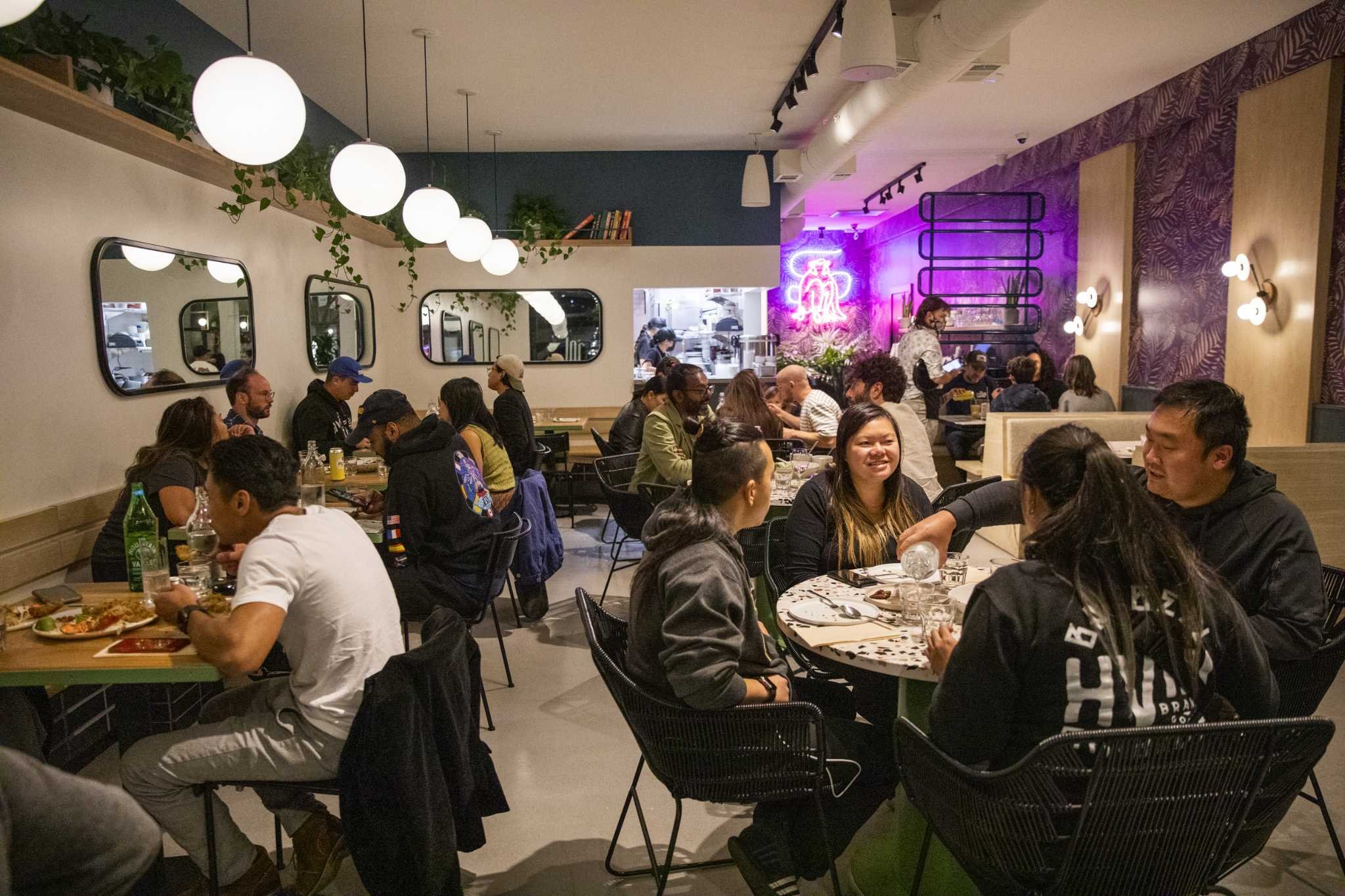
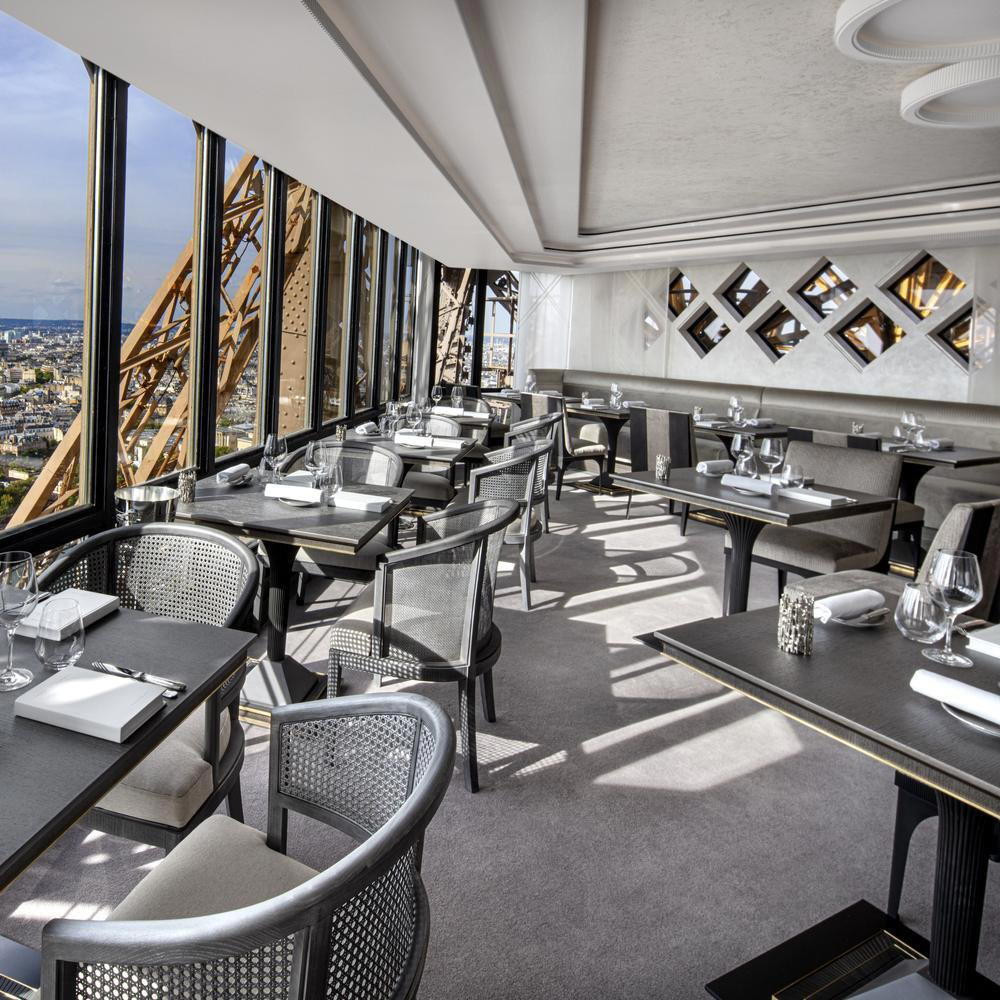
Restaurants in Berkeley
Browse all →
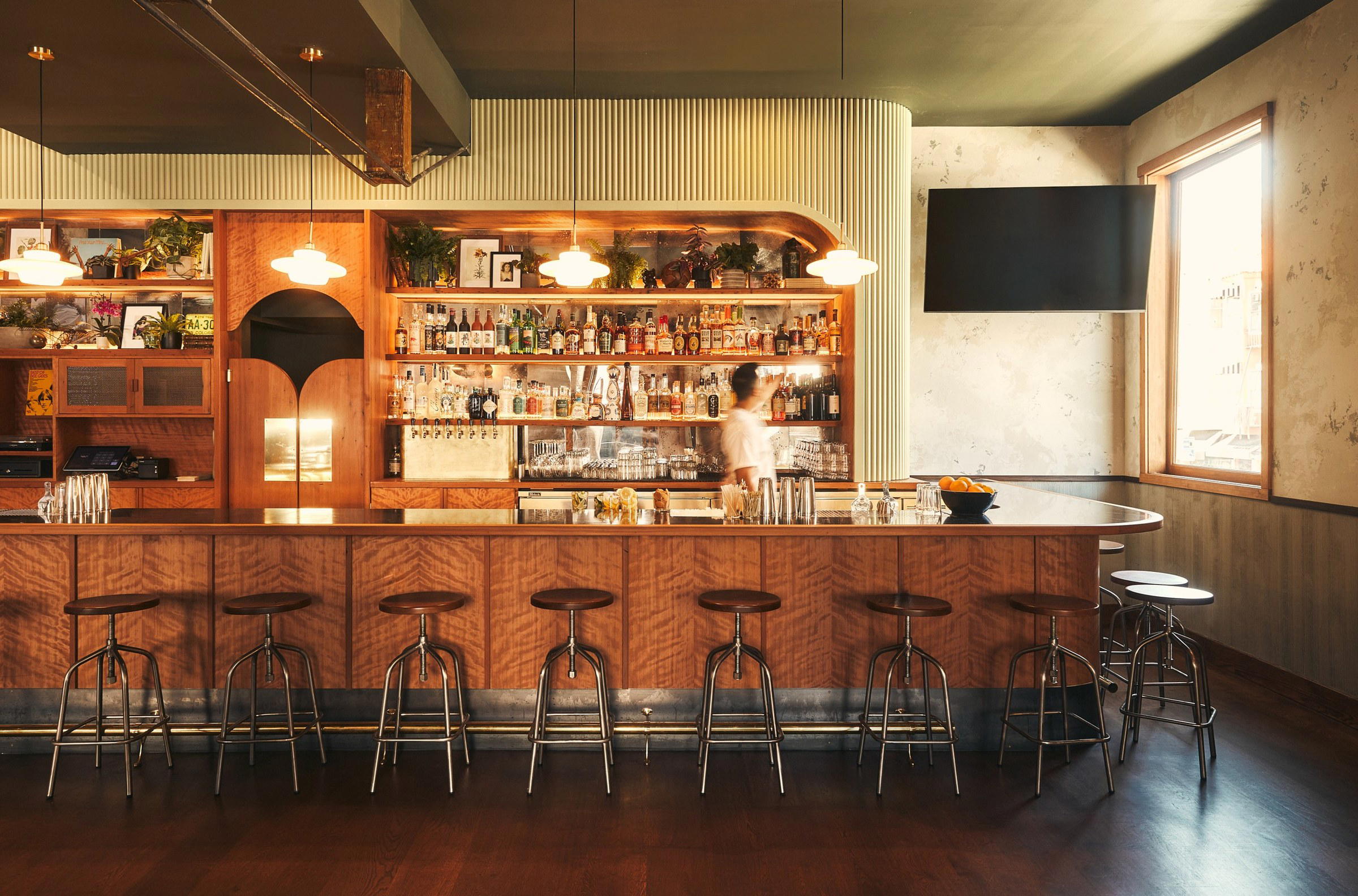
Bars in Berkeley
Browse all →
Hotels in Berkeley
Browse all →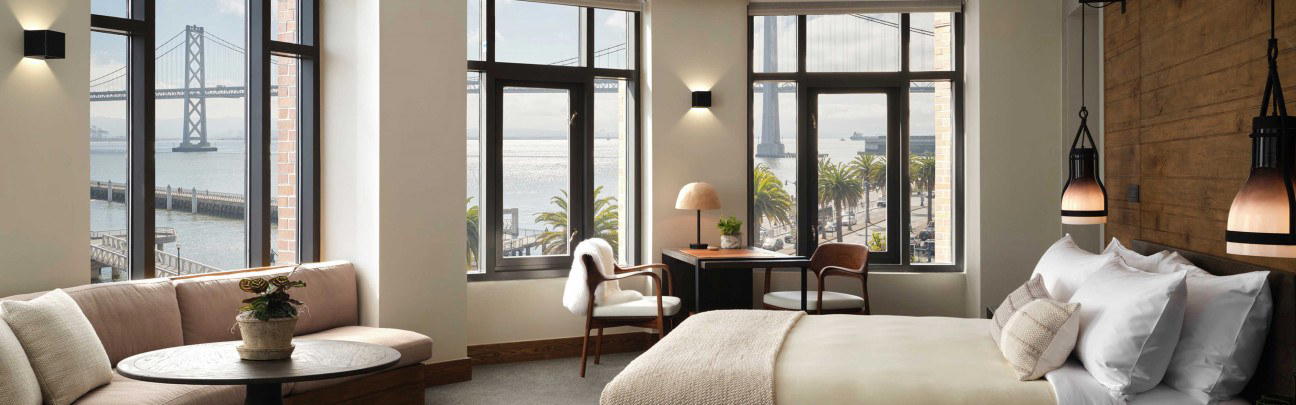


Details
- Modern
- Trendy
- Date Night
- Casual Hangout
- A La Carte
- Vegetarian Friendly
- Vegan Options
Current opening hours
- Monday
- 5–9:30 PM
- Tuesday
- 5–9:30 PM
- Wednesday
- 5–9:30 PM
- Thursday
- 5–9:30 PM
- Friday
- 5–9:30 PM
- Saturday
- 5–9:30 PM
- Sunday
- 5–9 PM
Hours can change for holidays and private events. Last verified .
Modern atmosphere with attentive service and a concise menu focused on flavorful fusion cuisine.