Bangalore Blues
Our verdict
Berkeley's Karnataka-focused counter sits inside the Bay Area's broader South Indian dining conversation, bringing the regional specificity of Mysuru, Udupi, and Coastal Karnataka to a city already attuned to ingredient-conscious cooking. The kitchen draws on a tradition that has always treated lentils, rice, and fermentation as the architecture of a meal, not an afterthought.

Pearl is the En Primeur Club membership app — saves, bookings, and concierge access live there. Same editors, same standards.
- Address
- 1889 Solano Ave, Berkeley, CA 94707
- Phone
- (510) 570-2271
- Hours
- Mon ClosedTue–Thu 11 AM–3 PM, 4–9 PMFri–Sun 11 AM–9 PM
- Website
- pochys.com
- Directions
- Get directions
- Booking
- Book on the venue's website
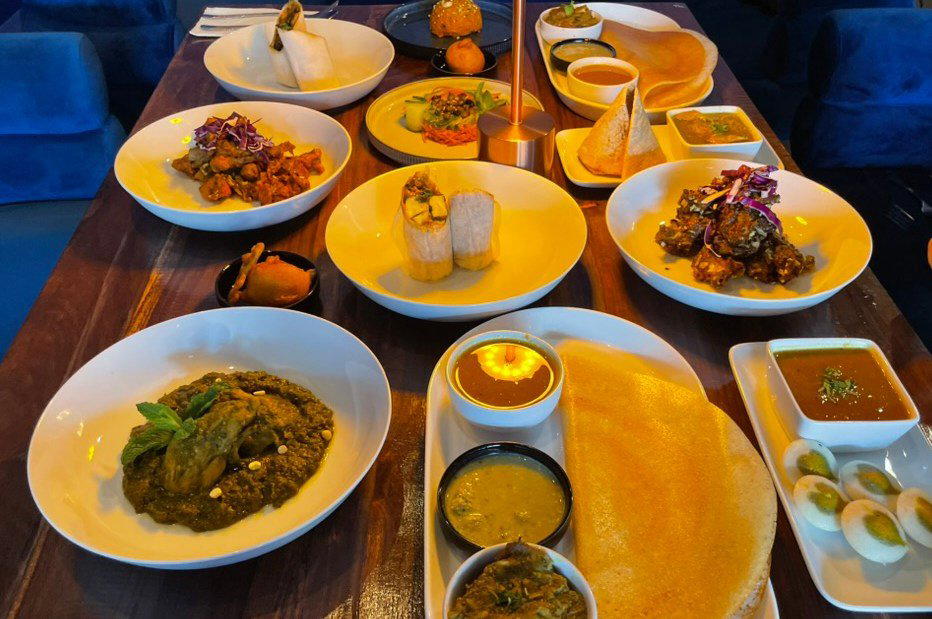
Where Karnataka Meets the Bay Area's Ingredient-First Ethos
Berkeley has spent decades building a food culture around sourcing discipline and waste-averse kitchens. That sensibility did not originate with any single restaurant; it accumulated through farmers' markets, cooperative grocers, and a dining public that reads ingredient provenance the way other cities read Michelin stars. Into that context, Bangalore Blues arrives with a cuisine that never needed to retrofit sustainability: Karnataka cooking, rooted in lentil-based batters, slow fermentation, and rice in every register from crisp dosa to dense idli, is structurally low-waste by design. The tradition developed across generations in a region where every gram of dal and every soaked grain carries forward into the next preparation.
The Karnataka Tradition and Why It Matters Here
South Indian cuisine in the United States is often collapsed into a single category, but Karnataka cooking operates with its own logic. The state's food splits into at least three distinct registers: the temple-influenced vegetarian cooking of Udupi, the spice-heavy preparations of Coastal Karnataka with its coconut and tamarind, and the drier, more grain-forward food of the interior plateau around Bengaluru. Each tradition handles fermentation differently, uses different fat sources, and builds heat through different spice combinations. A restaurant that identifies specifically with Karnataka rather than a generic South Indian banner is making an editorial choice about specificity, and in Berkeley, a city where Chez Panisse long ago established that specificity is a form of respect, that choice reads correctly.
Fermented batters are the technical backbone of this tradition. The overnight or multi-day fermentation of urad dal and rice creates the leavening, flavor, and digestibility that define dosa, idli, and uttapam. There is no shortcut that produces the same result, and the process generates almost no waste: spent batter can fold into the next batch, solids can become chutneys, and rice water finds its way into cooking liquid. Compared to protein-heavy Western kitchens where trim loss and supply chain opacity remain genuine concerns, the traditional Karnataka kitchen is a model of closed-loop efficiency that predates the terminology by centuries.
Berkeley's South Asian Dining Context
The Bay Area holds one of the largest South Asian diaspora populations in North America, concentrated across Fremont, Sunnyvale, and pockets of Berkeley and Oakland. That population sustains a range of Indian restaurants from quick-service dosa counters to sit-down multi-regional venues. Within Berkeley specifically, Ajanta has operated for years as the city's most recognizable upmarket Indian address, offering regional Indian cooking in a full-service format. Bangalore Blues positions itself differently: where Ajanta's format is broader and pan-regional, a Karnataka-focused kitchen like Bangalore Blues operates with the narrower lens of a specialist, comparable in structure to how Atomix in New York City treats Korean cuisine as a subject of depth rather than breadth.
That specialist framing matters for how a reader should approach the menu. The cuisine does not need amplification or reinvention to be interesting; it needs accurate execution and honest sourcing. In a city where 900 Grayson built a following through direct American diner cooking done with seasonal awareness, and where Agrodolce applies Italian-American cooking with similar ingredient focus, Bangalore Blues joins a pattern of Berkeley restaurants that find their identity in category discipline rather than fusion or novelty.
Sustainability as Structure, Not Strategy
The sustainability argument for Karnataka cooking is not rhetorical. The cuisine's protein foundation rests on legumes: toor dal, chana dal, urad dal, moong. Legumes fix nitrogen in soil, require less water per gram of protein than animal sources, and store without refrigeration. Rice, when sourced from regional farms in the Sacramento Valley, travels a fraction of the distance that proteins sourced from distant supply chains require. A kitchen built around these ingredients operates at a lower environmental cost than comparable protein-centered restaurants, not because it is trying to, but because the cuisine's architecture naturally tends that way.
Chutney-making, a core supporting function in any Karnataka kitchen, is inherently a waste-reduction practice: coconut scraps, curry leaves, green chilis, and tamarind pulp that might otherwise represent trim loss become foundational condiments. The sambhar that arrives alongside idli is itself a vehicle for leftover lentil cooking liquid and whatever vegetables are at the edge of their prime. This is not farm-to-table marketing language; it is simply how the cuisine functions when executed properly.
For context on how other serious American restaurants approach sourcing and waste reduction, Blue Hill at Stone Barns in Tarrytown and Single Thread Farm in Healdsburg have both made regenerative sourcing central to their identities, investing heavily in farm infrastructure to achieve it. The Karnataka tradition achieves a comparable outcome through ingredient selection rather than infrastructure investment, which is a different and arguably more transferable model.
How Berkeley Venues Around It Compare
Berkeley's dining scene in 2024 runs a wide range from the comfort-forward Southern cooking at Angeline's Louisiana Kitchen to the Japanese-influenced precision of AKEMI. Across all of those registers, the city's diners demonstrate a tolerance for specificity and a willingness to follow a kitchen into unfamiliar territory when the cooking earns that trust. Bangalore Blues enters that environment as a narrowly defined Karnataka specialist, which, given Berkeley's appetite for category depth, is a reasonable position to occupy. The reference set is not other Indian restaurants in the Bay Area; it is any Berkeley kitchen that has built a following through regional specificity and sourcing integrity. See our full Berkeley restaurants guide for additional context on how the city's dining character has developed.
Practical Notes
Booking details, hours, and pricing for Bangalore Blues are best confirmed directly through current listings, as the venue's operational format was not available at time of writing. Karnataka cooking at this level of regional specificity is rarely the kind of meal that benefits from rushing; build time for the fermented preparations, which are typically served in a sequence that rewards attention. For readers building a broader California itinerary around serious restaurant experiences, The French Laundry in Napa, Providence in Los Angeles, and Lazy Bear in San Francisco occupy the higher end of the price spectrum and represent a different tier of formality, but all share Berkeley's underlying commitment to sourcing as a non-negotiable rather than a marketing choice.
Frequently asked questions
Is Bangalore Blues one of the few Karnataka-specific restaurants in Berkeley?
Karnataka cuisine as a distinct regional category, separate from the broader South Indian or pan-Indian categories, is sparsely represented across the Bay Area. Berkeley's South Asian dining options are concentrated toward Fremont and Sunnyvale, making a Karnataka-focused kitchen in Berkeley itself an outlier by geography and by regional specificity. Diners travelling from across the East Bay for this particular cuisine have limited alternatives at the same depth of focus.
What dish is Bangalore Blues famous for?
Bangalore Blues focuses on Karnataka regional cooking, a tradition built around fermented batter preparations including dosa, idli, and uttapam, alongside legume-based dishes rooted in Udupi temple traditions. That regional specificity separates it from the pan-Indian menus that dominate most Bay Area Indian restaurants. Confirming the current menu directly with the venue is recommended, as specific preparations can shift with availability.
Do I need a reservation for Bangalore Blues?
Specialist South Indian kitchens in Berkeley tend to run compact dining rooms, and the city's dining density means walk-in availability is inconsistent. Given the regional specificity of Karnataka cooking in the Bay Area, demand can outpace what the footprint accommodates.
What's the signature at Bangalore Blues?
The defining characteristic is the Karnataka regional framing itself. While the Bay Area holds one of the largest South Asian diaspora populations in North America, kitchens that hold to a single South Indian state's culinary logic rather than a broad pan-Indian format remain rare. That geographic and culinary specificity functions as the signature.
Should I splurge on Bangalore Blues?
Karnataka cooking, rooted in legumes, fermented batters, and plant-forward Udupi traditions, does not typically carry the pricing of a multi-course tasting menu format. In Berkeley's current dining context, a meal here is more likely to sit in the accessible mid-range than at the upper end occupied by destination tasting counters.
Pricing, Compared
Comparable venues nearby, for context on price, style, and recognition.
| Venue | Cuisine | Price | Notes |
|---|---|---|---|
| Bangalore BluesThis venue — the venue you are viewing | Authentic South Indian Street Food | $10–20 | Not listed |
| Taste of the Himalayas | Indian & Nepali Fusion | $10–20 | Gourmet Ghetto, Indian & Nepali Fusion |
| Naan N Curry | Berkeley, Northern Indian Curry House | Not listed | Not listed |
| Ajanta | Creative Regional Indian | $30–50 | Solano Avenue, Creative Regional Indian |
| Sun Hong Kong Restaurant | Cantonese Dim Sum | Not listed | Southside, Cantonese Dim Sum |
| Chick'n Rice | Thai Street Food (Khao Mun Gai) | Not listed | downtown, Thai Street Food (Khao Mun Gai) |
Continue exploring
More in Berkeley
Restaurants in Berkeley
Browse all →
Bars in Berkeley
Browse all →
Hotels in Berkeley
Browse all →




Details
- Casual
- Cozy
- Casual Hangout
- Family
- Standalone
- A La Carte
- Masala Chai
- Rose Milk
- Kala Khatta Soda
- Vegetarian Friendly
Current opening hours
- Monday
- Closed
- Tuesday
- 11 AM–3 PM, 4–9 PM
- Wednesday
- 11 AM–3 PM, 4–9 PM
- Thursday
- 11 AM–3 PM, 4–9 PM
- Friday
- 11 AM–9 PM
- Saturday
- 11 AM–9 PM
- Sunday
- 11 AM–9 PM
Hours can change for holidays and private events. Last verified .
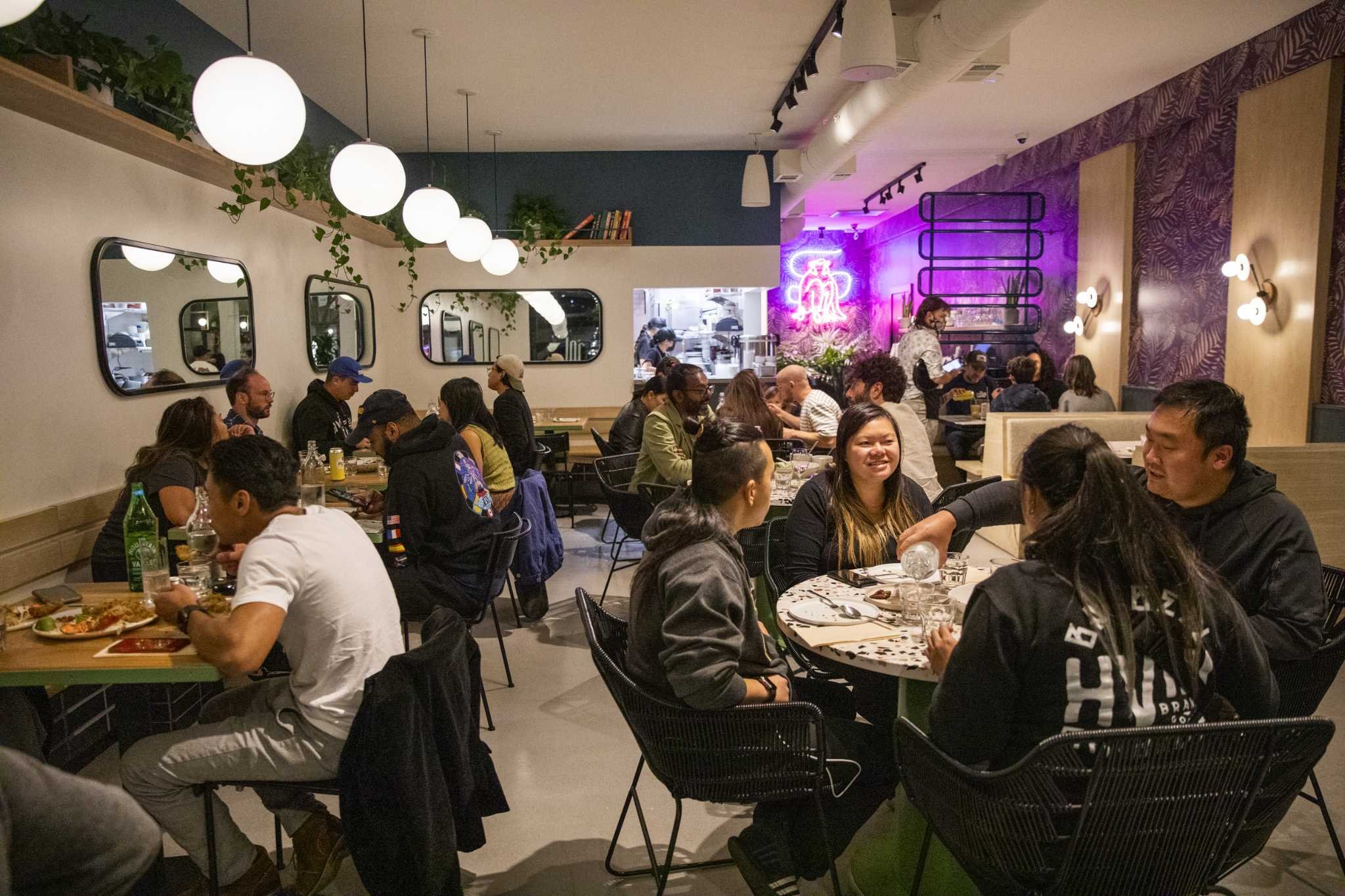
Casual, welcoming atmosphere with deep blue hues throughout the space, including on plates and decor, creating a warm and inviting dining environment.