Tiger Fork

Michelin Plate
Our verdict
Tucked into Blagden Alley off N Street NW, Tiger Fork transplants Hong Kong's rowdy, communal dining spirit into a Washington D.C. setting of exposed brick, dragon murals, and basket lanterns. The Michelin Plate holder (2024) earns its recognition through a menu where cheung fun, chili wontons, and lacquered pork ribs reward a table that orders widely and shares everything. The cocktail program, built around layered Asian botanicals, is a genuine draw in its own right.

Pearl is the En Primeur Club membership app, where members save venues, book tables and use the concierge.
The menu
What to order
- Beef chow fun
- Crispy pork belly
- Kowloon buns
- Bubble waffle
The Alley Find: Washington D.C.'s Hong Kong Canteen Format
Washington D.C. has spent the better part of a decade building a serious Chinese dining scene, moving well beyond the Chinatown corridor that tourism maps still default to. That evolution runs in at least two directions: the old-school Cantonese tradition represented by institutions like Peking Gourmet Inn, and a younger, more assembled aesthetic that borrows from Hong Kong's cha chaan teng culture and late-night dai pai dong spirit. Tiger Fork operates firmly in the second category, and its Blagden Alley address, tucked off N Street NW in Shaw, is not incidental to that identity. Streets that require a second look to find have historically sheltered the kind of restaurants that earn loyalty rather than foot traffic.
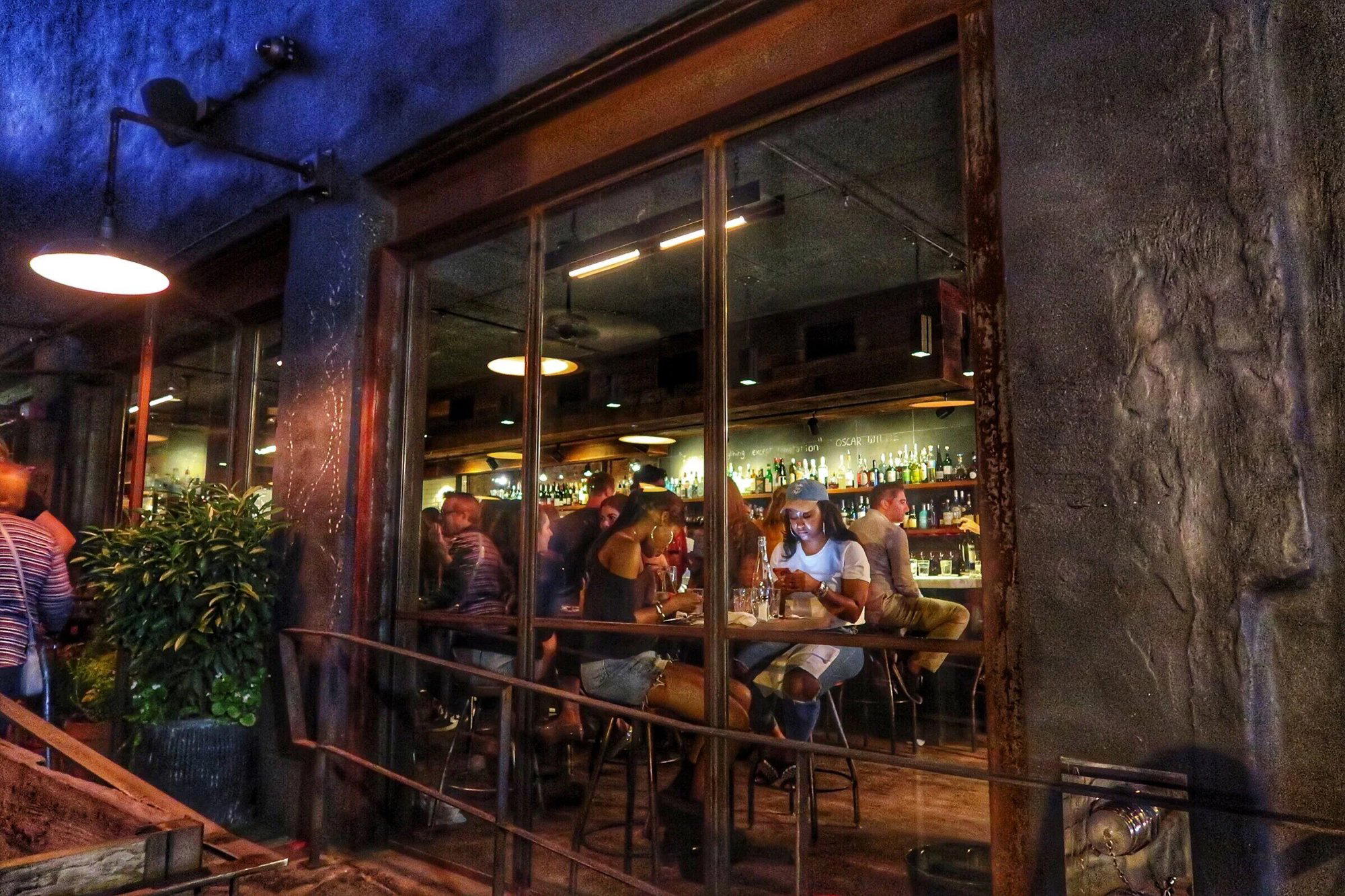
The physical approach to the space rewards the effort. Blagden Alley's cobblestone passage delivers you to a door that gives little away from the outside, which is consistent with how Hong Kong's leading eating traditionally worked: the room earns its reputation through what happens inside, not through facade. That model has been absorbed by a generation of American restaurants, and Tiger Fork applies it with credibility. The 2024 Michelin Plate recognition confirms that the kitchen is operating at a level where external validation backs the word-of-mouth.
What the Room Is Doing
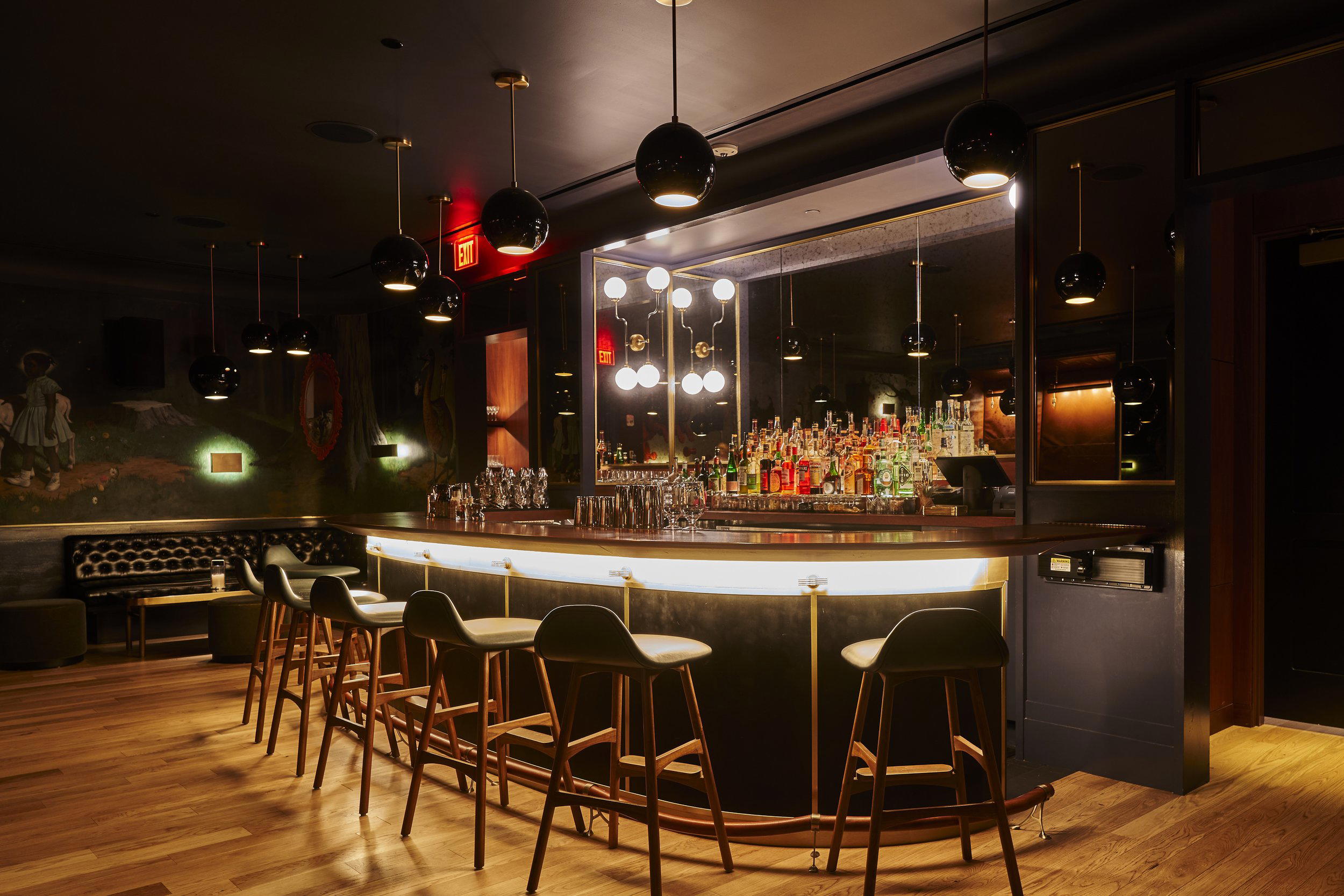
Inside, the design stakes out a specific visual position. Brick walls carry dragon and mountain murals. Overhead, Chinese basket lanterns diffuse warm light across warehouse floors. The effect is Hong Kong den transposed to a D.C. row building: somewhere between colonial-era Wan Chai and a Fitzroy laneway bar. It is a deliberate aesthetic, and it works because the material choices cohere rather than collide. The dragons are not decorative afterthoughts; the lanterns are not sourced from a generic prop catalogue. Together they establish a mood that the menu and bar program are calibrated to match.
In the broader D.C. context, Tiger Fork occupies an interesting position in the city's evolving atmosphere of influence-led dining rooms. Compare it with the Middle Eastern fire and timber of Albi, or the Peruvian precision of Causa: each of these rooms has invested in environment as part of the dining proposition. Tiger Fork belongs in that cohort, not at the white-tablecloth end of the spectrum but at the point where atmosphere and cooking are genuinely co-equal.
Ordering for the Table: The Communal Logic
Hong Kong dining in its natural form is organised around the table rather than the individual, and Tiger Fork's menu is leading approached with that logic intact. This is not a restaurant where a solo diner ordering a single plate extracts maximum value; it is a room built for groups that pass dishes around, compare textures, and build through the menu in waves. The editorial angle here is not unique to Tiger Fork, it reflects a broader truth about Cantonese banquet culture and its derivatives, which treat the table as a single organism rather than a collection of separate orders.
The cheung fun has attracted consistent attention: described across reviews as slightly sweet, with the glassy, yielding texture that separates well-executed rice noodle rolls from the clumsy versions. Chili wontons arrive with enough heat to register but not to overwhelm, which is the appropriate calibration for a dish designed to be part of a sequence rather than an isolated feature. The pork ribs come glazed with soy and ginger, producing the kind of compound umami that rewards communal eating because each person at the table encounters the sauce at a slightly different temperature as the dish moves around. These are the dishes that anchor the ordering strategy.
Not every plate lands with equal conviction, which is an honest characteristic of a menu designed for range and variety over curated minimalism. The kitchen's ambition is horizontal, covering the spread of a Hong Kong menu rather than drilling deep into any single technique. That is a deliberate format, and it is better assessed on the strength of the dishes that work than penalised for the ones that don't quite land. A table that orders broadly and corrects mid-meal is the appropriate way to approach this kind of room.
The Cocktail Program as an Equal Partner
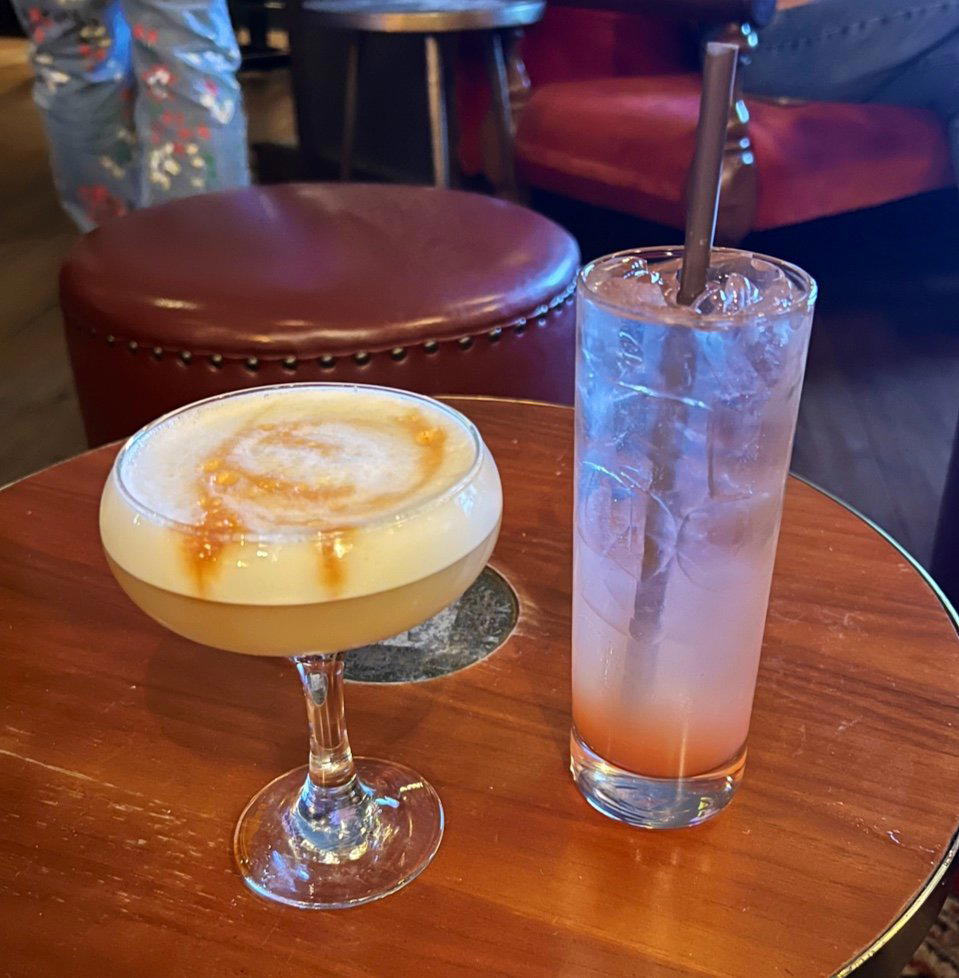
Hong Kong bar culture has its own coherence, and Tiger Fork's drinks menu engages with it rather than treating cocktails as a secondary consideration. The Bird Market is the signature reference point: chartreuse carrying elderflower, bai zhu, and bergamot, an assembly that connects Cantonese botanical ingredients to a European base spirit in a way that feels considered rather than arbitrary. Bai zhu, the dried rhizome used across Chinese herbalism, brings an earthy, slightly anise-adjacent note that changes the character of the chartreuse rather than simply adding to it.
In the peer context of D.C.'s broader drinking scene, detailed in our full Washington D.C. bars guide, the program positions Tiger Fork as a place where the glass deserves as much attention as the plate. That parity between kitchen and bar is not the default in Chinese restaurants across the American market, and it contributes to Tiger Fork's appeal among a demographic that would otherwise split the evening between a dinner destination and a separate drinks venue.
The fortune cookies arrive at the close of the meal with a specific editorial detail worth noting: the fortunes reportedly draw from contemporary popular culture rather than generic aphorisms. It is a minor gesture, but it is consistent with the room's overall sensibility, which treats traditional Hong Kong formats as raw material rather than sacred text.
Where Tiger Fork Sits in the D.C. Chinese Dining Conversation
D.C.'s Chinese restaurant ecosystem has traditionally been underrepresented relative to the city's ambition in other international cuisines. The capital has developed serious depth in Middle Eastern, Latin, and contemporary American cooking, with the likes of Queen's English demonstrating that diaspora-rooted Caribbean cooking can hold Michelin attention. Tiger Fork makes the case that Hong Kong-influenced Chinese cooking belongs in the same conversation.
For context on where Chinese restaurant ambition is going at other American addresses, Mister Jiu's in San Francisco offers a comparison point at a higher price tier and more formal format, while internationally, Restaurant Tim Raue in Berlin demonstrates what happens when Asian flavour frameworks are taken into full fine-dining territory. Tiger Fork is not reaching for either of those registers; it is operating in the space between street-food authenticity and considered restaurant cooking, which is arguably the harder position to sustain.
For the broader D.C. picture, our full Washington D.C. restaurants guide maps the city's current dining range. Those planning a wider visit can also consult our D.C. hotels guide, our wineries guide, and our experiences guide for context beyond the plate. Restaurants worth cross-referencing for the same evening or neighbourhood circuit include Oyster Oyster, which operates at a comparable price point with a completely different culinary logic.
Know Before You Go
- Address: 922 N St. NW, Blagden Alley NW, Washington, DC 20001 (enter via the alley, not the main street)
- Price range: $$ (mid-range)
- Recognition: Michelin Plate 2024
- Format: Shared plates, Hong Kong-style canteen
- Leading approach: Book for a group and order widely; the menu rewards lateral coverage more than single-dish focus
- Drinks: Full cocktail program with Asian botanical ingredients; worth ordering alongside food rather than as a separate pre-dinner stage
Frequently asked questions
What do regulars order at Tiger Fork?
The dishes that appear most consistently across reviews and editorial coverage are the cheung fun, the chili wontons, and the soy-and-ginger glazed pork ribs. The cheung fun's texture and the wontons' calibrated heat make them natural anchors for a shared table. On the drinks side, the Bird Market cocktail (chartreuse, elderflower, bai zhu, bergamot) is the program's signature and the right entry point if you are unfamiliar with the bar's botanical direction. The fortune cookies at the close of the meal have their own minor cult following for the distinctly contemporary nature of their fortunes.
Where the Accolades Land
| Venue | Cuisine | Price | Awards | Notes |
|---|---|---|---|---|
| Tiger ForkThis venue (the venue you are viewing) | Modern Cantonese Dim Sum | $50–100 | Michelin Plate | Not listed |
| Albi | Modern Levantine Fine Dining | $300–500 | 1 Michelin Star · World's 50 Best #6 | United States, Middle Eastern |
| Causa | Modern Peruvian Fine Dining | $150–200 | 1 Michelin Star · James Beard Award Best Chef: Mid-Atlantic | Peruvian |
| Oyster Oyster | Modern Vegetable-Focused Tasting Menu | Not listed | 1 Michelin Star · James Beard Award Outstanding Chef #1 | New American, Vegetarian, Vegetarian (Sustainable) |
| Bresca | Modern French Bistronomy | $150–200 | 1 Michelin Star · James Beard Award Semi Finalist | Modern French, Contemporary |
| Gravitas | Modern American Fine Dining | $150–200 | 1 Michelin Star | New American, Contemporary |
Recognition history
Dated appearances from independent guides and award organizations, with the underlying list record or original source where available.
Michelin Plate
Michelin
Full recognition history (2 entries)
Michelin Plate
Michelin
Continue exploring
More in Washington DC
Restaurants in Washington DC
All restaurants in Washington DC →
Bars in Washington DC
All bars in Washington DC →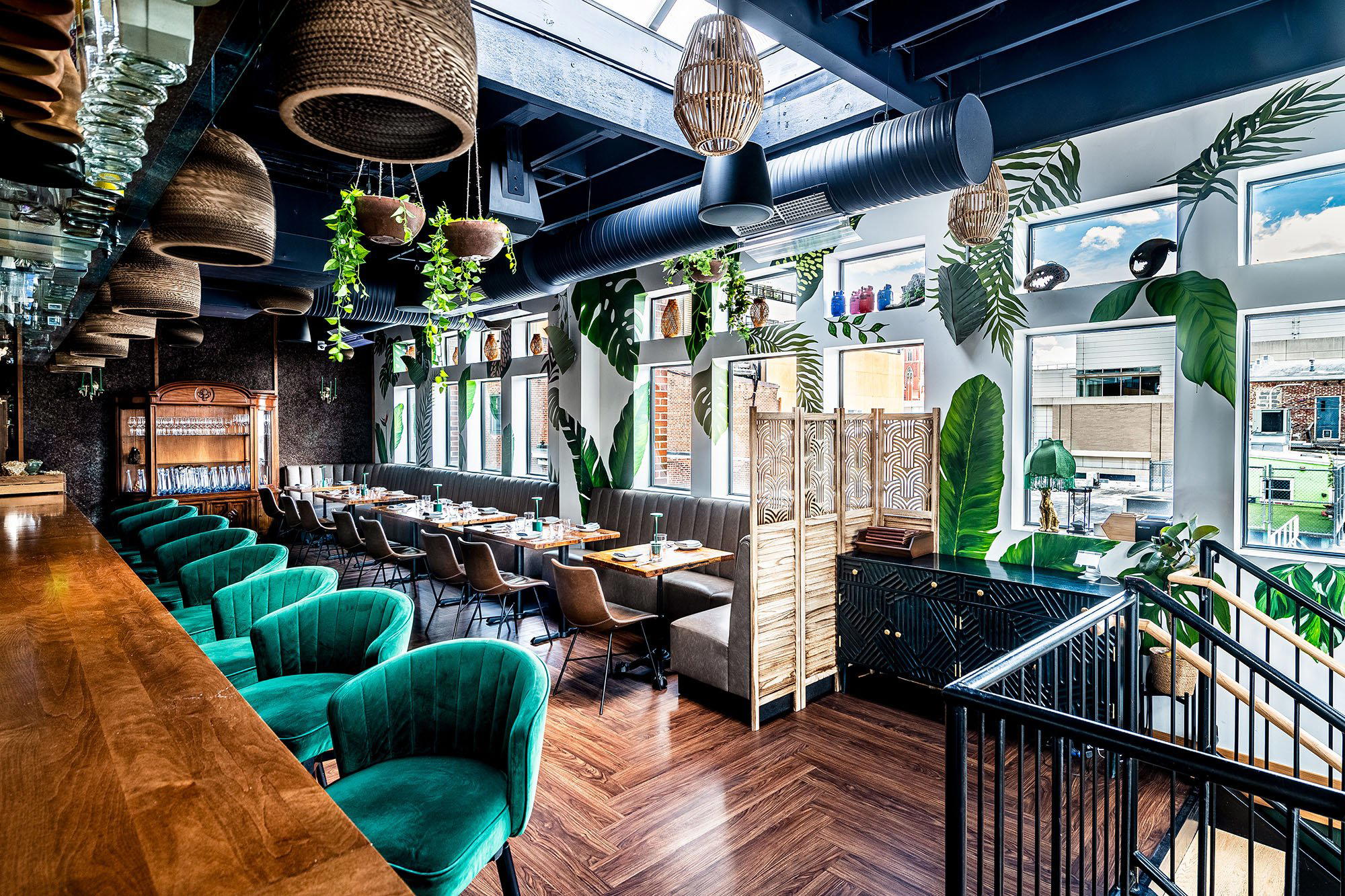




Details
- Trendy
- Lively
- Intimate
- Modern
- Date Night
- Group Dining
- Casual Hangout
- Open Kitchen
- Craft Cocktails
- Small Plates
- A La Carte
- Craft Cocktails
- Vegetarian Friendly
Current opening hours
- Monday
- 5–10 PM
- Tuesday
- 5–10 PM
- Wednesday
- 5–10 PM
- Thursday
- 5–10 PM
- Friday
- 5–11 PM
- Saturday
- 12–11 PM
- Sunday
- 12–10 PM
Hours can change for holidays and private events. Hours as of .
Dim lighting with dramatic, stylish decor creating a trendy, intimate atmosphere ideal for dates.