The Wolseley New York
The Wolseley New York transplants the grand European café tradition to Manhattan, drawing on the original London institution's reputation for all-day dining, architectural scale, and a format built around the room as much as the plate. In a city where tasting menus and high-concept formats dominate the upper tier, it offers a different register: the kind of place you return to for breakfast, a quick lunch, and a late dinner in the same week.

Pearl is the En Primeur Club membership app — saves, bookings, and concierge access live there. Same editors, same standards.
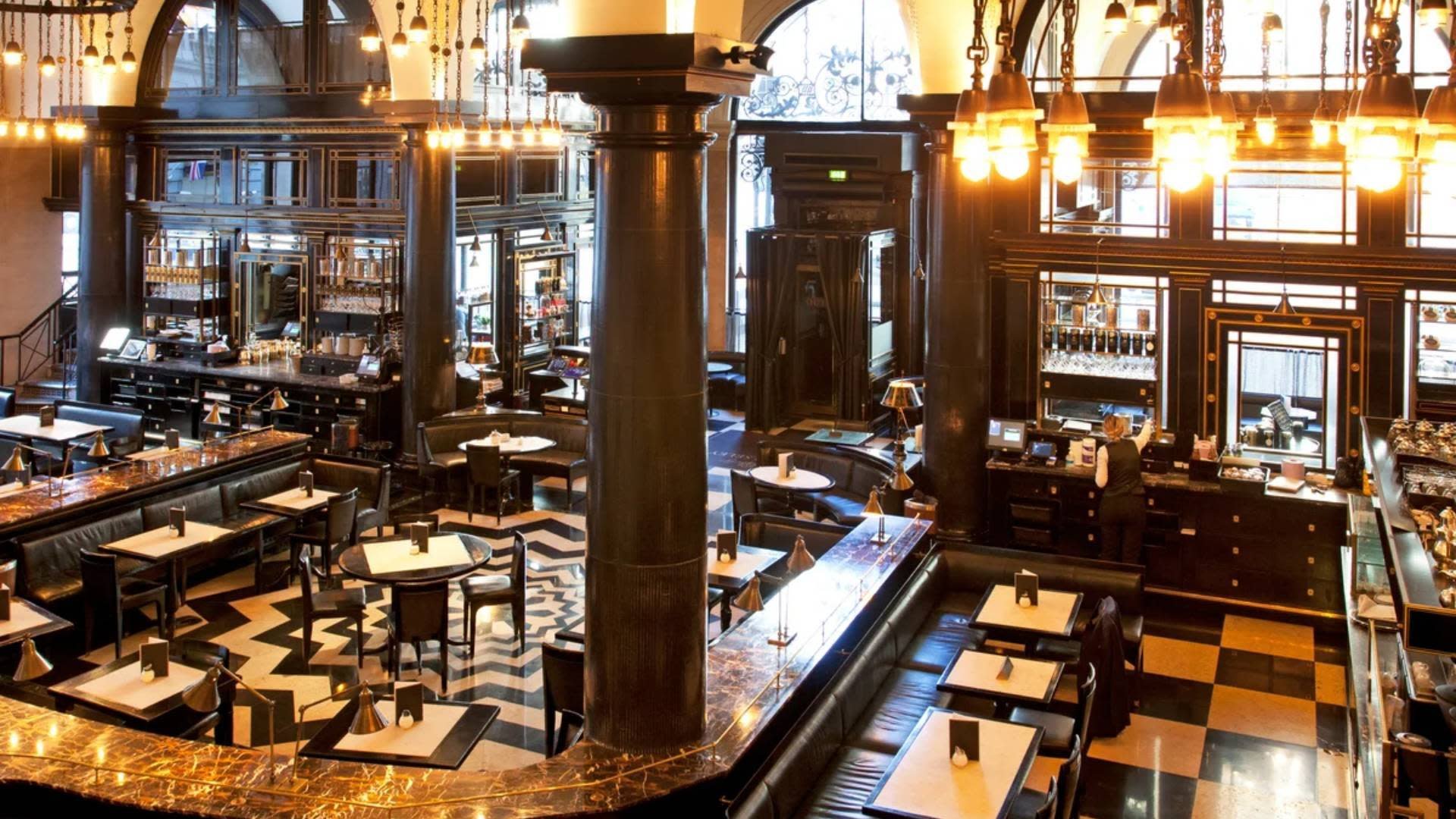
The Grand Café Format in Manhattan
The European grand café has always been less about a single meal and more about a way of spending time in a city. From the Viennese Kaffeehaus to the Parisian brasserie, the model depends on architectural presence, an all-day rhythm, and a menu broad enough to anchor any occasion without demanding a specific reason to visit. The Wolseley New York imports that tradition from the London original.
New York has its own history with grand café formats, but the category has thinned considerably since the mid-twentieth century. Where rivals like Le Bernardin or Per Se position themselves at the formal, single-occasion end of the dining spectrum, The Wolseley New York operates in a different register entirely: the room is the proposition, and the menu supports a visit at almost any hour rather than anchoring a special-occasion calendar.
A Room Built for Duration
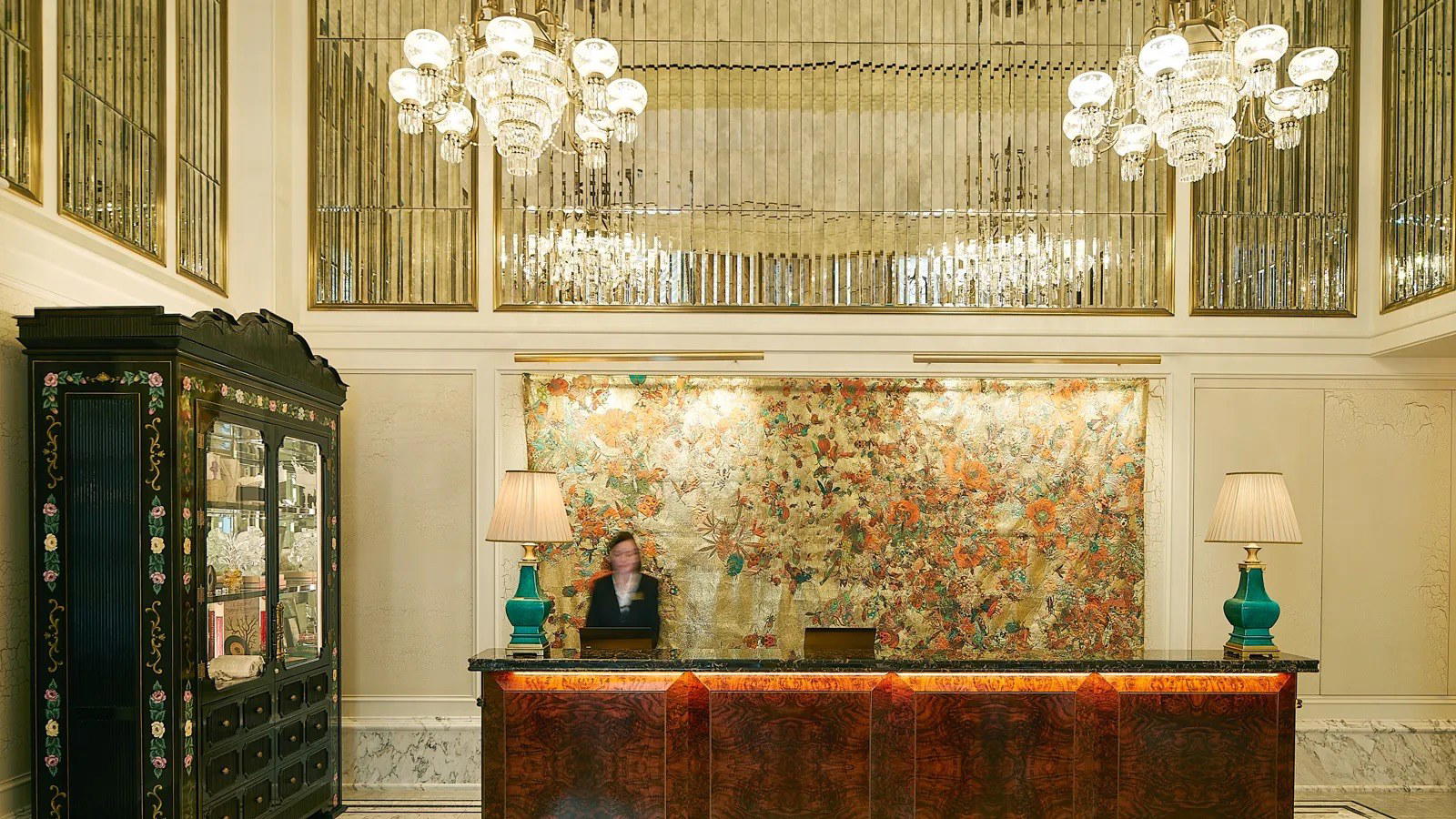
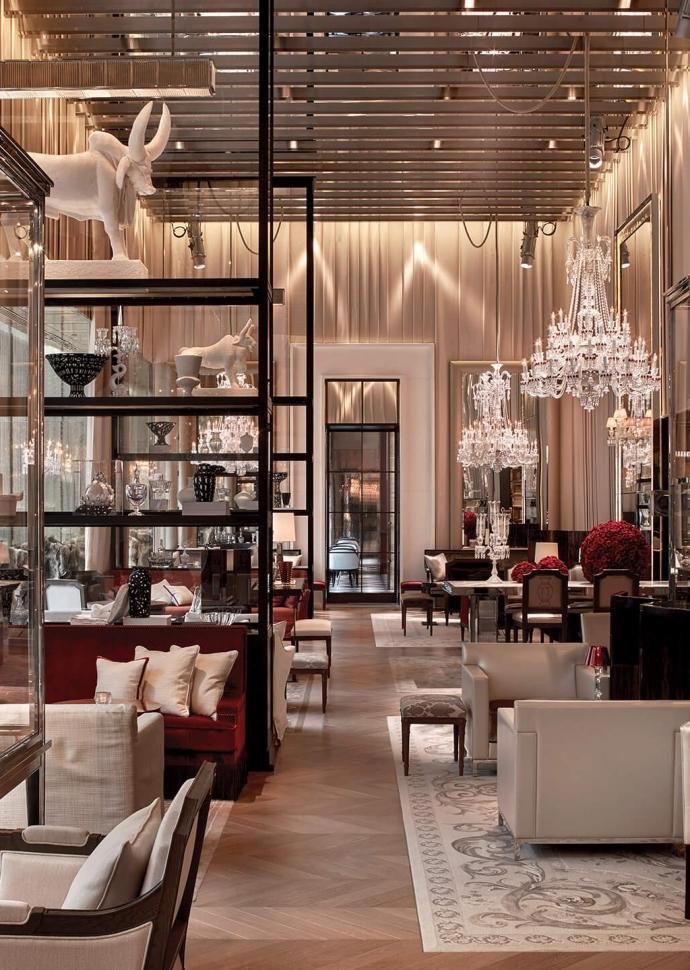
The atmospheric logic of the grand café format depends heavily on architecture. The London Wolseley occupies a former car showroom, its double-height ceilings and marble columns creating the kind of physical weight that makes a 90-minute lunch feel appropriately brief. Its design language emphasizes permanence: dark lacquer, banquette seating, high ceilings, and a room arranged for visibility as much as intimacy.
In New York terms, this places the venue in a specific peer category that has little to do with the tasting-menu tier represented by Masa or Atomix. It competes instead with the city's better all-day institutions, where the test is not whether a single meal justifies the price, but whether the room becomes a reliable fixture in a regular visitor's week. That is a harder standard in some ways, because it requires consistent execution across every daypart rather than a single high-stakes tasting experience.
The sensory register of a successful grand café is deliberate and specific. The sound level is calibrated so that conversation carries without effort; the lighting moves between daylight and artificial warmth as the hours shift; the smell of fresh pastry in the morning gives way to the hum of a full dining room by noon. Whether The Wolseley New York achieves that calibration across a full day's service is the measure by which this format should be judged, not by comparison with the tasting-menu counters that dominate Manhattan's award-winning tier.
European Café Cuisine in a New York Context
British-influenced European café cuisine is not a category that Manhattan has historically taken seriously. The city's premium dining attention has concentrated on French technique (represented here by peers like Le Bernardin), Japanese precision at counters like Masa, and the wave of Korean fine dining that includes Jungsik New York and Atomix. Against that backdrop, a menu built around dressed crab, eggs Benedict, Vienna schnitzel, and afternoon tea reads as a deliberate counter-programming move rather than an attempt to compete for the same awards recognition.
That counter-programming has its own logic. The London original never prioritised Michelin recognition; it prioritised occupancy and social utility. The same strategy, applied in New York, sets The Wolseley apart from most of the city's better-resourced openings, which tend to arrive with an explicit awards strategy. Across the United States, the venues most associated with formal tasting-menu ambition include names like Alinea in Chicago, The French Laundry in Napa, and Blue Hill at Stone Barns in Tarrytown. The restaurant is not trying to sit in that conversation.
That is not a criticism. It is a description of a coherent positioning choice. The venues that have sustained the grand café format across decades share a willingness to be useful across occasions rather than aspirational for one. When you consider comparisons to destinations like Alain Ducasse's Louis XV in Monte Carlo or 8½ Otto e Mezzo Bombana in Hong Kong, the contrast in format philosophy is immediate: those rooms prioritise a single, formal dining experience. The Wolseley model resists that narrowing deliberately.
How It Fits Into New York's Dining Week
New York dining has bifurcated sharply over the past decade. The upper tier has become more expensive, more format-driven, and more advance-booking-dependent. Venues like Per Se operate with tasting menus at price points that make them annual rather than monthly decisions for most visitors. At the same time, the casual end has become more technically competitive, with neighbourhood restaurants reaching quality levels that would have required a different address twenty years ago.
The restaurant targets the gap between those poles: a room with genuine presence and quality that doesn't require an occasion to justify. For readers of our full New York City restaurants guide, it represents a different category from the special-occasion tier. It is closer in spirit to what institutions like Emeril's in New Orleans or Bacchanalia in Atlanta represent in their respective cities: a reliable room with a defined identity, not dependent on tasting-menu theatre to hold its position.
Timing a visit to the restaurant depends on what you want from the format. The grand café tradition rewards the less obvious slots: a long weekday breakfast, a solo lunch at the counter or bar, a mid-afternoon stop that bridges the day. The dinner hour is likely to be one competitive booking window, but the format is specifically designed so that dinner is not the only valid reason to show up.
Planning Your Visit
Reservations are recommended, especially for peak slots and weekend brunch. Off-peak dayparts are likely the easiest entry point.
Quick reference: European grand café format, all-day dining, British-influenced menu, New York City. Price tier 4, about $65 per person.
Quick Comparison
Comparable venues nearby, for context on price, style, and recognition.
| Venue | Cuisine | Price | Notes |
|---|---|---|---|
| The Wolseley New YorkThis venue — the venue you are viewing | Grand European Café | $$$$ | Not listed |
| COTE 550 | Korean Steakhouse | $$$$ | Midtown-Times Square |
| Pietro's | Classic Italian-American Steakhouse | $$$$ | East Midtown-Turtle Bay |
| Harry Cipriani | Classic Venetian Italian | $$$$ | Central Park |
| Senza Gluten By Jemiko | 100% Gluten-Free Italian | $$$$ | Hell's Kitchen |
| Home | Contemporary American Fine Dining | $$$$ | West Village |
Continue exploring
More in New York City
Restaurants in New York City
Browse all →
Bars in New York City
Browse all →
At a Glance
- Elegant
- Classic
- Sophisticated
- Well Known
- Business Dinner
- Date Night
- Celebration
- Group Dining
- After Work
- Brunch
- Historic Building
- Design Destination
- Hotel Restaurant
- Open Kitchen
- Extensive Wine List
- Craft Cocktails
- Sommelier Led
- Local Sourcing
Refined and polished European sensibility with classical elegance, refined interiors, and a lively yet refined atmosphere reflecting the brand's distinctive identity.