Harry Cipriani
Our verdict
Harry Cipriani at 781 Fifth Avenue carries the lineage of Venice's original Cipriani brand into one of Manhattan's most recognizable dining rooms, where the Bellini was introduced to New York and the room has functioned as a power lunch destination for decades. The menu draws from classic northern Italian tradition, and the address at the Sherry-Netherland places it squarely in the upper tier of Midtown's European-style dining establishment.

Pearl is the En Primeur Club membership app, where members save venues, book tables and use the concierge.

The menu
What to order
- Carpaccio alla Cipriani
- Bellini
- Baked White Tagliolini with Praga Ham
- Risotto
- Steak Tartare
- Burrata
Fifth Avenue, White Tablecloths, and the Weight of a Room
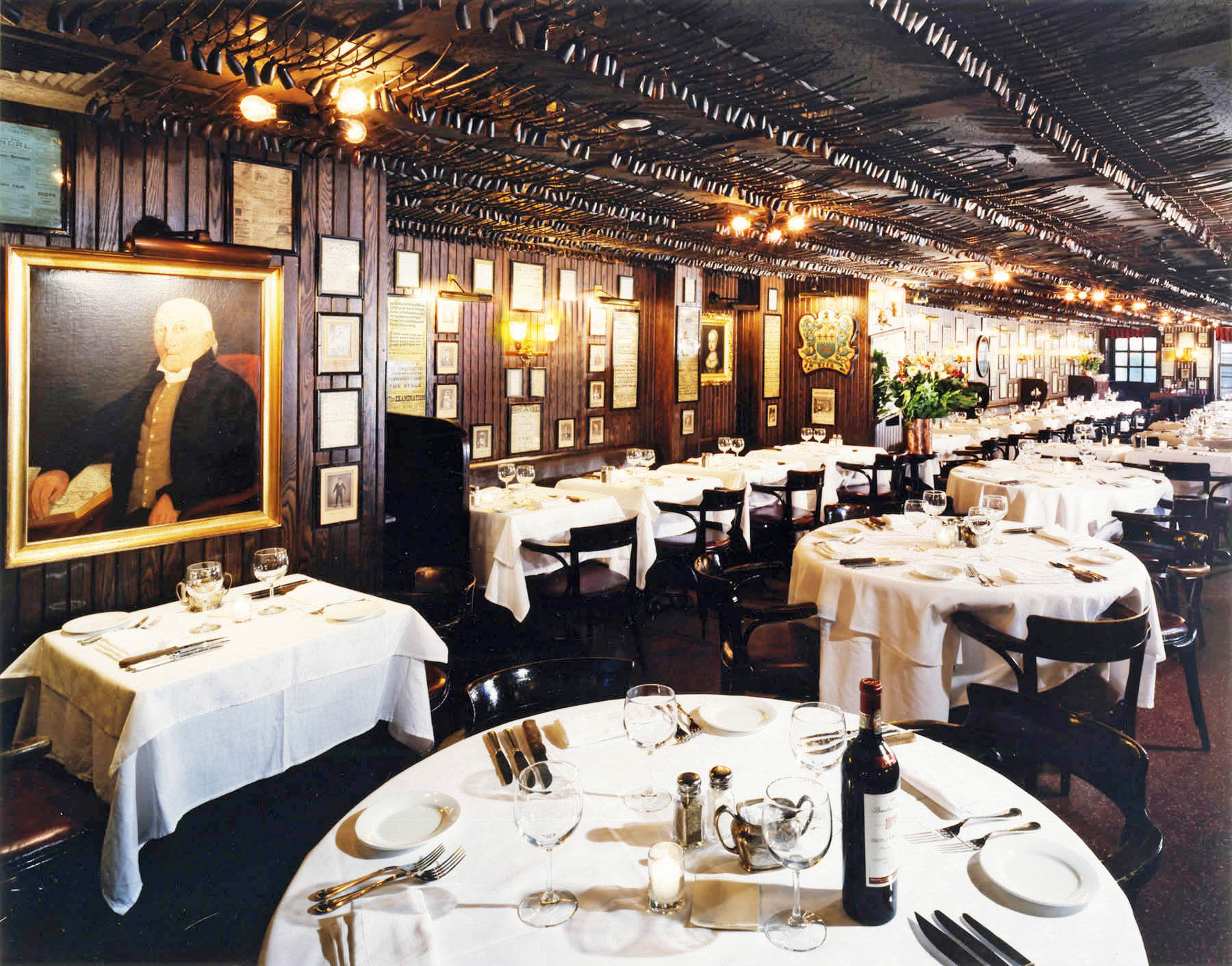
There is a particular kind of Manhattan dining room that operates less as a restaurant and more as a civic institution. These are places where the décor has not changed in decades not because the owners lack ambition, but because change would be beside the point. Harry Cipriani, occupying the ground floor of the Sherry-Netherland Hotel at 781 Fifth Avenue, belongs to that category. The room faces Central Park at its southern edge, with the kind of address that, in New York, does a great deal of the talking before the food arrives.
The Sherry-Netherland itself opened in 1927, and the corner of Fifth and 59th Street it anchors has functioned as one of the city's social coordinates for nearly a century. Harry Cipriani operates within that context: a room that registers as European in tempo, where tables are spaced for conversation and the service moves at a pace that resists the city's default urgency. For visitors arriving from Midtown or from the park, the transition is immediate.
What the Menu Architecture Reveals
The most instructive thing about Harry Cipriani's menu is what it refuses to do. In an era when New York's upper dining tier has largely converged on either elaborate tasting formats or hyper-specific regional concepts, Cipriani maintains a menu that reads as a considered survey of northern Italian cooking: carpaccio, risotto, pasta, veal, and fish presented in a format where the diner orders à la carte without ceremony or instruction.
That architecture is itself a statement. The carpaccio is not incidental here. Harry's Bar in Venice is the documented origin of beef carpaccio, a dish created in 1950 by Giuseppe Cipriani and named for the Venetian painter Vittore Carpaccio. The New York outpost carries that lineage, which means ordering the carpaccio at Harry Cipriani is, in a narrow but verifiable sense, ordering from the source tradition. The dish has since become ubiquitous across Italian-American dining, but the provenance at this address is not marketing; it is historical record.
Similarly, the Bellini, the white peach purée and Prosecco cocktail also originating from Harry's Bar Venice, arrived in New York through this lineage. The drink is now served everywhere, but its presence on the menu here carries a different weight than it does at the dozens of Italian restaurants that adopted it as a brunch staple. The menu, in other words, functions partly as a document of what Venetian hospitality looked like before it dispersed globally.
Beyond the heritage anchors, the menu follows the logic of Venetian and broader northern Italian cooking: restraint in seasoning, quality in sourcing, and technique that foregrounds the ingredient rather than the kitchen's intervention. Risotto and pasta dishes carry the structural weight of the meal. The secondi lean toward veal and fish. It is a menu designed to be read and ordered from without guidance, which distinguishes it sharply from the tasting-menu format that defines much of New York's high-end Italian category today.
Where Harry Cipriani Sits in New York's Upper Dining Tier
New York's top-price dining tier has expanded and stratified considerably over the past decade. At one end sit the omakase and tasting-menu formats: Masa, Per Se, Le Bernardin, Atomix, and Jungsik New York all operate on fixed or semi-fixed formats with Michelin recognition and booking windows measured in weeks or months. Harry Cipriani occupies a different position in that tier: a full à la carte format with deep European provenance, operating in a hotel dining room that has served a consistent clientele for decades without requiring the architecture of a reservation queue or a tasting menu to maintain its standing.
That positioning is not a limitation; it reflects a different kind of durability. Where restaurants like Blue Hill at Stone Barns in Tarrytown or Single Thread Farm in Healdsburg derive their identity from hyper-local sourcing philosophies, Harry Cipriani's identity is rooted in the transmission of a Venetian tradition across geography and time. The competitive set is closer to the classic European dining room than to the contemporary American fine-dining format that dominates critical conversation. Internationally, the comparison draws toward houses like 8 1/2 Otto e Mezzo Bombana in Hong Kong or Alain Ducasse at Louis XV in Monte Carlo, where a European culinary tradition is maintained at high price in a high-address hotel context.
Domestically, the comparison extends to restaurants that anchor a city's social dining circuit rather than its critical circuit: Emeril's in New Orleans, Bacchanalia in Atlanta, or Providence in Los Angeles each operate with different formats but share the quality of being deeply embedded in their city's dining culture over time. For a broader view of where Harry Cipriani sits within Manhattan's options, our full New York City restaurants guide maps the full range.
Planning Your Visit
Harry Cipriani operates at the Sherry-Netherland Hotel, a location that functions well as a starting point before or after Central Park, the Plaza, or the museum corridor along Fifth Avenue. The room is accessible for lunch and dinner, and the à la carte format means the meal can run from a focused two-course lunch to a longer dinner without structural pressure from the kitchen.
| Venue | Format | Price Tier | Booking Lead Time | Cuisine |
|---|---|---|---|---|
| Harry Cipriani | À la carte | $$$$ | Moderate | Venetian / Northern Italian |
| Per Se | Tasting menu | $$$$ | Weeks in advance | French / Contemporary |
| Le Bernardin | Prix fixe / à la carte | $$$$ | 1-2 weeks | French / Seafood |
| Masa | Omakase | $$$$ | Weeks in advance | Japanese / Sushi |
| Atomix | Tasting menu | $$$$ | Weeks in advance | Modern Korean |
Frequently asked questions
What should I order at Harry Cipriani?
The carpaccio is the documented starting point: it originates from Giuseppe Cipriani's recipe at Harry's Bar Venice in 1950, and the version served here draws from that direct lineage. Beyond that, the risotto and pasta dishes represent the structural weight of the northern Italian menu, and the Bellini, the white peach and Prosecco cocktail also originating from Harry's Bar, is worth ordering at the source rather than as an abstraction. The menu is designed to be read and ordered from without guidance, so the approach is conventional Italian sequencing: starter, pasta or risotto, secondi.
Is Harry Cipriani formal or casual?
The room operates in the European hotel dining tradition, which in New York at this address means the environment is polished and the service is structured, without the ceremony of a tasting-menu format. It sits between the rigidly formal and the relaxed: smarter than a trattoria, less orchestrated than Per Se or Le Bernardin. Smart casual is the functional register; the Fifth Avenue address and Sherry-Netherland context do impose a baseline expectation.
Should I book Harry Cipriani in advance?
Given the Fifth Avenue address and its long-standing position as a power lunch destination in Midtown, booking ahead for dinner on weekends or lunch on weekdays is advisable. The à la carte format means turnover is less compressed than at fixed-menu restaurants, so same-week availability is more plausible than at tasting-menu venues like Masa or Atomix, where booking windows extend to weeks. For a Saturday dinner or a business lunch on short notice, a reservation call is the safer approach.
Would Harry Cipriani be comfortable with kids?
The room's European hotel dining character makes it a workable choice for older children who are comfortable in a formal setting, but the price tier and the pace of service are calibrated for adult dining. For younger children, the à la carte format at least removes the constraint of a fixed multi-course tasting menu, which offers more flexibility than venues like Masa or Per Se. At the price point this address commands in Midtown Manhattan, the expectation on both sides of the table is an adult meal.
What is the connection between Harry Cipriani New York and Harry's Bar in Venice?
Harry's Bar in Venice, opened by Giuseppe Cipriani in 1931, is the origin point for both the Bellini cocktail and beef carpaccio, two preparations that have since spread across global Italian dining. The Cipriani family extended the brand to New York through Harry Cipriani at the Sherry-Netherland, establishing the Fifth Avenue address as the primary North American expression of that Venetian hospitality lineage. Arrigo Cipriani, Giuseppe's son, has been the public face of the brand's international expansion, a credential documented across decades of hospitality writing. For Italian restaurants operating in New York at a comparable price tier and with a comparable institutional identity, very few carry provenance this directly traceable to a single named source tradition.
Where It Fits
Comparable venues nearby, for context on price, style, and recognition.
| Venue | Cuisine | Price | Awards | Notes |
|---|---|---|---|---|
| Harry CiprianiThis venue (the venue you are viewing) | Classic Venetian Italian | $50–100 | Not listed | Not listed |
| Carbone | Italian-American Red Sauce | $150–200 | Michelin Plate · Star Wine List | Greenwich Village |
| Osteria La Baia | Coastal Italian | $50–100 | Not listed | Midtown-Times Square |
| Pietro's | Classic Italian Steakhouse | $50–100 | Not listed | East Midtown-Turtle Bay |
| Senza Gluten By Jemiko | 100% Gluten-Free Italian | $50–100 | Not listed | Hell's Kitchen |
| Park Rose | Modern Italian-American with Roman Influences | $50–100 | Not listed | Midtown South-Flatiron-Union Square |
Continue exploring
More in New York City
Restaurants in New York City
All restaurants in New York City →
Bars in New York City
All bars in New York City →

Harry Cipriani
The wine
- Extensive wine list
- Sommelier-led
- Craft cocktails
Details
- Elegant
- Sophisticated
- Well Known
- Classic
- Business Dinner
- Date Night
- Special Occasion
- Celebration
- Hotel Restaurant
- Historic Building
- Design Destination
- Extensive Wine List
- Craft Cocktails
- Sommelier Led
- A La Carte
- Prix Fixe
- Bellini Cocktails
- Wine
- Vegetarian Friendly
- Gluten Free Options
Current opening hours
- Monday
- 7–9:45 AM, 12–10:45 PM
- Tuesday
- 7–9:45 AM, 12–10:45 PM
- Wednesday
- 7–9:45 AM, 12–10:45 PM
- Thursday
- 7–9:45 AM, 12–10:45 PM
- Friday
- 7–9:45 AM, 12–10:45 PM
- Saturday
- 7–9:45 AM, 12–10:45 PM
- Sunday
- 7–9:45 AM, 12–10:45 PM
Hours can change for holidays and private events. Hours as of .
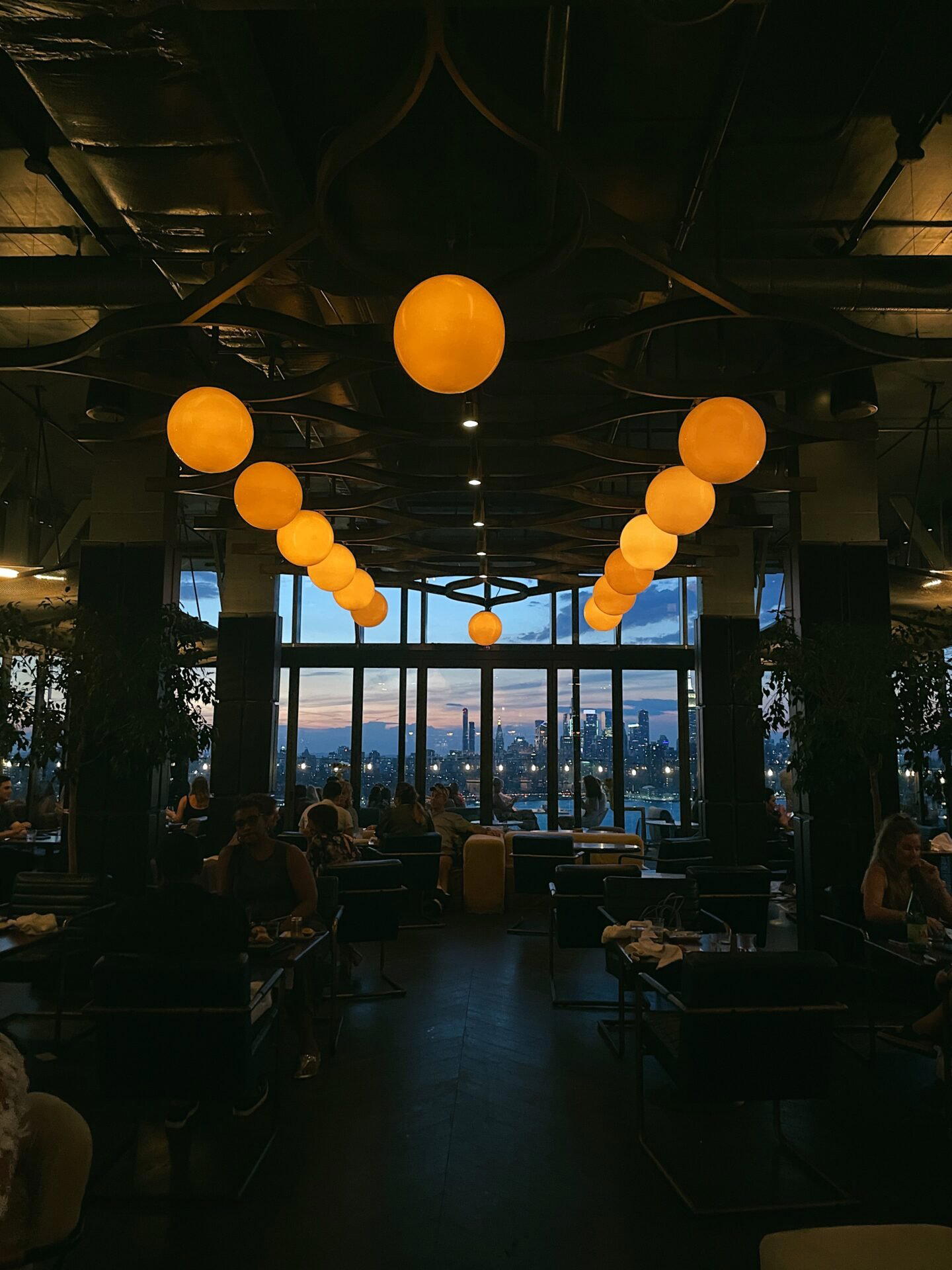
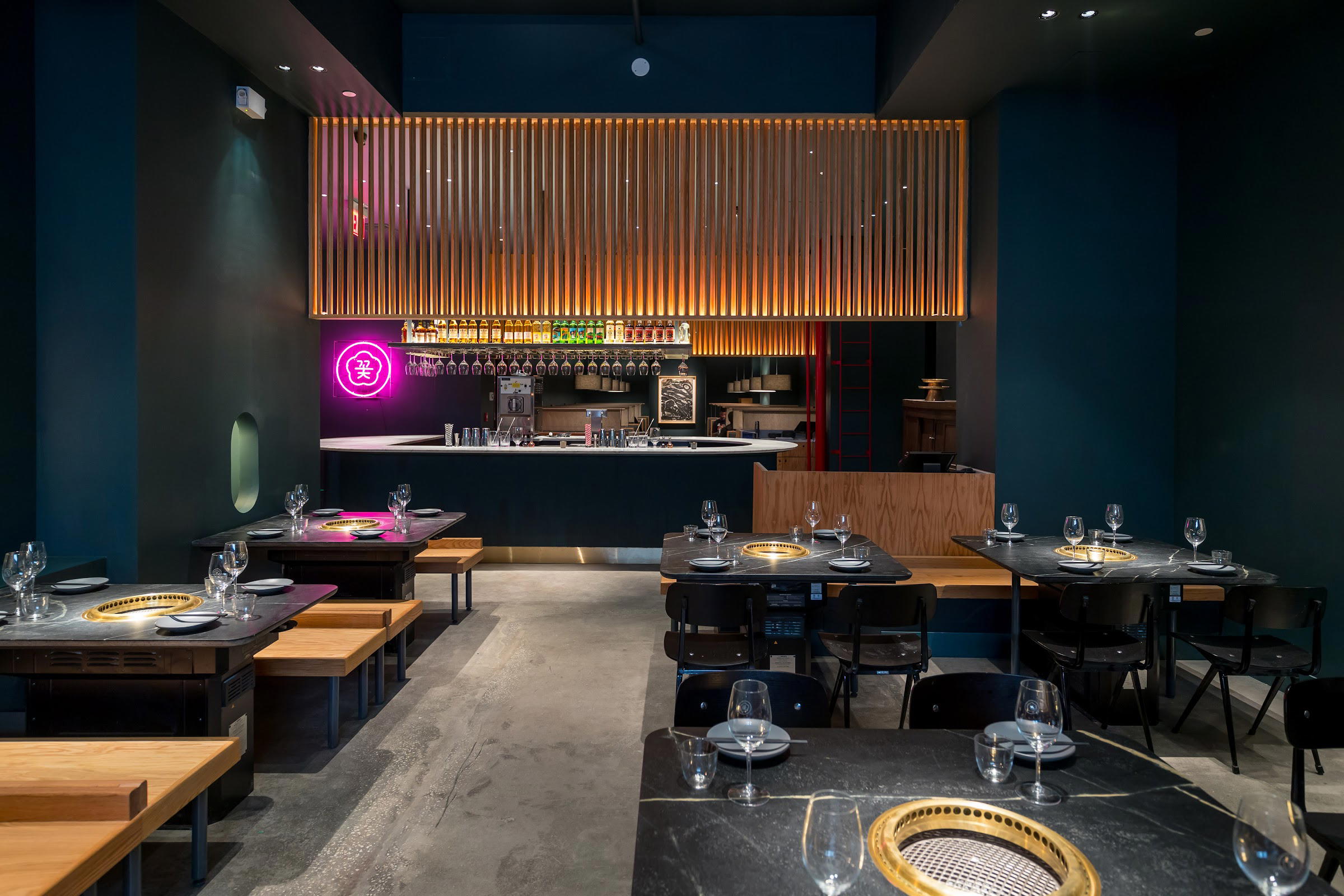
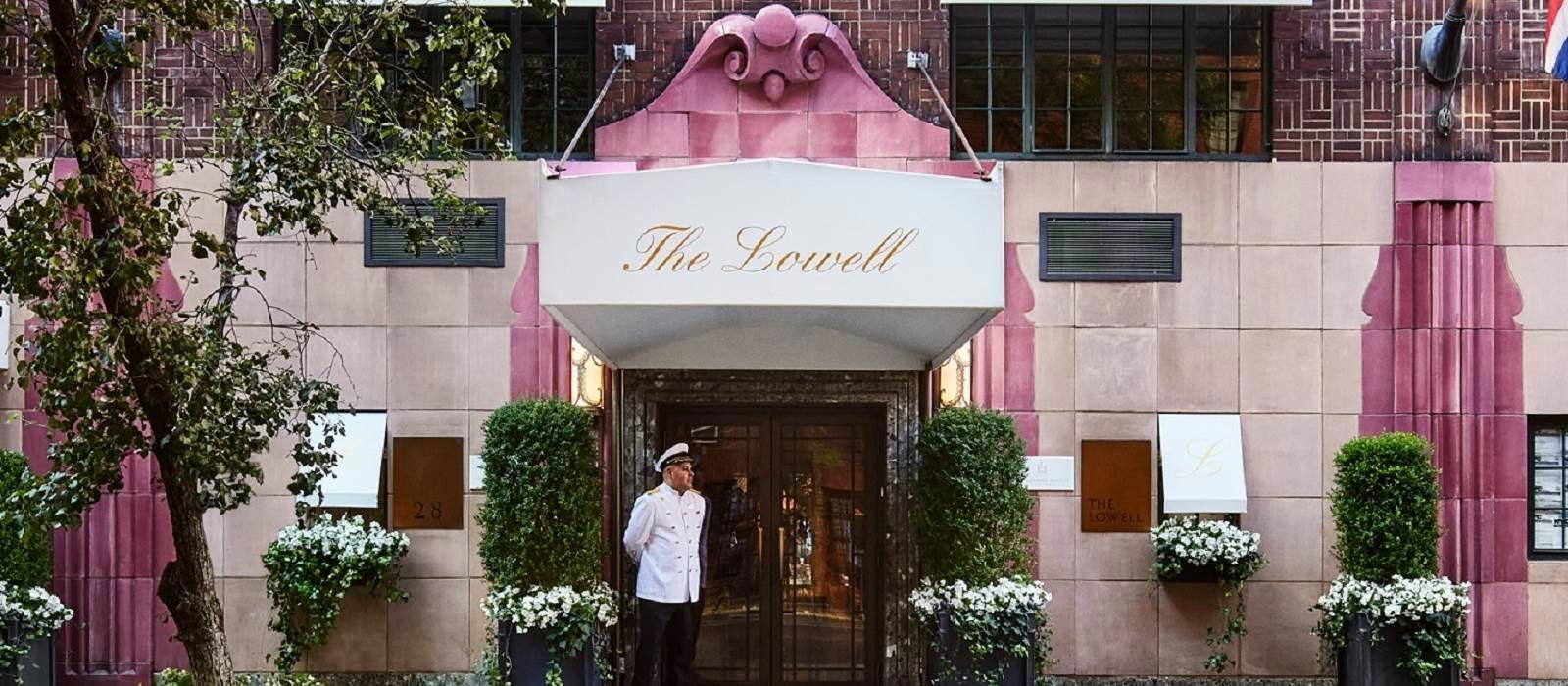
Warm wood-paneled interior with elegant, refined atmosphere; a lively social scene teeming with Fifth Avenue energy and unmistakable sophistication.