Our verdict
Chequer Lane by Jamie Oliver brings the brand's signature focus on traceable, seasonal ingredients to Exchequer Street, one of Dublin's more reliably busy dining corridors. The kitchen sits within a broader city scene where provenance-led cooking has moved from point of difference to baseline expectation. For visitors cross-referencing the Oliver restaurant group against Dublin's independent fine-dining tier, the address and format make it a practical city-centre option.

Pearl is the En Primeur Club membership app — saves, bookings, and concierge access live there. Same editors, same standards.
- Address
- 27 Exchequer St, Dublin, D02 A527, Ireland
- Phone
- +35314992424
- Hours
- Mon–Tue 5–9 PMWed 12:30–9 PMThu–Sat 12:30–10 PMSun 1–9 PM
- Website
- chequerlane.com
- Directions
- Get directions
- Booking
- Book on OpenTable
The menu
What to order
- Crab linguine
- Scotch egg
- Baked scallops
- Sourdough bread
Exchequer Street and the Provenance Question
Dublin's Exchequer Street runs through the south city centre at a pitch somewhere between neighbourhood and tourist route, close enough to St Stephen's Green to catch hotel foot traffic, dense enough with independent businesses to hold local regulars. The dining strip here has never been the city's most concentrated fine-dining corridor — that distinction belongs further south and west, toward the Iveagh Gardens end of town where Glovers Alley and Patrick Guilbaud anchor the upper register — but Exchequer Street functions as a practical, accessible dining zone where the room fills across multiple sittings and the offer tends toward all-day or broad-format dining rather than the tasting-menu model.
Into this context, Chequer Lane by Jamie Oliver at 27 Exchequer Street represents something specific: the application of a globally recognised ingredient-first brand philosophy to an Irish city where provenance-led sourcing has, over the last decade, shifted from marketing language to operational standard. Understanding where Chequer Lane sits requires understanding what that shift means for any kitchen operating in Dublin in 2024.
What Provenance Means on an Irish Menu
Ireland's position in the sourcing conversation is unusual among European dining cities. The country's grass-fed beef, its Atlantic seafood from ports including Killybegs and Dunmore East, and its artisan dairy output, producers like Toonsbridge and Coolattin Cheddar have achieved genuine recognition in culinary press, give Dublin restaurants access to ingredients that kitchens in London or Paris often treat as premium imports. The question for any restaurant operating in this environment is not whether to source Irish produce, but how specifically and how verifiably to do so.
The Oliver brand, built across multiple restaurant formats in the UK and internationally, has consistently positioned ingredient sourcing and seasonal cooking as its editorial core. The approach aligns with a broader international trend that sees casual-premium restaurants place supply chain transparency at the centre of their guest communication. At Chequer Lane, that framework meets an ingredient environment that is, by most assessments, already advantaged relative to comparable cities. What Irish diners and visiting food-focused travellers will assess is whether the kitchen uses that environment with specificity or keeps it at the level of general claim.
For comparison: kitchens like Bastible on Leonard's Corner and Liath in Blackrock have built reputations precisely on named-supplier sourcing and seasonal rotation that changes with harvest. At the county level, places like Chestnut in Ballydehob and Aniar in Galway have taken the provenance argument further still, into territory where the kitchen's geographic relationship with producers defines the menu structure itself. Chequer Lane operates in a different tier, accessible, city-centre, branded, but it operates in the same conversation.
The Brand Format in a Local Setting
Restaurants carrying a celebrity-chef brand into an international market face a particular reader challenge. The brand sets expectations at the level of philosophy, seasonal, traceable, approachable, but the execution is delivered by a local kitchen team, with local suppliers, in a room shaped by local real estate. The gap between brand promise and local delivery is where experienced diners focus their attention, and where the experience either earns its own reputation or runs on borrowed authority.
Dublin's dining public is practiced at making this distinction. The city's independent fine-dining scene, anchored by places like Chapter One by Mickael Viljanen and D'Olier Street, has maintained a standard of kitchen-led, producer-connected cooking that gives local diners a clear reference point. Against that peer group, a branded restaurant is assessed less on the name above the door and more on what arrives on the plate and how it is sourced and executed.
Across Ireland more broadly, the regional kitchen-and-producer model has produced some of the most discussed cooking in the country. dede in Baltimore, Terre in Castlemartyr, Bastion in Kinsale, and Homestead Cottage in Doolin each demonstrate what happens when the sourcing relationship is built into a kitchen's operating logic from the ground up rather than applied as a brand overlay. The contrast is useful context, not a condemnation, city-centre branded restaurants serve a different function than destination rural kitchens, and Chequer Lane's Exchequer Street address positions it for a guest profile that includes business travellers, visiting tourists, and city-centre regulars who want reliable, ingredient-conscious cooking without the commitment of a full tasting-menu experience.
Placing Chequer Lane in the Wider Scene
Internationally, the question of how branded casual-premium restaurants hold up against city-specific independent scenes is not unique to Dublin. Kitchens like Lazy Bear in San Francisco emerged precisely as a counter to the format-over-substance tendency in branded dining, while at the technical extreme, operations like Le Bernardin in New York City demonstrate what happens when sourcing discipline operates at the level of institutional commitment. Chequer Lane does not pitch against either of those reference points; it occupies a more accessible middle tier where the sourcing story needs to be credible rather than comprehensive.
Within the Oliver group's own logic, the Chequer Lane format, named separately from the core Jamie Oliver Restaurant brand, signals an attempt at local specificity. The name references the street's history (Exchequer Street itself takes its name from the medieval exchequer that once operated nearby), and a venue name drawn from that etymology suggests at least a surface-level commitment to situating the restaurant in its city context. Whether that extends into the sourcing operation and menu design is what a visit resolves.
For readers building a Dublin itinerary, the city's independent pipeline runs deep. Campagne in Kilkenny, The Oak Room in Adare, and The Morrison Room in Maynooth each represent the county-level alternative to city-centre branded dining. Our full Dublin restaurants guide maps the city's dining tiers with enough granularity to help visitors calibrate Chequer Lane against the full range of options on offer.
Know Before You Go
| Address | 27 Exchequer St, Dublin, D02 A527, Ireland |
|---|---|
| Neighbourhood | South City Centre, near St Stephen's Green |
| Format | Casual-premium, branded restaurant group |
| Booking | Check current availability via the restaurant directly; Exchequer Street dining fills on weekends |
| Leading for | City-centre visitors seeking ingredient-conscious, approachable dining without a tasting-menu commitment |
| Nearby reference points | Glovers Alley, D'Olier Street |
Frequently asked questions
Where do I go for Chequer Lane by Jamie Oliver?
Chequer Lane by Jamie Oliver is located at 27 Exchequer St, Dublin, D02 A527, Ireland, Dublin.
How does Chequer Lane by Jamie Oliver compare to other celebrity-chef restaurants operating in Dublin?
Dublin has seen limited penetration from international celebrity-chef brands compared to cities like London or Amsterdam, which makes Chequer Lane at 27 Exchequer Street a relatively rare format in the local market. The Jamie Oliver name carries documented credibility on sourcing and seasonal cooking built over two decades of public advocacy, which differentiates the brand from purely commercial export formats. The relevant comparison in Dublin is less about other celebrity kitchens and more about how the restaurant holds up against the city's own provenance-led independents, which have been operating that brief since well before the brand arrived.
What should I order at Chequer Lane by Jamie Oliver?
The Oliver brand's sourcing philosophy points toward dishes built around seasonal Irish produce and traceable proteins — grass-fed beef and Atlantic seafood are the categories where an Irish kitchen of this type tends to perform most consistently. On Exchequer Street, the south city centre location means the kitchen has access to the same supplier network feeding Dublin's broader provenance-led scene. Lean toward protein-centred mains and any vegetable-forward dishes that rotate with the season rather than fixed menu anchors.
How hard is it to get a table at Chequer Lane by Jamie Oliver?
Exchequer Street sits within high foot-traffic territory in Dublin's south city centre, close to the St Stephen's Green and George's Street corridors, which keeps demand consistent across the week. Thursday through Saturday evenings are the pressure points, when multiple sittings across the area compete for the same pool of diners. Booking ahead by at least a few days for weekend dinners is the practical approach; midweek lunch at 27 Exchequer St tends to be more accessible without advance planning.
What do critics highlight about Chequer Lane by Jamie Oliver?
Published critical assessments specific to the Dublin location are limited in the record available, which is common for branded group restaurants that sit outside the independent-kitchen circuit most Irish food writers prioritise. The broader Oliver brand carries a documented emphasis on sourcing transparency and accessible cooking, and those qualities are the most frequently cited reference points when the format is discussed in a European context. Dublin's independent critical scene tends to measure branded restaurants against kitchens like Bastible and Liath, which sets a high comparative bar on sourcing depth.
Can Chequer Lane by Jamie Oliver adjust for dietary needs?
The Oliver restaurant group has maintained a consistent approach to dietary flexibility across its international operations, with plant-based and allergen-conscious options built into menus at the brand level rather than treated as special requests. At the Dublin location on Exchequer Street, the seasonal produce focus means vegetable-forward dishes are structural to the menu rather than afterthoughts. Specific current accommodations are best confirmed directly with the restaurant before visiting, as seasonal menu rotation affects what is available on any given week.
Is Chequer Lane by Jamie Oliver overpriced or worth every penny?
Dublin's central dining market in 2024 is one of the more expensive in Europe for casual-premium eating, and Exchequer Street sits at the heart of that pricing environment. The value case for a branded restaurant in that context depends on whether the kitchen's sourcing execution matches the independent competitors — places like Bastible in the Liberties or Fish Shop on Benburb Street — at similar price points. If the provenance emphasis holds in the plate, the brand premium is marginal; if the kitchen defaults to formula, the independent tier in Dublin offers stronger returns for the same spend.
A Minimal comparable set
Comparable venues nearby, for context on price, style, and recognition.
| Venue | Cuisine | Price | Notes |
|---|---|---|---|
| Chequer Lane by Jamie OliverThis venue — the venue you are viewing | Modern Irish Gastropub | $30–50 | Not listed |
| Guinness Open Gate Brewery | Modern Irish Gastropub with Beer Pairings | $20–30 | Ushers B, Modern Irish Gastropub with Beer Pairings |
| Kittyhawks | Irish Gastropub | Not listed | Airport, Irish Gastropub |
| Café en Seine | Modern Irish-European Gastropub | $20–30 | Mansion House B, Modern Irish-European Gastropub |
| The Little Kitchen | Modern Irish | $30–50 | Pembroke West C, Modern Irish |
| Seasons Restaurant | Contemporary Irish | $50–100 | Pembroke East E, Contemporary Irish |
Continue exploring
More in Dublin
Restaurants in Dublin
Browse all →
Bars in Dublin
Browse all →
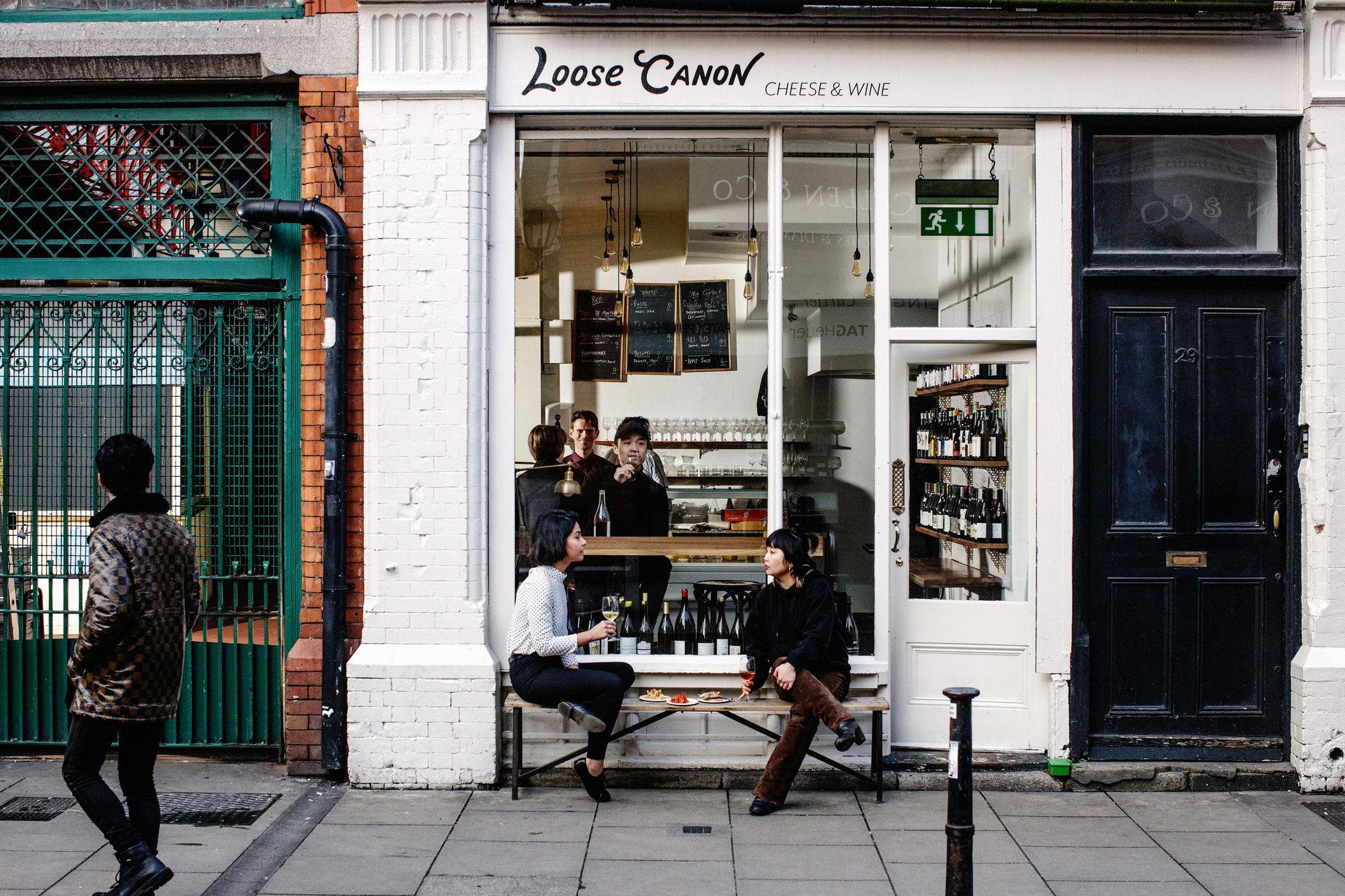
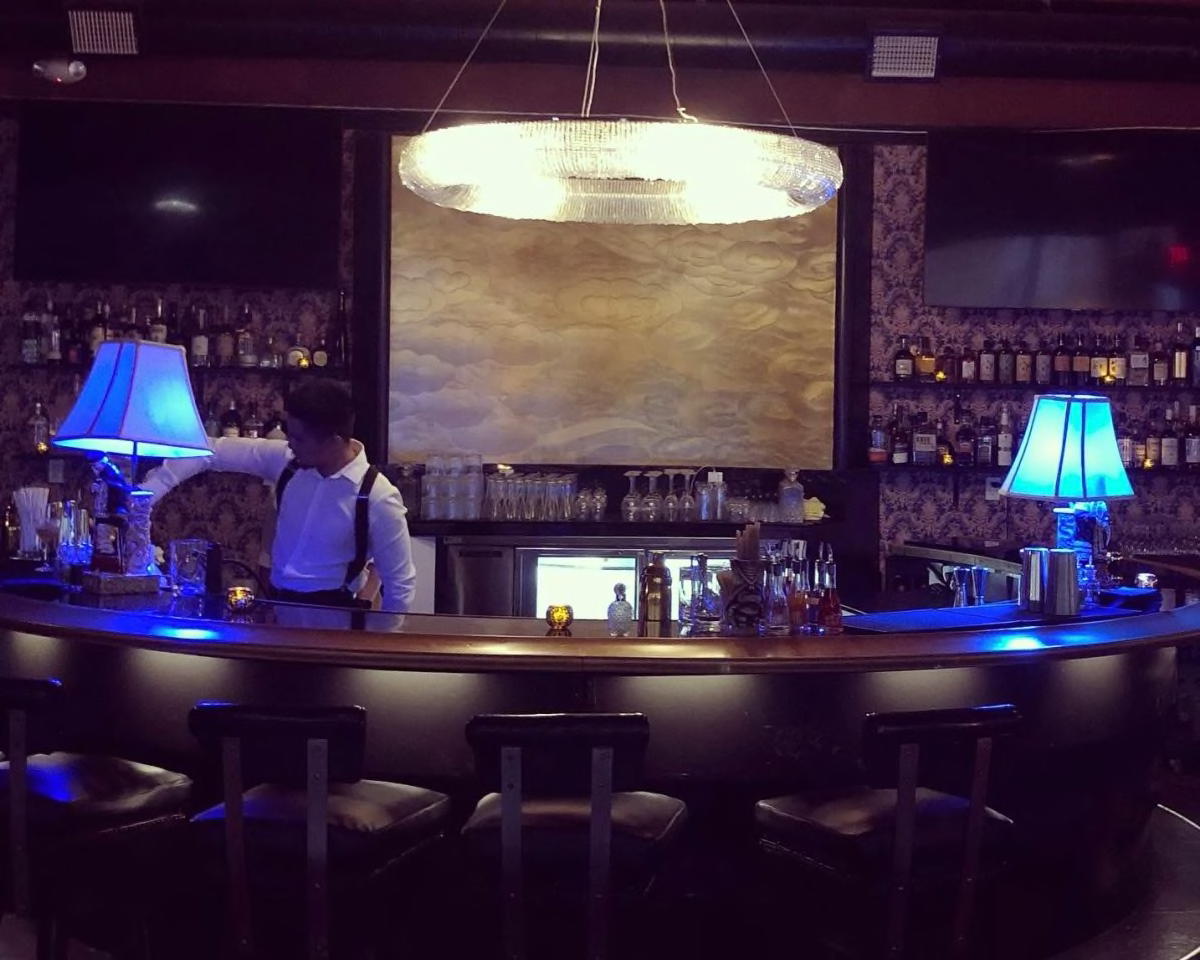
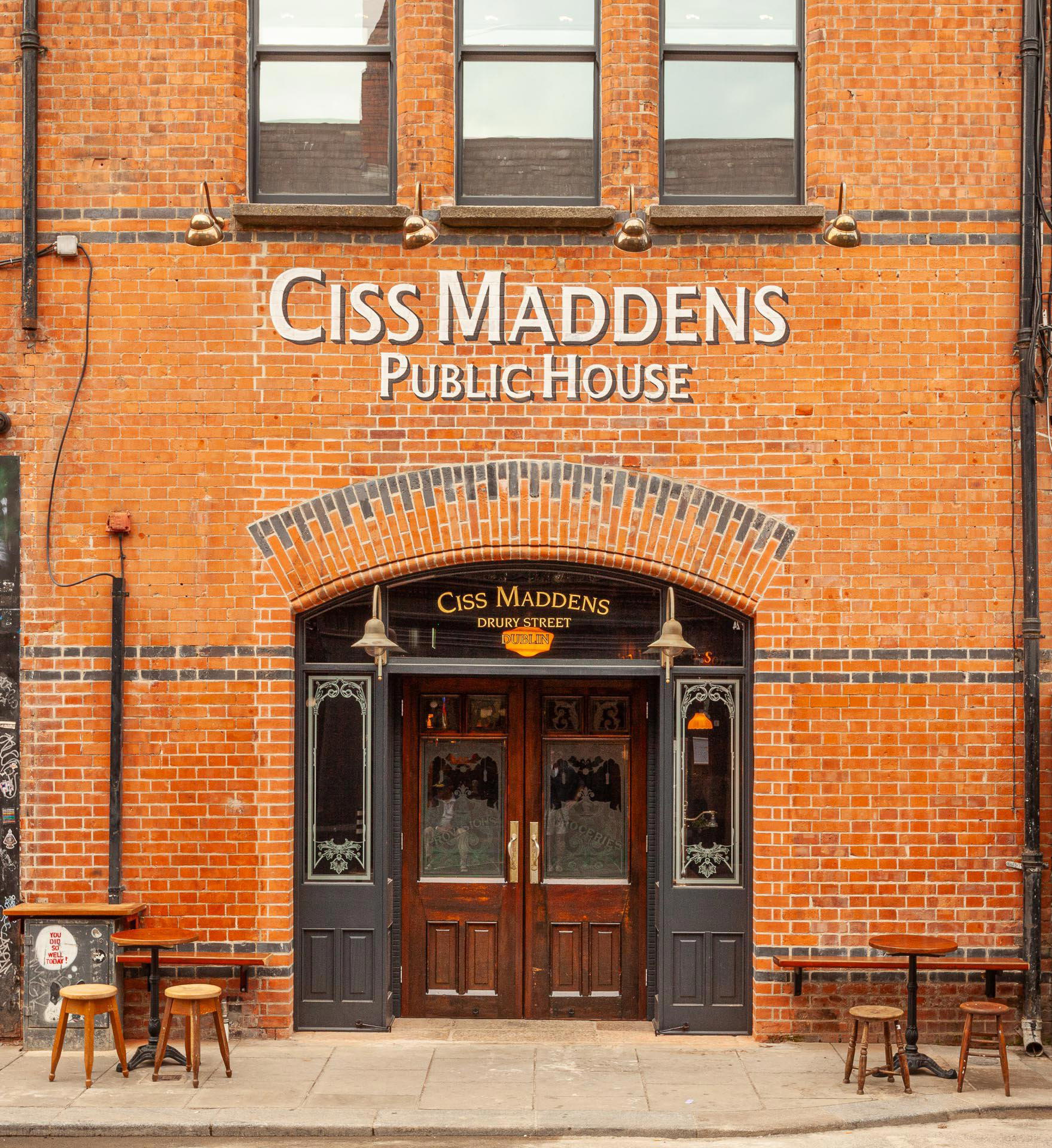
Hotels in Dublin
Browse all →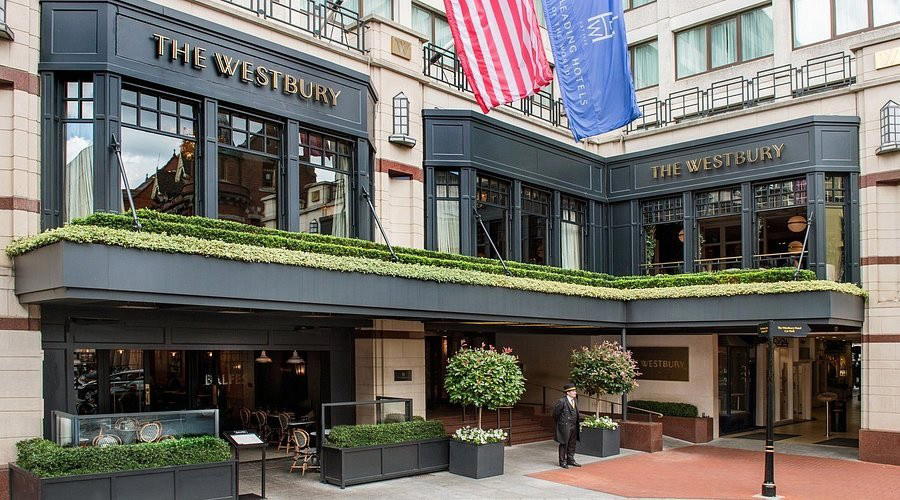
Wineries in Dublin
Browse all →
Details
- Cozy
- Warm
- Modern
- Date Night
- Group Dining
- Special Occasion
- Open Kitchen
- Extensive Wine List
- Local Sourcing
- A La Carte
- Irish Whiskey Cocktails
- Vegetarian Friendly
- Gluten Free Options
Current opening hours
- Monday
- 5–9 PM
- Tuesday
- 5–9 PM
- Wednesday
- 12:30–9 PM
- Thursday
- 12:30–10 PM
- Friday
- 12:30–10 PM
- Saturday
- 12:30–10 PM
- Sunday
- 1–9 PM
Hours can change for holidays and private events. Last verified .
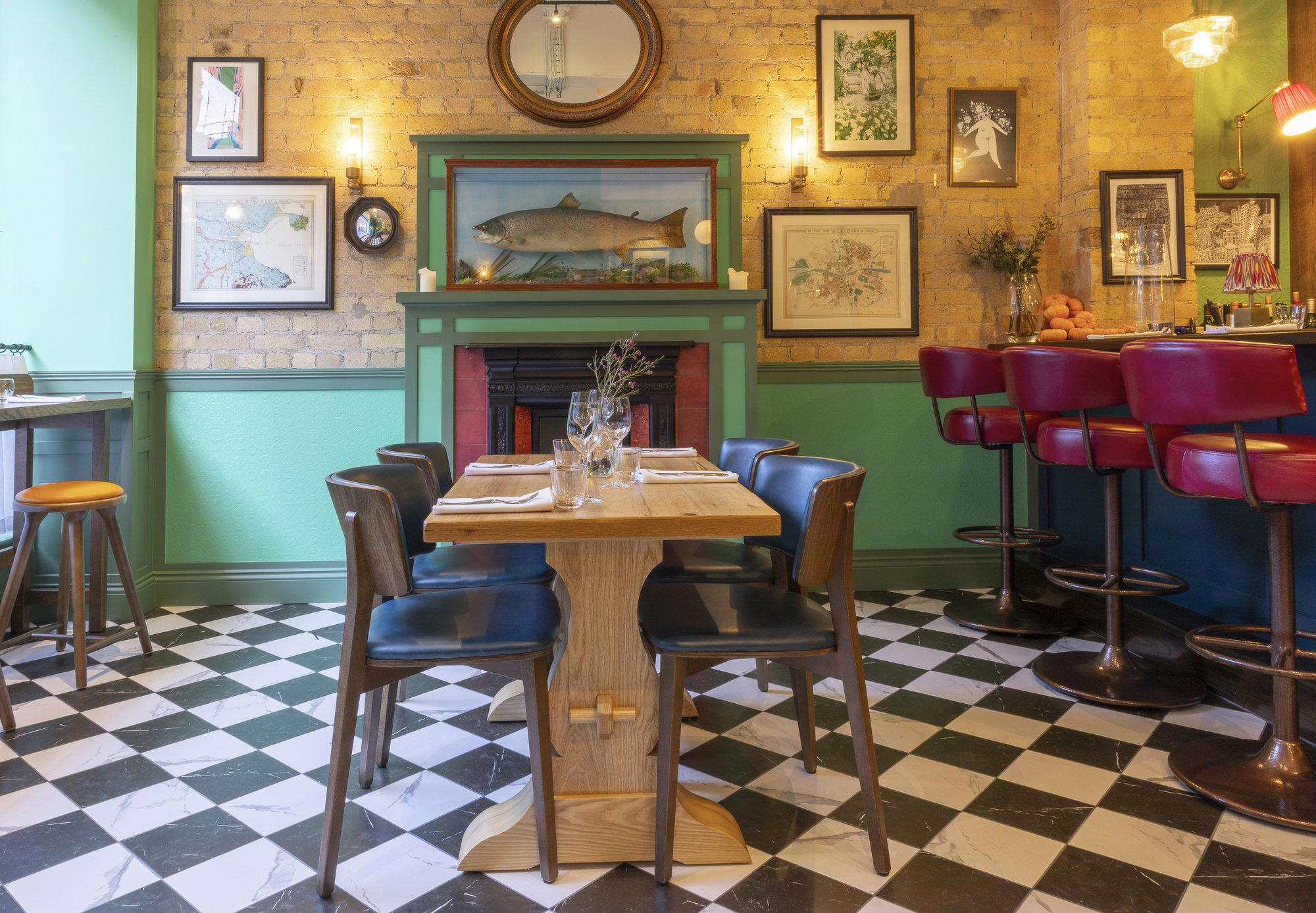
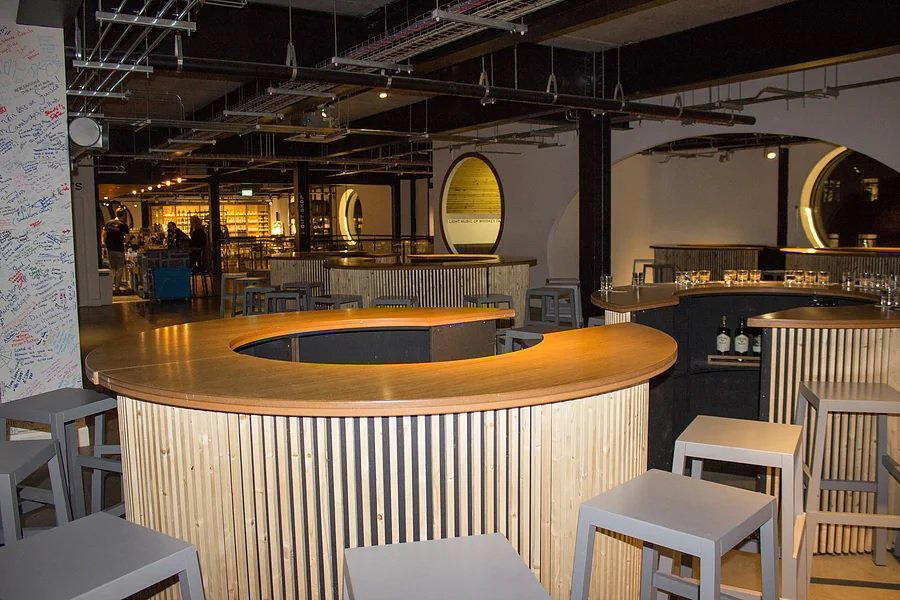
Warm, welcoming atmosphere with lovely ambience, praised for its cozy dining experience and comfortable setting.