The Three Horseshoes


Michelin Plate
Our verdict
The Three Horseshoes in Batcombe sits at the quieter end of Somerset's pub dining scene, where the county's farming heritage and proximity to some of England's most productive agricultural land shapes what ends up on the plate. It occupies a category of British country pub that trades on locality and seasonal rhythm rather than urban spectacle, placing it alongside a growing tier of rural dining destinations worth the detour from the main road.

Pearl is the En Primeur Club membership app — saves, bookings, and concierge access live there. Same editors, same standards.
- Address
- Batcombe, Shepton Mallet BA4 6HE, United Kingdom
- Phone
- +441749326147
- Directions
- Get directions
- Booking
- Book on SevenRooms
The menu
What to order
- Pork pie
- Chicken pie
- Ox cheek pie
Stone Walls, Farming Country, and the Case for the Somerset Pub Detour
Batcombe is not a village that announces itself. The lane narrows before you arrive, the signage is minimal, and the approach through the Mendip Hills feels deliberate in its refusal to hurry. This is the physical context in which The Three Horseshoes sits: a Somerset country pub operating in terrain that has supplied England's tables for centuries, where the land itself is the primary argument for eating here. The county produces cheddar, cider, lamb raised on hill pasture, and vegetables from some of the most fertile lowland soil in the southwest. For a rural pub operating in this geography, that is not a marketing detail; it is a structural advantage that shapes the menu from the sourcing stage outward.
The broader pattern across the UK's better country pubs has shifted notably over the past decade. Where the gastropub model once signalled a step above standard bar food, a smaller tier has moved into more serious territory, drawing on hyper-local supply chains and seasonal discipline that urban restaurants often struggle to replicate. Somerset sits inside that shift, with its farming calendar, artisan producers, and proximity to the Bristol food scene feeding a growing cluster of destination dining in the county's villages. See our full Shepton Mallet restaurants guide for a wider map of what the area offers.
The Sourcing Logic of a Rural Somerset Kitchen
The editorial angle that applies most directly to a venue in this location is ingredient provenance. Somerset's agricultural density means that any kitchen paying attention has access to a supply chain that many city restaurants spend considerable effort and cost trying to replicate. The Mendips produce excellent lamb. The Somerset Levels yield dairy of consistent quality. Orchards in the surrounding parishes have been producing cider apples and perry pears for generations, and their influence on both the glass and the plate is a regional tradition rather than a trend import.
This matters because the sourcing logic of a well-run country kitchen works differently from the procurement model of a metropolitan fine-dining operation. At this scale, relationships with nearby farms are direct rather than mediated through wholesale networks, and the menu's seasonal rhythm reflects what the land is actually doing rather than what a central buying team has approved. The result, when the kitchen is working at its finest, is food that reads as an accurate translation of place rather than a generic British menu with local garnish. That distinction is increasingly what separates the credible rural dining option from the one that simply looks the part.
Rural pubs in this county that have earned sustained attention, whether from food press or by word-of-mouth from diners willing to drive out from Bristol, Bath, or further, tend to share this characteristic: their menus are legible expressions of the season and the land around them. It is a different ambition from the technically driven, produce-as-backdrop approach you find at destinations like L'Enclume in Cartmel or Moor Hall in Aughton, but it sits in a coherent tradition of British cooking that takes landscape seriously.
Where It Sits in the British Country Pub Tier
The country pub with serious food occupies an interesting position in England's dining hierarchy. It operates below the formal destination restaurants, the multi-course tasting menu venues, and the Michelin-starred rural retreats such as Le Manoir aux Quat'Saisons in Oxford or Gidleigh Park in Chagford, but it also operates above the standard bar-food model that still fills most village pubs in England. The Three Horseshoes belongs to this middle tier, where the expectation is honest cooking done with care, a drinks list that reflects the region, and an atmosphere that retains the character of a working local rather than presenting itself as a dining room that happens to serve beer.
That positioning is meaningful because it determines who the pub is for and what a visit reasonably delivers. You are not arriving for the technical precision that drives kitchens at Restaurant Sat Bains in Nottingham or the produce-obsessed intensity of Ynyshir Hall in Machynlleth. You are arriving for food that is grounded in its surroundings, served without ceremony, in a room that has absorbed decades of local use. In the Somerset context, that is a legitimate and increasingly appreciated dining proposition. The pub format has real advantages over the formal restaurant for this kind of cooking: it is less pressured, more accommodating of different party sizes and purposes, and the bar anchors the experience in social rather than purely gastronomic territory.
For comparison points at a different price and ambition level, Hand and Flowers in Marlow represents what the Michelin-recognised pub format looks like at its ceiling, and hide and fox in Saltwood shows how coastal ingredient sourcing can anchor a smaller rural operation. The Three Horseshoes operates within this broader British tradition without targeting the same formal tier. Other points of editorial reference in the UK's serious dining map include Midsummer House in Cambridge, Opheem in Birmingham, CORE by Clare Smyth in London, Restaurant Andrew Fairlie in Auchterarder, and The Glenturret Lalique in Crieff, all of which sit in a different register but help triangulate what British dining at various levels of ambition looks like in 2024. Further afield, Waterside Inn in Bray, 33 The Homend in Ledbury, Le Bernardin in New York City, and Atomix in New York City represent how ingredient-led precision scales across different national contexts.
Planning a Visit
Batcombe sits southeast of Shepton Mallet in the Mendip Hills, reached most directly from the A359 or by cutting across from the Bruton direction, which adds context to the visit given Bruton's growing status as a food and arts destination in its own right. The setting rewards arriving with time to spare rather than rushing in from a motorway junction. Booking ahead is advisable for weekend lunch, when the Somerset countryside pulls visitors from Bath and Bristol; midweek visits offer a quieter atmosphere closer to the everyday local character of the place. The pub format means the experience is adaptable to different group sizes and intentions, from a quiet lunch for two to a table that includes children, where the informality of the setting works in the room's favour.
Frequently asked questions
Does The Three Horseshoes work for a family meal?
The Three Horseshoes sits in Batcombe, a quiet Mendip Hills village, which sets the tone: this is a rural pub with the pace and space that a family meal benefits from. The setting is relaxed rather than formal, and the farming-country surroundings make it a reasonable stop for groups that want genuine Somerset atmosphere without a dress code or a tasting-menu format.
What should I expect atmosphere-wise at The Three Horseshoes?
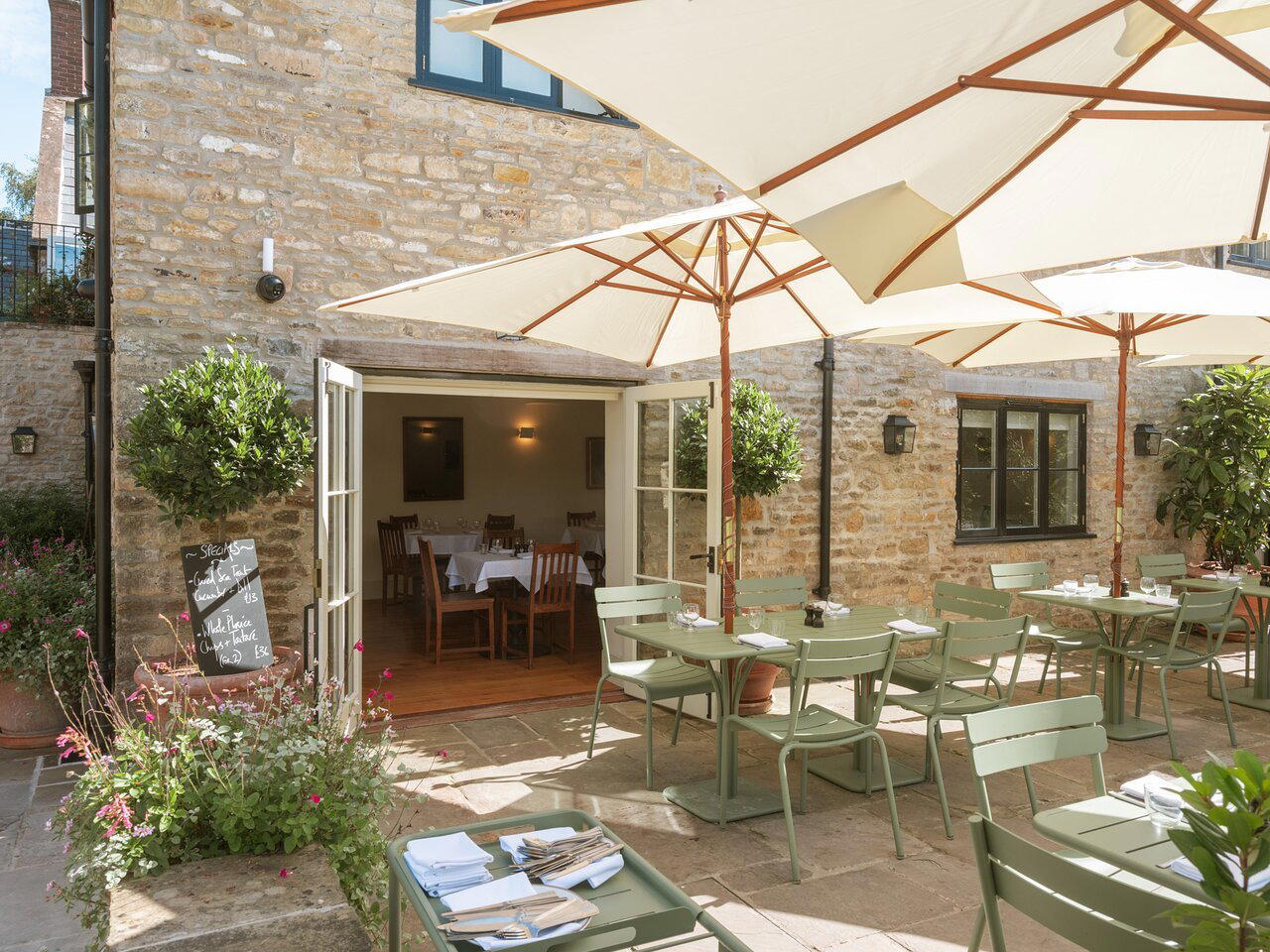
Batcombe is reached by narrowing country lanes off the A359, and the pub reflects that remoteness — stone walls, Mendip Hills surroundings, and the unhurried rhythm of a genuine village local rather than a pub rebranded for weekend traffic. Expect a room that feels lived-in rather than designed, closer in register to the working Somerset countryside that frames it than to any Bruton-adjacent supper-club aesthetic.
Is The Three Horseshoes worth the drive from Bruton or Shepton Mallet?
Batcombe sits southeast of Shepton Mallet and is accessible from the Bruton direction across the Mendip Hills, making it a logical detour for anyone already in that stretch of Somerset. The pub occupies the tier of British country dining that operates below formal destination restaurants but above a standard food pub, which is a meaningful distinction if you want a meal grounded in local provenance without the booking pressure of a ticketed tasting menu.
What should I order at The Three Horseshoes?
The editorial case for a pub in this location rests on ingredient provenance: Somerset's agricultural density gives any kitchen here direct access to strong local produce, from dairy to meat to orchard fruit.
Where is The Three Horseshoes in Shepton Mallet?
The Three Horseshoes is located at Batcombe, Shepton Mallet BA4 6HE, United Kingdom, Shepton Mallet.
Comparable Spots, Quickly
Comparable venues nearby, for context on price, style, and recognition.
| Venue | Cuisine | Price | Awards | Notes |
|---|---|---|---|---|
| The Three HorseshoesThis venue — the venue you are viewing | British Gastropub | $30–50 | Michelin Plate | Not listed |
| Fisherton Mill Gallery Café | Modern British Café | $20–30 | Not listed | Fisherton Street |
| Root Bath | Modern veg-led British small plates | $30–50 | SquareMeal UK Top 100 Restaurants #64 | Bath city centre |
| Pot Kiln | Basque-Inspired British Gastropub | $30–50 | Not listed | Frilsham |
| Glencoe Gathering | Scottish Highland Pub and Seafood | $20–30 | Not listed | Glencoe Village |
| Upstairs at Landrace | Seasonal Modern British above an artisan bakery | Not listed | Not listed | Walcot Street |
Recognition history
Dated appearances from independent guides and award organizations, with the underlying list record or original source where available.
Michelin Plate
Michelin
Top 50 Gastropubs 2026 Estrella Damm Top 100 Gastropubs #14
Top 50 Gastropubs
Continue exploring
More in Shepton Mallet
Restaurants in Shepton Mallet
Browse all →
Bars in Shepton Mallet
Browse all →
Hotels in Shepton Mallet
Browse all →
Wineries in Shepton Mallet
Browse all →
Details
- Cozy
- Rustic
- Classic
- Intimate
- Casual Hangout
- Special Occasion
- Family
- Historic Building
- Garden
- Terrace
- Private Dining
- Extensive Wine List
- Local Sourcing
- Garden
- A La Carte
- Real Ales
- Craft Beer
- Local Ciders
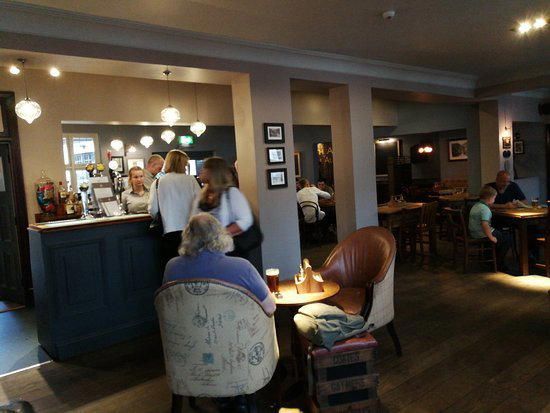
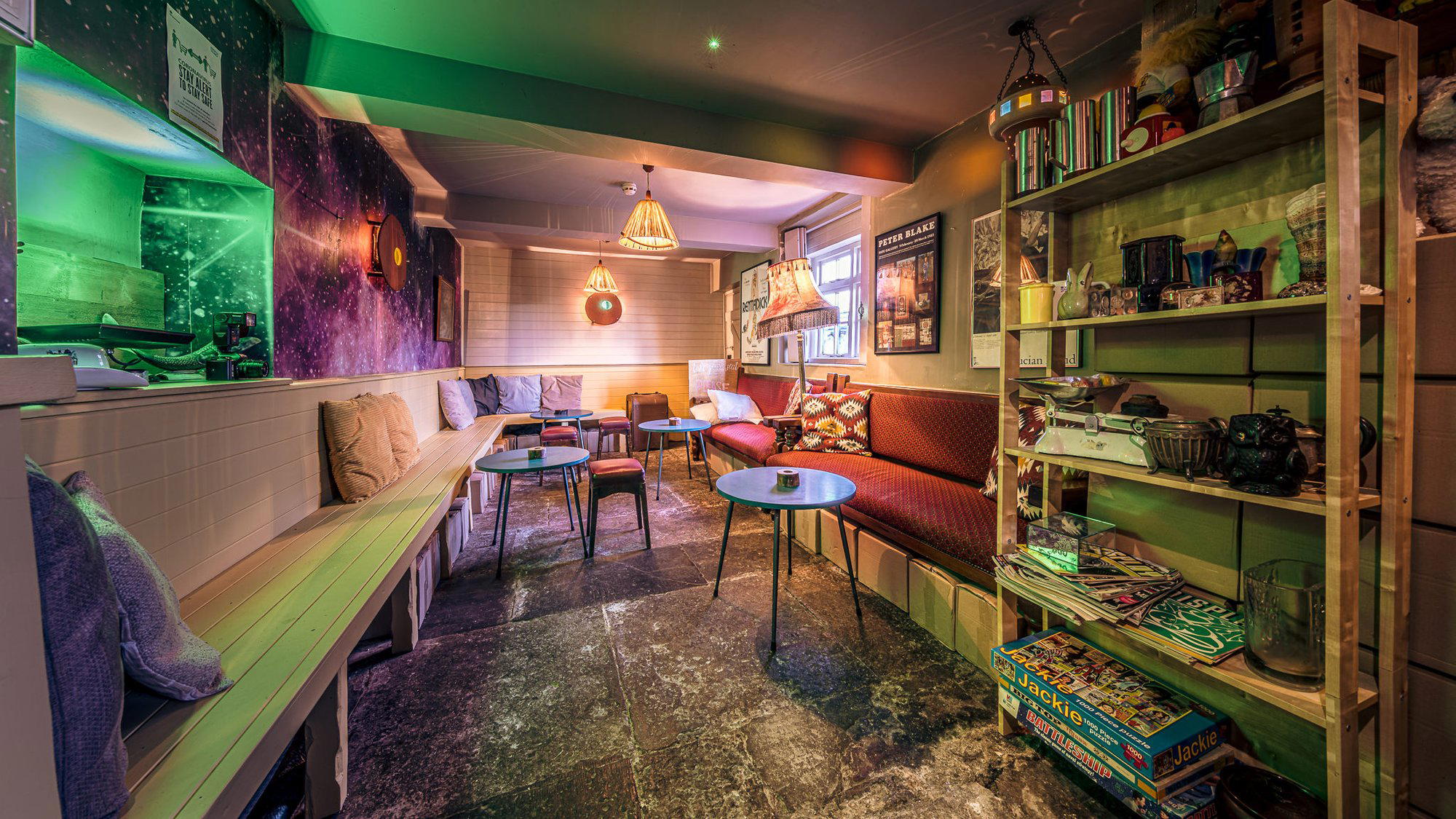
Cozy 17th-century pub with inglenook fireplaces, stone floors, beamed ceilings, open fires, and flickering candles creating a warm, inviting traditional atmosphere.