Pot Kiln
Our verdict
Set along a country lane in Berkshire's Frilsham valley, Pot Kiln is a rural pub with a sourcing philosophy grounded in what the surrounding land and water can reliably produce. The kitchen draws from local game, foraged ingredients, and nearby farms, placing it within a small but serious tier of British country restaurants where provenance drives the menu rather than decorates it. Booking ahead is advisable, particularly at weekends.

Pearl is the En Primeur Club membership app — saves, bookings, and concierge access live there. Same editors, same standards.
- Address
- Chapel Ln, Frilsham, Thatcham RG18 0XX, United Kingdom
- Phone
- +44 1635 201366
- Website
- potkiln.org
- Directions
- Get directions
- Booking
- Book on OpenTable
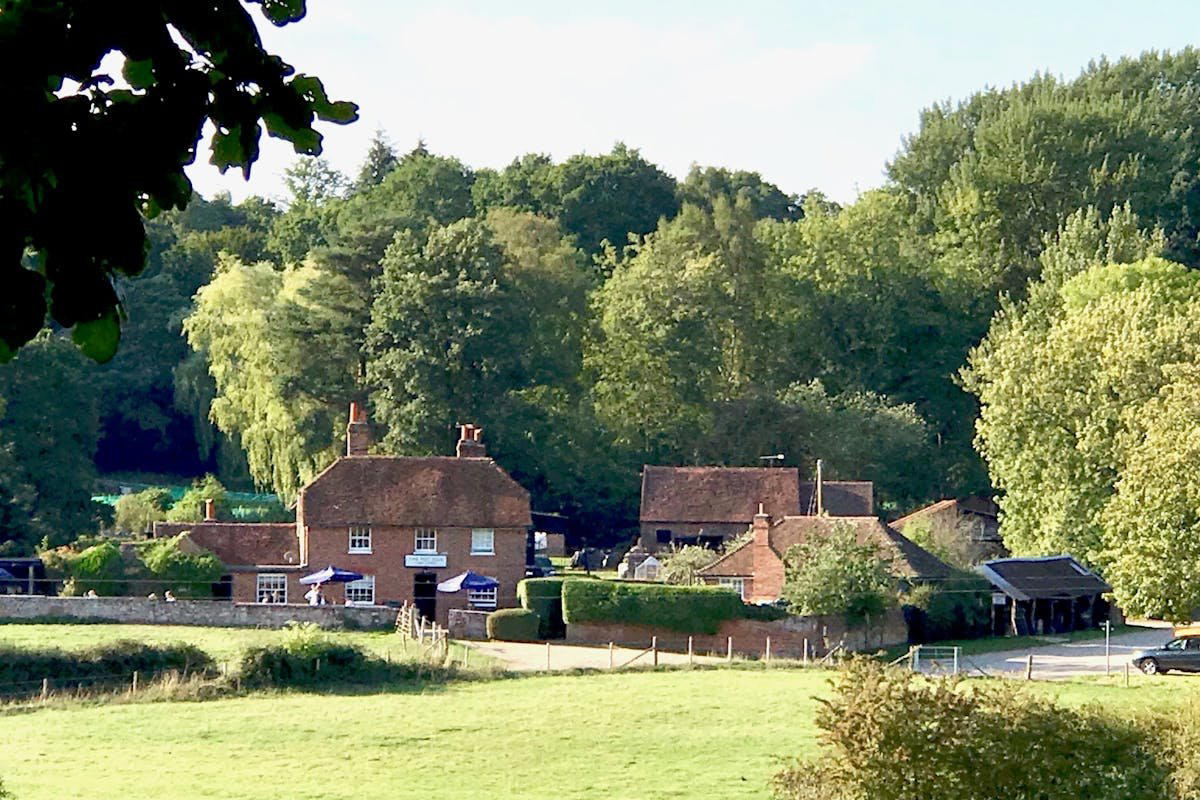
Where the Land Sets the Menu
The Berkshire countryside between the North Wessex Downs and the Kennet valley has never developed the kind of restaurant density that draws comparison to, say, the Thames-side corridor running through Bray and Marlow. That relative quietness is partly what makes Pot Kiln, on a lane through Frilsham, worth understanding on its own terms. Rural British pubs with genuine kitchen ambition occupy a narrow category: they are neither gastropub-by-formula nor destination restaurant in the tasting-menu sense, but something older and arguably more honest — places where the sourcing logic is geographic before it is philosophical.
That sourcing-first model defines what Pot Kiln represents within the wider pattern of British country cooking. At a time when restaurants in city centres and market towns regularly cite farm names on menus as a branding signal, a pub in genuine countryside proximity to its ingredients operates differently. The question is not which farm to name-check, but what the surrounding land and season are producing this week. Game from the local shoots, fish from nearby rivers, foraged material from the woods and hedgerows that bound this part of Berkshire: these are not marketing categories at a place like Pot Kiln, they are scheduling constraints. The menu follows availability rather than the other way around.
For context on how this positions Pot Kiln within British dining, consider the spectrum. At one end sit destination restaurants with fixed tasting formats and extended booking windows — places like L'Enclume in Cartmel or Moor Hall in Aughton, where the kitchen's relationship with its land is expressed through multi-course precision. At the other end, the traditional English pub functions as a social space first, with food as secondary. Pot Kiln sits somewhere between those poles, closer in spirit to The Hand and Flowers in Marlow than to a London fine-dining room, though operating in a register that is more deliberately rural and less event-driven than either.
The Frilsham Setting and What It Demands
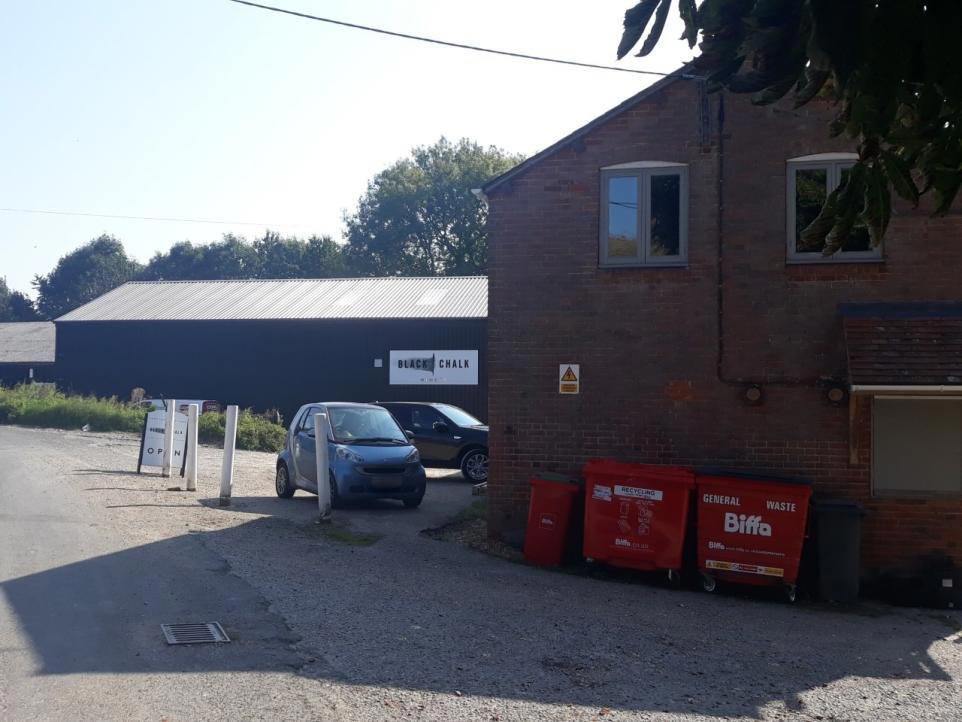
Arriving at Pot Kiln via Chapel Lane gives you a clear sense of what kind of operation this is before you reach the door. The lane is narrow, the approach unhurried, the building itself carrying the functional character of a working rural pub rather than the groomed aesthetic of a boutique property. That physical context is not incidental, it establishes a contract with the diner. You are not in the Cotswolds, where heritage stone villages have been extensively aestheticised for the visitor economy. This is working Berkshire countryside, and the kitchen's relationship with the surrounding land is direct and practical.
The game shooting seasons that structure much of rural Berkshire's calendar translate into the kind of kitchen rhythm that determines what appears on the menu at Pot Kiln. Pheasant, partridge, venison, and woodcock are not exotic inclusions here; they are seasonal staples that arrive from shoots within a radius that a London restaurant would describe as hyper-local. The same logic applies to freshwater fish, the chalk streams and rivers of this part of southern England support brown trout and other species, and a kitchen this close to those waterways is in a position to source accordingly. For those exploring the broader food and drink offer across this corner of Berkshire, our full Yattendon restaurants guide, bars guide, and experiences guide provide further context.
British Country Cooking and Its Current Moment
The broader tradition Pot Kiln sits within is worth placing historically. British country cooking had a long period of relative neglect during the decades when the dominant aspiration in serious British kitchens was French classical technique or, later, modernist innovation. The rehabilitation of native ingredients, particularly game, offal, and foraged produce, as subjects of genuine culinary attention rather than rustic fallback accelerated during the 2000s and 2010s. Restaurants like Gidleigh Park in Chagford and Le Manoir aux Quat' Saisons in Great Milton helped establish that rural England could sustain serious dining, though both operate in a country-house hotel format that Pot Kiln does not share.
What distinguishes the pub-with-serious-kitchen format is that it preserves the social function of the building. A tasting menu restaurant asks you to surrender your evening to a fixed sequence; a pub asks nothing of the kind. You can arrive for a single dish or stay for the afternoon. That flexibility has become more valued, not less, as the formality of destination dining has cycled back into fashion among certain audiences while others have moved in the opposite direction. The question Pot Kiln answers is whether serious sourcing and real cooking can coexist with the informal register of a country pub, and its continued presence in Frilsham suggests the answer is yes.
For reference points elsewhere in the broader southern England and UK dining picture, Hide and Fox in Saltwood and Midsummer House in Cambridge represent the more formal end of regional British cooking, while city-based operations like Opheem in Birmingham show how ingredient-led thinking has migrated into urban formats. Internationally, the sourcing discipline that defines places like Pot Kiln has clear parallels in restaurants like Le Bernardin in New York City and Atomix, where proximity to supply chains shapes kitchen identity at an entirely different price tier. The principle transfers; the register does not.
Planning Your Visit
Pot Kiln is located on Chapel Lane, Frilsham, near Thatcham in Berkshire (RG18 0XX), which places it within reasonable driving distance of Reading, Newbury, and the M4 corridor. The address is rural enough that a car is the practical choice for most visitors, this is not a destination served by meaningful public transport connections. Weekends draw a mixed crowd of locals and those arriving from further afield, and booking ahead is the sensible approach, particularly for tables of four or more. Our Yattendon hotels guide and wineries guide are useful if you are building a longer itinerary around this part of Berkshire.
Frequently asked questions
Is Pot Kiln good for families?
The pub format and rural setting on Chapel Lane, Frilsham make it a workable choice for families. The caveat is the kitchen's game-forward identity: menus built around venison, pheasant, and foraged produce suit adults and older children more than narrow younger palates. It is countryside dining first, family-friendly second.
Is Pot Kiln better for a quiet night or a lively one?
Pot Kiln reads as a settled, quieter experience consistent with its Berkshire countryside location off a narrow lane in Frilsham. It occupies a different register from a city pub or gastropub with a bar crowd. Come expecting conversation-level noise and a slower pace rather than an energetic room.
Is Pot Kiln worth driving out from Reading specifically for the food?
For diners focused on game cooking and countryside sourcing, Pot Kiln in Frilsham is one of a small number of Berkshire venues where the kitchen's relationship with the surrounding land is genuinely operational rather than decorative. Reading sits within reasonable driving distance via the B4009 corridor, making it a credible destination lunch or dinner rather than a detour. The case for the drive is strongest between autumn and early spring when the game menu is at full depth.
What do regulars order at Pot Kiln?
The kitchen's identity is built around game and seasonal produce sourced from the surrounding area, so dishes involving venison, pheasant, or local fish are the most representative choices. Ordering outside that core at a pub where the sourcing radius defines the whole operation misses the point of the place.
Where exactly is Pot Kiln?
Pot Kiln is located at Chapel Ln, Frilsham, Thatcham RG18 0XX, United Kingdom, Yattendon.
How hard is it to get a table at Pot Kiln?
Difficulty scales with the day and season. Weekends during game season, roughly autumn through early spring, represent the tightest window given the pub's size and the draw of a menu aligned precisely to that period. Midweek visits outside peak season offer more flexibility, but advance booking is advisable regardless.
What's the standout thing about Pot Kiln?
The sourcing radius is the defining characteristic. At a pub this close to working Berkshire countryside near the North Wessex Downs, game, foraged produce, and local fish are not a marketing position but a practical supply chain. That proximity shapes the menu in ways a city restaurant cannot replicate regardless of budget.
In Context: Similar Options
| Venue | Cuisine | Price | Awards |
|---|---|---|---|
| Pot KilnThis venue — the venue you are viewing | Basque-Inspired British Gastropub | $30–50 | Not listed |
| The Ledbury | Modern European, Modern Cuisine | Not listed | Michelin 3 Star |
| Sketch, The Lecture Room and Library | Modern French | Not listed | Michelin 3 Star |
| CORE by Clare Smyth | Modern British | Not listed | Michelin 3 Star |
| Restaurant Gordon Ramsay | Contemporary European, French | Not listed | Michelin 3 Star |
| Dinner by Heston Blumenthal | Modern British, Traditional British | Not listed | Michelin 2 Star |
Continue exploring
More in Yattendon
Restaurants in Yattendon
Browse all →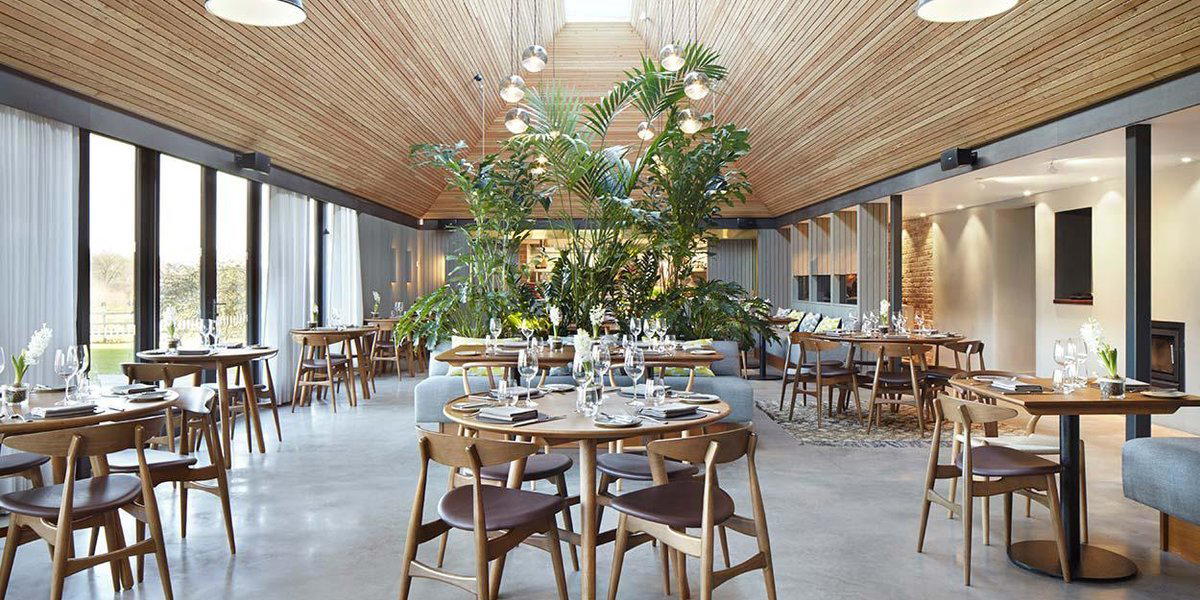
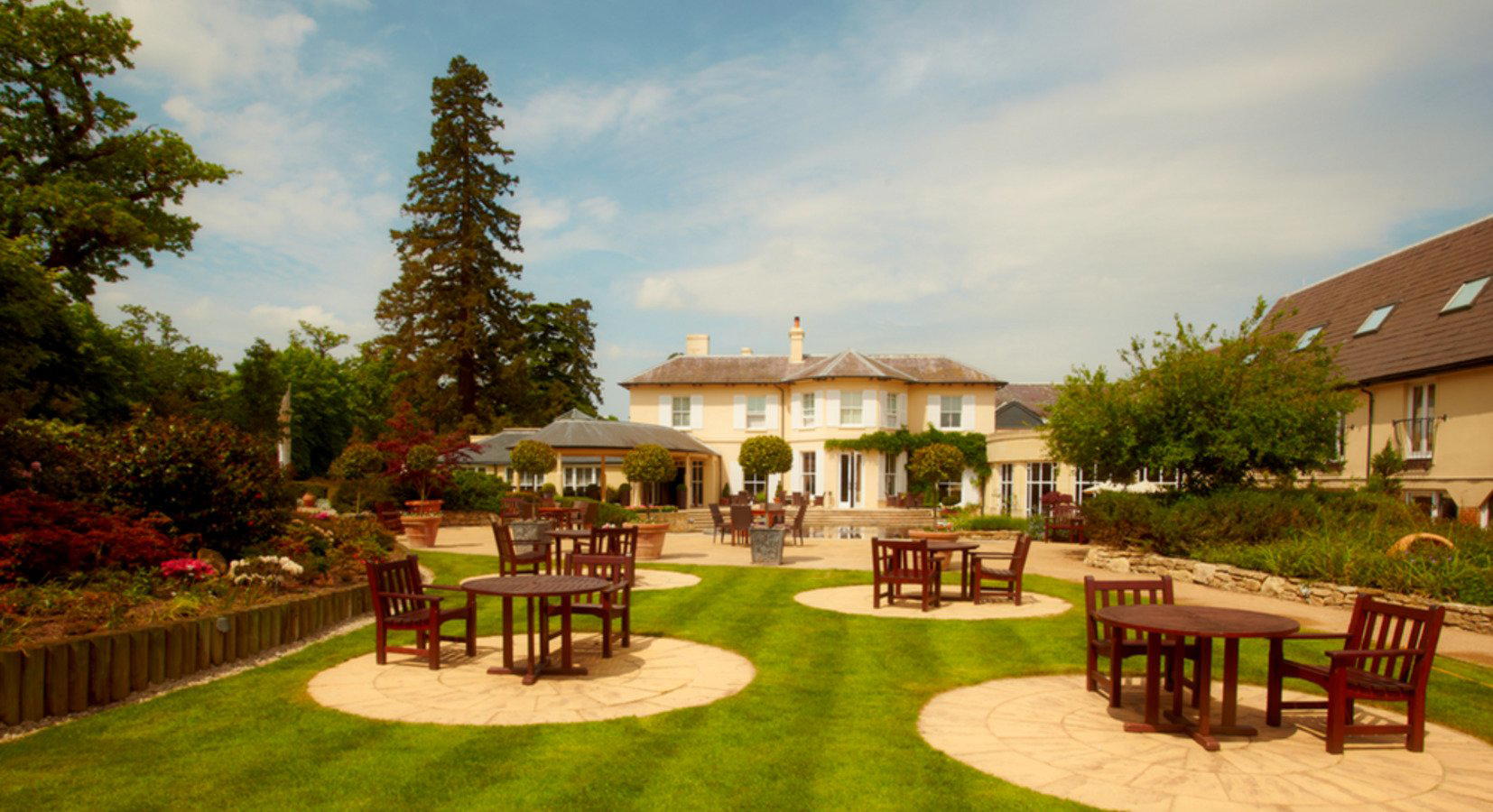
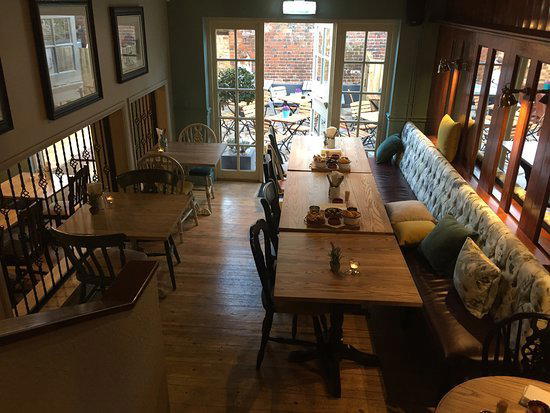
Bars in Yattendon
Browse all →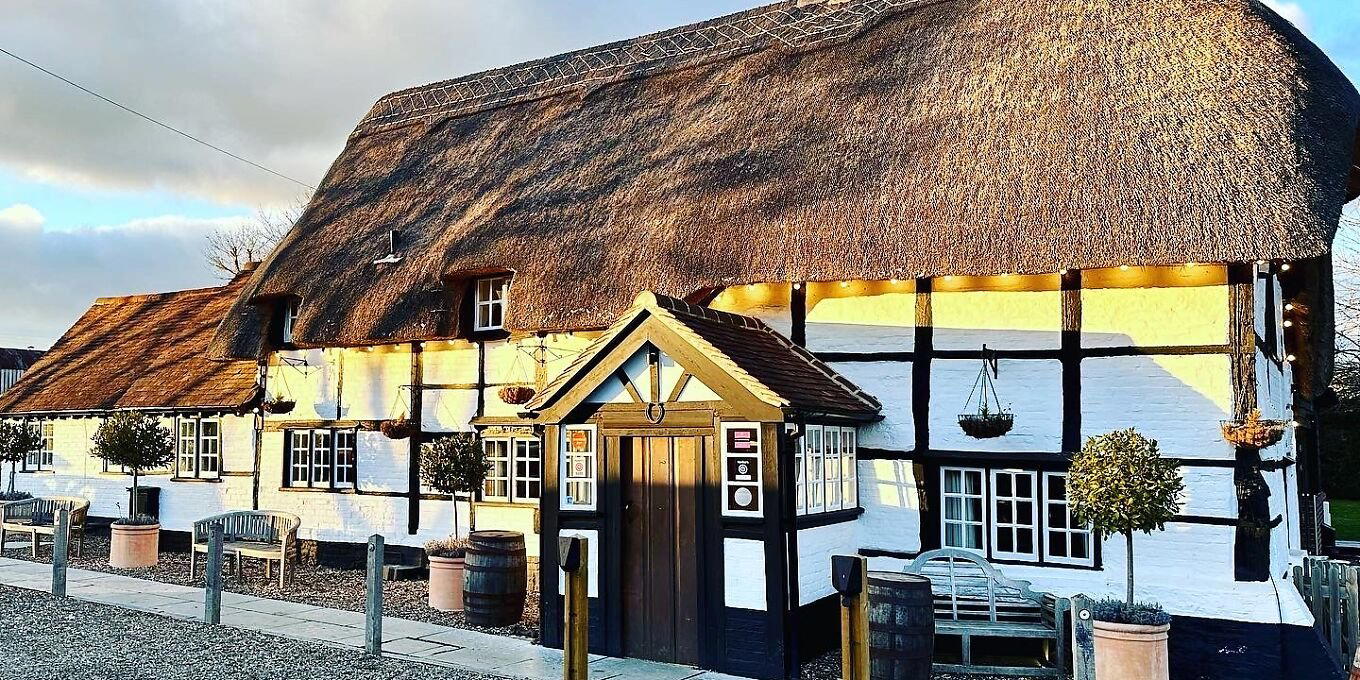
Hotels in Yattendon
Browse all →

Details
- Rustic
- Cozy
- Scenic
- Casual Hangout
- Date Night
- Group Dining
- Garden
- Standalone
- Beer Program
- Farm To Table
- Local Sourcing
- Garden
- A La Carte
- Local Beers
- Gin
- Cider
- Wine
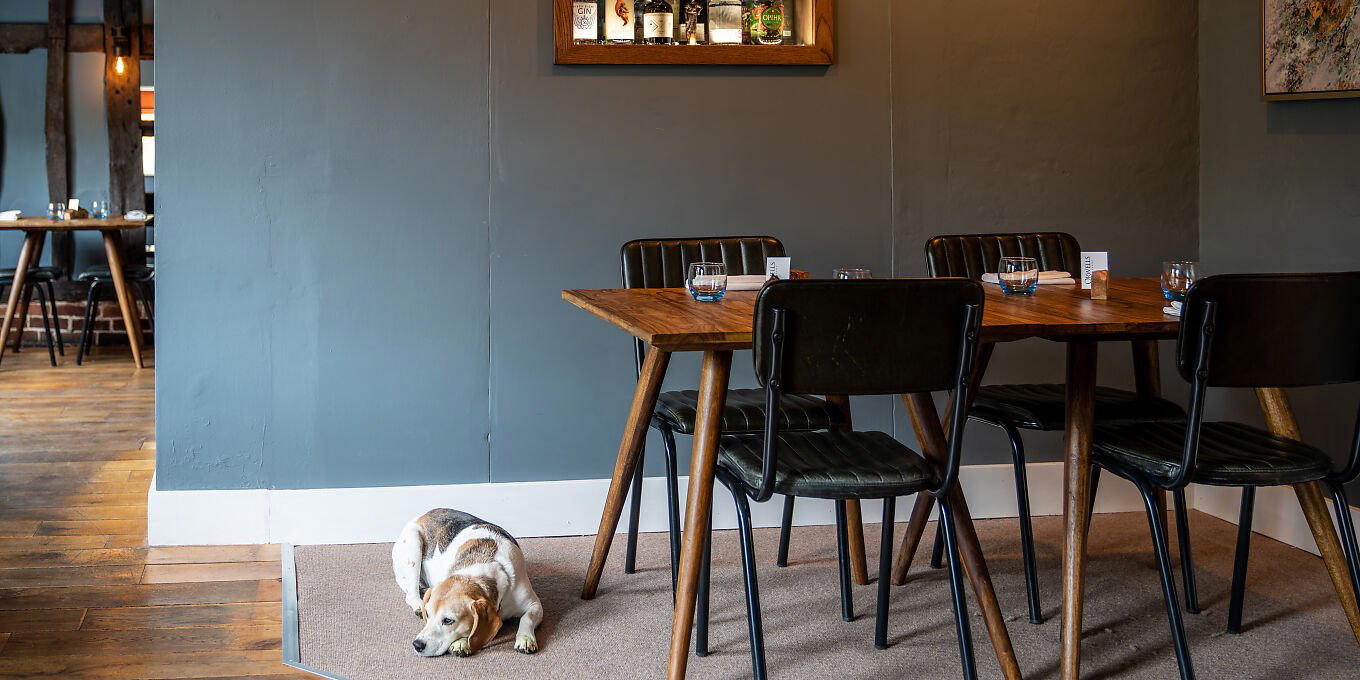
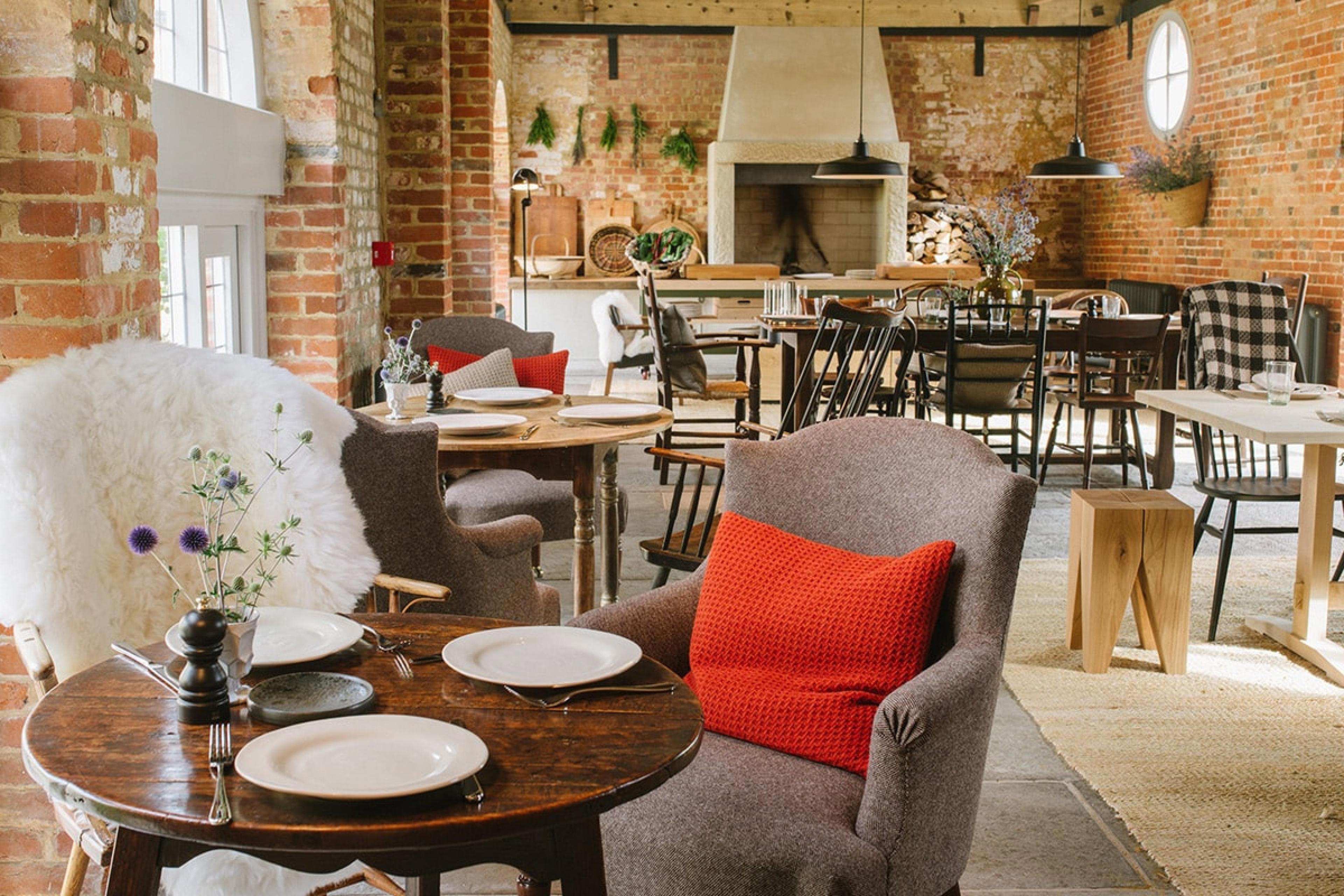
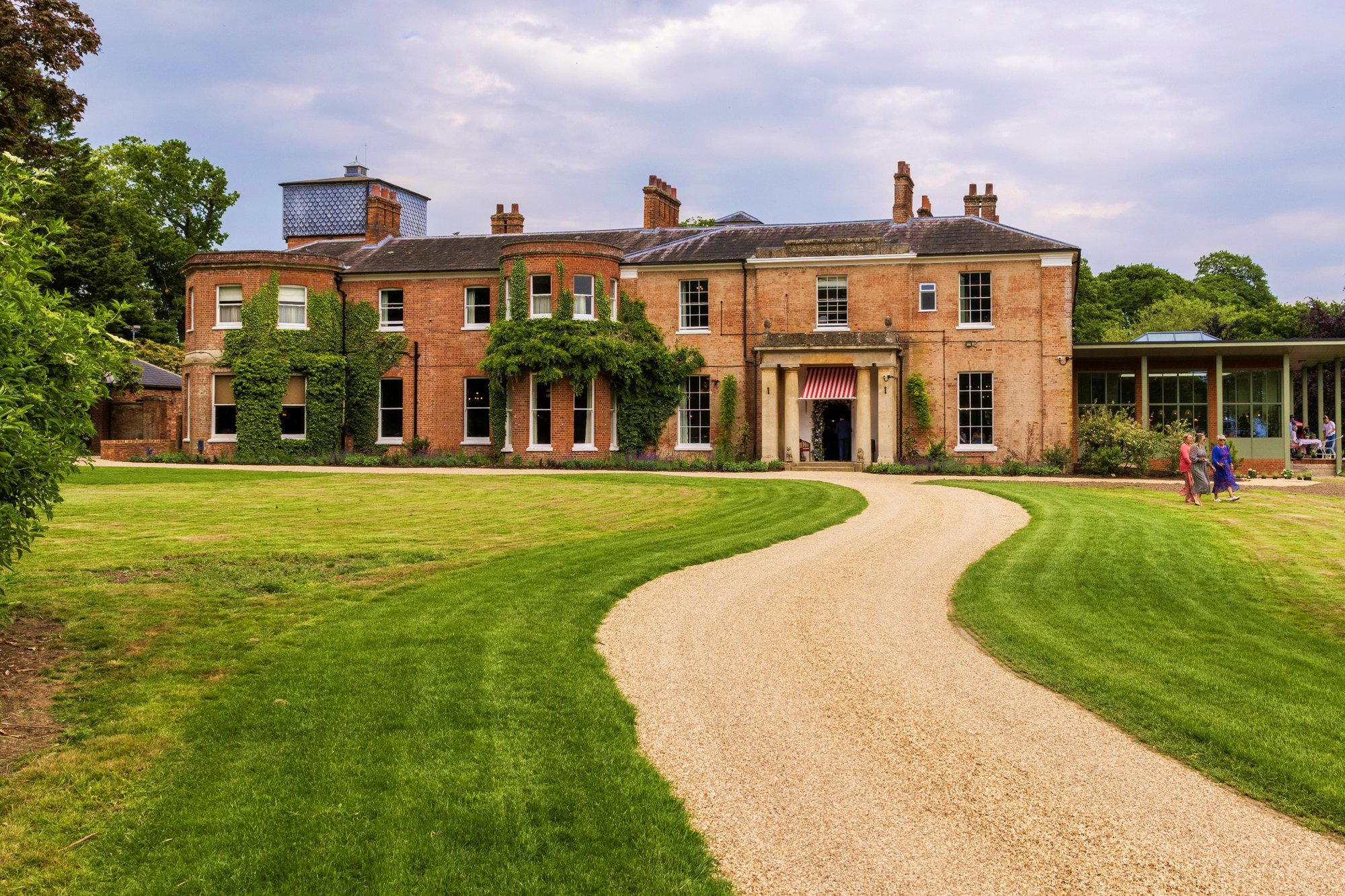
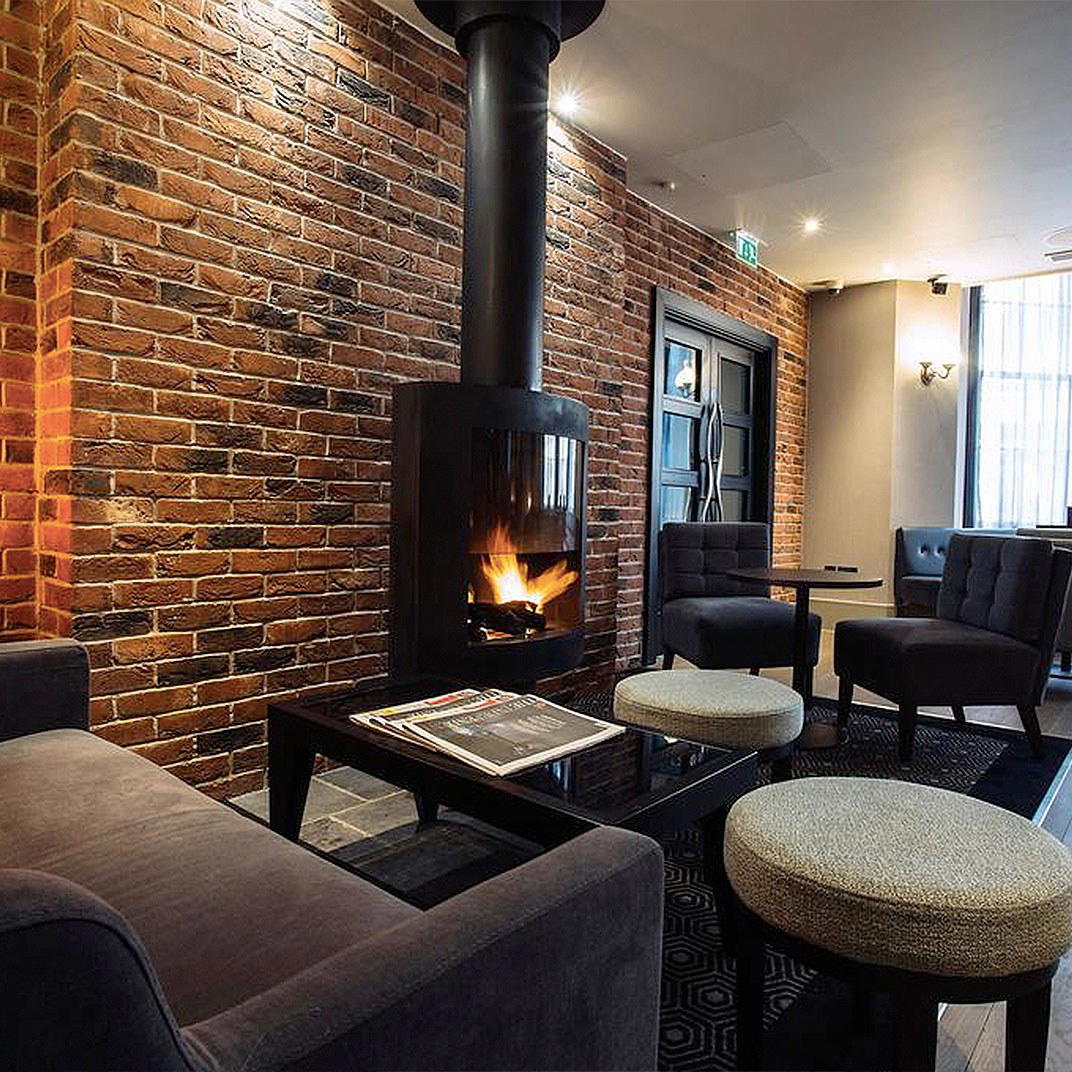
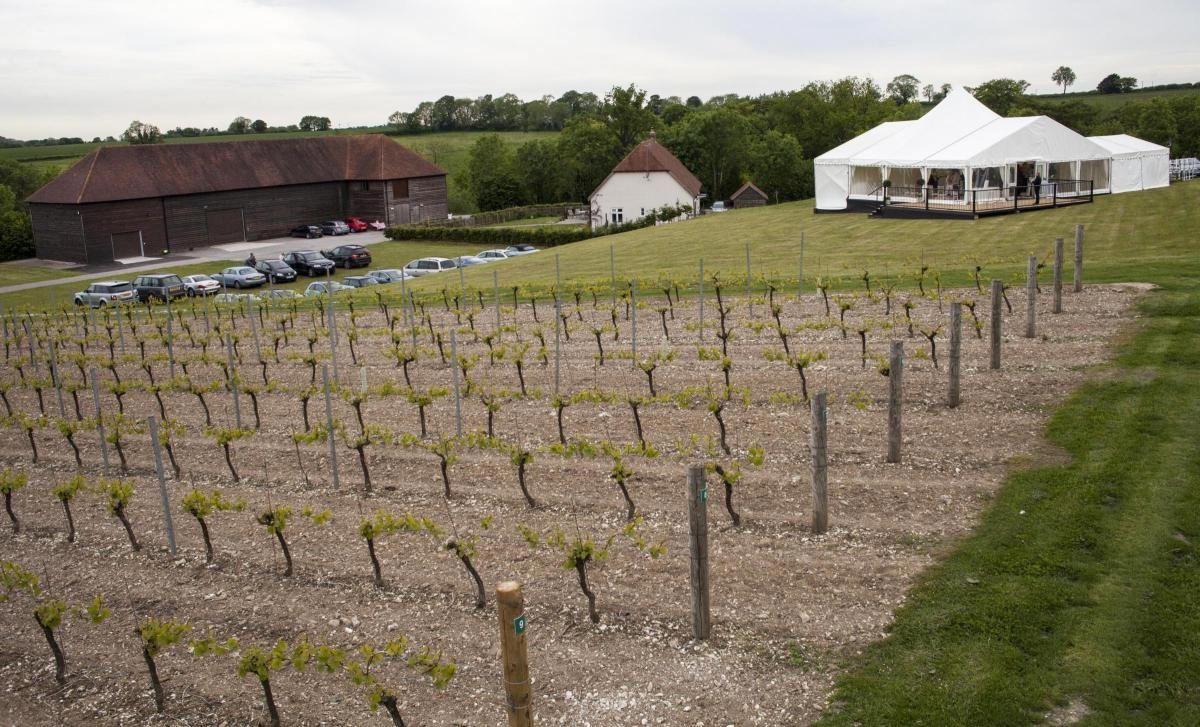
Rustic country-pub atmosphere with a comfortable, fireside feel and a scenic garden setting.