Root Bath

SquareMeal UK Top 100 Restaurants #64
Our verdict
Root Bath gives Somerset’s produce-led dining a brighter, vegetable-centred register: charred brassicas, pickles and braised greens rather than the usual meat-first rural shorthand. Its appeal is the way West Country ingredients are treated as the main event, with the spacious Bath setting making the format feel relaxed rather than doctrinaire.

Pearl is the En Primeur Club membership app, where members save venues, book tables and use the concierge.
The menu
What to order
- Seasonal vegetable-led small plates
- Celeriac pastrami
- Leek mayonnaise with house-made focaccia
- Smoked chicken breast with honey mustard slaw
- Whole grilled Cornish plaice with warm tartare
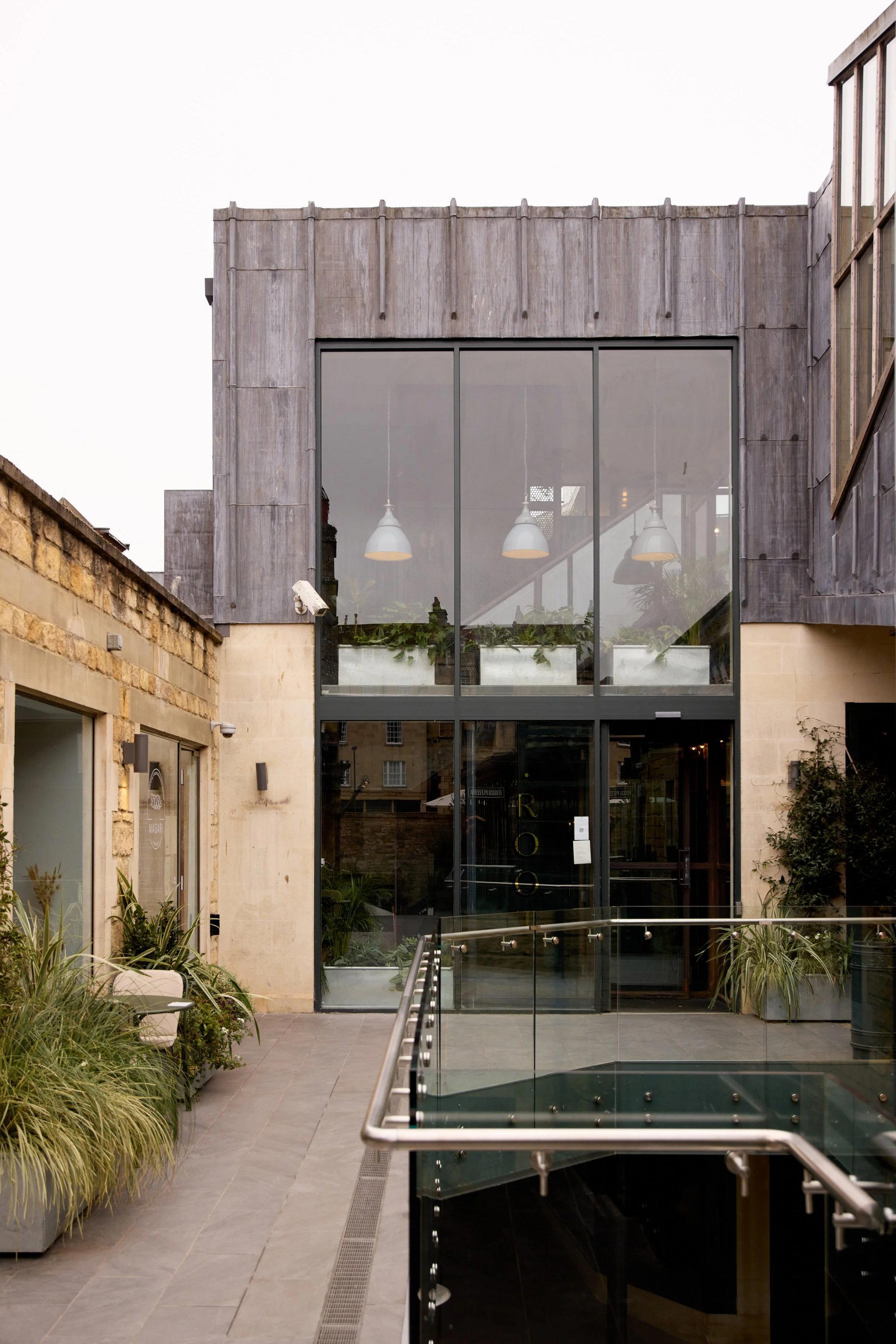
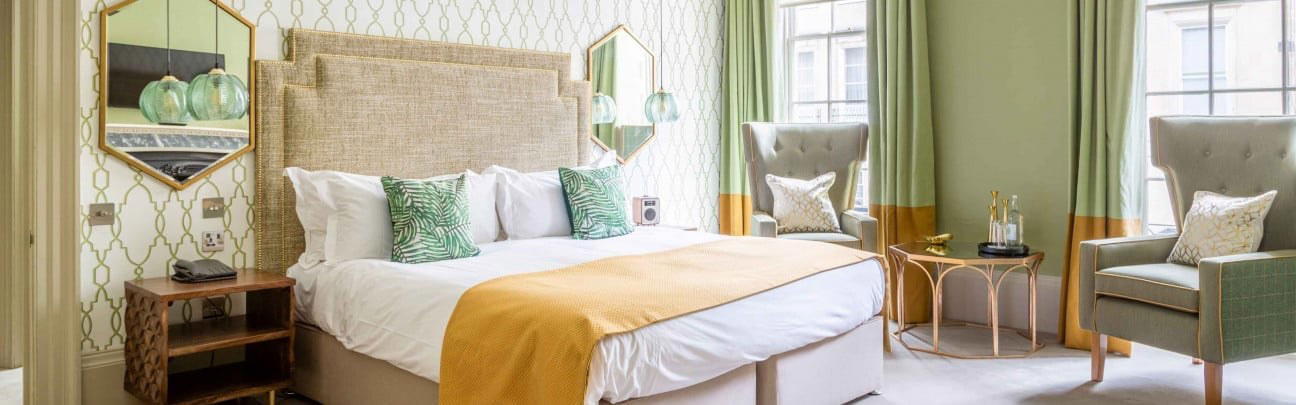
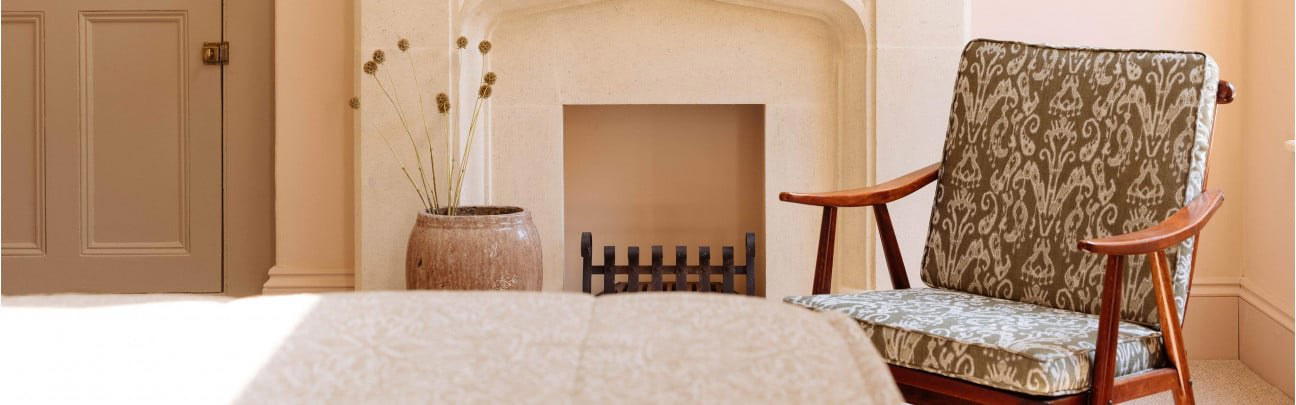
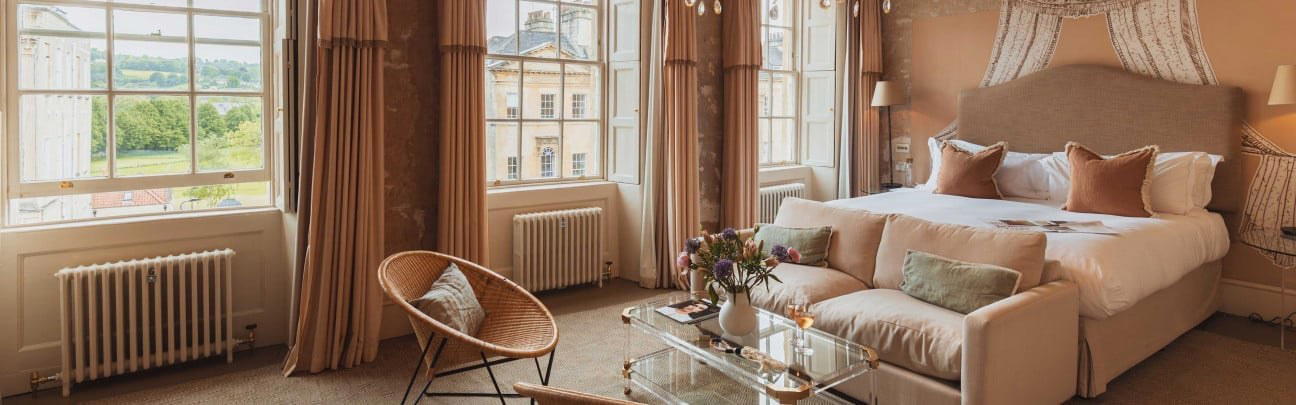
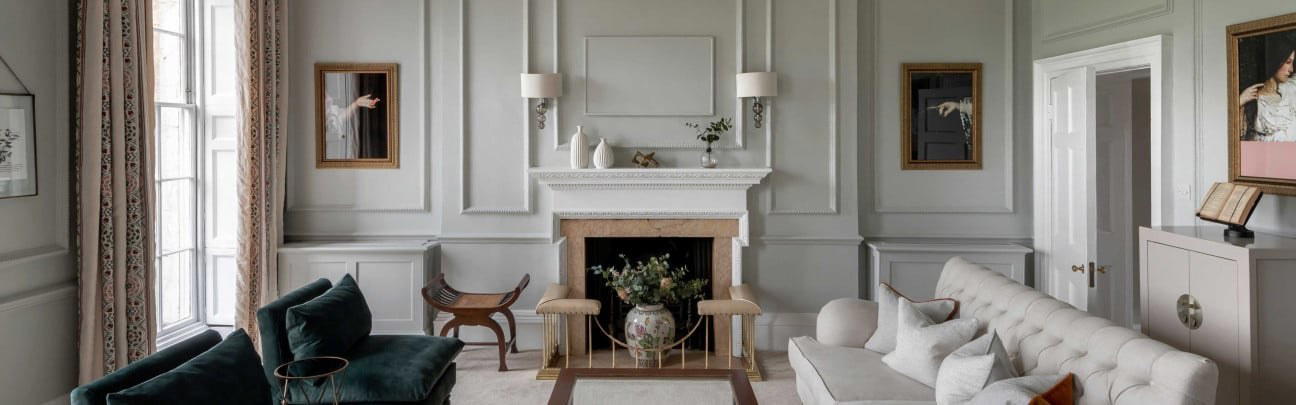
Step inside and the first impression is colour, not ceremony: Root Bath’s appeal sits in a bright, produce-minded visual language rather than in heavy formality. Somerset dining often swings between heritage polish and weekend comfort, but this room pushes the county toward a lighter vocabulary, where the table can feel seasonal, relaxed and ingredient-led without needing to announce itself too loudly.
That distinction matters in Somerset. The county has farms, dairies, orchards and market-garden supply for restaurants that want to cook from what is around them, yet plenty of dining still translates that abundance through familiar comfort or special-occasion formality. Root Bath occupies another lane: produce-led and casual enough to avoid the severity that can make a focused restaurant feel like a manifesto. The shorthand is simple: let the ingredients carry the conversation, with texture, acidity and depth doing the work that richness performs elsewhere.
Vegetables take the centre of the plate in Somerset's West Country dining shift
British produce cooking has changed because better kitchens stopped treating seasonality as a garnish line. The work now happens in texture and contrast: brightness against depth, freshness against warmth, and careful seasoning against natural sweetness. Root Bath fits that shift. Its public profile is built around a produce-led identity, placing it closer to the contemporary market-table movement than to older, more restrictive restaurant codes.
The Somerset context sharpens the point. This is a county with strong visitor traffic, lunch demand and an audience that often wants something more relaxed than formal fine dining without giving up ingredient seriousness. Nearby Upstairs at Landrace gives Somerset another ingredient-conscious reference point, but Root Bath’s identity is more openly centred on produce. That helps travellers plan by mood rather than prestige: one meal can lean bakery-and-dining-room, another can put the field at the centre.
The comparison set around Somerset also shows Root Bath’s traction. Robun, Beckford Canteen, Emberwood and La Terra each give diners a different way into the local restaurant scene, while other Somerset dining rooms trade on neighbourhood ease or contemporary casualness. Root Bath’s lane is narrower and clearer: a colourful, produce-led West Country kitchen broad enough for mixed groups, not just diners already committed to one style of eating.
The produce-led format works because it avoids austerity
Produce-led restaurants fail when they ask diners to admire restraint for its own sake. The stronger version gives seasonal ingredients the treatment usually reserved for centrepiece cooking: careful heat, contrast, seasoning and confident serving. Root Bath follows that model in spirit. The point is not to lecture diners about virtue, but to make a meal feel generous, bright and satisfying through craft rather than weight.
For Somerset, that approach feels credible. The county’s food identity is often simplified into a few rural clichés, but its produce base is broader than the postcard version suggests. A restaurant foregrounding seasonal ingredients gives visitors a cleaner reading of the region: less pastoral shorthand, more actual supply chain. The ingredient-sourcing angle is not decorative here; it gives the format substance.
The Somerset setting also changes how the idea lands. Small, tightly focused rooms can feel specialist, even exclusionary. A more open, relaxed version makes the cooking read as everyday dining rather than niche dining, smart in a county where groups often include different appetites, different levels of formality and diners who simply want a lighter meal. The colourful character reinforces the food without turning the experience into theatre.
For trip planning, Root Bath sits within a useful Somerset circuit rather than as an isolated stop. Travellers building a food-led weekend can pair it with our full Somerset restaurants guide, then map the stay through our full Somerset hotels guide, our full Somerset bars guide, our full Somerset wineries guide and our full Somerset experiences guide. Somerset rewards visitors who plan meals by pace and produce season, not only trophy reservations.
How to place it against Britain's regional dining map
Across the United Kingdom, regional dining is moving in several directions. Destination tasting rooms still pull attention, city restaurants are sharper, and casual dining rooms are absorbing techniques once tied to higher formality. Root Bath belongs to the third movement. It does not need to mimic a grand country-house restaurant; it uses produce-led cooking to make Somerset feel current without losing the relaxed tempo visitors expect.
That makes it useful alongside other regional reference points without needing to overstate the comparison. Across Britain, confident informal restaurants are being built for repeat local use as much as visitor interest, and the strongest of them tend to have a clear idea rather than a menu that tries to please everyone. In that company, Root Bath reads as Somerset-specific because its identity comes through produce and the region’s growing-season logic.
Other comparisons underline the spread of contemporary formats: some regional restaurants lean on destination settings, some on a highly authored dining-room mode, and others on the energy of casual service. Even beyond Somerset, the larger trend is clear: diners increasingly understand restaurants by a disciplined idea, not by a long menu trying to cover every possibility. Root Bath sits neatly within that pattern because its editorial hook is focused, legible and easy for travellers to place.
The editorial case for Root Bath is not that Somerset needed another attractive dining room. It is that local produce gains force when a kitchen lets ingredients carry colour, contrast, softness and depth with the confidence usually given to centrepiece proteins. Root Bath is also recognised beyond the county through inclusion in the SquareMeal UK Top 100 Restaurants 2026. For travellers, that makes it a smart counterweight to heavier West Country eating and a clear expression of where casual British restaurant cooking has been heading.
Frequently asked questions
Is Root Bath a family-friendly restaurant?
Root Bath can suit families looking for a relaxed Somerset meal, though opening times, menus and practical details should be checked directly before visiting.
What's the vibe at Root Bath?
Expect a colourful, produce-led room in Somerset, with an emphasis on ingredients rather than heavy formality. The tone is relaxed, contemporary and useful for diners who want a lighter West Country meal.
What distinctions does Root Bath have?
Root Bath has received recognition through inclusion in the SquareMeal UK Top 100 Restaurants 2026.
What are the opening hours for Root Bath?
Check Root Bath directly for current opening hours before planning a visit, as service times can change.
Where do I go for Root Bath?
Somerset.
What makes Root Bath worth seeking out?
Root Bath is a clear choice for diners who want produce-led cooking treated as the main event, not a side note. It is presented as a Somerset restaurant with a focused, contemporary identity.
What if I have allergies at Root Bath?
If allergies are a concern, raise them before ordering at Root Bath, ideally when planning your visit. The menu is produce-led, so ingredient details matter and should be confirmed directly with the restaurant.
Comparable Spots, Quickly
Comparable venues by cuisine and price in the same metro.
| Venue | Cuisine | Price | Awards | Notes |
|---|---|---|---|---|
| Root BathThis venue (the venue you are viewing) | Modern veg-led British small plates | $30–50 | SquareMeal UK Top 100 Restaurants #64 | Not listed |
| La Terra | Modern Italian | $50–100 | Not listed | Not listed |
| Robun | Modern Japanese Robata Grill | $50–100 | Michelin Plate | Japanese |
| Beckford Canteen | Modern British | $50–100 | Michelin Plate | Not listed |
| Emberwood | Modern British Brasserie | $50–100 | Michelin Plate | Not listed |
| Upstairs at Landrace | Modern British Gastropub | $30–50 | Michelin Plate · SquareMeal UK Top 100 Restaurants #15 | Not listed |
Recognition history
Dated appearances from independent guides and award organizations, with the underlying list record or original source where available.
SquareMeal UK Top 100 Restaurants #64
SquareMeal
Continue exploring
More in Bath
Restaurants in Bath
All restaurants in Bath →
Bars in Bath
All bars in Bath →

Details
- Modern
- Cozy
- Intimate
- Lively
- Trendy
- Scenic
- Date Night
- Casual Hangout
- Group Dining
- Family
- Special Occasion
- Private Event
- Rooftop
- Terrace
- Historic Building
- Design Destination
- Standalone
- Private Dining
- Craft Cocktails
- Extensive Wine List
- Zero Proof
- Farm To Table
- Local Sourcing
- Sustainable Seafood
- Street Scene
- Small Plates
- A La Carte
- Counter Dining
- Set Menu
- Wine
- Cocktails
- Non Alcoholic
- Vegetarian Friendly
- Vegan Options
- Pescatarian Friendly
- Allergy Accommodating
Current opening hours
- Monday
- 12–2:30 PM, 5:30–11 PM
- Tuesday
- 12–2:30 PM, 5:30–11 PM
- Wednesday
- 12–2:30 PM, 5:30–11 PM
- Thursday
- 12–2:30 PM, 5:30–11 PM
- Friday
- 12–2:30 PM, 5:30–11 PM
- Saturday
- 12–3 PM, 5:30–11 PM
- Sunday
- 12–4 PM
Hours can change for holidays and private events. Hours as of .
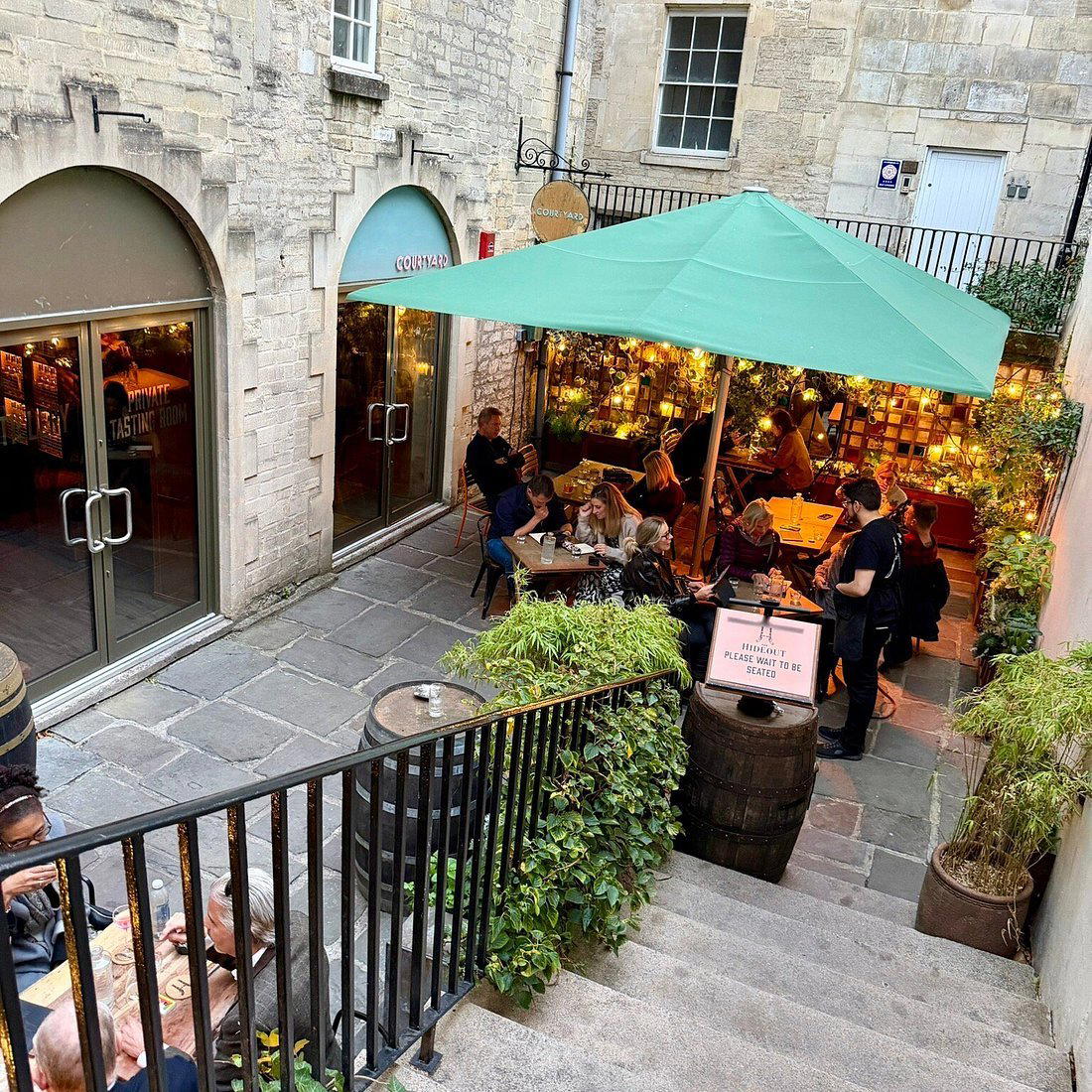
Clean and contemporary design in a beautifully restored historic yard, combining warm woods, natural light and intimate bar seating with a brighter upstairs space and a relaxed, welcoming feel.