The Swamp Fox Restaurant
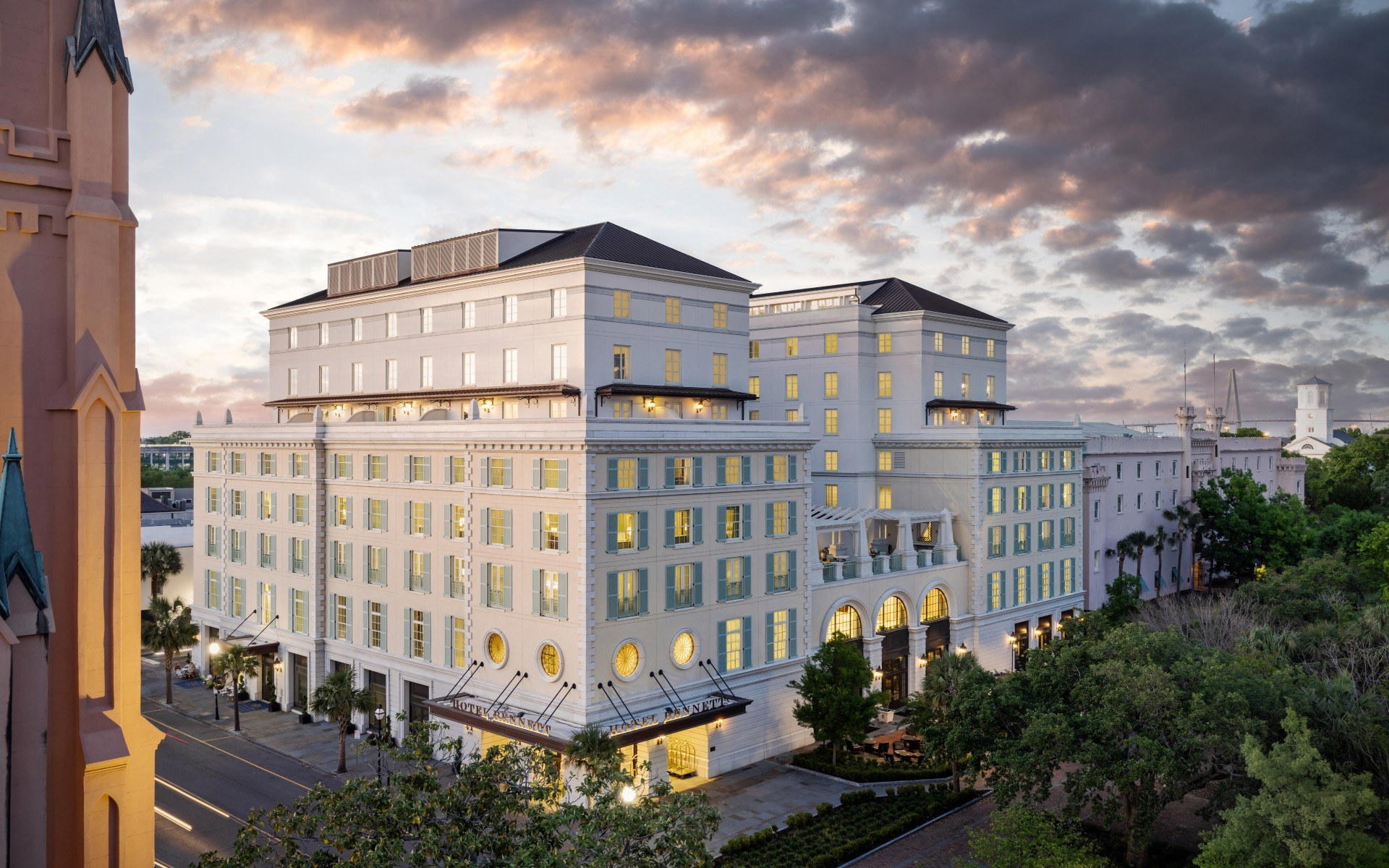
The Swamp Fox Restaurant operates inside the Francis Marion Hotel on King Street, one of Charleston's most storied addresses. The setting anchors the restaurant in the city's Lowcountry dining tradition, where hotel dining rooms once functioned as the social centers of the upper peninsula. Its position within a landmark property places it alongside Charleston's broader conversation about where history and contemporary Southern cooking meet.
Pearl is the En Primeur Club membership app — saves, bookings, and concierge access live there. Same editors, same standards.
- Address
- Francis Marion Hotel, 387 King St, Charleston, SC 29403
- Phone
- +18437248888
- Website
- francismarionhotel.com
- Directions
- Get directions
 Saves & bookings on Pearl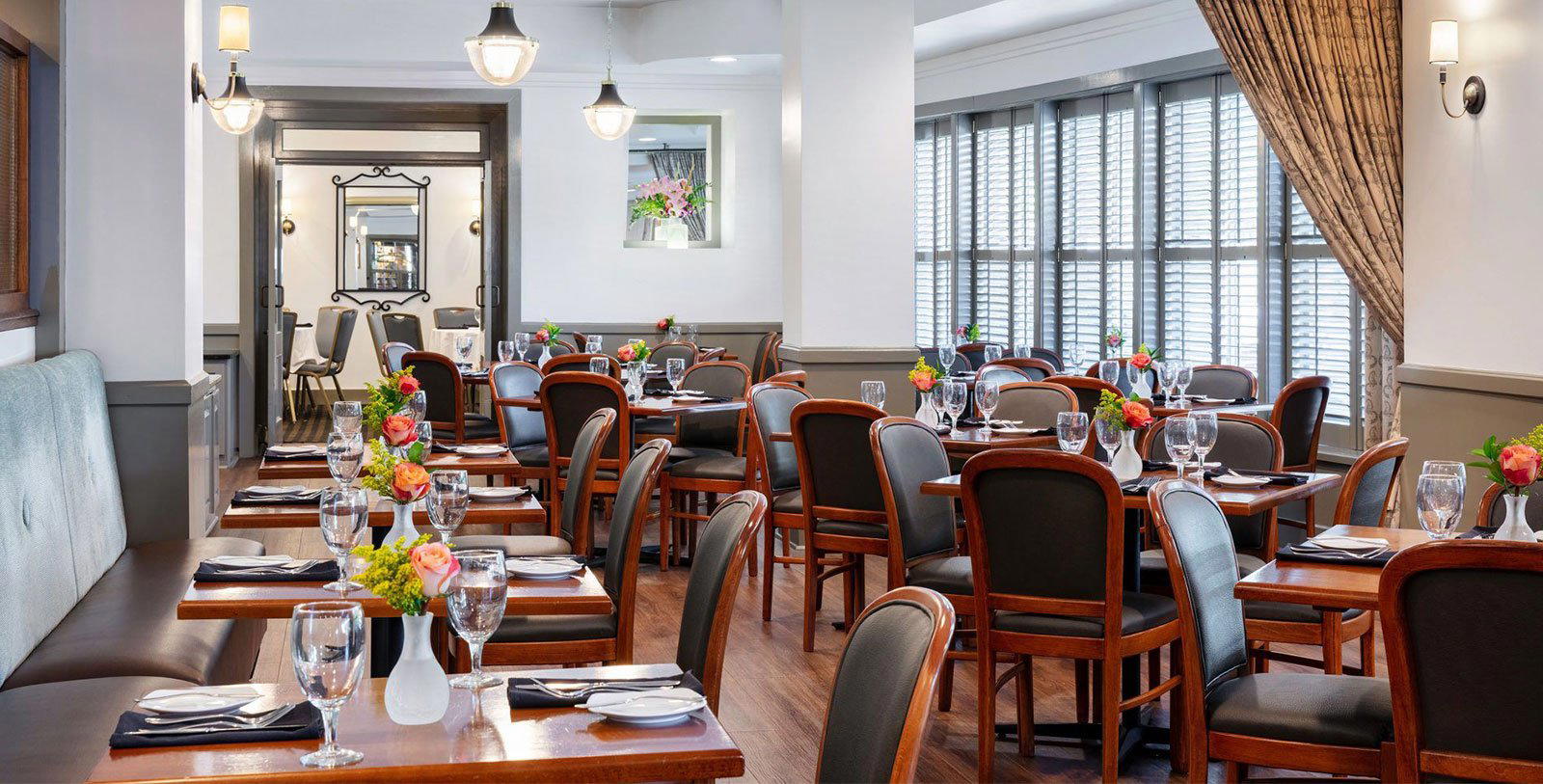
King Street's Grand Hotel Tradition and What It Means for the Table
Hotel dining rooms in the American South carry a different cultural weight than their urban counterparts in New York or San Francisco. In cities like Charleston, they were not simply places to eat while traveling, they were where civic life happened, where deals were made over long lunches and where a city's social codes were quietly enforced. The Francis Marion Hotel, which opened in 1924 on King Street and was named for the Revolutionary War general who gave this restaurant its name, belongs precisely to that tradition. Arriving on the corner of King and Calhoun, you are stepping into a building that has functioned as a social anchor for the upper peninsula for a century. The Swamp Fox Restaurant, occupying the hotel's ground-floor dining space at 387 King St, inherits that positioning whether it courts it or not.
That inheritance matters in Charleston more than it might elsewhere. The city's dining culture has always operated on layers, the grand hotel room, the church-supper tradition, the Gullah Geechee kitchen, the French-influenced plantation table, and particularly interesting contemporary restaurants here are those that acknowledge rather than erase those layers.
Lowcountry Cooking and the Weight of Place
Charleston sits at the intersection of several distinct American food traditions, and the Lowcountry identity is the thread that runs through all of them. The cuisine draws on West African culinary techniques brought by enslaved people, the use of rice as a foundational grain, the long-simmered one-pot dishes, the particular approach to seafood that treats the ingredient with minimal interference. It was shaped by proximity to the coast, by the rhythms of shrimping and oystering, and by an agricultural calendar that still influences what appears on menus in autumn and spring.
A restaurant operating under the Swamp Fox name carries a specific obligation to that tradition. Francis Marion himself was a product of the Carolina Lowcountry, a guerrilla commander who used the swamps and marshes of the coastal plain as operational terrain. The name is not decorative, it roots the restaurant in a particular geography and a particular history. Compelling hotel dining rooms in the American South have understood that their address is also their editorial statement. Husk, a few blocks away, built an entire identity around Southern ingredient sourcing. Rodney Scott's BBQ treats its culinary lineage as the main event rather than the backdrop. These are the restaurants that Charleston's dining conversation tends to orbit.
The King Street Context
King Street itself is a useful frame for understanding where The Swamp Fox sits competitively. The street runs the length of the peninsula and segments into distinct characters as it moves south toward the Battery. The upper stretch near the Francis Marion is denser, more mixed-use, less tourist-curated than the lower blocks. A hotel restaurant in this position serves a different mix of guests than one at the tip of the peninsula: business travelers, long-stay guests, locals drawn by the address rather than by destination dining. That is a different brief from a chef-driven independent, and it produces a different kind of room.
Nearby, the Charleston dining scene has moved decisively toward high-precision independent formats. Vern's represents the contemporary American approach at the mid-to-upper price tier. Lowland occupies the modern Southern space with considerable ambition. Malagón Mercado y Taperia brings a Spanish small-plates format that has found an audience in the city's expanding international dining conversation. 1010 Bridge adds further range to the upper peninsula's offer. Against these independents, a hotel dining room must work harder to hold attention.
What a Grand Hotel Dining Room Does Well
There is a tendency in food writing to dismiss hotel restaurants as compromised by their institutional obligations. That misreads what they offer. The grand hotel dining room format, when it is executed with care, provides something the independent restaurant rarely can: a room scaled for occasion, staffed for service depth, and capable of absorbing the full range of a guest's needs from breakfast through late evening. The public spaces of the Francis Marion are built to that scale, high ceilings, a ballroom-era footprint, the kind of architectural bones that smaller modern restaurants cannot replicate.
Hotel dining can work when the room matches the building and the service.8 1/2 Otto e Mezzo Bombana in Hong Kong to Le Bernardin in New York City. Domestically, properties like The Inn at Little Washington have demonstrated that a hotel address can anchor a flagship dining experience rather than dilute it. Closer to Charleston's peer group, Emeril's in New Orleans shows how a Southern city's dining identity can be expressed through a larger-format room without losing specificity. The question for any hotel dining room is whether it has the culinary program to match its architectural ambition.
Planning Your Visit
The Francis Marion Hotel sits at the northern end of the main King Street retail and dining corridor, within walking distance of Marion Square and the upper-peninsula neighborhood of Cannonborough-Elliotborough. For visitors staying in the hotel, the restaurant is one immediate dining option and serves a guest mix that spans leisure travelers, conference groups, and locals with a connection to the property. Charleston's peak tourism season runs from March through June and again in September and October, when the weather moderates and the city's event calendar fills; reservations during those windows, for any King Street address, are worth securing in advance. Visitors arriving in July and August will find higher heat and humidity.
Comparable Spots
Comparable venues nearby, for context on price, style, and recognition.
| Venue | Cuisine | Price | Notes |
|---|---|---|---|
| The Swamp Fox RestaurantThis venue — the venue you are viewing | Classic Southern Lowcountry | $$$ | Not listed |
| Cooper Coffee & Wine | Modern American Cafe & Wine Bar | $$$ | Downtown Charleston |
| Poogan's Porch | Classic Southern Lowcountry | $$ | historic district |
| Honeysuckle Rose | Seasonal Tasting Menu | $$$$ | North Central |
| Bessinger's | South Carolina Mustard BBQ | $$ | West Ashley |
| Edmund's Original (Formerly Edmund's Oast) | New American Brewpub | $$ | East Central |
Continue exploring
More in Charleston
Restaurants in Charleston
Browse all →
Bars in Charleston
Browse all →
At a Glance
- Classic
- Elegant
- Historic
- Business Dinner
- Special Occasion
- Brunch
- Live Music
- Historic Building
- Hotel Restaurant
- Private Dining
- Extensive Wine List
- Farm To Table
- Local Sourcing
- Street Scene
Current opening hours
- Monday
- 7–11 AM, 11:30 AM–10 PM
- Tuesday
- 7–11 AM, 11:30 AM–10 PM
- Wednesday
- 7–11 AM, 11:30 AM–10 PM
- Thursday
- 7–11 AM, 11:30 AM–10 PM
- Friday
- 7–11 AM, 11:30 AM–10 PM
- Saturday
- 7–11 AM, 11:30 AM–10 PM
- Sunday
- 7–11 AM, 11:30 AM–10 PM
Hours can change for holidays and private events. Last verified .
Casually elegant atmosphere with live jazz piano on select evenings.