The Silverspoon
Our verdict
On West Lancaster Avenue in Wayne, Pennsylvania, The Silverspoon occupies a stretch of the Main Line dining corridor where independent restaurants compete with established regional names. The address places it within walking distance of Wayne's compact downtown, in a neighbourhood that has become a consistent draw for Philadelphia-area diners looking beyond the city proper.

Pearl is the En Primeur Club membership app — saves, bookings, and concierge access live there. Same editors, same standards.
- Address
- 503 W Lancaster Ave, Wayne, PA 19087
- Phone
- (610) 688-7646
- Hours
- Mon ClosedTue–Fri 11 AM–3 PM, 5–9 PMSat 10 AM–3 PM, 5–9 PMSun 10 AM–3 PM, 4:30–7:30 PM
- Website
- silverspoonwayne.com
- Directions
- Get directions
- Booking
- Book on the venue's website
Where the Main Line Dining Scene Concentrates
Wayne, Pennsylvania sits roughly sixteen miles west of Philadelphia along the old Pennsylvania Railroad corridor, and its restaurant strip on West Lancaster Avenue reflects the particular character of that geography: prosperous, suburban in footprint but not in ambition, and increasingly serious about what it puts on the table. The Silverspoon, at 503 W Lancaster Ave, occupies a position on that avenue where the dining options have grown dense enough to require a point of view to stand apart. That density is the useful context here, because it explains what a room on this stretch has to do to hold attention across multiple visits.
The broader Main Line dining pattern has trended toward two poles in recent years: casual neighbourhood fixtures that trade on familiarity, and more deliberate dinner destinations that attract diners from across the Philadelphia suburbs. Restaurants like Autograph Brasserie and Estia Taverna have established that Wayne diners will commit to a full evening out rather than a quick meal. 118 North and Creed's Seafood & Steaks anchor different points on the spectrum between accessible and occasion-driven. The Silverspoon reads against that competitive set, which is the most honest way to assess what it offers.
The Atmosphere on West Lancaster
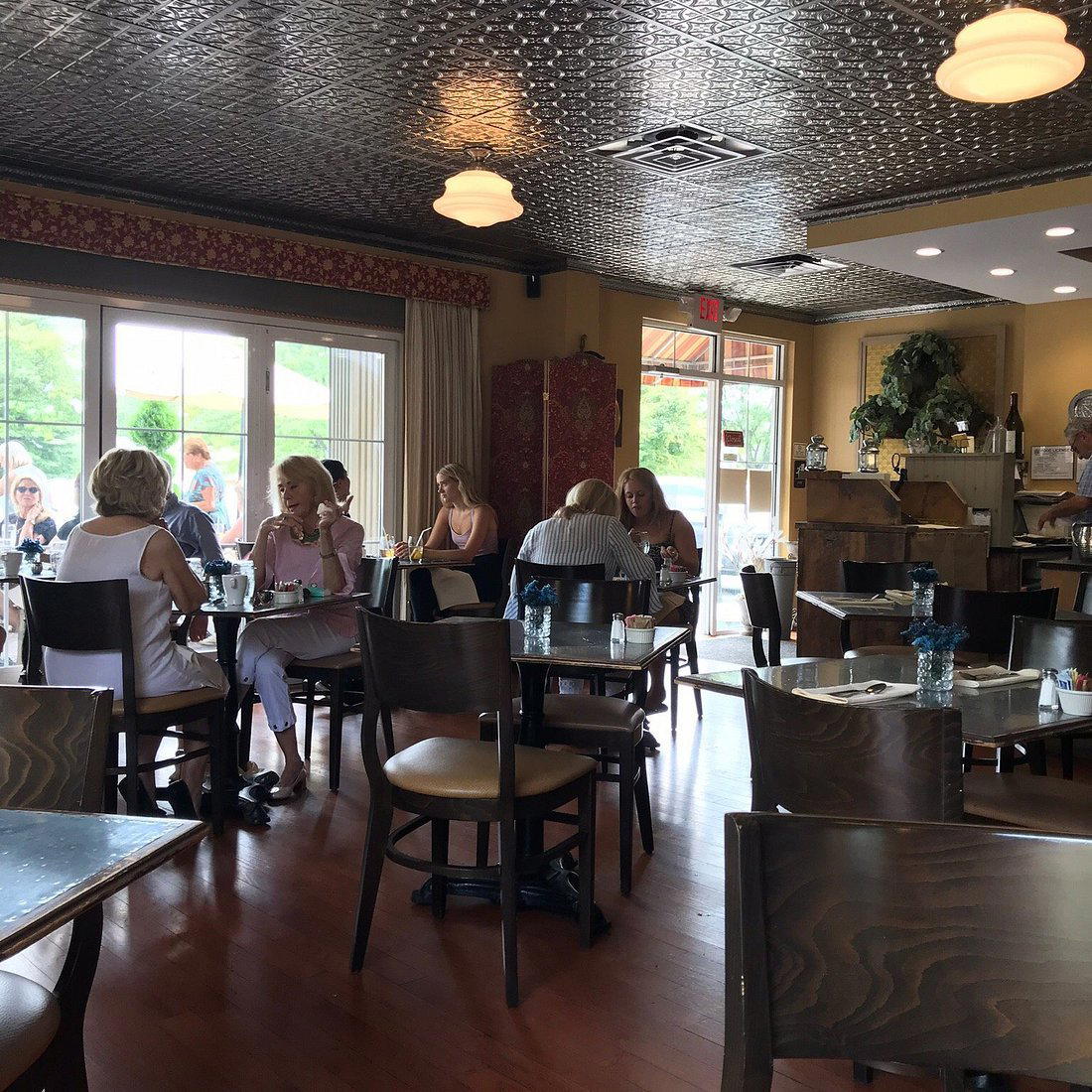
Approaching a Wayne dining room in the early evening, particularly in the colder months from late October through February, the dynamic of the avenue shifts noticeably. Street traffic thins, the pace of the sidewalk slows, and the lit windows of the restaurants do considerable work in establishing mood before you reach a door handle. The Silverspoon's address on this stretch places it in a zone where the visual grammar of a front room, its lighting levels, its table spacing, the sound register of a full house, carries weight in how the evening begins to feel.
Suburban dining rooms at the upper end of the Main Line market have generally moved away from the carpeted hush that characterized the category two decades ago, toward something closer to controlled energy: rooms that read as lived-in rather than ceremonial, where the noise floor is present but not punishing. How The Silverspoon calibrates that balance is part of what positions it within or apart from the Wayne peer group. The best-regarded suburban fine dining rooms in the American northeast, from the kind of format practiced at Blue Hill at Stone Barns in Tarrytown to the more classical register of The Inn at Little Washington, understand that the physical environment is not neutral backdrop but active part of what the kitchen is trying to say.
The Cuisine Tradition the Address Signals
American dining at the suburban fine dining tier has undergone a genuine renegotiation over the past decade. The format that once meant European technique applied to local ingredients in white-tablecloth rooms has splintered into something more various: farm-to-table programs with genuine sourcing commitments, modern American menus that draw on Asian and Latin technique without the awkwardness of earlier fusion, and a strand of updated classic American cooking that leans into comfort without sacrificing precision. The most decorated examples of the full-commitment version of this approach include Single Thread Farm in Healdsburg and The French Laundry in Napa, though those represent the best of a very steep pyramid.
At the regional level, the relevant comparison set for a restaurant on Wayne's main corridor is closer to home. Philadelphia and its suburbs have produced a dining culture that takes its mid-Atlantic ingredient base seriously, particularly in spring, when ramps, fiddleheads, and early asparagus move through the region's kitchens, and again in autumn, when game, root vegetables, and late-harvest produce define what the better menus are doing. A restaurant at this address benefits, seasonally, from proximity to farmers markets and regional supply networks that have become considerably more sophisticated since the mid-2000s.
The question that matters for any restaurant on this avenue is whether it reads as a destination for the Philadelphia dining public or primarily as a neighbourhood resource. Nationally recognized programs like Le Bernardin in New York City, Alinea in Chicago, and Providence in Los Angeles have set a standard for what destination dining looks like at its most committed. Regionally, the more instructive comparison points include Emeril's in New Orleans and Lazy Bear in San Francisco, both of which built their reputations by establishing a clear point of view rather than broad appeal.
Planning a Visit
Wayne is accessible by SEPTA's Paoli/Thorndale Regional Rail line, with the Wayne station placing diners a short walk from the West Lancaster Avenue corridor. For those driving from Philadelphia, the journey along Route 30 runs roughly thirty to forty minutes depending on traffic, with street parking and municipal lots available near the 503 block. The avenue's concentration of restaurants means that the area rewards arriving early enough to take stock of the neighbourhood before sitting down, particularly in warmer months when the Main Line's tree-lined streets read at their most considered.
For the broader Wayne dining picture, including options across different formats and price tiers, EP Club's full Wayne restaurants guide maps the avenue's current composition. Comparable ambition in different culinary registers can be found at Amada Radnor, which represents the Spanish-inflected end of the Main Line dining spectrum, and at Addison in San Diego for a sense of how the American fine dining suburban model has been executed at its most formally ambitious. Internationally, Atomix in New York City and 8½ Otto e Mezzo Bombana in Hong Kong illustrate how the formal tasting counter format operates at its outer limits, a useful frame for understanding where American suburban fine dining sits within the global picture.
Frequently asked questions
Where do I go for The Silverspoon?
The Silverspoon is located at 503 W Lancaster Ave, Wayne, PA 19087, Wayne.
Is The Silverspoon in Wayne easily reached by public transit from Philadelphia?
Yes. SEPTA's Paoli/Thorndale Regional Rail line stops at Wayne station, which places riders within a short walk of 503 W Lancaster Ave. The rail corridor that once defined Main Line suburban identity now makes The Silverspoon accessible from Center City Philadelphia without requiring a car — a practical detail for those coming from the city for dinner.
What should I eat at The Silverspoon?
The venue data on file does not specify current menu items or signature dishes for The Silverspoon at 503 W Lancaster Ave, Wayne. For the most accurate picture of what's on the menu, contacting the restaurant directly or checking their current listings is the reliable route. Wayne's West Lancaster corridor has trended toward American fine dining formats that renegotiate the old European-technique playbook, so that broader context is worth keeping in mind when approaching the menu.
Do they take walk-ins at The Silverspoon?
Given its address on West Lancaster Ave — one of the Main Line's more concentrated dining strips — demand on weekend evenings can vary considerably, and arriving without a booking carries risk during peak periods from late October through February. Reaching out to the restaurant ahead of your visit is the safest approach.
Peers in This Market
Comparable venues nearby, for context on price, style, and recognition.
| Venue | Cuisine | Price | Notes |
|---|---|---|---|
| The SilverspoonThis venue — the venue you are viewing | Seasonal American Bistro | Not listed | Not listed |
| 118 North | Innovative Americana | $30–50 | North Wayne |
| White Dog Cafe Wayne | Contemporary American | $30–50 | Main Line |
| Pietro's | Italian Pizzeria | $30–50 | Radnor |
| George's | Pizza and Cheesesteaks | Not listed | Radnor Township |
| Estia Taverna | Authentic Greek Taverna | $50–100 | Radnor |
Continue exploring
More in Wayne
Restaurants in Wayne
Browse all →
Bars in Wayne
Browse all →
Hotels in Wayne
Browse all →
Wineries in Wayne
Browse all →
Details
- Cozy
- Sophisticated
- Brunch
- Special Occasion
- Date Night
- Byob
- Farm To Table
- Local Sourcing
- Sustainable
- A La Carte
- Vegetarian Friendly
- Vegan Options
- Gluten Free Options
Current opening hours
- Monday
- Closed
- Tuesday
- 11 AM–3 PM, 5–9 PM
- Wednesday
- 11 AM–3 PM, 5–9 PM
- Thursday
- 11 AM–3 PM, 5–9 PM
- Friday
- 11 AM–3 PM, 5–9 PM
- Saturday
- 10 AM–3 PM, 5–9 PM
- Sunday
- 10 AM–3 PM, 4:30–7:30 PM
Hours can change for holidays and private events. Last verified .
Warm bouchon atmosphere with a cozy, welcoming feel and low noise levels conducive to conversation.