Amada Radnor
Our verdict
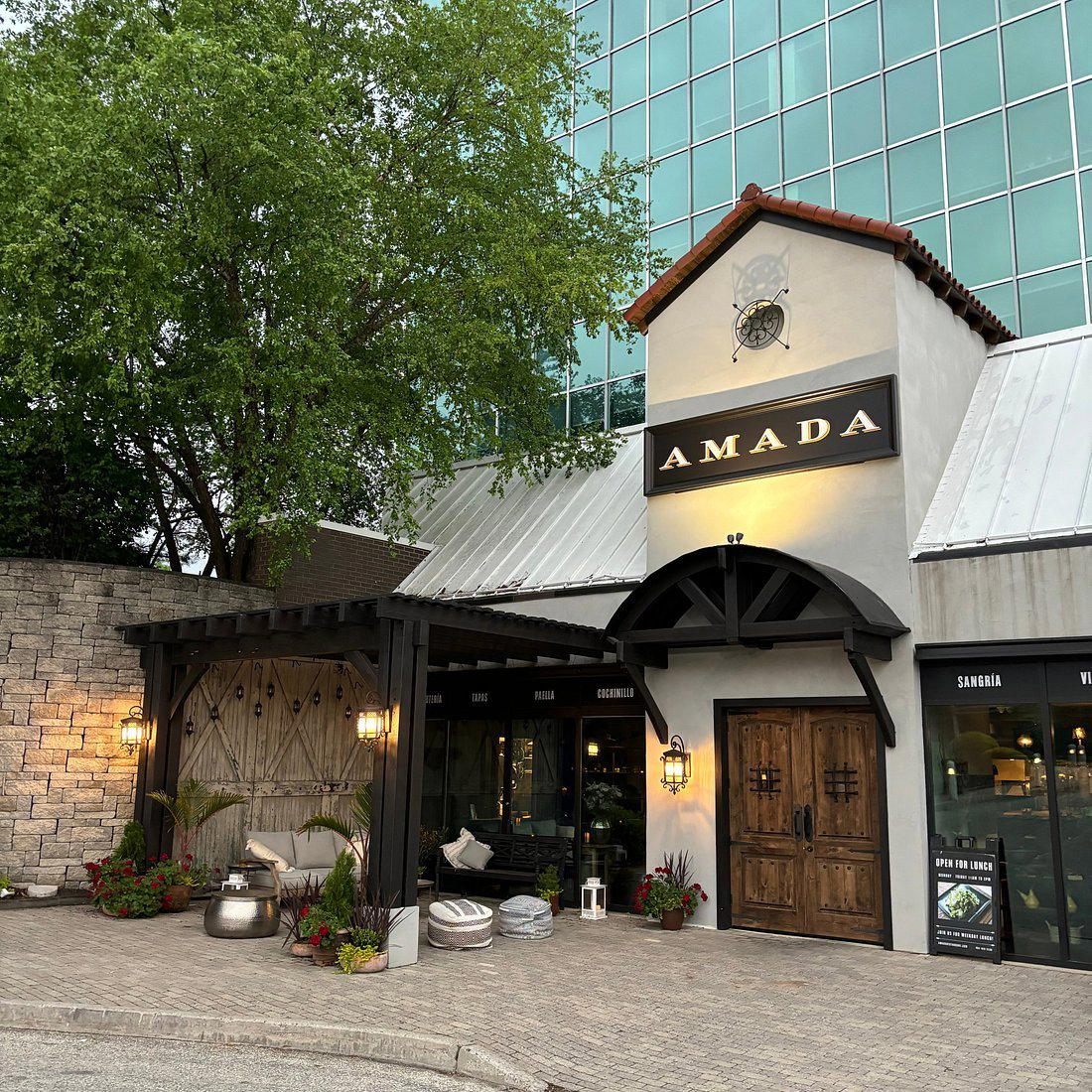
Amada Radnor brings the tapas-driven Spanish cooking of Jose Garces's original Philadelphia flagship to the Main Line suburb of Wayne, positioned along East Lancaster Avenue in St Davids. The format follows the tradition of shared small plates anchored in Iberian ingredients and wood-fired technique. For the Main Line, it represents one of the more ambitious Spanish programs in the suburban Philadelphia corridor.

Pearl is the En Primeur Club membership app — saves, bookings, and concierge access live there. Same editors, same standards.
- Address
- 555 E Lancaster Ave, St Davids, PA 19087
- Phone
- (484) 429-2158
- Hours
- Mon–Thu 4:30–9 PMFri 4:30–10 PMSat 11:30 AM–10 PMSun 11:30 AM–9 PM
- Website
- amadarestaurant.com
- Directions
- Get directions
- Booking
- Book on OpenTable
The menu
What to order
- Paella Valenciana
- Cochinillo Asado
- Tortilla Española
Spanish Sharing Plates on the Main Line
The Philadelphia suburbs have long operated in the culinary shadow of Center City, but East Lancaster Avenue in Wayne has accumulated enough serious dining to make a case for the corridor on its own terms. Our full Wayne restaurants guide maps that shift across categories, from Autograph Brasserie to Creed's Seafood & Steaks. Amada Radnor sits within that pattern as the Main Line outpost of Jose Garces's Amada concept, which originated in Old City Philadelphia and helped establish the city's reputation for Spanish tapas done with some discipline. The suburban extension carries the same structural premise: a menu built around shared plates, Iberian ingredients, and the kind of warm, noise-forward room that makes solo courses feel slightly beside the point.
The tapas format is worth understanding before you walk in, because it shapes the entire logic of the meal. Spanish-style sharing plates are not a compromise between a full dinner and a bar snack; at their leading, they are a deliberate sequencing exercise where the kitchen controls temperature and intensity across eight to twelve plates for a table of four. The room at Amada Radnor reflects that social contract: the design favors communal energy over privacy, and the pacing assumes that diners are present for the accumulation rather than the single course.
Where the Food Comes From, and Why That Shapes the Menu
Sourcing logic behind a serious tapas program is more specific than it might appear. Authentic Iberian ingredients carry protected designation of origin status under European Union law, which means the jamón ibérico on a well-run Spanish menu is traceable to a specific breed of pig, a specific region of Spain, and a specific curing regime. The same applies to the Manchego category, to Marcona almonds, to piquillo peppers from Navarra. A kitchen that takes these designations seriously is not just buying imported products; it is working within a supply chain that has regulatory teeth and that connects the plate directly to a place.
Broader farm-to-table movement that transformed American fine dining over the past two decades — visible at places like Blue Hill at Stone Barns in Tarrytown and Single Thread Farm in Healdsburg — has a parallel in Spanish cuisine, where the argument for provenance was embedded in the culture long before it became an American restaurant trend. A program rooted in Iberian sourcing is, in that sense, drawing on a tradition that predates the locavore moment by several centuries. What Amada Radnor offers the Main Line diner is access to that tradition without the trip to Philadelphia.
For comparison, ingredient sourcing has become a central credential at the high end of American restaurant culture. Smyth in Chicago, Providence in Los Angeles, and Addison in San Diego all treat provenance as a structural part of the menu narrative. At Amada Radnor, the same principle operates at a more accessible price point and in a format designed for groups rather than tasting-menu solemnity. That is a different position in the market, not a lesser one.
The Garces Lineage and What It Signals
Jose Garces is an Iron Chef and James Beard Award winner, which places the Amada brand within a specific tier of the Philadelphia restaurant ecosystem. That lineage matters for the Wayne location in the way that any brand extension matters: it sets a baseline expectation for kitchen discipline and sourcing standards that a standalone restaurant would have to establish independently. The original Amada in Old City became a reference point for Spanish tapas in Philadelphia, drawing comparisons to the city's broader ambitions around Spanish and Latin cuisine that have placed it in conversation with programs in New York and nationally. The Radnor extension carries that credibility into a suburban context.
Within Wayne specifically, Amada Radnor occupies a different register than Osushi Wayne or Estia Taverna, which anchor Japanese and Greek traditions respectively on the same stretch. The concentration of non-American cuisine in the corridor reflects a broader shift in suburban dining, where international formats are no longer confined to ethnic enclaves in denser cities. 118 North extends that pattern further. Amada Radnor is part of that accumulation, but it brings a named-chef institutional weight that the independent entries on the same street do not share.
Planning Your Visit
The address at 555 E Lancaster Ave, St Davids, PA 19087 places it in the St Davids section of the Wayne corridor, accessible by car from the Main Line suburbs and a short drive from the Paoli/Thorndale SEPTA rail line. The restaurant sits in a commercial stretch rather than a destination setting, which means arrival is functional rather than atmospheric. Reservations for weekend evenings book ahead, and the tapas format means tables turn more slowly than a single-course dining room; planning for two to two and a half hours is reasonable for a full shared-plate meal. The shared format also makes the table size decision consequential: four to six diners allows a broader range of the menu than two, and the economics of tapas dining improve with group size. For the comparison points this raises with destinations like The French Laundry in Napa or Atomix in New York City, Amada Radnor operates at a substantially more accessible price level, making it a realistic option for regular dining rather than special-occasion spending.
Frequently asked questions
Does Amada Radnor work for a family meal?
The tapas format at Amada Radnor suits groups well — sharing plates mean the table controls pace and portion without committing to a fixed menu. Families with older children who eat broadly will find the Spanish sharing structure more accommodating than a traditional three-course setup. The Wayne, PA location on East Lancaster Ave also has car-accessible parking, which removes the friction of a Center City visit.
What kind of setting is Amada Radnor?
Amada Radnor occupies the suburban outpost of a Jose Garces concept, which means the design register sits closer to polished neighborhood restaurant than casual strip-mall dining. The St Davids address at 555 E Lancaster Ave places it along the Main Line corridor, where the clientele skews local professional rather than destination-dining tourist. Expect a room calibrated for a regular dinner crowd, not a special-occasion spectacle.
Is Amada Radnor connected to the original Amada in Philadelphia, and does that affect the menu?
Amada Radnor shares its lineage with the original Amada in Old City Philadelphia, both operating under Jose Garces, an Iron Chef title holder and James Beard Award winner. That shared ownership means the suburban Wayne location draws on the same Iberian sourcing philosophy and Spanish tapas format that established the brand in the city.
What's the must-try dish at Amada Radnor?
What the Amada brand is associated with across its locations — anchored by Jose Garces's James Beard Award pedigree — is a serious Iberian pantry: cured meats, Spanish cheeses, and seafood preparations rooted in protected-designation sourcing. Ordering across categories rather than anchoring to one plate is the standard approach at a tapas counter.
What part of town is Amada Radnor in?
Amada Radnor is located at 555 E Lancaster Ave, St Davids, PA 19087, Wayne.
How far ahead should I plan for Amada Radnor?
Current reservation lead times for Amada Radnor are not documented, but Main Line dining destinations with a named chef lineage — here, the Iron Chef and James Beard Award-winning Jose Garces — tend to fill Thursday through Saturday evenings within a week of the date. Midweek visits at this Wayne, PA address typically carry more availability. Checking directly through the venue is the only reliable method for current booking windows.
Quick Comparison
Comparable venues nearby, for context on price, style, and recognition.
| Venue | Cuisine | Price | Notes |
|---|---|---|---|
| Amada RadnorThis venue — the venue you are viewing | Authentic Spanish Tapas | $30–50 | Not listed |
| Pietro's | Italian Pizzeria | $30–50 | Radnor |
| Savona | Modern Italian Fine Dining | $50–100 | King of Prussia |
| Autograph Brasserie | Modern American Steakhouse Brasserie | $50–100 | Wayne |
| 118 North | Innovative Americana | $30–50 | North Wayne |
| George's | Pizza and Cheesesteaks | Not listed | Radnor Township |
Continue exploring
More in Wayne
Restaurants in Wayne
Browse all →
Bars in Wayne
Browse all →
Hotels in Wayne
Browse all →
Wineries in Wayne
Browse all →
Details
- Elegant
- Sophisticated
- Rustic
- Date Night
- Group Dining
- Special Occasion
- Open Kitchen
- Private Dining
- Extensive Wine List
- Craft Cocktails
- Small Plates
- A La Carte
- Spanish Wine
- Sangria
- Gluten Free Options
Current opening hours
- Monday
- 4:30–9 PM
- Tuesday
- 4:30–9 PM
- Wednesday
- 4:30–9 PM
- Thursday
- 4:30–9 PM
- Friday
- 4:30–10 PM
- Saturday
- 11:30 AM–10 PM
- Sunday
- 11:30 AM–9 PM
Hours can change for holidays and private events. Last verified .
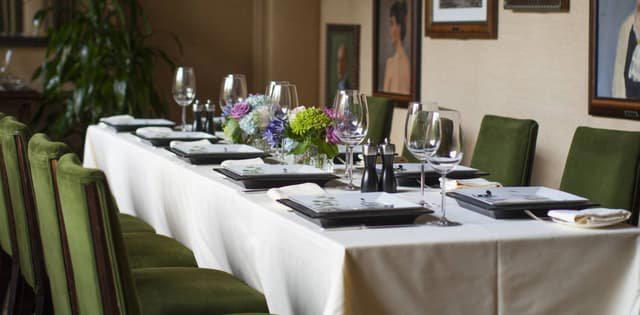
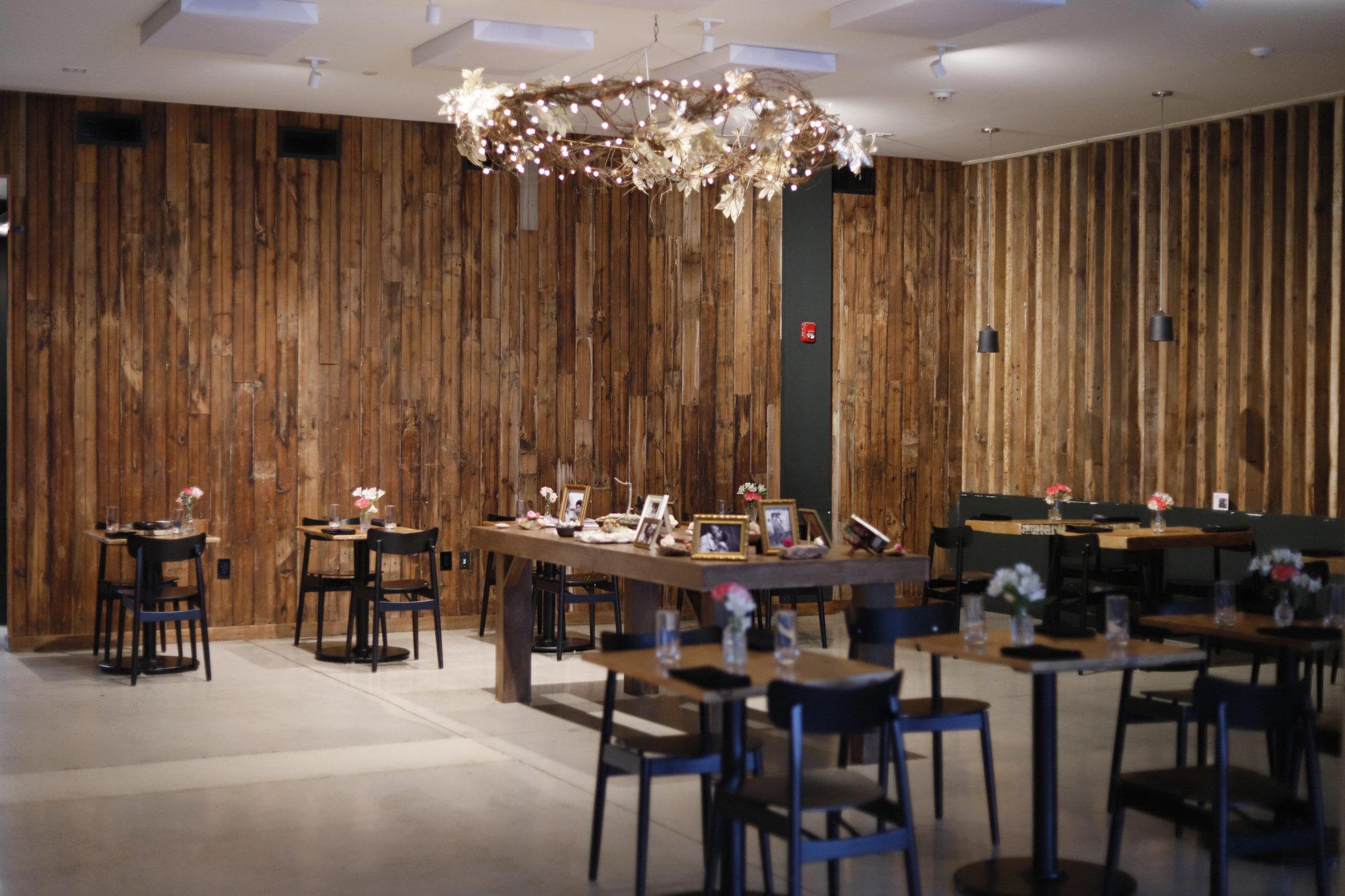
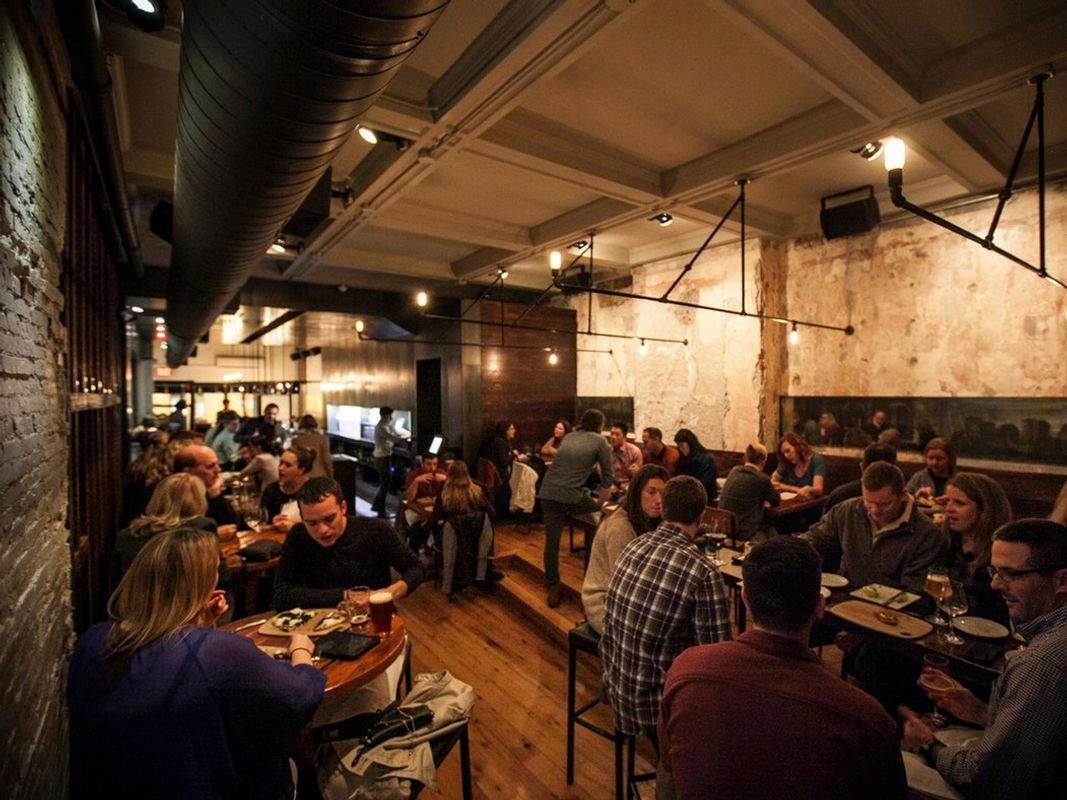
Rustic-chic atmosphere with wine-cellar walls, open kitchen views, and a lively bar area evoking a Spanish bodega.