Cherry St. Tavern
Cherry St. Tavern occupies a narrow corner of Philadelphia's Fairmount neighborhood at 129 N 22nd St, operating in the tradition of the serious American bar where the drinks list and the food program are designed to work together rather than one merely tolerating the other. It sits in a city whose bar culture has matured considerably over the past decade, and its address places it within walking distance of several of Philadelphia's more considered drinking rooms.
Pearl is the En Primeur Club membership app — saves, bookings, and concierge access live there. Same editors, same standards.
- Address
- 129 N 22nd St, Philadelphia, PA 19103
- Phone
- +1 215 561 5683
- Website
- cherrysttavern.com
- Directions
- Get directions
 Saves & bookings on Pearl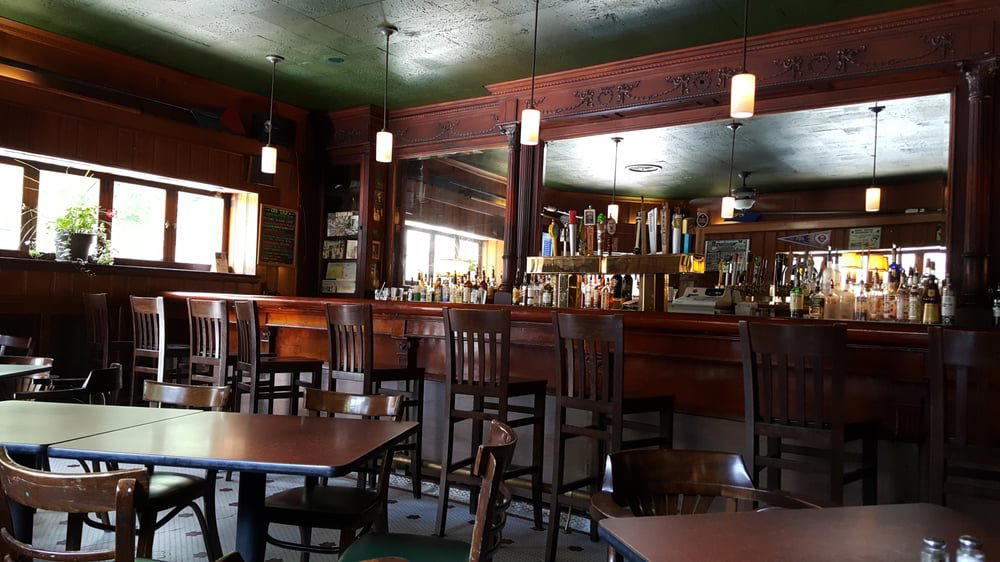
Where Fairmount Drinks Seriously
The stretch of 22nd Street between Fairmount and Spring Garden carries the low-key density of a neighborhood that has been drinking well for a long time without making too much noise about it. Cherry St. There is no marquee theatrics at the entrance, no velvet rope logic. The draw is internal: a room that operates with the conviction of somewhere that has worked out what it wants to be.
Philadelphia's bar scene has changed a great deal over the past fifteen years. The early craft cocktail wave prioritized novelty and obscurity, while the more durable venues settled into something more consistent. Cherry St. Tavern belongs to the later chapter of that evolution, a neighborhood tavern that takes its drinks seriously without repositioning itself as a cocktail laboratory. That distinction matters in a city where the distance between a well-run corner bar and a technical cocktail program has narrowed considerably.
The Bar Food Question, Answered Directly
In American bar culture, food has historically served one of two functions: it is either an afterthought added to satisfy a liquor license requirement, or it is a deliberate program designed to extend a guest's time at the bar and deepen the logic of the drinks. The latter approach has become more common in cities where bartenders have begun thinking about their lists the way kitchen chefs think about menus, with texture, weight, and contrast as organizing principles rather than mere category.
The better-run American taverns understand that a well-made drink does not exist in isolation from what is being eaten alongside it. Bitter, spirit-forward builds read differently against salty, fatty bar snacks than they do on an empty palate. Lighter, acidic cocktails find a different register next to fried or brined food. When a bar's kitchen and bar program are in genuine dialogue, the guest experience has a coherence that single-program venues rarely achieve. Cherry St. Tavern fits this tradition, with food that complements the drinks.
Comparable bars in other American cities have made this pairing logic central to their identity. Kumiko in Chicago organizes its food and drink around Japanese flavor principles with deliberate structural alignment between the two programs. ABV in San Francisco has built a reputation around a kitchen that takes bar snacks as seriously as the cocktail list. Jewel of the South in New Orleans and Julep in Houston each demonstrate that regional American bar traditions can sustain sophisticated food-drink integration without abandoning their local character. Cherry St. Tavern participates in this broader shift at the neighborhood scale, which is often where particularly durable versions of these models operate.
Philadelphia's Tavern Tradition and Where Cherry St. Fits
Philadelphia has a longer serious-drinking history than most American cities acknowledge. The tavern format, specifically the neighborhood bar with a fixed local clientele and a short, rotating list of what is good, predates the craft cocktail movement by several generations. What the last decade added to that tradition was technical vocabulary: house infusions, ice programs, spirit sourcing, and kitchen coordination. The city's better contemporary bars did not abandon the tavern template; they applied more rigorous standards within it.
Within Philadelphia's Fairmount and surrounding neighborhoods, the bar offering is varied in ways that reward navigation. 12 Steps Down operates in a different register, leaning into dive bar culture with its own coherent logic. 1501 Passyunk Ave anchors a different part of the city with a distinct neighborhood character. 48 Record Bar brings a music-forward format that overlaps with what Sacred Vice Brewing has established in the taproom model. 637 Philly Sushi Club demonstrates how Philadelphia's bar adjacencies have expanded to include formats that would have been unusual a decade ago. The bar operates as the more traditional counterpoint to these: a bar that organizes itself around the core tavern proposition rather than a conceptual hook.
That positioning is not a limitation. In cities where bar programming has become increasingly concept-driven, a well-executed neighborhood tavern with a serious food and drink offering often has more staying power than venues that require a high-concept pitch to explain themselves. The comparison extends internationally: The Parlour in Frankfurt and Bar Leather Apron in Honolulu both demonstrate that the format of a serious bar organized around hospitality fundamentals rather than novelty travels across different cultural contexts. Superbueno in New York City shows how the bar-food integration model can take on distinctly regional flavor while maintaining the same underlying logic.
Planning a Visit to Cherry St. Tavern
The bar is located at 129 N 22nd St in the Fairmount section of Philadelphia, a neighborhood that is walkable from the Benjamin Franklin Parkway corridor and accessible from Center City by foot or a short ride. Current hours are Mon: Closed; Tue: 12-11 PM; Wed: 12-11 PM; Thu: 12-11 PM; Fri: 12 PM-1 AM; Sat: 12 PM-1 AM; Sun: Closed, and the bar is walk-in friendly. Mid-week visits usually offer more room at the counter than Friday and Saturday service.
Recognition, Side-by-Side
Comparable venues nearby, for context on price, style, and recognition.
| Venue | Cuisine | Price | Notes |
|---|---|---|---|
| Cherry St. TavernThis venue — the venue you are viewing | dive_bar | $ | Not listed |
| Espresso Cafe & Sushi Bar | Bar | $ | Rhawnhurst |
| Max's Famous Steaks | dive_bar | $ | Franklinville |
| Pub & Kitchen | pub | $$ | Rittenhouse Square |
| Renata's Kitchen | cocktail_bar | $$ | University City |
| Fountain Porter | beer_bar | $ | East Passyunk Crossing |
Continue exploring
More in Philadelphia
Bars in Philadelphia
Browse all →
Restaurants in Philadelphia
Browse all →
At a Glance
- Classic
- Cozy
- Well Known
- Rustic
- Casual Hangout
- After Work
- Late Night
- Group Outing
- Historic Building
- Standalone
- Seated Bar
- Standing Room
- Craft Beer
- Whiskey
- Street Scene
Current opening hours
- Monday
- Closed
- Tuesday
- 12–11 PM
- Wednesday
- 12–11 PM
- Thursday
- 12–11 PM
- Friday
- 12 PM–1 AM
- Saturday
- 12 PM–1 AM
- Sunday
- Closed
Hours can change for holidays and private events. Last verified .
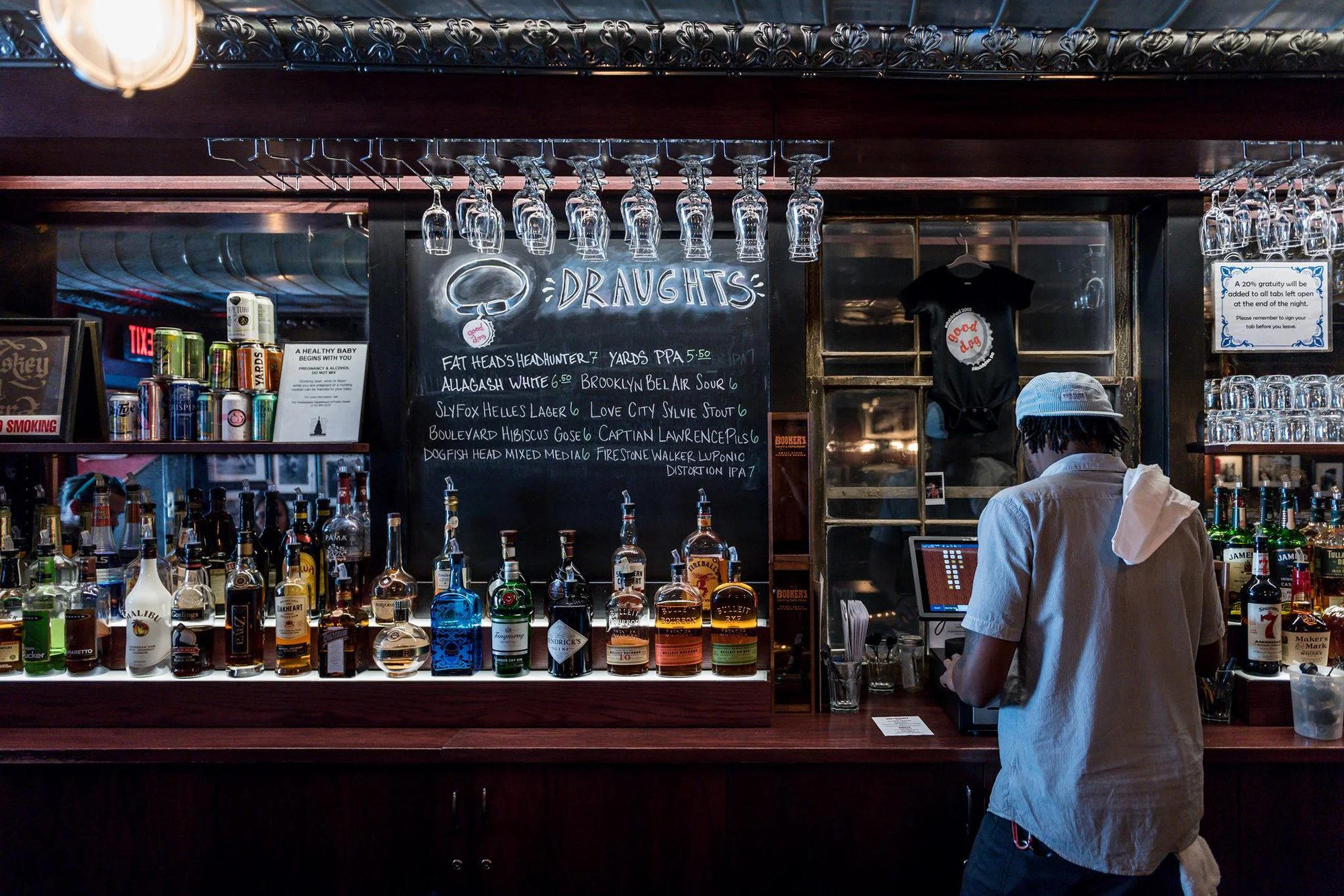
Old-school neighborhood bar with Jimi Hendrix posters, dim lighting, and a lived-in character that captures authentic Philadelphia pub culture.