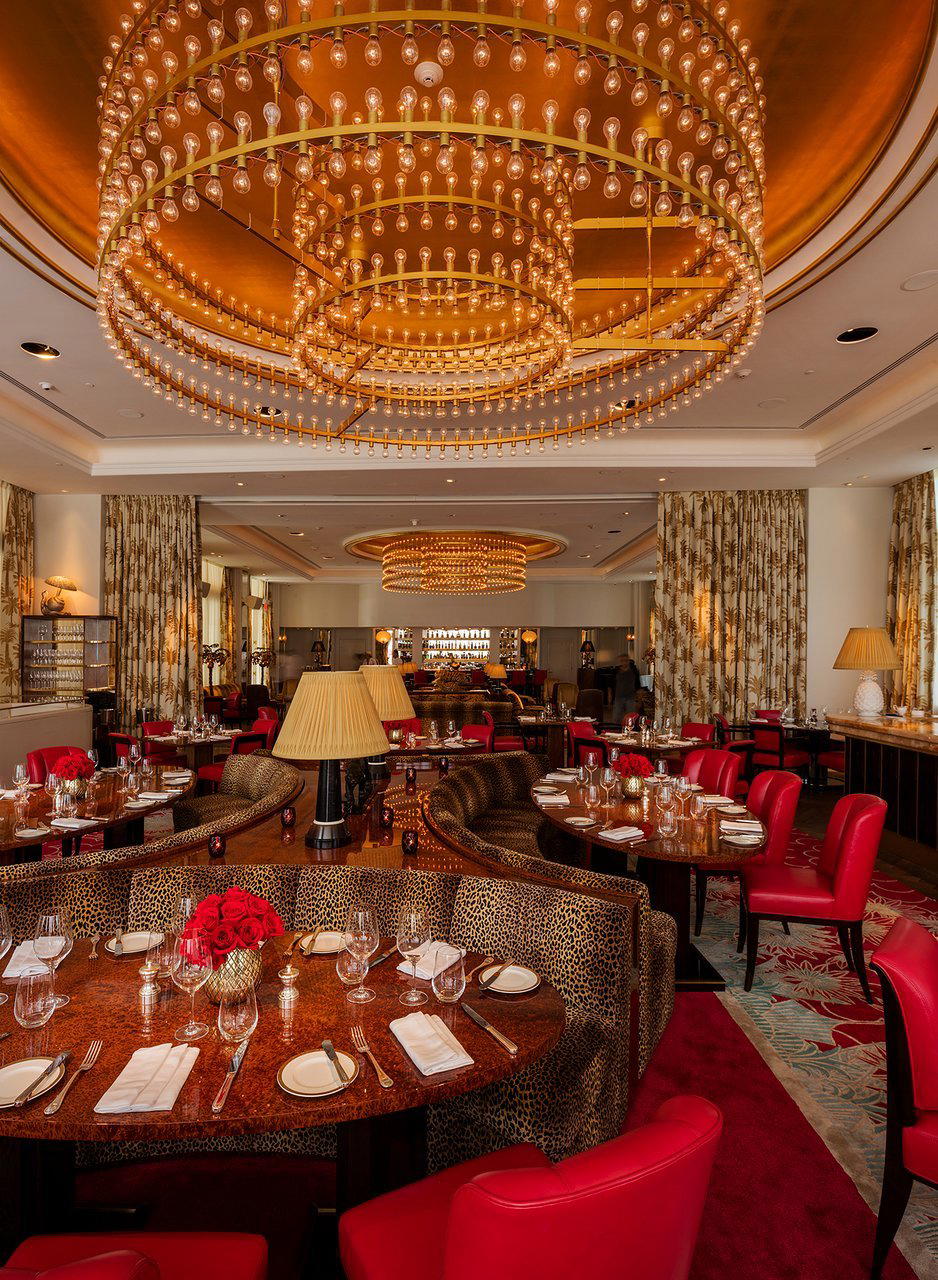
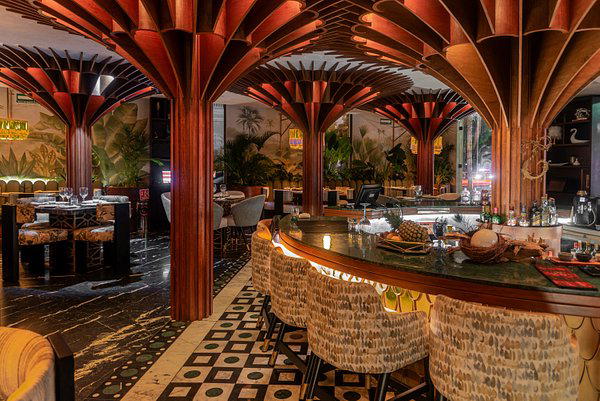
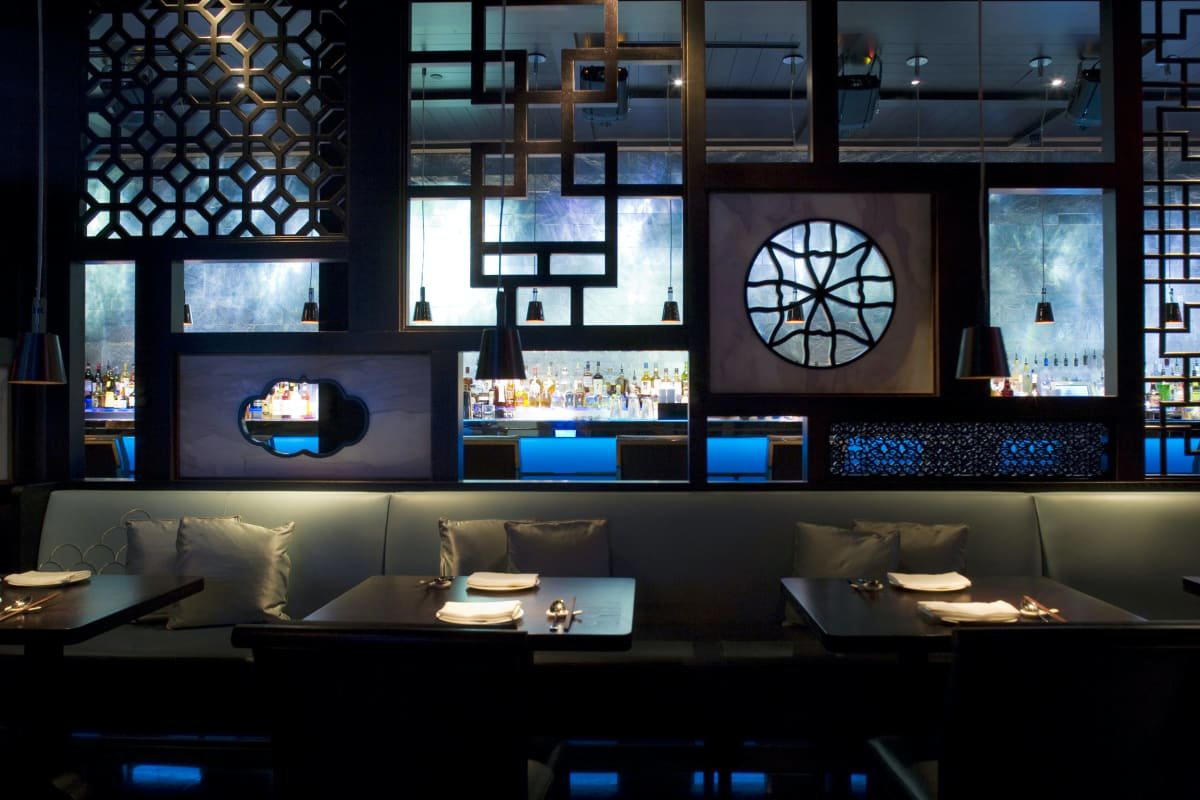
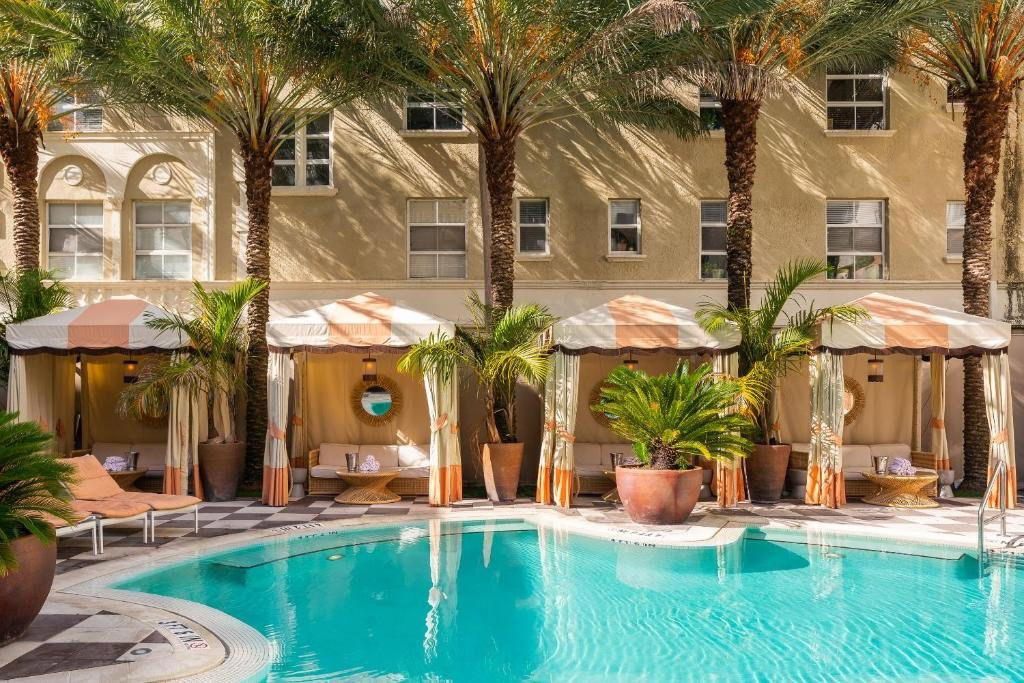
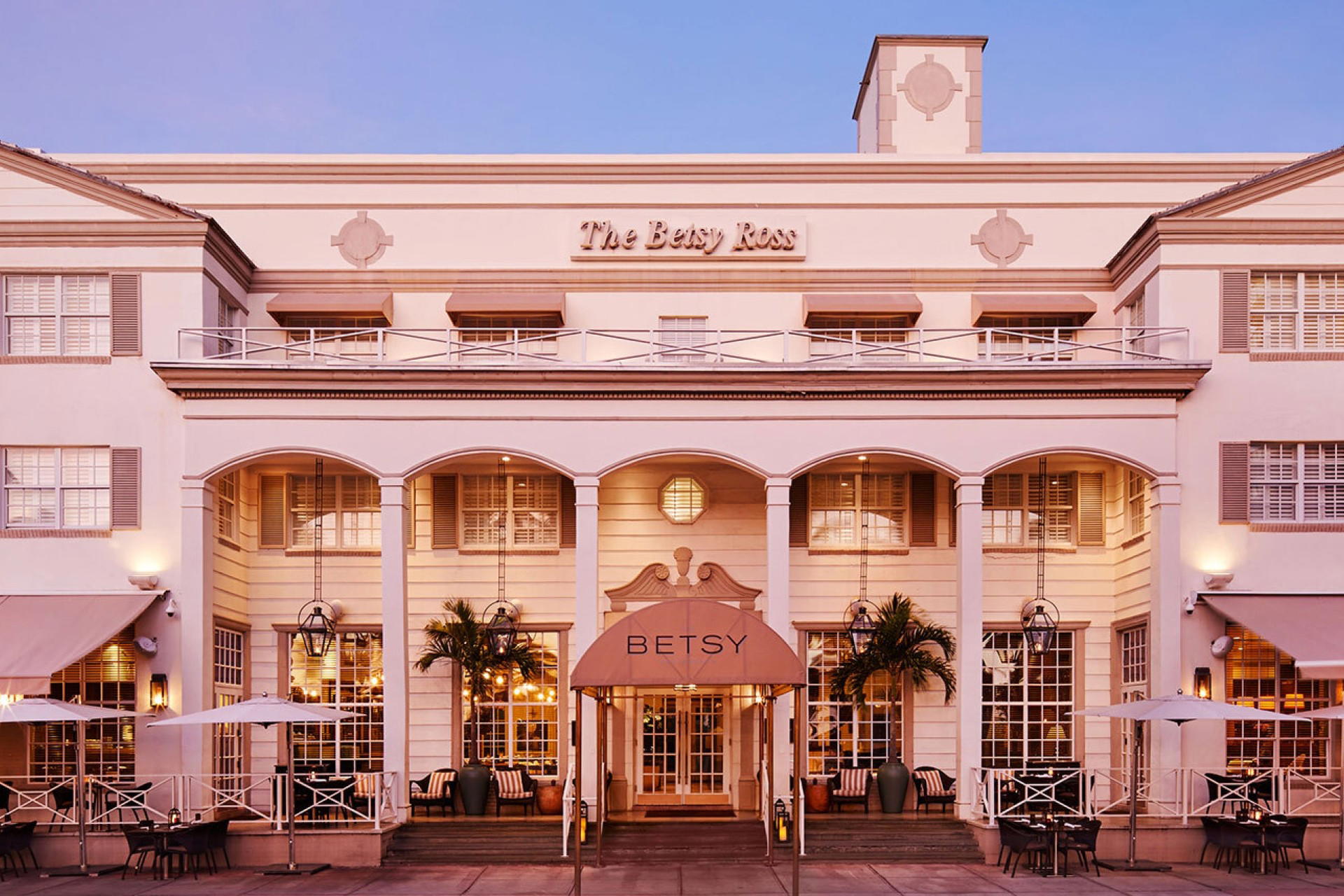
The Shelborne
Our verdict
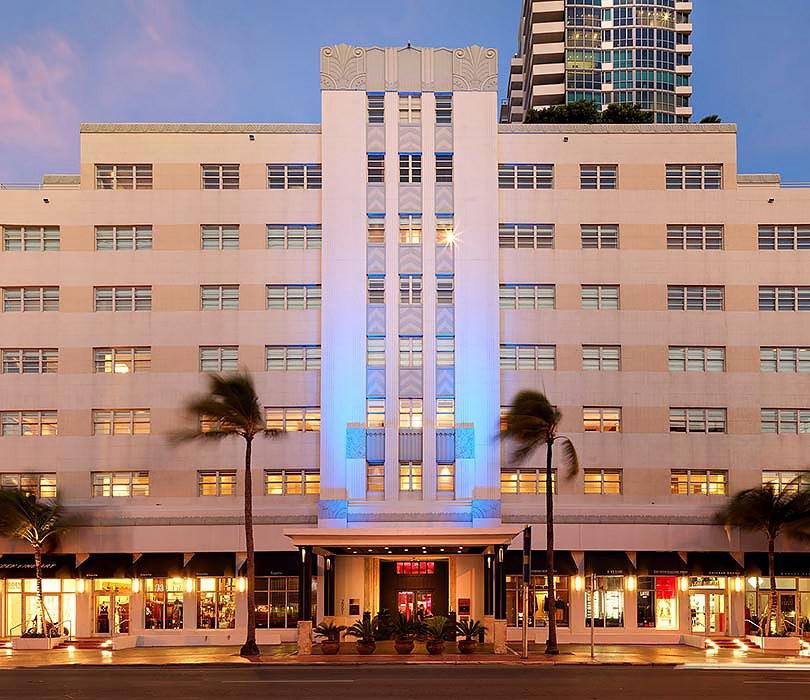
The Shelborne occupies one of Miami Beach's most historically layered addresses at 1801 Collins Ave, placing it squarely within the mid-century architecture corridor that defines the city's hotel identity. Set against the broader South Beach dining scene, it draws comparisons to the area's most ambitious hotel restaurant formats, where setting and sequence carry as much weight as the plate itself.

Pearl is the En Primeur Club membership app — saves, bookings, and concierge access live there. Same editors, same standards.
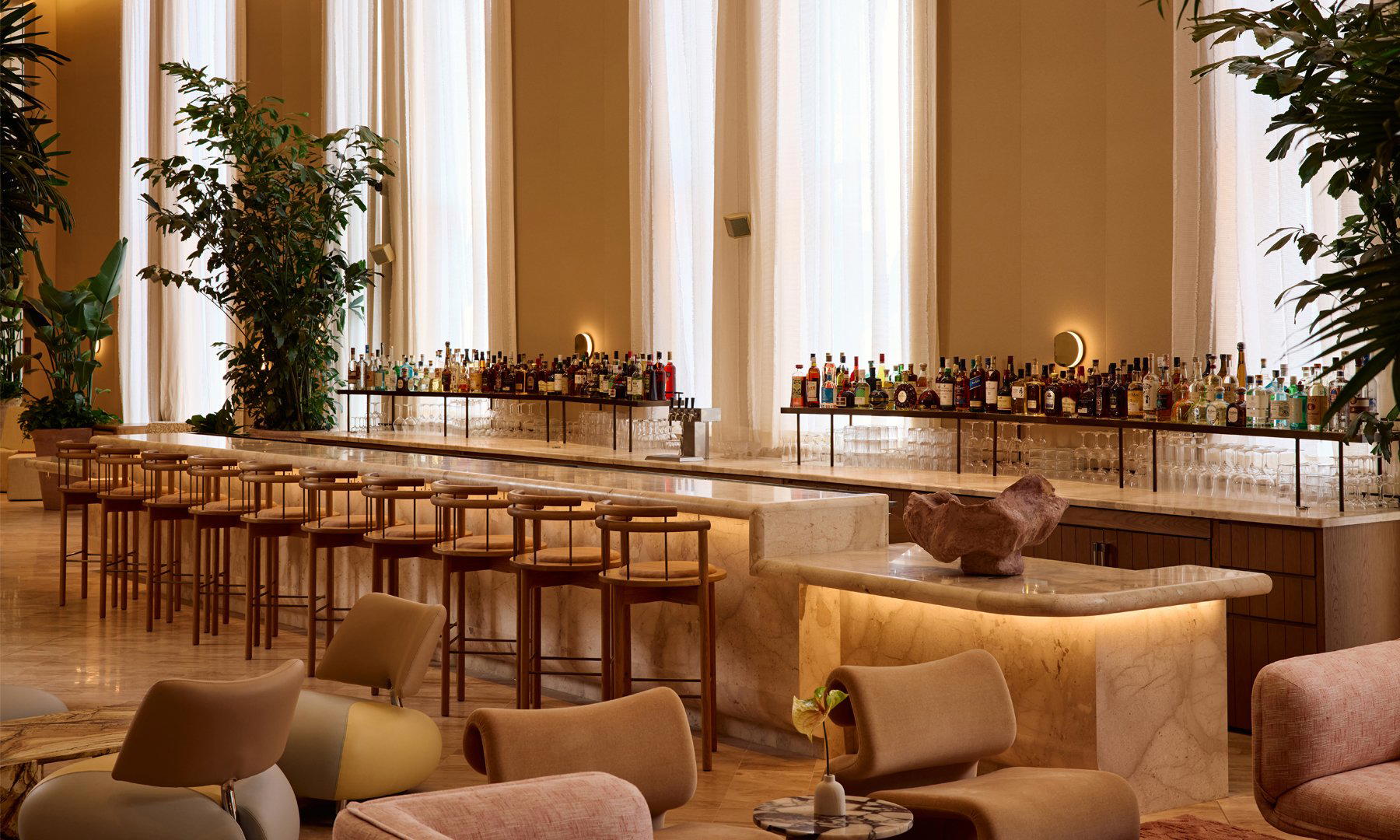
The menu
What to order
- Red prawn ceviche
- Rock shrimp fritta
- Jerk burger
Collins Avenue and the Hotel Dining Proposition
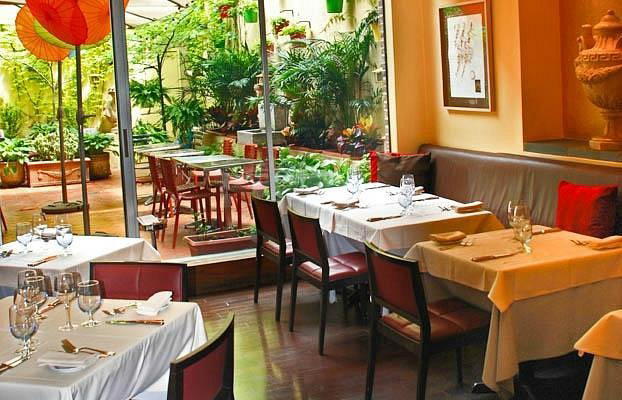
Collins Avenue between 17th and 23rd Streets has long functioned as Miami Beach's high-water mark for hotel ambition. The buildings here were designed to impress at street level, and decades later, that architectural confidence still shapes how the dining rooms inside them perform. A meal on this stretch arrives with a prelude: the approach through a lobby that was built when hospitality was a form of theatre, the transition from South Florida heat to interior cool, the settling-in that happens before a menu appears. At The Shelborne, 1801 Collins Ave, that environmental context is part of the proposition from the first moment.
Hotel dining in Miami Beach has developed along two distinct lines in recent years. One track is the celebrity-chef import model, where a name associated with a distant city anchors a menu that could functionally exist anywhere. The other is the resident format, where the dining experience is embedded in the property's character and the physical setting does genuine editorial work. The better hotel restaurants on Collins Ave have generally moved toward the latter, understanding that guests arriving from New York, London, or São Paulo are not primarily looking for a replica of something they could find at home. They are looking for a version of South Florida that has been edited with some care.
The Arc of a Meal in This Setting
Tasting-format dining has spread through Miami Beach's upper tier in ways that mirror national patterns. Properties that once anchored their food and beverage offer around à la carte menus with broad covers have gradually tiered their programming, with the more focused, sequenced formats pushed toward the front of the experience. This matters because sequencing changes how a room reads. A multi-course progression at a hotel table on a warm evening, with Collins Avenue visible at a remove and the Atlantic a few blocks east, operates on different timing than a restaurant built around high turnover.
The logic of a tasting progression in this environment is partly about pacing and partly about coherence. South Florida ingredients, when given the space a longer format allows, can carry a meal without relying on import-heavy luxury signals. Stone crab season runs October through May; Florida spiny lobster has a distinct season of its own; local snapper and grouper have a different weight and texture profile from cold-water equivalents. A kitchen that sequences around those ingredients, rather than treating them as interchangeable with Gulf or Atlantic alternatives from other markets, builds a meal that reflects where it is. That editorial choice, when a kitchen makes it, is more legible in a progression format than in a single dish ordered from a broad menu.
Nationally, the tasting format has been refined by kitchens like Le Bernardin in New York City, where fish cookery is treated with the same discipline applied to multi-course French tradition, and Alinea in Chicago, where sequencing itself becomes the primary creative medium. At a different register, Single Thread Farm in Healdsburg and Blue Hill at Stone Barns in Tarrytown have embedded the progression model into an argument about local sourcing and seasonality. What links these approaches is the understanding that a meal's architecture, its movement from lighter to richer, from raw to cooked, from restrained to expressive, is itself a form of communication.
The South Beach Context
Miami Beach dining has matured considerably since the period when the strip was defined almost entirely by scene over substance. The mid-Beach corridor, running from the Art Deco district north through the MiMo zone, now contains a more varied offer than its international reputation suggests. Neighbourhood-level options like 11th Street Diner operate at the functional, democratic end of the spectrum, while waterfront rooms like A Fish Called Avalon and a'Riva have pushed toward more considered formats. The Cuban influence that has shaped South Florida food culture for generations shows up across the city, including at Alma Cubana, and Mediterranean-influenced rooms like Amalia have found a stable audience among visitors who want something more anchored than the rotating celebrity-chef circuit.
The Shelborne sits inside this more considered tier. Its address at the northern boundary of the historic district places it adjacent to some of the city's most photographed architecture while remaining a short distance from the densest concentration of tourist traffic closer to Ocean Drive. That positioning gives hotel dining rooms here a slightly different tempo than those operating in the heart of the South Beach spectacle.
For a broader orientation to what Miami Beach's dining scene offers across price points and formats, our full Miami Beach restaurants guide maps the neighbourhood's leading options with the same editorial framework applied here.
Hotel-anchored fine dining in the United States has produced some of the country's most formally ambitious rooms. The French Laundry in Napa operates inside a property that is inseparable from its garden and its setting. The Inn at Little Washington in Washington has built a complete world around its dining room. Addison in San Diego and Providence in Los Angeles represent the West Coast's version of that embedded-hotel ambition. On the more experimental end, Lazy Bear in San Francisco and Atomix in New York City have redefined what the sequenced tasting format can do in terms of cultural framing. Internationally, 8 1/2 Otto e Mezzo Bombana in Hong Kong and Emeril's in New Orleans demonstrate how hotel-adjacent fine dining navigates city identity through menu architecture.
What these references make clear is that the format itself, the sequenced progression in a designed room, is now well-established as a category. The question for any individual room is whether it uses that format to make an argument about where it is, or simply to meet a generic expectation of fine-dining convention.
Know Before You Go
Address: 1801 Collins Ave, Miami Beach, FL 33139
Neighbourhood: Mid-Beach, adjacent to the northern boundary of the Miami Beach Art Deco Historic District
Getting There: Collins Avenue is accessible by the South Beach Local bus along its full length; metered street parking and several nearby garage options are available for those arriving by car. The property is roughly a 10-minute walk from the Collins Park area.
Booking: Contact the property directly for current dining reservations and programming details, as food and beverage formats at hotel properties of this type are subject to seasonal adjustment.
Timing: Miami Beach dining operates on a later schedule than many North American cities; dinner service typically runs into the late evening, and hotel restaurants in this corridor often calibrate their pacing to match.
Season: Peak season runs November through April, when snowbirds and international visitors compress demand across Collins Avenue properties. Summer months offer fewer crowds and often more flexibility on availability.
Frequently asked questions
Where is The Shelborne located?
The Shelborne is located at 1801 Collins Ave, Miami Beach, FL 33139, Miami Beach.
Is The Shelborne a good base for exploring Miami Beach's dining scene?
At 1801 Collins Ave, The Shelborne sits roughly equidistant from the dense restaurant blocks of South Beach to the south and the quieter mid-Beach dining corridor to the north, making it a practical anchor for guests who want to range across both zones. Collins Avenue's walkability means the major hotel dining rooms and standalone restaurants between 15th and 23rd Streets are reachable on foot. Miami Beach's transit options also connect the property to Wynwood and Brickell for those extending beyond the beach strip.
What do people recommend at The Shelborne?
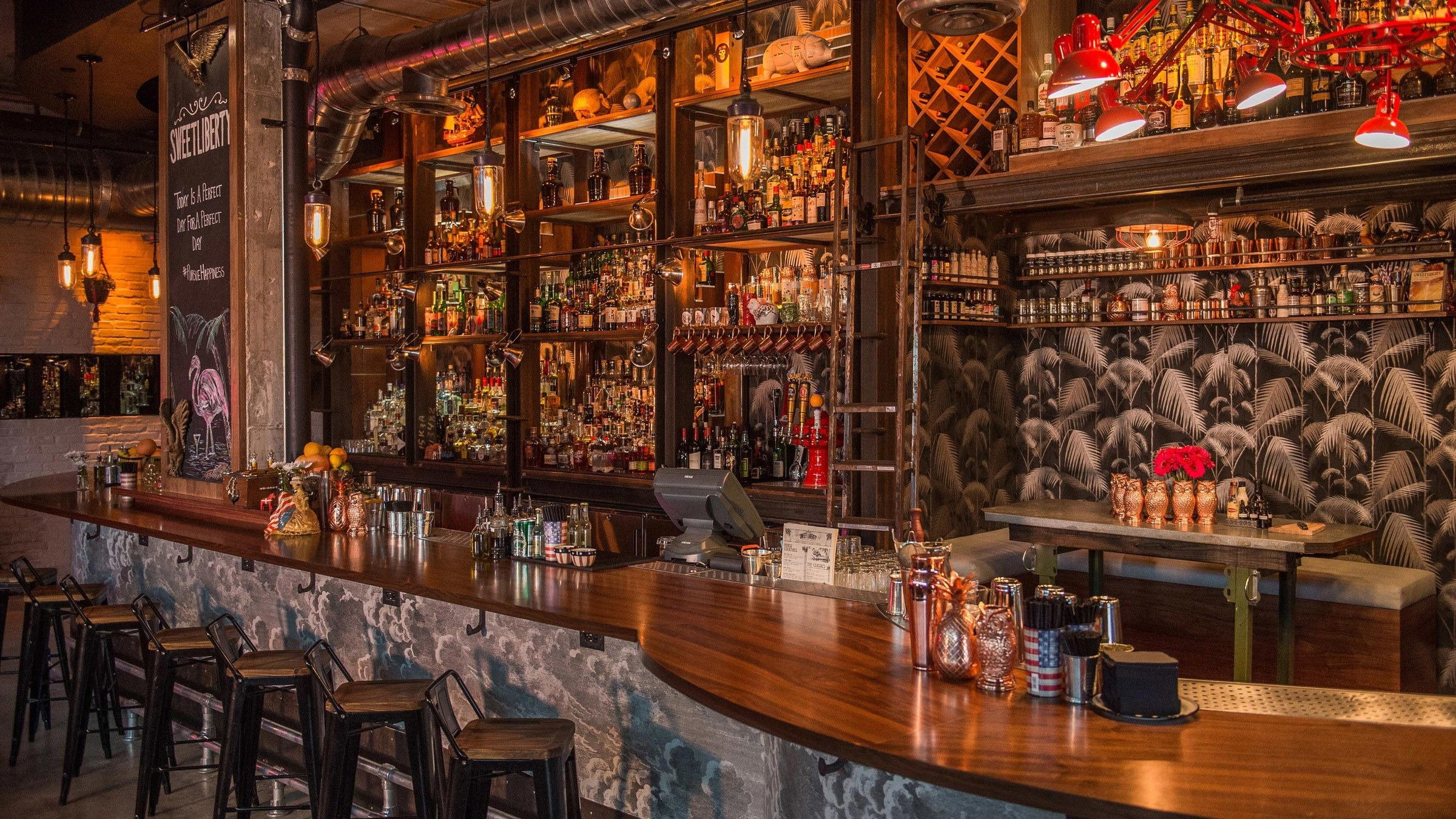
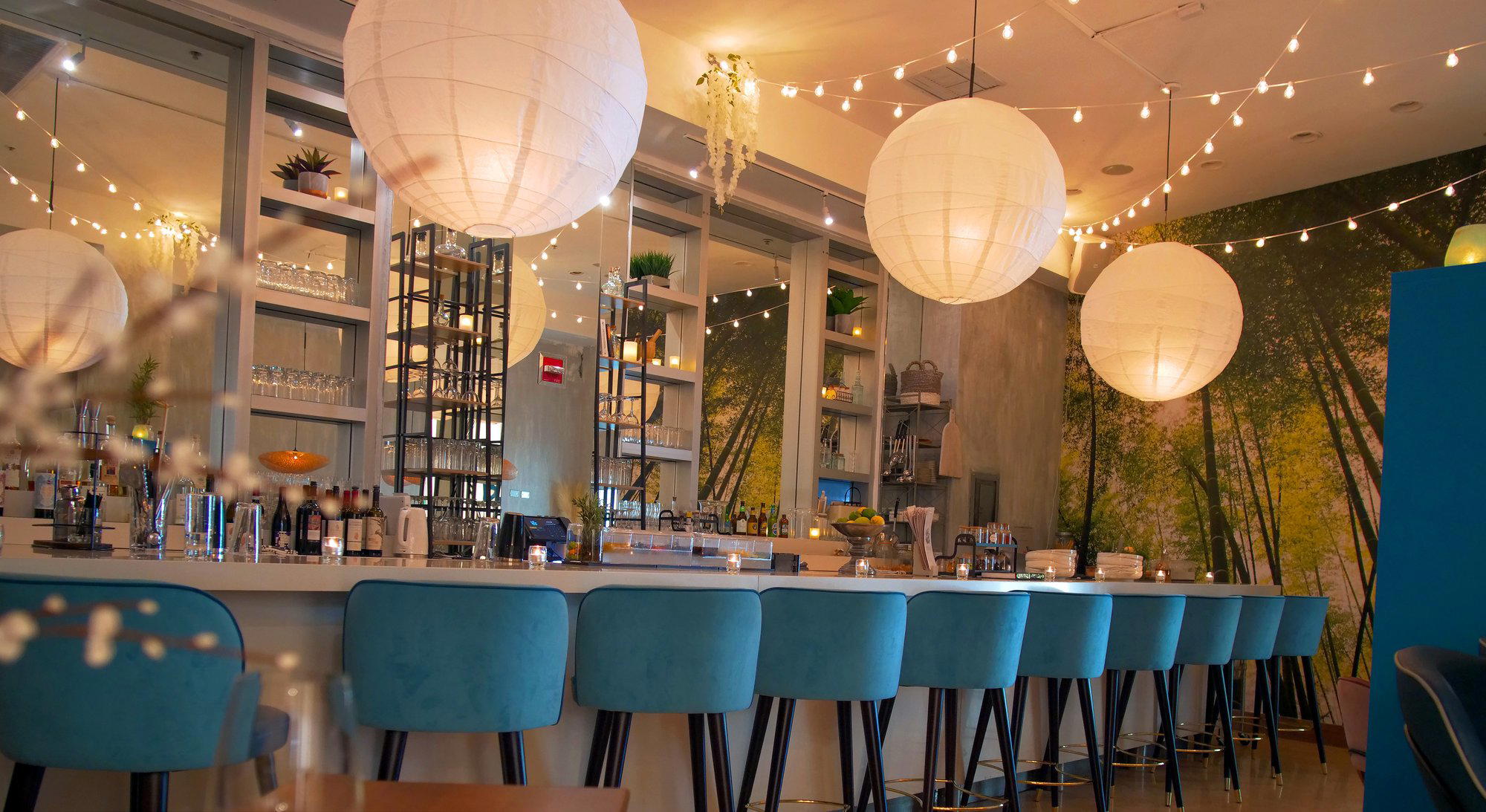
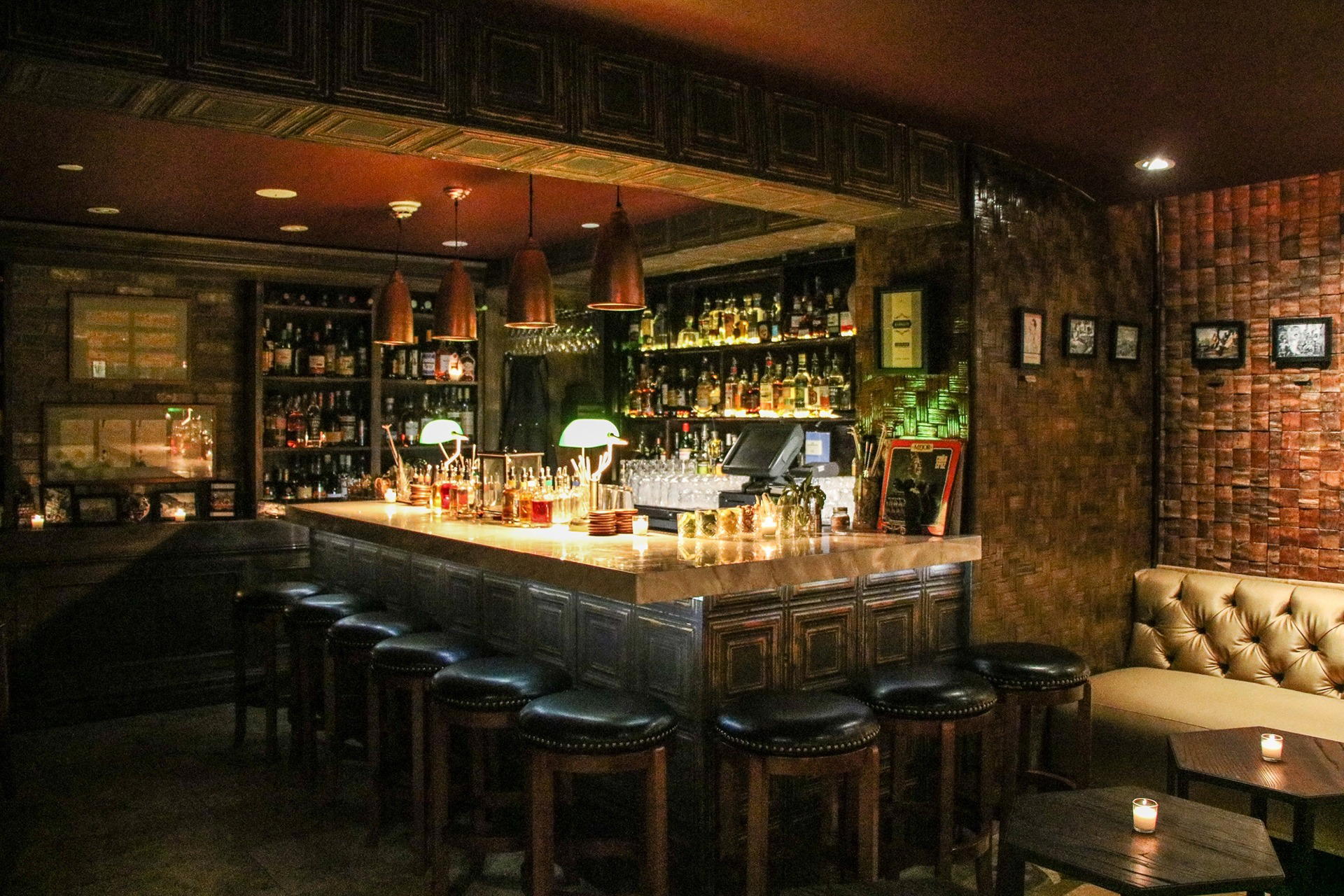
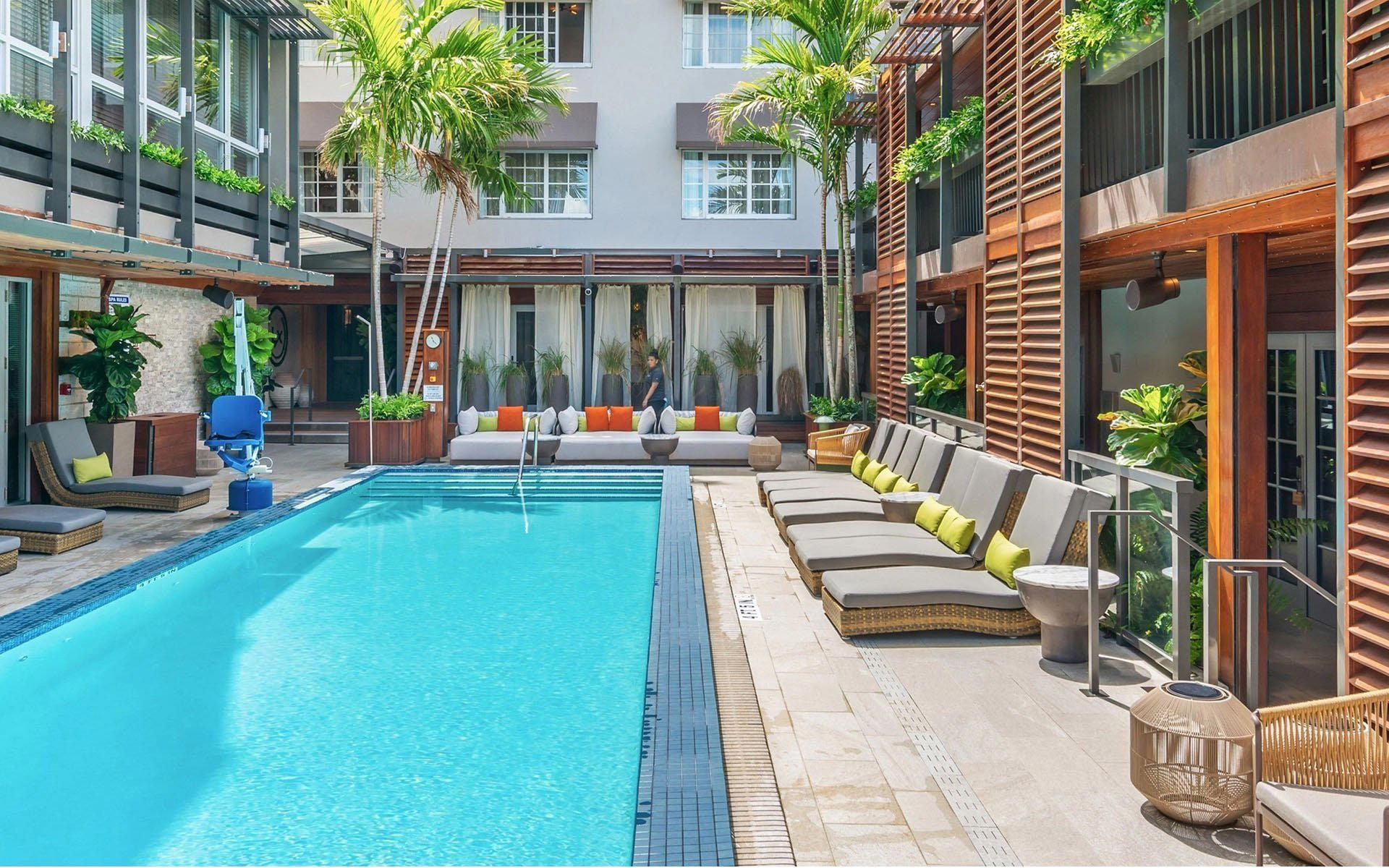
The Shelborne's position on Collins Avenue at 1801 places it within one of Miami Beach's most competitive hotel corridors, where pool and bar programming have historically drawn as much attention as the dining room. Specific dish recommendations depend on the current food and beverage direction, which shifts with the property's evolving hotel concept. Checking the hotel's current outlet directly before visiting will give you the most accurate picture of what's on offer.
Do I need a reservation for The Shelborne?
At hotel properties along Collins Avenue in this stretch of Miami Beach, demand at the bar and restaurant typically peaks Thursday through Sunday, particularly during Art Basel in December and Spring Break windows. The Shelborne's specific reservation policy is best confirmed directly with the property at 1801 Collins Ave, Miami Beach, FL 33139, as booking requirements vary by outlet and season.
What is The Shelborne known for?
The Shelborne is a Collins Avenue landmark in mid-Beach, a corridor defined by large-scale Art Deco and mid-century hotel architecture that set the physical template for Miami Beach's hotel ambition. Its address at 1801 Collins Ave places it in a zone that has historically attracted properties competing on design and pool culture as much as on food. The hotel has gone through several programming iterations since its original construction, reflecting the broader churn of the South Beach hospitality market.
Fast Comparison
Comparable venues nearby, for context on price, style, and recognition.
| Venue | Cuisine | Price | Notes |
|---|---|---|---|
| The ShelborneThis venue — the venue you are viewing | Seafood-Forward Caribbean-Latin | $50–100 | Not listed |
| Nettuno Oysters & Seafood | Italian Seafood & Oysters | $50–100 | South Beach |
| Ocean Social | Elevated Coastal Seafood | $50–100 | Miami Beach |
| A Fish Called Avalon | Modern American Seafood with Tropical Influences | $50–100 | South Beach |
| Paya | Island-Inspired Caribbean Fusion | Not listed | South Beach |
| Poseidon Greek Seafood Restaurant | Elevated Greek Seafood | $50–100 | Miami Beach |