Paya
Paya brings a tropical small-plates approach to Miami Beach, threading Caribbean, Southeast Asian, and Spanish island influences through a format built for sharing and grazing. The ordering philosophy rewards curiosity: dishes arrive in waves, each adding a layer to a broader picture of warm-climate cooking. For a Miami Beach meal oriented around conversation and discovery, Paya earns its place in the rotation.
- Address
- Miami Beach, United States
- Directions
- Get directions
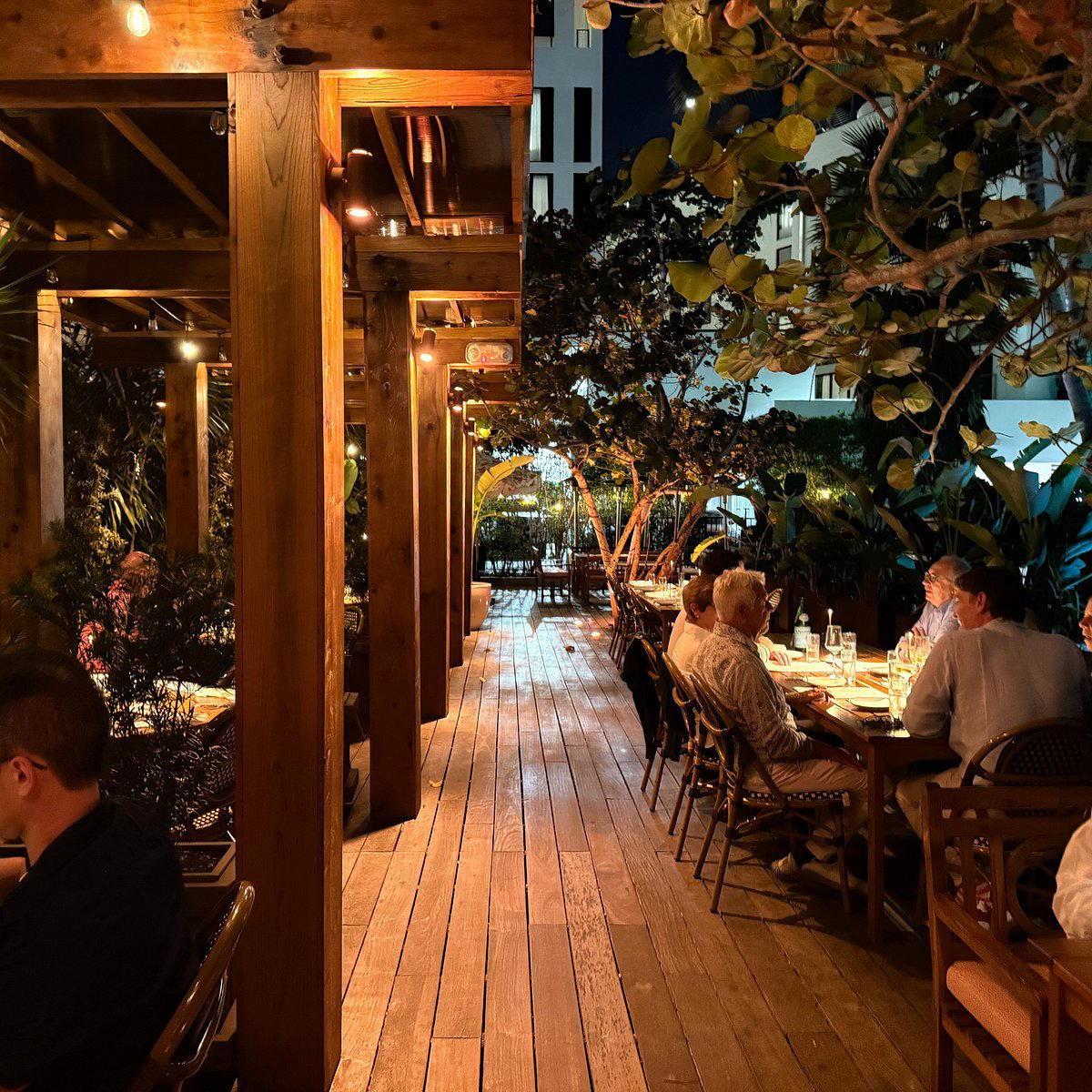
Warm-Climate Cooking, Ordered in Rounds
There is a particular rhythm to eating well in places where the air is thick and the evenings stretch late. In the Caribbean, the Spanish islands, and across coastal Southeast Asia, the small-plates format is not a restaurant trend borrowed from somewhere else — it is how people actually eat: a progression of dishes, passed around a table, each one a small argument for a specific flavor combination. Miami Beach, with its Atlantic humidity and its demographic mix drawn from the Caribbean basin and Latin America, is one of the few American cities where that rhythm feels genuinely native rather than imported. Paya works within that tradition, drawing on tropical and island-influenced cooking across Caribbean, Southeast Asian, and Spanish island registers.
The cuisine category alone signals an editorial decision. Grouping those three regional traditions is not an attempt to blur distinctions — it is a recognition that they share a pantry logic: bright acid, aromatic heat, herbs used in volume, proteins treated with marinades before dry or high-heat applications. A cook trained in any one of those traditions can read the other two with relative fluency. The approach Miami Beach diners encounter at Paya sits inside this broader overlap, where the small-plates format allows the kitchen to move between registers across a single meal.
The Ordering Logic
Small-plates dining rewards a specific kind of attention at the table. The instinct to over-order is almost universal on a first visit, and with a menu built across multiple regional traditions, that instinct is even harder to resist. The practical advice that applies across the small-plates category, order in two rounds, wait to see what the kitchen sends before committing to the second, holds here. Miami Beach operates in a social register where meals run long and the space between dishes is as much a part of the experience as the dishes themselves. In that context, the tapas-derived sharing format functions less as a constraint and more as a structural invitation to slow down.
Across the Spanish islands, particularly in the Balearics and the Canaries, the small-plates tradition carries a strong bias toward high-quality raw ingredients prepared simply and presented without much architectural fuss. Southeast Asian small plates, by contrast, tend toward more layered seasoning, fermented pastes, long-cooked sauces, fresh herb finishes applied at the last moment. Caribbean approaches sit somewhere between those poles, with acid doing a lot of the structural work that fat does in European traditions. A kitchen pulling across all three has to make choices about which register leads and which acts as accent. That tension, when managed well, is what makes this category interesting to follow in a city like Miami Beach.
Where Paya Sits in Miami Beach
Miami Beach's dining scene has diversified substantially over the past decade, moving away from a single-note emphasis on high-volume hotel restaurants toward a more varied set of options across formats and price tiers. The island-influenced and Caribbean-adjacent category is well-represented locally. Las' Lap works the Afro-Caribbean lounge register with a distinct identity, and Las' Lap Miami extends that offer further. Those venues operate in a different lane from Paya's multi-regional tropical frame, but they map the same broad appetite in the market for cooking that reflects the Caribbean basin rather than approximating it from a distance.
For comparison at the other end of the Miami Beach dining spectrum, Ezio's represents the Italian steakhouse category, a format built around abundance and occasion dining rather than the sharing-plate rhythm. Yue Chinese brings a Northern Chinese frame to the market, while Silverlake Bistro occupies a bistro register. The range of these options reflects a market that has grown specific enough to sustain multiple distinct cuisine identities rather than collapsing them into a generic Miami aesthetic. Paya's multi-regional tropical positioning is legible within that context, it is a considered category choice, not a hedge.
For a fuller view of what is currently operating across price tiers and formats in Miami Beach, the EP Club Miami Beach restaurants guide covers the broader field. Those planning around accommodation and activities can also reference the Miami Beach hotels guide, bars guide, and experiences guide for a complete picture of the island's current offering.
Reference Points Outside Miami
The tropical and island-influenced small-plates category does not map neatly onto the kind of formal tasting-menu tradition represented by venues like The French Laundry in Napa or Alinea in Chicago, or the European fine-dining register occupied by Alain Ducasse at Louis XV in Monte Carlo. It operates by different criteria: generosity of seasoning, the quality of sourcing for tropical ingredients, and the kitchen's fluency across multiple regional traditions rather than deep mastery of a single one. For travelers whose reference points include Southeast Asian fine dining, 8½ Otto e Mezzo Bombana in Hong Kong represents a different regional tradition at the formal end, the comparison with Paya is one of format and ambition rather than cuisine overlap. The Miami Beach venue is working a warmer, more informal register, which is exactly what the format calls for.
Venues like Le Bernardin in New York, Lazy Bear in San Francisco, or Single Thread Farm in Healdsburg occupy the precision-driven tasting-menu tier where every variable is controlled. Paya operates in a different social contract with the diner: the meal is built around participation and conversation, not a scripted progression. That is not a lesser ambition, it is a different one, and one that suits Miami Beach's pace considerably better than a two-hour omakase would.
Planning Your Visit
Miami Beach dining peaks across two distinct seasons. The winter months, roughly November through April, draw the highest concentration of visitors and the city's most active social calendar, which means that any restaurant with a following will fill quickly during that window. The summer months carry heat and humidity that suit the tropical cooking tradition at Paya particularly well, and the lower density of tourists during that period can mean more flexibility for walk-in or short-notice bookings. For a venue oriented around sharing and social eating, the shoulder seasons, late April and October, offer a reasonable middle ground between lively room energy and booking availability. Broader planning resources, including the Miami Beach wineries guide, are also available through EP Club for those building a longer itinerary around the island.
Quick Comparison
| Venue | Cuisine | Price |
|---|---|---|
| PayaThis venue — the venue you are viewing | Tropical / island-influenced (Caribbean, SE Asia, Spanish islands) | This venue |
| Ezio’s | Italian steakhouse | Italian steakhouse |
| Las’ Lap | Afro-Caribbean lounge / cuisine | Afro-Caribbean lounge / cuisine |
| Yue Chinese | Northern Chinese | Northern Chinese |
Continue exploring
More in Miami Beach
Restaurants in Miami Beach
Browse all →
Bars in Miami Beach
Browse all →
At a Glance
- Lively
- Trendy
- Elegant
- Date Night
- Happy Hour
- Casual Hangout
- Open Kitchen
- Terrace
- Garden
- Craft Cocktails
- Farm To Table
- Local Sourcing
- Garden
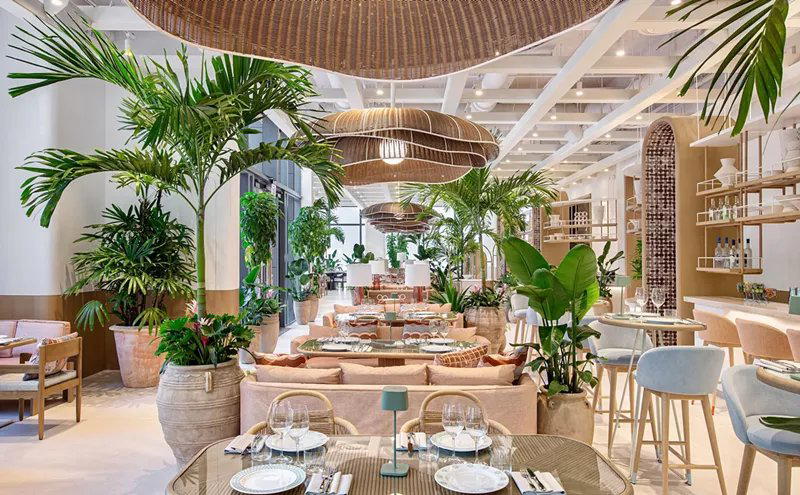
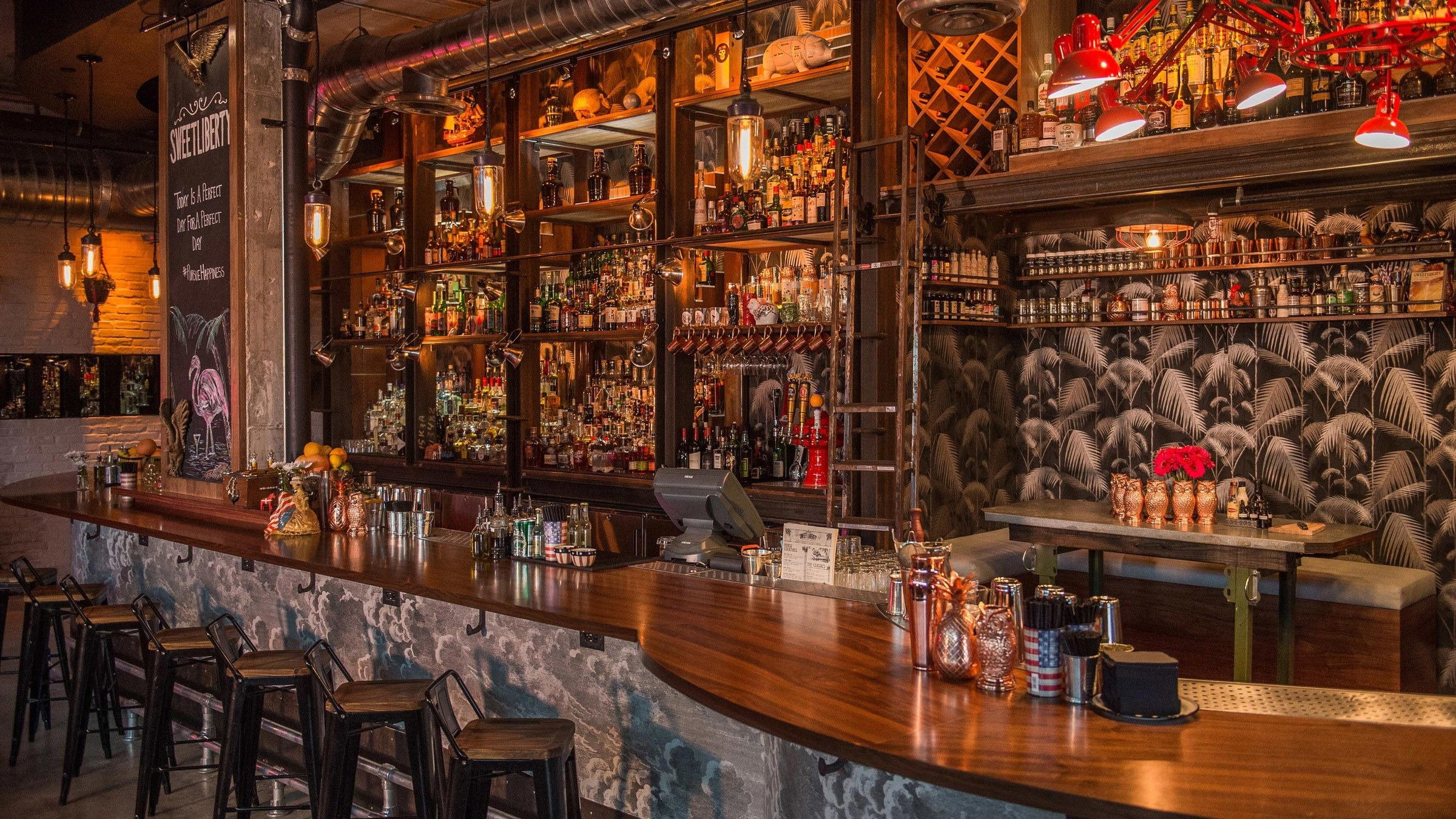
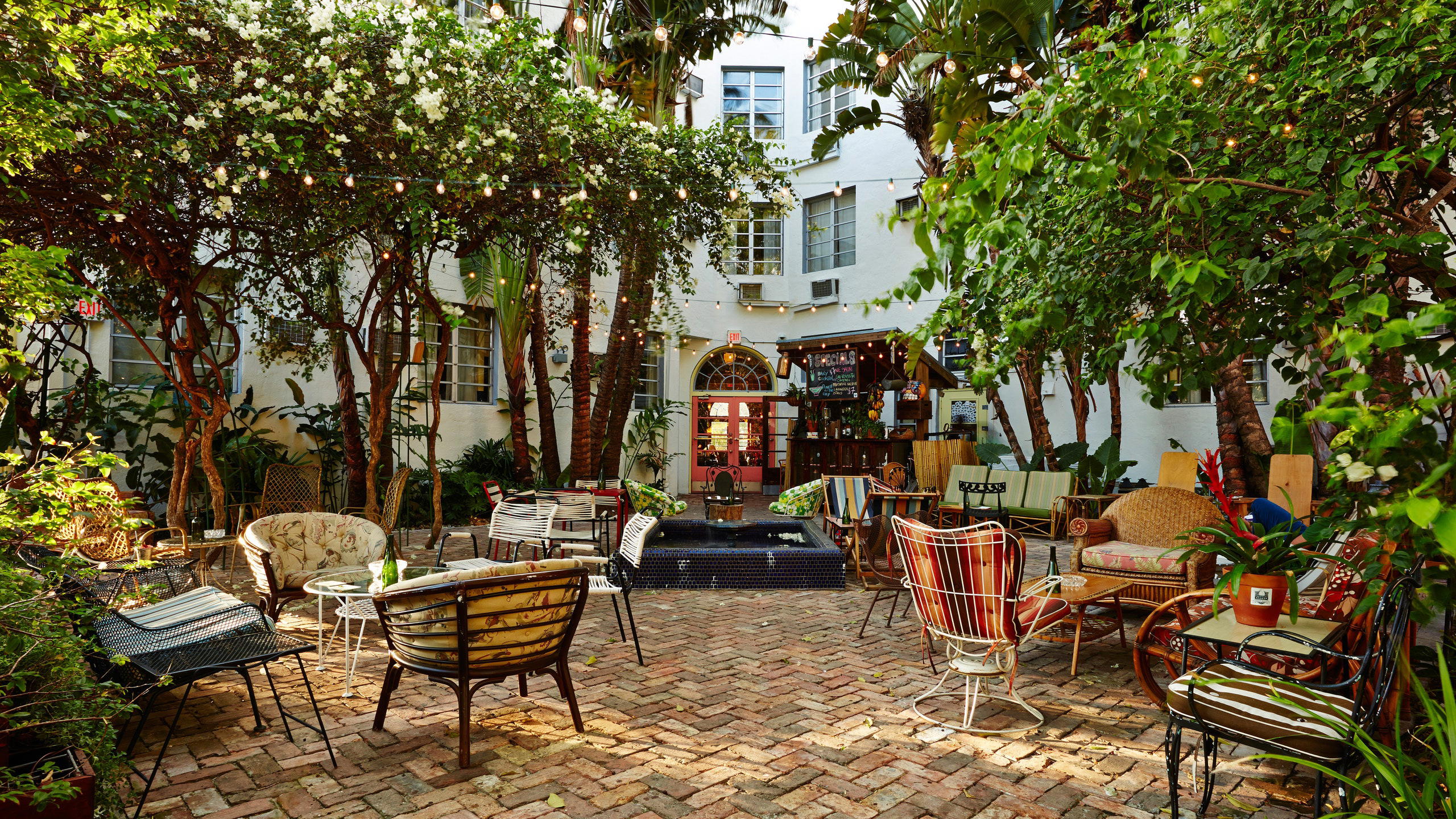
Soft glow of candlelight, long plush curtains, rattan chairs, palm-patterned wallpaper, and a striking teal bar creating a laid-back tropical yet modern elegant atmosphere.